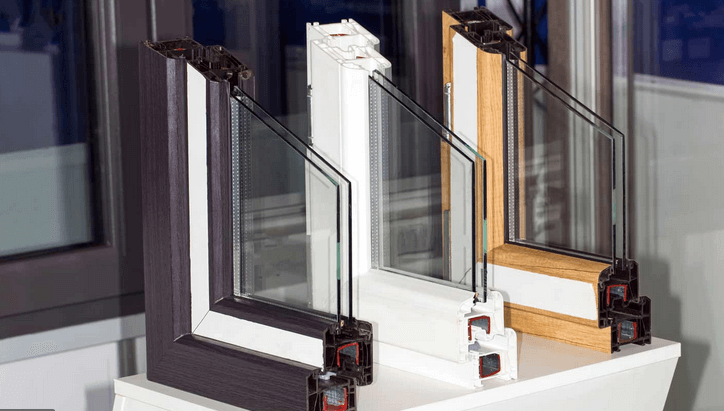
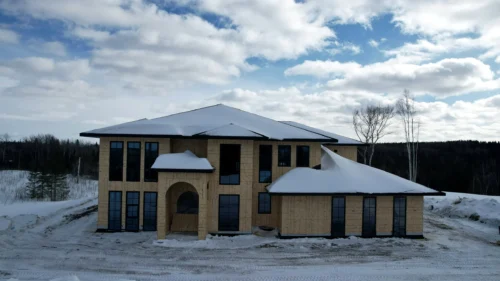
When it comes to creating a comfortable and healthy home, window ventilation plays a bigger role than most people realize. The right window design doesn’t just let in light—it keeps air circulating, reduces humidity, and helps maintain a pleasant indoor climate year-round. Good ventilation removes indoor pollutants, balances temperature, and even lowers energy costs by reducing the need for mechanical cooling or air purifiers.

At its core, ventilation works by encouraging fresh air to flow in and stale air to exit. This can be achieved through natural airflow principles—like cross-ventilation, where breezes move through windows on opposite walls, or the stack effect, where warm air rises and escapes through higher openings while cool air enters from below. With smart window placement and the right styles, you can enhance airflow naturally, keeping your home cooler, fresher, and more energy-efficient without relying solely on air conditioning.
Window Types That Maximize Ventilation
| Window Type | How It Opens | Ventilation Strength | Best Use Locations | Weather When Open | Space Constraints | Energy/Seal (Closed) | Notes |
|---|---|---|---|---|---|---|---|
| Casement | Side-hinged, swings outward | Excellent — can “scoop” breeze | Kitchens, living rooms, windward walls | Close during strong storms | Needs outward clearance (paths, plants) | High — tight compression seal | Great airflow + efficiency; check hardware |
| Awning | Top-hinged, tilts outward | Very good — steady intake | Bathrooms, over counters, rainy climates | Good — sheds rain while venting | Needs some outward clearance | High — similar to casement | Vent in light rain; pair high on wall |
| Double-Hung | Two sashes slide vertically | Good — top out / bottom in convection | Bedrooms, traditional facades | Close in wind-driven rain | No swing clearance needed | Moderate — brush/weatherstrip dependent | Balanced airflow; easy to screen and clean |
| Sliding | Panels glide horizontally on track | Fair–Good — half opening at a time | Hallways, near walkways/balconies | Close in strong crosswinds/rain | Best — no outward swing needed | Moderate — track seals vary | Low profile; clean tracks for smooth glide |
| Bay/Bow (with operables) | Fixed center + operable sides (varies) | Good–Very good — multi-direction intake | Living rooms, dining nooks, reading seats | Depends on side unit type | Needs projection space outside wall | Mixed — more joints to seal | Adds interior space + light from angles |
| Louver/Jalousie | Tilting glass/metal slats | Excellent — highly adjustable, broad opening | Sunrooms, porches, tropical climates | Fair — rain can enter when wide open | Minimal outward projection | Lower — many joints; choose quality hardware | Great control of airflow; screen carefully |
When you’re choosing the best window design for ventilation, the key is how wide a window can open and how it directs the air. Here are some of the top window types that bring in fresh air efficiently and keep your space feeling breezy and balanced all year round.
Casement Windows – Catch Every Breeze
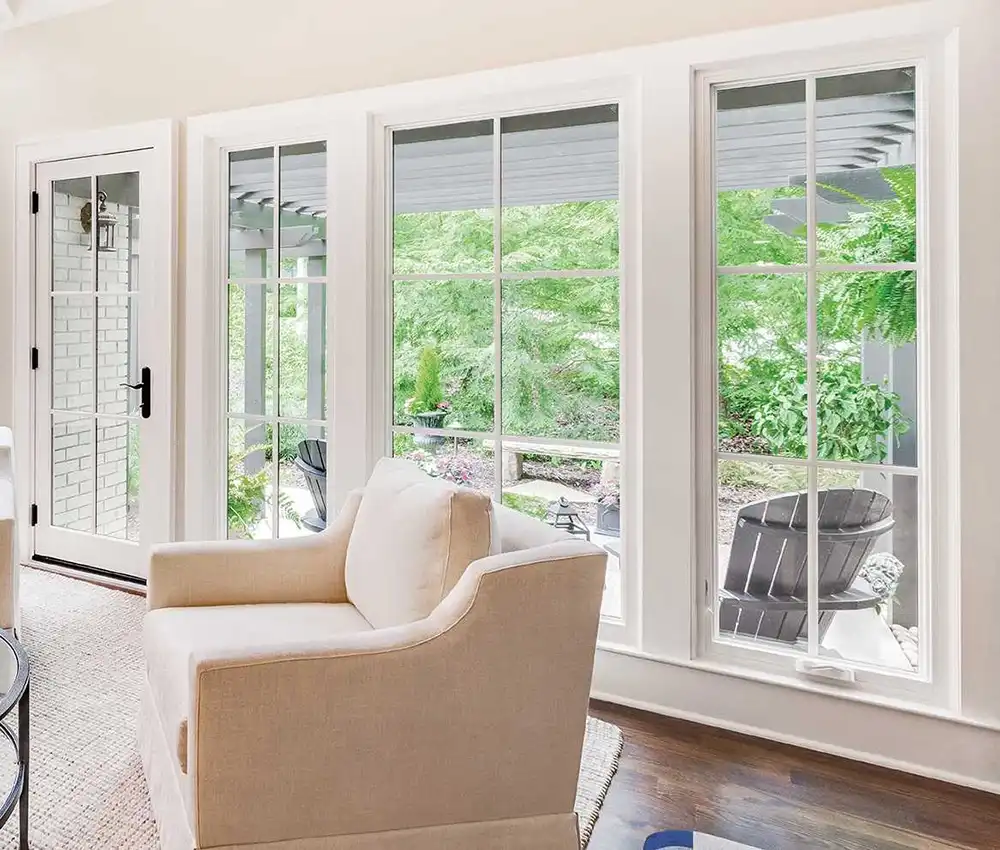
Casement windows are hinged on one side and swing outward like a door. Because they open fully and can be angled toward the wind, they’re incredibly effective at capturing passing breezes and channeling fresh air inside. They’re ideal for spots where you want strong airflow, like kitchens or living rooms, and they seal tightly when closed for great energy efficiency.
Awning Windows – Ventilation Even in Rain
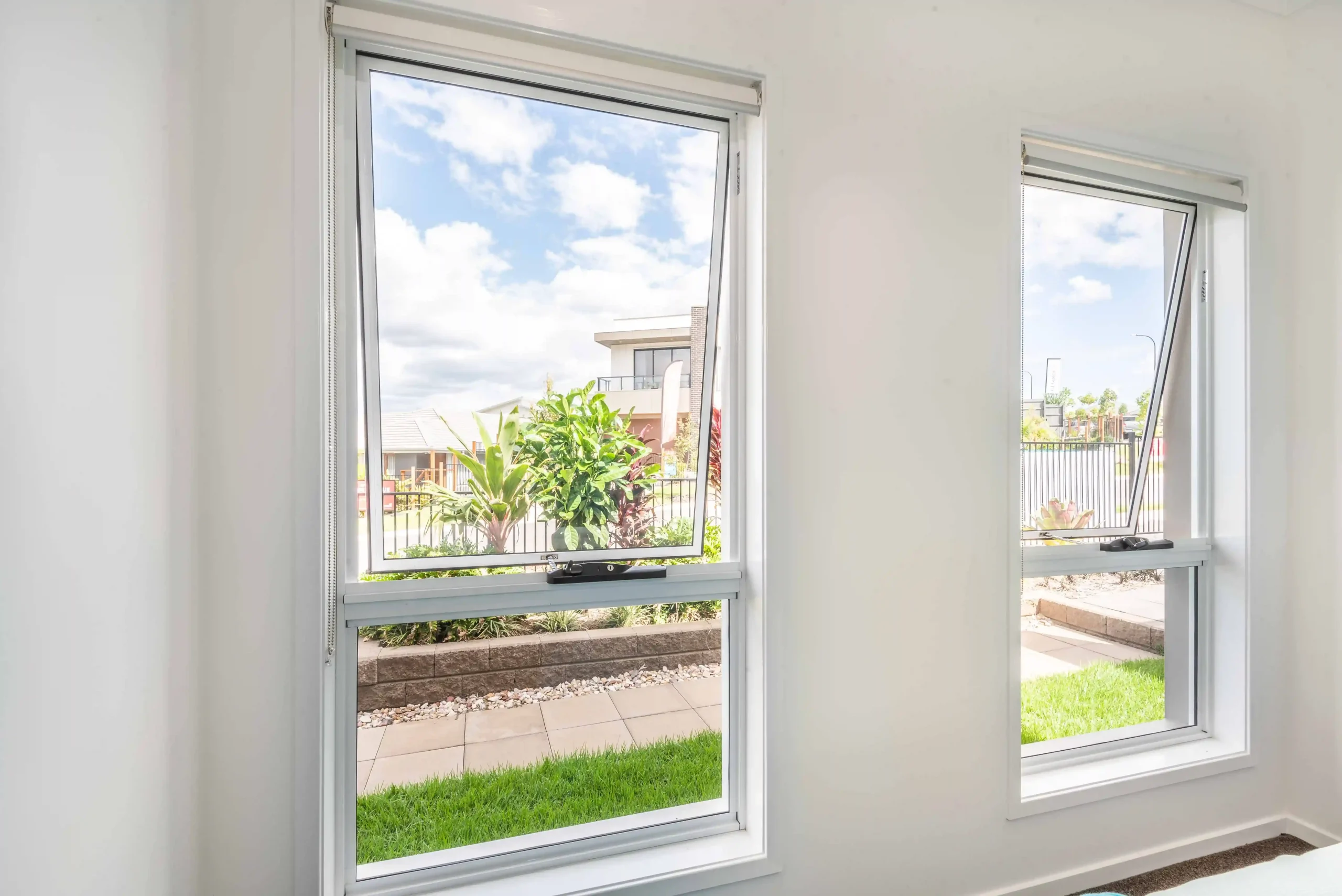
Awning windows are hinged at the top and open outward from the bottom, forming a small roof-like shape. This design allows ventilation even when it’s raining, keeping your interior dry while air circulates freely. They’re perfect for bathrooms or above countertops, where privacy and protection from moisture are both important.
Double-Hung Windows – Flexible Air Movement
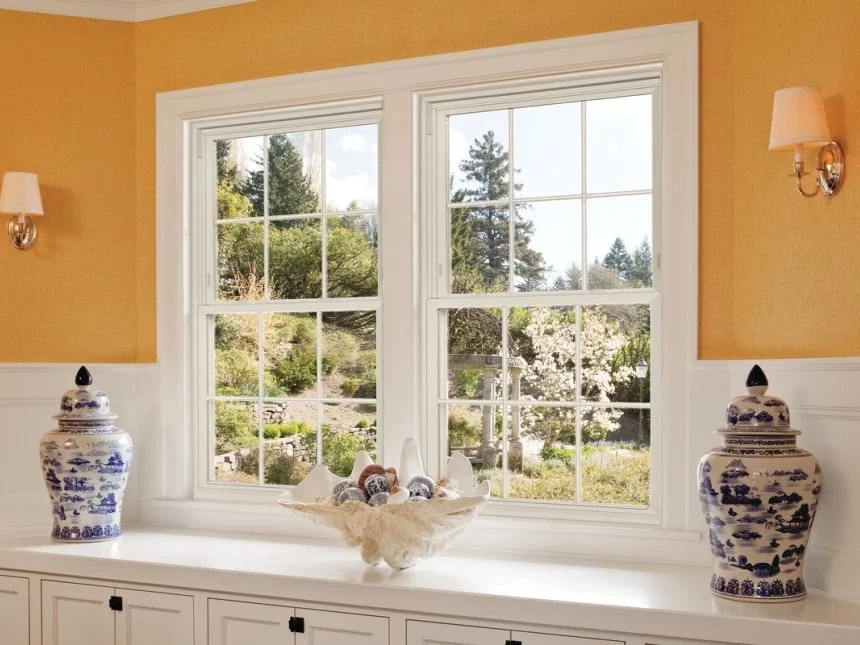
Double-hung windows feature two sashes that can move up and down independently. Open the top sash to let warm air escape while the bottom brings in cool air—creating a natural convection effect. They’re a timeless choice that balances ventilation, easy cleaning, and traditional aesthetics.
Sliding Windows – Smooth and Simple Airflow
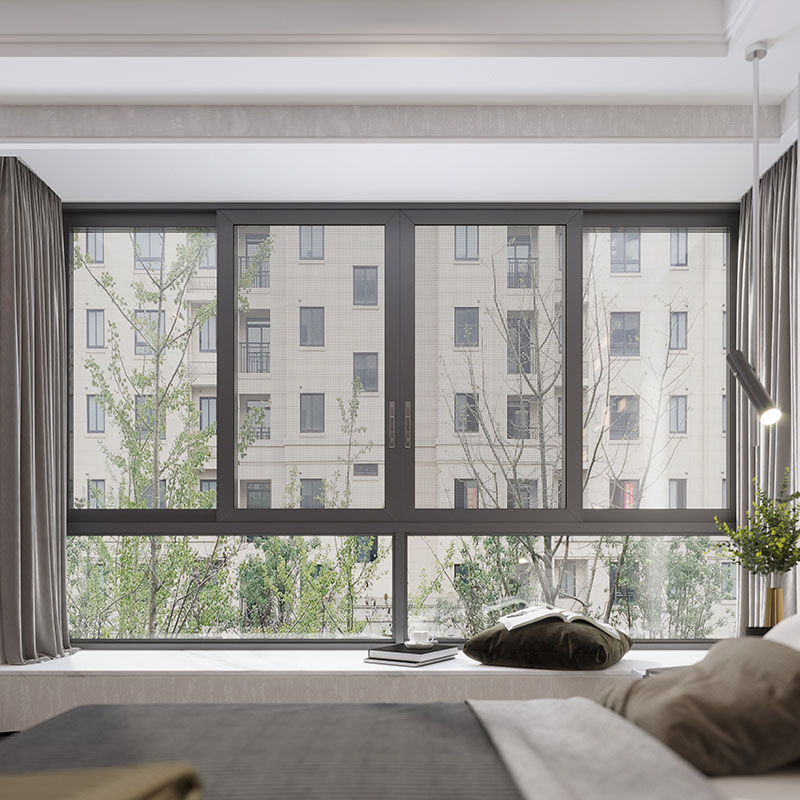
Sliding windows glide horizontally along a track, making them convenient for modern homes. While they don’t open as wide as casement styles, they allow steady airflow and are great for areas with limited exterior space—like balconies or walkways—where outward-opening windows aren’t practical.
Bay & Bow Windows – Multi-Directional Ventilation
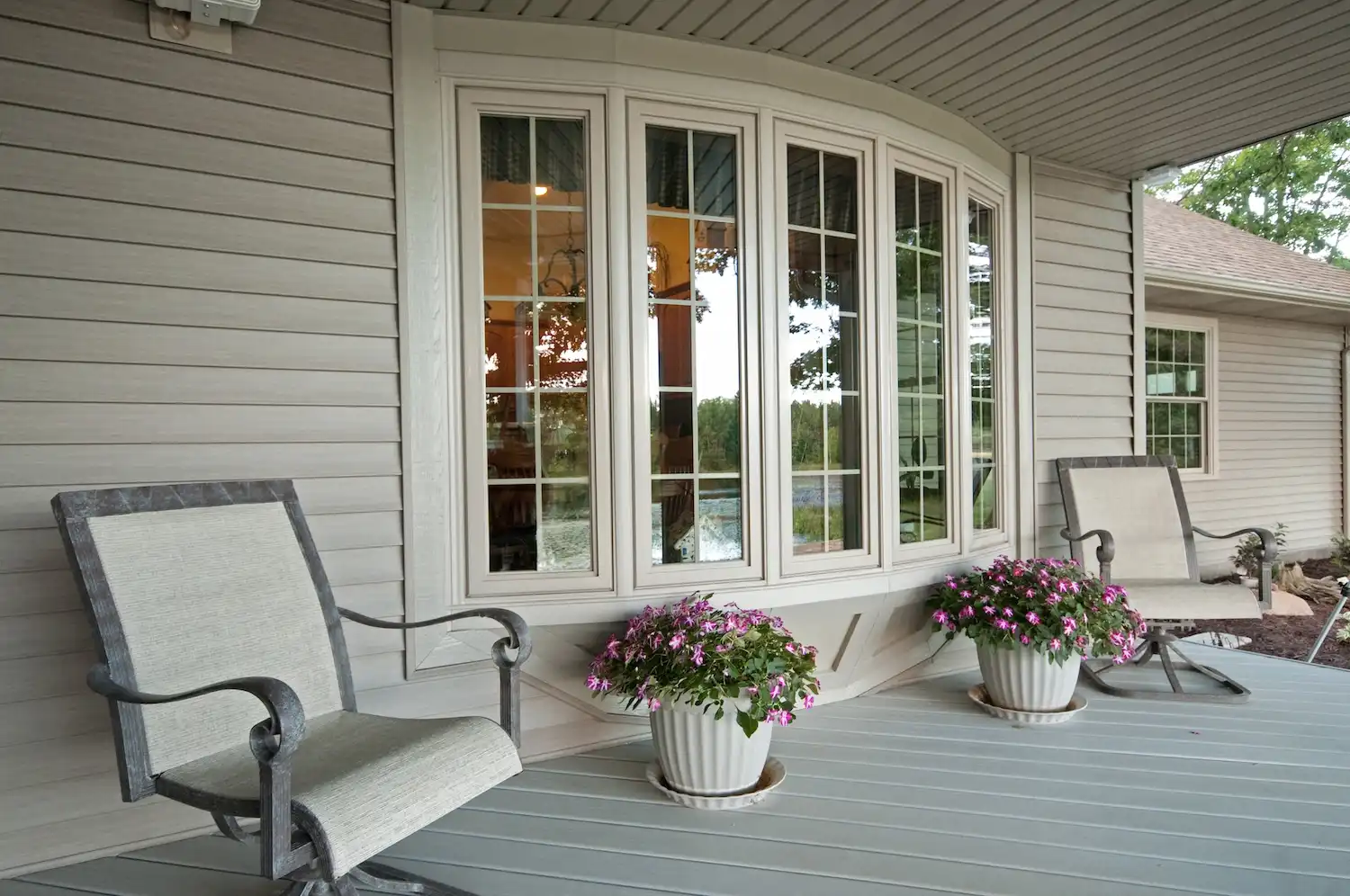
Bay and bow windows combine multiple panels, often including operable sides such as casements or double-hung units. This design brings in light from several angles and enables airflow from different directions at once. They also add extra space indoors, perfect for a window seat or reading nook.
Louvered or Jalousie Windows – Adjustable Control

Louvered or jalousie windows feature slanted glass or metal slats that tilt open and closed. They’re highly adjustable, allowing you to fine-tune airflow and light levels. While more common in tropical climates, they’re an excellent option for sunrooms, porches, or spaces that need constant, gentle ventilation.
Placement & Layout Strategies
Even the best window design won’t perform well without smart placement. The way you position your windows has a major impact on how air flows through your home. By understanding natural airflow and using a few proven design strategies, you can make your windows work harder for you—keeping your interiors fresh, balanced, and comfortable all day long.
Cross-Ventilation: Position Windows to Catch the Breeze

Cross-ventilation happens when windows are placed on opposite or adjacent walls, allowing air to flow freely across a room. This setup creates a steady stream of cool air entering from one side and warm air exiting from the other. For the best results, place larger windows on the side that usually faces the prevailing wind and smaller ones on the opposite side. This creates a pressure difference that pulls in more air naturally—a principle often used by designers like Bradnams to enhance passive cooling.
Stack Effect: Use Height to Your Advantage

The stack effect takes advantage of how warm air rises and cool air sinks. By combining high windows (such as clerestories or transoms) with lower openings, you can encourage hot air to escape upward while pulling in cooler air from below. This passive ventilation strategy is especially effective in multi-story homes or rooms with tall ceilings, helping regulate temperature without mechanical systems.
Orientation & Wind Direction: Work With Nature

Your home’s orientation relative to prevailing winds can make a huge difference. South- or west-facing windows capture more sunlight and warmth, while north-facing openings typically provide steady, gentle airflow. Study local wind patterns before installing large operable windows—positioning them correctly can increase ventilation efficiency dramatically while minimizing unwanted drafts or heat gain.
Design Details & Features
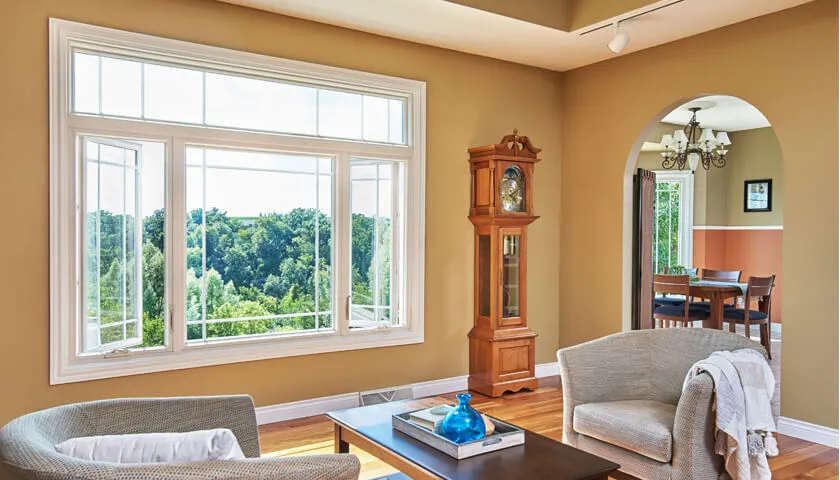
Beyond placement, small design details can greatly improve airflow and comfort.
Full-Opening Sashes: Choose designs that open completely—like casement or louvered windows—to maximize air intake.
Multipoint Hinges: High-quality hinges allow panels to swing wider, improving both ventilation and ease of cleaning.
Minimal Muntins or Obstructions: Large, clear openings reduce air resistance and let breezes move freely through the room.
Adjustable Vents or Transoms: Add transom windows or built-in vents to fine-tune airflow, even when main windows are closed.
Together, these strategies create a naturally ventilated home that feels airy and fresh while using less energy—proof that good design can work beautifully with nature.