














What “Handing” Means for Casement Windows

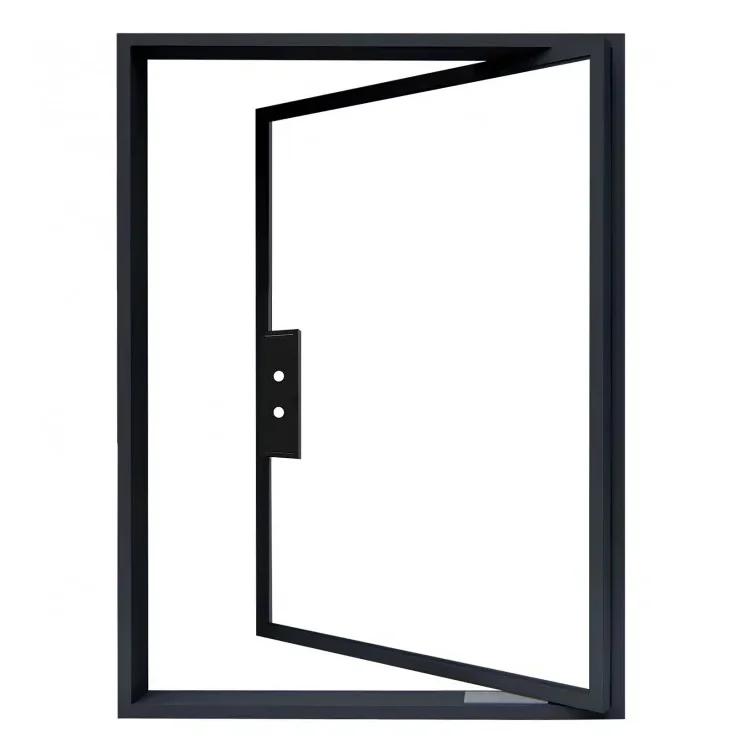
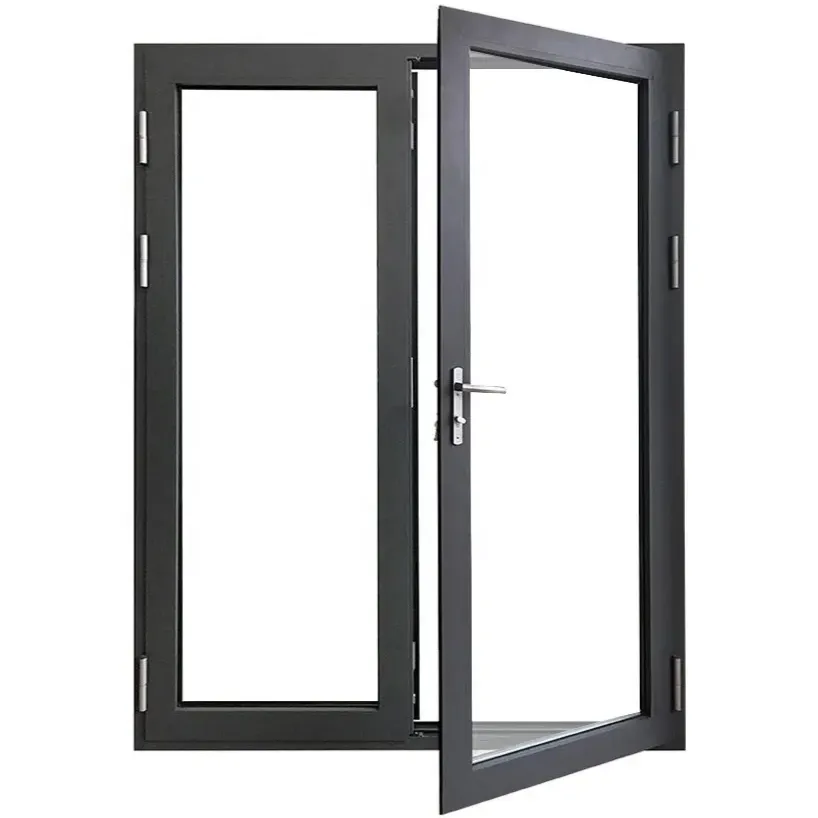
When people talk about handing for casement windows, they’re simply referring to which side the window is hinged on and which direction it swings open. Think of it like a door—left-handed or right-handed, depending on where the hinges sit.
Handing matters more than many homeowners realize. If you order the wrong handing, the window may open into a wall, block furniture, or interfere with airflow. That’s why window manufacturers use standard industry terms to avoid confusion during ordering, fabrication, and installation.
The two most common terms you’ll see are FCL and FCR, which are based on viewing the window from outside the building—not from inside the room.
Standard Terminology Explained: FCL vs. FCR
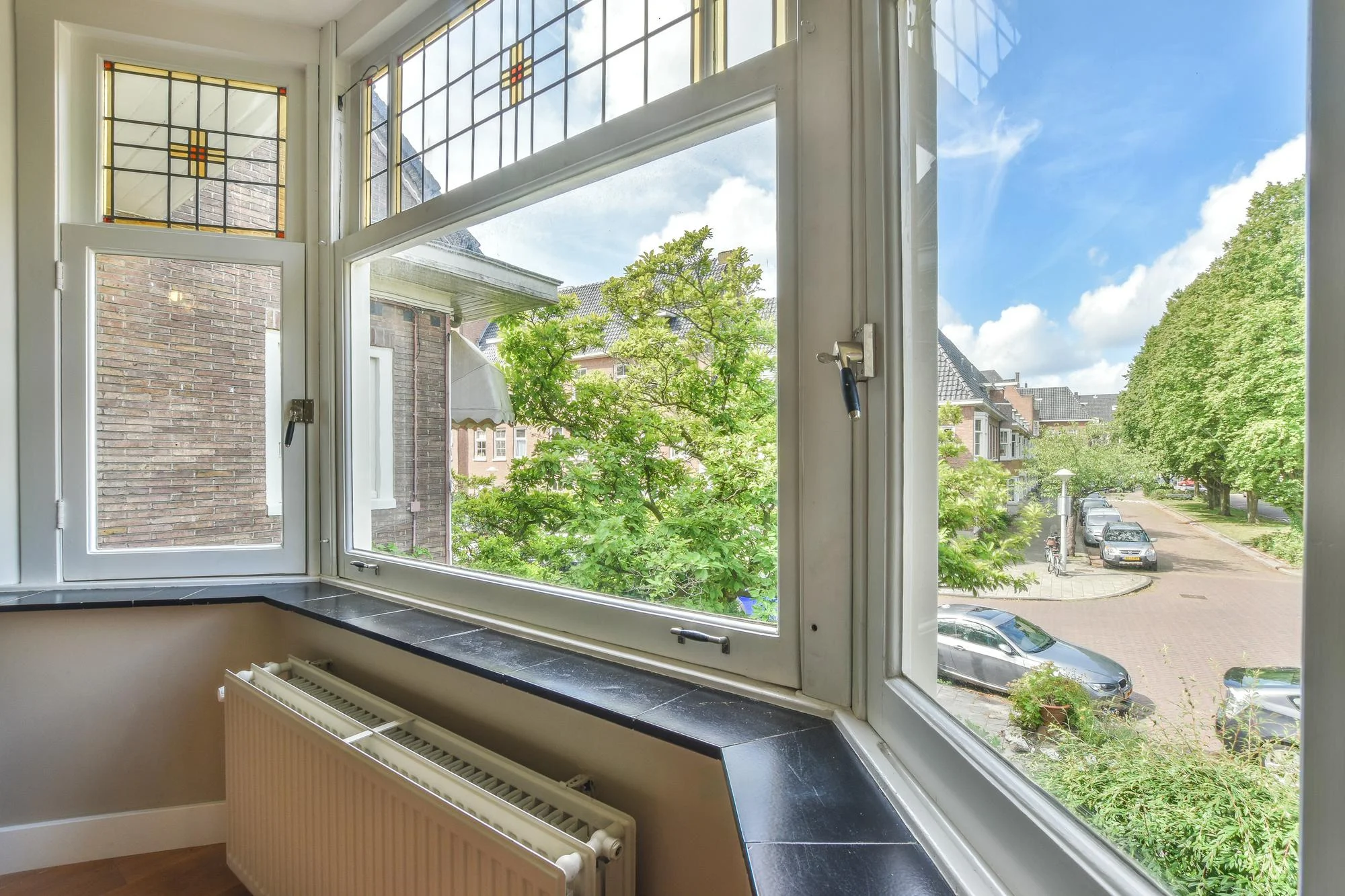
To keep things consistent, window manufacturers always define handing from the exterior (curbside) perspective.
- FCL (From the Curb Left)
If you’re standing outside and the hinges are on the left, the window is FCL. - FCR (From the Curb Right)
If you’re standing outside and the hinges are on the right, the window is FCR.
This exterior-based standard helps avoid miscommunication between homeowners, contractors, and manufacturers—especially on large projects or replacement orders.
Step-by-Step: How to Check Your Window’s Opening Direction

Not sure which direction your casement window opens? Follow these simple steps to confirm it quickly.
- Look at the Hinges from Inside: Stand inside the room and see which side the hinges are on. This gives you a quick first clue.
- Check from Outside (Curb View): Go outside and face the window. This is the perspective manufacturers use. Note whether the hinges are on the left or right.
- Check the Handle or Crank Location: The handle or crank is usually on the opposite side of the hinges. This helps confirm the swing direction.
- Test How the Window Swings: Open the window fully and observe the swing path. Does it move left or right from the exterior view?
- Look for Manufacturer Labels: Some windows include labels, order tags, or etched markings that indicate FCL or FCR. These are especially helpful on newer installations.
In-Swing vs Out-Swing Casement Windows

| Feature | Out-Swing Casement | In-Swing Casement |
|---|---|---|
| Opening direction | Swings outward | Swings inward |
| Interior space impact | Keeps interior space clear | Needs interior clearance |
| Exterior clearance needs | Requires space outside to open | Works well with tight exteriors |
| Weather exposure when open | More exposed during wind-driven rain | May allow rain inside if open |
| Cleaning convenience | Exterior cleaning may require access | Easier to clean from indoors |
| Typical use cases | Most residential applications | Balconies, walkways, screened exteriors |
| Best for ventilation | Wide opening captures breezes well | Good ventilation with indoor clearance |
| Safety & obstruction risk | Can interfere with paths/landscaping | Can interfere with blinds/furniture |
Practical Factors for Choosing Opening Direction

Choosing the right opening direction isn’t just “left or right.” It’s about making sure the window works with your space, your climate, and how you live.
1) Exterior Clearance
If the window opens outward, check for walkways, railings, plants, or decks. You don’t want the sash blocking a path or hitting obstacles.
2) Interior Layout
For in-swing windows, make sure the area inside stays clear. Curtains, blinds, countertops, and furniture can all get in the way.
3) Ventilation Goals
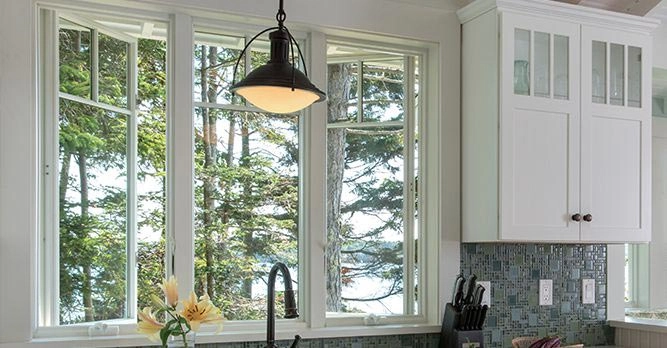
Out-swing casements can “catch” side breezes and funnel air inside, which is great for cross-ventilation. If airflow is a top priority, direction matters.
4) Weather and Rain
If your area gets frequent rain or strong wind, think about how you’ll use the window when conditions change. In wet climates, you may prefer an opening style that reduces rain exposure during ventilation.
5) Ease of Use
Consider where the handle will be and who uses it most. For example, a right-handed person may prefer a handle position that feels natural and easy to reach.
6) Cleaning Access
Upper floors and tight exterior access can make cleaning harder. In-swing options can be easier to clean from indoors, depending on design and hardware.
Need Help Choosing the Right Casement Window?
Not sure whether an in-swing or out-swing casement window is best for your space? Our window specialists can help you evaluate layout, ventilation, clearance, and local climate to recommend the right opening direction for your project.
From residential upgrades to full-scale construction, we’ll guide you through selection, specifications, and installation details—so everything works perfectly from day one.
FAQs
How to tell which way a casement window opens?
Check the hinge and handle positions. If viewed from outside, the hinge side shows where it swings — hinges left = left-hand, hinges right = right-hand.
How to know which direction a window is facing?
Look from outside: the hinge side (left or right) tells you the swing direction and whether it’s left-hand or right-hand.
What direction is the arrow on a casement window?
On some diagrams, arrows/triangles point toward the hinged side: left arrow for FCL, right arrow for FCR.
Do casement windows open inward or outward?
Most casement windows open outward, but some can be configured to open inward if space or design requires it.