














A Prairie style home is more than just an architectural design — it’s a philosophy that celebrates simplicity, harmony, and a deep connection to nature. Born in the early 20th century, this style redefined how homes could look and feel, moving away from overly ornate European influences toward something uniquely American.

With its clean horizontal lines, open layouts, and natural materials, the Prairie style home was designed to blend into the surrounding landscape rather than dominate it. These homes feel calm, balanced, and grounded — like an extension of the earth itself. For homeowners today, this timeless style still represents warmth, craftsmanship, and a sense of quiet sophistication.
Origins & History
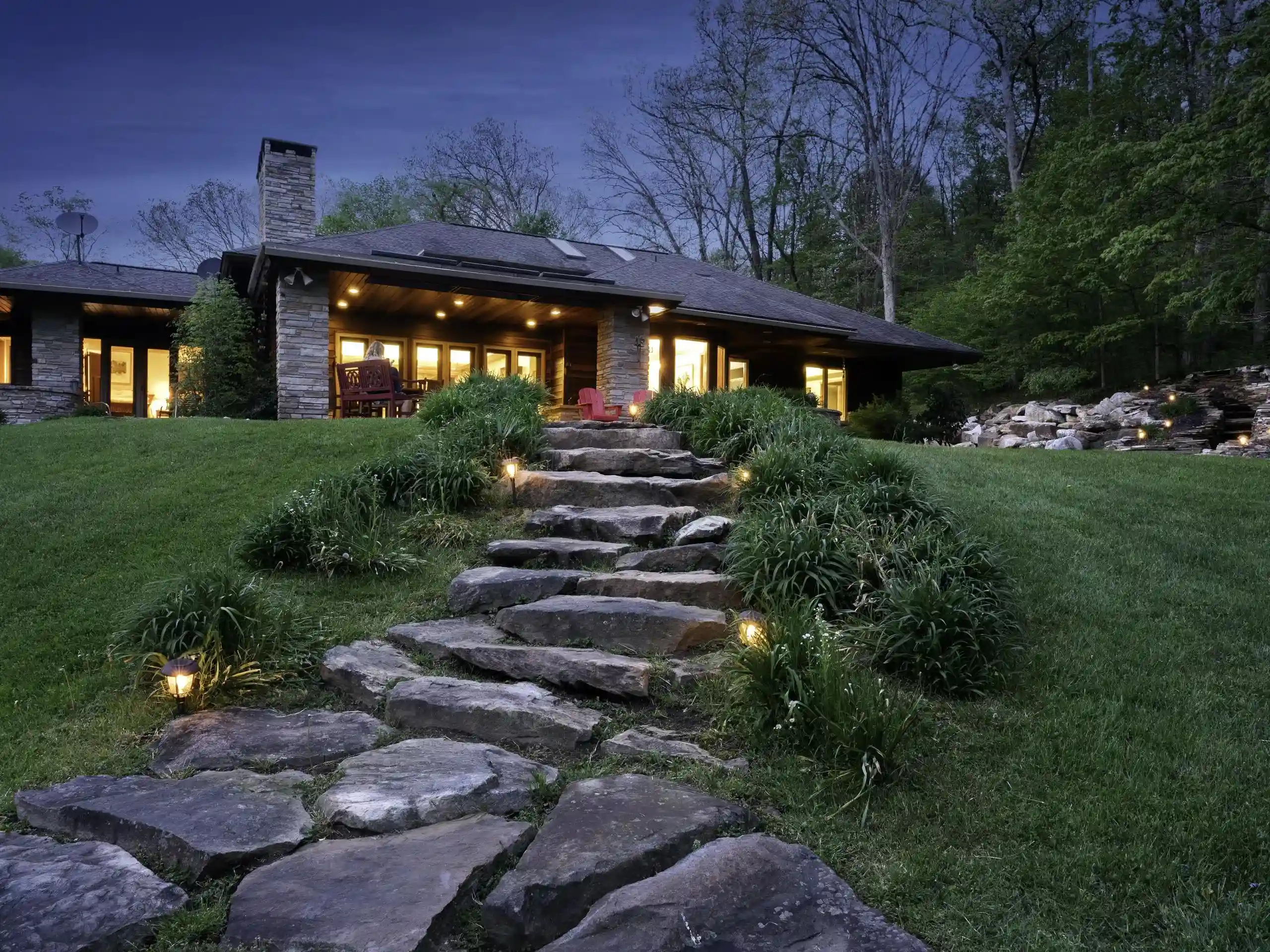
The Prairie style emerged around Chicago in the early 1900s, led by a group of forward-thinking architects known as the Prairie School. Among them, Frank Lloyd Wright became the most famous advocate. He envisioned homes that were open, functional, and connected to the land — breaking away from the crowded, decorative Victorian designs of the past.
This new approach was inspired by the Arts and Crafts movement, which valued craftsmanship and honest materials, and by the vast, flat landscapes of the American Midwest. Wright and his peers wanted architecture that reflected those wide, horizontal horizons.
By 1915, the style began to decline as new architectural trends took hold, but its influence never disappeared. The Prairie style’s open floor plans, natural tones, and integration with the environment laid the foundation for much of modern American residential design.
Key Exterior Features of Prairie Style Homes
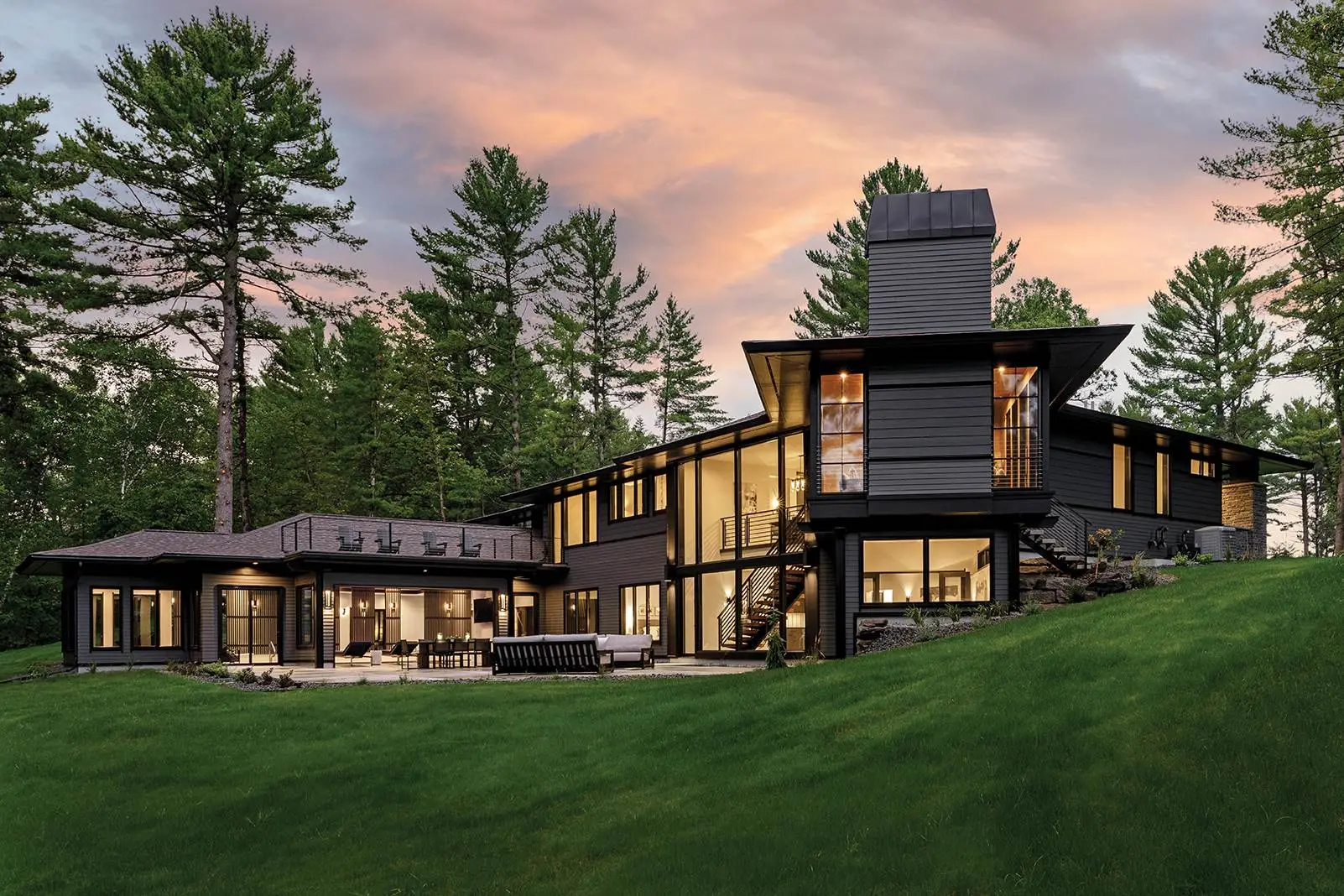
One look at a Prairie style home, and you’ll notice its strong, grounded presence. Everything about the design emphasizes balance, simplicity, and connection to the surrounding landscape. The details may seem subtle, but together they create a timeless architectural character that feels both elegant and welcoming.
Horizontal Emphasis
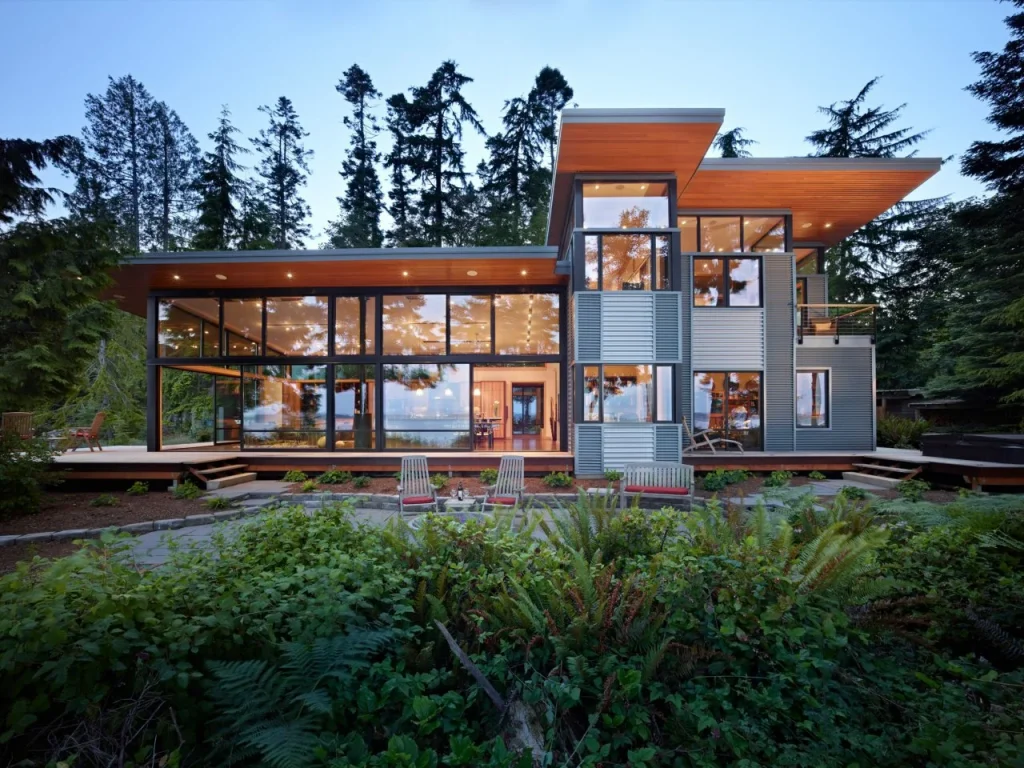
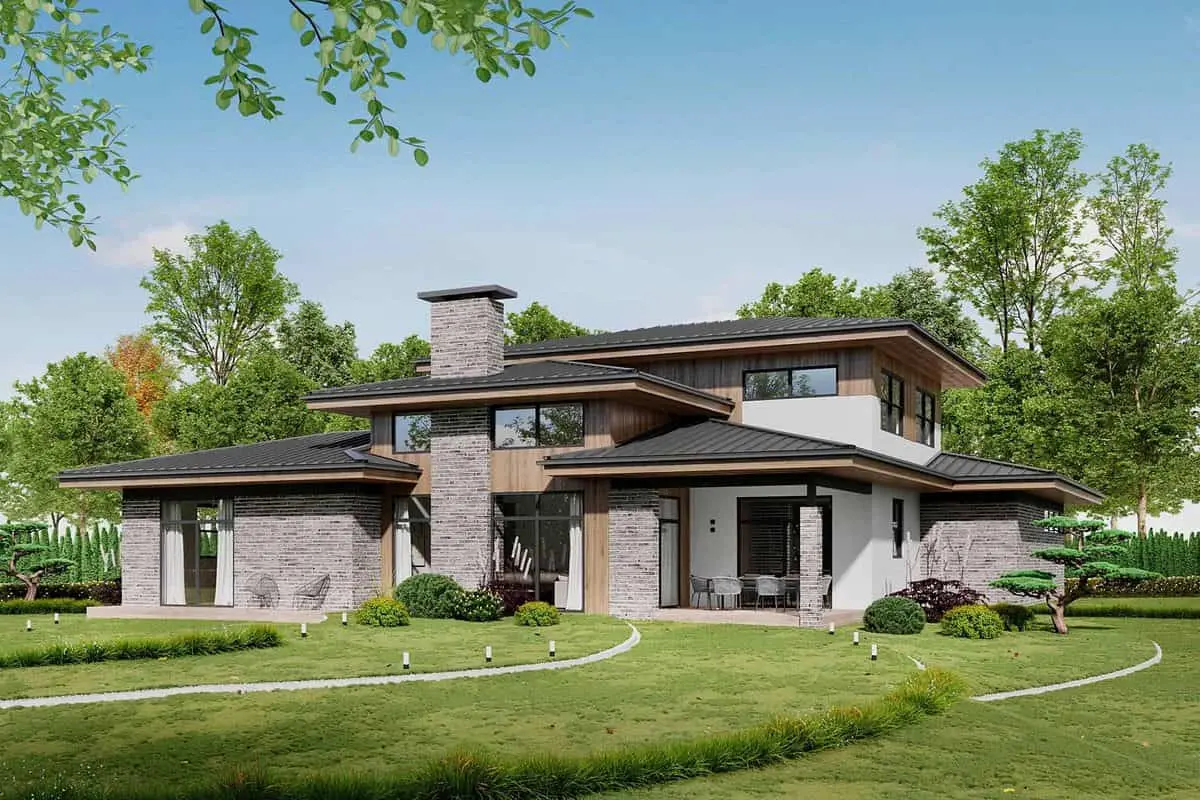
The most defining feature of Prairie architecture is its horizontal design. Low-pitched or flat roofs with wide, overhanging eaves stretch outward, mimicking the flat lines of the Midwest prairie. This creates a calm, anchored look — as if the house naturally belongs to the land. The rooflines often extend far beyond the walls, visually pulling the structure closer to the ground.
Natural Materials
Prairie homes celebrate materials that blend with nature. You’ll often see brick, stucco, wood, and stone finishes, chosen for their warm, earthy tones. These materials reflect the natural colors of the environment and highlight the craftsmanship that defines the style. The goal was never to stand out but to complement the landscape — a philosophy that still inspires sustainable design today.
Windows and Light Rhythm
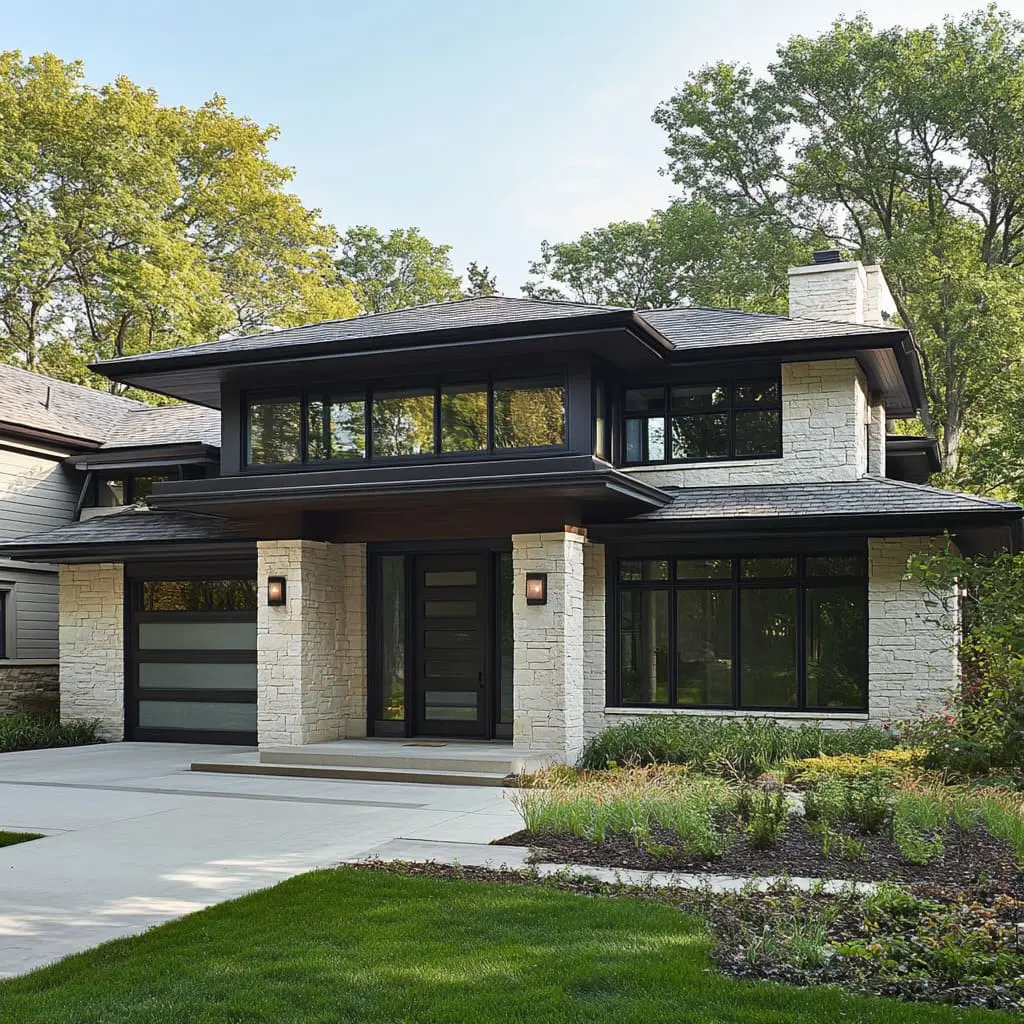
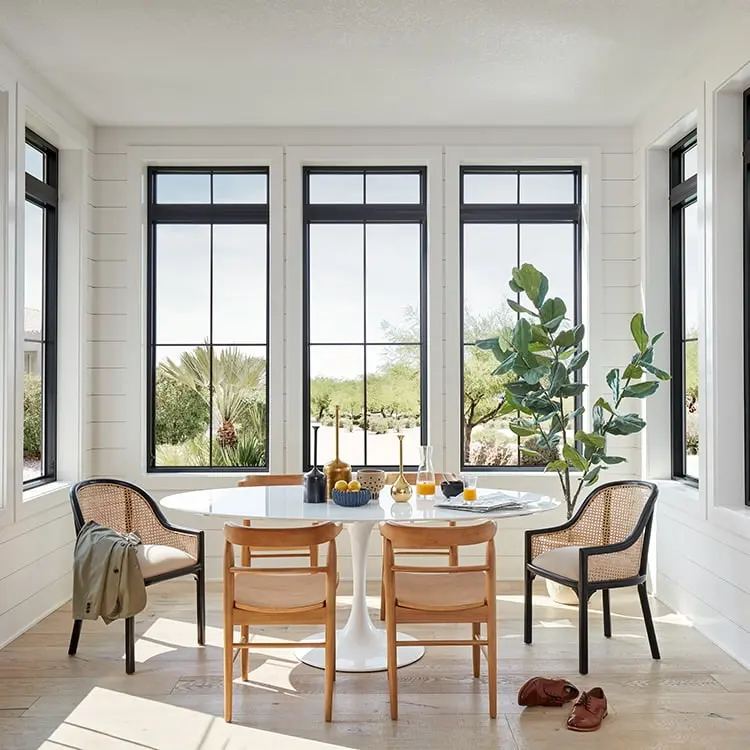
Rows of windows, sometimes called ribbon windows, are another hallmark of Prairie design. These continuous bands of glass let in abundant light while emphasizing horizontal lines. In some designs, tall and narrow windows are grouped together to create a rhythmic pattern across the façade. The result is a bright, open interior that feels connected to the outdoors.
Integration with the Landscape
Everything in a Prairie style home is designed to work with nature, not against it. From broad chimneys and solid porch posts to terraces and planters, each element feels “married to the ground.” The structure becomes part of its surroundings, inviting the landscape to flow naturally around it.
This thoughtful balance between architecture and environment is what gives Prairie homes their timeless appeal — a design that feels both modern and deeply rooted in nature.
Interior & Floor Plan Characteristics
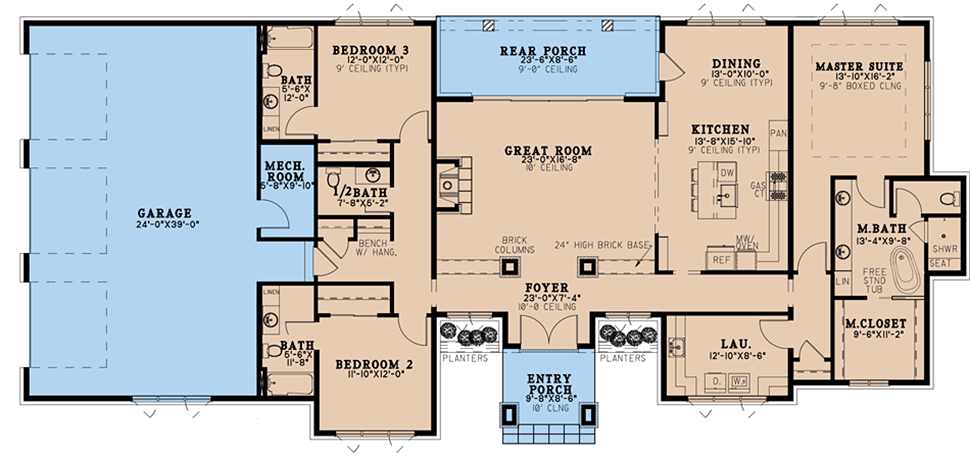
Step inside a Prairie style home, and you’ll immediately feel the difference. Instead of tight hallways and boxy rooms, the space feels open, connected, and full of natural light. This design approach was revolutionary for its time — and it still inspires modern architecture today.
Open and Flowing Spaces
Prairie homes favor open floor plans that allow rooms to flow naturally into one another. Living, dining, and kitchen areas are often connected without full walls, creating a spacious, airy feeling. This openness encourages family interaction and lets light travel freely throughout the interior.
Built-In Craftsmanship and Natural Materials
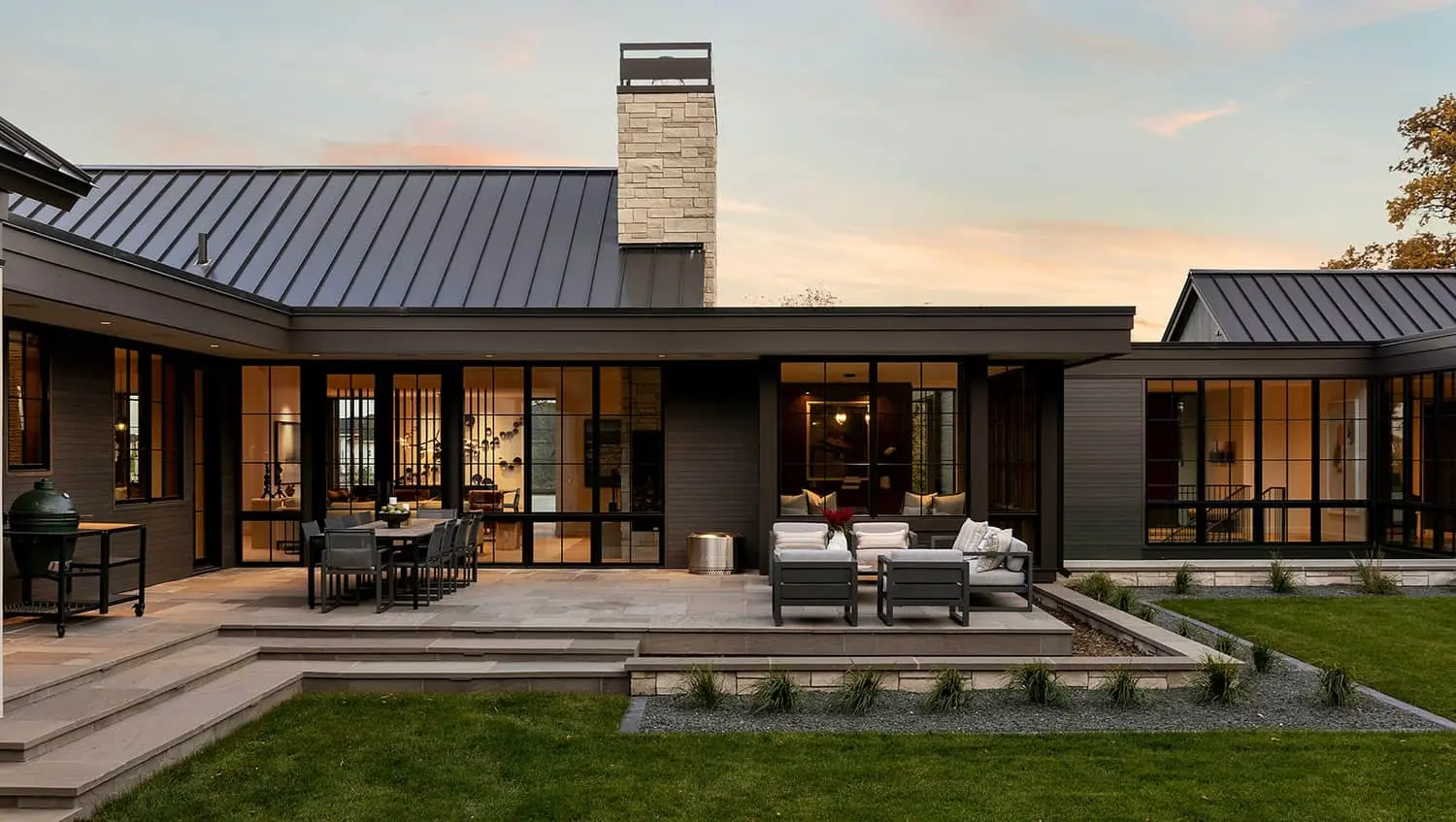
Frank Lloyd Wright and other Prairie architects believed furniture should feel like part of the house itself. That’s why you’ll often find built-in seating, shelving, and cabinetry made from natural wood. The craftsmanship is precise and intentional — designed to match the home’s structure and materials. Warm woods, stone, and earth tones dominate the palette, giving every room a sense of calm and organic beauty.
Connection with Nature
Light and landscape play a central role in Prairie interiors. Large windows, often arranged in horizontal bands, invite in sunlight and views of the outdoors. Many designs include terraces, verandas, or garden access that blur the line between inside and outside. The result is a space that feels grounded, serene, and deeply connected to its environment.
Modern Adaptations & Influence
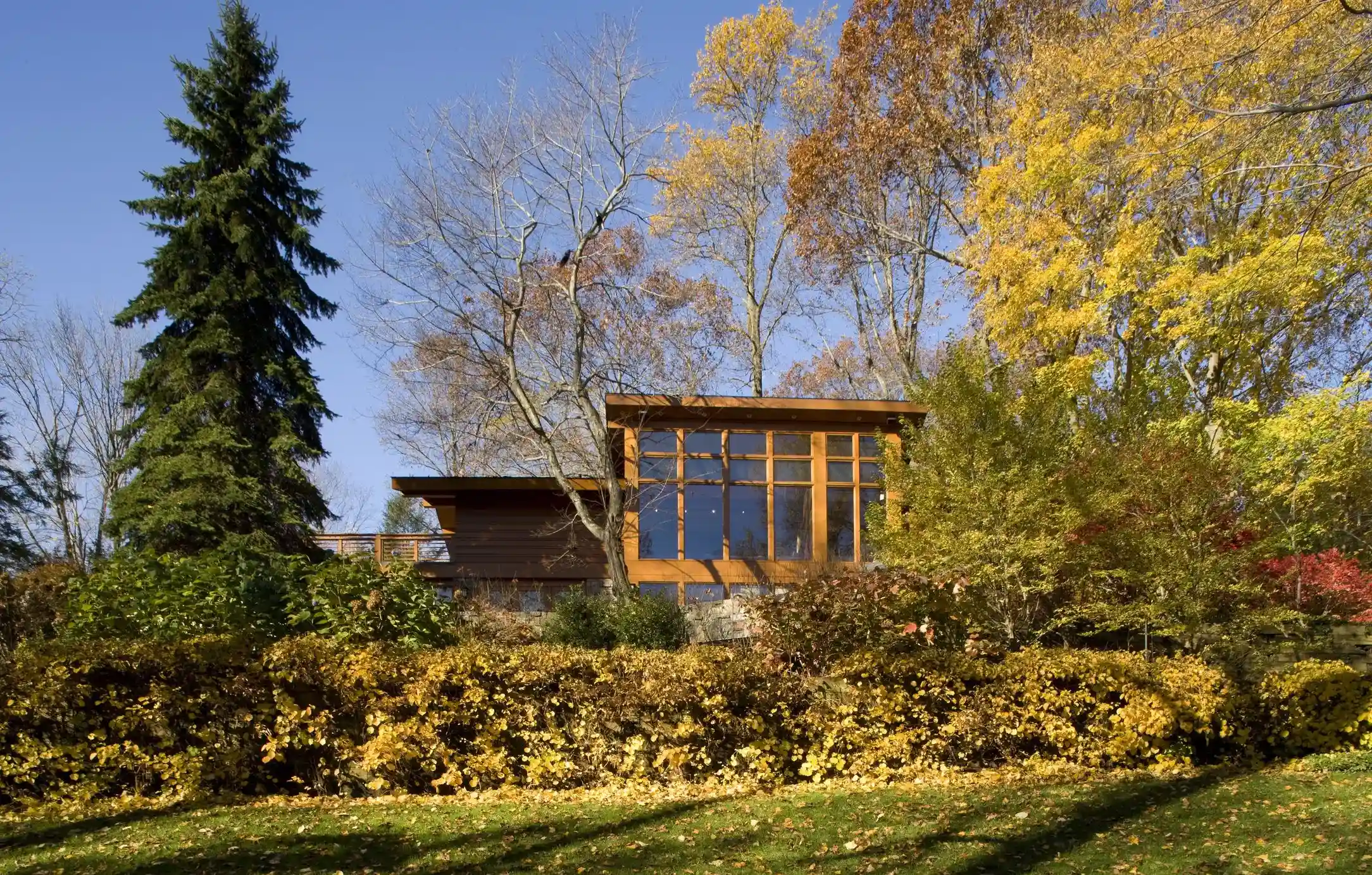
Even more than a century later, the Prairie style continues to shape modern home design. Its core ideas — simplicity, openness, and harmony with nature — align perfectly with today’s lifestyle and architectural trends.
Influence on Modern Homes
Modern architects draw from Prairie principles to create minimalist designs with open layouts and strong geometric lines. The focus on function over ornamentation remains, but now it’s paired with advanced materials and energy-efficient technologies.
Contemporary Interpretations
Today’s Prairie-inspired homes often blend steel, glass, and engineered wood to maintain the horizontal emphasis while improving insulation, sustainability, and comfort. Updated window systems and slim frames allow for wider, uninterrupted views — staying true to the original concept of connecting with nature.
Why It Still Appeals
Homeowners still love the Prairie style for its timeless balance of warmth and simplicity. It offers a modern aesthetic without feeling cold, combining craftsmanship with sustainable living. The use of natural materials, thoughtful lighting, and eco-friendly innovations makes it both beautiful and practical for contemporary life.
How to Identify a Prairie Style Home
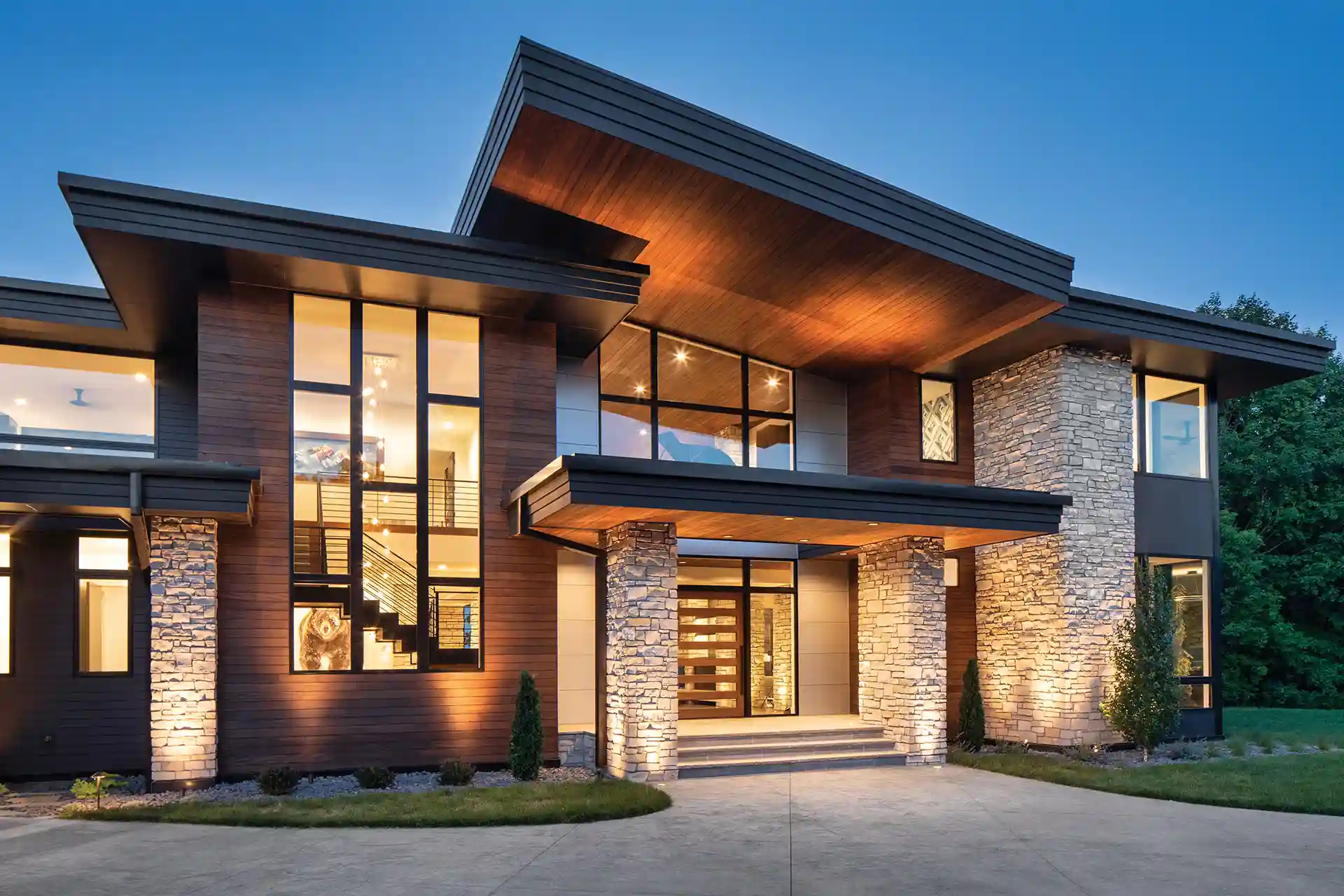
Recognizing a Prairie style home is easy once you know what to look for. The design stands out for its balance, simplicity, and strong connection to nature. Here’s a quick checklist to help you identify the signature elements:
Roof and Eaves – Low-pitched or flat roofs with broad, overhanging eaves create a calm, grounded appearance that hugs the landscape.
Horizontal Emphasis – Long, clean lines define the overall design. You’ll notice horizontal shapes and layers that reflect the flat Midwestern prairie.
Natural Material Choice – Warm, earthy tones with brick, stucco, stone, and wood finishes blend the house seamlessly into its surroundings.
Window Groupings – Rows of ribbon-style windows or grouped narrow panes invite soft, natural light while emphasizing the horizontal rhythm.
Interior Openness – Inside, rooms flow naturally into each other, with open spaces replacing closed hallways.
Landscape Integration – The home feels “married to the ground,” with terraces, planters, and pathways designed to merge architecture and nature.
Craftsmanship Details – Built-in furniture, art glass windows, and handcrafted woodwork showcase timeless design and detail.
Comparison with Craftsman Style – While both celebrate natural materials, Prairie homes are broader and more geometric, while Craftsman homes feature gabled roofs and exposed beams.
These features come together to create a look that’s elegant yet approachable — a style that feels modern even after more than a century.
Designing or Renovating in Prairie Style
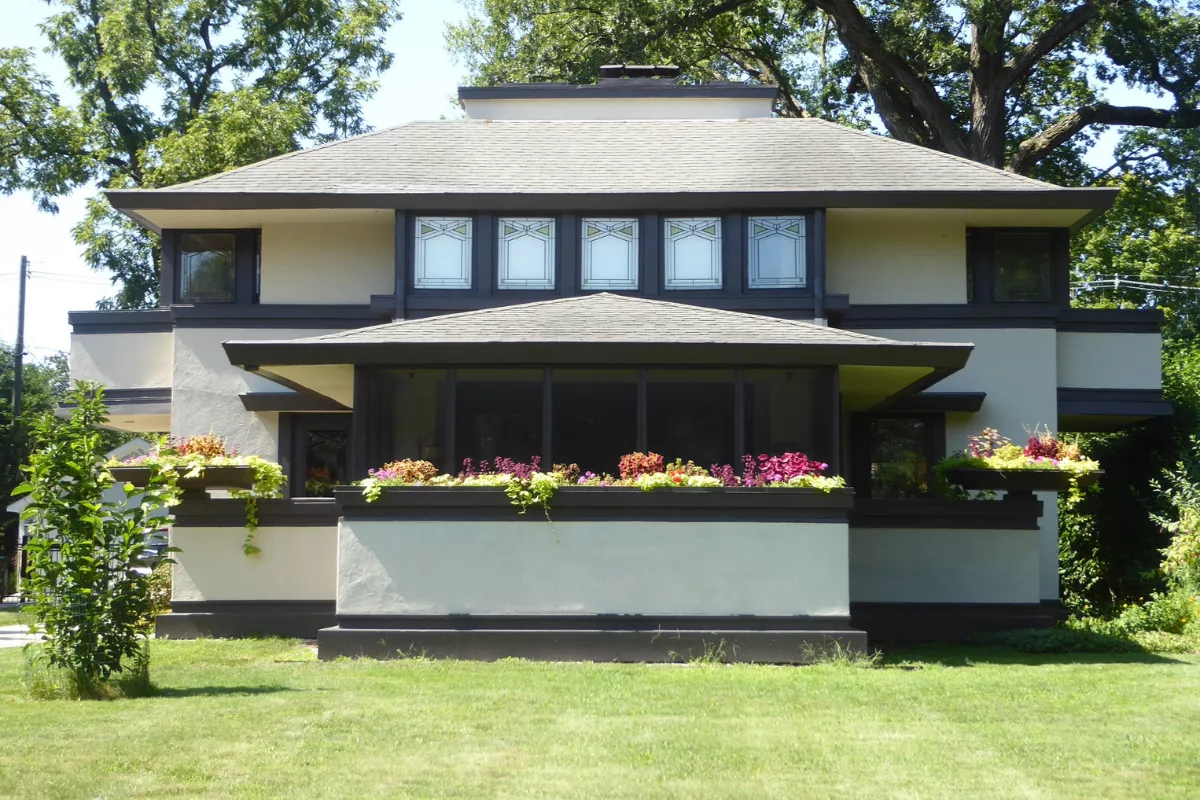
Bringing Prairie design into a new build or renovation is easier than you might think. The key is to balance authentic aesthetics with modern comfort and performance. Here’s how to do it right:
Choose Natural, Warm Materials – Use earthy tones and textures like wood, brick, and stone to preserve the organic look of Prairie architecture.
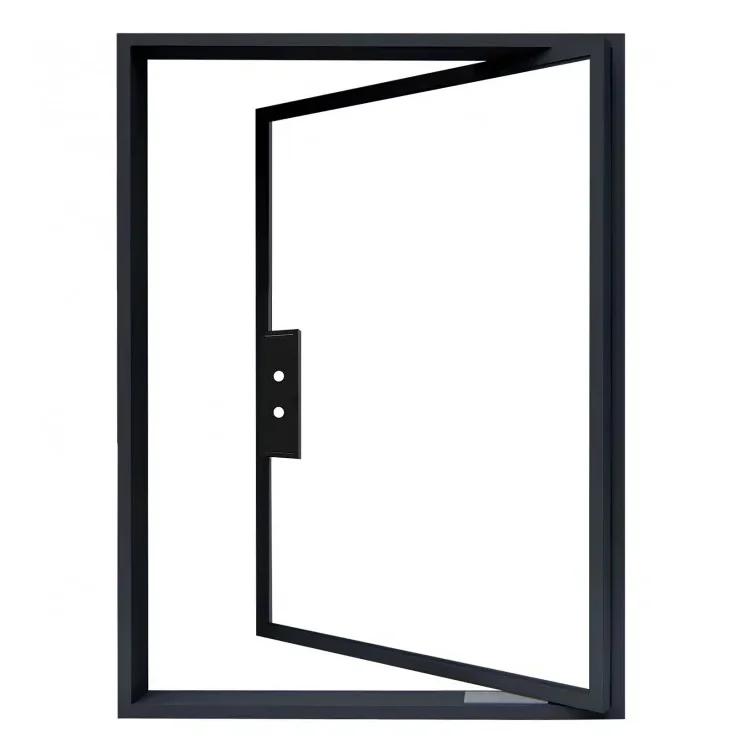
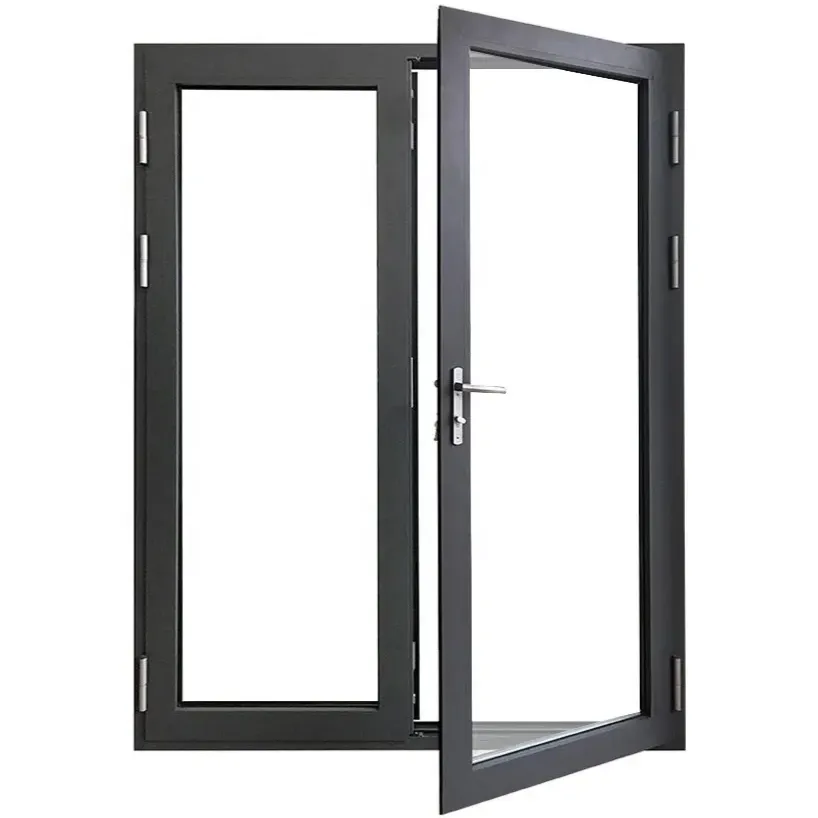
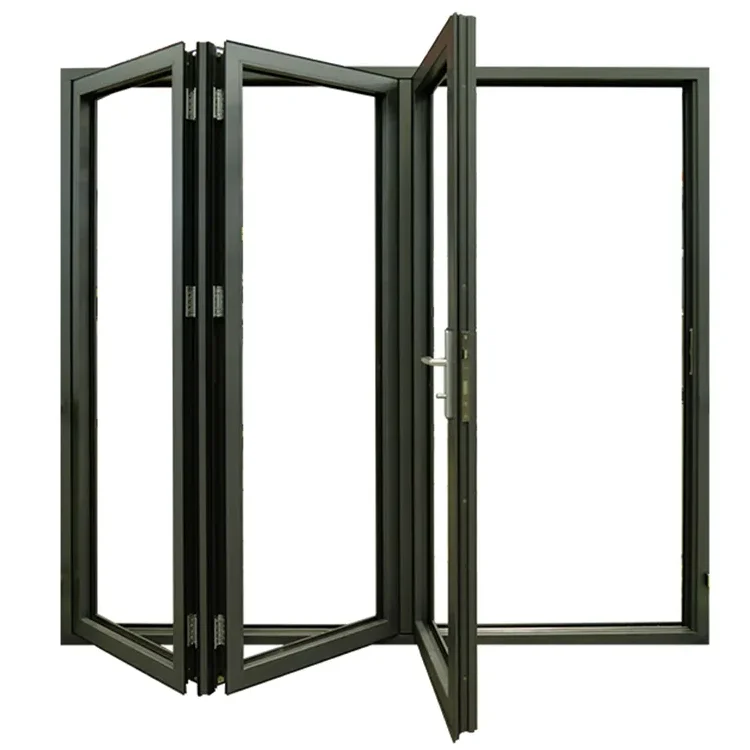
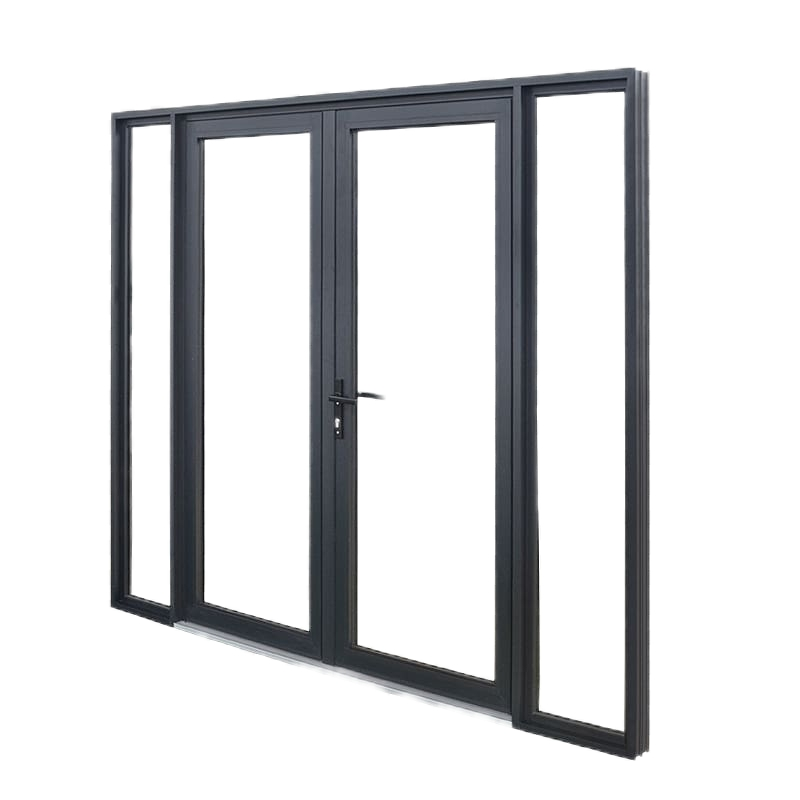
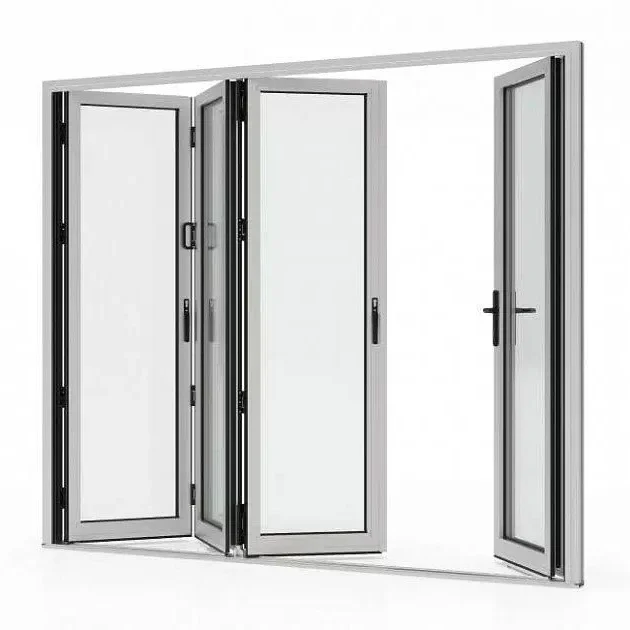
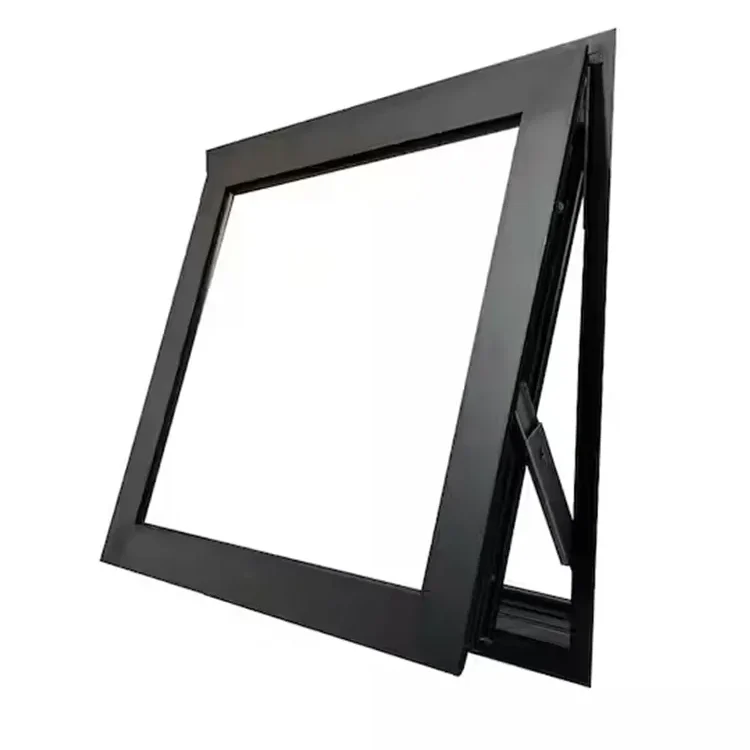
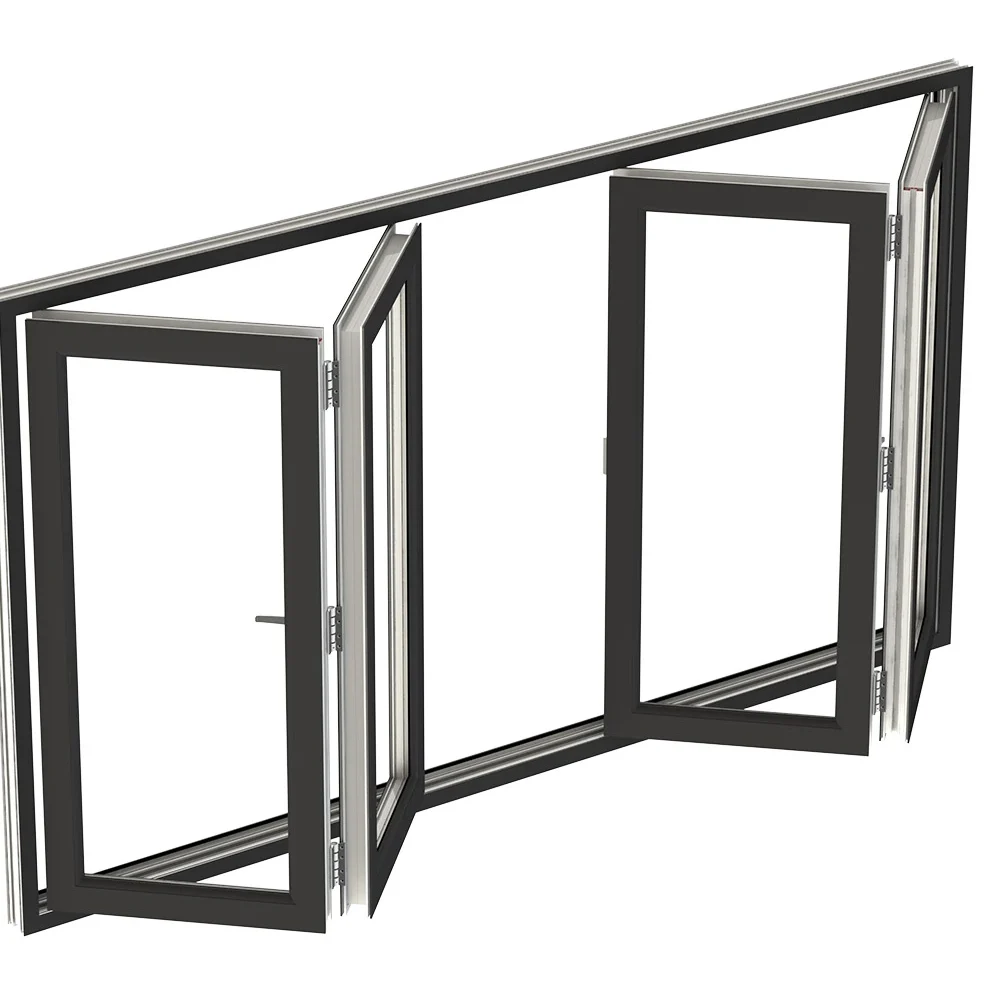
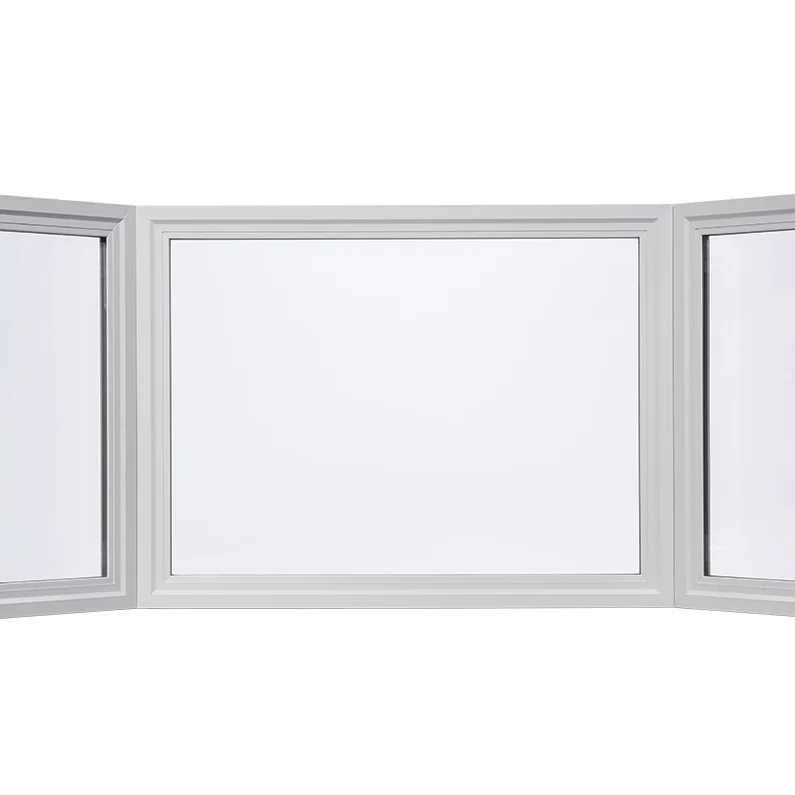
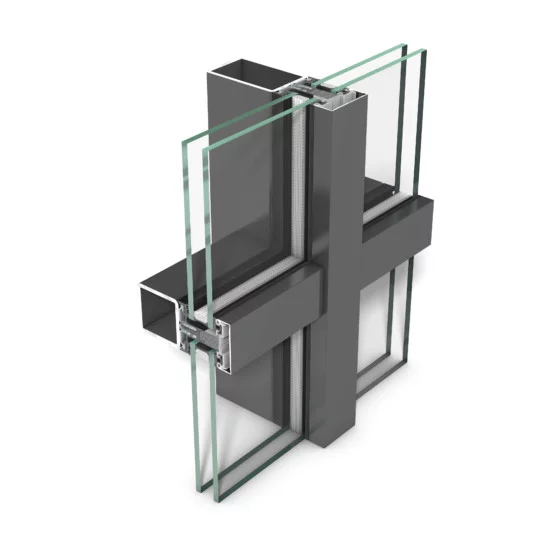
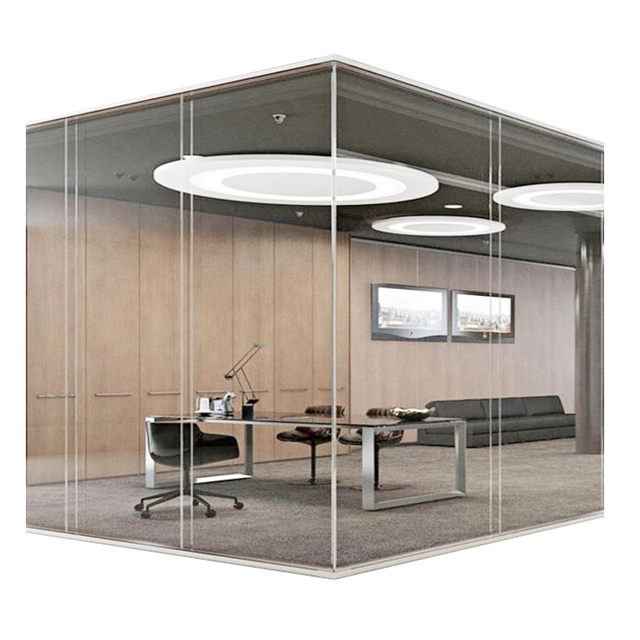
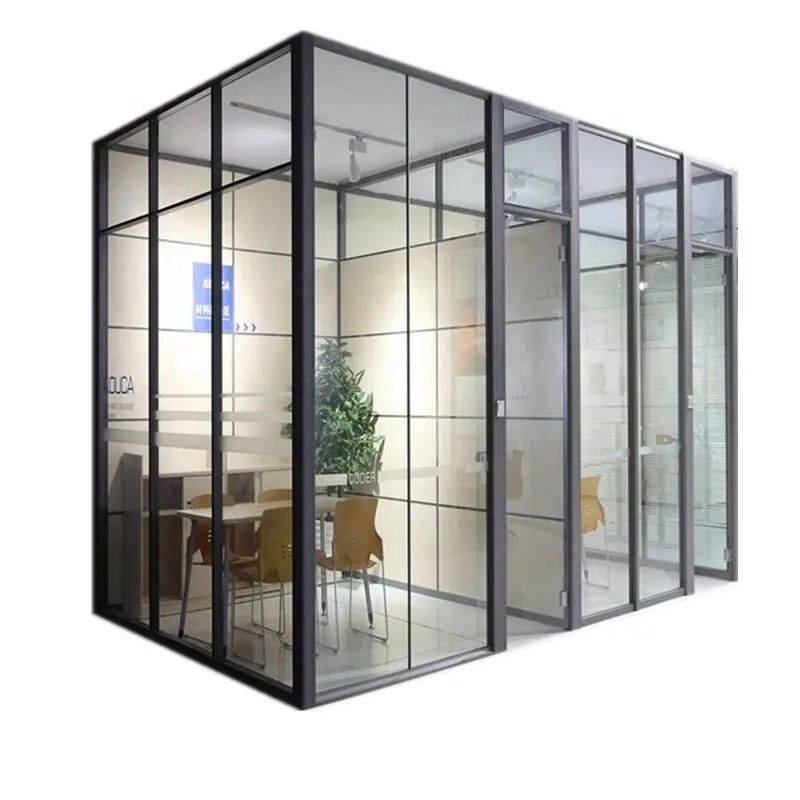
Select Modern Window Systems – For wide horizontal spans, opt for high-performance aluminum window and door systems that deliver clean lines, slim frames, and expansive glass — maintaining the Prairie aesthetic while improving insulation and durability.
Upgrade for Energy Efficiency – Incorporate double-glazed glass or thermal break systems to enhance comfort without changing the home’s architectural intent.
Plan for Landscape Compatibility – Position your home and windows to align with natural surroundings. Consider sunlight direction, shade, and outdoor flow to reinforce the connection between interior and exterior.
Maintain Architectural Authenticity – Preserve signature Prairie elements like strong horizontals, flat roofs, and deep eaves, even when adding modern updates.
Bring Prairie Style Elegance to Your Home
Inspired by the timeless beauty of Prairie architecture? Whether you’re designing a new home or upgrading an existing space, the right window and door systems make all the difference.
At AproDoor, we specialize in custom aluminum windows and doors that capture the clean lines, natural light, and horizontal balance of Prairie style design — while delivering exceptional energy efficiency and long-lasting performance.
Contact us today to discuss your project, request a free consultation, or explore how our modern systems can bring Frank Lloyd Wright’s vision into your own home.
Let’s design a space that feels open, elegant, and perfectly connected to nature.
FAQs
What makes a house a Prairie-style?
A Prairie-style home features strong horizontal lines, low-pitched or hipped roofs with wide overhangs, rows of windows, and natural materials that ground the building to the landscape.
What’s the difference between Prairie and Craftsman style?
Both styles use natural materials and craftsmanship, but Prairie emphasizes broad horizontal planes, flat or shallow roofs and sleek lines, whereas Craftsman homes lean toward gabled roofs, exposed rafters and more vertical forms.
What is modern Prairie-style?
Modern Prairie-style updates the classic design with clean lines, large glass expanses, minimal ornamentation and sustainable materials—mixing horizontal forms and open plans with today’s energy-efficient systems.
What is a common feature for a Prairie-style home interior?
Common interior features include open, flowing floor plans instead of compartmentalised rooms, built-in furniture and trim, and a strong connection between indoor and outdoor spaces through bands of windows and terraces.