














What Is a Window Mullion?

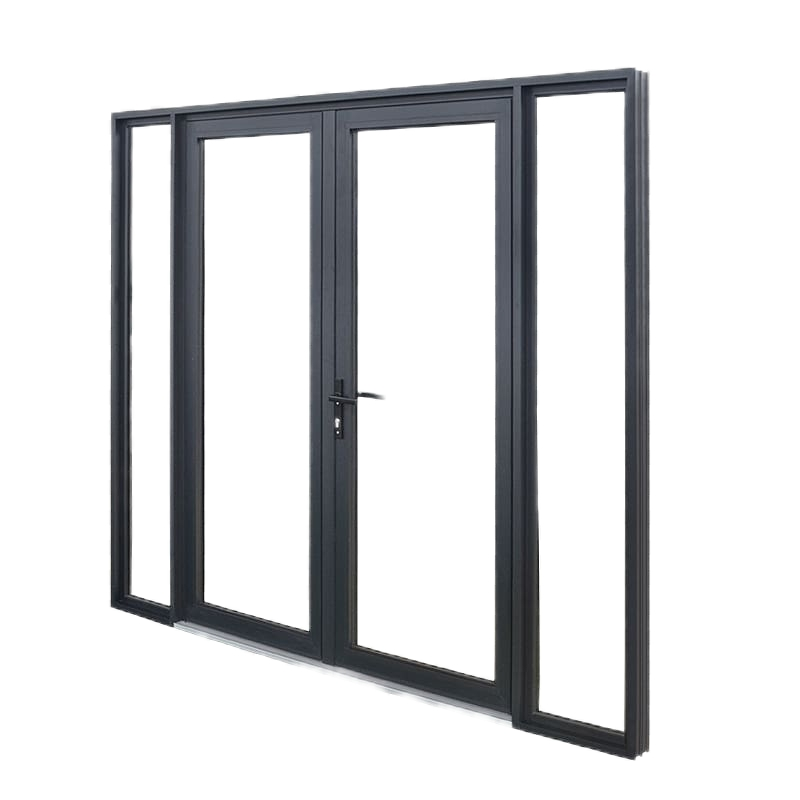
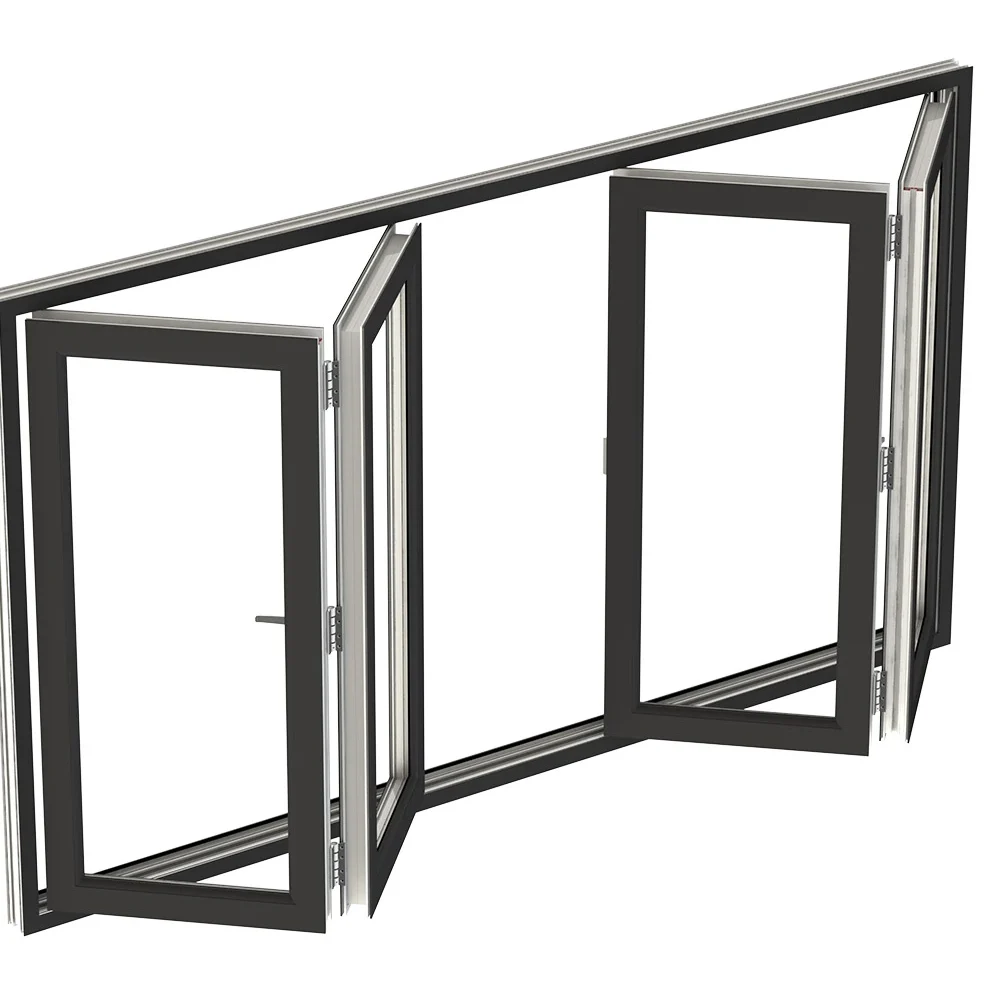
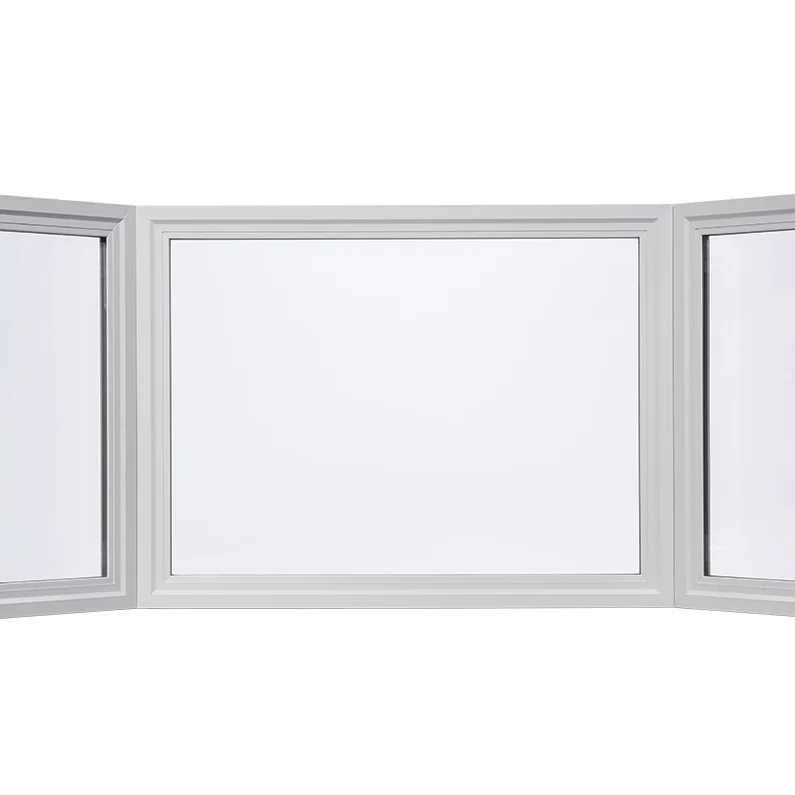
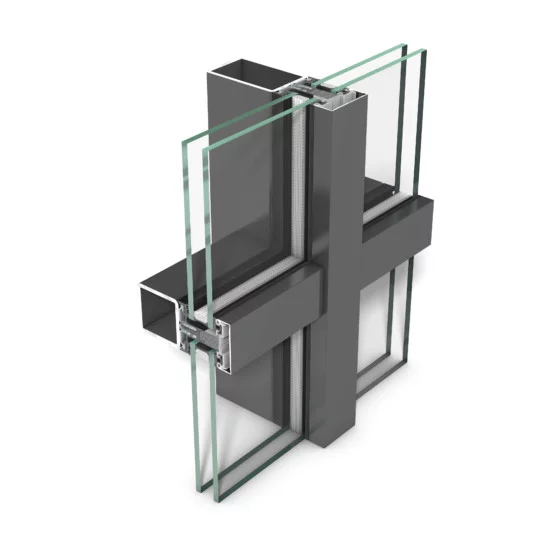
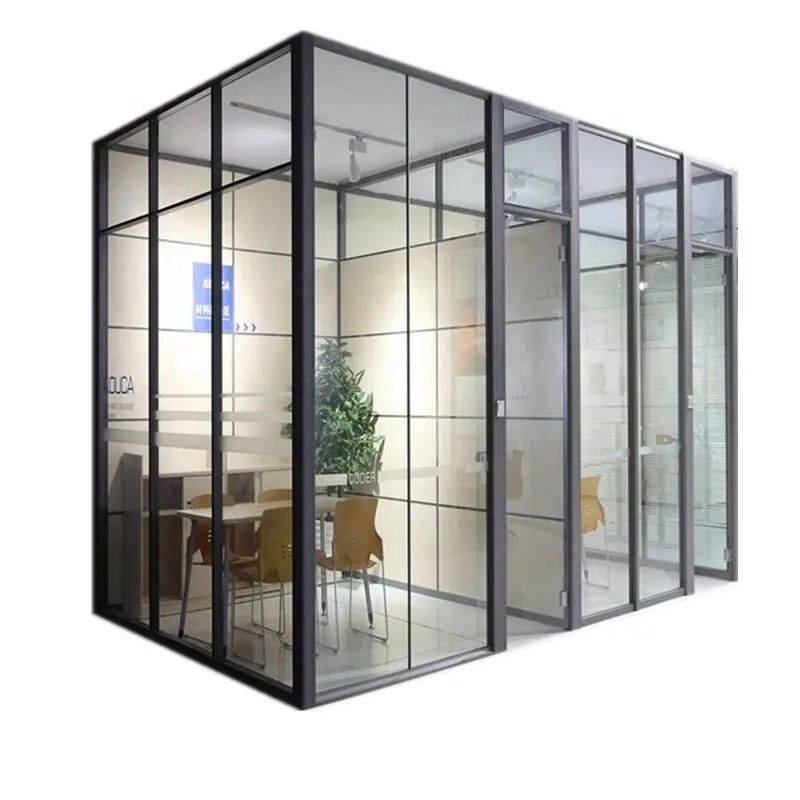
A window mullion is a structural bar that separates two or more window units. It divides the window frame into sections and helps support larger window assemblies. Mullions are commonly used in large window walls, curtain wall systems, and multi-panel window designs.
Mullions can be placed vertically or horizontally, depending on the window layout and structural requirements.
Types of Window Mullions
-
Vertical Mullions: Run vertically between window units and are the most common type used in residential and commercial buildings.
-
Horizontal Mullions: Run across window sections and are often combined with vertical mullions for additional support.
-
Structural Mullions: Load-bearing components that help support large glass panels or window systems.
-
Decorative Mullions: Used mainly for architectural style rather than structural strength.
What Is a Window Muntin?

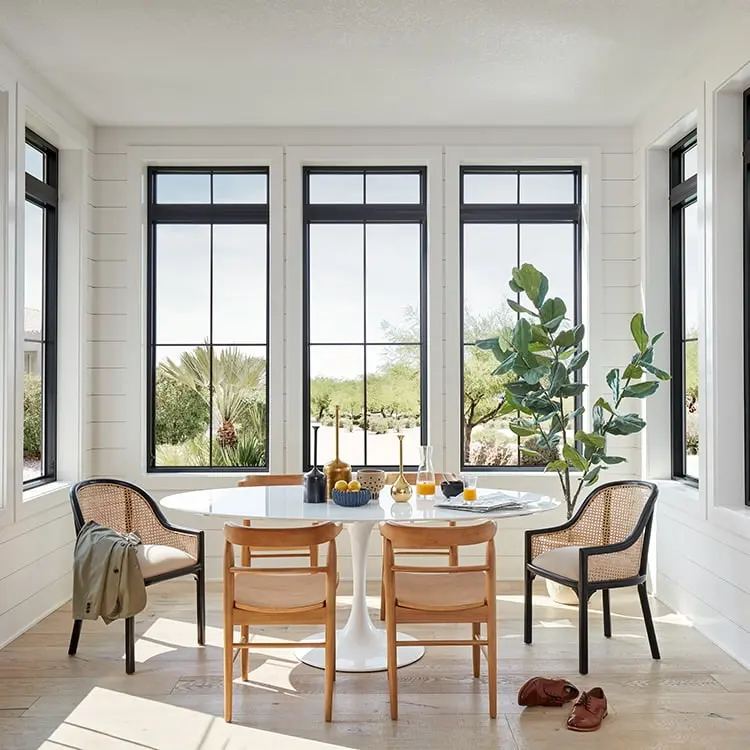
A window muntin is a narrow strip of wood, metal, or vinyl that divides the glass within a single window into smaller panes. Unlike mullions, muntins are located within the window sash and are mainly used for visual design.
Historically, muntins were necessary to hold multiple small pieces of glass together. Today, they are often used as decorative grids that give windows a traditional appearance.
Types of Window Muntins
-
True Divided Light (TDL): Individual glass panes are separated by real muntin bars.
-
Simulated Divided Light (SDL): Decorative muntins are attached to a single large pane of glass.
-
Grilles Between Glass (GBG): Grid-style muntins are placed between insulated glass panes for easy cleaning and maintenance.
Mullions vs Muntins: Key Differences
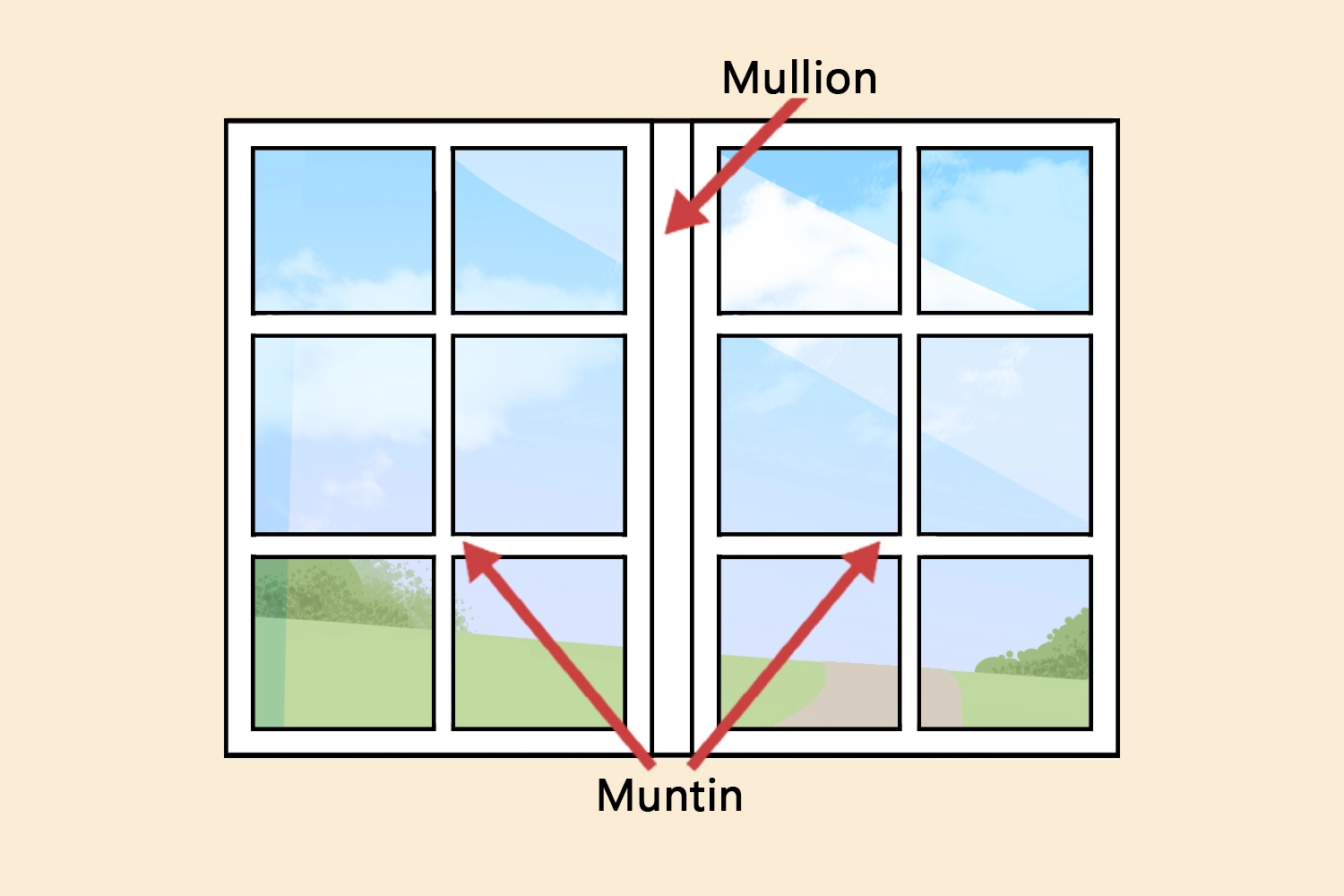
Mullions and muntins are often confused because both divide parts of a window. However, they serve different purposes in window design and construction.
Structural Role
-
Mullions: Mullions are structural elements that separate and support multiple window units. They help stabilize large window systems and distribute weight across the frame.
-
Muntins: Muntins are usually decorative bars that divide the glass within a single window into smaller sections.
Placement

-
Mullions: Located between two or more separate window frames, connecting them together.
-
Muntins: Installed within a single window sash, directly on or between the glass panes.
Size and Appearance

-
Mullions: Typically thicker and more noticeable because they provide structural support.
-
Muntins: Thinner grid-like bars that create decorative patterns on the glass.
Purpose
-
Mullions: Used to strengthen and divide large window assemblies.
-
Muntins: Used mainly to create traditional or decorative window styles.
In simple terms, mullions divide entire window units, while muntins divide the glass panes within a window.
When to Use Mullions vs Muntins
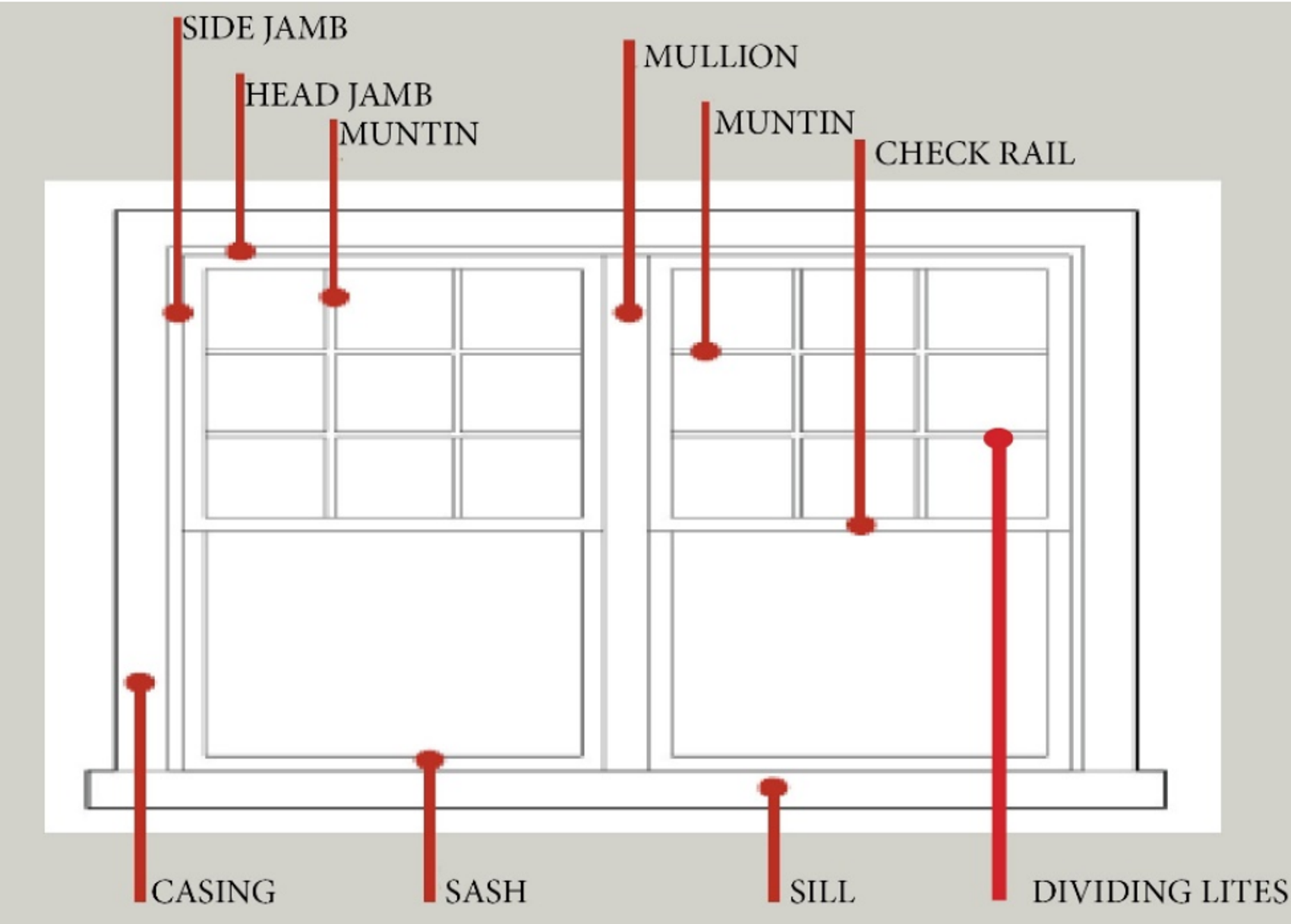
Choosing between mullions and muntins depends on the window’s purpose, structure, and design style. Each component serves a different role in modern and traditional window systems.
When Mullions Are Best
Mullions are ideal when windows need structural strength or support for larger openings. They help connect multiple window units and create stable, wide window systems.
Mullions work best for:
-
Large window walls that combine several window panels
-
Multi-panel window systems used in modern homes
-
Structural support for large glass openings
-
Contemporary architectural designs with expansive glass areas
Because mullions provide structural stability, they are commonly used in modern buildings with large windows and panoramic views.
When Muntins Are Best
Muntins are mainly used to create decorative window grid patterns. They are popular in traditional architecture and homes that emphasize classic design details.
Muntins work best for:
-
Traditional home styles such as colonial architecture
-
Farmhouse-style windows with classic grid patterns
-
Decorative window designs that divide the glass visually
-
Historic home renovations where traditional window details are important
In many modern windows, decorative muntins are added to large glass panes to achieve a traditional look while maintaining energy efficiency.
Need Expert Window Solutions?
Understanding the difference between mullions and muntins can help you choose the right window design for both structure and style. Whether you are planning a new construction project or upgrading existing windows, selecting the right system makes a big difference.
Contact us today to explore our custom window solutions, modern glass systems, and professional support. Our team is ready to help you find the perfect windows for your home or project.
FAQs
What is the difference between muntins and mullions?
The main difference is what they divide. Mullions separate entire window units and provide structural support, while muntins divide the glass within a single window into smaller panes or decorative grids.
Are mullion windows outdated?
No, mullion windows are not outdated. They are still widely used in modern architecture, especially for large window walls and multi-panel glass systems that need structural support and a clean design.
What is the purpose of a mullion?
The purpose of a mullion is to separate and support multiple window units. Mullions strengthen large window openings and help distribute the weight of the glass and frame.
What’s the difference between a mutton and a mullion?
A mullion is a structural bar between window units. Mutton is actually a type of meat (from sheep). The confusion usually comes from the similar pronunciation of the two words.







One Response