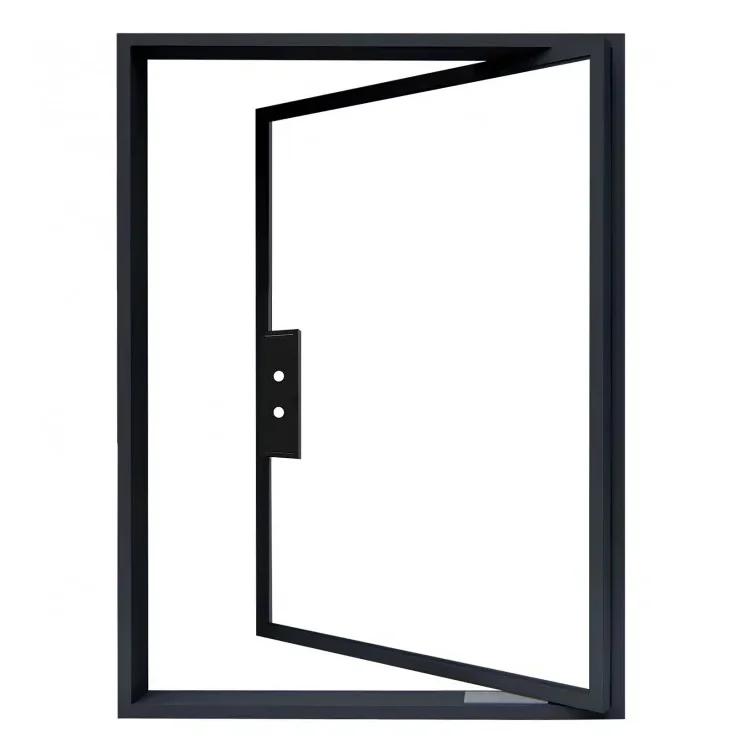
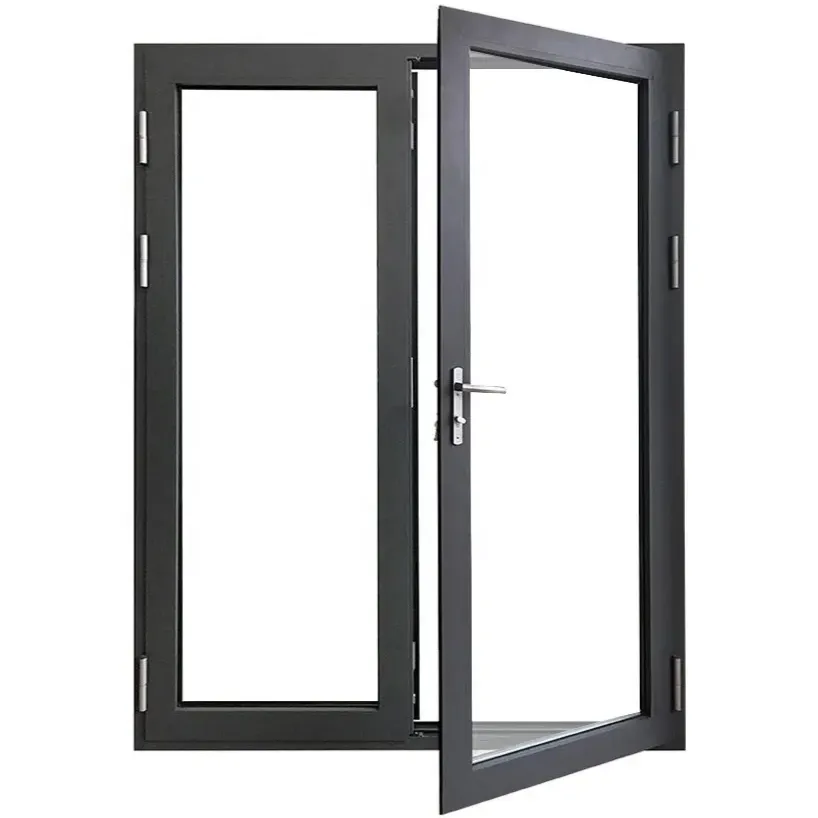
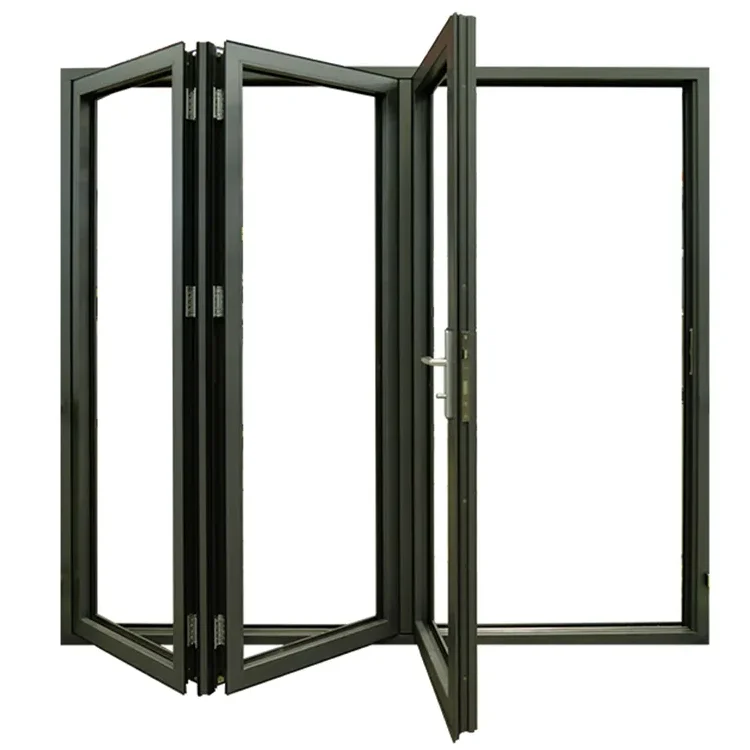
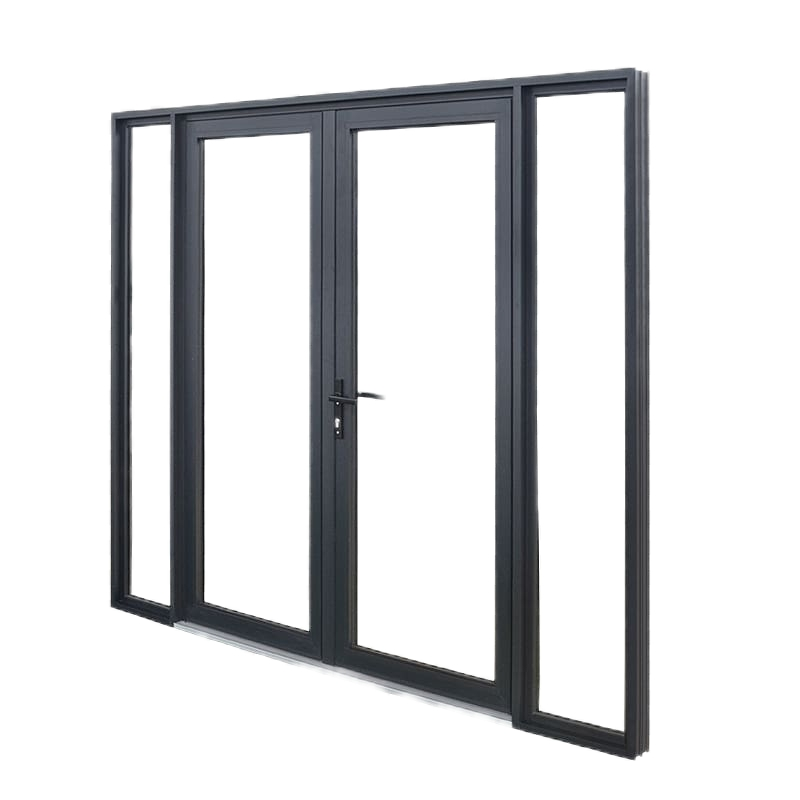
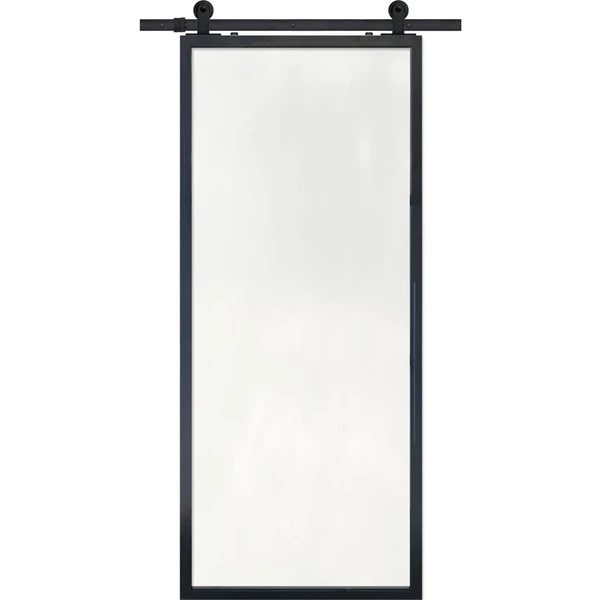


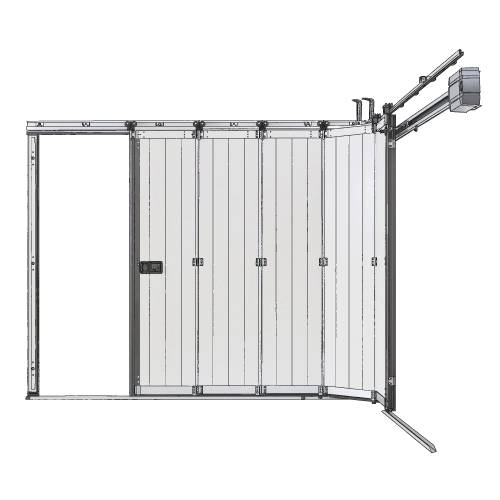
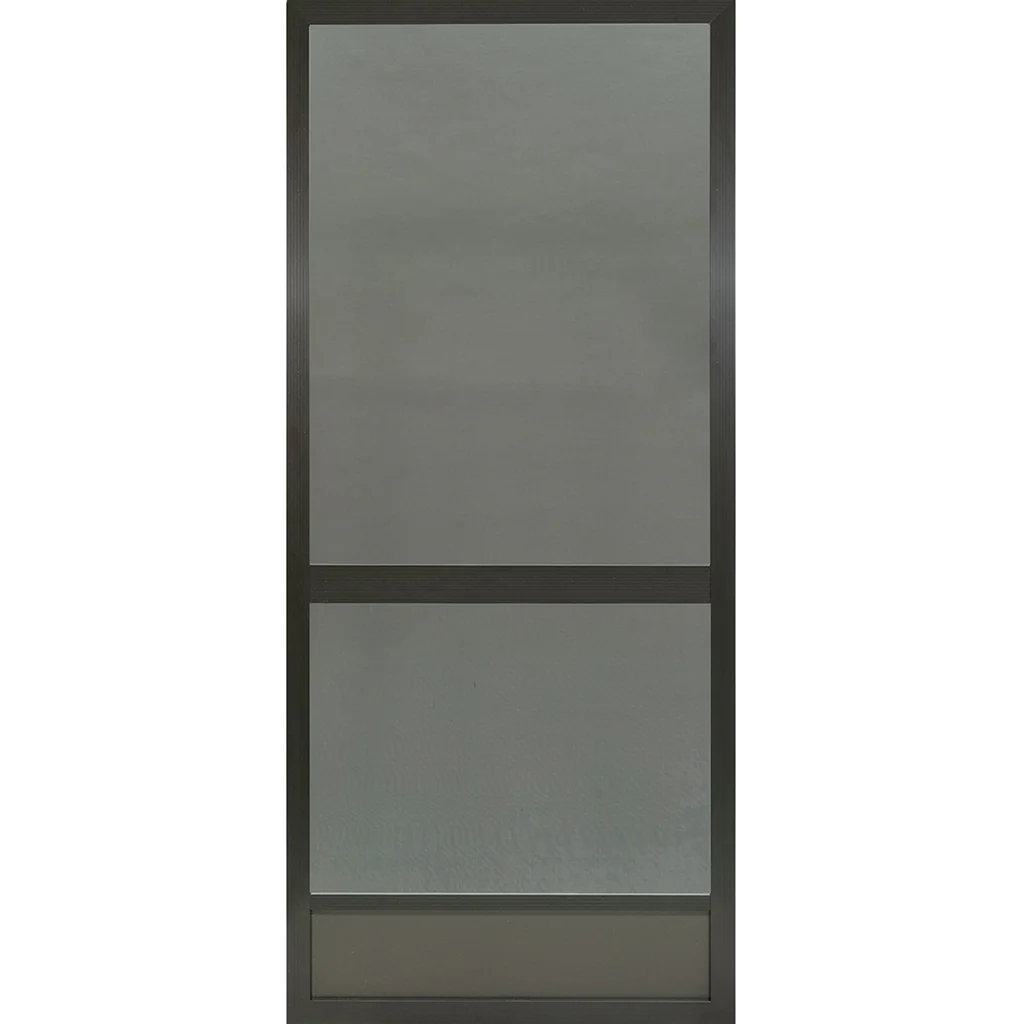

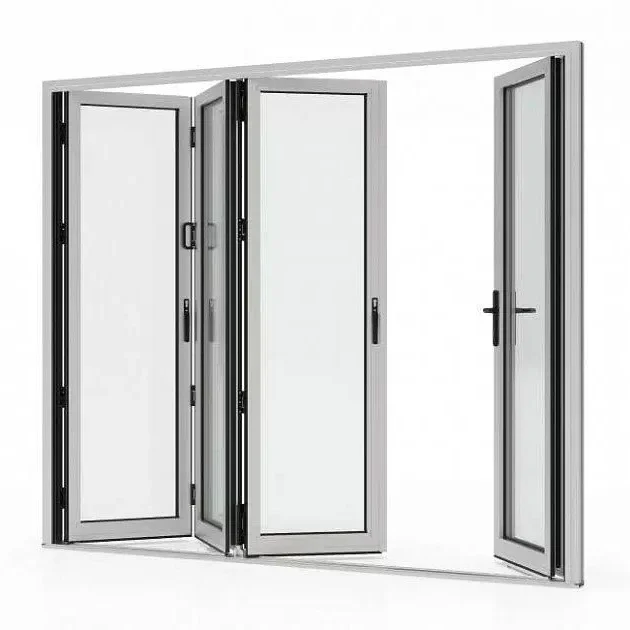











If you’ve ever read an architectural plan or talked to a window supplier, you’ve likely seen the word “fenestrated.” It’s a common term in construction, but many homeowners aren’t quite sure what it means. Understanding it can help you make smarter choices about window placement, natural light, and the overall look of your home.

For architects, builders, and specifiers, “fenestrated” is more than a technical word — it affects daylighting, ventilation, energy performance, and design style. Knowing how fenestration works makes it easier to create comfortable, efficient, and visually appealing spaces.
Origin & Definition

The term comes from the Latin word fenestra, meaning “window.”
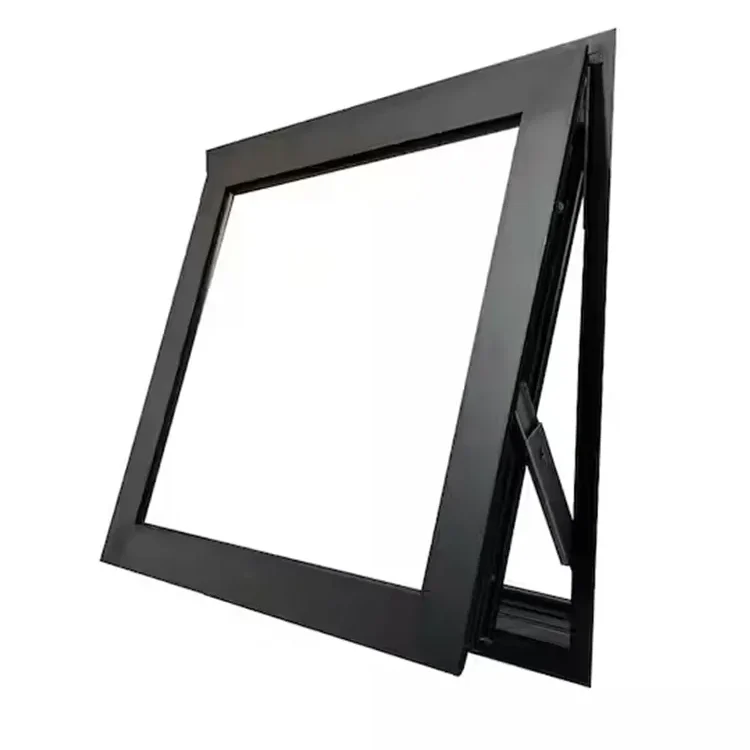
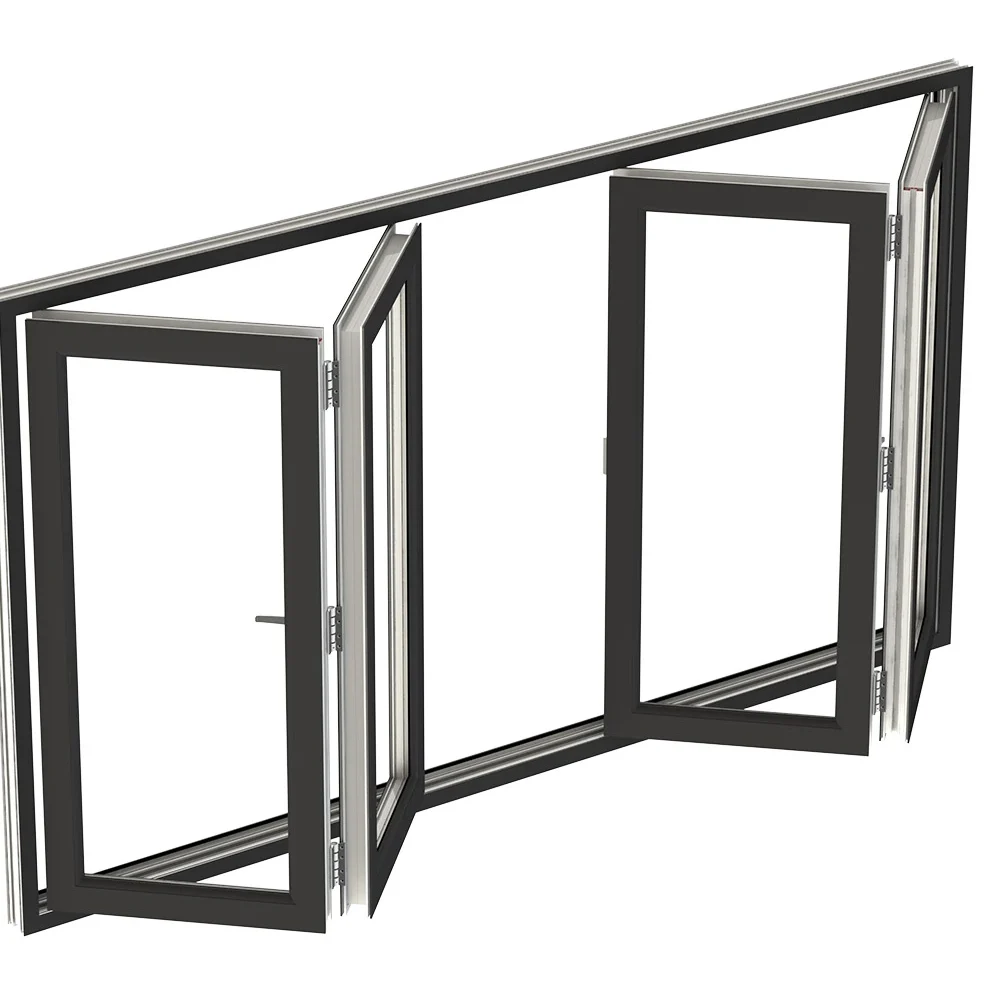
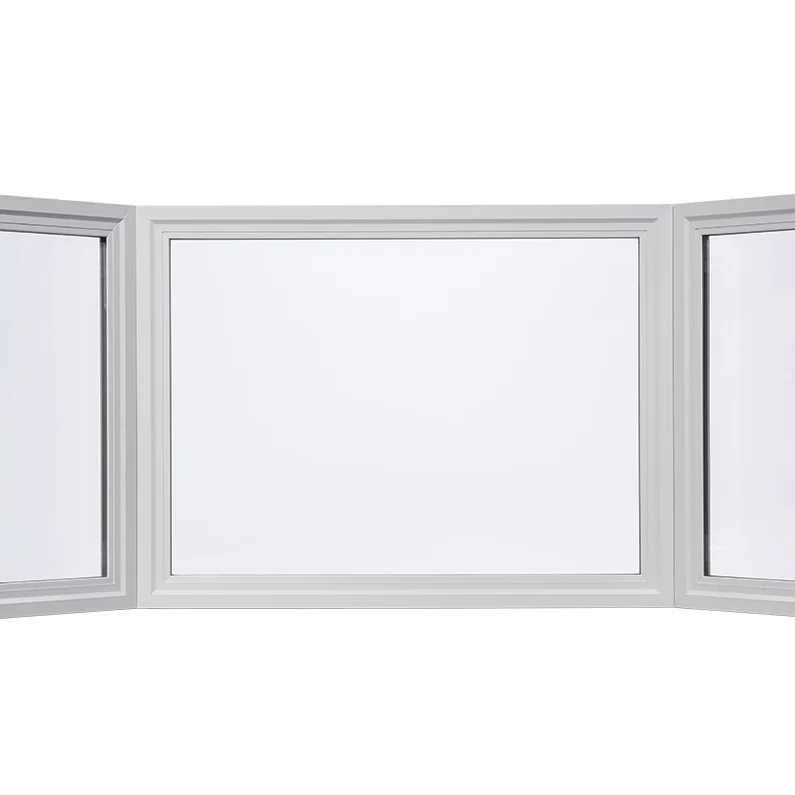
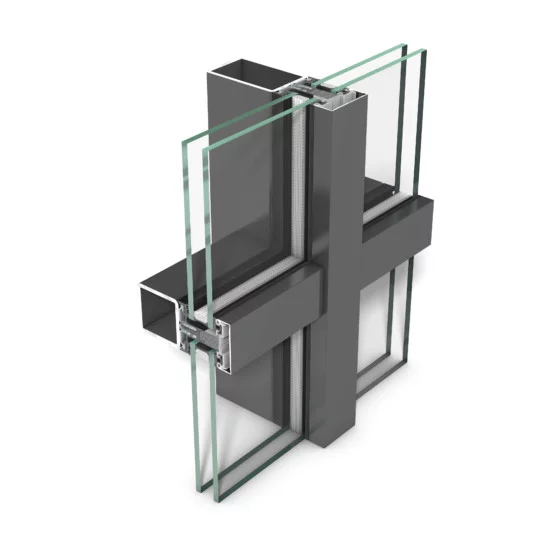
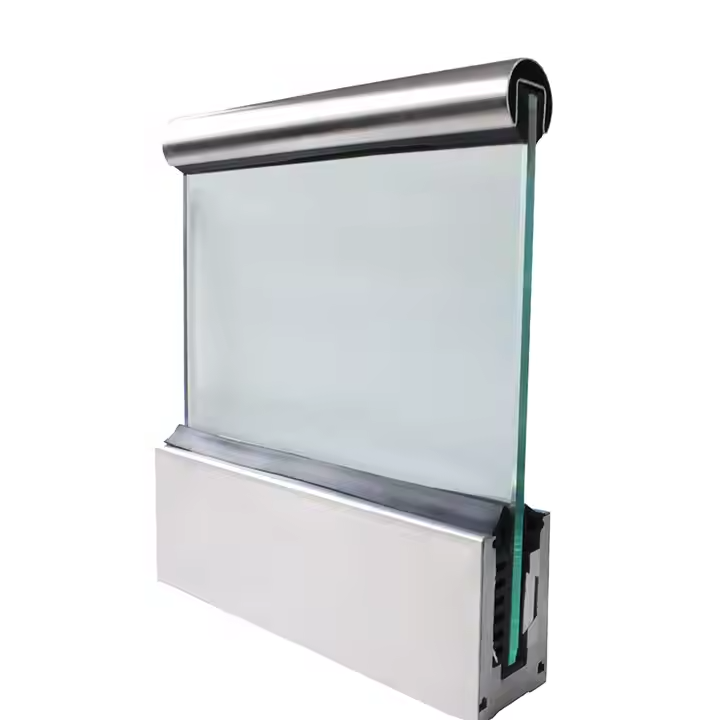
In architecture, fenestration refers to any openings in a building’s exterior wall, including:
Skylights
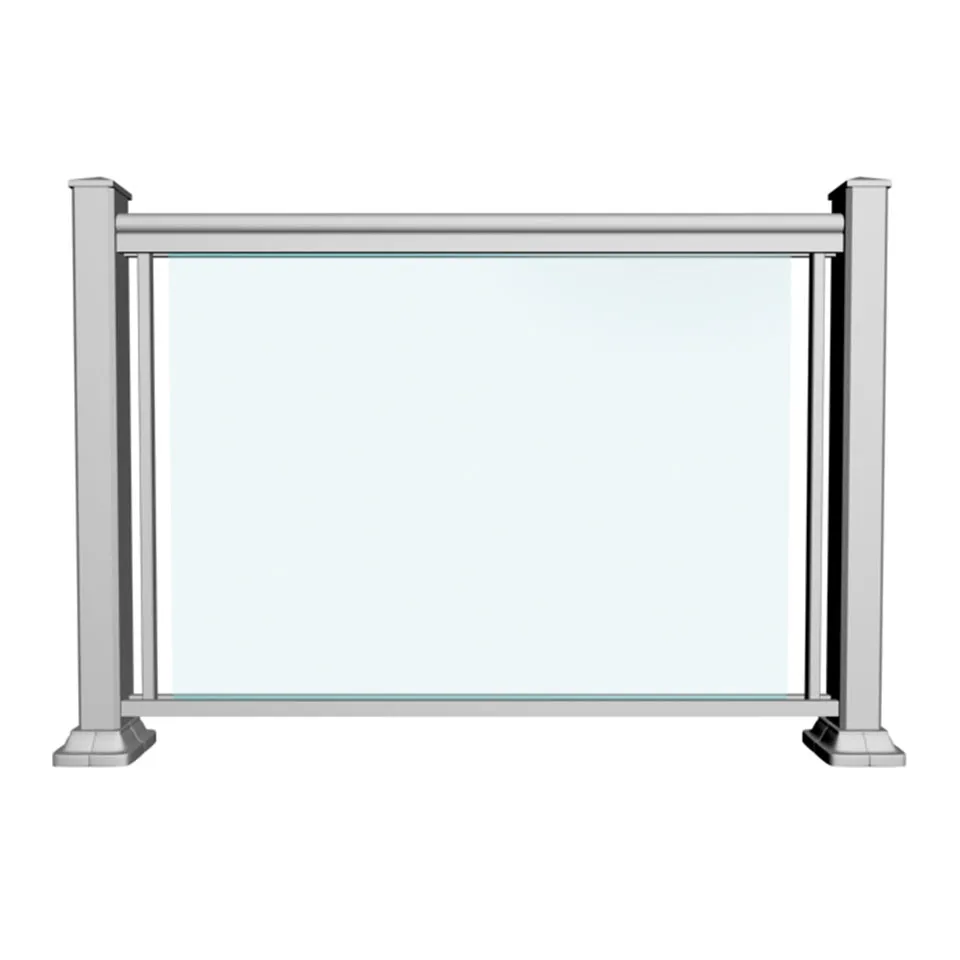
Glass panels
When a building or surface is described as “fenestrated,” it simply means it contains these openings or is arranged with them in a specific pattern.
What “Fenestrated” Looks Like in Practice

You’ll hear the term used when describing different parts of a building, such as:
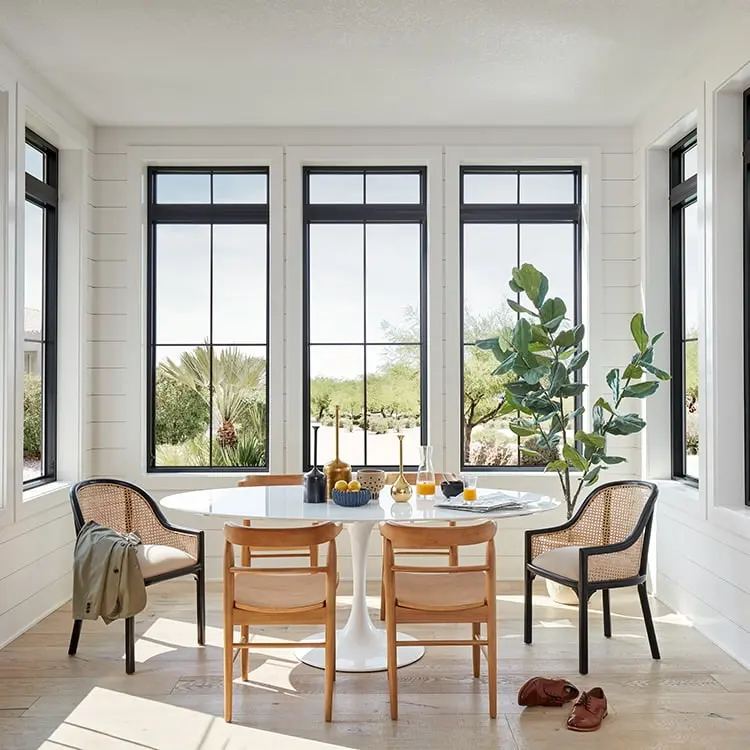
A fenestrated wall: a wall that includes windows or glass sections.
A fenestrated façade: a front elevation with multiple window openings.
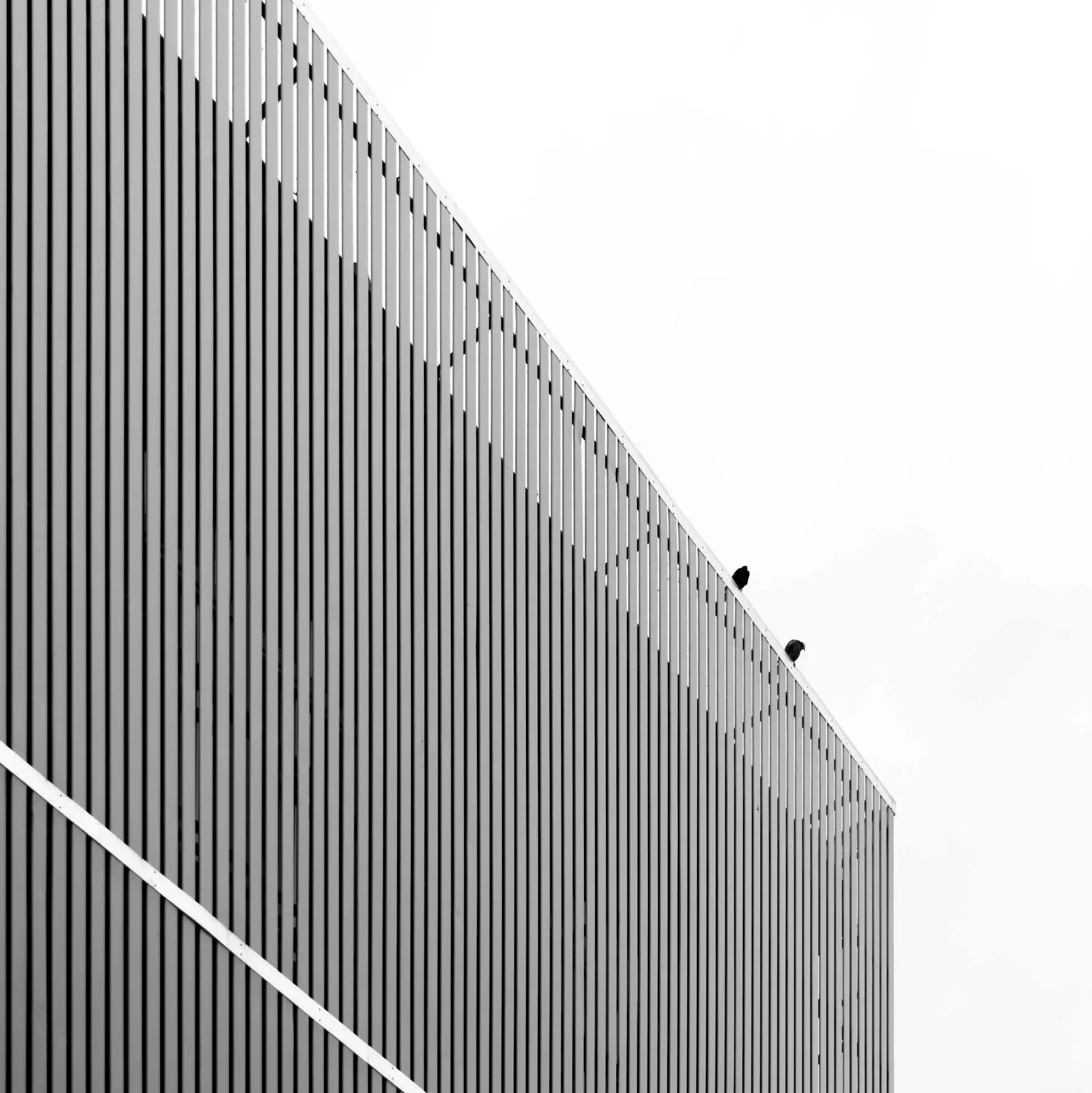
A fenestrated panel: a manufactured panel with perforations or glass inserts.
A non-fenestrated façade, by contrast, is a solid surface with no openings — often used in industrial buildings or privacy-focused areas.
Architects design fenestration intentionally because it impacts how a building feels and performs. Fenestrated surfaces bring:
Natural light to brighten interiors
Views that connect indoor and outdoor spaces
Aesthetic rhythm through window size, shape, and placement
Whether it’s a modern home with floor-to-ceiling glass or a traditional house with evenly spaced windows, fenestration plays a huge role in defining architectural style.
Functional Impacts of Fenestration

Fenestration isn’t just about adding windows — it’s about shaping how a building feels and performs. Openings bring in natural light, airflow, and outdoor views, helping rooms feel brighter, healthier, and more connected to the environment. A well-designed fenestrated wall can turn a dark space into a comfortable, uplifting one.
But openings also affect energy and thermal performance. More windows can mean more heat gain in summer and more heat loss in winter if the glazing isn’t chosen carefully. That’s why the type of glass, frame, and shading matter just as much as the number of openings.
Fenestration also affects structure. Every cut in a wall reduces its strength, so architects plan window placement with load paths in mind. Headers, framing reinforcements, and engineered glazing systems help maintain stability while still delivering the light and openness we expect in modern design.
Architectural Design Considerations

Creating a fenestrated façade is a balance of beauty, comfort, and function. Designers think carefully about:
Placement, size, and proportion of windows for the right amount of light
Orientation (north, south, east, west) to control heat and glare
Privacy and security, especially in bedrooms, bathrooms, and street-facing walls
Material and glazing selection, including tinted, low-E, double-glazed, or laminated glass
Frame choices, such as aluminum, wood, fiberglass, or uPVC
Good fenestration feels effortless, but behind it is thoughtful planning that shapes the entire look and performance of a building.
When & Where “Fenestrated” Is Used

You’ll hear the term across many building types:
Residential buildings: Homes often mix solid walls with selective fenestration to balance comfort, privacy, and natural light.
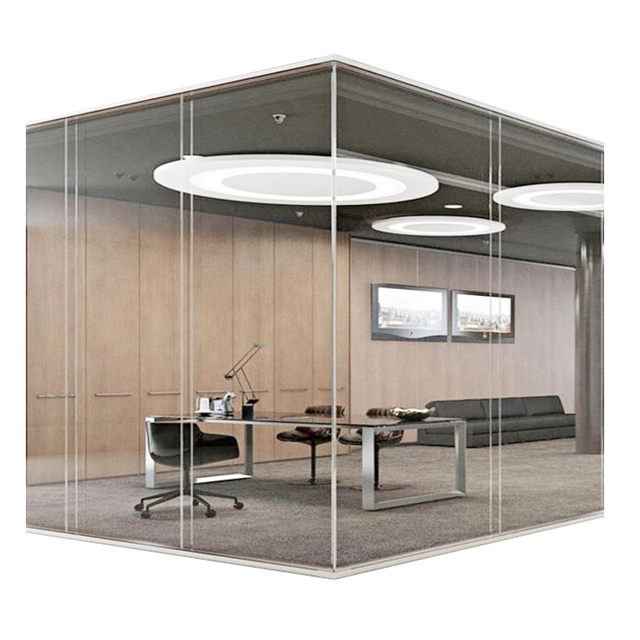
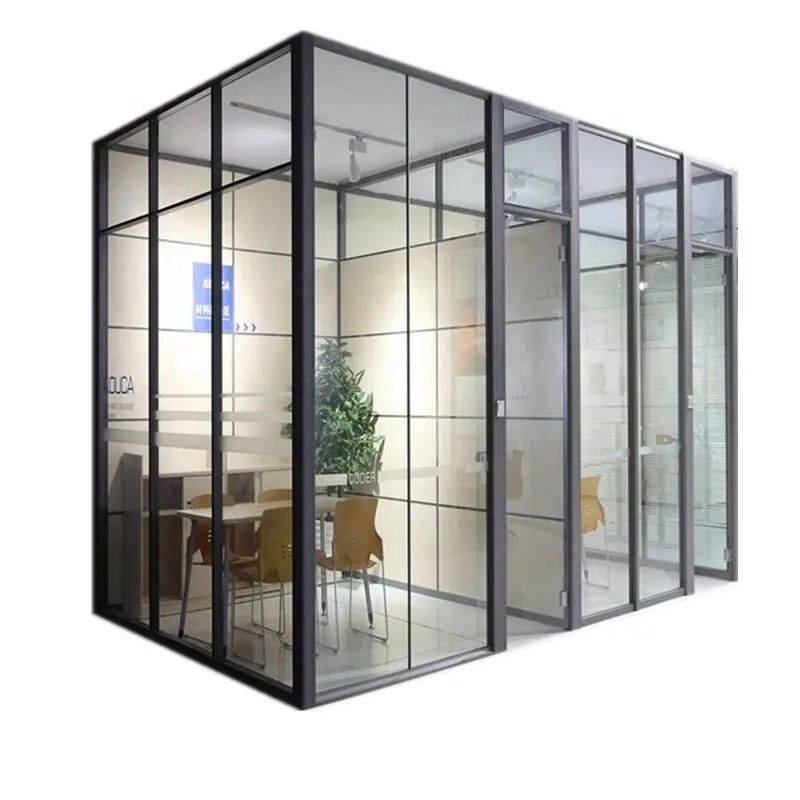
Commercial buildings: Offices, retail stores, and public buildings typically use wide glazing or curtain walls for transparency and daylighting.
Façade design: “Fenestrated façade” is a common architectural term describing any elevation designed with a pattern of openings.
Renovations and retrofits: Changing fenestration—adding skylights, enlarging windows, or opening walls—can dramatically improve daylight, ventilation, and views in older buildings.
Fenestration is one of the most powerful tools in architecture, shaping both the personality and performance of every structure.
Advances & Trends in Fenestrated Design

Modern fenestration is evolving fast as technology, sustainability, and design expectations rise. Today’s buildings use openings not just for light, but to improve comfort, efficiency, and visual appeal.
Key trends include:
Smart glass technologies that tint automatically, reduce glare, and improve energy performance.
Large floor-to-ceiling openings that create bright, open interiors and stronger indoor-outdoor connections.
Biophilic design, using views, natural light, and greenery to support well-being.
Modular or perforated panels that act as “fenestrated systems,” blending shading, ventilation, and aesthetics.
Sustainability-focused daylighting, optimizing window placement and glazing to reduce energy use while maximizing comfort.
These innovations show how fenestration is becoming both more beautiful and more intelligent.
Bring Better Fenestration Design to Your Project

Whether you’re planning a new build or upgrading an existing space, the right fenestration choices can completely transform comfort, efficiency, and aesthetics. From high-performance glazing to modern aluminum window systems, we help you select solutions that match your style, climate, and budget.
At AproDoor, we work with homeowners, architects, and builders to deliver custom window and door systems that elevate every project — with expert guidance at every step.
Contact us today to get personalized recommendations, request a quote, or speak with our technical team. Let’s design brighter, smarter spaces together.
FAQs
What does fenestration mean in medical terms?
In medicine, fenestration refers to an opening or window-like hole in a body structure, sometimes created surgically (e.g., ear labyrinth, heart) to improve function or drainage.
What does it mean to be fenestrated?
To be fenestrated means to have one or more openings, windows, or perforations in a surface or structure — natural or artificial.
What does fenestrated mean in plants?
In plant biology, fenestrated describes leaves that have natural holes or splits (perforations) which help light or air pass through, especially in tropical plants.
What does fenestrated mean in anatomy?
In anatomy, fenestrated refers to a tissue or membrane with small pores or windows (fenestrae), such as in capillaries or bone, allowing selective passage of fluid or cells.