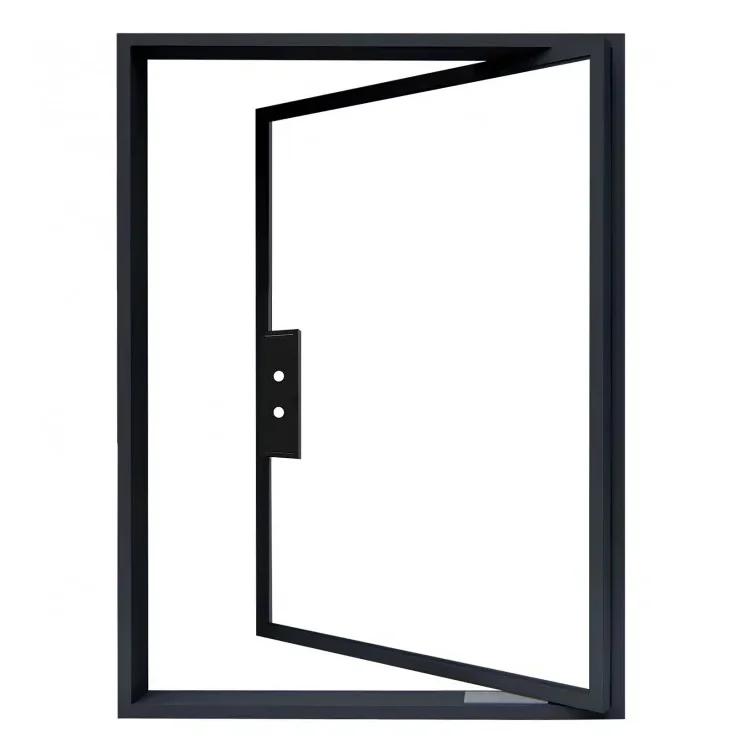
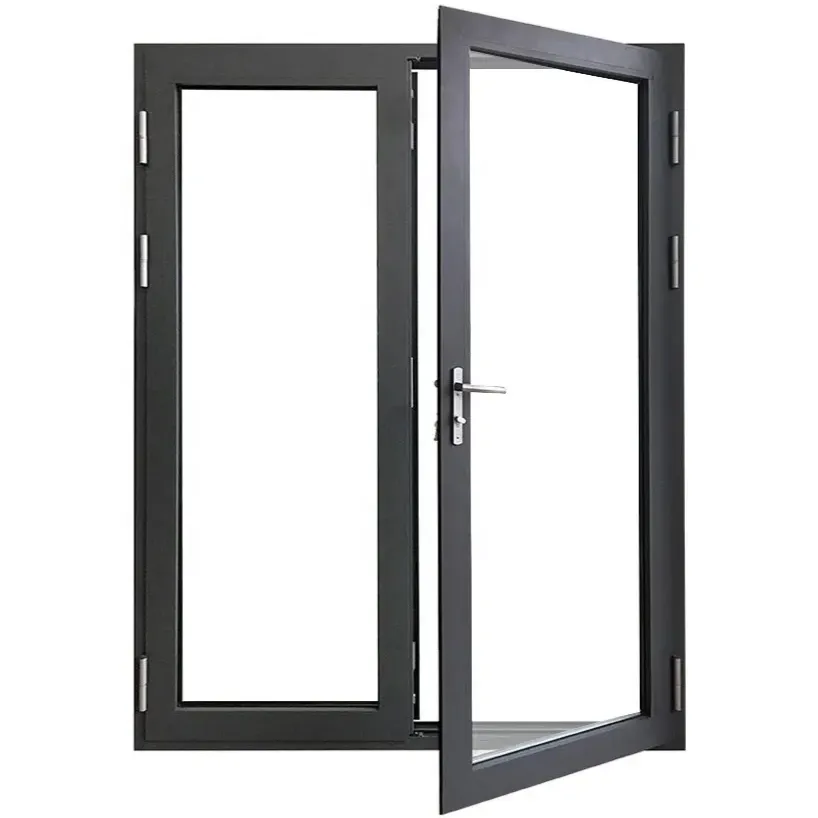
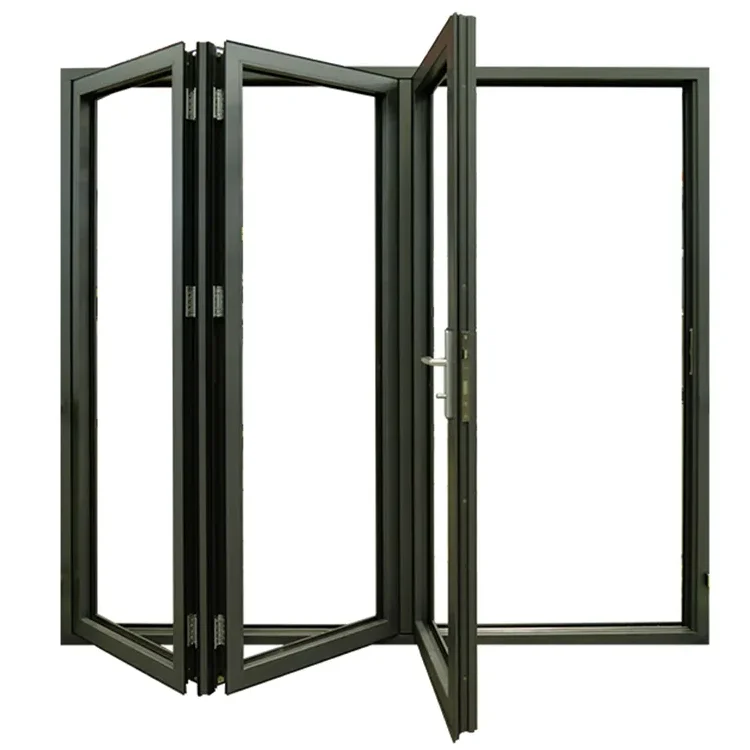
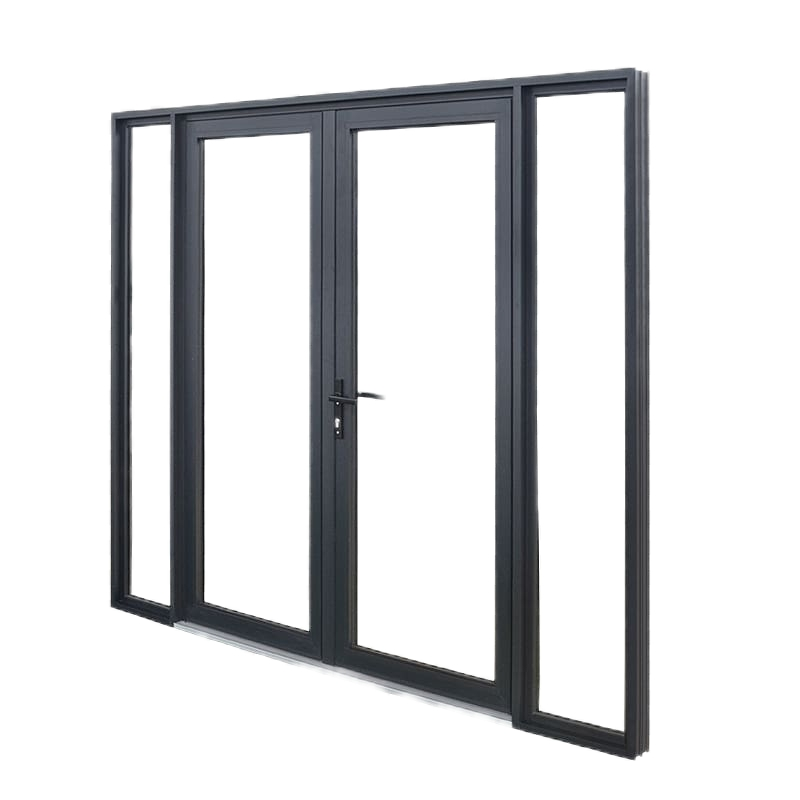
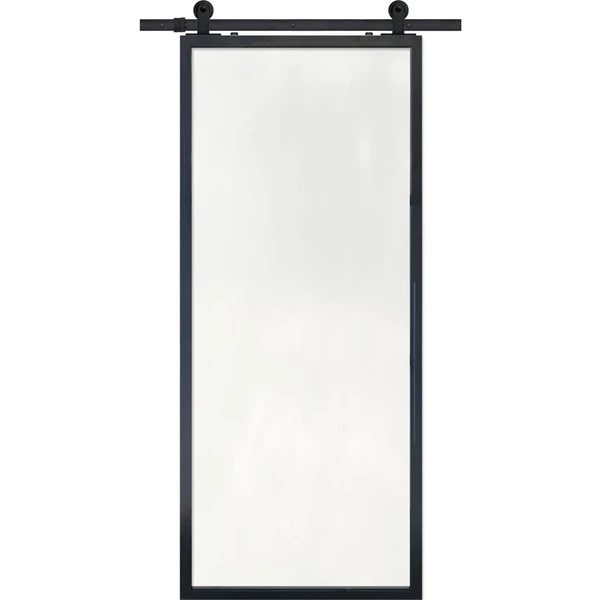


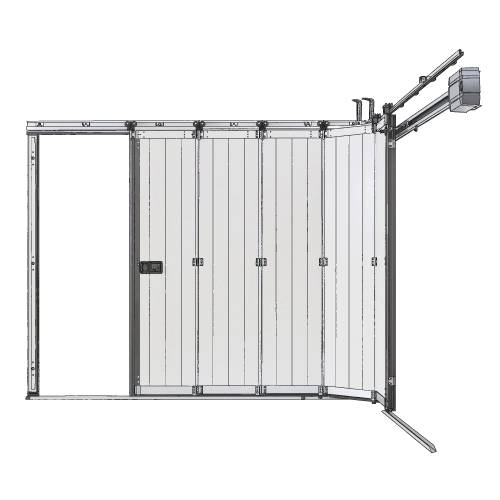
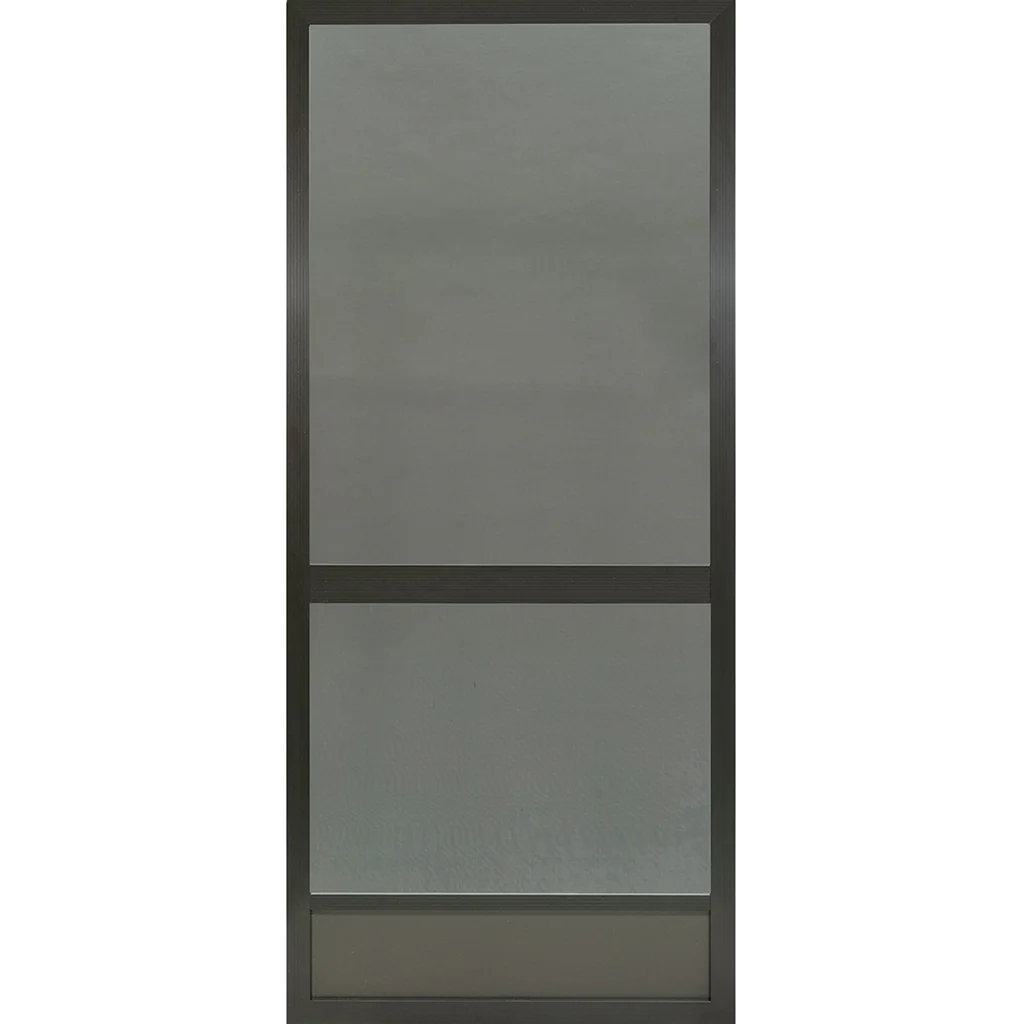

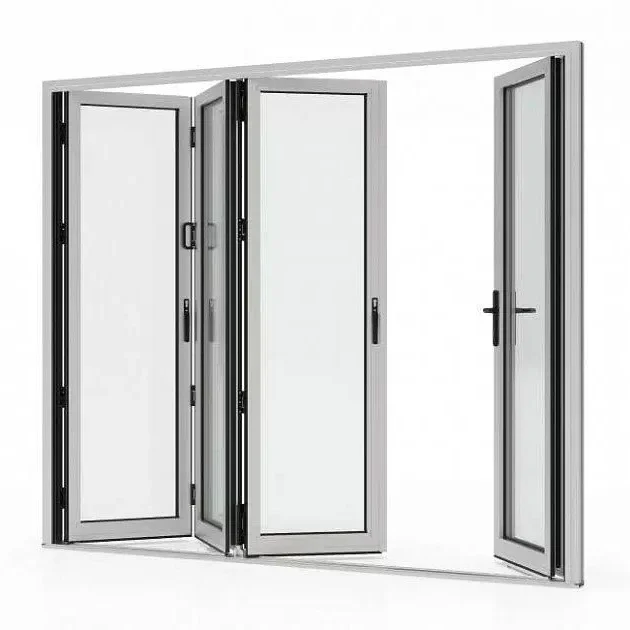


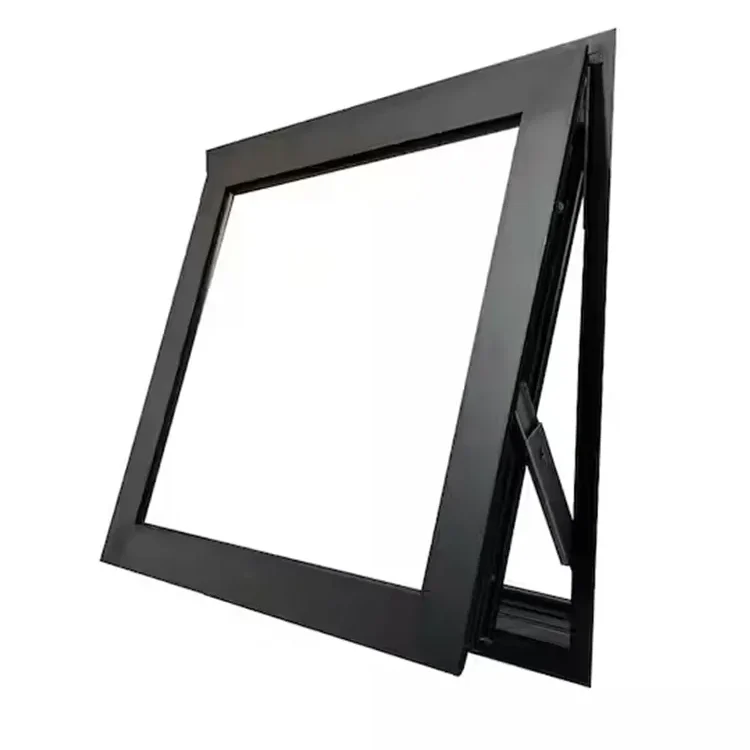

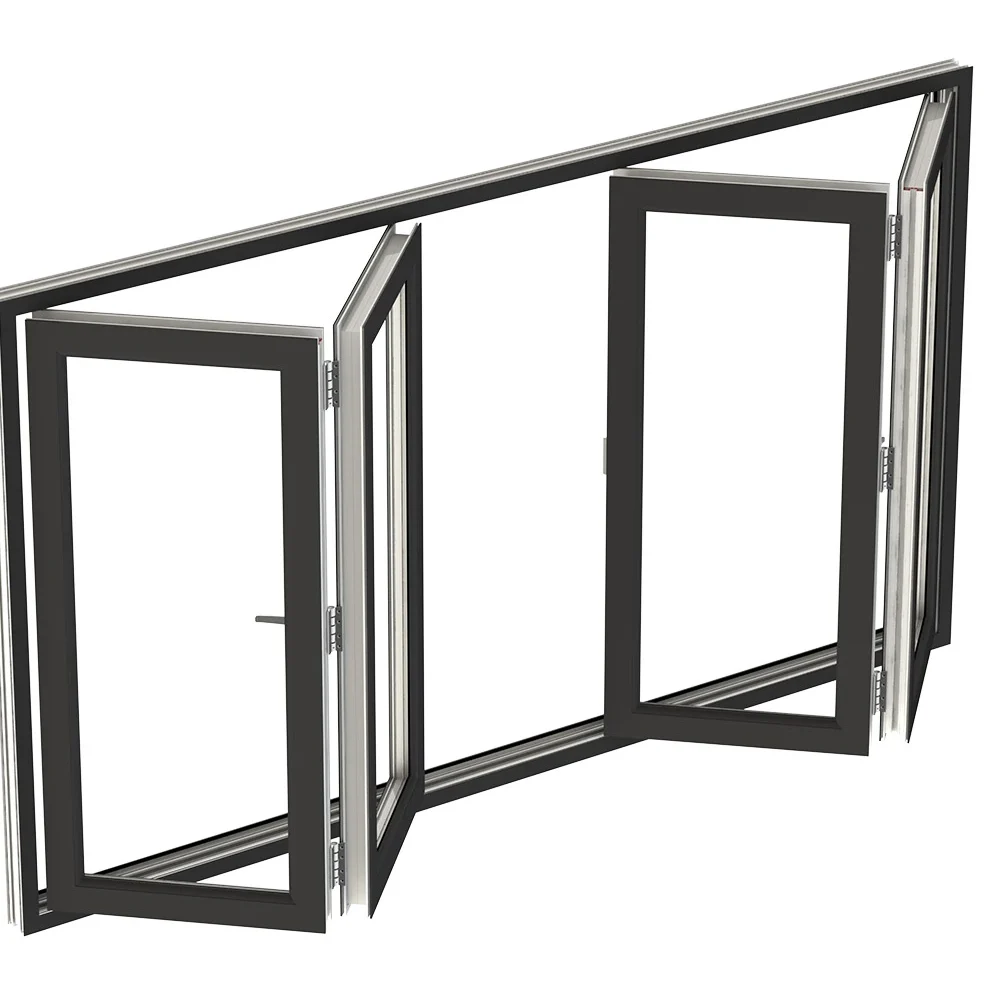









Importing doors and windows from China has become a standard practice in global procurement. Buyers around the world — from builders to distributors — rely on Chinese factories for their scale, expertise, and competitive pricing. With China’s strong manufacturing network and wide product range, it’s easy to find solutions that fit different budgets, styles, and performance needs.

But importing also comes with responsibilities. Quality control, certifications, logistics, and communication can all affect your final results. Knowing what to expect helps you avoid risks and ensures you get the value you’re paying for.
Why Choose China Suppliers?

China is one of the world’s largest producers of doors and windows, offering almost every style, material, and performance level.
Key advantages include:
Lower cost: Competitive pricing thanks to efficient manufacturing and economies of scale.
Huge design variety: Aluminum, uPVC, timber, thermal-break systems, hurricane-rated windows, and more.
Advanced production: Many factories use European hardware, automated lines, and CNC machines.
Export-ready: Most suppliers are familiar with global shipping, packaging, and export documentation.
For buyers looking to balance price, customization, and quality, China remains one of the strongest sourcing destinations.
Define Your Requirements Before Sourcing
Clear requirements are the foundation of a successful order. The more precise you are, the smoother your sourcing process will be.
1. Accurate Measurements & Design Choices
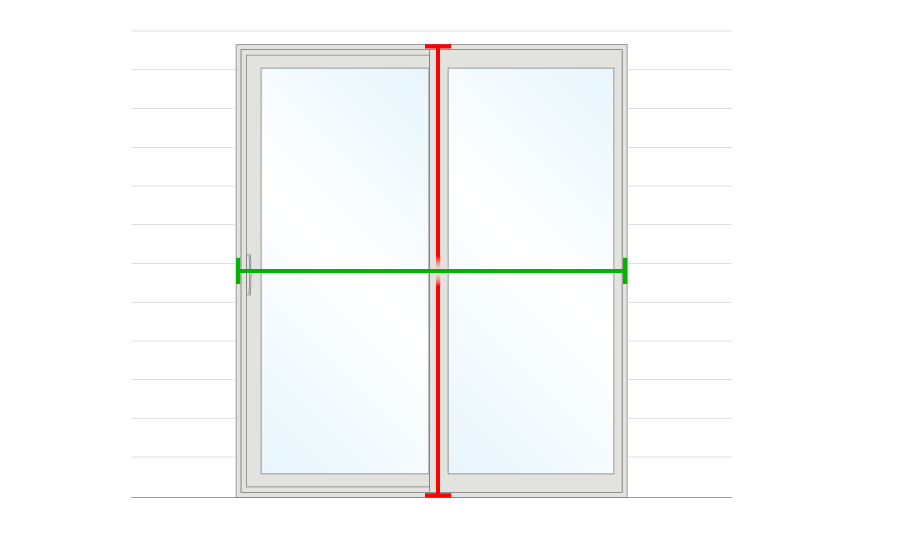
Before contacting suppliers, confirm all important details, including:
Window and door sizes
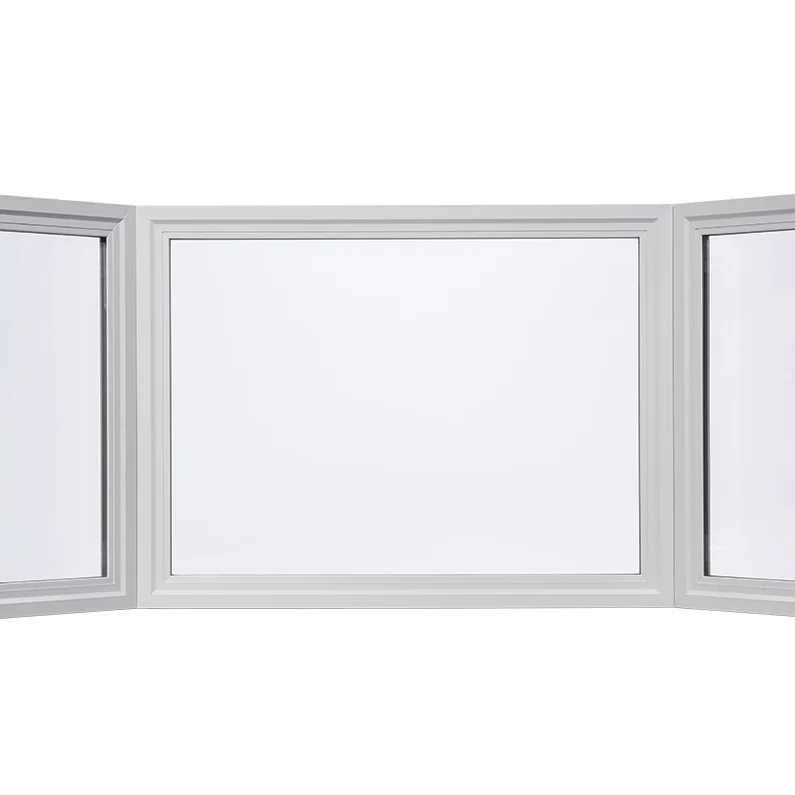
Frame materials (uPVC, aluminum, timber, aluminum-clad wood)
Having drawings or a schedule helps suppliers quote accurately.
2. Functional Specifications

Modern projects often require performance-based features:
Thermal insulation (U-value, thermal break, Low-E glass)
Acoustic performance for noisy areas
Hardware quality — locks, rollers, hinges, handles
Glass options — double glazing, triple glazing, laminated, tinted
These specs directly affect cost and compliance.
3. Project Timeline, Budget & Compliance

Be upfront with:
Required lead time
Budget range
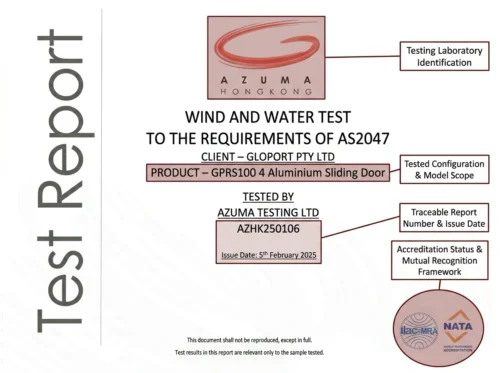
Local building code requirements (CE, NFRC, AS2047, etc.)
Aligning these early helps the supplier recommend the right system and avoid costly rework later.
Finding & Vetting Suppliers
Choosing the right supplier is one of the most important steps when buying doors and windows from China. A reliable factory can save you time, money, and stress, while a poor one can lead to delays, hidden issues, or product defects.
Where to start:
Alibaba & other B2B platforms: Great for initial research, comparing models, and checking company profiles.
Industry trade shows: Events like the Canton Fair or Fenestration Bau China allow you to meet suppliers face-to-face and see product samples.
Supplier websites: Look for technical specs, project photos, test reports, and certifications.
How to vet suppliers effectively:
Review factory audits, production capabilities, and manufacturing scale.
Confirm export experience — especially to your country or region.
Request samples, test reports, and client references to verify quality claims.
Evaluate communication skills — clear, timely communication is a strong indicator of professionalism.
A trustworthy supplier will always answer technical questions, provide documentation, and welcome inspections.
Material & Certification Checks
Choosing the right material and confirming certifications is critical for long-term performance and compliance in your local market.
Understanding key material differences:
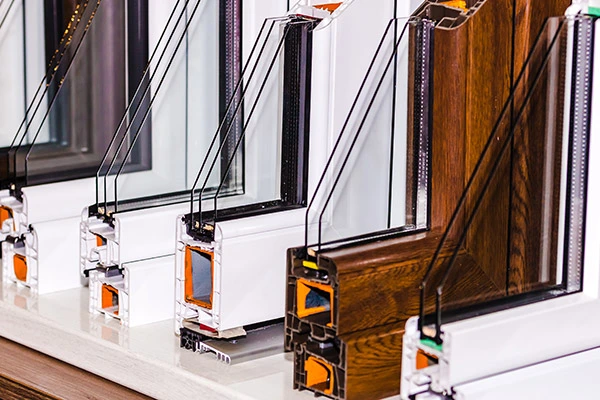
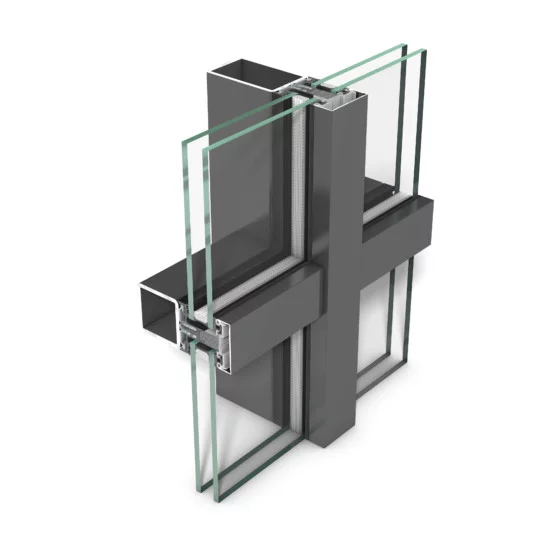
Aluminum: Strong, durable, modern appearance, ideal for large openings.
uPVC: Good thermal performance, cost-friendly, low maintenance.
Wood: Warm, natural look, excellent insulation, but higher upkeep.
Your project’s climate, design style, and budget will determine the best choice.
Verifying certifications & compliance:
CE Marking (Europe)
NFRC / Energy Star (U.S.)
AS2047 (Australia)
ISO & factory standards
Always request original documents and confirm details such as lab numbers, test dates, and product models. Check for mismatches — some factories may display outdated or irrelevant certificates.
Avoiding substitutions:
Specify exact materials, glass types, and hardware brands in the contract to prevent any last-minute changes.
Quality Control & Pre-Shipment Inspection
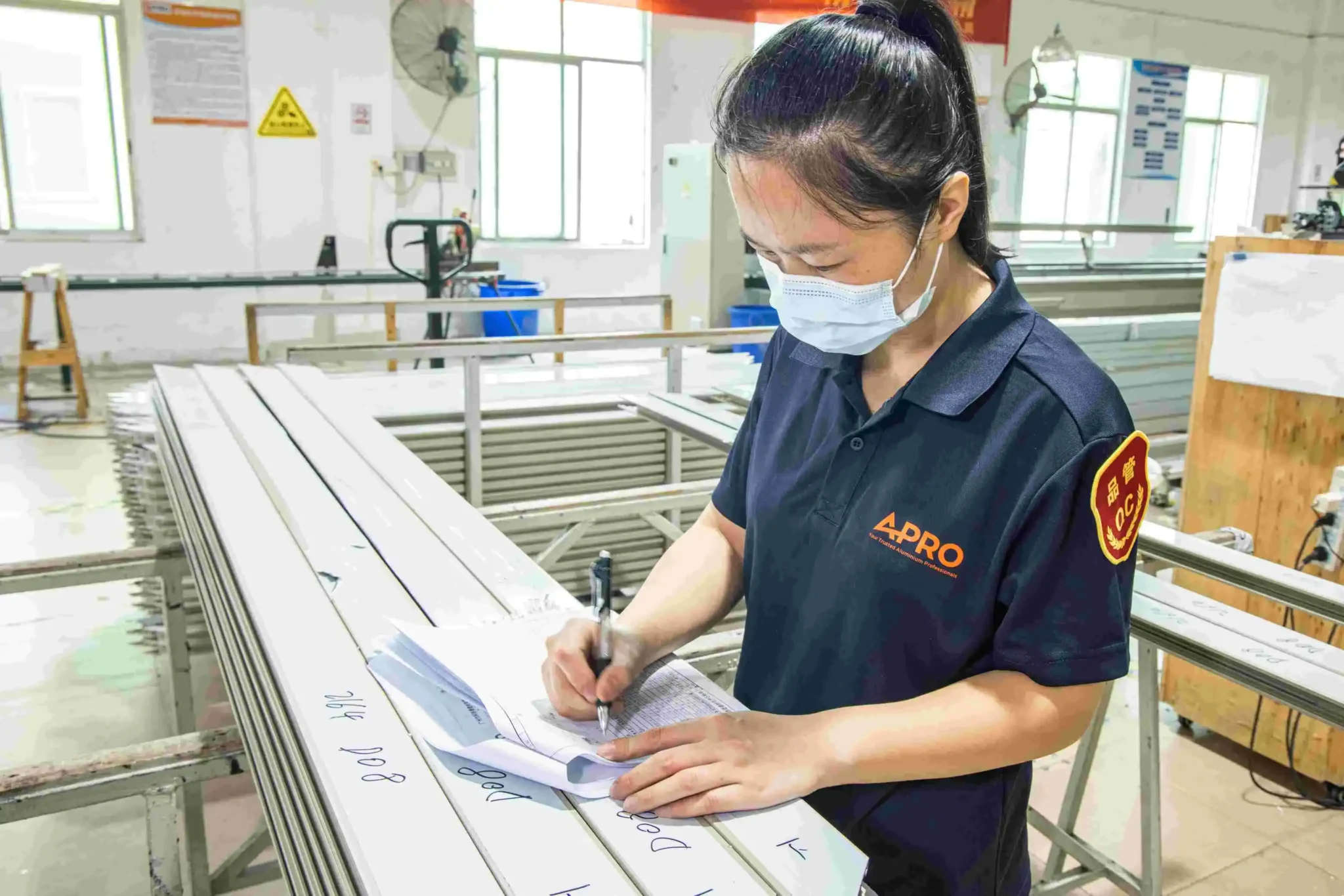
Quality control is essential when ordering from overseas. Even good factories can make mistakes — inspections protect your investment.
What to check during production:
Welding and corner finishing on aluminum or uPVC frames
Glazing quality — correct thickness, Low-E film, argon filling
Hardware performance — smooth handles, locks, hinges, rollers
Surface finish — powder coating, wood grain, anodizing
Assembly accuracy — frame alignment and gasket sealing
Before shipping:
Request a pre-shipment sample check with photos and videos.
Use third-party auditors (SGS, BV, TUV) for independent verification.
Inspect packaging quality — strong wooden crates, foam protection, edge guards, moisture-resistant wrapping.
Proper packaging is critical for windows and doors, as glass can be damaged during long-distance shipping if crates are weak or poorly secured.
Pricing, Payment & Logistics

Buying doors and windows from China involves more than checking prices — it’s about understanding the full cost, lead time, and logistics process so your shipment arrives safely and on schedule.
Pricing & MOQ
Most factories have a minimum order quantity (MOQ) for custom windows and doors. Larger orders usually receive better pricing because materials and labor can be optimized. When negotiating:
Confirm the unit price for each model.
Ask what affects cost: glass type, thermal break systems, hardware brand, and finish.
Request a full quotation sheet showing all details.
Freight Terms (EXW, FOB, CIF)
Understanding Incoterms helps you control shipping and cost:
EXW: You handle everything from factory pickup to shipping.
FOB: Supplier delivers goods to the port; you handle ocean freight.
CIF: Supplier covers freight and insurance to your destination port.
Choose the term that matches your experience and logistics capability.
Shipping & Customs
Glass and aluminum products require careful handling. Consider:
Container loading and crate protection
Transit times (typically 25–35 days by sea)
Customs clearance and tax requirements in your country
Damage risk during transportation
Good packaging and reinforced wooden crates greatly reduce damage.
Payment Methods
Use secure, common payment methods for international trade:
Bank wire transfer (TT) — most widely used
Letter of Credit (LC) — safer for large orders
Escrow or Alibaba Trade Assurance — added buyer protection
Split payments (30% deposit, 70% before shipment) are typical.
After-Sales & Warranty Considerations

After-sales support is just as important as the product itself, especially for large or long-term projects.
Confirm warranty terms for frames, hardware, and glass.
Ask about spare parts availability — handles, rollers, locks, gaskets.
Verify whether the supplier provides installation guidance, videos, or remote support.
If you have installers locally, give them the supplier’s technical drawings for smoother installation.
For B2B buyers, dependable after-sales support builds long-term trust and reduces maintenance issues.
Sustainability & Risk Mitigation

As global standards rise, sustainability is becoming a key purchasing factor.
Eco-Friendly Manufacturing
Look for factories that:
Use recyclable materials like aluminum and glass
Offer Low-E energy-efficient glazing
Follow ISO environmental standards
Provide documentation on sustainable sourcing
These features improve building performance and help meet green certifications.
Risk Mitigation Tips
Importing from overseas carries natural risks. Reduce them by:
Providing accurate specifications and drawings
Requesting detailed order confirmations before payment
Ensuring products meet your local building codes
Keeping clear communication with your supplier
Conducting third-party inspections before shipment
Good preparation prevents miscommunication, delays, and non-compliant products.
Ready to Import High-Quality Doors & Windows From China?

Choosing the right supplier can make your project smoother, faster, and more cost-effective. If you’re looking for premium aluminum doors and windows, expert engineering support, and reliable export service, our team at Aprodoor is here to help.
We offer custom solutions, competitive pricing, strict quality control, and safe global shipping — all backed by years of experience in international projects.
Contact us today to get a tailored quote or discuss your project needs.
Your next window and door order starts with one message.
Get a Free Consultation Now.
FAQs
1. What is the best site to buy directly from China?
There is no single “best” site, but trusted platforms for sourcing Chinese suppliers include Alibaba, Made‑in‑China, and Global Sources. These sites vet suppliers, enable bulk orders, and support international logistics.
2. What questions should you ask when buying new windows?
Important questions include:
What is the difference between new-construction and replacement windows?
What terminology should I know (e.g., U-factor, SHGC)?
What styles and materials are available?
Are your windows energy-efficient?
What warranty do you offer?
What is your installation process?
3. How to find a reliable supplier in China?
Start by checking supplier credentials, factory audit reports, verified certificates, past export records, and product samples. Use B2B platforms or trade shows and consider third-party inspections.
4. Is it legal to buy directly from China?
Yes — importing products from China is legal for most goods, provided you declare the items, pay any required duties/taxes, and ensure compliance with local regulations and intellectual property laws.
However, you must ensure that the goods are not counterfeit, marked correctly, comply with safety standards, and are declared properly.