















When sourcing windows and doors from global manufacturers—especially in China—you’ll often hear the terms OEM and ODM. These two production models shape how your products are designed, branded, and brought to market. Understanding the difference helps you choose the right approach for your project, whether you’re a builder, distributor, or brand looking to scale.
For buyers importing at volume, the distinction matters. It affects your cost, lead time, customization options, and long-term brand strategy. Choosing the wrong model can create delays, misaligned expectations, and costly redesigns—while choosing the right one sets you up for smoother production and a stronger market advantage.
What Is OEM for Windows & Doors?

OEM (Original Equipment Manufacturer) means you provide the vision, and the factory brings it to life. You supply the full specifications—design drawings, material requirements, performance standards, branding—and the manufacturer produces exactly what you need.
In simple terms:
You design it. The factory builds it.
Typical OEM scenarios include:
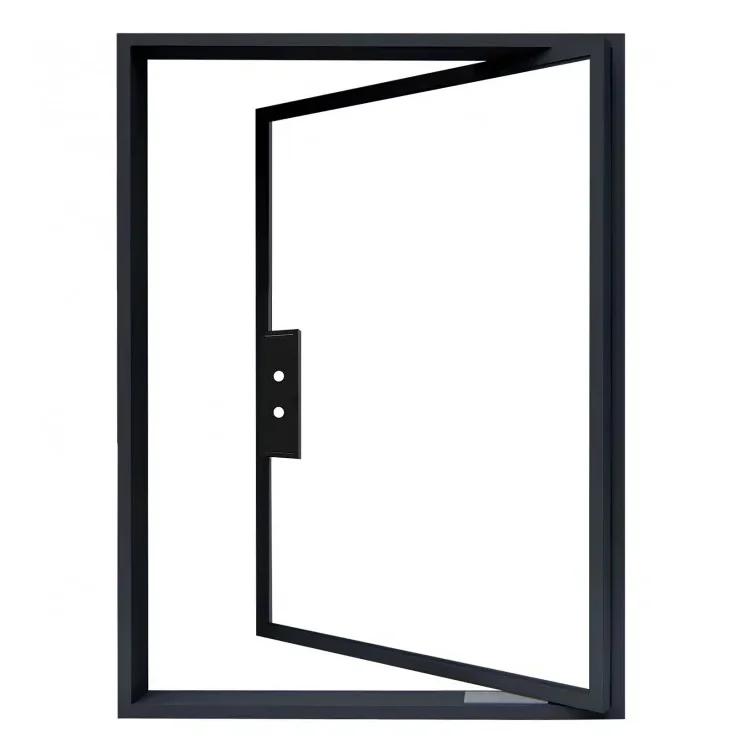
Custom aluminum or uPVC window frames made to your exact profile.
Unique hardware designs, exclusive colors, or proprietary locking systems.
Brand-exclusive product lines for builders or distributors.
High-performance windows tested to your required energy or acoustic ratings.
OEM is ideal when you want full control over how your windows and doors look, feel, and perform—and when you need your designs to stand out from competitors.
What Is ODM for Windows & Doors?
ODM (Original Design Manufacturer) means the factory already has ready-made designs that you can brand as your own. These products are developed by the manufacturer, and you can choose to apply your brand, request small changes, or simply order them as-is.
In simple terms:
The factory designs it. You brand it.
Typical ODM scenarios include:
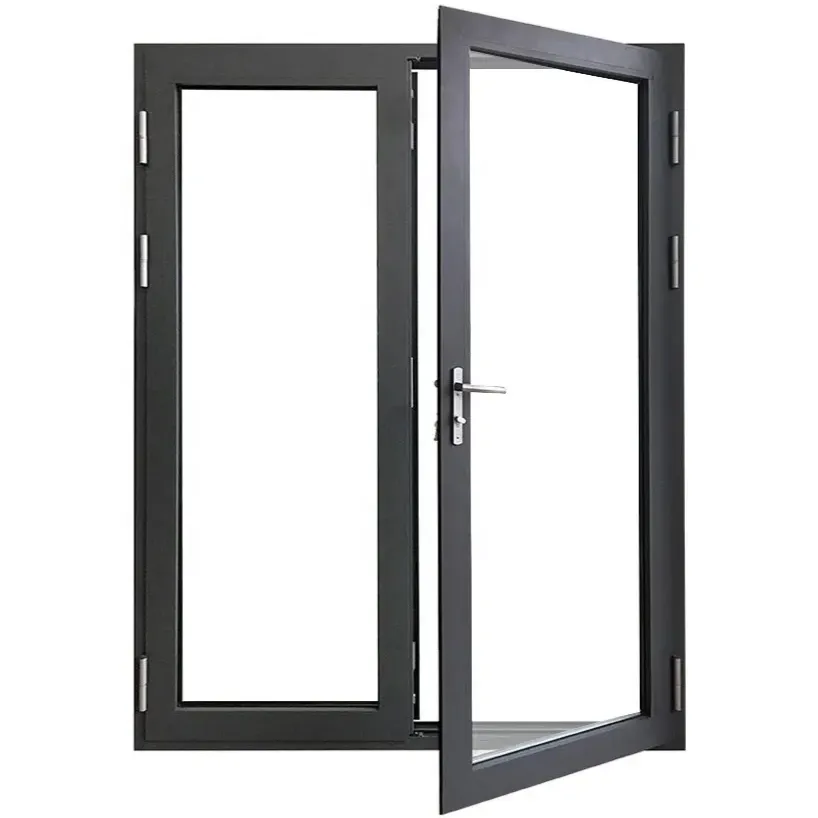
Standard sliding windows, casement windows or doors with proven designs.
Buyers who want fast production and lower development costs.
First-time importers or wholesalers entering a new market.
Projects with tight timelines that can’t support long customization cycles.
ODM is great when you want speed, simplicity, and cost-effectiveness—and when the factory’s existing designs already meet your market needs.
Key Differences: OEM vs. ODM
| Aspect | OEM Windows & Doors | ODM Windows & Doors |
|---|---|---|
| Design control & IP | Buyer owns the design and specs; high control over IP. | Factory owns core design; buyer rebrands and tweaks details. |
| Customization level | Fully customized profiles, hardware, performance, branding. | Limited changes to colors, glazing options, or accessories. |
| Cost | Higher upfront cost for design, tooling, and sampling. | Lower product development cost; uses existing designs. |
| Lead time | Longer lead time due to engineering and testing. | Faster launch since models are already developed. |
| Brand differentiation | Unique models that stand out in the market. | Similar to other brands using the same base system. |
| Tooling & risk | Requires custom tooling; higher financial risk if volume is low. | No or minimal new tooling; lower technical and financial risk. |
| Best for | Established brands, long-term ranges, clear volume forecast. | New brands, testing markets, fast entry with proven products. |
When choosing between OEM and ODM windows and doors, the real question is how much control you want—and how fast you need to launch. Both options work well, but they suit very different goals.
Control Over Design & IP
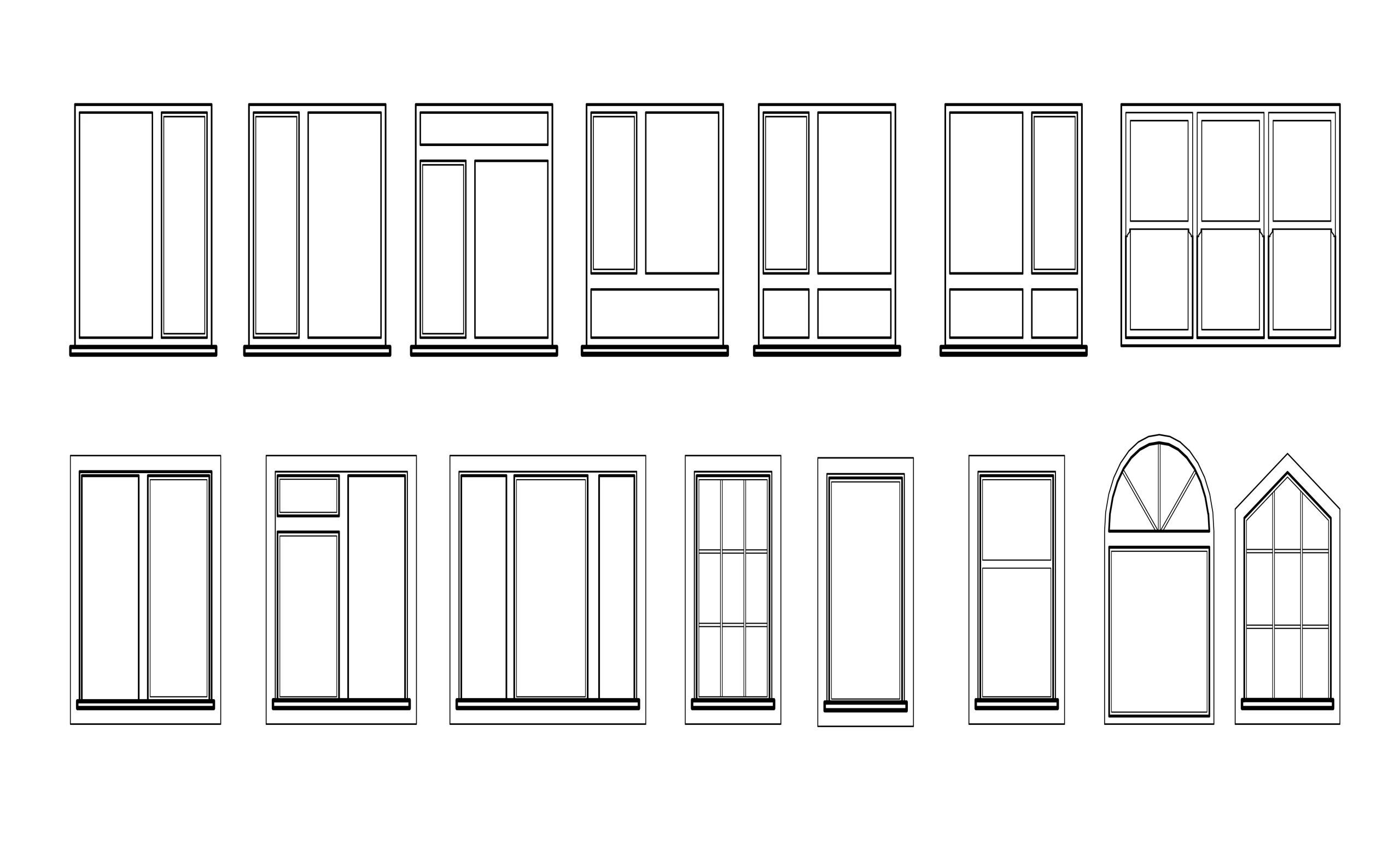
With OEM, you choose every detail. The design, materials, hardware, performance specs, and branding are all yours. This gives you full control and protects your intellectual property.
With ODM, the factory owns the core design. You can customize small elements, but the base product stays the same.
Cost & Lead Time

OEM usually costs more upfront because the factory must produce custom profiles, tooling, and samples. Lead times are longer too.
ODM is faster and more affordable since you’re starting with a ready-made design.
Brand Differentiation

If you want a product that looks and performs differently from competitors, OEM is the better path.
ODM is great for quick market entry, but the products may be similar to what other brands are selling.
Risk & Tooling

OEM often requires custom molds and tooling, which increases both cost and risk if you’re unsure about volume.
ODM uses proven designs, reducing technical risk and making production more predictable.
Which Should You Choose?
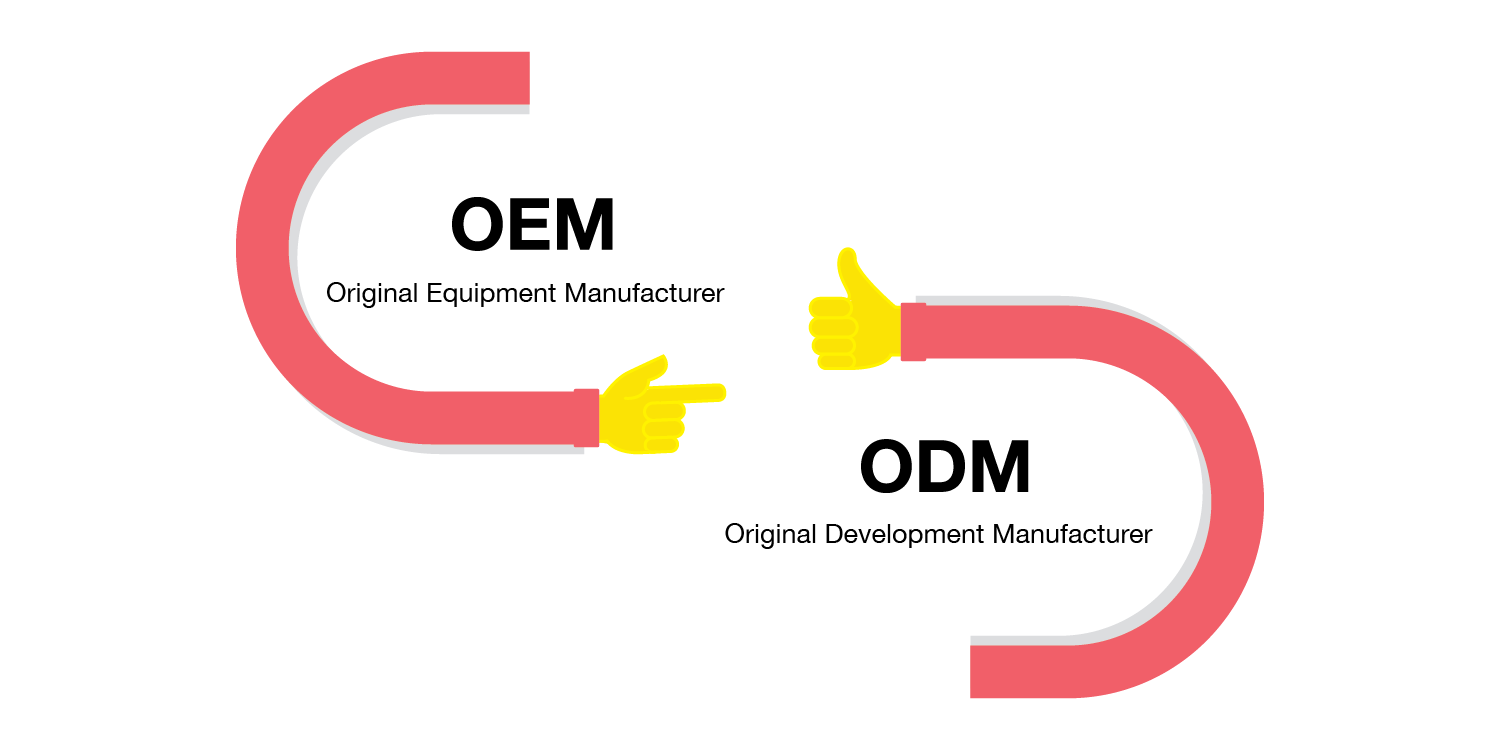
Choosing between OEM and ODM comes down to how much customization you need, your budget, and how quickly you want your product in the market. If your goal is to build a unique product line with full design control, OEM is the better fit. It gives you complete freedom but requires more time, higher cost, and a clear long-term plan. If you want a fast, low-risk way to start selling, ODM is the smarter choice because the factory already has proven designs ready to produce.
How to decide:
Customization:
Need custom profiles, colors, or hardware? → Choose OEM
Happy with ready-made designs? → Choose ODMBudget:
Larger investment possible? → OEM
Keeping costs low? → ODMTime-to-Market:
Tight timeline? → ODM
Can wait for development and testing? → OEMBrand Strategy:
Want exclusive, differentiated products? → OEM
Reselling or testing a new market? → ODM
Practical Buyer Checklist

Use this checklist to choose the right sourcing path and ensure a smooth purchase process:
For OEM Buyers
Provide detailed CAD drawings and product specifications
Confirm materials, glass options, and hardware brands
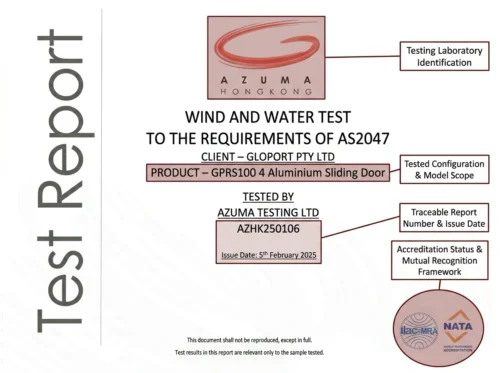
Request performance tests (U-value, wind load, acoustic rating)
Include IP protection clauses in the contract
Confirm tooling cost and lead time before production
Approve engineering drawings before the factory begins machining
For ODM Buyers
Review the supplier’s catalog and existing models
Check available color, hardware, and glazing options
Ask about branding flexibility, packaging, or label customization
Confirm whether exclusivity is available for your region
Approve a sample unit before mass production
For Both OEM & ODM Buyers
Conduct quality assurance checks during production
Request pre-shipment inspection with photos or third-party verification
Review contract terms, warranty details, and after-sales support
Confirm payment terms, lead times, and shipping arrangements
Ensure logistics planning: crate strength, container loading, and customs documents
A clear checklist keeps your project organized and reduces the chance of delays or misunderstandings—especially when working with overseas manufacturers.
Ready to Source OEM or ODM Windows & Doors from China?

Whether you need fully customized window systems or fast, ready-made ODM solutions, choosing the right manufacturer makes all the difference. At Aprodoor, we support global buyers with high-quality products, engineering guidance, transparent communication, and reliable export service.
From technical drawings to sample approval, mass production, and international shipping—we make the entire process smooth and worry-free.
Tell us your project needs, and we’ll recommend the best OEM or ODM solution for you. Contact Us Today for a Free Quote.
FAQs
1. What is the difference between OEM and ODM?
An OEM (Original Equipment Manufacturer) makes products based on a customer’s specifications, while an ODM (Original Design Manufacturer) designs and manufactures stock products that others brand.
2. Is Dell an ODM or OEM?
Dell is primarily an OEM brand—it designs and markets its own PCs and servers while outsourcing manufacture. Some of their manufacturing partners serve as ODMs.
3. What is the difference between OEM and non-OEM Windows?
An OEM version of software is sold to PC makers and is tied to the original hardware; a non-OEM (retail) version can be transferred and is supported directly by the software publisher.
4. What is an OEM door?
An OEM door is one manufactured by a company under contract for another brand—produced to the brand’s exact specifications, then sold under that brand’s name.