




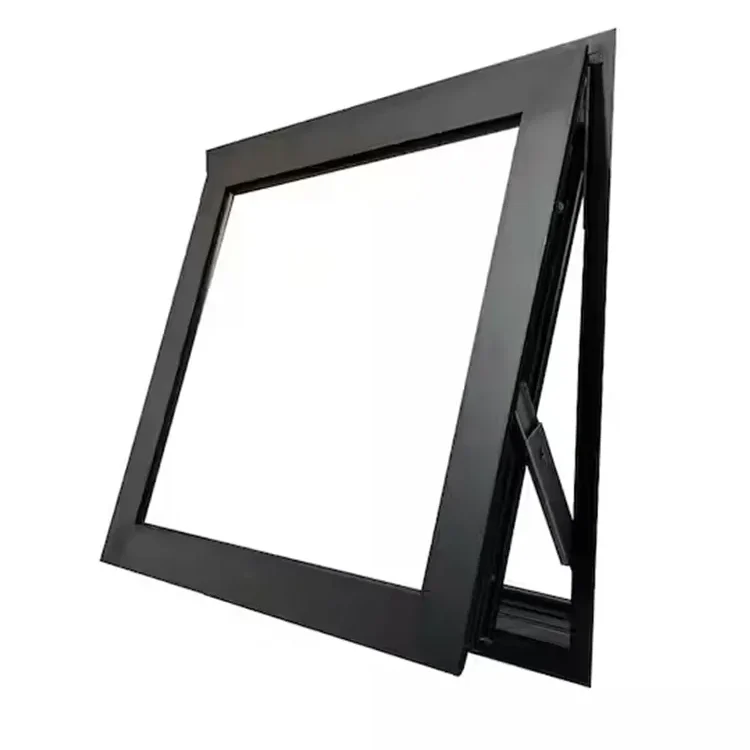

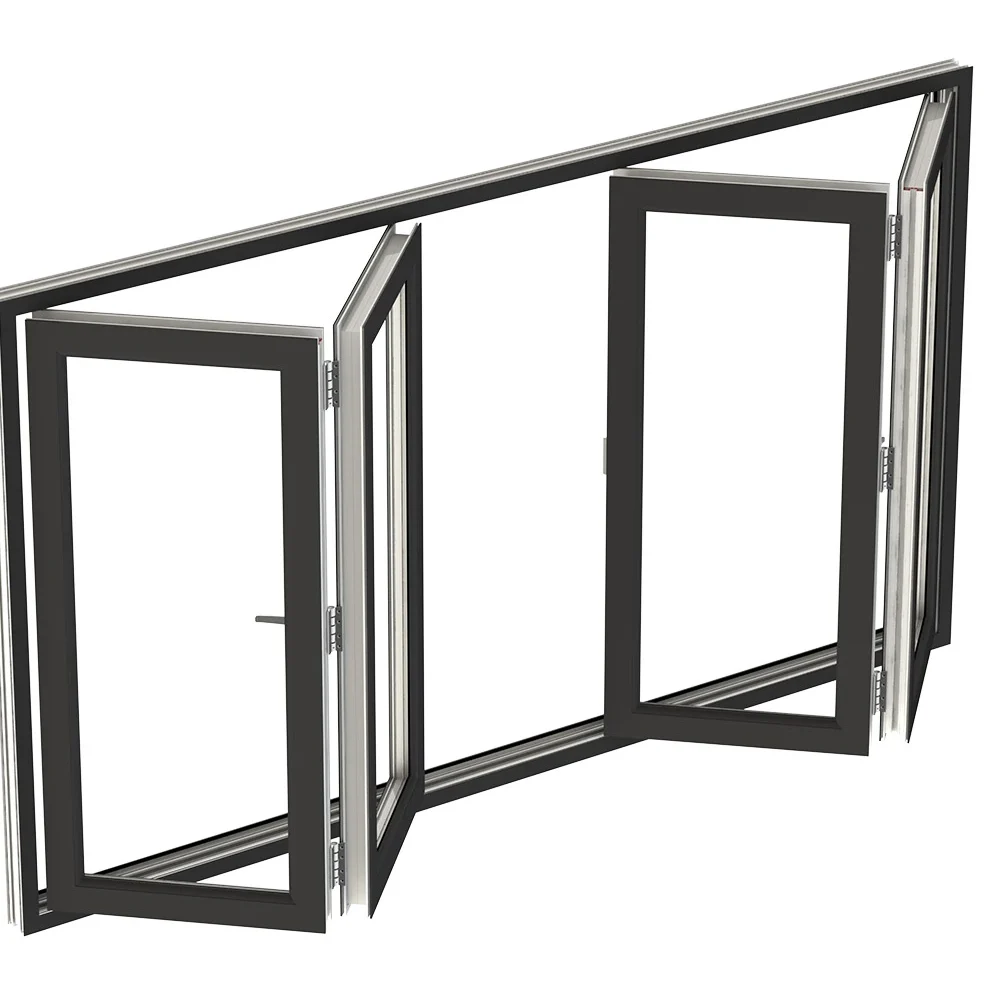

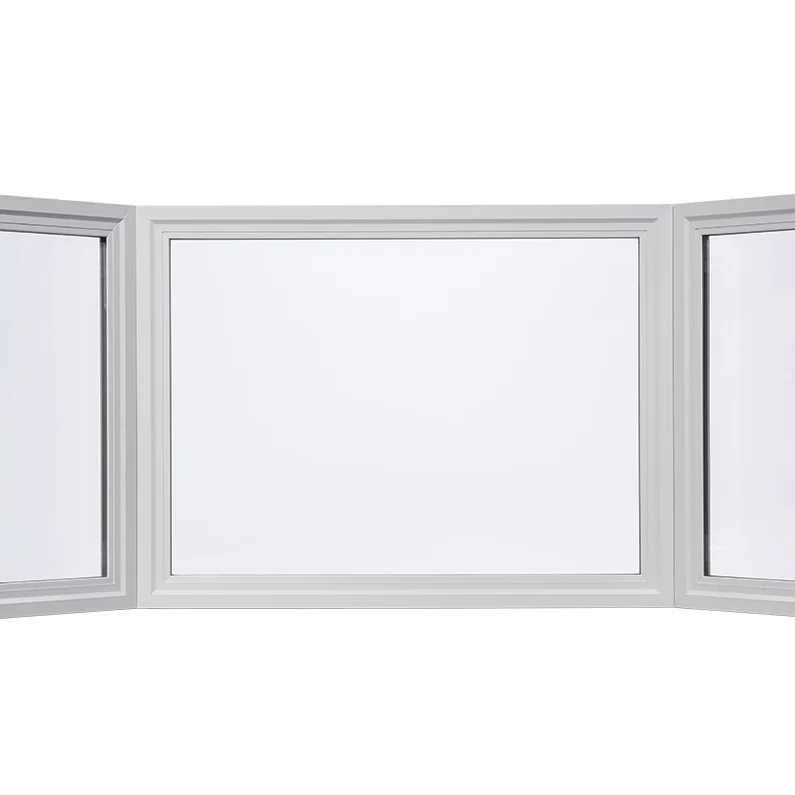








When it’s time to upgrade your windows, choosing the right replacement method can make a huge difference in comfort, energy savings, and long-term value. Homeowners typically pick between insert window replacement and full-frame window replacement—two methods that look similar from the outside but deliver very different results. Understanding these options helps you avoid extra costs, plan your project better, and get the performance your home truly needs.
At a glance:
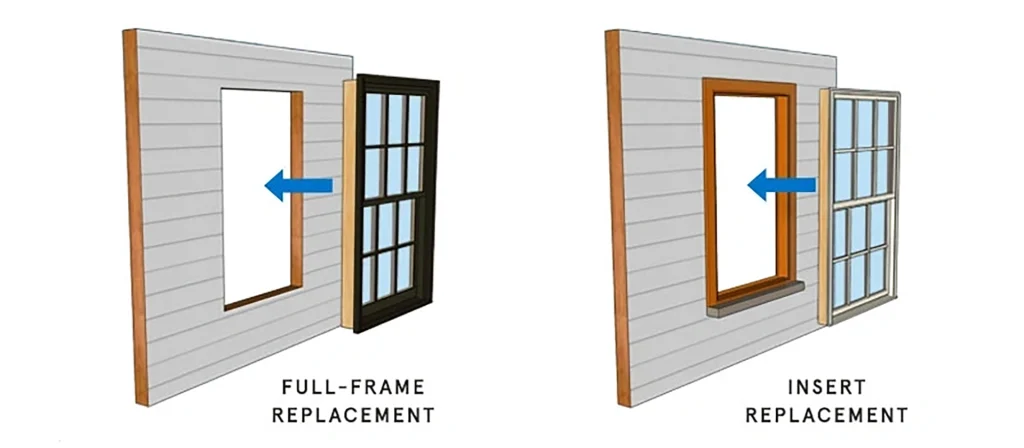
Insert replacement fits a new window into the existing frame.
Full-frame replacement removes everything down to the studs for a fresh start.
What Is Insert Window Replacement?
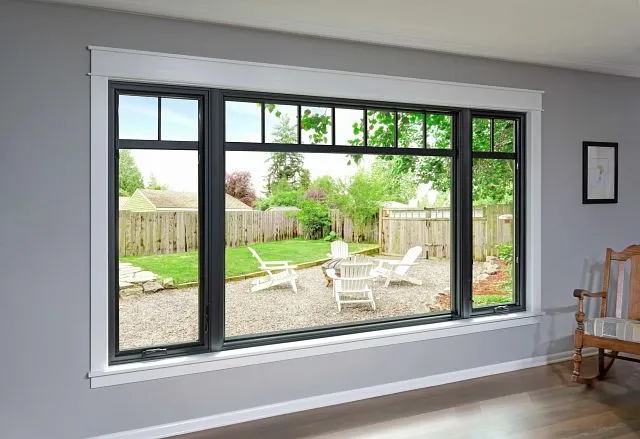
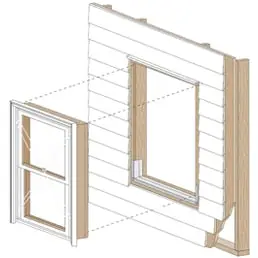
Insert window replacement means installing a new window inside the existing frame. The trim, casing, and overall structure stay in place while the old sash or glass unit is replaced with a new, more efficient window.
Advantages
Lower cost — fewer materials and less labor.
Minimal disruption — interior and exterior finishes stay untouched.
Preserves architectural trim — ideal for homes with custom or historic detailing.
Limitations
Depends on existing frame condition — not suitable if there is rot, warping, or water damage.
Slightly smaller glass area — the new frame sits inside the old one, reducing visible light.
Insert replacement works best when the frame is in excellent condition and you want a quick, budget-friendly upgrade.
What Is Full-Frame Window Replacement?
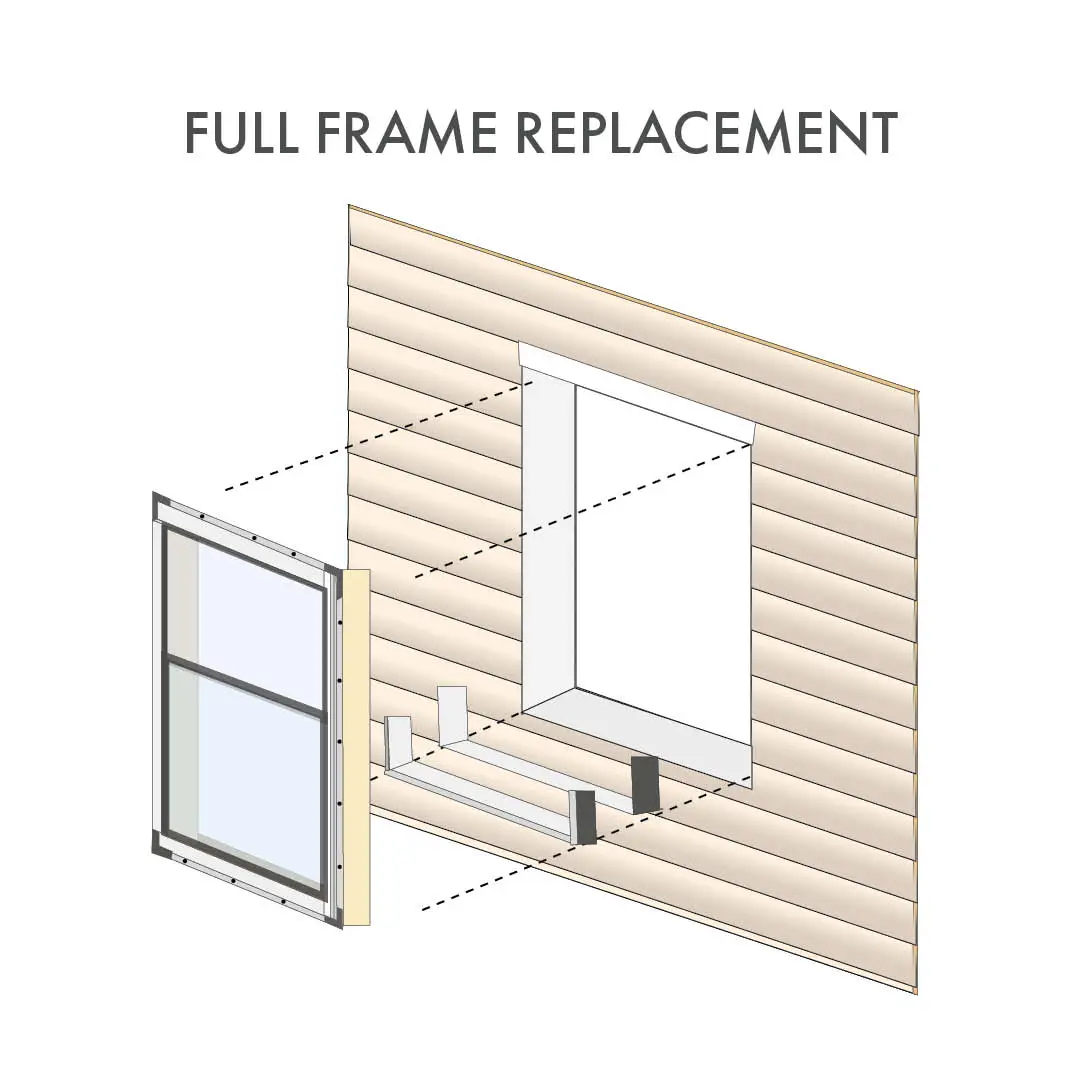
Full-frame replacement involves removing the entire window assembly—frame, trim, casing, and sometimes surrounding materials—down to the studs. A completely new frame and window are installed, often with upgraded insulation and flashing.
Benefits
Total design freedom — change the size, shape, or operating style.
Better performance — new insulation, flashing, and sealing improve efficiency.
Damage inspection — installers can uncover and repair hidden rot or water issues.
Long-term durability — ideal for older homes or major renovations.
Drawbacks
Higher cost — more materials, labor, and time.
More invasive — interior/exterior finishes may need repair.
Longer installation time — especially if structural issues appear.
Full-frame replacement is the right choice when you want a true fresh start or when the current window structure is no longer reliable.
Cost, Time & Disruption Comparison

The cost difference between insert and full-frame replacement is usually noticeable. Insert windows are often the more affordable option, since the installer works within the existing frame. Full-frame replacements cost more because they require removing trim, inspecting the structure, and rebuilding the opening.
Installation time also varies. Insert replacements are quick and low-mess—many homes finish in a day. Full-frame replacement takes longer and may disrupt nearby spaces while trim, siding, or interior finishes are removed and rebuilt. If you love your current trim or siding and want minimal disturbance, insert replacement offers a smoother experience.
Performance & Longevity Considerations
Performance depends heavily on the condition of the existing frame. Inserts can improve efficiency, but only if the original frame is solid, square, and well-sealed. Full-frame replacements deliver the highest performance, because installers rebuild the opening with new insulation, flashing, and weather-resistant materials.
Structural issues are another major factor. Rot, warping, and hidden water damage often sit behind old frames. Insert replacement won’t fix these problems—and may even trap moisture. Full-frame replacement is necessary when you want long-term durability, better insulation, or a fresh start for your window openings.
When to Choose Each Option
Choose Insert Replacement When:

The existing frame is in good condition
You want the same size and style
Your budget is limited
You prefer fast installation with little disturbance
You want to preserve existing trim or architectural detailing
Choose Full-Frame Replacement When:
The frame shows rot, leaks, or warping
You want to change the size, style, or configuration
You’re doing a major renovation and want everything updated
You want maximum energy efficiency and long-term value
Exterior materials also matter. Homes with brick or stucco may require different approaches. Local climate and resale value should be part of the decision too—full-frame replacements often boost performance and long-term durability in harsh weather zones.
Practical Buyer Checklist

Choosing between insert and full-frame replacement becomes much easier when you ask the right questions and confirm the full scope of work. Here’s a simple checklist to guide your decision.
1. Key Questions to Ask Contractors
Is my existing frame structurally sound?
Which method—insert or full-frame—best suits my home?
How will the installation affect my trim, siding, or interior finishes?
What materials, sealants, and flashing will you use?
How long will the install take, and what disruptions should I expect?
2. Measuring, Inspection & Quoting
Installers should take precise measurements, check for rot or moisture behind the frame, and inspect siding or brickwork. A good quote includes product specs, labor, disposal fees, and any add-on work. Avoid vague pricing—everything should be clearly listed.
3. Confirm the Full Scope of Work
Make sure your contract states what’s included and excluded:
Removal and disposal of old windows
Exterior flashing and waterproofing
Insulation around the frame
Interior and exterior trim work
Touch-ups or repairs (if needed)
Clear scope prevents surprise charges and ensures you get the performance you’re paying for.
4. Warranty & Long-Term Maintenance
Ask about:
Product warranty (glass, hardware, frame)
Installation warranty (often separate)
Expected maintenance for your window material
Full-frame replacements often come with stronger long-term performance, but your warranty should protect both the product and the installation.
Ready to Replace Your Windows With Confidence?

Whether you’re deciding between insert or full-frame replacement, choosing the right product—and the right supplier—makes all the difference. At Aprodoor, we provide high-quality aluminum windows and doors built for long-term performance, energy efficiency, and modern design.
Our team can help you review your project, assess your frame condition, and guide you toward the best replacement method for your home.
Tell us what you need, and we’ll prepare a tailored quote and solution.
Contact Us Today for Expert Support!
FAQs
Is it better to install replacement windows from the inside or outside?
It depends on access, window type and home layout. Both methods work if installed well. Outside tends to give full frame access and fewer interior disruptions; inside may be better when exterior access or weather is an issue.
Is pocket window (insert) replacement better than full-frame?
Insert (pocket) replacement is more affordable and less disruptive if the existing frame is in good shape. But full-frame provides better performance, allows size/style change and addresses hidden damage. The “better” option depends on frame condition and goals.
Are window inserts worth the money?
Window inserts can be worth it if the frame is sound and budget or disruption are primary concerns. But they may deliver lower efficiency and lifespan compared to full-frame replacements.
How much are window inserts vs full replacement?
Insert window replacements typically cost significantly less—often around 20-50% less than full-frame. Full- frame replacements can cost between ~$400-$1,000+ per window (or more depending on size/style) versus lower ranges for inserts.