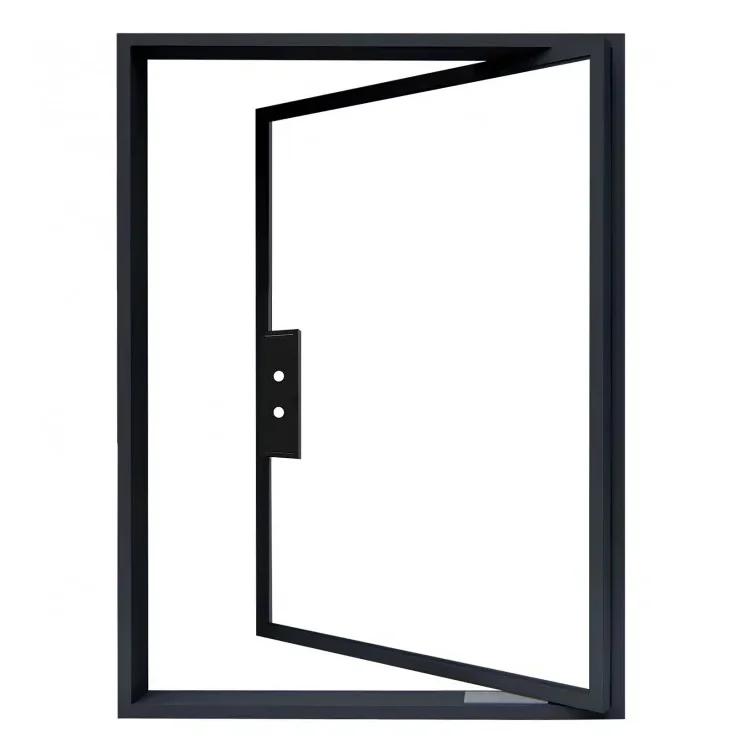
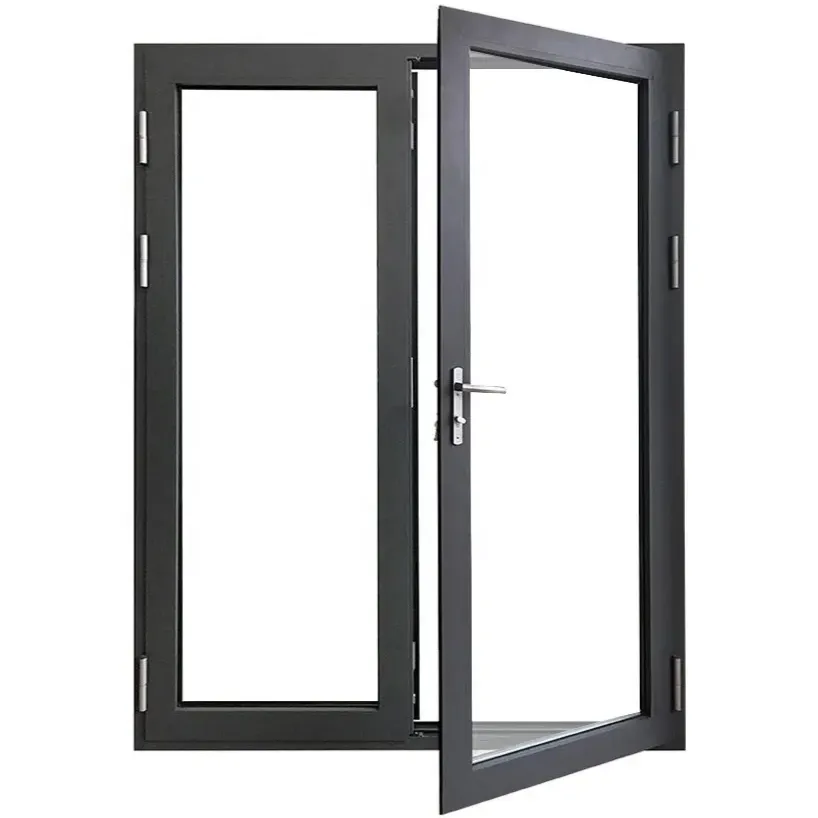
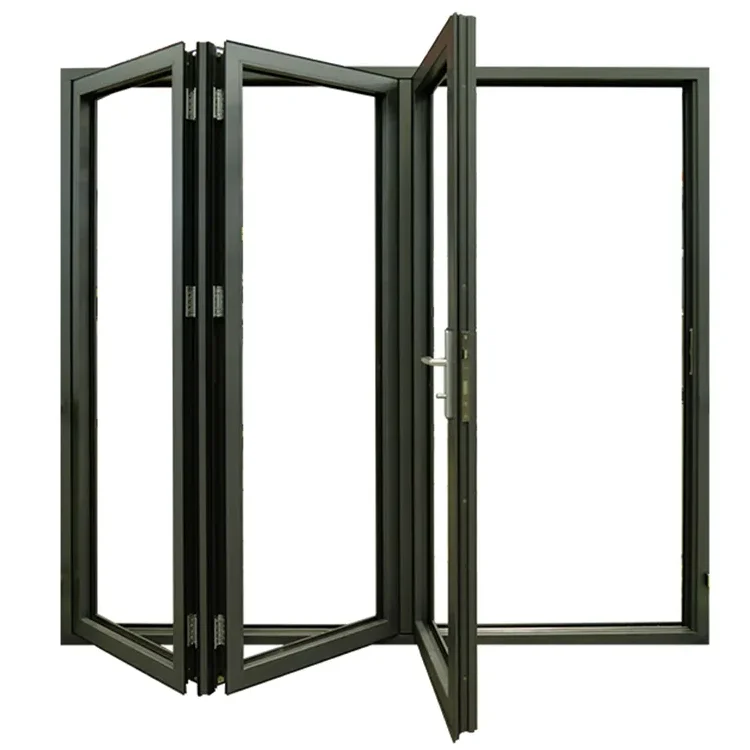
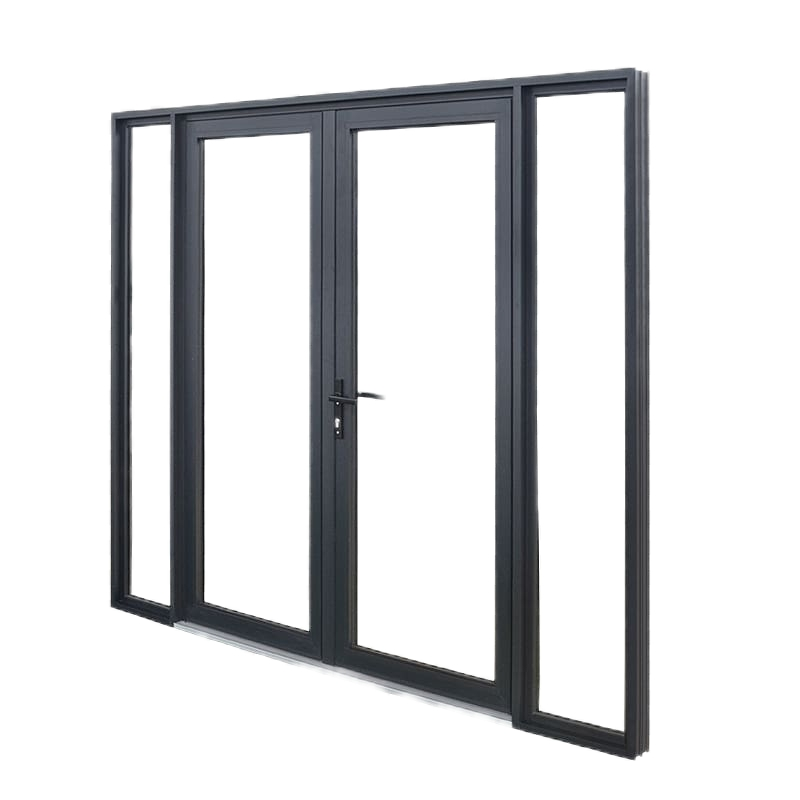










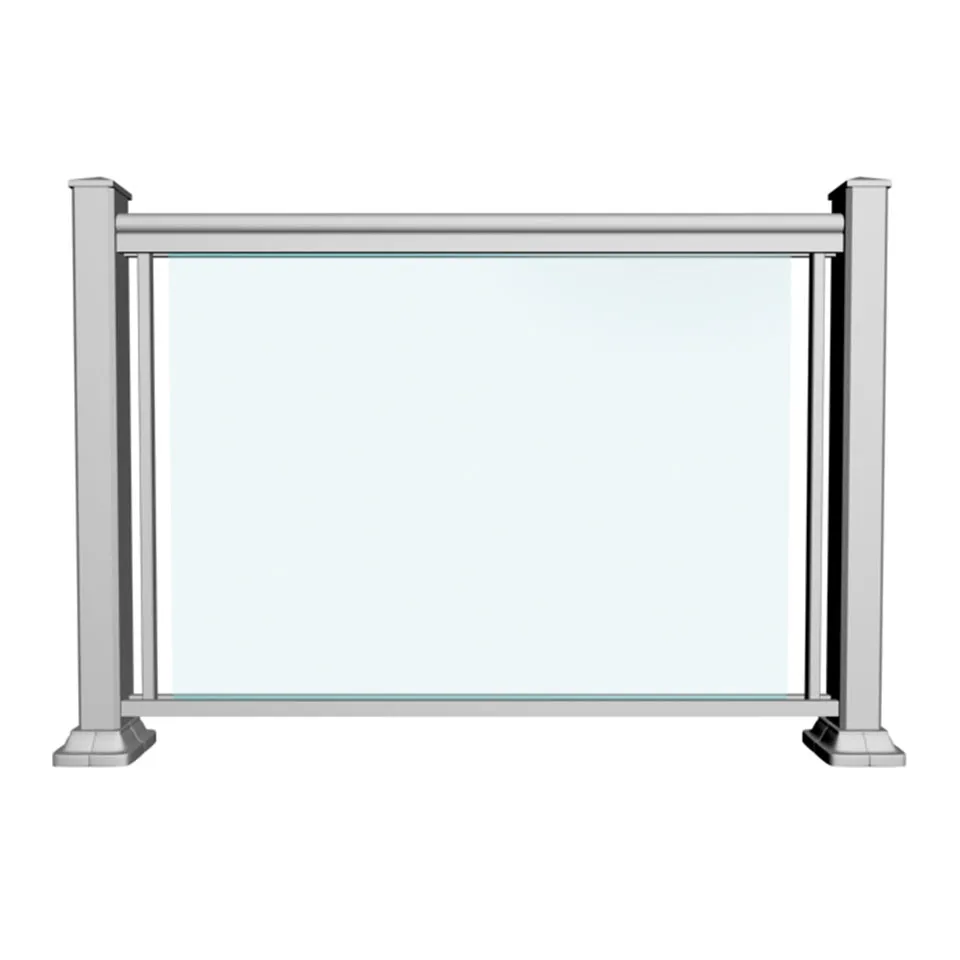
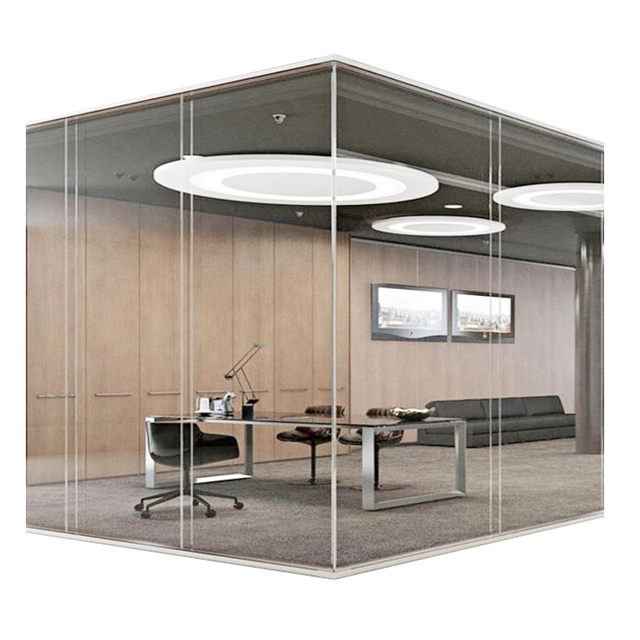
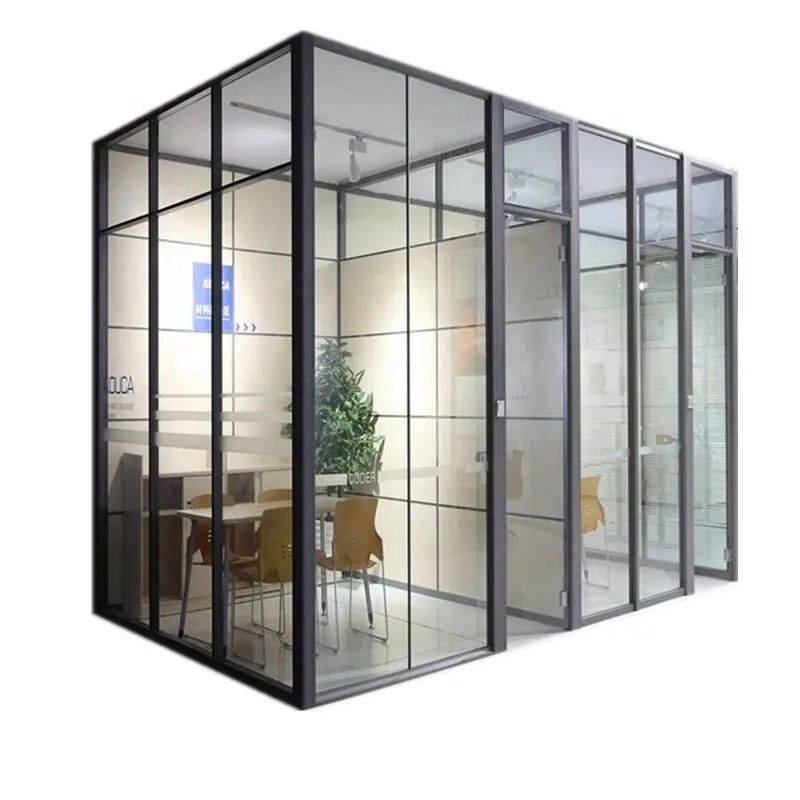


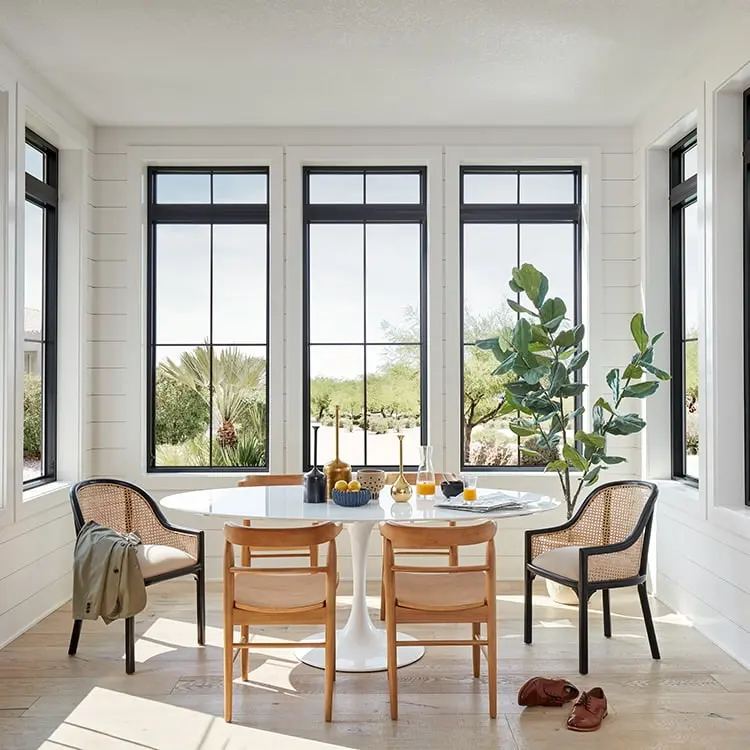



Glass walls have become a signature feature in modern homes and commercial spaces. Instead of blocking views, they open rooms to natural light, create a sense of flow, and make everyday spaces feel bigger and more connected.

Whether used indoors or outdoors, a well-designed glass wall brings clarity, brightness, and a clean architectural look that many people love today.
What Are Glass Wall Systems?
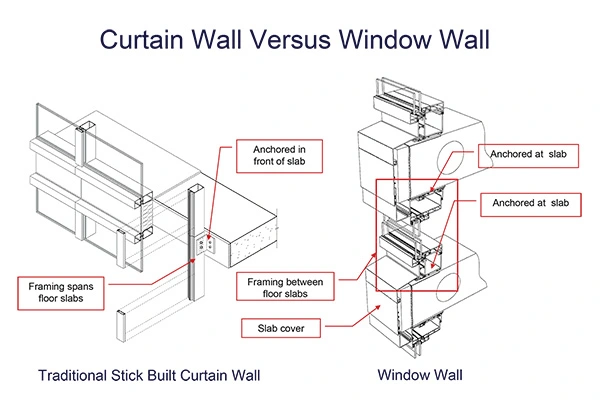
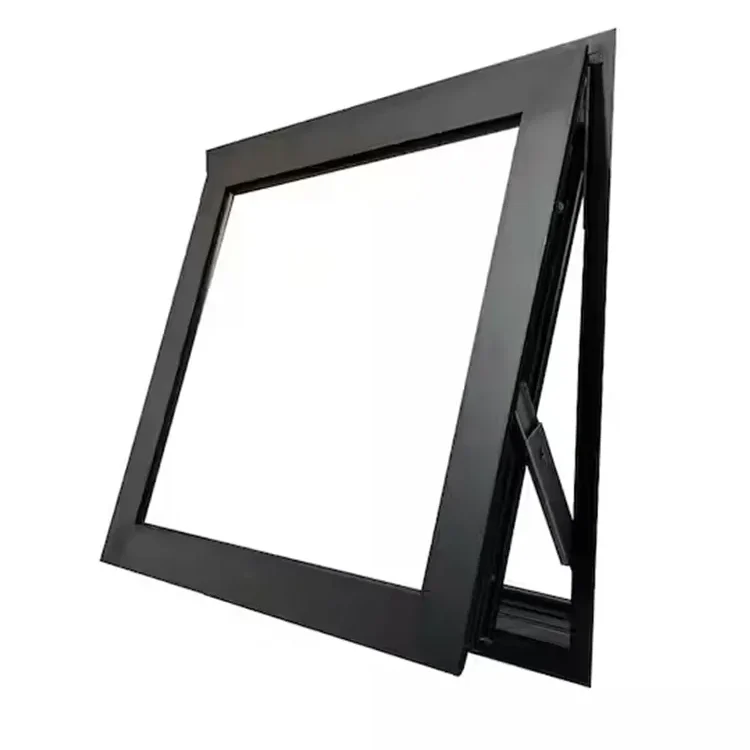
A glass wall system is a large span of glazing that acts as a wall instead of a solid, opaque surface. These systems can be fixed or operable, framed or frameless, depending on how much structure or openness you want.
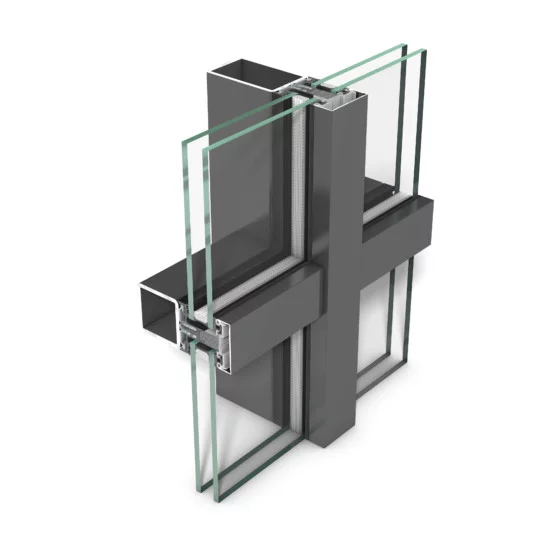
At their core, glass wall systems include a few key parts:
Glazing: the glass itself—single, double, or laminated for strength and insulation.
Framing: aluminum, steel, or minimal support structure that holds the panels in place.
Sealing: gaskets, silicone, or weatherstripping that prevent air and water leaks.
Hardware: rollers, hinges, tracks, or connectors for sliding or folding systems.
Glass walls can be used inside as sleek room dividers, conference partitions, or office fronts. They can also be used outside as full façade systems, patio sliders, or large movable walls that blend indoor and outdoor living.
Types of Glass Wall Systems
Glass walls come in several styles, each offering a different level of openness, structure, and flexibility. Choosing the right one depends on how you want the space to look, feel, and function.
1. Framed vs. Frameless Glass Walls
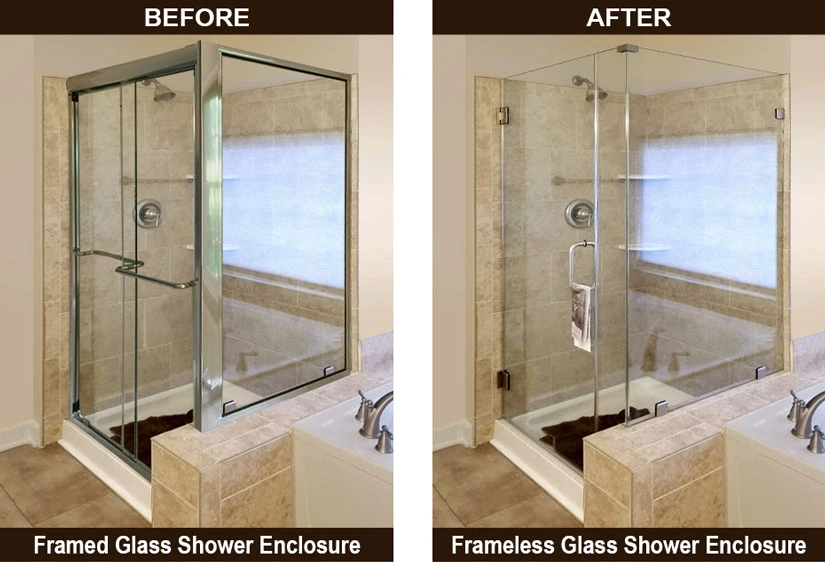
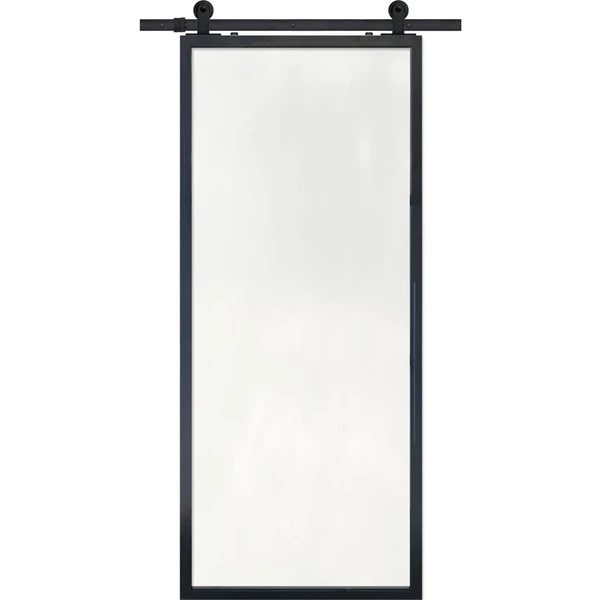
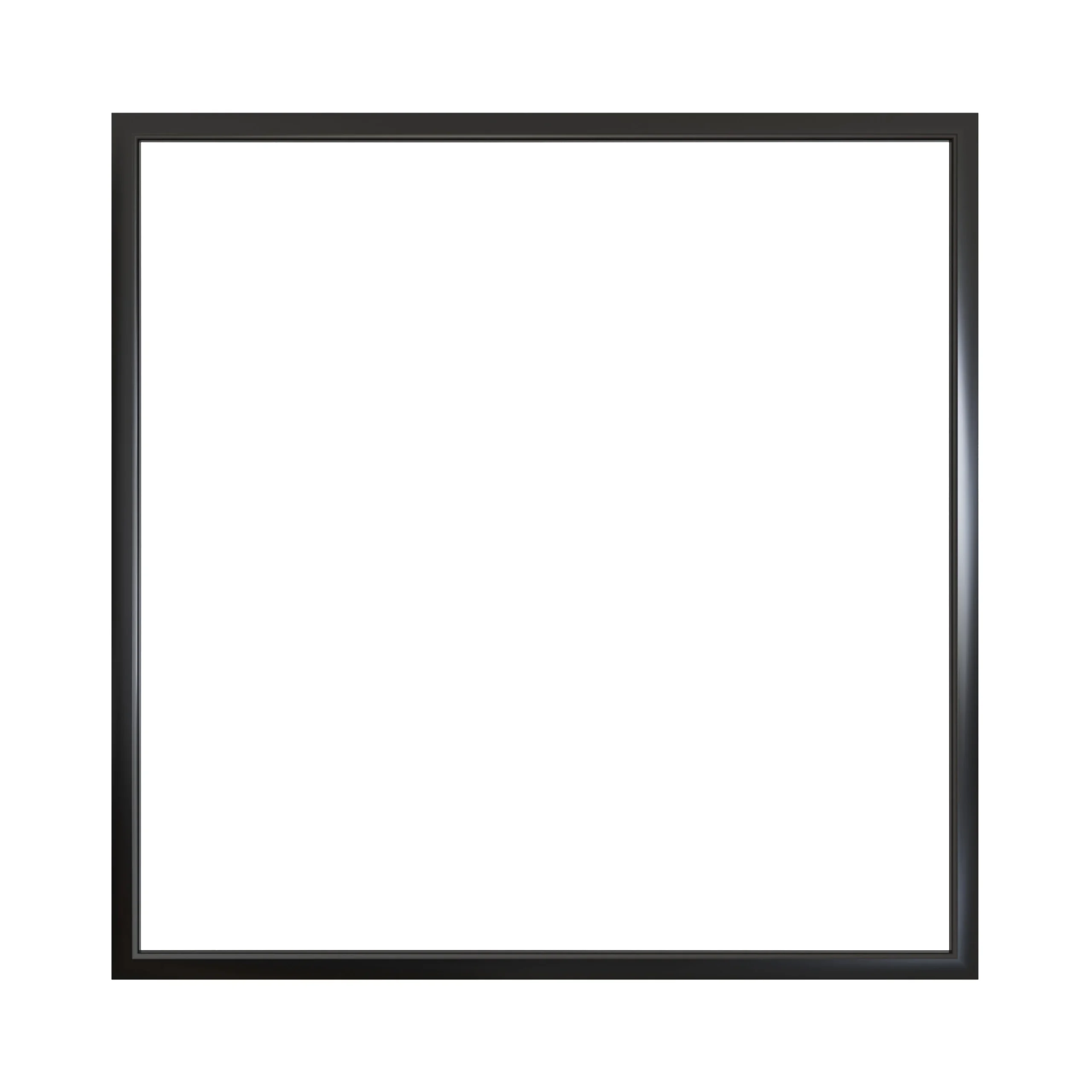
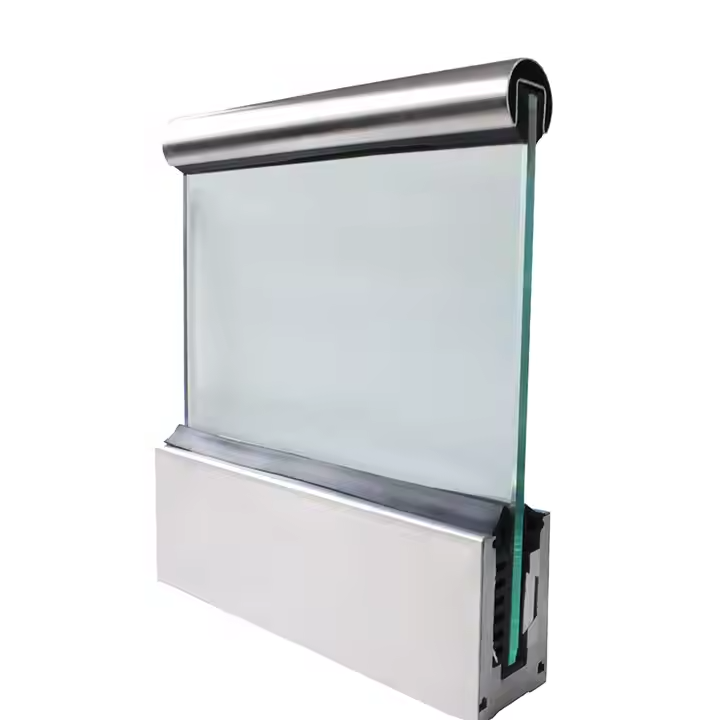
Framed glass walls use slim aluminum or steel profiles to support the panels. They offer strong structure, reliable performance, and clean lines. Frameless systems remove most of the visible hardware, creating a seamless, ultra-minimal look where the glass feels almost invisible. Both are stylish—the choice depends on whether you prefer bold outlines or a floating-glass effect.
2. Fixed Glass Walls (Non-Operable)
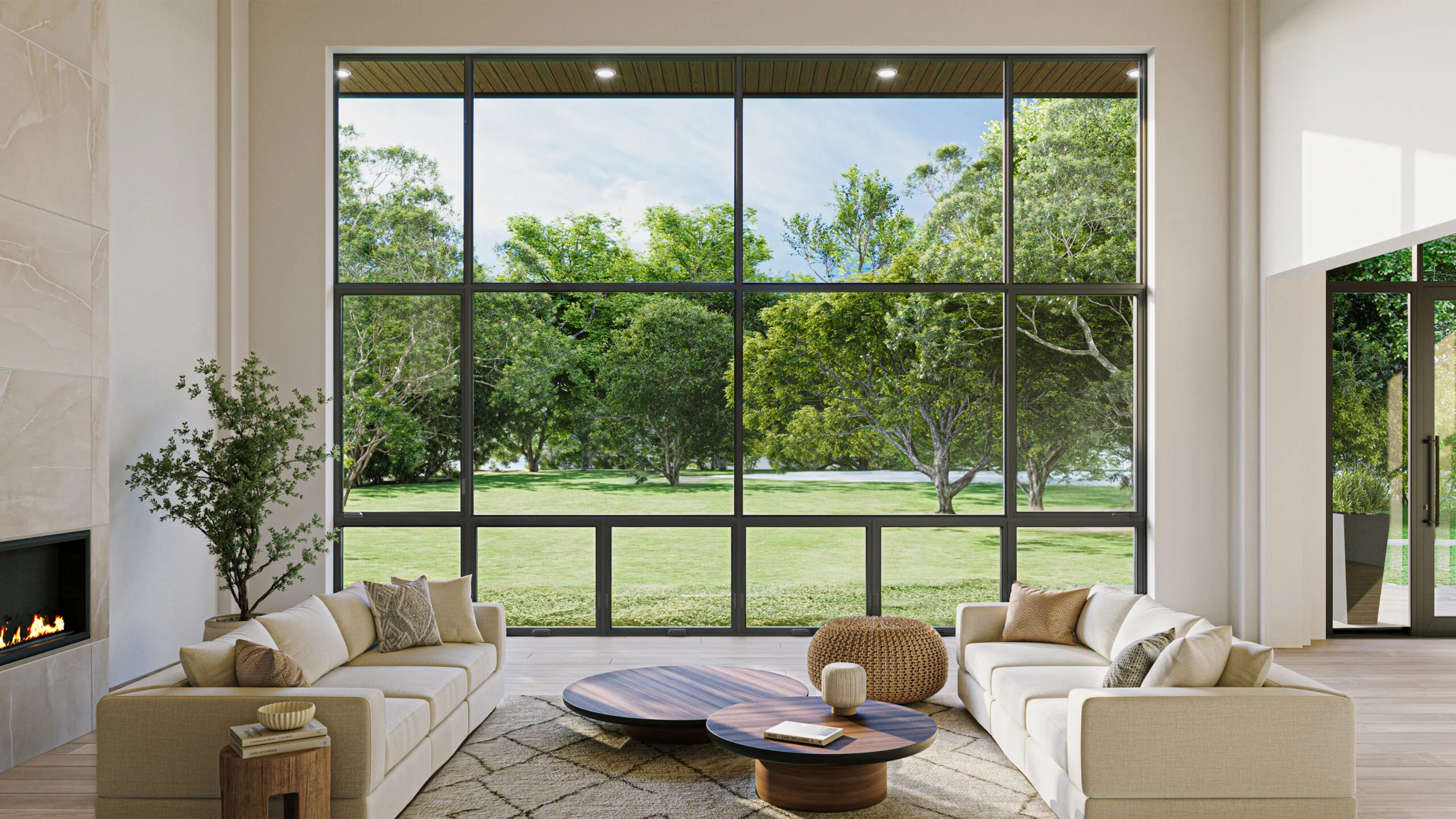
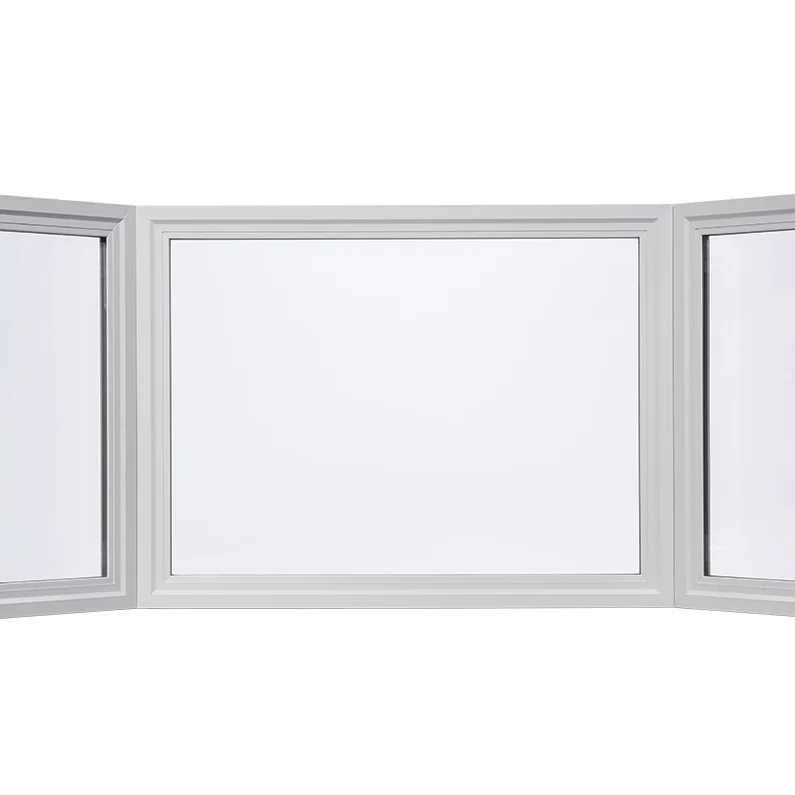
Fixed glass walls are stationary panels that stay in place. They’re perfect for interior offices, hallways, stairwells, or exterior areas where you want light and views but don’t need the wall to open. They deliver clarity, sound control, and a polished architectural look with very little maintenance.
3. Operable Sliding & Folding Glass Walls
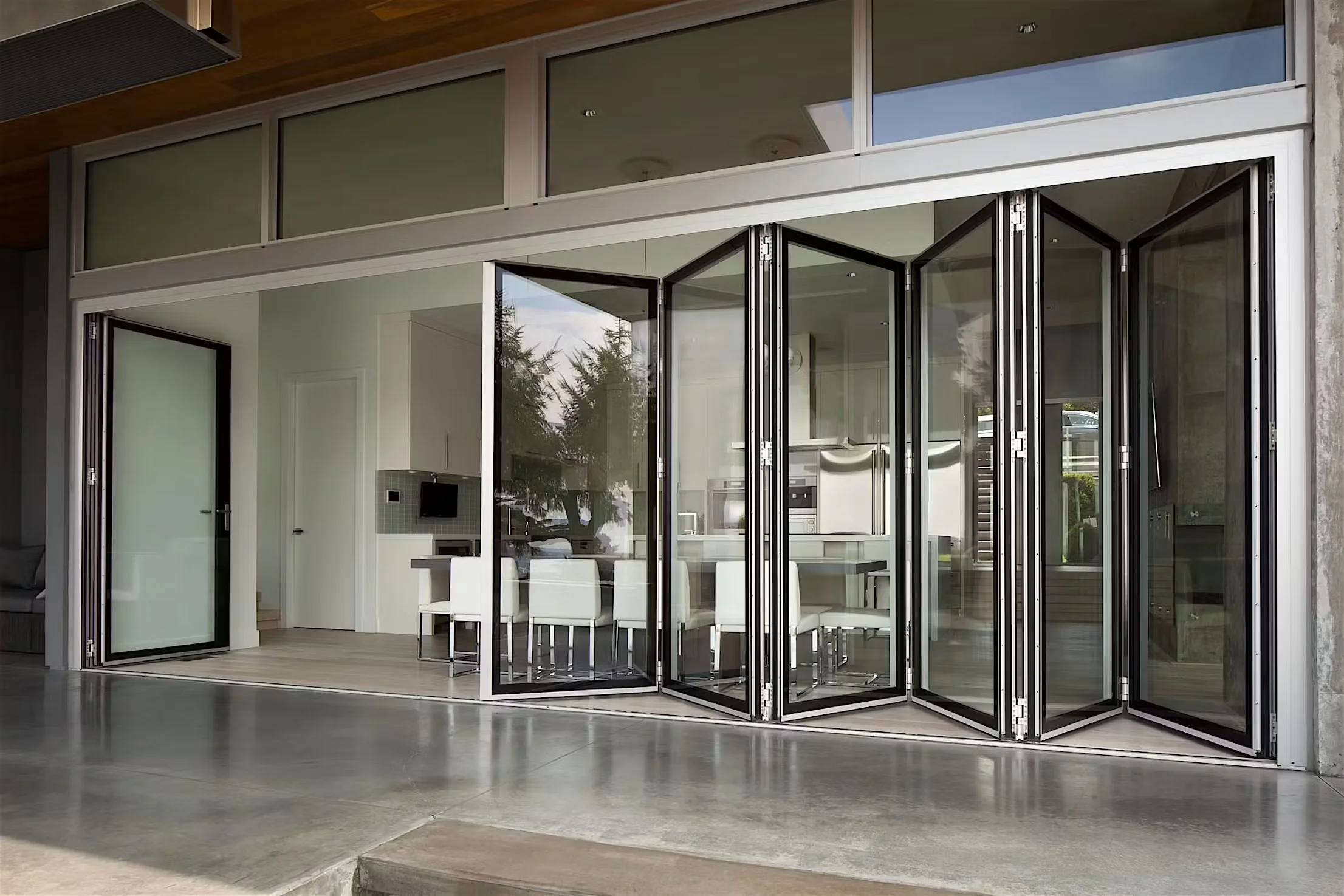
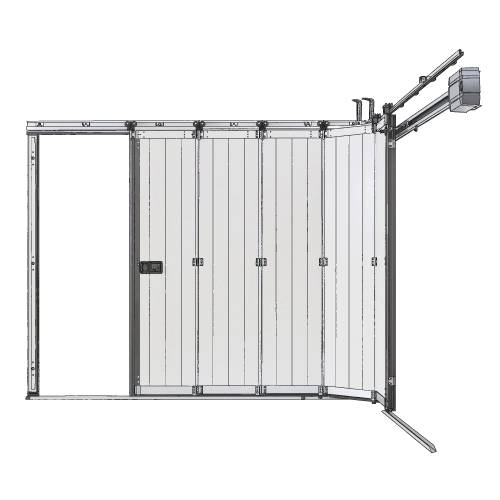
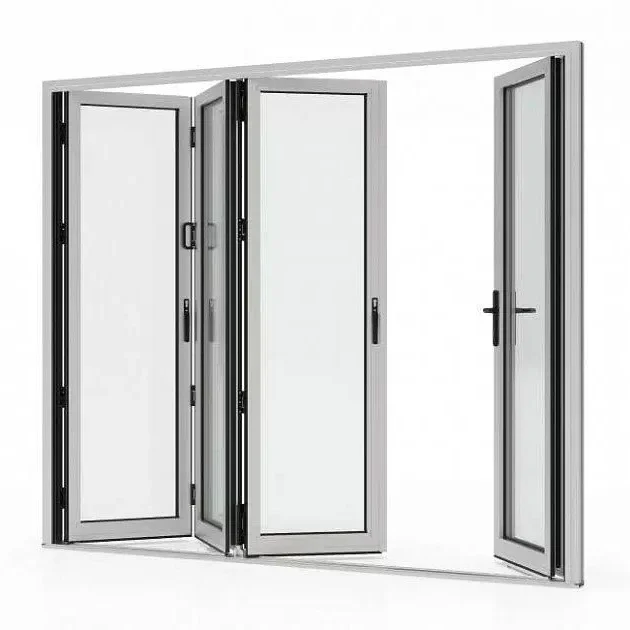
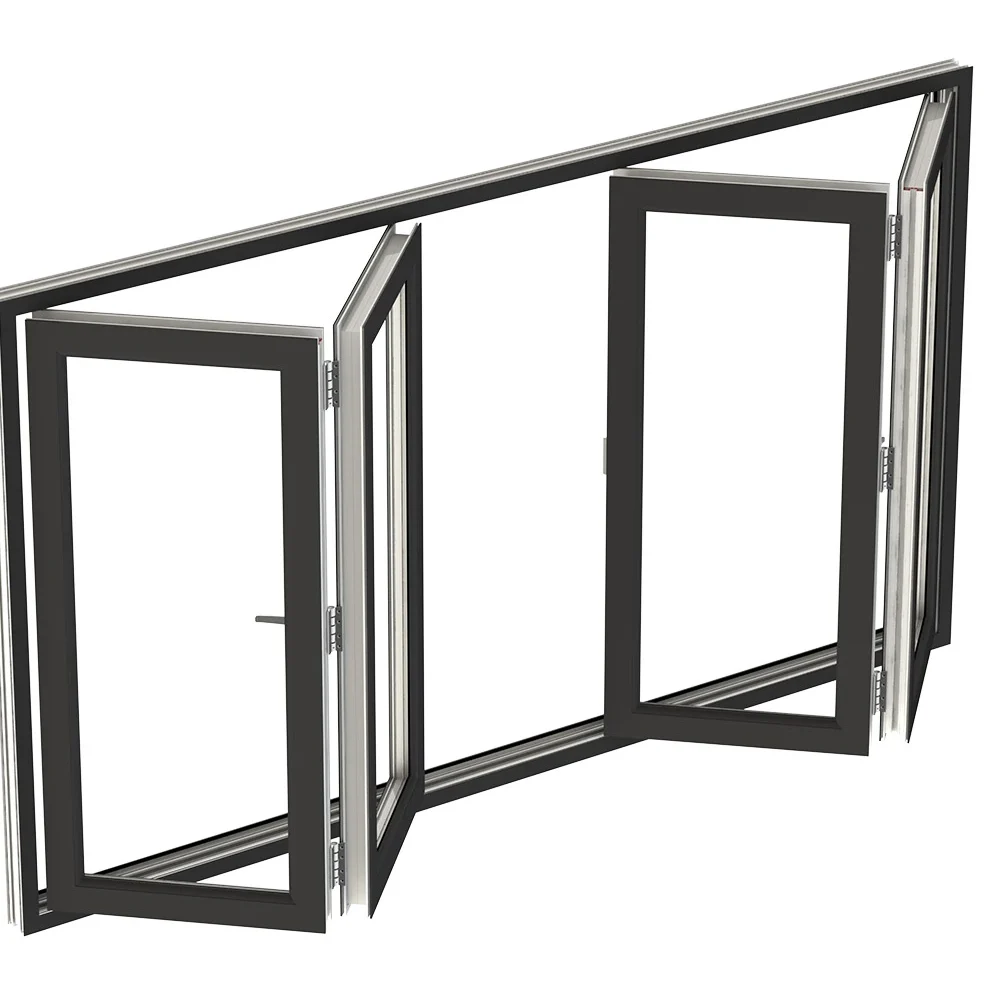
If you want movement and flexibility, operable systems are the star. Sliding panels glide smoothly along a track, while folding glass walls stack to one side to fully open the space. These systems are popular for patios, balconies, cafés, and modern homes that want real indoor-outdoor living.
4. Exterior Façade Systems
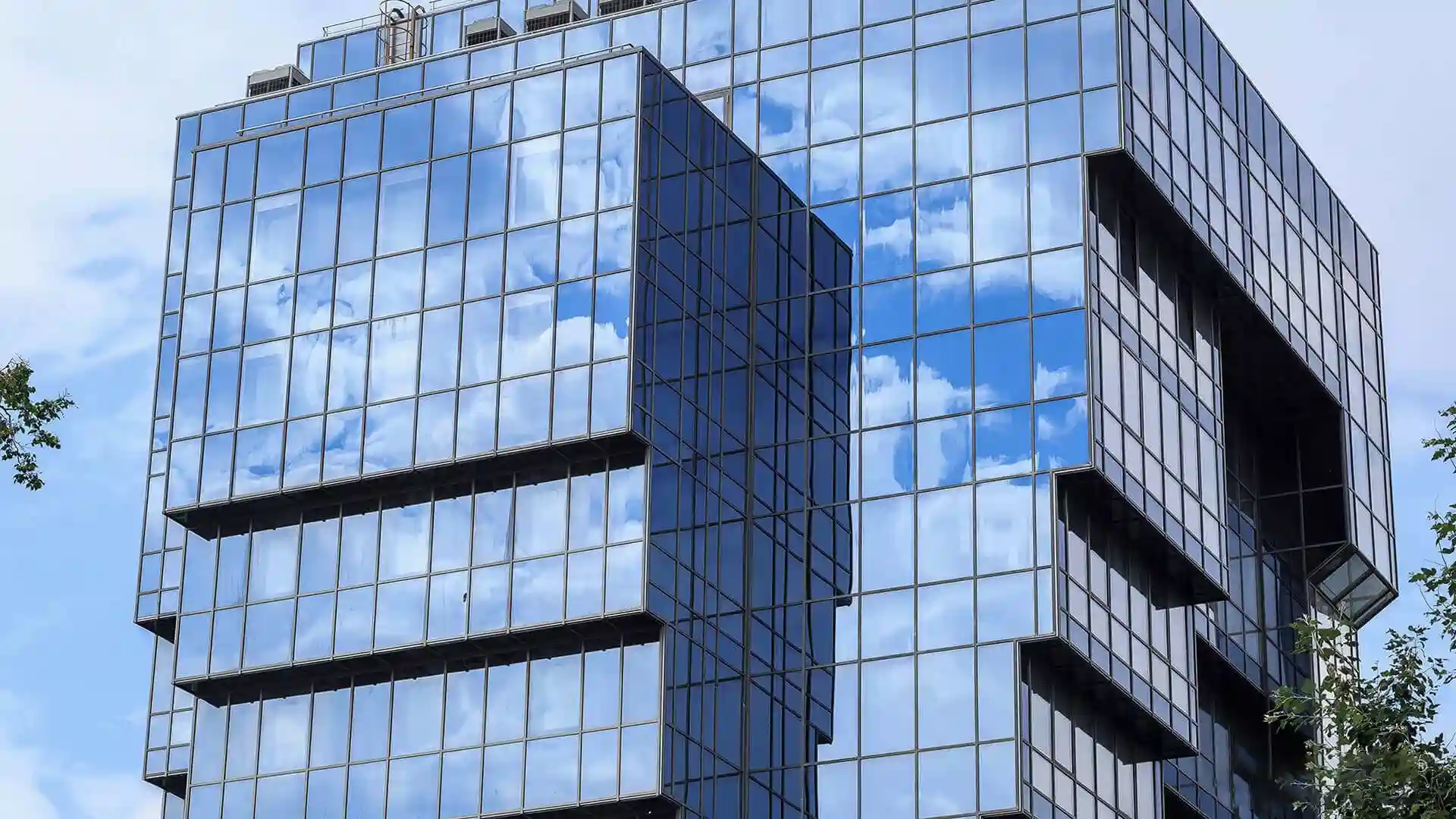
For commercial buildings or striking residential designs, exterior glass wall systems create large, dramatic façades.
Curtain walls offer full-height glazing supported by a structural frame.
Structural glazing uses silicone bonding to achieve a sleek, frameless appearance.
Storefront glass is ideal for ground-floor shops, entries, and showrooms.
Each type delivers transparency, weather protection, and a clean modern finish.
Key Benefits of Glass Walls

- Natural Light & Clear Views: Glass walls bring daylight deep into a room, making spaces feel brighter, warmer, and more welcoming. More natural light can boost mood, reduce energy use, and make small rooms feel more open.
- Strong Visual Connection: Instead of dividing areas with solid walls, glass connects them. Indoors, this means better collaboration, airflow, and visibility. Outdoors, it creates that dreamy indoor-outdoor flow that homeowners love.
- Modern Aesthetic with Real Value: Glass walls instantly upgrade the look of any space. Whether you’re designing a home, café, or office, they add a clean, high-end feel that increases perceived value and style.
- Energy Efficiency & Sustainability: With the right glazing—like Low-E coatings, insulated units, or laminated glass—glass walls can help manage heat, reduce glare, and improve overall energy performance. Modern glazing technology makes them far more efficient than older glass installations.
Performance Considerations

When choosing a glass wall, performance matters just as much as style. Here are the key things buyers should look at:
Glass types & glazing specs: Safety-first materials like tempered and laminated glass resist impact and reduce breakage risk. For better insulation and comfort, insulated glass units (IGUs) add multiple panes and gas fills to control heat, glare, and noise.
Framing materials & structure: Aluminum and steel framing offer strength and slim sightlines. Look for frames with thermal breaks, which reduce heat transfer and prevent condensation—especially important for exterior systems.
Weatherproofing & sealing: Quality sealing systems block water, air, and outside noise. This includes gaskets, silicone seals, drainage paths, and pressure-equalized designs used in high-performance façades.
Maintenance & durability: Choose corrosion-resistant materials, UV-stable coatings, and hardware designed for frequent use. Regular cleaning and seal inspections help extend the life of the system.
When & Where to Use Glass Walls

Glass walls work beautifully in many spaces:
Living rooms: Open up views and bring in more daylight.
Patios & balconies: Create seamless indoor-outdoor transitions.
Home offices: Add privacy without losing openness.
Conference rooms: Encourage transparency and teamwork.
Commercial façades: Deliver a bold, modern architectural statement.
Buyer / Project Checklist

Before choosing a glass wall system, it helps to have a clear plan. Here’s a simple checklist to guide your decisions and avoid surprises during installation.
- Define your goals: Think about what you want the glass wall to achieve—better views, more daylight, indoor-outdoor flow, or improved comfort. Clear goals make it easier to choose the right system.
- Review performance specs: Check glazing details like tempered or laminated glass, U-value, solar heat gain coefficient (SHGC), and insulation level. Also consider the frame material, since aluminum, steel, or thermally broken frames can greatly affect performance.
- Evaluate installation conditions: Look at the wall opening, structural support, waterproofing needs, and flashing requirements. Make sure the installer follows proper sealing methods and that the product comes with a solid warranty.
- Understand the budget: Glass walls cost more than standard walls, so clarify what affects pricing—glass type, size, hardware, framing, operability, and installation complexity.
- Plan for maintenance: Set expectations for cleaning, inspecting seals, and caring for hardware. Good maintenance ensures clarity, smooth operation, and long-term durability.
Ready to Build Your Glass Wall?

If you’re planning a home renovation, commercial project, or custom architectural design, we’re here to help. Our team can guide you through glass options, performance specs, installation requirements, and cost planning—so you get a system that looks stunning and performs flawlessly.
Contact us today — let’s bring your vision to life.