













North America
South America
Africa

Understanding industry terminology makes choosing the right windows and doors easier. This glossary explains key technical, performance, and product terms so you can confidently compare options, assess quality, and select the best solutions for your project.

How well a window or door reduces noise transfer between indoors and outdoors. Often expressed as STC/Rw ratings. Better acoustic performance comes from thicker glass, laminated glass, and well-sealed frames.
The amount of air that leaks through a closed window or door under pressure. Low air-infiltration values mean better comfort, fewer drafts, and improved energy efficiency. Tested and limited by many national standards.
Extruded aluminum sections used to form window and curtain wall frames.
An insulating polyamide strip separating inner and outer aluminium profiles. It reduces heat transfer through the frame, improving U-values and reducing condensation. Essential in modern energy-efficient aluminium systems.
Inert gas used between panes in insulated glass units (double or triple glazing). Argon has lower thermal conductivity than air, improving insulation and reducing heat loss. It is colourless, odourless, and safe.
Australian Standard for windows and external glazed doors in buildings. It sets requirements for structural performance, water penetration, air infiltration, and operating force. Products tested to AS2047 give assurance of minimum performance in local conditions.
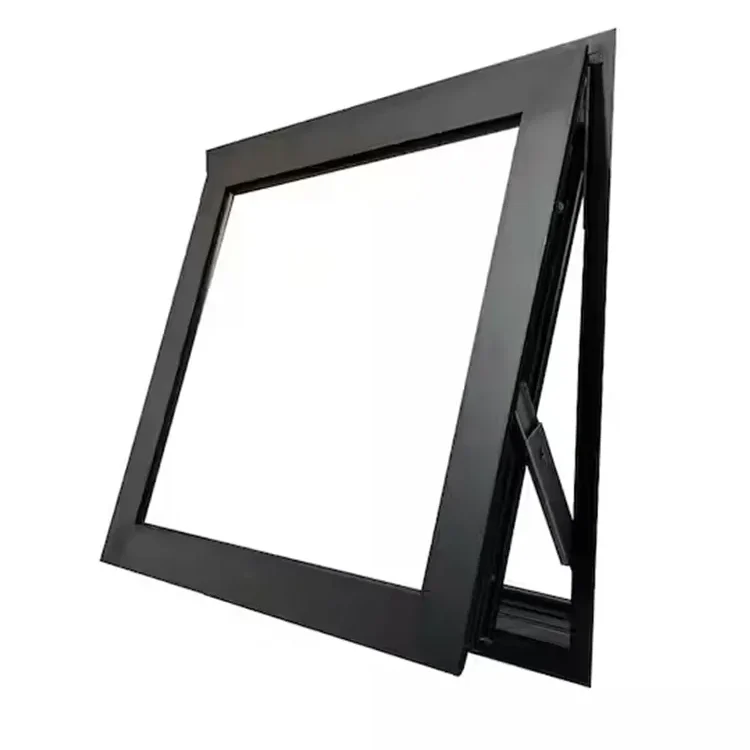
A hinged window that opens outward from the bottom, creating a small “awning” at the top. Good for ventilation in light rain and commonly used in bathrooms and bedrooms. Works well with insect screens and modern aluminium frames.
Standard glass cooled slowly to reduce internal stress.
Electrochemical treatment that improves aluminum’s durability and color stability.
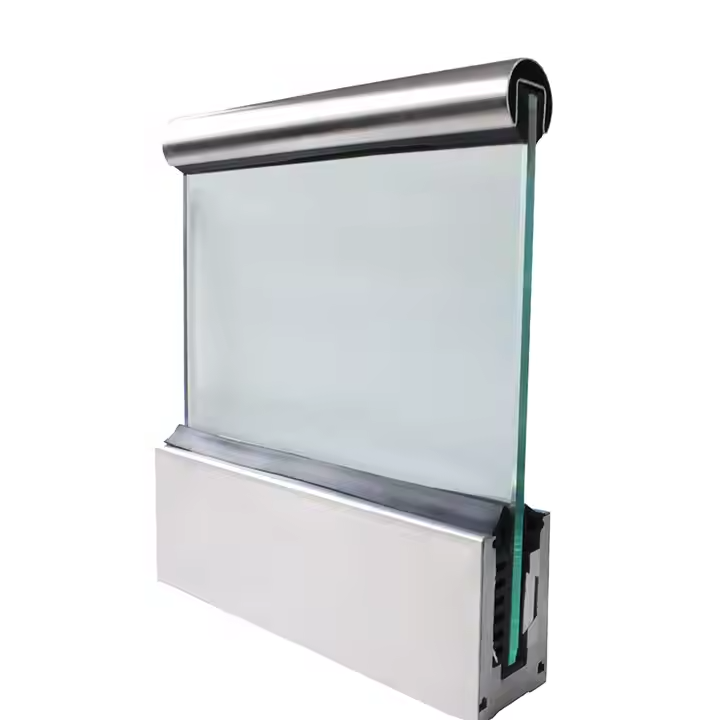
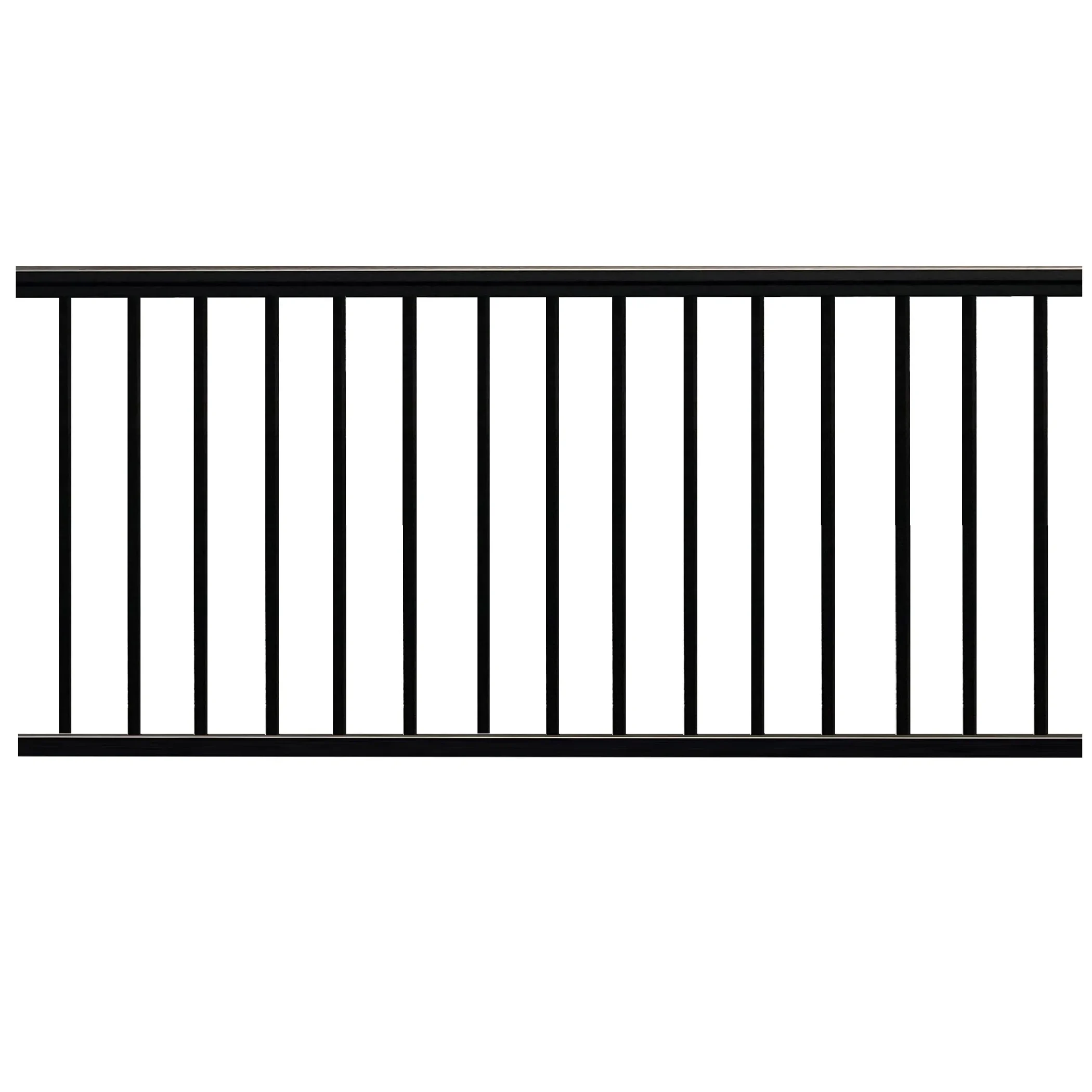
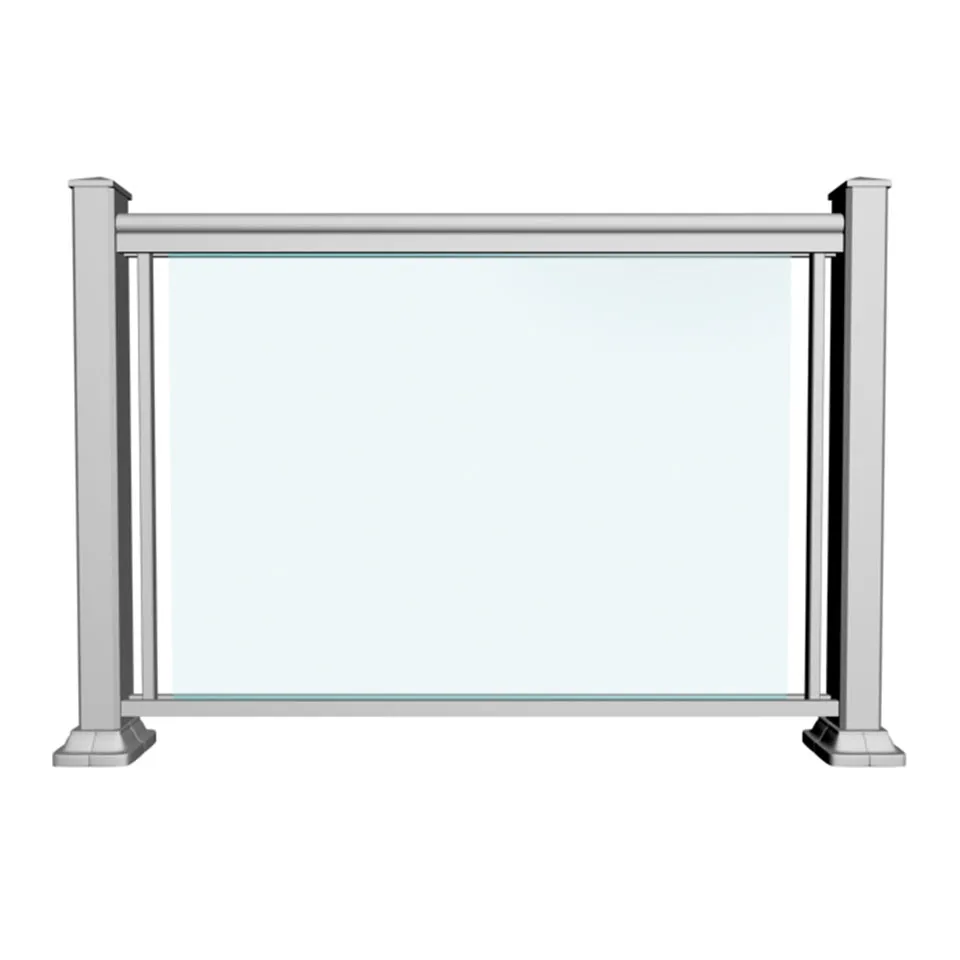
A barrier or guard used on balconies, decks, and stairs to prevent falls. Can be made from glass, metal, or a combination of materials. Must meet local structural and safety standards for height and load.
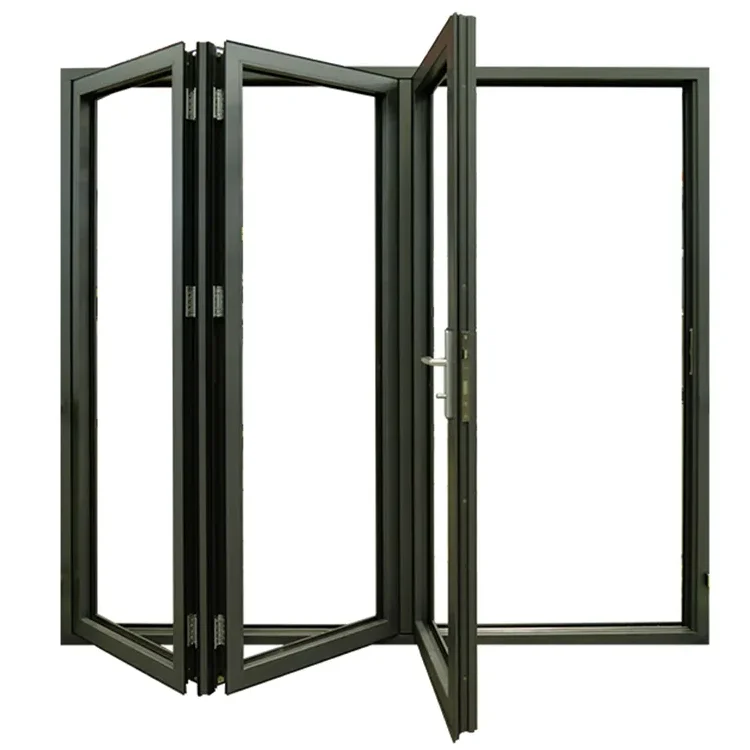
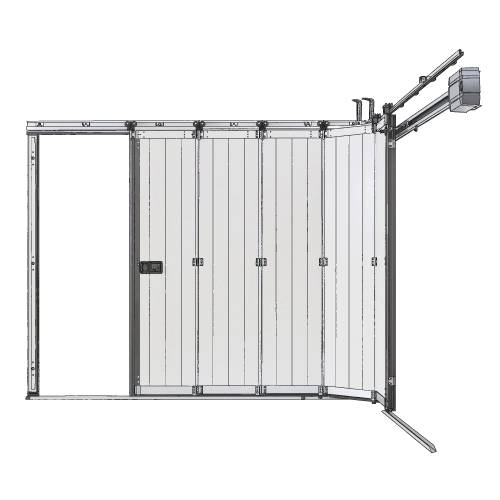
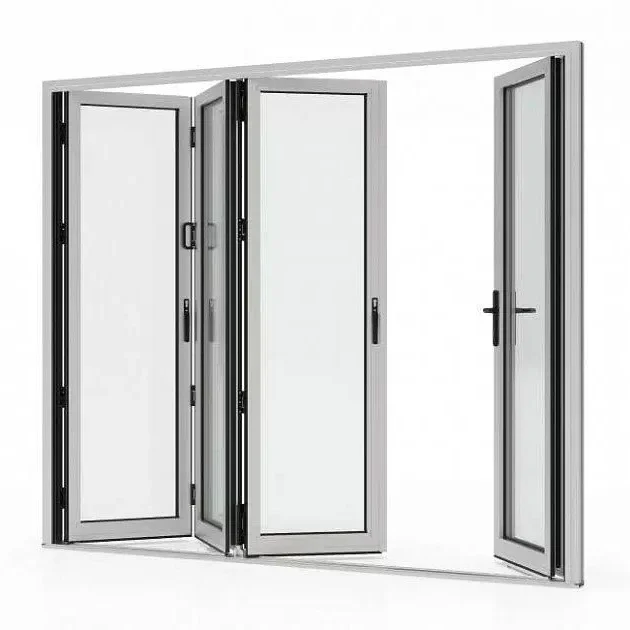
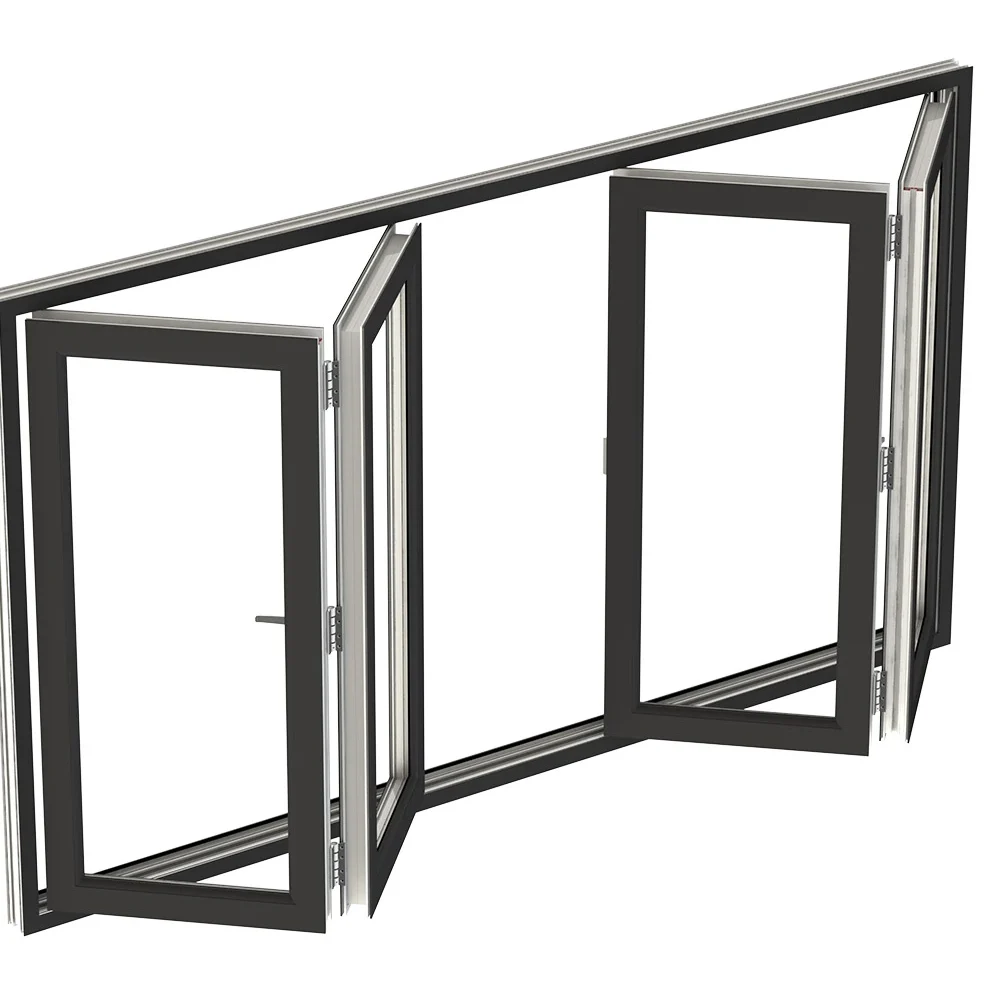
A door system made of multiple panels hinged together that fold and stack to one side. Ideal for creating wide openings between indoor and outdoor spaces. Requires precise hardware and installation for smooth operation.
Construction where a single layer of brick is used as cladding on a structural frame (often timber or steel). Windows and doors are fixed to the frame, with flashings and cavities to manage moisture. Very common in Australia, New Zealand, and North America.
A set of regulations that governs design and construction to ensure safety, health, and performance. Examples include the NCC (Australia), IBC (USA), and Eurocode-linked rules in Europe. Window and door systems must comply with the relevant code in each market.
The physical separation between inside and outside: walls, roofs, floors, windows, and doors. A well-designed envelope controls heat, air, and moisture for comfort and energy efficiency. Glazing plays a major role in the envelope’s performance.
A durable, sticky sealant commonly used at the edge of insulated glass units. It provides an air- and moisture-tight seal around the spacer between panes. Often used together with secondary structural sealants like silicone.
The lower structural member of a window or door sash.
A tube used in IGU to equalize pressure during transportation.
External sunshade structure to reduce heat gain.
A side-hinged window that swings outward or inward like a door. Offers excellent ventilation and tight sealing when closed. Often sealed with compression gaskets for strong air and water performance.
A window or door frame made from more than one material, such as timber-aluminium or PVC-aluminium. Combines the aesthetic or thermal benefits of one material with the durability of another. Popular in high-performance and design-driven projects.
A measure of how well a window or door resists condensation forming on the glass or frame. Influenced by glazing type, frame material, thermal breaks, and indoor humidity. High condensation resistance improves comfort and reduces mould risk.
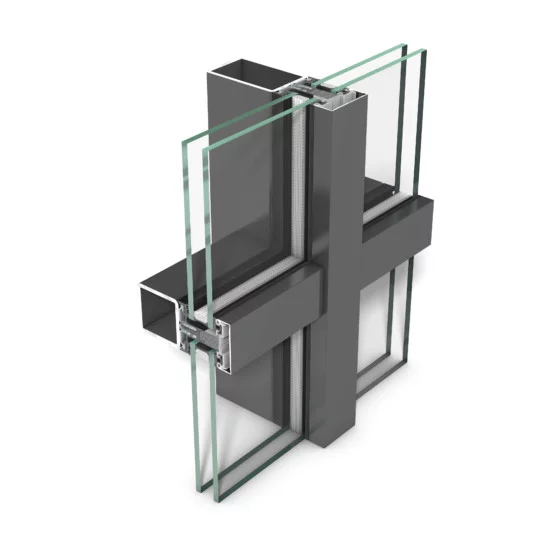
A non-load-bearing external façade system, usually aluminium and glass, hung from the building structure. It carries only its own weight and wind loads, not floor loads. Widely used in commercial towers, hotels, and high-end residential projects.
Compliance mark from the Canadian Standards Association, often applied to windows and doors sold in North America. Indicates testing for structural strength, air-water performance, and sometimes energy efficiency. Similar in role to NFRC or WERS labels in other regions.
Standard, flat glass produced by floating molten glass on a bath of molten tin. Used as the base for many products, including tempered, laminated, and coated glass. Has a slight green tint due to iron content.
A tube allowing gas equalization inside insulated glass units.
A weak insulation area causing heat transfer.
Secondary frame that snaps onto the primary frame for finishing.
The calculated wind force that a window or door must withstand in service. Based on building height, location, terrain, and code requirements. Tested in laboratories to ensure the product will perform safely on site.
Two panes of glass separated by a spacer and sealed around the edge, often with air or argon gas inside. Reduces heat transfer, noise, and condensation compared with single glazing. Can incorporate low-E coatings, laminated panes, or tints.
A vertical sliding window where both the upper and lower sashes can move. Common in traditional residential designs in the USA and some other markets. Modern versions often use balances and weatherstripping for smoother operation and better sealing.
A mechanical device that automatically closes a door after it is opened. Controls closing speed and latching to improve safety, security, and smoke control. Required on many commercial and fire-rated doors.
The moving part of the door that opens and closes within the frame. In multi-panel systems (like sliding or bi-fold doors), each leaf is one operable panel. Size, weight, and hardware capacity are key design considerations.
Openings in window and door frames that allow water to escape from internal cavities. Essential parts of “drained and ventilated” systems to prevent leaks and frame damage. Must remain unobstructed after installation.
A device that automatically closes a door.
Glass installation using gaskets instead of wet silicone.
Anchors supporting the vertical weight of curtain walls.
The component that separates panes of glass in an insulated glass unit. Can be aluminium, stainless steel, or “warm edge” composite materials. Affects thermal performance, condensation risk, and durability of the IGU.
An opening large enough and positioned such that people can escape in an emergency, typically a bedroom window or external door. Minimum sizes and hardware requirements are defined in local codes. Critical for life safety and approvals.
A flexible rubber seal made from ethylene propylene diene monomer. Commonly used around glass and frames to provide air, water, and noise sealing. Resistant to UV and weather, making it ideal for external joinery.
A performance label summarising thermal and sometimes solar performance of a product. Systems like WERS (Australia), NFRC (North America), and BFRC (UK) provide star ratings or U-value/SHGC. Helps owners compare products and meet code or rebate requirements.
The process of forcing heated aluminium through a die to create complex, continuous shapes used for frames, sashes, and mullions. Allows integration of chambers, thermal breaks, and hardware grooves. Quality of extrusions affects strength, finish, and installation.
A designed gap that allows movement between building elements due to temperature, moisture, or structural movement. In façades, joints help prevent cracking or distortion. Usually sealed with flexible sealants or gaskets.
The complete external skin of a building, including curtain walls, window walls, spandrel panels, and cladding. Must manage structural loads, air-water tightness, thermal performance, and aesthetics. Often engineered and tested as a system rather than as individual pieces.
A technical term covering all openings in a building’s envelope: windows, doors, skylights, and glazed façades. Fenestration design influences daylight, ventilation, energy use, and appearance. Used widely in industry standards and rating systems.
Special glass designed to resist fire, smoke, and heat for a specified period. Types include wired glass, laminated intumescent glass, and specially treated toughened glass. Always part of a tested fire-resistant assembly with compatible frames and hardware.
Thin metal or flexible membrane installed around windows, doors, and roof edges to direct water away from joints. Works together with building wrap and sealants to keep moisture out of walls. Correct detailing is critical to prevent leaks and rot.
A non-opening glazed unit used purely for light and view. Offers excellent air and water performance because there are no moving seals. Often combined with operable windows or doors in modern designs.
The internal step or groove in a window or door frame where the glass or panel sits. Designed to position glazing correctly and allow for gaskets or sealants. Adequate rebate depth improves structural and weather performance.
Hinge supporting smooth window opening and positioning.
Frame style where sash and frame align seamlessly.
Glass designed to resist fire for a specified time.
A strip (usually aluminium, PVC, or timber) that holds the glass securely in the frame. Works with gaskets and clips to keep the pane in place and maintain airtight/watertight performance.
The recessed space within a window or door frame where the glass sits. Deeper pockets support thicker IGUs and improve structural and thermal performance.
A microscopically thin coating applied to glass to reduce heat transfer. Low-E coatings help keep heat inside during winter and block heat in summer without reducing clarity.
The percentage of solar heat that enters through the glass. Lower numbers = better solar control. Important for hot climates or west-facing façades.
A flexible rubber seal that compresses when a window or door closes. Provides strong protection against air leaks, noise, and rain penetration.
A safety structure installed at balconies, stairs, or raised areas. Includes glass balustrades, metal rails, or screens. Must meet structural load and height codes.
Bars dividing a window into smaller panes.
Steel used inside profiles to enhance strength.
All mechanical components: hinges, handles, rollers, locks, friction stays. High-quality hardware ensures smooth operation, durability, and security.
A waterproof metal or membrane installed above a window or door to direct water away from the frame. Critical in all cladding systems.
Glass heated and cooled to improve strength but not as strong as tempered glass. More resistant to thermal stress and used in larger façades.
Two or more panes sealed together with a spacer and gas fill. Improves insulation, reduces noise, and reduces condensation.
A classification used in regions like Florida where products must pass impact and extreme wind tests. Relevant for export markets requiring heavy-duty systems.
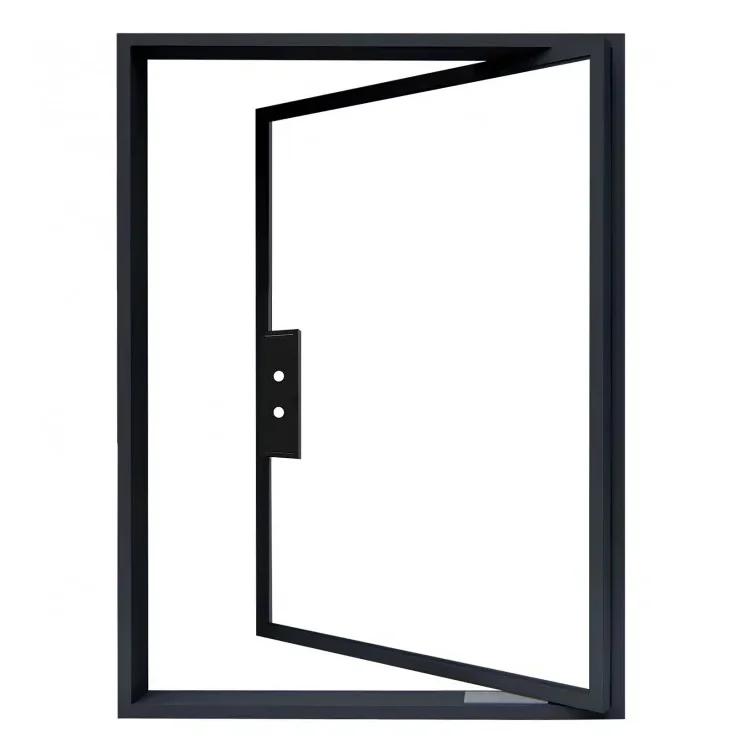
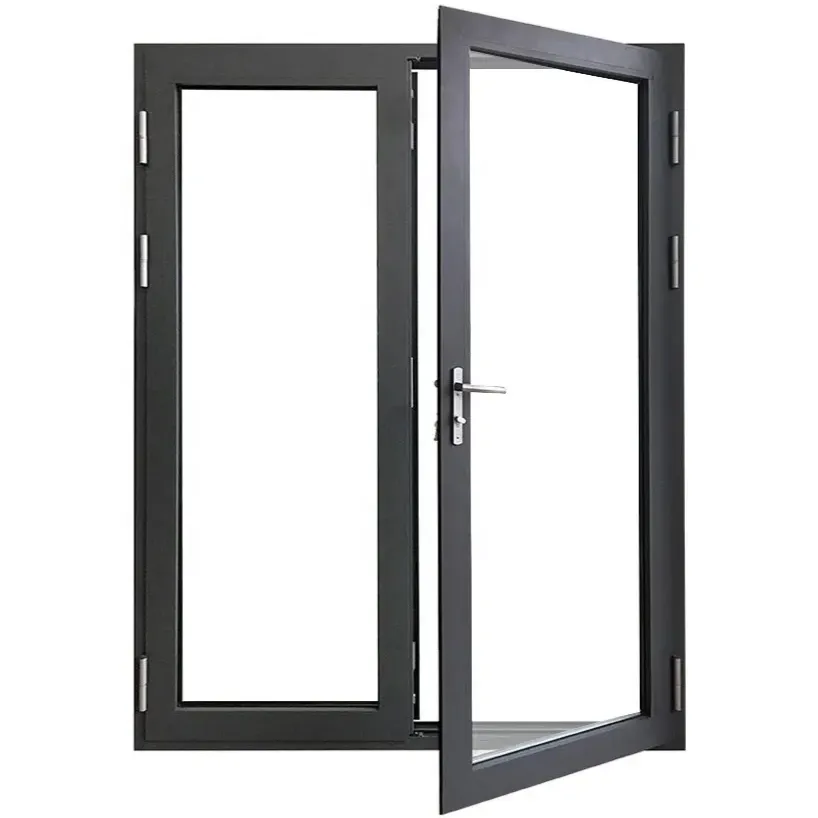
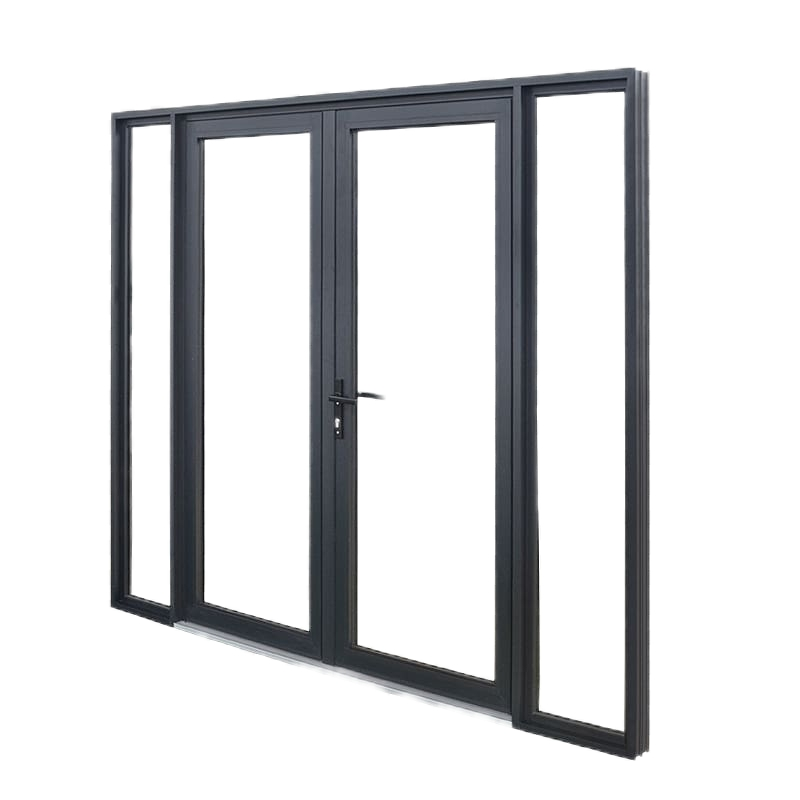
A door hung on one side by hinges. Can be single or double panel. Ideal for traditional and modern projects.
Bottom-hinged window opening inward.
Glass stronger than annealed but weaker than tempered.
Integrated handle and locking mechanism.
Upper guide rail for sliding systems.
Laminated glass engineered to resist breaking from flying debris, forced entry, or storms. Required in cyclone, hurricane, or security-rated areas.
The plastic layer (PVB, EVA, SGP) between laminated glass panes. Provides safety, UV protection, and security strength.
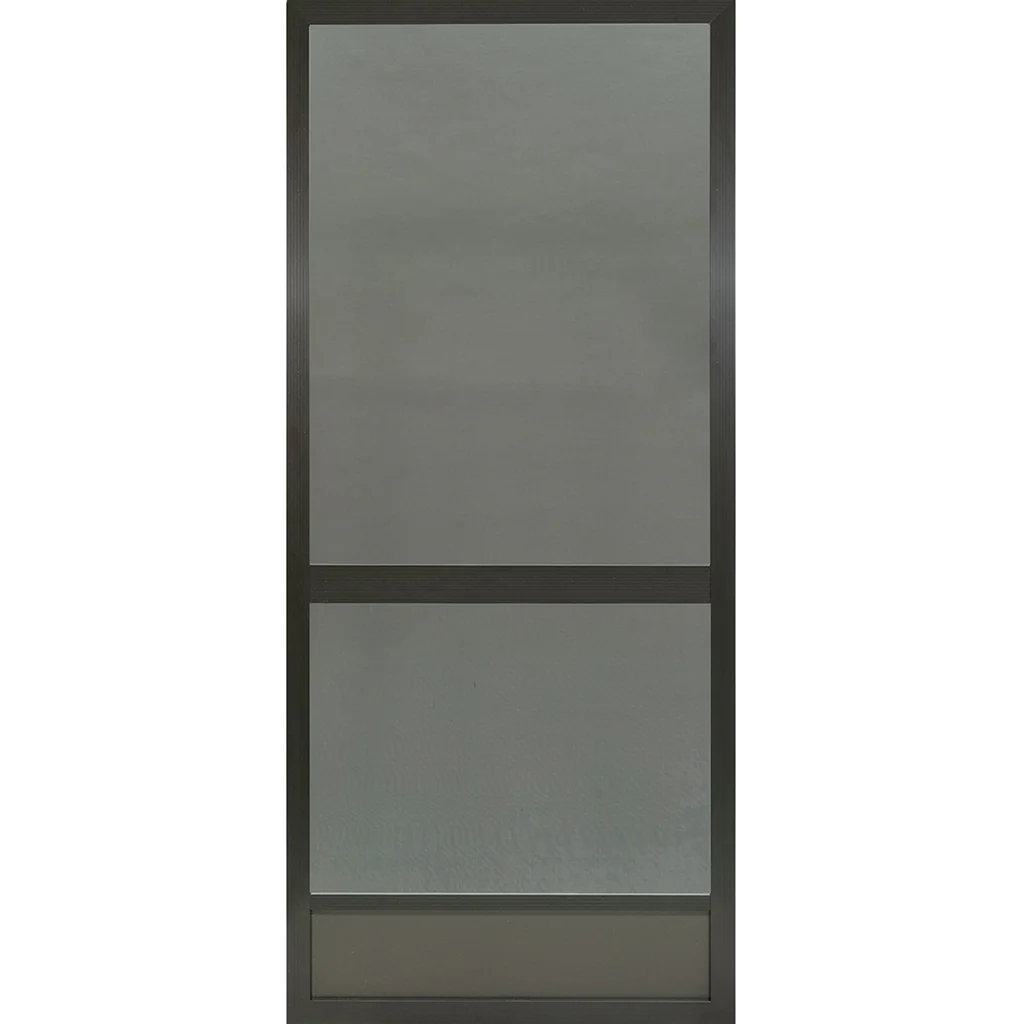
A mesh fitted to windows or doors to allow airflow while keeping insects out. Can be sliding, hinged, magnetic, or retractable.
Metal brackets used to secure window or door frames to the building structure. Ensures proper alignment and long-term stability.
Indicates whether a door or window opens inward or outward. Choice depends on space, weather resistance, and building design.
When glass can be removed or installed from inside the building. Improves safety for high-rise projects.
Film placed between glass layers for safety and stiffness.v
The vertical sides of a window or door frame. Must be square and plumb for smooth operation.
A finishing or protective component fitted to jambs, often seen in double-hung or retrofit windows.
Flexible material (usually silicone or polyurethane) used at joints to prevent water and air leakage.
A trim used in some cladding systems to create a clean edge around windows, especially vinyl siding.
Waterproofing applied at the sides of openings to prevent moisture penetration.
Flexible material sealing façade joints.
Operable louvered glass slats for ventilation.
Connector joining structural elements.
Cover plate used to protect façade joints.
A lock that requires a key to operate. Common in sliding doors, entrance doors, and commercial systems.
A protective metal plate installed at the bottom of a door to prevent damage from foot traffic.
A measurement of how quickly heat transfers through a material. Lower values = better insulation.
A premium alternative to argon in IGUs, offering stronger insulation performance in narrow airspaces.
A glazing bead that snaps onto the frame without screws. Allows easier installation and replacement.
Frame assembled from separate components onsite.
Protective plate applied to lower door surface.
High-performance IGU gas for thermal insulation.
Two or more glass panes bonded by a PVB/EVA/SGP interlayer. Offers safety, security, and improved acoustics.
Glass with heat-reflective coating that improves thermal efficiency while maintaining clarity.
A window with horizontal blades that tilt open for ventilation. Excellent for airflow in subtropical climates.
A structural beam above an opening that supports the wall above. Critical for masonry, brick veneer, and concrete wall systems.
The internal system that secures a window or door closed. Multipoint locks offer better security and sealing.
The vertical bar between adjacent window or door panels. Provides structural support and aesthetic division.
Decorative bars dividing a window into smaller visual panes. Common in colonial or heritage designs.
Refers to the thickness of powder-coat finishes applied to aluminium, usually 60–90 microns. Impacts durability and corrosion resistance.
A membrane behind cladding that prevents water entry into the building structure.
A polished aluminium finish used in premium architectural projects.
Automated device enabling electric window operation.
Highly reflective aluminum surface treatment.
Screen preventing insects while allowing airflow.
Mechanical part used in sliding window systems.
Certification from the National Association of Testing Authorities (Australia). Ensures performance data is lab-verified under strict standards.
North America’s energy performance label showing U-factor, SHGC, and air leakage. Equivalent to Australia’s WERS.
A projecting edge on steps or sills for safety or drainage.
A window frame with exterior flanges used for installation into timber-framed walls in the U.S. market.
A frame material that reduces heat transfer, such as PVC, timber, or thermally broken aluminium.
Aluminum frame without insulation separation.
Rating showing sound insulation performance.
A window that can be opened or closed.
Glass extended outward for shading or design.
Textured or frosted glass for privacy. Common in bathrooms and entrance doors.
The movable part of a window that opens and closes.
Specifies how materials withstand UV, salt spray, humidity, and weather exposure.
A round rubber seal used in hardware and pressure systems to prevent leakage.
Large-format glass or door panels requiring reinforced frames and heavy-duty hardware.
Glass placed off-center from the frame.
Casement window opening to the exterior.
A durable, baked-on colour finish for aluminium frames. Widely used in Australia for UV and corrosion resistance.
Laboratory tests required by standards like AS2047, ASTM, and EN. Ensures safety and weather resistance.
The position where bi-fold or sliding door panels gather when fully opened.
The outermost weather seal that keeps water and air out.
A measure of heat transfer through the edge of an IGU. Warm-edge spacers reduce heat loss and condensation.
Door rotating around a central pivot point.
Component clamping glass to the curtain wall frame.
Insulating strip reducing heat transfer in aluminum frames.
Additional support improving structural rigidity.
The manufacturing process of checking dimensions, finish, hardware, glass thickness, and performance consistency.
Used in composite frames for strength and low thermal conductivity.
The corner detail of masonry buildings. Affects how windows interface with stone or brick.
A hinge that allows the door or window to be easily removed for maintenance.
Textured surface coating for aluminum.
Hinge allowing fast panel removal.
Trim used for finishing edges.
Four-layer insulated glass unit.
A stepped sill design that improves weather performance by creating a physical water barrier.
Added inside PVC or aluminium frames to improve strength for large panels.
Replacing windows without removing internal wall finishes. Common in renovation projects.
Measures insulation performance. Higher R-values = warmer homes and lower energy costs.
The wheels that allow sliding doors or windows to move smoothly. Heavy-duty rollers support large commercial panels.
Frame design with stepped edges for sealing.
Glass coated to reflect solar radiation.
Ventilated façade designed to drain water.
Tempered or laminated glass designed to reduce injury if broken. Required near doors, floors, bathrooms, and trafficable areas.
Flexible waterproof filler between the frame and the wall. Correct installation prevents leaks.
A design detail creating a clean, recessed gap for a modern architectural look.
Opaque section in curtain walls that hides structural elements or insulation.
A waterproof base installed under windows to catch and direct water outwards.
Curtain wall assembled piece-by-piece onsite.
Heat-treated glass that is 4–5 times stronger than standard float glass. Shatters into small, safe pieces.
Frame with internal insulation strip to reduce heat transfer. Essential for energy-efficient aluminium systems.
The bottom part of a doorway. May be flush, raised, or drainage-integrated.
Glass with colour to reduce glare and solar heat gain.
Small ventilation slots used in some markets to meet fresh-air regulations.
Horizontal framing member above a window or door.
Dual-function window that tilts inward or swings open.
Measures how much heat passes through a window or door. Lower U-values = better insulation.
Factory-built façade panels installed on site in sections. Faster installation and more consistent quality.
A sill with an upward lip to prevent water penetration.
Hardware compatible with multiple systems.
Raised profile improving drainage.
Amount of air that can pass through a window opening. Critical for healthy indoor air quality.
A frame made from unplasticised PVC. Offers great insulation, low maintenance, and long life.
The percentage of daylight passing through glass. Higher VLT = brighter interiors.
Clear glass panel inserted into a door for visibility and safety.
Window operating up and down.
Flexible PVC sealing strip.
Percentage of visible light passing through glass.
Window Energy Rating Scheme. Shows heating and cooling performance with star ratings.
Seals that prevent air and rain from entering. Found around sashes, frames, and meeting stiles.
Openings that drain trapped water from frames. Must remain unobstructed.
A façade system that spans floor to floor, combining glass and window elements. Common in mid-rise buildings.
Indicates how much wind pressure a product can withstand without failure.
Movable part of a window holding the glass.
Spacer reducing IGU heat transfer.
Extruded polystyrene insulation used around frames to reduce thermal bridging.
Specialised laminated glass with lead interlayer used in medical facilities.
Cross-bracing enhancing structural strength.
Aluminum profile shaped like an “X”.
Connector joining framing in four directions.
How much stress aluminium can withstand before deforming. Affects panel size limits and structural design.
A design principle in architecture balancing bright and shaded areas for comfort.
Hinge with U-shaped bracket for stability.
Adapter dividing two glazing paths.
Vertical sliding track system.
A frame shape used in U.S.-style replacement windows that overlays the existing window frame.
A frame design that hides visible sash sections for a clean, minimalist appearance.
Corrosion-resistant steel used for wall frames, lintels, and façade supports.
Local planning rules that determine window placement, overlooking, noise control, and fire separation.

WhatsApp us