














North America
Africa
South America
Oceania
Middle East
Southeast Asia
North America
Africa
South America
Oceania
Middle East
Southeast Asia
Energy efficiency is essential for Australian homes and commercial buildings, helping maintain comfort, reduce energy bills, and lower carbon impact.
High-performing windows and doors significantly improve insulation, airtightness, and overall building performance.
A measurement of how easily heat transfers through a window or door. Lower U-values mean better insulation and reduced heat loss.
Indicates how much solar heat enters through the glass. Lower SHGC helps keep interiors cooler in hot climates.
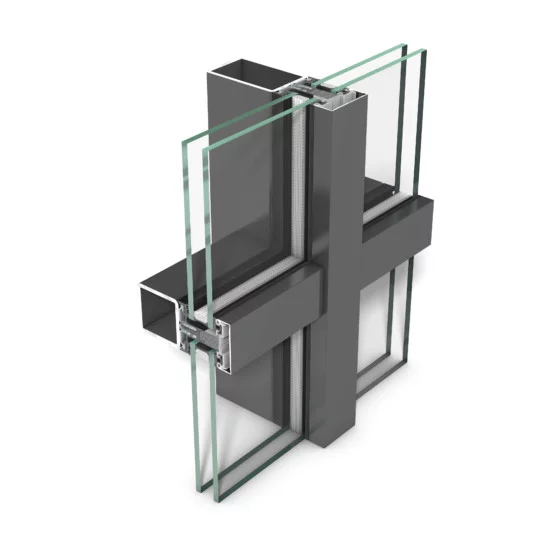
A non-metal barrier built into aluminium frames to stop heat or cold from passing through the metal, improving insulation and comfort.
An insulating gas placed between double-glazed panes to reduce heat transfer and enhance energy performance compared to air-filled units.
A special glass coating that reflects heat while letting light through. Helps keep heat inside in winter and outside in summer.
Measures how much air leaks through a closed window or door. Lower values indicate better airtightness, energy efficiency, and indoor comfort.
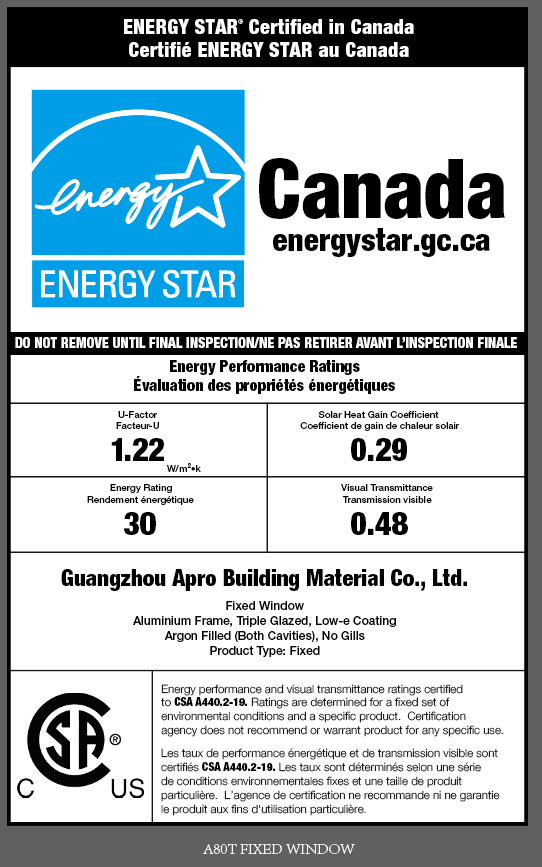
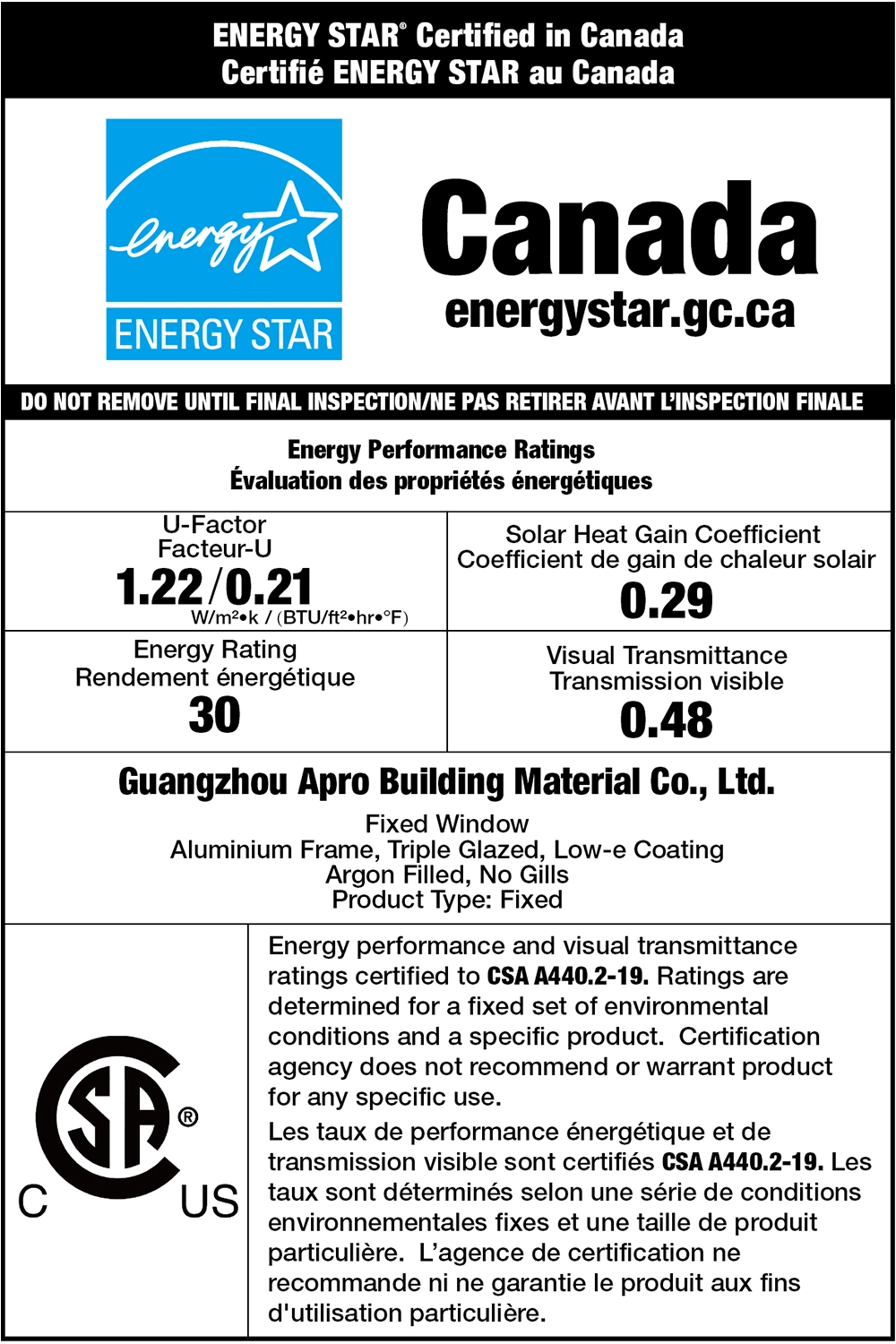
ENERGY STAR® is one of the most trusted global programs for identifying energy-efficient products. Used widely in the United States and Canada, ENERGY STAR® sets strict performance criteria for windows and doors, helping customers understand how well a product saves energy, reduces heat transfer, and improves overall comfort. Products that earn the ENERGY STAR® label have been independently tested and certified to deliver better insulation, lower energy use, and long-term cost savings.
Determines how much heat escapes through the window or door.
Measures how much solar heat enters, especially important for cooling climates.
Indicates how airtight the product is when closed.
Reviews thermal breaks, glazing layers, coatings, and gas fills.
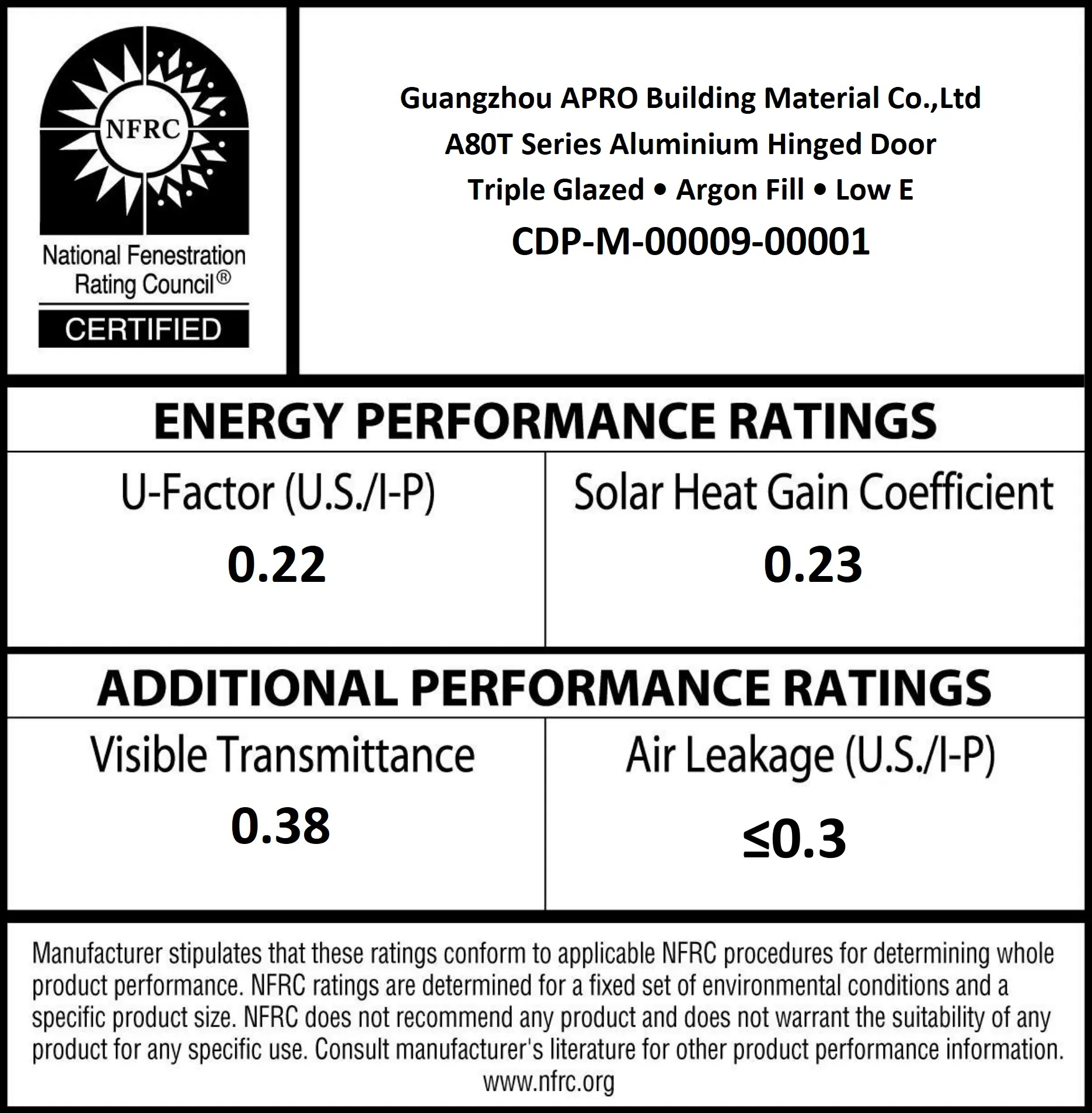
The National Fenestration Rating Council (NFRC) is the organization responsible for providing trusted, standardized energy performance ratings for windows, doors, and skylights—mainly in the United States and globally recognized across the industry. The NFRC label helps consumers compare products based on verified laboratory testing rather than marketing claims, ensuring accurate, consistent, and credible performance data.
Determines how much heat escapes through the window or door.
Measures how much solar heat enters, especially important for cooling climates.
Indicates how airtight the product is when closed.
Reviews thermal breaks, glazing layers, coatings, and gas fills.
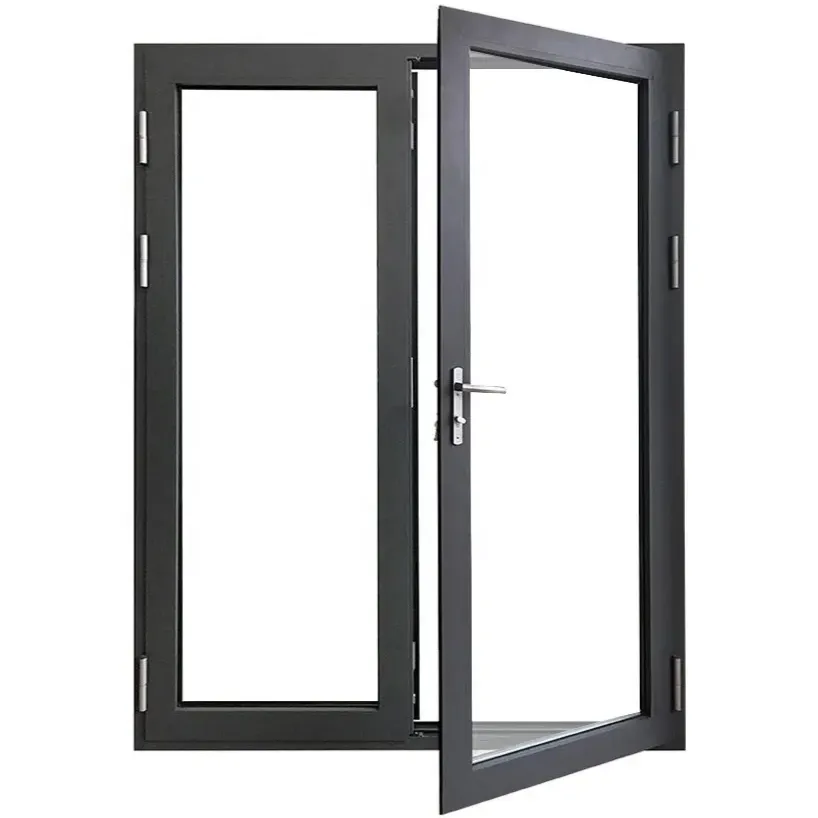
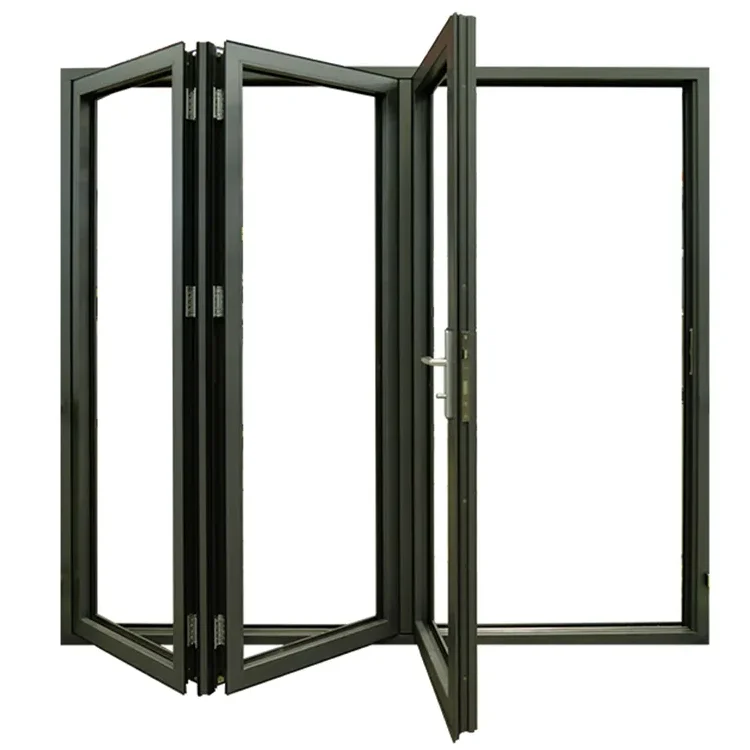
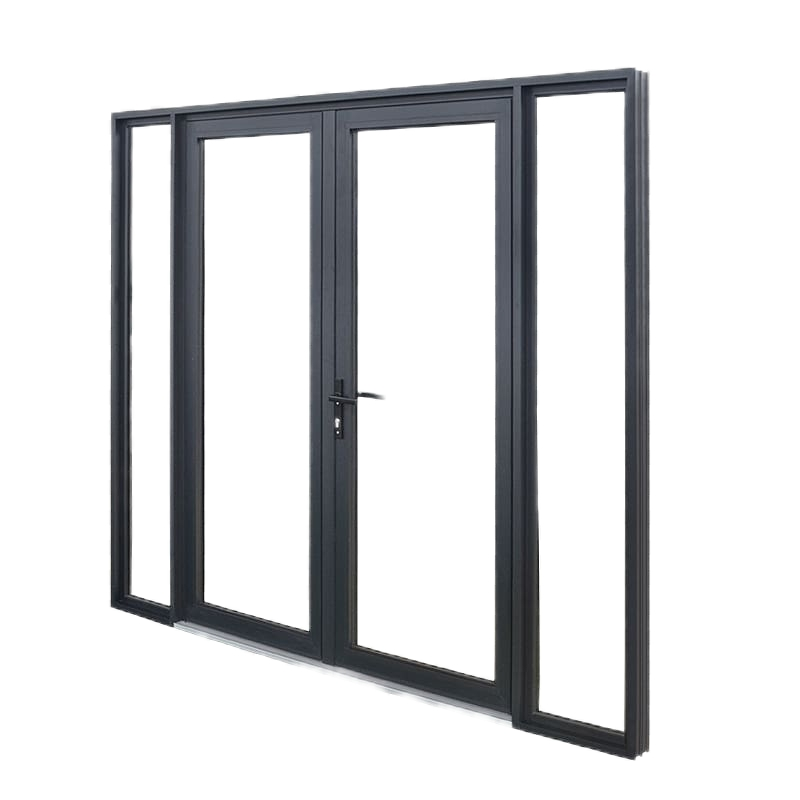
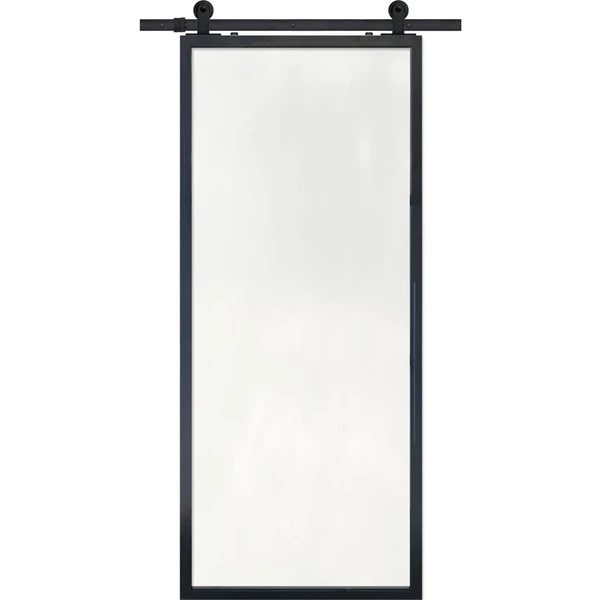
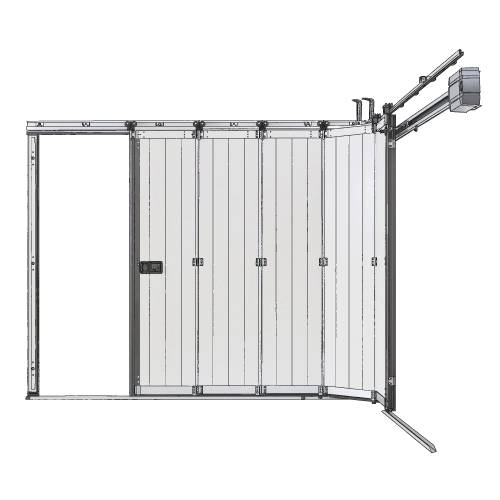
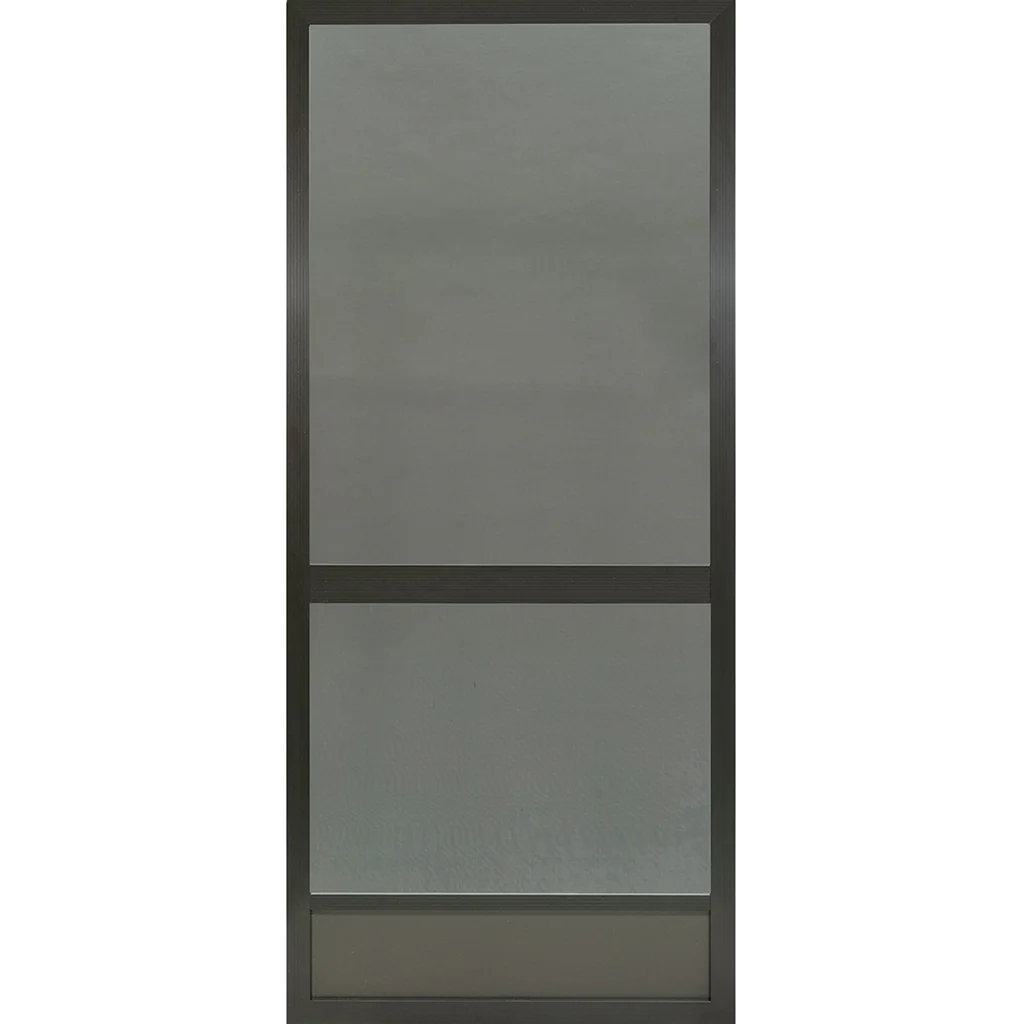
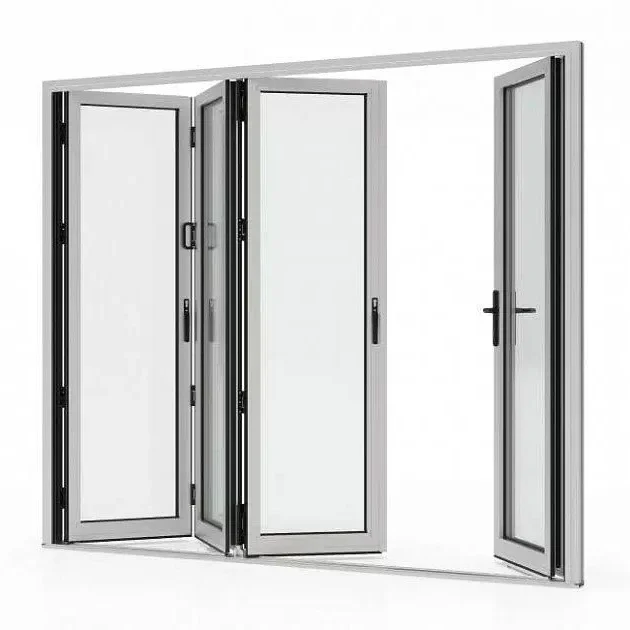
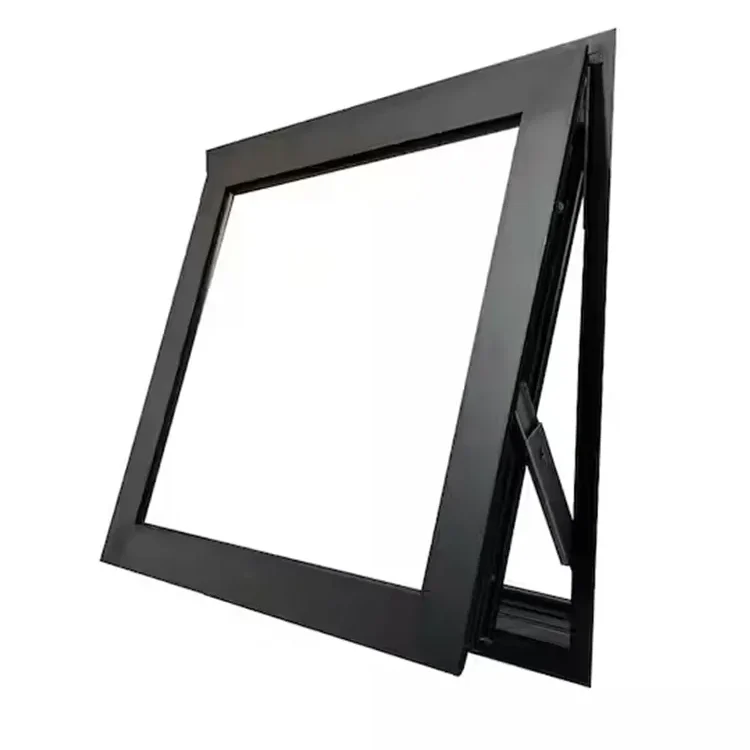
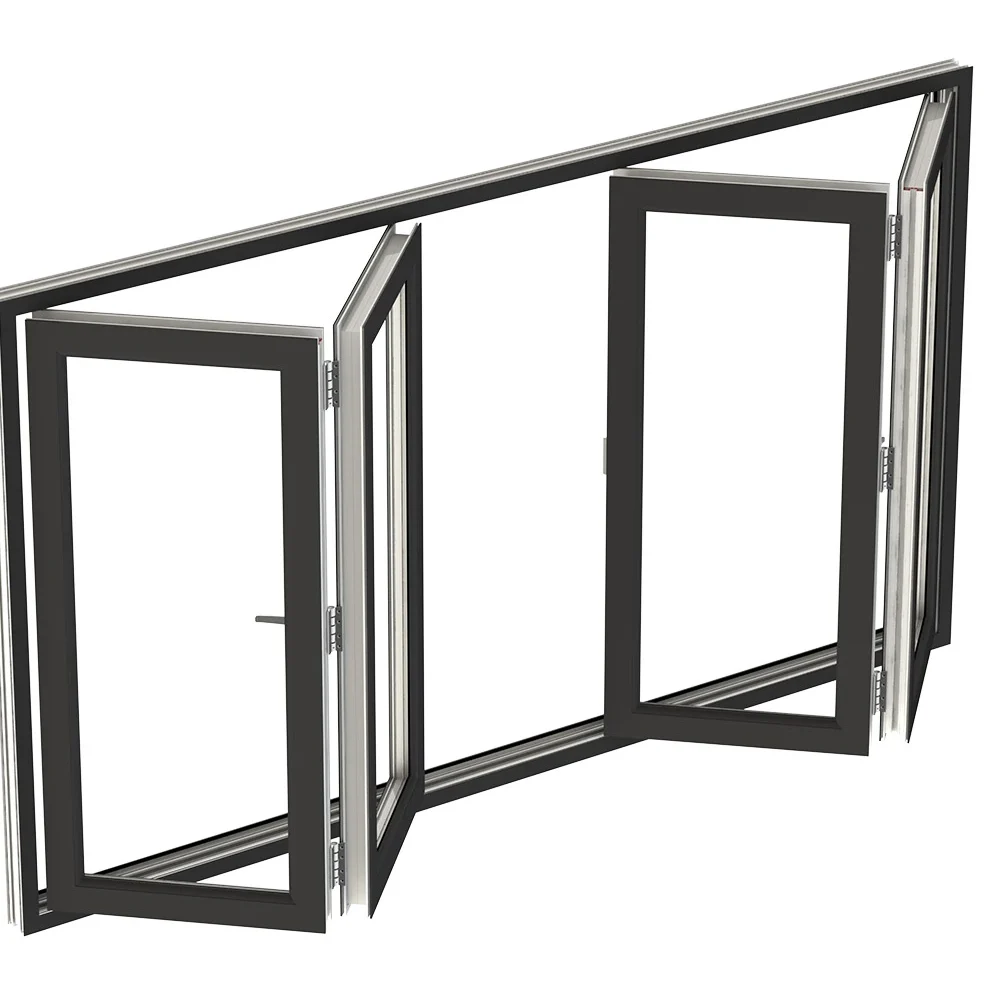
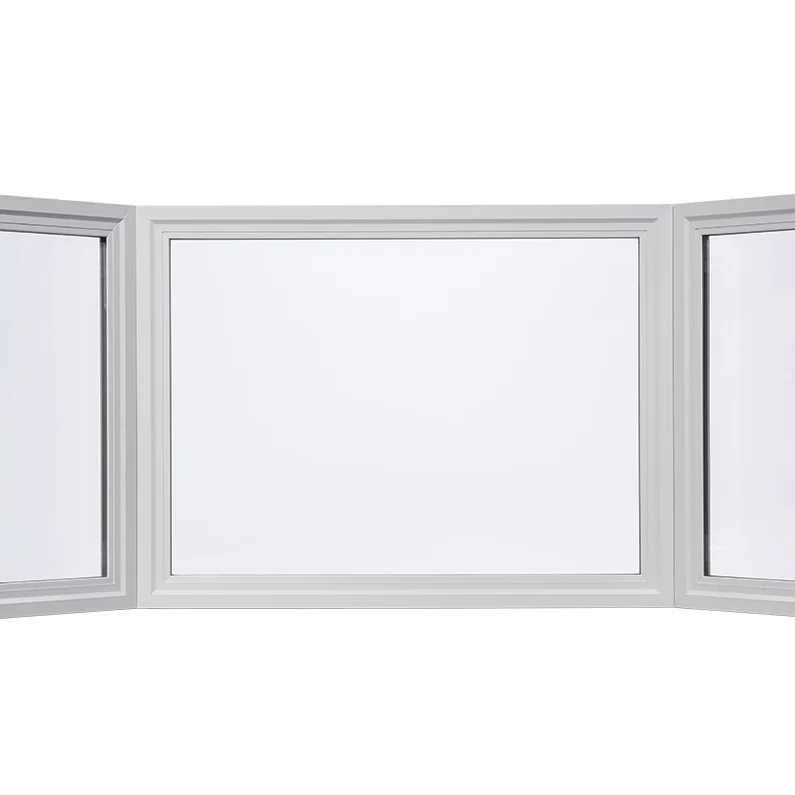
Choosing the right window or door style can make a significant difference in your home’s comfort and overall energy performance. Each system offers unique benefits depending on your climate, layout, and efficiency goals.
Understanding how different buildings perform helps you choose the right window and door system for maximum energy savings. Each category has unique requirements based on use, occupancy, and climate considerations.
Look at the U-value and SHGC. Lower U-values suit colder climates, while lower SHGC works best in hot regions. We can help recommend the right combination for your location.
Yes. Better insulation and airtightness mean your home loses less heat in winter and gains less heat in summer—reducing heating and cooling costs significantly.
Double glazing adds insulation by using two panes of glass, while Low-E coating reflects heat. Together, they offer strong thermal performance and comfort.
Absolutely. A thermal break stops heat from passing through the metal frame, improving insulation and preventing condensation—especially important in colder or coastal areas.
Check U-value, SHGC, and energy ratings such as WERS, ENERGY STAR®, or NFRC labels. These provide independent, verified performance data.

WhatsApp us