






















What Is the Best Lubricant for Sliding Glass Doors?

The best lubricant for sliding glass doors is usually a silicone-based spray or a PTFE (Teflon) dry lubricant. These products reduce friction while keeping the door tracks clean. Unlike oil-based lubricants, they do not attract dust or debris, which helps sliding doors move smoothly for a longer time.
Silicone-Based Lubricant
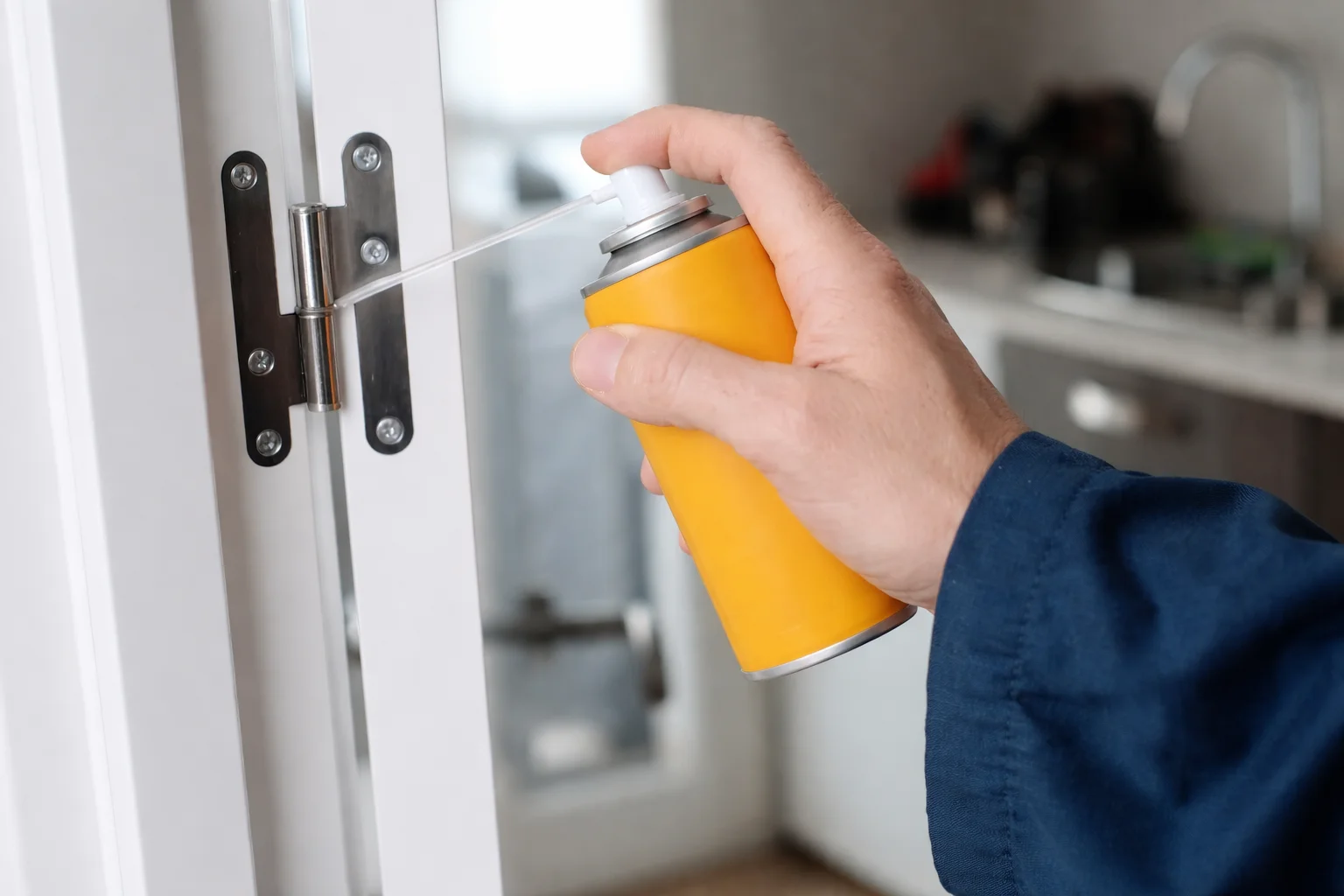
A silicone lubricant is one of the most recommended options for sliding glass doors. It creates a thin, protective coating that helps the door glide smoothly along the track.
Key benefits include:
-
Leaves a water-resistant protective layer
-
Works well on metal, plastic, and rubber components
-
Does not attract dirt or dust
-
Helps reduce wear on rollers and tracks
Because of these advantages, silicone spray is often considered the best overall lubricant for sliding door maintenance.
PTFE (Teflon) Dry Lubricant
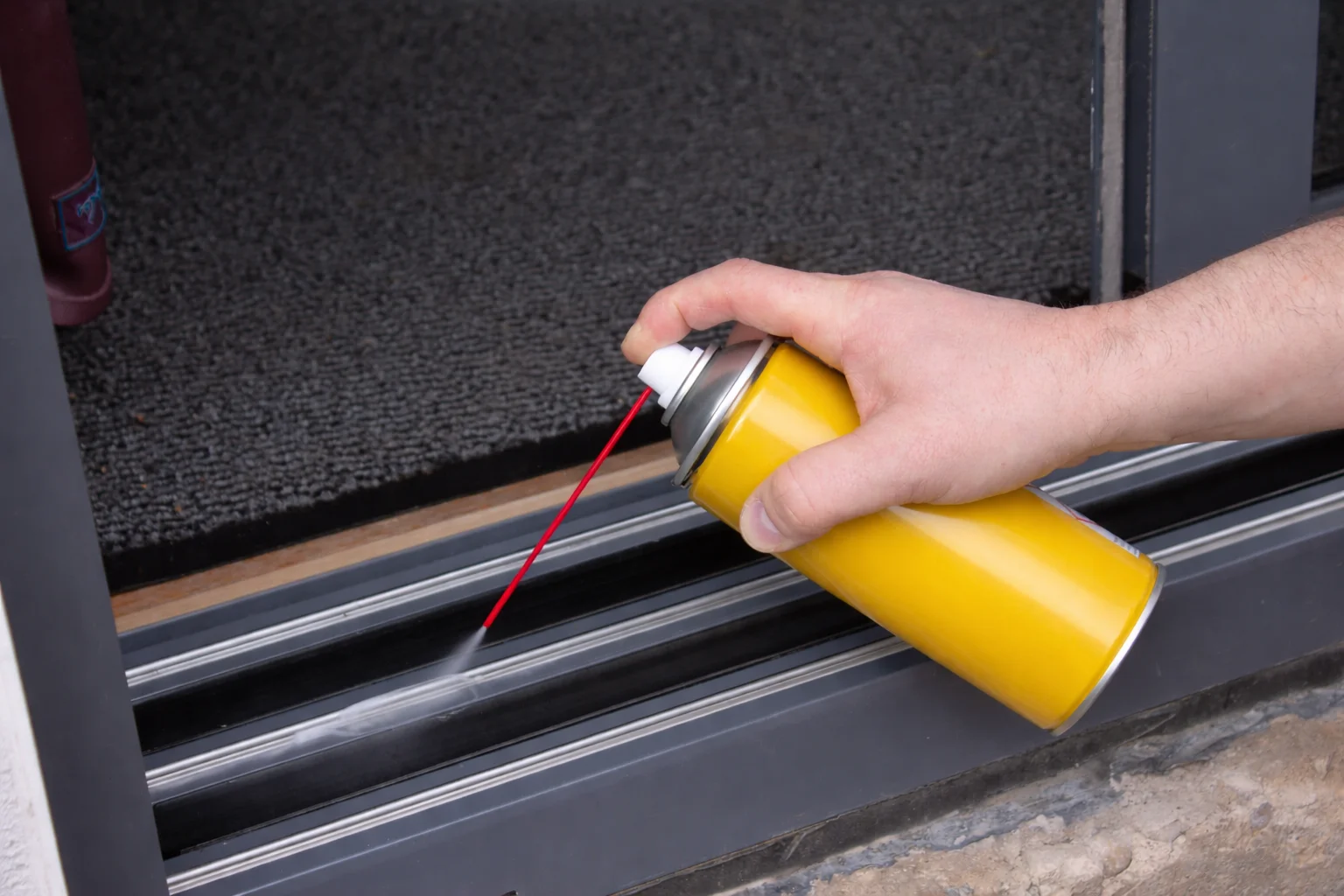
Another excellent option is PTFE (Teflon) dry lubricant. This type of lubricant forms a dry protective film on the surface of the track.
Its benefits include:
-
Creates a low-friction coating
-
Keeps tracks clean and dust-free
-
Provides long-lasting lubrication
-
Ideal for smooth sliding door operation
Both silicone and PTFE lubricants help sliding glass doors glide easily without leaving sticky residue that can trap dirt.
Other Sliding Door Lubricants: Graphite & Wax-Based Options
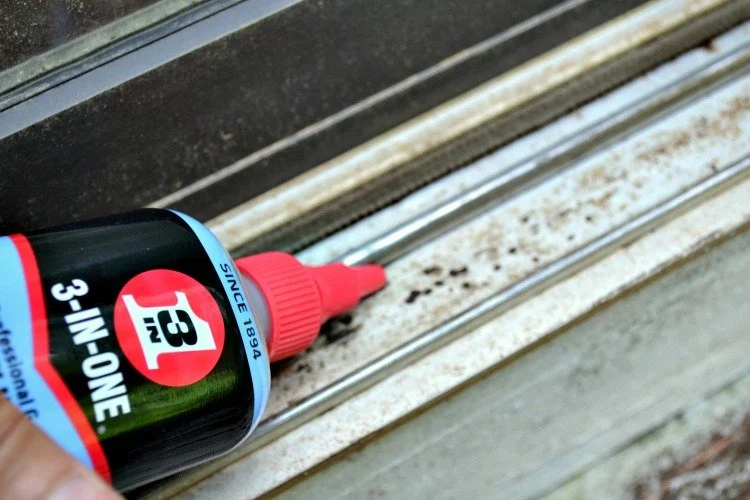
Graphite Lubricant
Graphite lubricant is often used on metal components and locks. It provides smooth movement and can help improve the performance of metal door parts.
Wax-Based Lubricants
Wax-based lubricants can also help sliding doors move smoothly. They create a protective layer on the track surface and may help prevent dirt buildup.
3 Lubricants to Avoid on Sliding Glass Doors
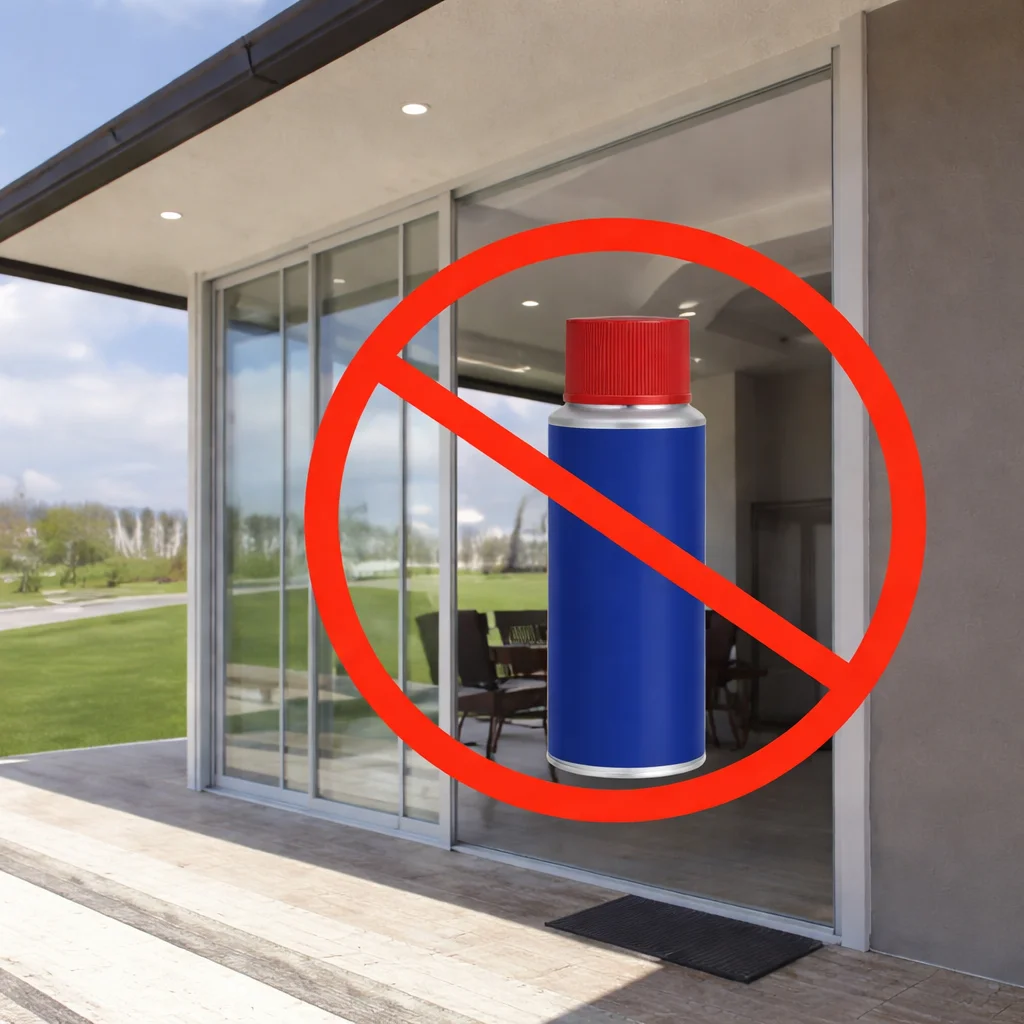
While lubrication helps sliding glass doors move smoothly, not all products are suitable. Some lubricants can actually make the problem worse by attracting dirt or clogging the tracks.
Oil-Based Lubricants
Oil-based lubricants may seem effective at first, but they tend to attract dust and grime. Over time, the dirt mixes with the oil and forms a sticky layer that can slow down the door.
Heavy Grease
Heavy grease is not recommended for sliding door tracks. Because it is thick and sticky, it can trap debris and clog the track, making the door harder to move.
WD-40 for Long-Term Lubrication
WD-40 can help loosen stuck parts temporarily, but it is not ideal for long-term sliding door maintenance. It may leave residue and attract dirt, which can cause the tracks to become dirty again quickly.
In general, oil-based products can cause dirt buildup, making sliding glass doors more difficult to open over time.
How to Lubricate a Sliding Glass Door (Step-by-Step)

Proper lubrication is simple and can greatly improve how smoothly your door operates. Follow these steps to keep your sliding glass door in good condition.
-
Clean the door track thoroughly. Remove visible dirt and buildup.
-
Remove debris with a vacuum or small brush. This helps clear dust from tight corners.
-
Apply silicone or PTFE lubricant along the track and rollers. Use a light, even spray.
-
Slide the door back and forth several times. This spreads the lubricant evenly.
-
Wipe away excess lubricant. This prevents dust from sticking to the track.
Regular maintenance can extend the lifespan of sliding doors and improve their performance.
How Often Should You Lubricate Sliding Doors?

Sliding glass doors should be lubricated every 3 to 6 months under normal conditions. However, homes in dusty, coastal, or high-traffic areas may require more frequent maintenance.
It is also a good idea to inspect the tracks and rollers during routine cleaning. Keeping the tracks clean and lubricated helps prevent long-term damage.
Signs Your Sliding Door Needs Lubrication

If your sliding glass door starts to feel difficult to operate, it may be time for maintenance. Common warning signs include:
-
The door feels heavy or difficult to slide
-
Grinding or scraping sounds when opening or closing
-
The door sticks or stops halfway during movement
Addressing these issues early can help keep your sliding door working smoothly and prevent more serious repairs later.
Need Help with Sliding Glass Doors?
Keeping your sliding glass doors clean and properly lubricated can improve performance and extend their lifespan. If you’re planning to upgrade or replace your doors, choosing high-quality systems makes a big difference.
Contact us today for expert advice, custom sliding door solutions, and a personalized quote. Our team is ready to help you find the perfect sliding glass doors for your home or project.
FAQs
What kind of lubricant should I use for a sliding glass door?
Use a silicone spray or PTFE (Teflon) dry lubricant. These lubricants reduce friction, protect rollers, and keep tracks clean without attracting dust or debris.
How do I make my sliding glass door slide easier?
First clean the door tracks to remove dirt and debris. Then apply a silicone or PTFE lubricant to the rollers and track so the door can move smoothly with less friction.
Is WD-40 good for a sliding glass door?
WD-40 may help temporarily loosen a sticky door, but it is not recommended for long-term lubrication because it can attract dirt and residue in the tracks.
Which is better, WD-40 or silicone spray?
Silicone spray is better for sliding glass doors. It dries clean, resists water, and does not attract dust, while WD-40 is mainly a temporary fix.