














A sunroom is meant to feel bright, open and connected to the outdoors—so choosing the right windows makes all the difference. The window style, frame material and glass you select affect everything: how much sunlight enters, how well the room stays comfortable, and how smooth the airflow feels. The right windows can turn a sunroom into your favorite place to relax year-round.

In this guide, we’ll walk through the key features that make certain windows perfect for sunrooms, the best styles to consider, and the glass options that balance light, comfort and energy efficiency. You’ll learn how to choose windows that maximize your view while keeping your sunroom pleasant in every season.
What Makes a Window Ideal for a Sunroom

A great sunroom window should do three things well: let in plenty of natural light, provide strong ventilation, and keep the space comfortable despite temperature swings.
1. Maximum natural light and outdoor views
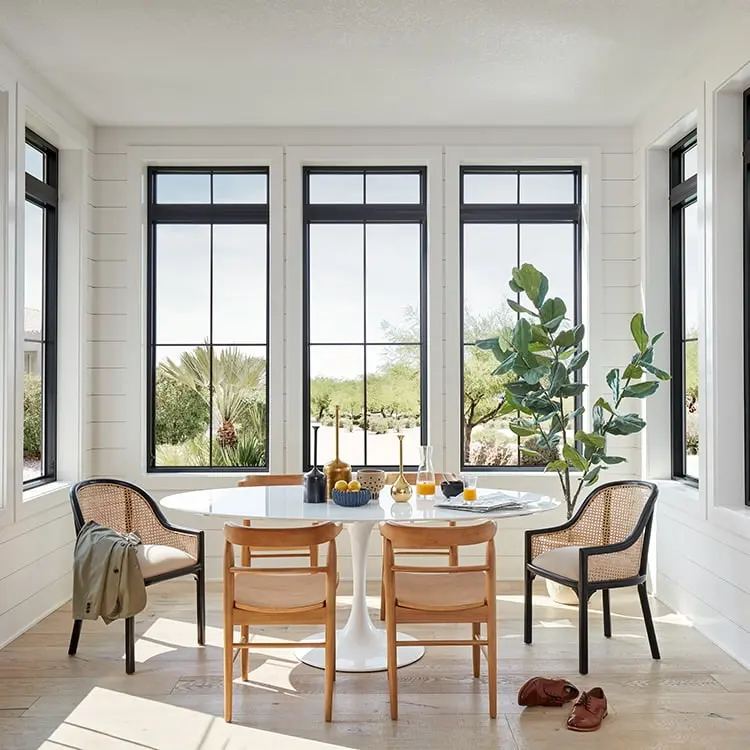
Sunrooms rely on large glass areas, so picture windows, tall casement windows or combined window units are ideal. These provide wide views and create that signature bright, open feel.
2. Good ventilation and easy operation
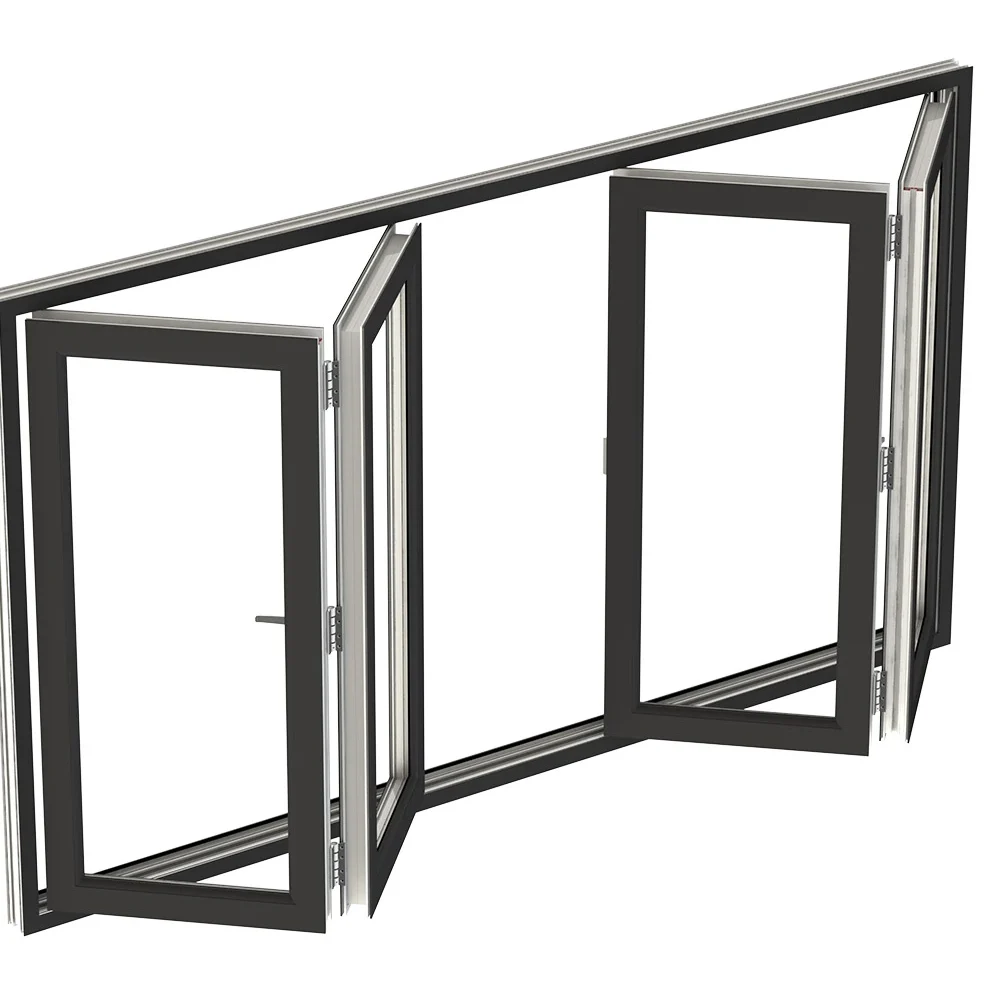
Because sunrooms can heat up quickly, you need windows that open easily and allow strong airflow. Casement, awning and sliding windows are top choices because they offer excellent ventilation without blocking sightlines.
3. Strong energy efficiency and comfort

Sunrooms receive more sunlight than any other room, so heat gain control is essential. Double or triple-pane glass, Low-E coatings and insulated frames help keep the room cooler in summer and warmer in winter, supporting both comfort and lower energy bills.
4. Durable materials that handle full sun
Sunrooms expose frames to more UV, humidity and temperature changes. Vinyl, fiberglass and coated aluminum perform well because they resist fading, warping and expansion.
5. Safety and performance
Tempered or laminated glass is recommended to handle increased sun exposure and provide added strength—especially in four-season sunrooms or high-wind areas.
Best Window Styles for Sunrooms
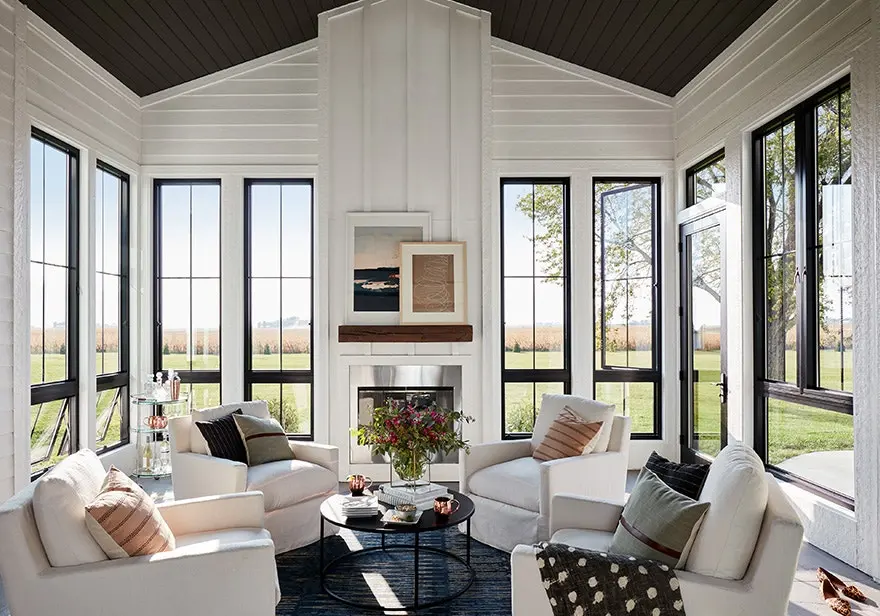
Choosing the right window style sets the tone for how bright, breezy and comfortable your sunroom feels. Some windows focus on airflow, while others maximize views—many homeowners combine styles to get the best of both worlds.
Operable Styles: Casement, Awning, and Sliding Windows
Operable windows are essential because sunrooms warm up quickly.
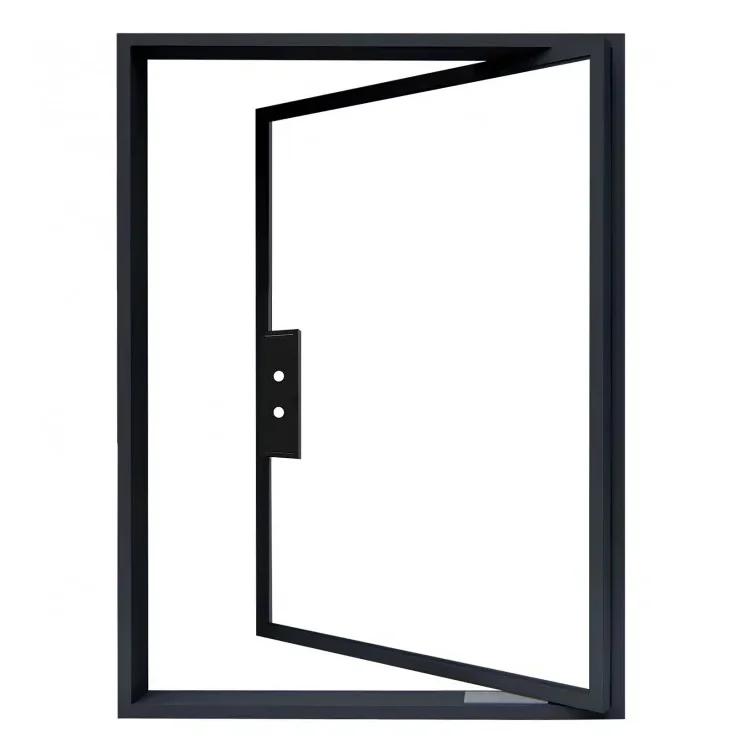
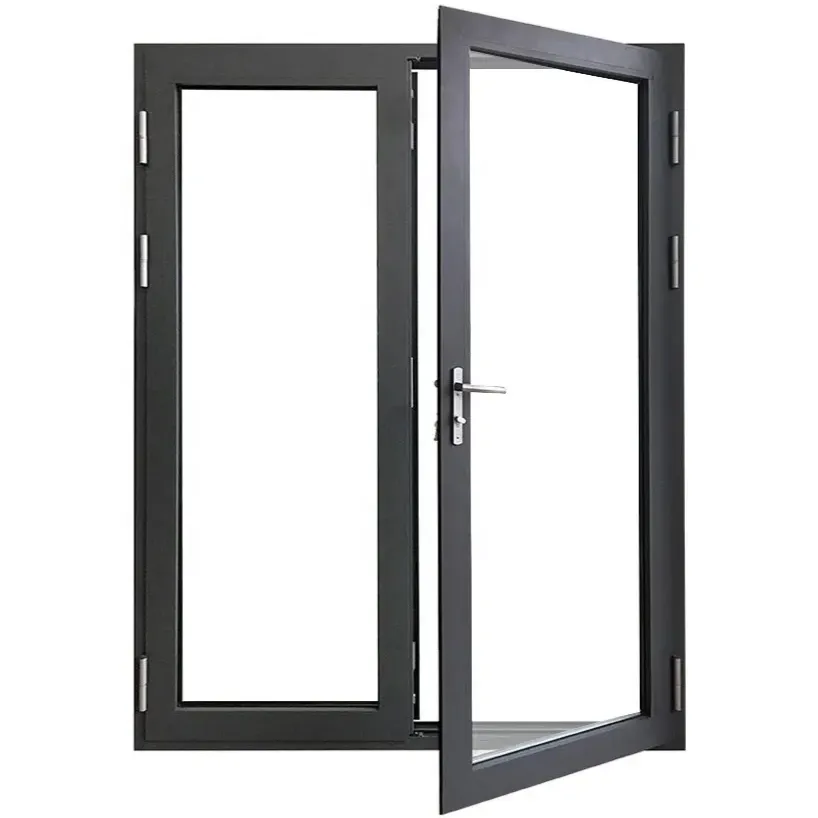
Casement windows open wide like a door, capturing strong breezes and offering excellent ventilation.
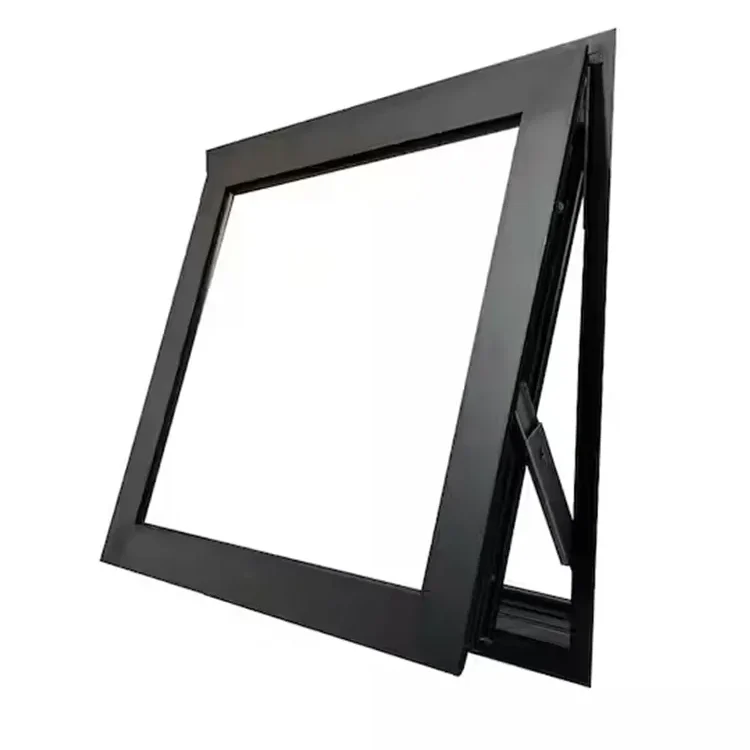
Awning windows hinge at the top and push out, allowing airflow even during light rain.
- Sliding windows glide horizontally and work well in tight spaces where a swinging sash might get in the way.
These options keep your sunroom airy and comfortable while still maintaining clear sightlines.
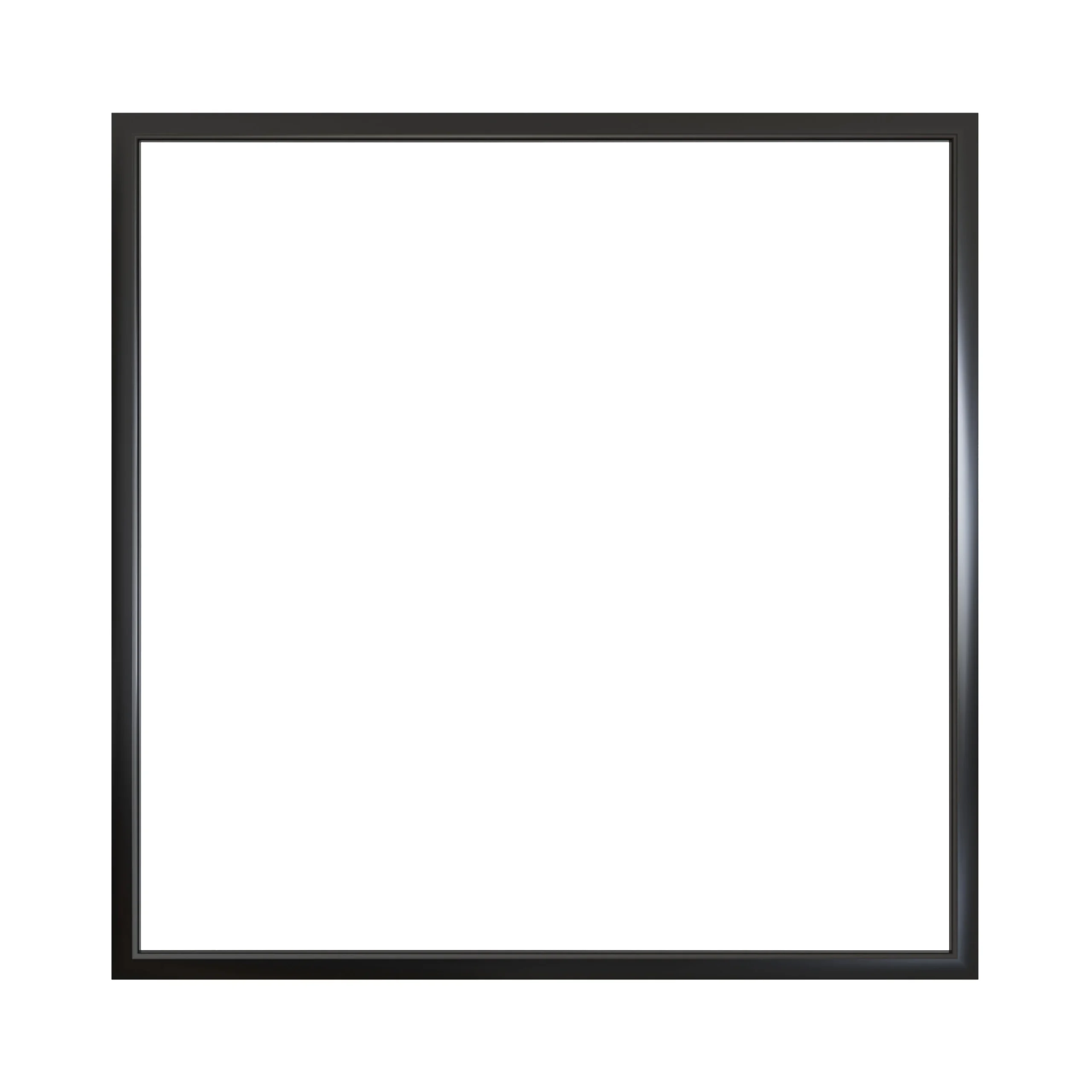
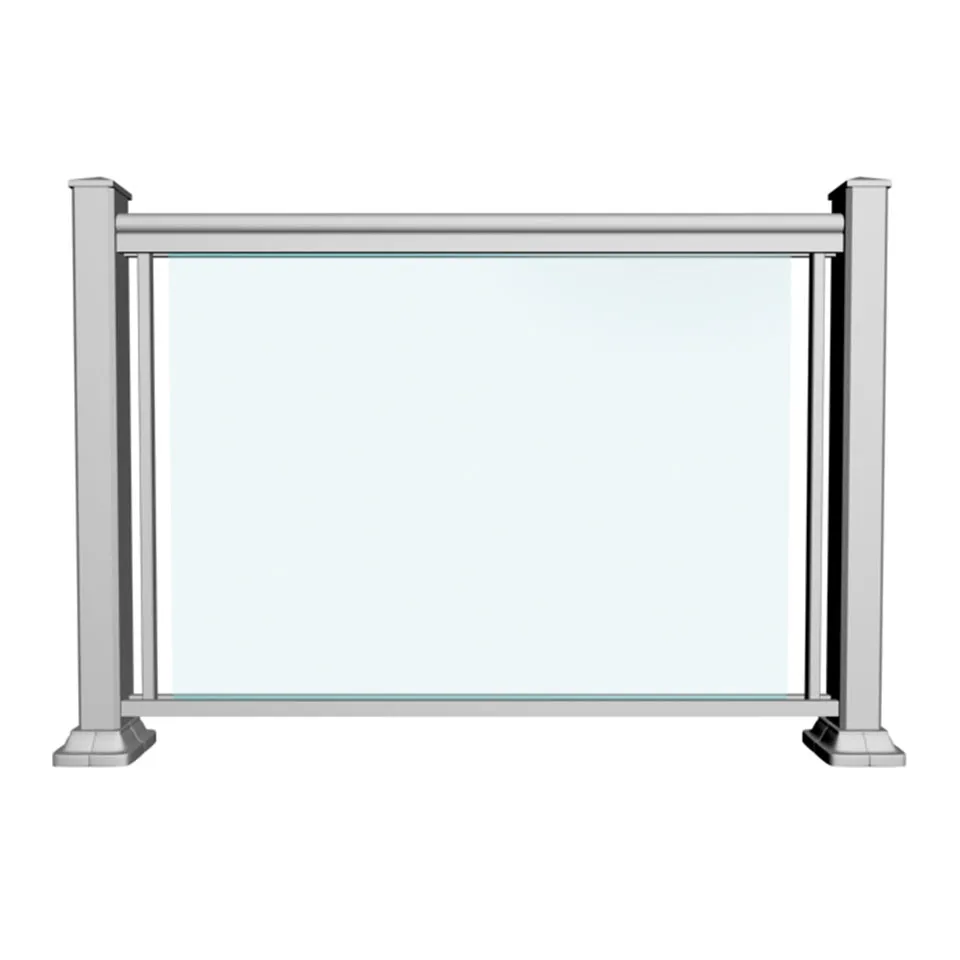
Fixed or picture windows don’t open, but they deliver the biggest visual impact. Their clean, uninterrupted glass makes your sunroom feel larger and more connected to nature. Picture windows are ideal for creating a panoramic wall of glass or framing a specific view like a garden or backyard.
Mixed or Factory-Joined Units for Wide Expanses
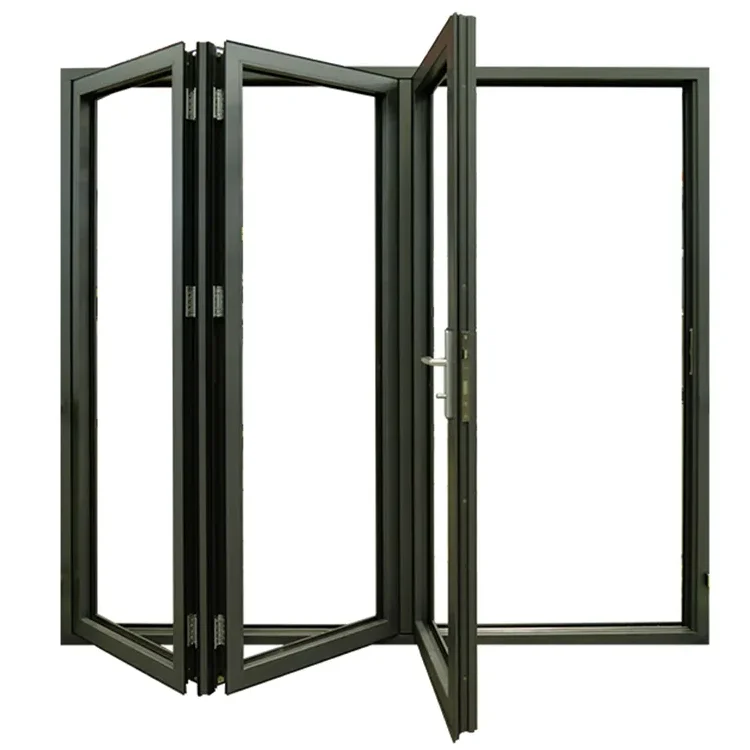
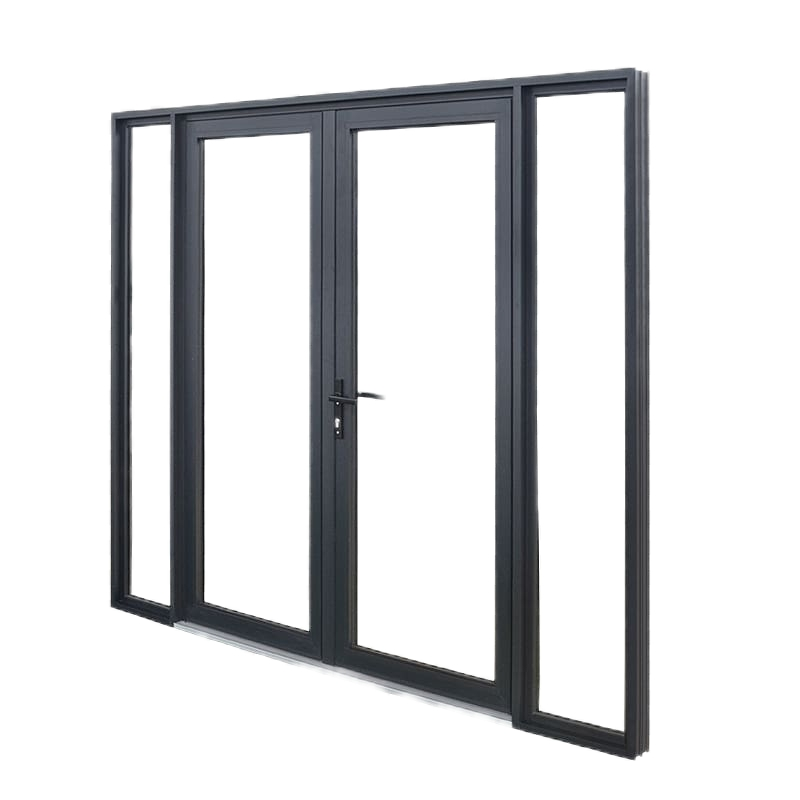
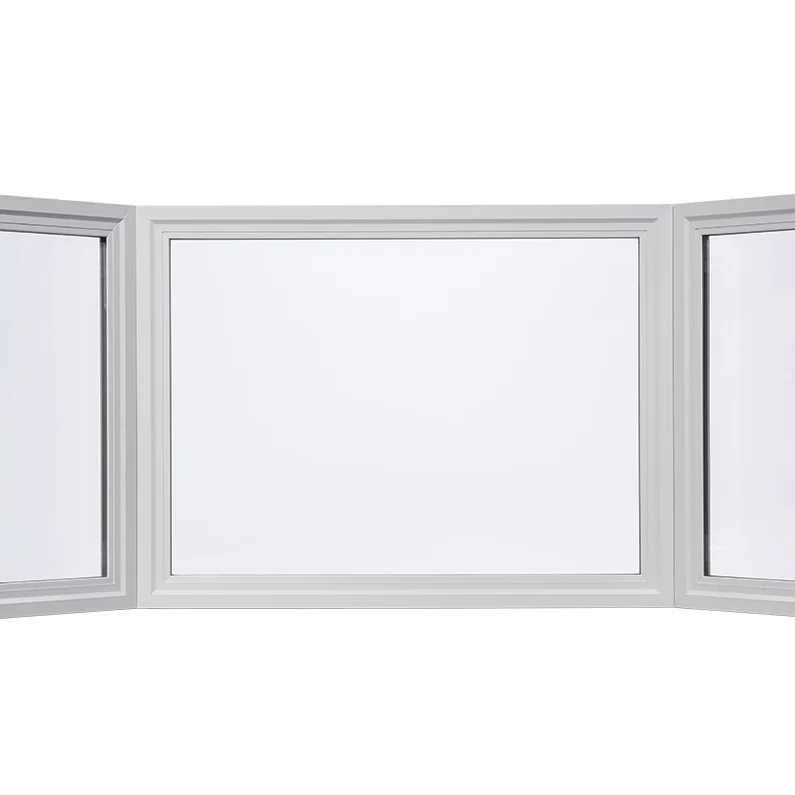
Many sunrooms use a combination of fixed and operable windows. Factory-joined units—such as a picture window paired with flanking casements—create wide glass expanses while still offering ventilation. These combinations help maintain symmetry and give you flexibility in designing a bright, functional space.
Best Materials & Glazing Options
Choosing the right materials and glass can transform your sunroom from “too hot” or “too cold” into a space that feels comfortable all year. Sunrooms face more sunlight, heat and moisture than any other room—so durability and energy efficiency matter.
Frame Materials: Pros & Cons for Sunrooms
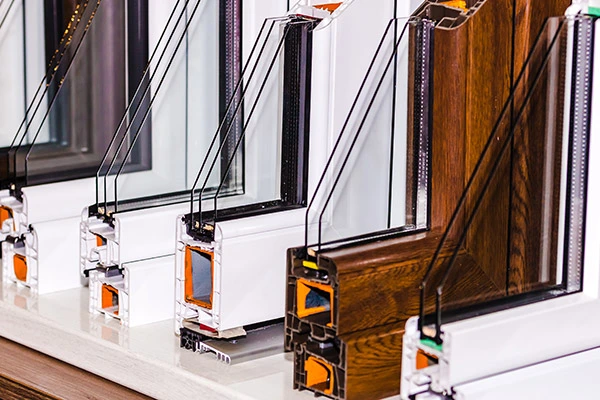
Vinyl
Vinyl is affordable, low-maintenance and naturally insulated. It resists moisture and fading, which makes it a strong choice for 3-season or 4-season sunrooms. The downside? It may expand slightly in extreme heat, so high-quality vinyl is important.
Fiberglass
Fiberglass is one of the most durable and stable materials for sunrooms. It handles big temperature swings, resists warping, and has excellent energy efficiency. It’s pricier than vinyl, but it’s ideal for long-term performance.
Aluminum
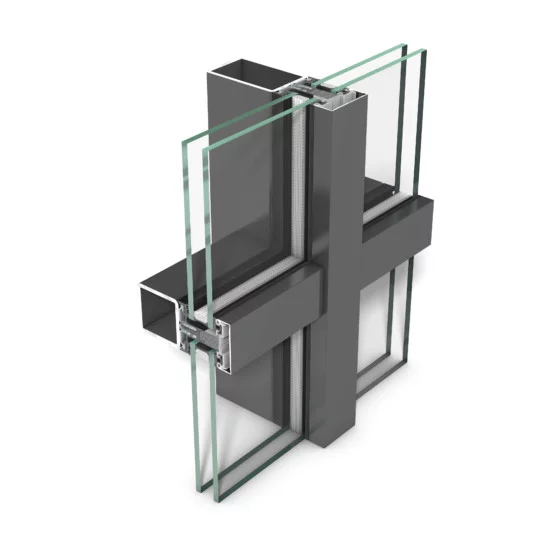
Aluminum frames are slim, modern and strong—great for large glass walls. They’re perfect for high-sun exposure, but they conduct heat, so choose models with thermal breaks and insulated glass to stay comfortable.
Wood
Wood offers warm, classic style and strong insulation. However, in sunrooms it needs regular sealing or cladding to prevent fading, swelling or moisture issues. Best for homeowners prioritizing appearance and willing to maintain it.
Glass Options: Energy, Comfort & Safety

Double or Triple Pane Glass
Multi-pane glass improves insulation by trapping air or gas between layers. Double-pane works for most climates, while triple-pane suits cold regions or 4-season sunrooms.
Low-E (Low Emissivity) Coatings
Low-E glass reflects heat while letting in natural light.
In hot climates, it keeps heat out.
In cold climates, it keeps warmth in.
This coating dramatically boosts comfort and reduces energy costs.
Tempered Glass
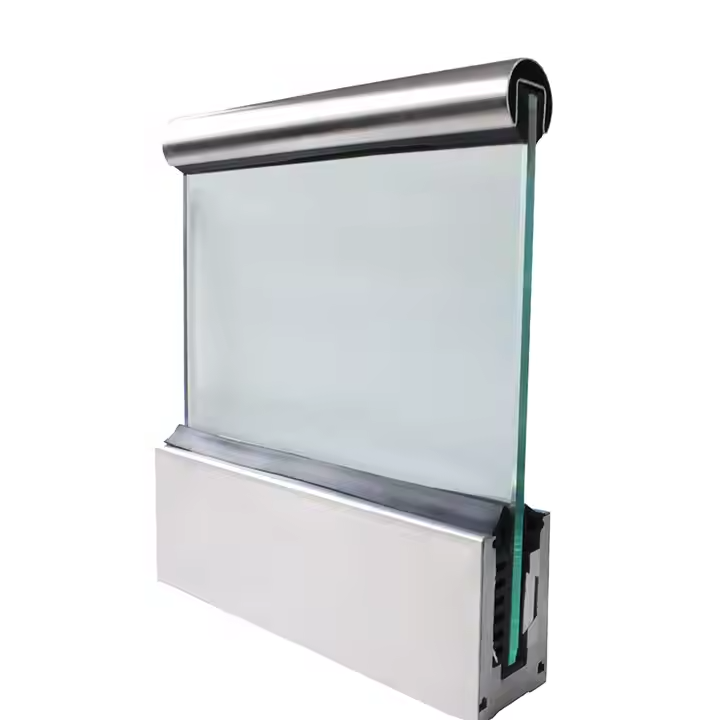
Tempered glass is stronger and safer—important in a room filled with large glass panels. If it breaks, it shatters into small, dull pieces instead of sharp shards.
UV Protection
Sunrooms receive intense sun exposure, which can fade furniture and floors. Glass with UV-blocking layers protects your interior while maintaining clear views.
Installation & Performance Considerations

Choosing the right windows is only half the job—proper installation and performance planning ensure your sunroom feels comfortable throughout the year.
Orientation & exposure: South- and west-facing sunrooms receive the strongest sunlight, so Low-E glass and shading strategies help control heat. North-facing rooms benefit from larger glass areas without overheating.
Structural support & sealing: Because sunrooms use more glass, frames and supports must handle the extra weight. Quality weather-sealing and thermal breaks prevent heat loss and stop drafts.
Maintenance & durability: All-glass zones face higher UV exposure and temperature changes. Choose materials and coatings that resist fading, warping and seal failure.
Budget, Value & Seasonal Usage

Not all sunrooms are built the same, and window performance plays a big role in cost and comfort.
3-season vs 4-season rooms:
3-season sunrooms use simpler frames and basic double-pane glass—best for spring through fall.
4-season sunrooms require insulated frames, Low-E coatings and high-performance glazing to stay comfortable year-round.
Energy performance & HVAC impact: High-efficiency windows reduce heat gain in summer and heat loss in winter, lowering cooling and heating loads.
Return on investment: Better windows reduce energy bills, protect furnishings from UV damage and increase home value—especially in sun-heavy regions.