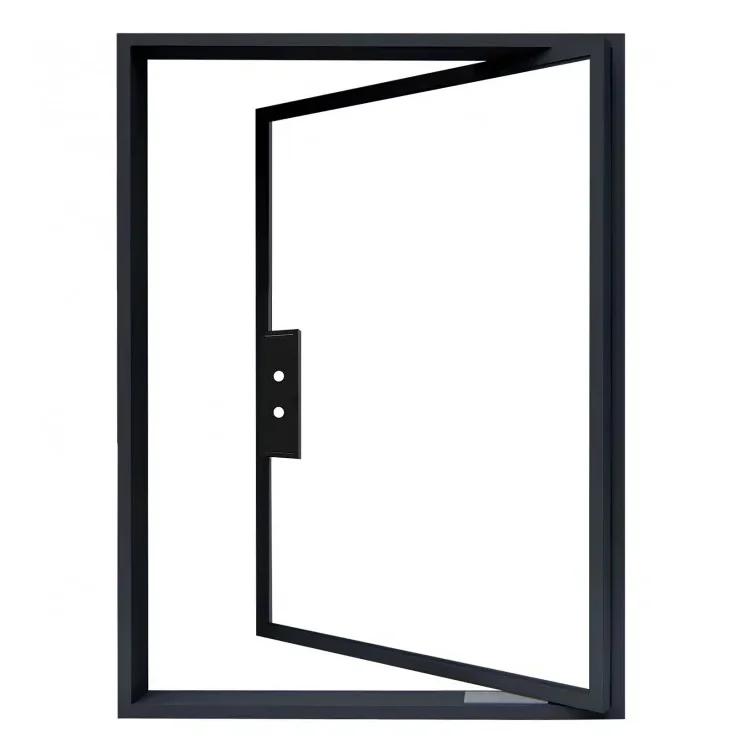
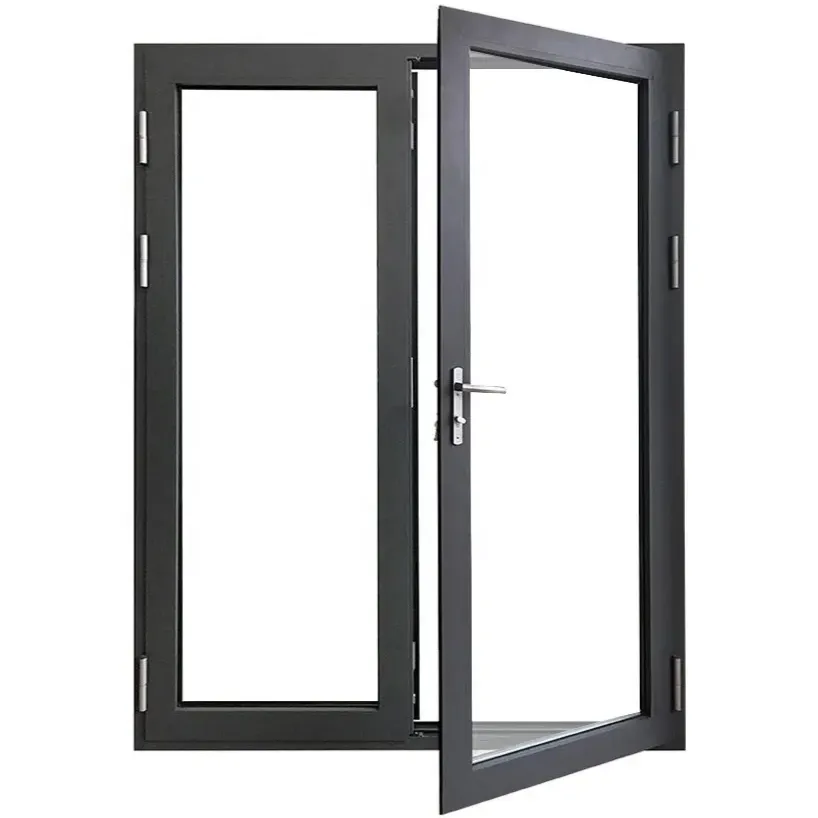
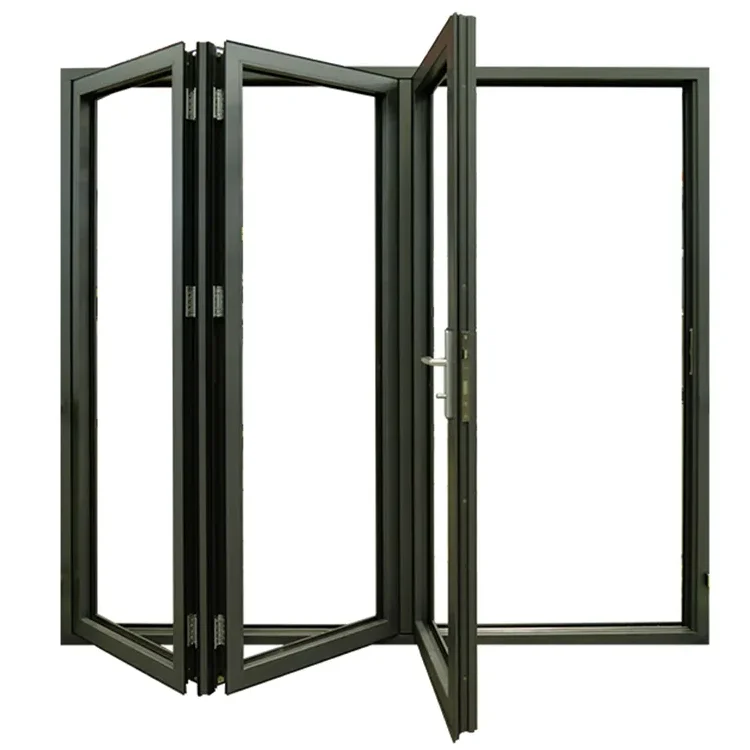
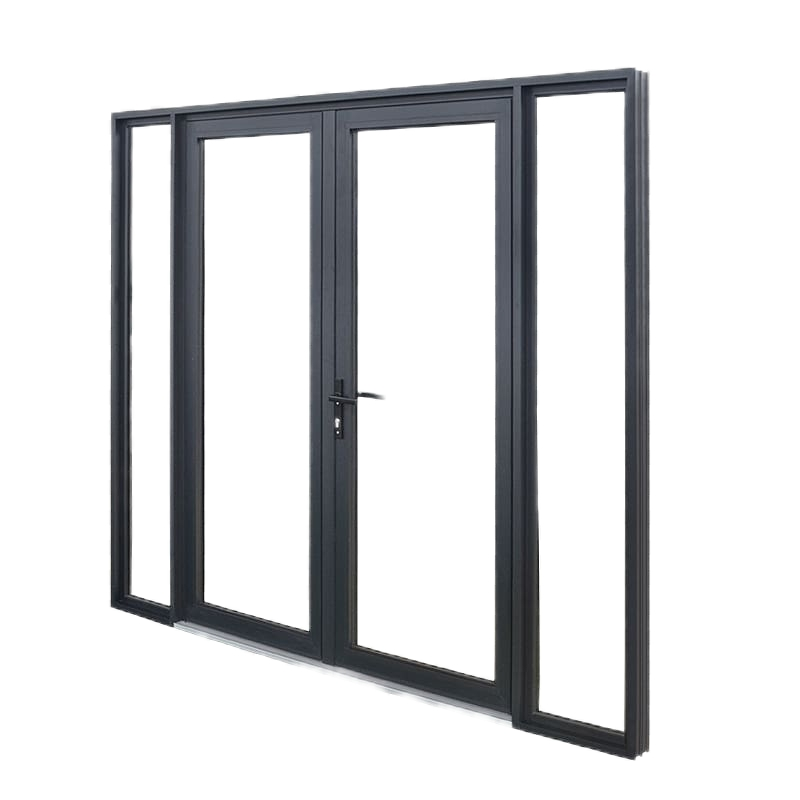















What Is Door Trim?

Door trim is the decorative framing that surrounds your exterior door, covering the seams where the door meets the exterior wall. It serves both a practical and visual purpose: it helps seal gaps to keep out moisture and drafts, and it creates a finished, polished look around the entryway.
Trim comes in many styles—simple flat boards, classic Craftsman profiles, arched headers, layered casings, or bold modern designs. The right trim can highlight your exterior door, enhance your home’s architecture, and instantly boost curb appeal. It’s a small exterior detail that makes a big difference in how welcoming and complete your entry feels.
1. Minimalist / Flat-Stock Trim (Mitered or Butted)

If you love clean, modern design, flat-stock trim is one of the easiest ways to give your exterior door a sleek update. These trims use simple flat boards with straight edges, creating a crisp frame around the doorway. The look is uncluttered and intentional, making it perfect for contemporary or minimalist homes.
Flat-stock trim also works beautifully with bold or contrasting door colors. Whether it’s matte black against white siding or a bright door framed with subtle trim, the simplicity helps the entry stand out without feeling busy.
2. Classic Craftsman-Style Trim
Craftsman-style trim is known for its sturdy, handsome look, often featuring wider side boards and a thicker horizontal header above the door. It brings a sense of balance and structure to the entryway, giving the home a timeless, handcrafted feel.
This style pairs especially well with traditional, bungalow, farmhouse, and cottage-style homes. Even if your exterior is simple, Craftsman trim adds just enough depth and character to make the exterior door feel warm and welcoming.
3. Rounded / Arched Header Trim

For a softer, more elegant look, rounded or arched header trim creates a graceful curve above the door. This shape instantly adds personality and works beautifully on Mediterranean, cottage, and classic architectural styles.
Even a standard rectangular door feels more refined with an arched trim frame. It draws the eye upward, adds visual interest, and gives your entry a gentle, inviting feel without overwhelming the façade.
4. Extended Trim with Fillet / Layered Casing

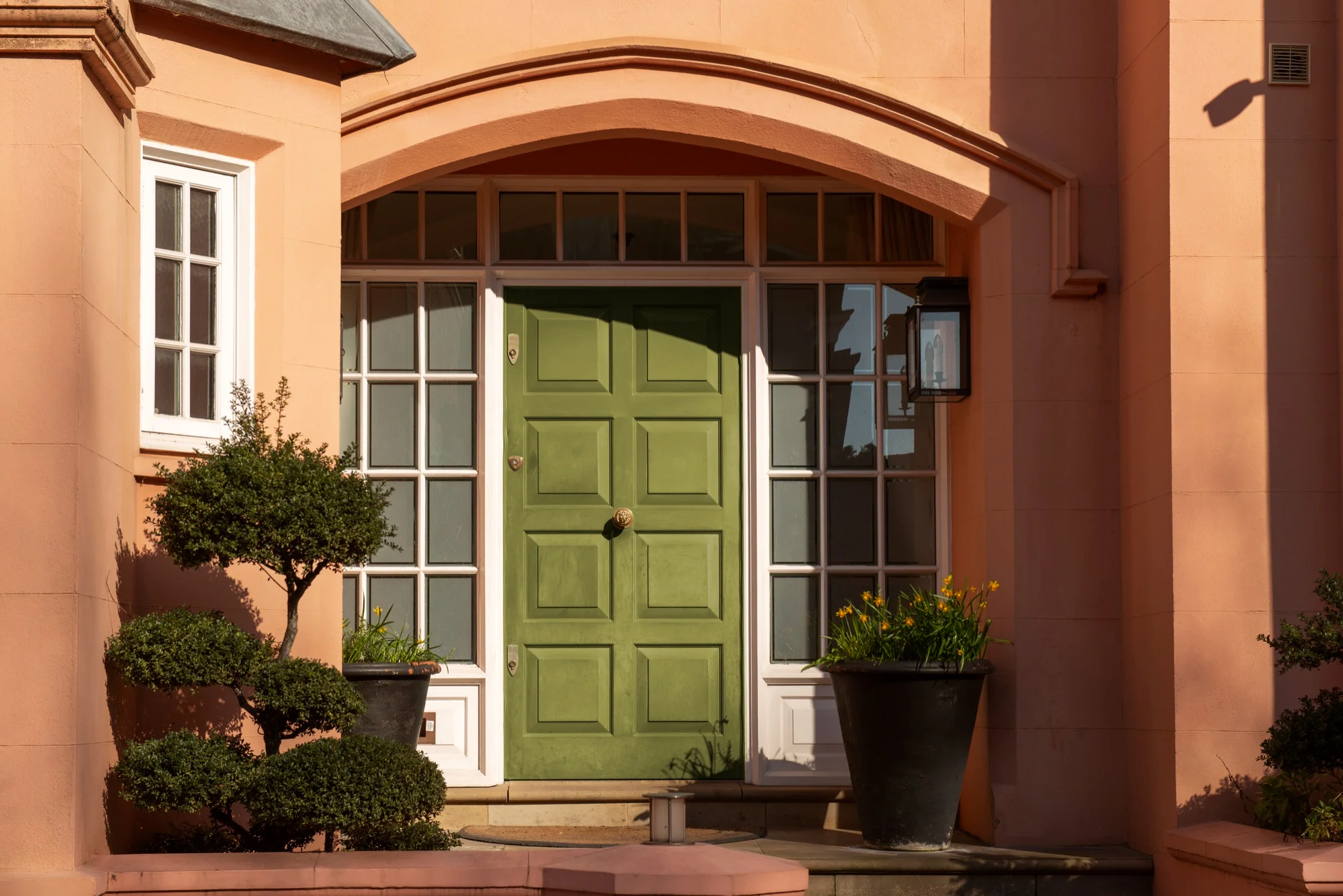
If you want your exterior door to make a bold statement, extended or layered trim is a great choice. This style expands the trim around sidelights, transoms, or wider openings, creating a substantial, architectural frame.
Layered casing adds depth and dimension, giving your entryway a more polished and high-end look. It’s ideal for homeowners who want their door to feel like a dramatic focal point rather than just a simple entrance.
5. J-Channel or Subtle Channel Trim
Channel trim is perfect for homes that need a little detail without going too decorative. The narrow, recessed edge adds a clean outline around the door, giving just enough definition to enhance the entry without stealing attention from the door itself.
This style works especially well on minimalist exteriors, modern siding, or homes where simplicity is part of the overall design. It’s a small touch that adds refinement without visual clutter.
6. Bold Contrast Trim Colors
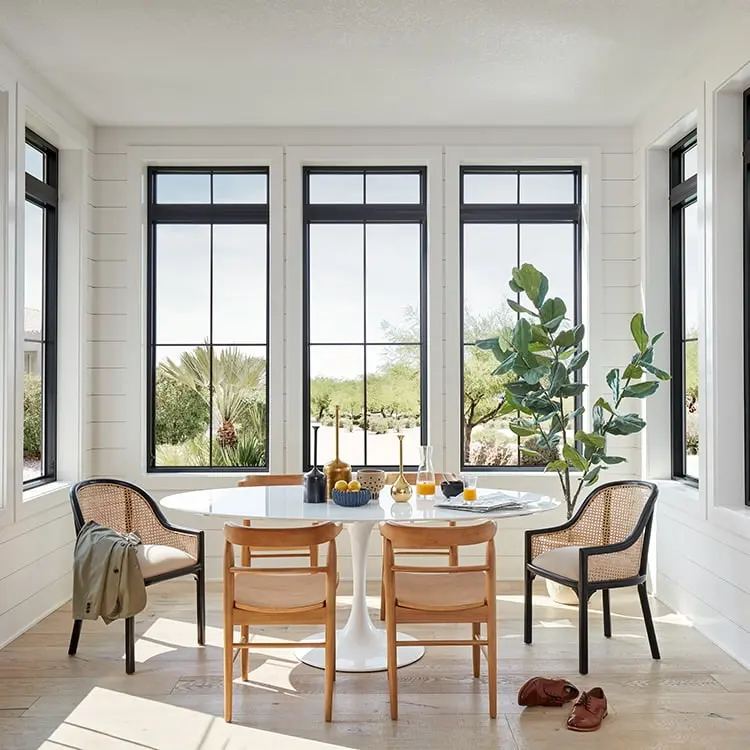
If you want your entry to stand out, using contrasting colors for your front-door trim is one of the easiest ways to boost curb appeal. Think dark trim around a light door, a crisp white frame against dark siding, or even modern charcoal outlining a bold-colored door. The contrast pulls the eye toward the entry and instantly creates a polished, intentional look.
This idea works especially well for modern, transitional, or bold-style homes where clean lines and strong color statements are part of the design. A simple color choice can turn an ordinary door into an inviting focal point.
7. Natural Wood or Warm-Tone Trim Accents
Natural wood trim adds warmth, texture, and a welcoming feel that suits rustic, farmhouse, cabin, or natural-material homes. Whether you choose cedar, redwood, or a wood-look composite, the organic tones soften the entry and help blend the door with surrounding landscaping or earthy exterior finishes.
With proper sealing and weather treatment, wood trim can also be long-lasting and resistant to moisture or sun damage. It’s a perfect choice if you want your front door to feel cozy, natural, and inviting.
8. Decorative Pediments, Pilasters, or Classical Trim

For a more traditional or elegant look, classical trim elements like pediments, pilasters, and ornate moldings add sophistication and architectural drama. These decorative pieces frame the door in a more formal way, making the entry feel grand and stately.
This style is ideal for colonial, Victorian, Georgian, or large historic homes where architectural details are part of the charm. Even a simple door looks elevated when surrounded by classical trim.
9. Wider Casing / Thick-Trim Frames for Emphasis

If you want your front door to feel bold and prominent, wider or oversized trim can make a big impact. Thick casing creates a substantial, sturdy frame that draws attention to the entry and adds visual weight.
This approach is perfect for homes with large facades or high-visibility entrances. Wider trim helps balance the scale of bigger exterior walls and gives even a basic door a more commanding, upscale presence.
10. Mixed-Material Trim (Composite/PVC/Metal + Wood/Glass)
Mixed-material trim blends the strengths of different materials—such as PVC, composite, metal, or wood—to achieve both durability and style. For example, you can pair a tough PVC outer frame with wood accents, or use metal edging around wood-look trim for a modern twist.
This idea is especially useful in weather-prone areas where moisture, heat, or salt exposure can damage traditional materials. By combining materials thoughtfully, you get long-lasting performance and a custom-designed look with very little maintenance.
11. Trim with Sidelights or Transom Integration

If your front door includes sidelights or a transom window, extending the trim around all the surrounding glass creates a unified and more dramatic entryway. This approach makes the entire doorway feel larger, brighter, and more inviting by naturally drawing in extra daylight.
Integrated trim works beautifully for homes that want an open, airy feeling at the entrance. By framing the entire door-and-window set as one complete feature, you get a clean, cohesive look that elevates curb appeal.
12. Minimalist + Contrast for Modern or Urban Homes

A pared-down flat trim paired with a bold or contrasting color is a go-to choice for modern exteriors. This style keeps everything clean and simple while still making a strong impact—especially when the door itself has a sleek or contemporary design.
Whether you choose matte black trim, stark white edges, or modern gray tones, minimalist contrast helps highlight the door without overwhelming the façade. It’s the perfect style for urban homes, modern builds, or anyone who prefers crisp lines.
13. Blending Trim Style with Home Architecture

One of the best ways to ensure your front-door trim looks intentional is to match it to the style of your home. Craftsman homes look best with solid, structured trim; colonial homes shine with classic or symmetrical trim; modern homes thrive with minimalist lines.
When choosing trim, consider the bigger picture—your siding material, roof shape, window style, and overall architecture. Coordinating these elements helps your entry feel harmonious and thoughtfully designed rather than mismatched or overly busy.
14. Low-Maintenance or Weather-Resistant Trim Materials

Exterior trim faces sun, rain, wind, and temperature changes, so choosing the right material matters. Options like PVC, composite, fiber-cement, or treated wood offer excellent durability and resist rot, insects, and warping. They keep your trim looking clean and fresh with only minimal upkeep.
These materials are ideal for humid regions, coastal zones, or homes that simply want long-lasting trim without constant maintenance. They also come in a range of textures and finishes, allowing you to match almost any design style.
15. Strategic Lighting & Entryway Enhancements

While not technically a trim element, lighting plays a huge role in how your trim—and your entire entry—looks. Well-placed sconces, overhead lights, landscape lighting, or even LED accents can highlight trim details and add warmth to the doorway.
Pairing trim with plants, door hardware, and thoughtful décor creates a complete, welcoming entryway. Great trim sets the stage; good lighting brings it to life.
Ready to Upgrade Your Front Door Trim?
If you’re inspired to refresh your entryway with new trim, custom designs, or a complete front-door makeover, our team is here to help. We offer expert guidance, high-quality materials, and tailored solutions to match your home’s style and budget.
Get personalized recommendations, professional support, and beautiful results that instantly boost curb appeal.
Reach out to us today, and let’s create a front door you’ll be proud to come home to.
FAQs
What kind of trim goes around an exterior door?
Common exterior-door trim includes flat-stock or craftsman-style casings, pilasters on either side and a head casing (lintel) on top; materials may be wood, PVC, composite, or fiber-cement to suit your home’s style and climate.
How to trim an outside front door?
Measure carefully, cut side and top casings to fit, then nail or use exterior-grade adhesive to attach trim, caulk the joints for weatherproofing, and finish with paint or sealant.
How to choose exterior door trim?
Pick trim that matches your home’s architectural style, pick durable weather-resistant material for your climate, and ensure dimensions suit the door and siding for a balanced, clean look.
What is the best option for exterior trim?
High-quality PVC, treated wood, or composite trim is often best — these resist rot, insects, and weather while offering good durability and low maintenance.