When it comes to your windows, the glass you choose can make a huge difference in how your home feels.
It affects everything from energy efficiency to comfort, safety, and even your privacy.
Many people don’t realize just how important it is to pick the right type of window glass.
After all, there are so many options out there!
In this guide, we’ll break down the most common types of window glass, explain their benefits, and give you some tips on how to choose the perfect glass for your home. Let’s dive in!
Common Types of Window Glass
1. Float Glass
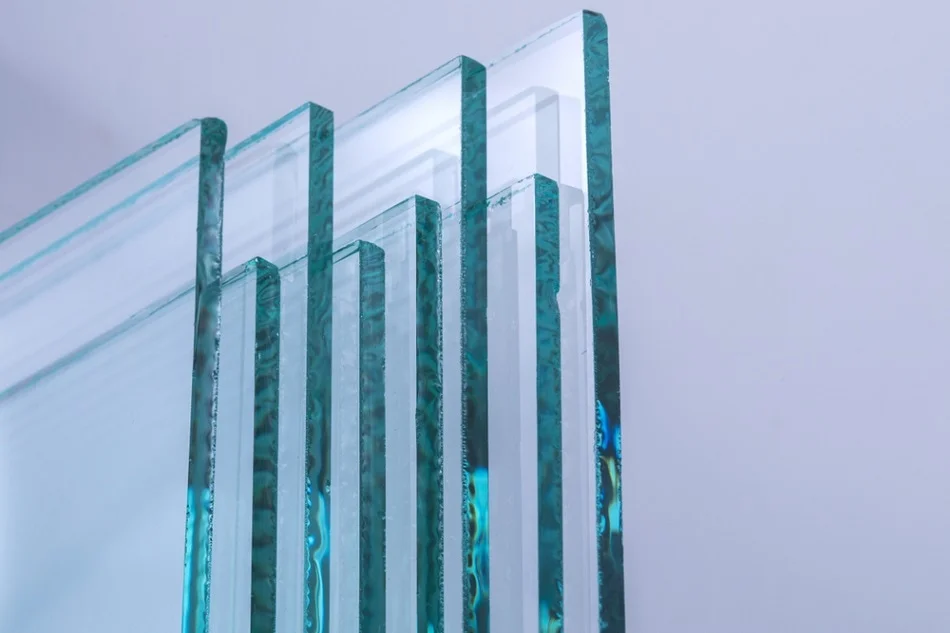
Float glass is the most basic and commonly used type of window glass.
It is made by floating molten glass on a bed of molten metal, creating a smooth, flat surface.
This process makes it easy to manufacture and relatively inexpensive, making float glass a cost-effective option for many window installations.
While float glass is budget-friendly, it lacks the insulation benefits of modern window types like double or triple-pane glass, making it less energy-efficient.
As a result, it’s commonly found in older homes or single-pane windows, but it’s not ideal for those seeking long-term energy savings or better insulation.
2. Laminated Glass
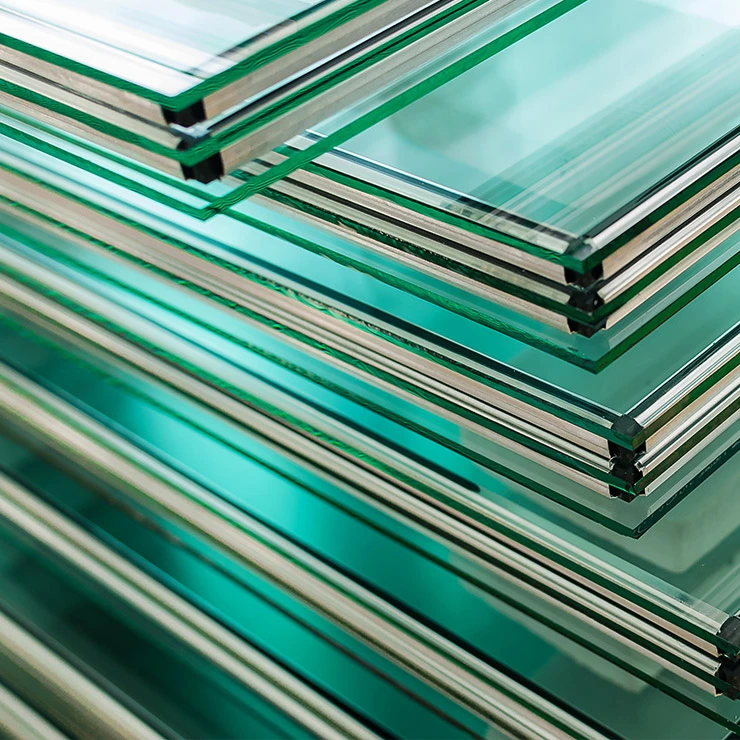
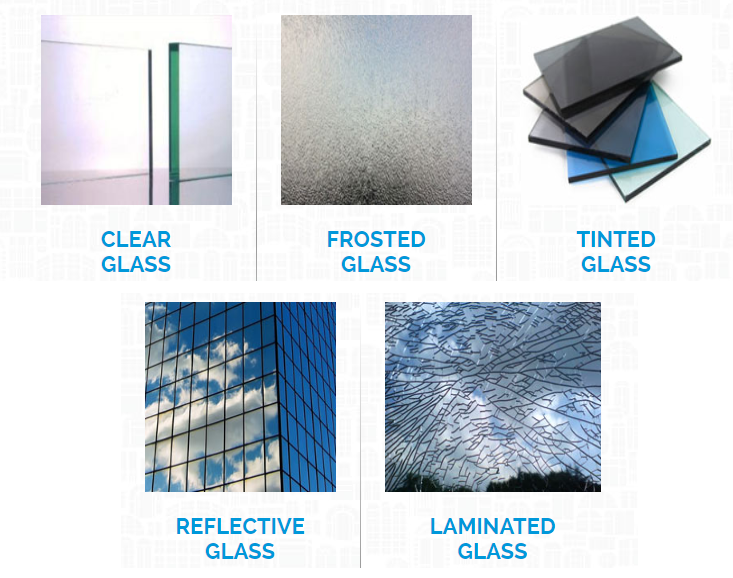
Laminated glass is a type of safety glass made by bonding two or more layers of glass together with a plastic interlayer, typically made of polyvinyl butyral (PVB).
This design adds strength and durability, making laminated glass ideal for windows where security and safety are a priority.
One of the key advantages of laminated glass is its ability to stay intact when broken.
Unlike traditional glass, which shatters into sharp, dangerous pieces, laminated glass cracks but remains in place due to the plastic interlayer.
This feature makes it a popular choice for applications such as patio doors, skylights, and windows in high-traffic areas.
Additionally, laminated glass offers excellent sound reduction and UV protection, enhancing both safety and comfort.
3. Obscured Glass
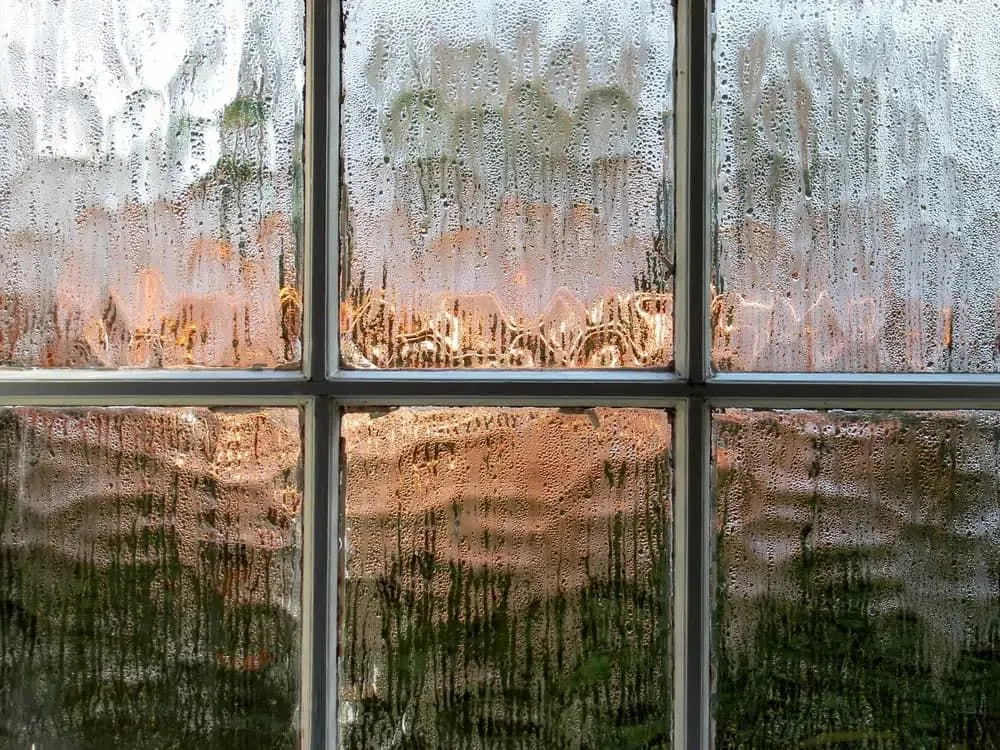
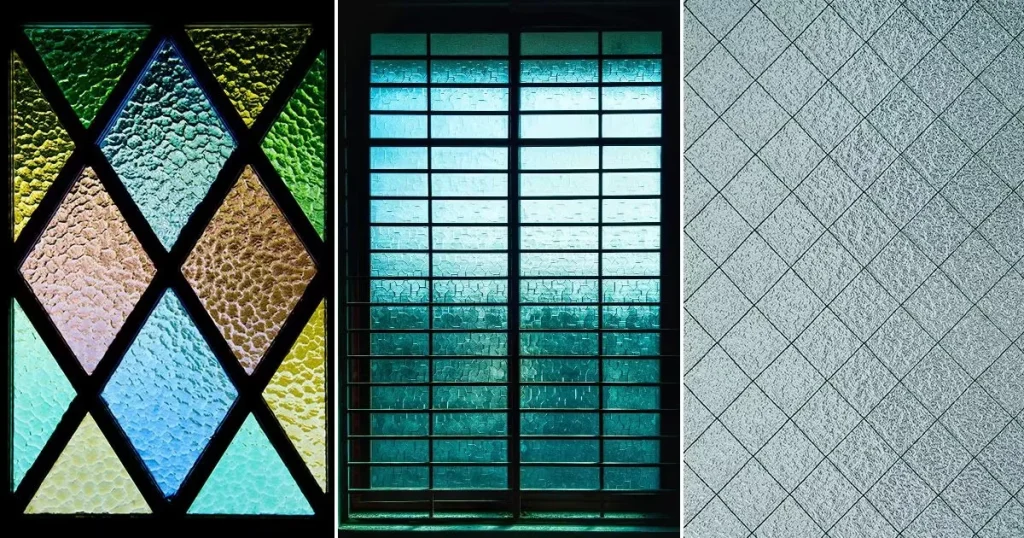
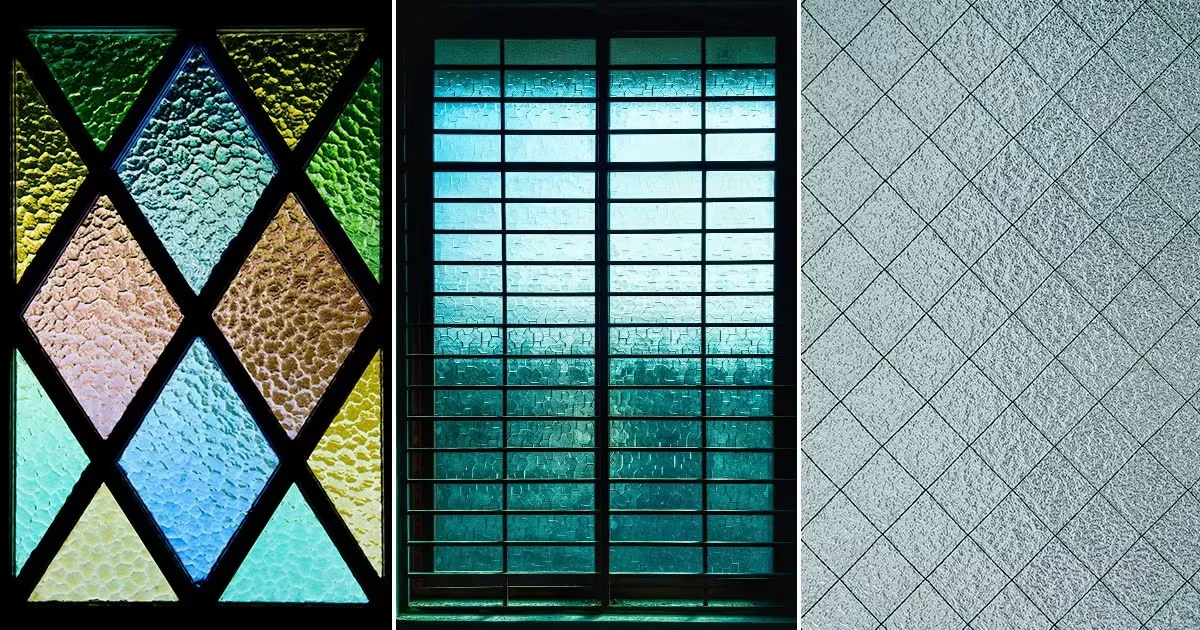
Obscured glass is specifically designed to enhance privacy while still allowing natural light to enter a space.
This type of glass is typically etched, frosted, or patterned, which prevents clear visibility through the window.
Obscured glass is commonly used in bathrooms, bedrooms, and other private areas where maintaining privacy is essential.
It provides a subtle balance of privacy and light, making it a practical choice for spaces where you want to block the view from outside without sacrificing daylight.
It’s available in various patterns and textures, offering both functionality and aesthetic appeal.
4. Tempered Glass
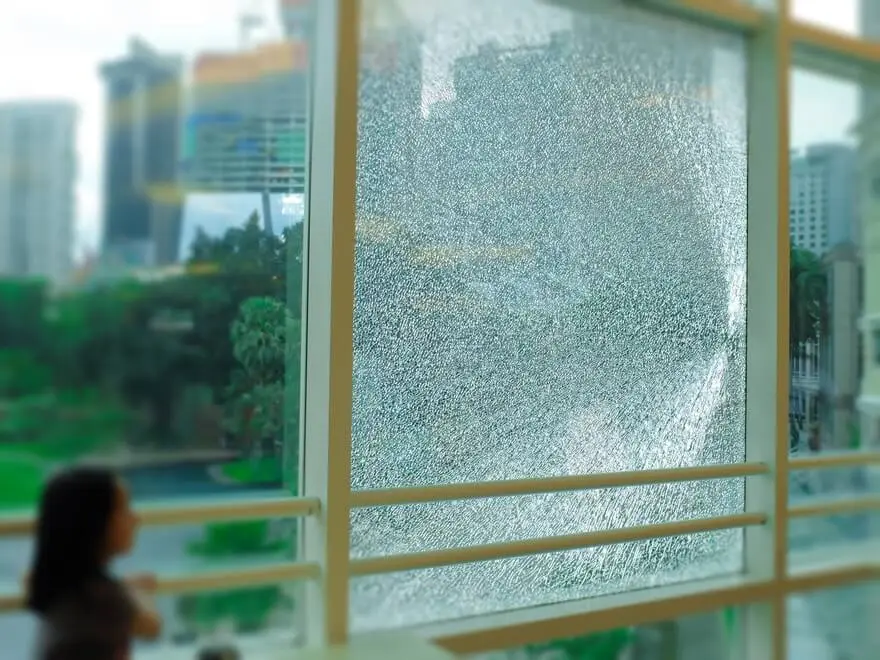
Tempered glass is a type of safety glass that is heat-treated to increase its strength and resistance to impact.
It is much stronger than regular glass and can withstand higher levels of stress.
When it does break, it shatters into small, round pieces, significantly reducing the risk of injury compared to traditional glass, which tends to break into sharp shards.
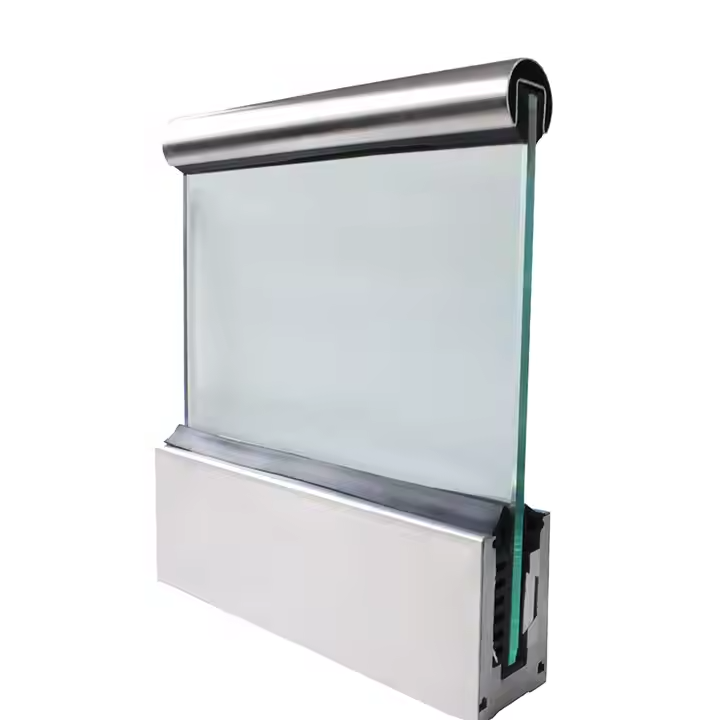
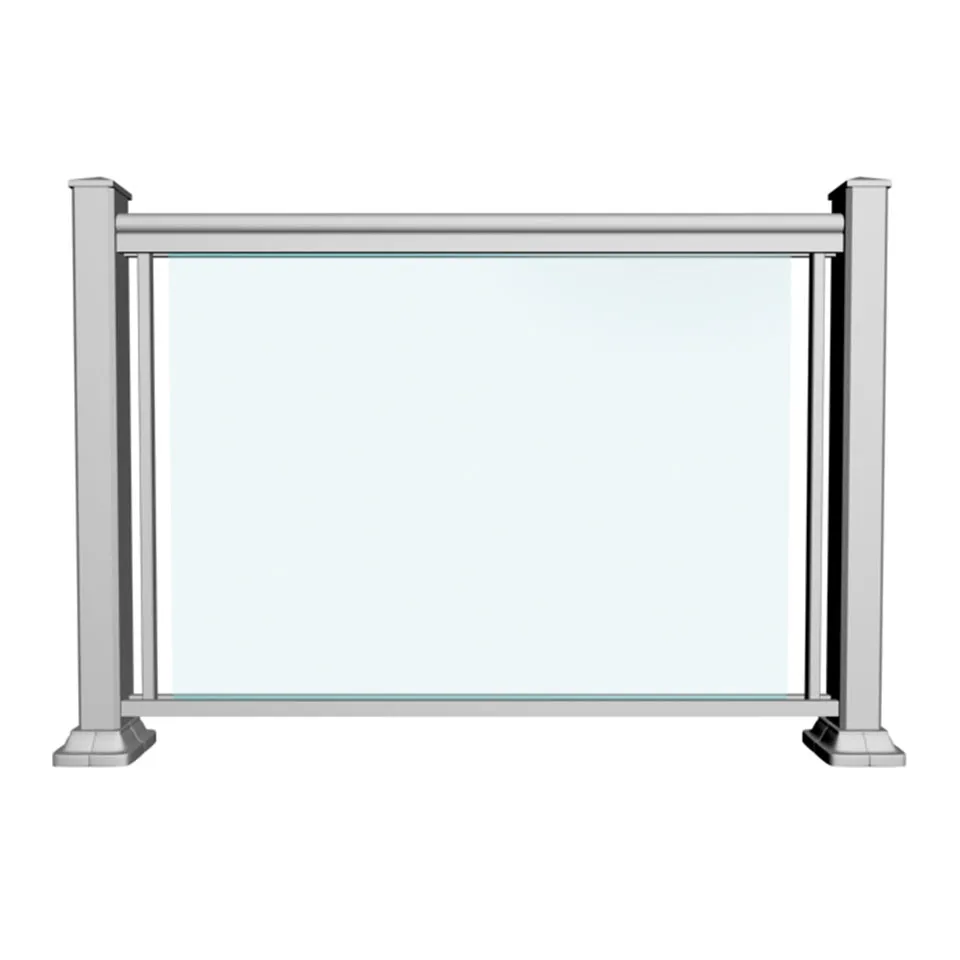
This type of glass is commonly used in high-traffic areas or places where glass breakage could pose a safety hazard, such as shower doors, windows near doors, and glass railings.
Its durability and safety features make it a popular choice in both residential and commercial buildings where safety is a top priority.
5. Insulated Glass
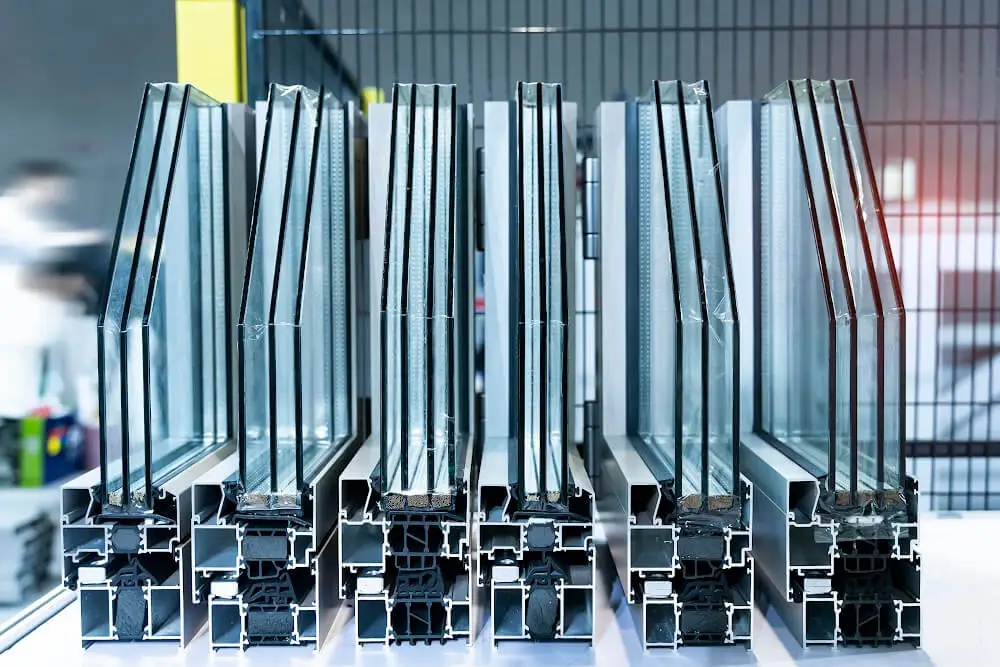
Insulated glass is made up of two or more panes of glass separated by an air or gas-filled space, such as argon or krypton.
This construction significantly improves the insulation properties of the window, reducing heat loss and enhancing energy efficiency.
The space between the panes acts as a barrier to prevent heat transfer, keeping homes warmer in winter and cooler in summer.
For homeowners seeking long-term savings on energy bills, insulated glass is a smart choice.
6. Low-E Glass
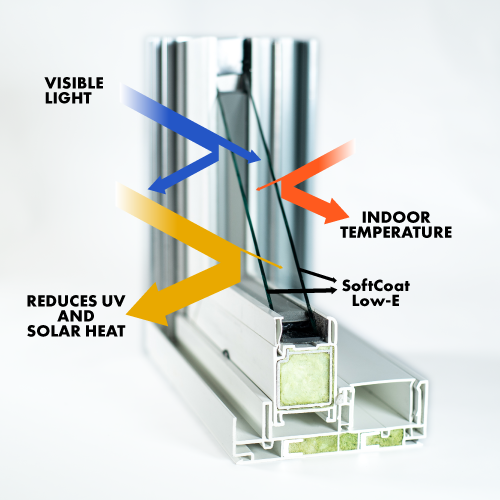
Low-E (low-emissivity) glass features a special coating that reflects infrared and ultraviolet (UV) light, helping to regulate indoor temperatures.
This coating keeps heat inside during the winter and blocks excess heat from the sun during the summer, making it an excellent choice for improving energy efficiency.
By reducing the amount of heat transfer, Low-E glass helps maintain a comfortable indoor environment while also protecting furniture and flooring from UV damage.
It’s ideal for homeowners looking to optimize temperature control and reduce energy costs while still allowing natural light to enter the home.
7. Tinted Glass
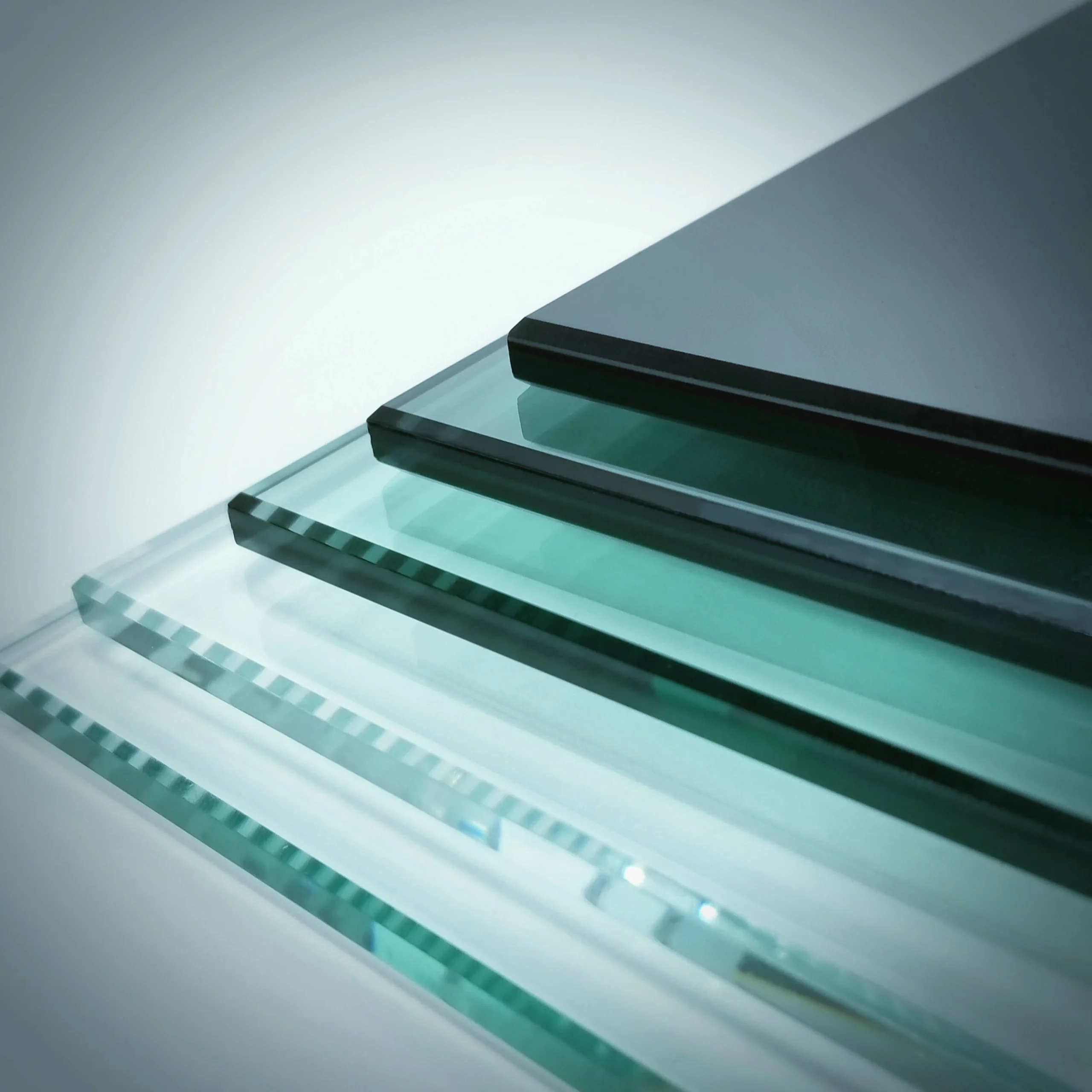
Tinted glass is designed to reduce sunlight, glare, and heat absorption, making it perfect for sunny climates.
The glass is treated with a special tint that helps to control the amount of light entering a room, reducing glare and providing better comfort indoors.
In addition to enhancing privacy, tinted glass can also improve energy efficiency by blocking excess solar heat.
It is especially beneficial for areas with high sun exposure, helping to keep interiors cooler while reducing the need for air conditioning.
Tinted glass is available in various shades, allowing homeowners to choose the right level of light reduction for their space.
8. Sound Control Glass
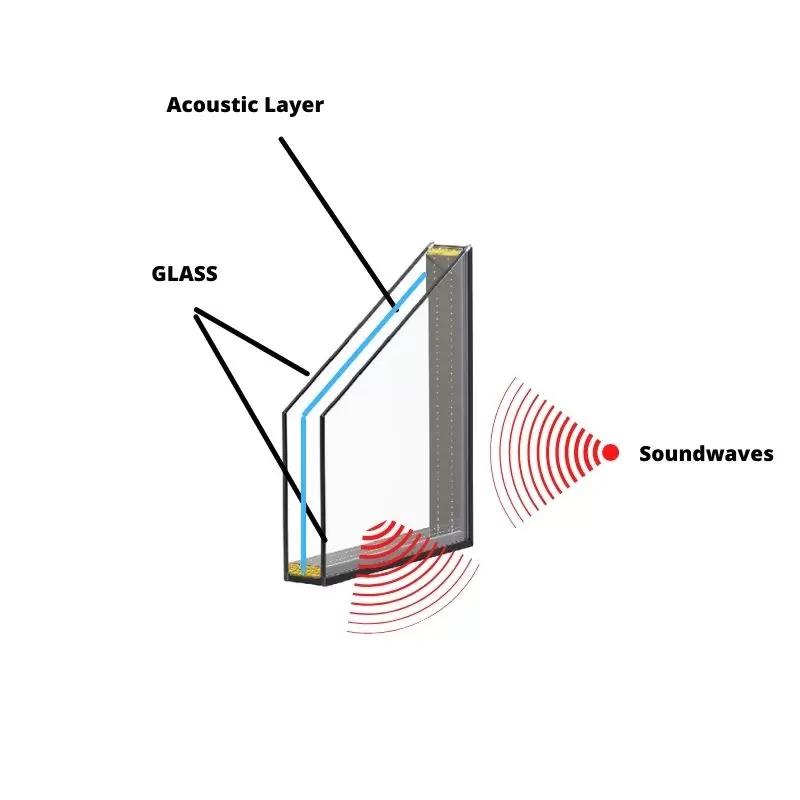
Sound control glass is specifically designed to reduce external noise, making it an ideal choice for homes located in noisy environments.
This type of glass is made with varying thicknesses or a special acoustic interlayer that helps block sound waves, providing a quieter and more peaceful indoor environment.
Perfect for homes near busy streets, airports, or other noisy areas, sound control glass improves comfort by minimizing the disturbance from outside noise.
9. Impact-Resistant Glass
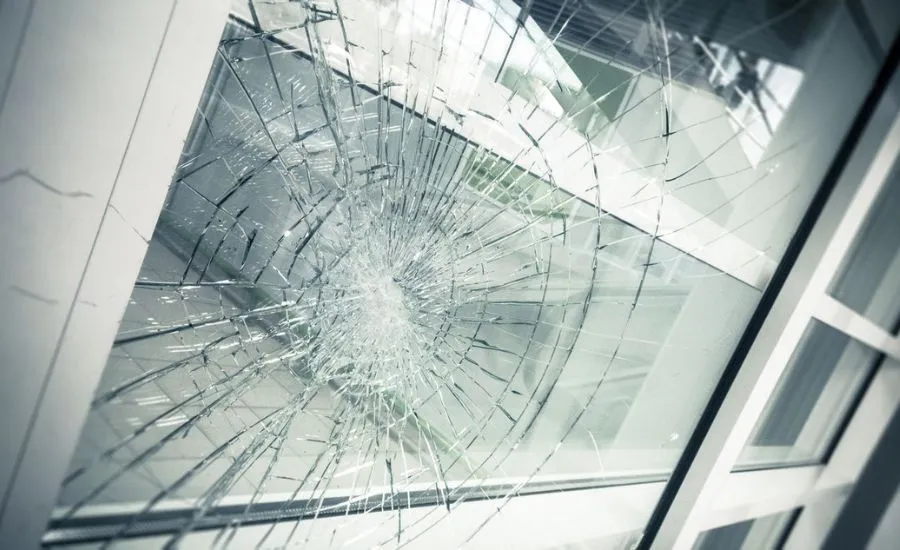
Impact-resistant glass is designed to withstand extreme weather conditions and high-security risks, making it an ideal choice for areas prone to hurricanes, storms, or break-ins.
This glass consists of multiple layers, including a tough polymer interlayer that holds the glass together even if it is shattered, reducing the risk of injury and property damage.
Impact-resistant glass provides superior protection while also reducing noise and increasing energy efficiency.
10. High Altitude Glass

High-altitude glass is specially engineered for homes located at high elevations, where pressure differences can affect the performance of standard insulating glass units.
This type of glass prevents pressure build-up that can cause seal failures, making it ideal for mountain homes or areas with high-altitude conditions.
By ensuring the integrity of the window’s insulation, high altitude glass maintains energy efficiency and comfort even in extreme conditions, providing a reliable solution for homes at higher elevations.
Compare Different Types of Window Glass