











#1. Storefront Window Systems

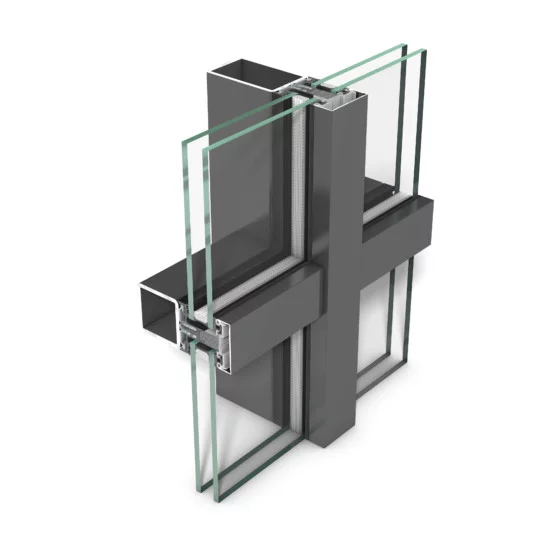
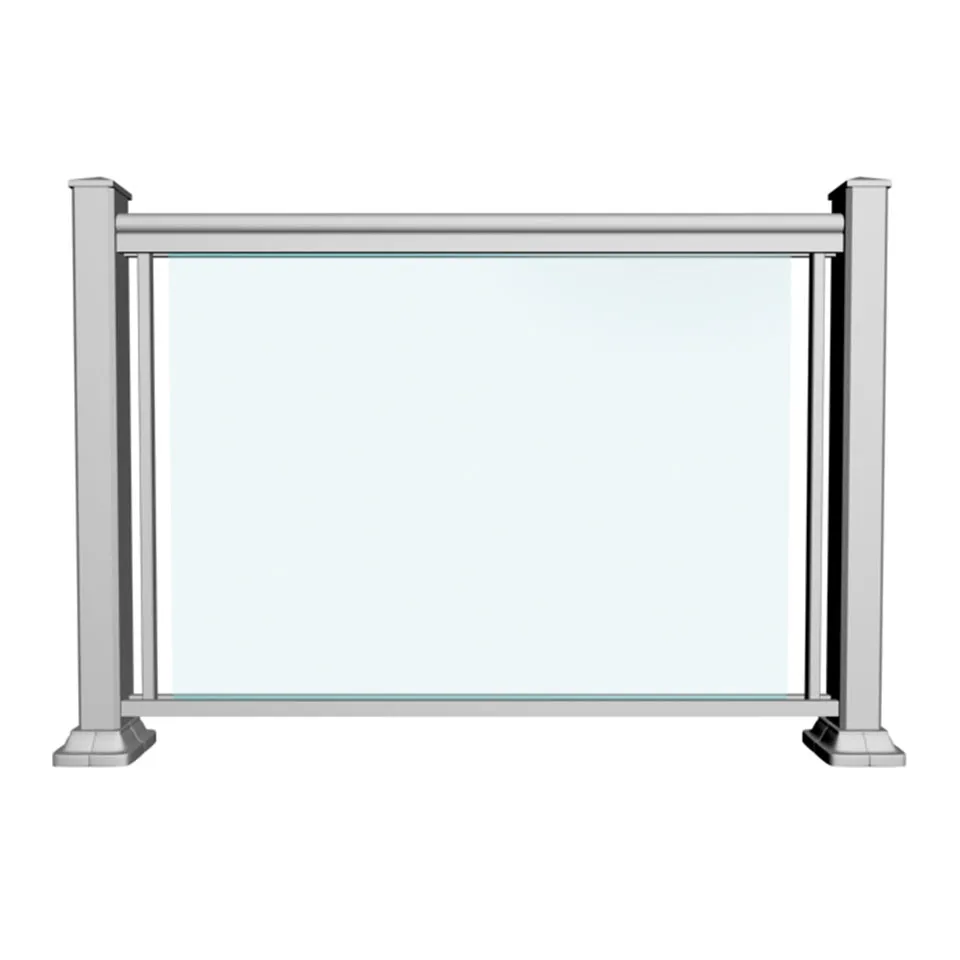
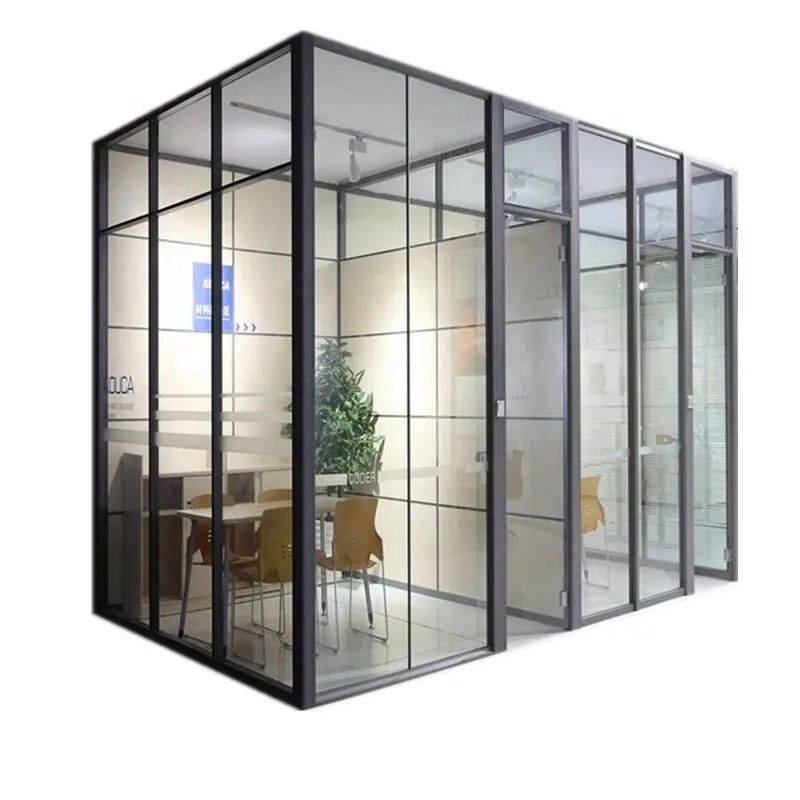
Storefront window systems feature large glass panels held within aluminum frames, usually installed at ground level. You’ll often see them at retail shops and office entrances where visibility matters most.
The biggest advantage of storefront windows is how they connect businesses with people outside. Clear glass draws attention, showcases products, and makes spaces feel open and welcoming. Aluminum framing keeps the structure slim, durable, and modern.
Typical uses include:
Retail shops and showrooms
Building lobbies and reception areas
Commercial entrances and street-facing offices
Because they balance strength with clean design, storefront systems are a go-to choice for customer-focused spaces.
#2. Curtain Wall Systems

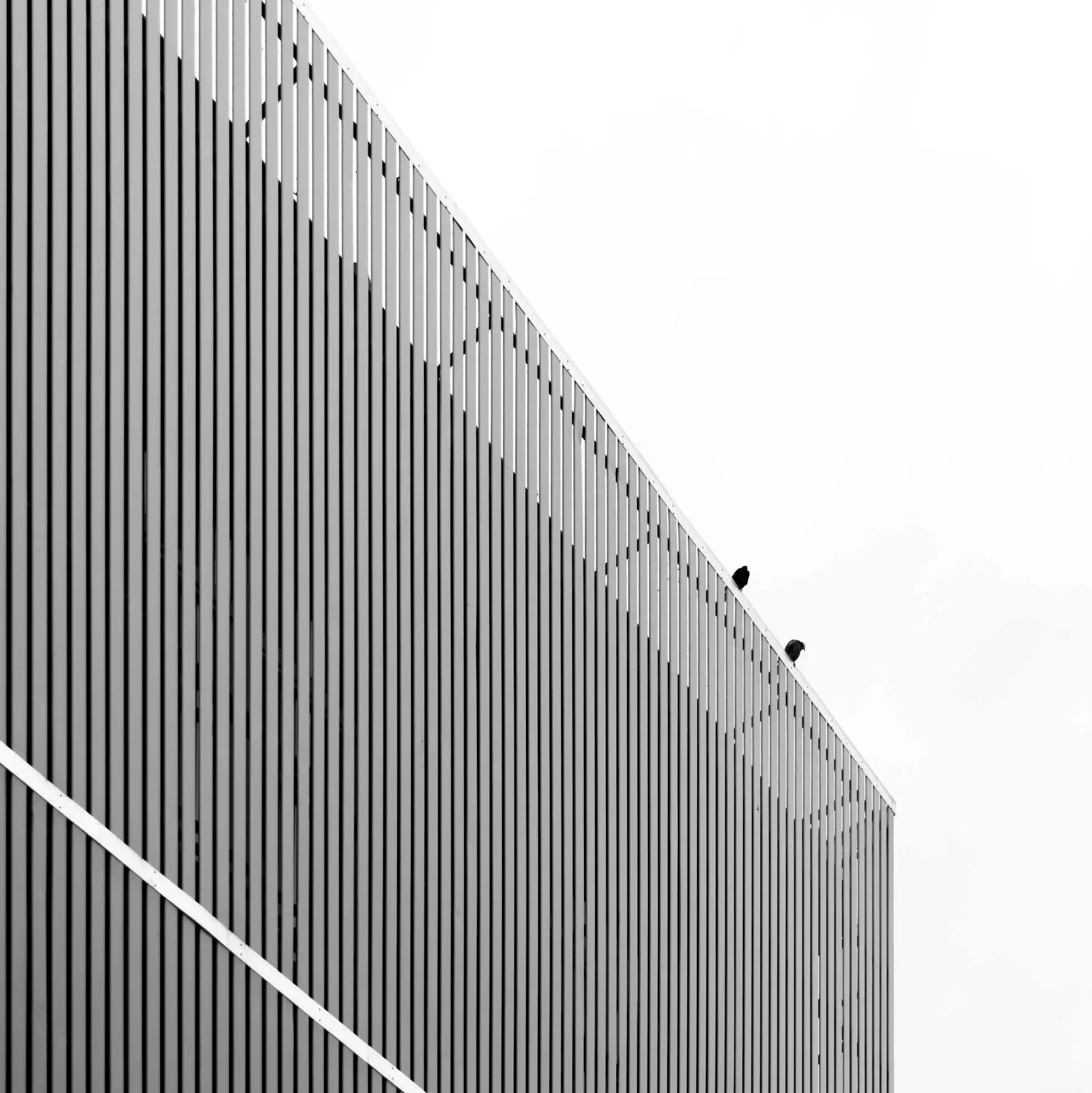
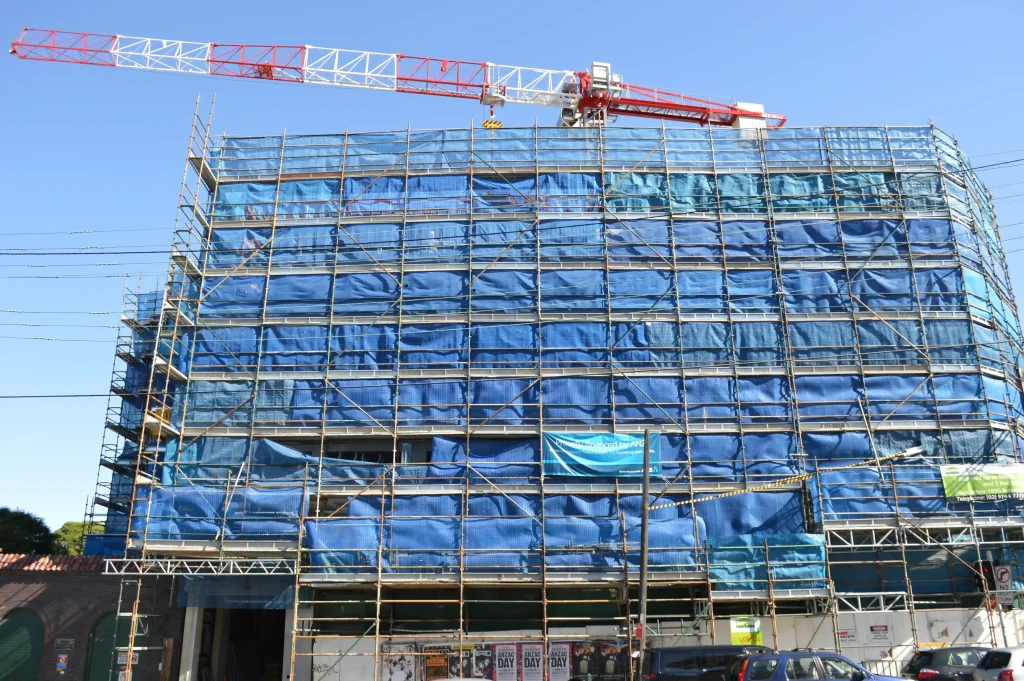
Curtain wall systems are non-load-bearing glass façades that wrap around mid- to high-rise buildings. Unlike traditional walls, they hang from the building’s structure rather than supporting it.
These systems create a sleek, contemporary exterior while allowing plenty of natural light inside. Modern curtain walls also offer strong thermal performance when paired with insulated and Low-E glass.
Common applications include:
Office towers
Hotels and resorts
Large commercial or corporate campuses
Curtain walls are ideal when architectural impact, daylight, and performance all matter.
#3. Window Walls

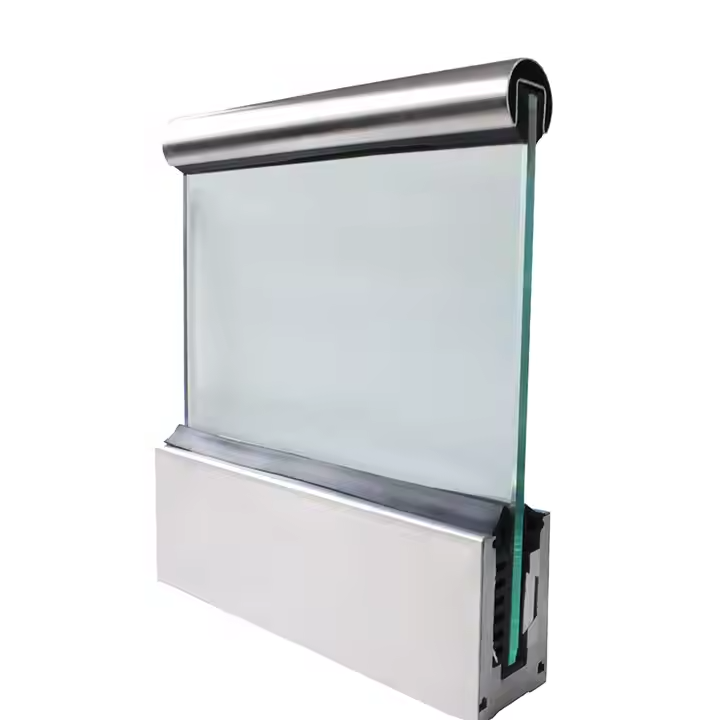
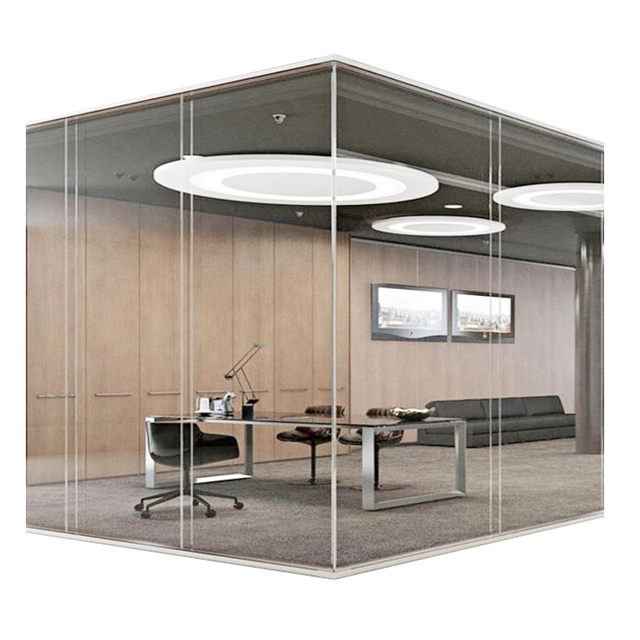
Window walls are floor-to-ceiling window systems installed between floor slabs. They look similar to curtain walls but are typically used on any level and often integrate more directly with the building’s structure.
Compared to curtain walls, window walls can be more flexible and cost-effective for certain projects. They still deliver a clean, modern appearance while maximizing daylight.
Key benefits include:
Bright interiors with panoramic views
Strong visual connection between indoors and outdoors
Modern façade design without full curtain wall complexity
Window walls are popular in offices, hotels, and mixed-use buildings.
#4. Fixed Windows

Fixed windows are non-operable windows designed purely to bring in light and showcase views. Since they don’t open, they focus on clarity, insulation, and visual impact.
These windows are perfect in spaces where ventilation isn’t needed but natural light is still important.
Common use cases include:
Building lobbies
Hallways and corridors
Stairwells and feature walls
Fixed windows are often combined with operable windows elsewhere in the building to balance light, efficiency, and airflow.
Operable Window Types Used in Commercial Buildings
Operable windows play an important role in commercial buildings by providing ventilation, comfort, and flexibility. While fixed glazing is common, many projects still rely on operable window types to improve airflow and occupant wellbeing.
#5. Casement Windows

Casement windows are side-hinged windows that swing open outward, similar to a door. They open wide, allowing fresh air to flow directly into the space.
These windows are popular in office buildings, schools, and healthcare facilities, where controlled ventilation is important. Casement windows also seal tightly when closed, helping improve energy efficiency and reduce drafts.
#6. Sliding Windows

Sliding windows operate by moving horizontally along a track. They are simple to use and don’t require extra space to swing open.
In commercial buildings, sliding windows are often used in break rooms, mid-rise offices, and mixed-use developments. Their clean lines suit modern designs, and they work well where exterior space is limited.
#7. Awning and Hopper Windows
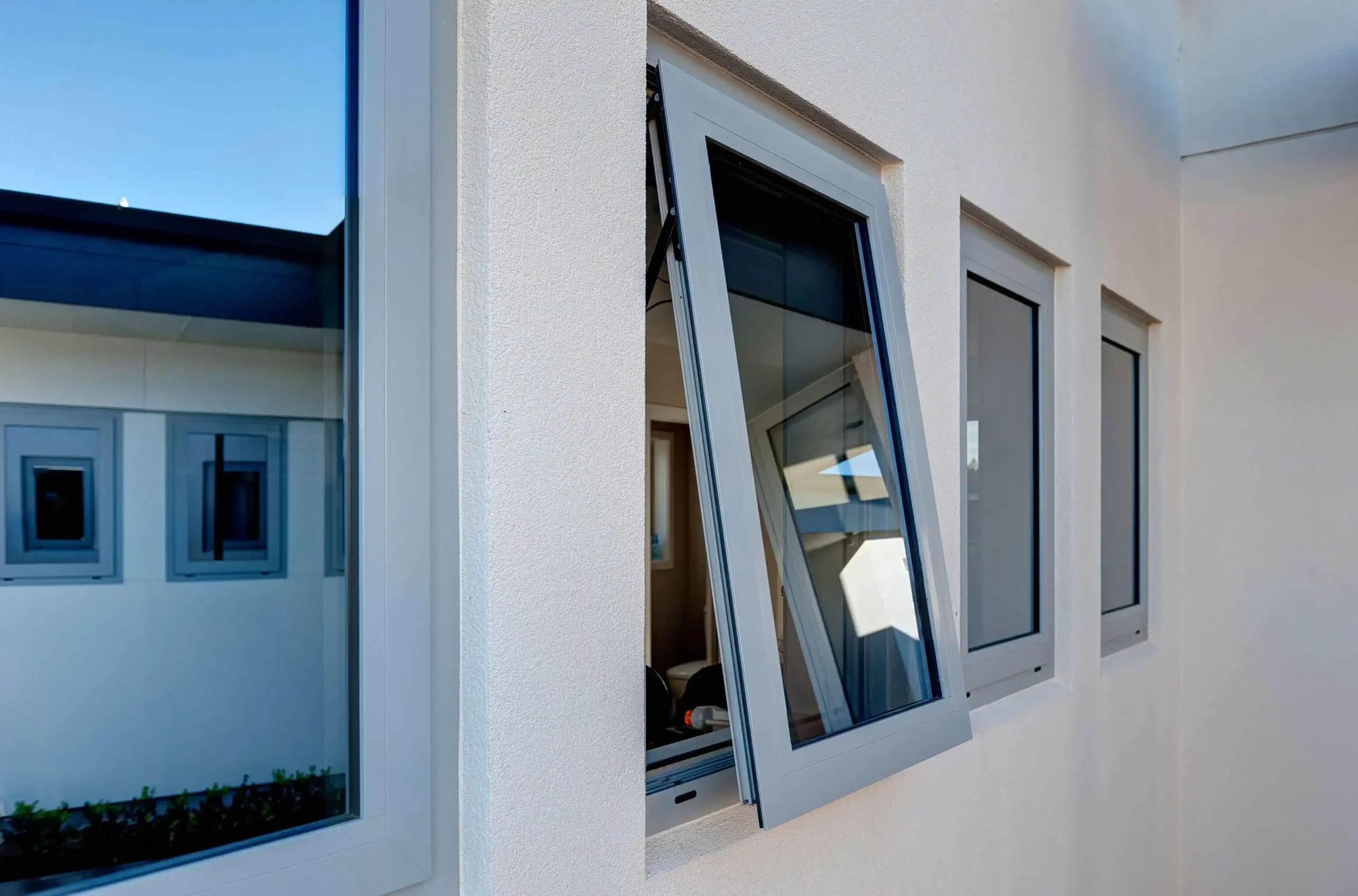
Awning and hopper windows are compact operable options designed for specific needs.
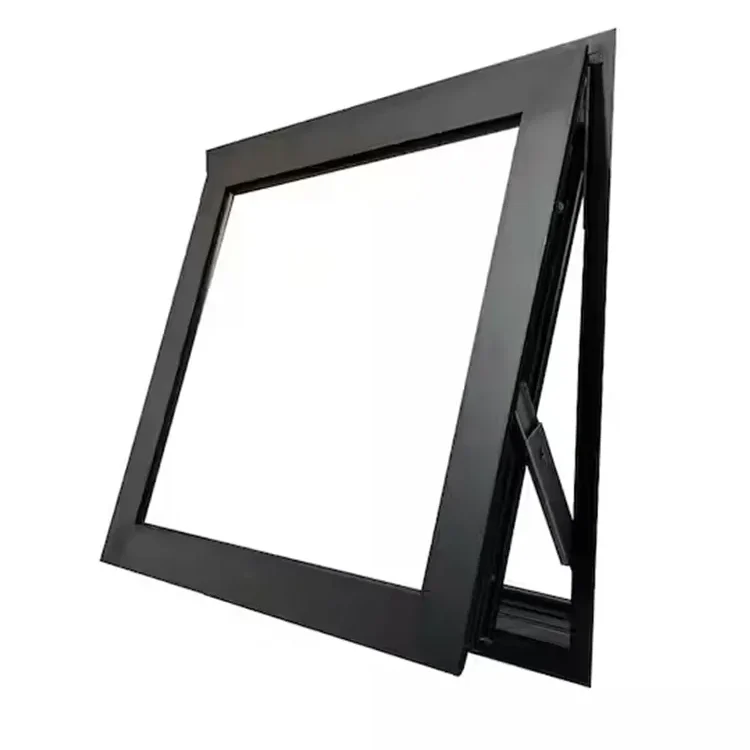
Awning windows are top-hinged and open outward, allowing ventilation even during light rain.
Hopper windows are bottom-hinged and open inward, commonly used in basements or utility areas.
These window types are frequently used in restrooms, stairwells, corridors, and service areas where airflow is needed without large openings.
#8. Single- and Double-Hung Windows
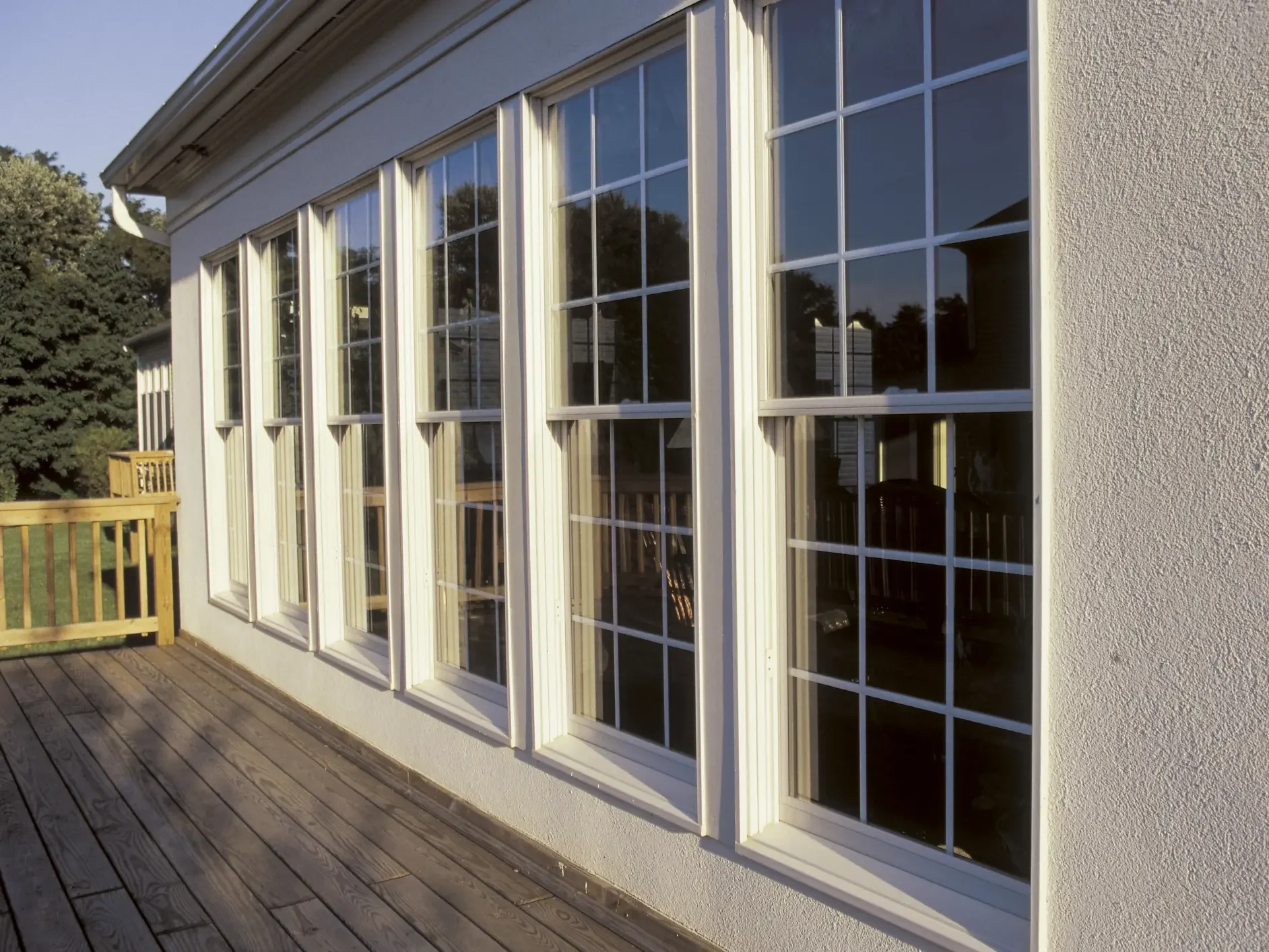
Single- and double-hung windows feature vertically sliding sashes.
Single-hung windows have one operable sash.
Double-hung windows allow both upper and lower sashes to open, improving ventilation control.
These windows are often seen in low- to mid-rise commercial buildings, especially where a more traditional appearance is desired or local codes allow their use.
Specialty and Custom Commercial Window Styles
Some commercial projects call for windows that go beyond standard layouts. Specialty and custom window styles help define a building’s character while still delivering light, visibility, and performance.
#9. Picture Windows

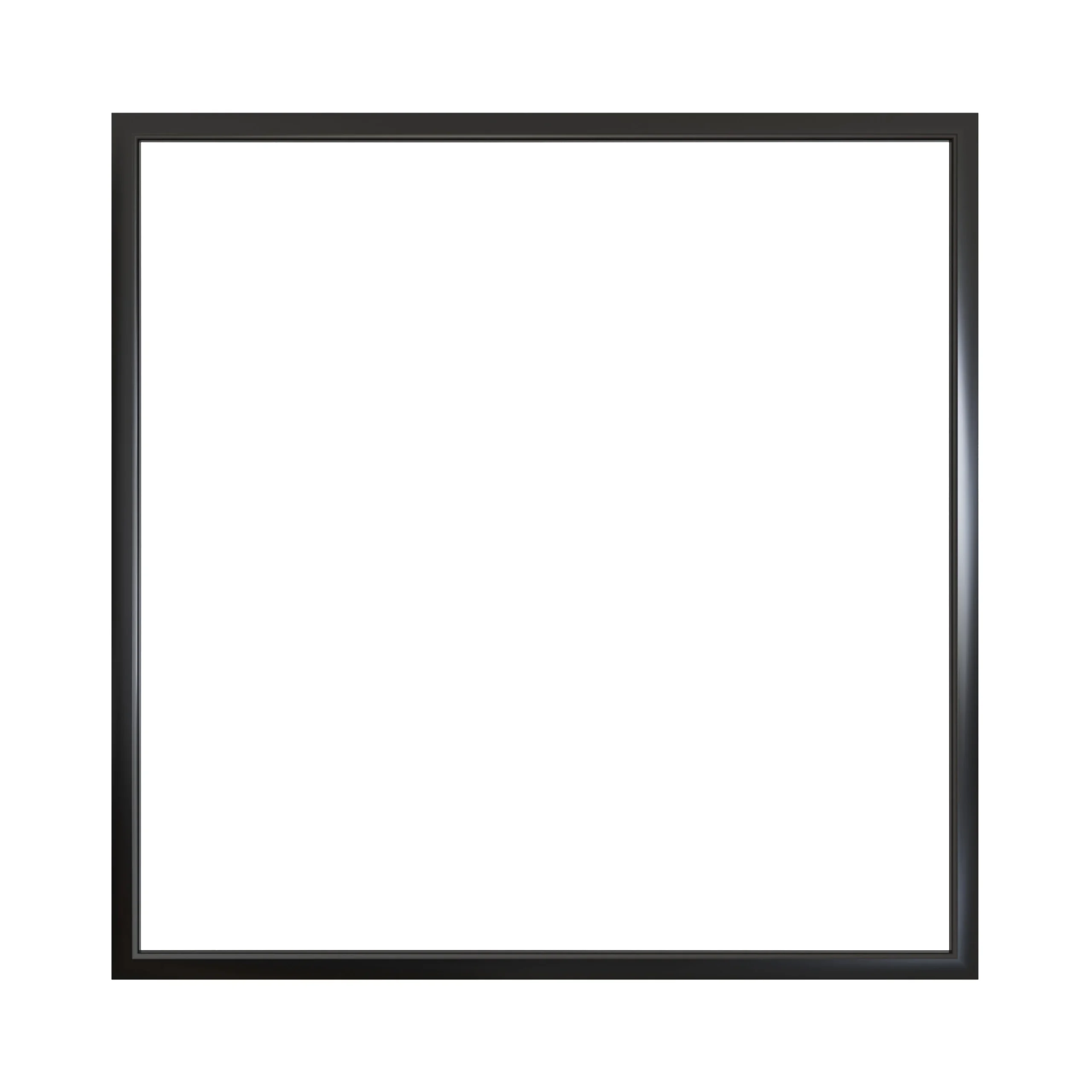
Picture windows are large, fixed glass panes designed to frame views and flood interiors with natural light. Because they don’t open, they offer excellent clarity and a clean, modern look.
They’re commonly used in lobbies, conference rooms, showrooms, and atriums where visibility and daylight matter more than ventilation.
#10. Bay and Bow Window Variants

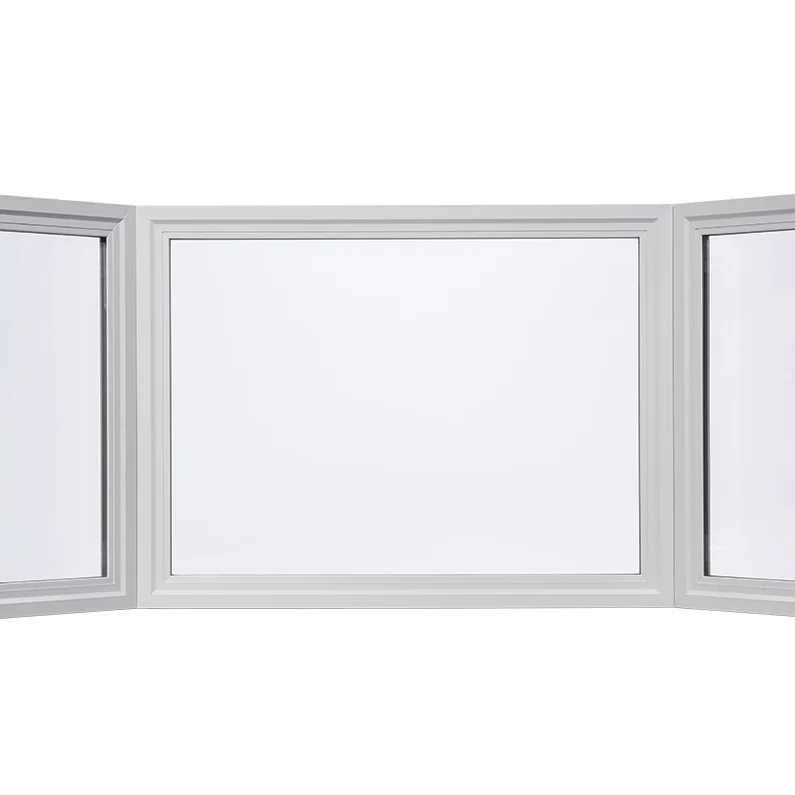
Bay and bow windows project outward from the building façade, creating depth and architectural interest.
In commercial settings, they’re often used in restaurants, hotels, and corner offices to expand views, add seating or display space, and soften rigid building lines.
#11. Ribbon Windows
Ribbon windows are long, horizontal bands of windows that stretch across a façade. This style is popular in modern and institutional architecture.
They provide even daylight distribution, a strong horizontal design statement, and a sleek, contemporary appearance—ideal for offices, schools, and modern commercial buildings.
Materials & Glazing Options

Choosing the right materials and glass is just as important as selecting the window type. In commercial buildings, performance, safety, and long-term durability always come first.
Aluminum frames are the most common choice for commercial windows. They are strong, lightweight, and resistant to corrosion, making them ideal for large glass areas, high-rise buildings, and modern designs. Slim aluminum profiles also support clean, professional aesthetics.
Glass types vary based on safety and performance needs:
Tempered glass: Heat-treated for strength and safety
Laminated glass: Holds together when broken, improving security
Impact-resistant glass: Designed for harsh weather and high-risk areas
Double or triple glazing: Improves insulation and noise reduction
Insulation & performance features such as Low-E coatings, gas fills, and high-performance glazing help reduce heat transfer, improve comfort, and lower energy costs—especially important for large commercial façades.
How to Choose the Right Window Type for Your Commercial Project
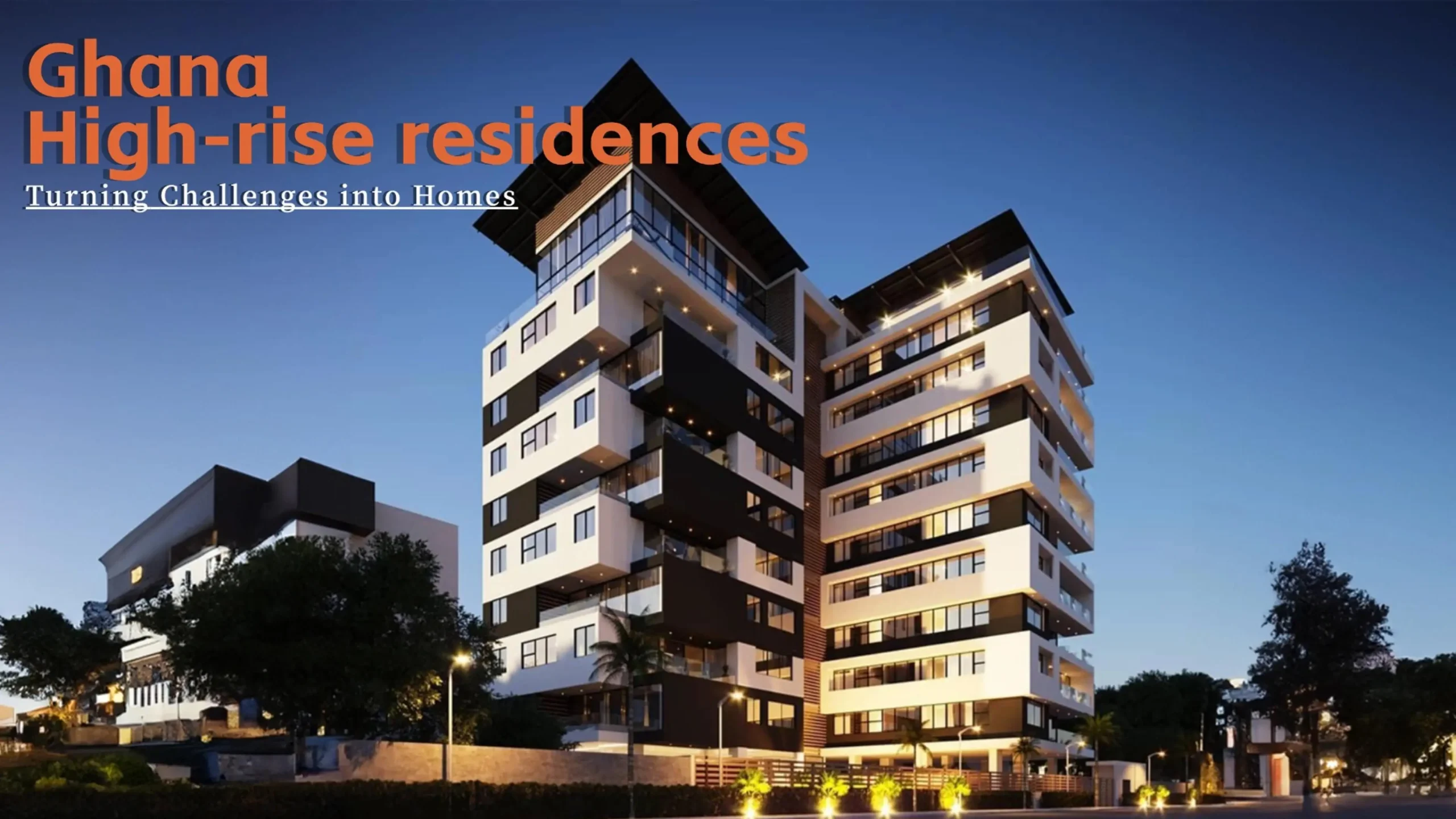
The best commercial window choice depends on how the building is used and where it’s located.
Building purpose: Retail, office, hotel, or industrial spaces have different needs
Daylight vs. ventilation: Fixed systems maximize light; operable windows improve airflow
Energy efficiency: Look for high-performance glazing and insulated frames
Safety & codes: Consider impact resistance, fire ratings, and local regulations
Design goals: Match window systems to the building’s architectural style
By balancing function, performance, and design, you can select commercial windows that enhance comfort, efficiency, and long-term value.
Ready to Choose the Right Commercial Windows? Contact Us
Selecting the right window system can impact your building’s performance, appearance, and long-term costs. Our team can help you choose the best materials, glazing, and designs for your commercial project.
Contact us today for expert advice and tailored commercial window solutions.
FAQs
What kind of windows are used in commercial buildings?
Commercial buildings use many window types including fixed, casement, sliding, single- and double-hung, awning, and hopper windows — chosen for visibility, ventilation, and design needs.
What type of glass is used in commercial buildings?
Commercial buildings commonly use tempered and laminated glass, often in double- or triple-glazed units, to improve safety, strength, insulation, and energy performance.
What are the types of windows in a building?
Common window types include fixed, casement, sliding, single-hung, double-hung, awning, hopper, and specialty styles like picture or bay windows, each serving unique functions and design goals.
How to determine window type?
Choose a window type by considering function (ventilation vs fixed light), space constraints, energy needs, building style, and safety requirements to match performance with design goals.