














Types of Commercial Exterior Doors

Choosing the right commercial exterior door depends on traffic flow, security needs, and how the building is used. Below are the most common types you’ll see in commercial spaces—and why they work so well.
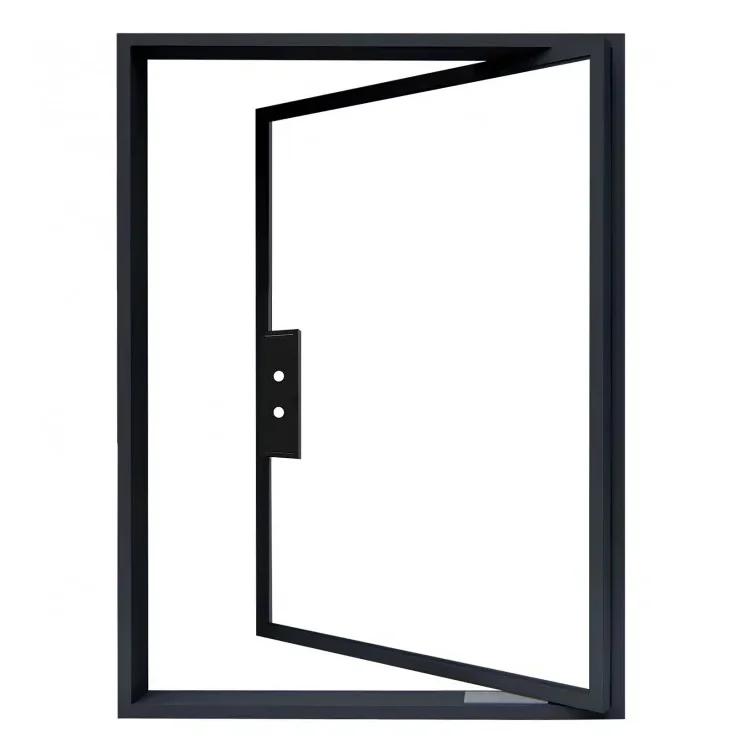
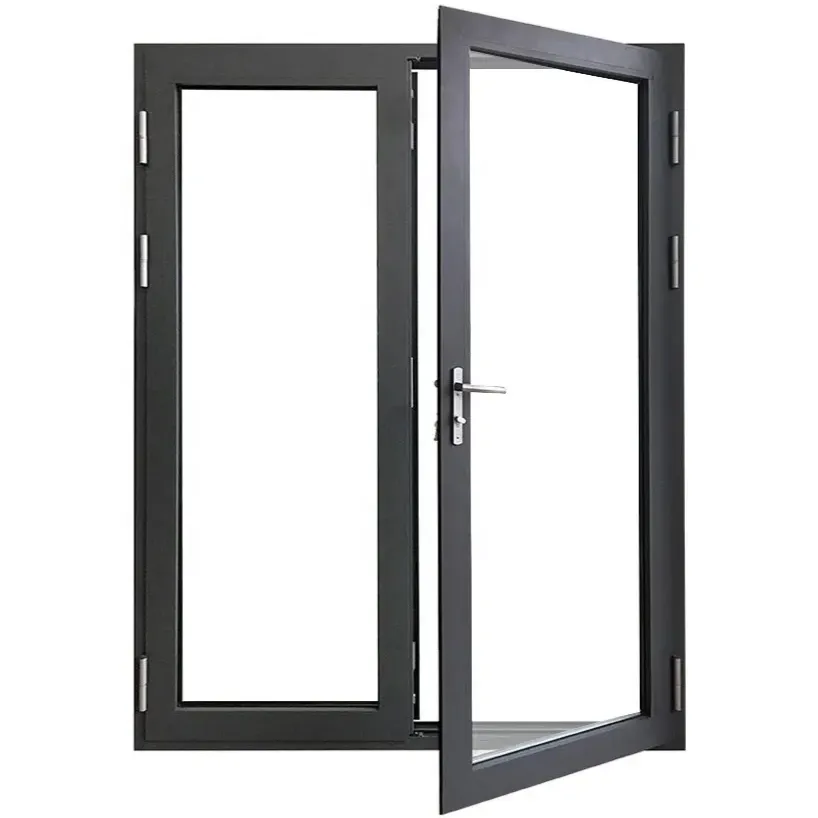
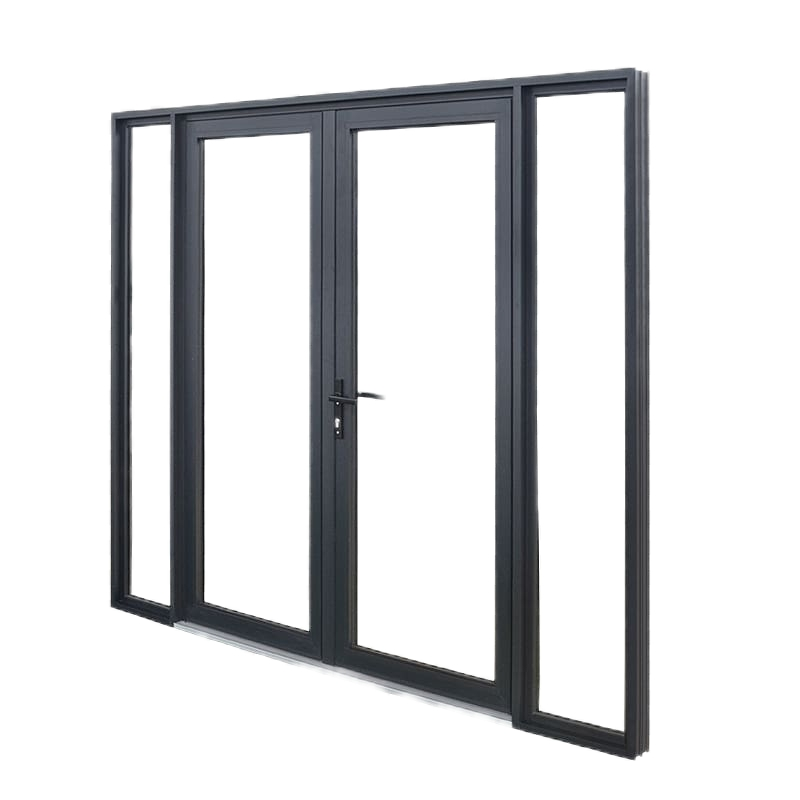
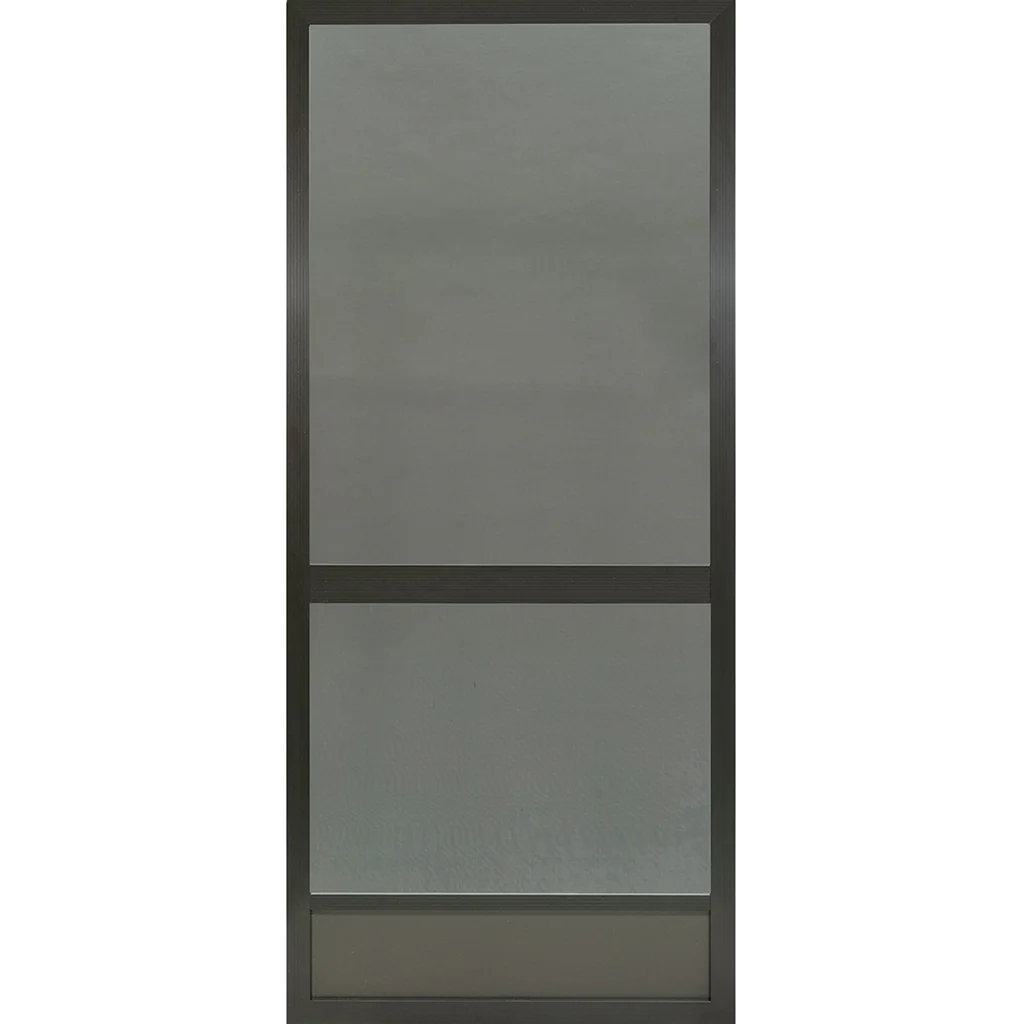
Hinged / Swing Doors

These are the most traditional commercial doors, opening inward or outward on hinges. They’re reliable, easy to install, and widely used for offices, schools, and small businesses where foot traffic is steady but controlled.
Automatic Sliding Doors

Designed for convenience and accessibility, automatic sliding doors are ideal for high-traffic areas like retail stores, hospitals, and airports. They improve flow, support ADA compliance, and create a welcoming entrance.
Revolving Doors

Revolving doors help manage large crowds while reducing air exchange between indoors and outdoors. That makes them energy-efficient options for hotels, office towers, and corporate buildings.
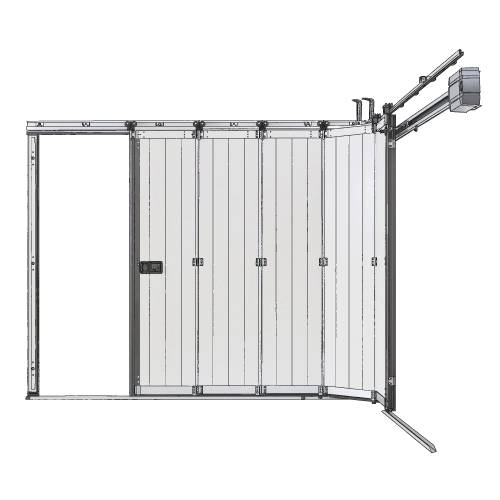
Roll-Up & Overhead Doors

Common in warehouses, garages, and loading docks, these doors lift vertically to save space. They’re built for durability and frequent use in industrial environments.
Fire-Rated Doors

Fire-rated doors are essential for safety and code compliance. They help contain fire and smoke, protecting occupants and property in emergencies.
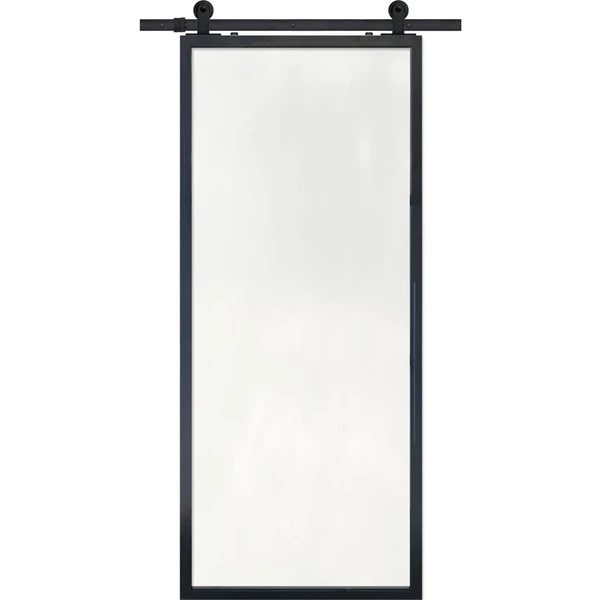
Glass Storefront Doors

These doors offer maximum visibility and a modern look. They’re popular in retail and commercial storefronts where natural light and curb appeal matter.
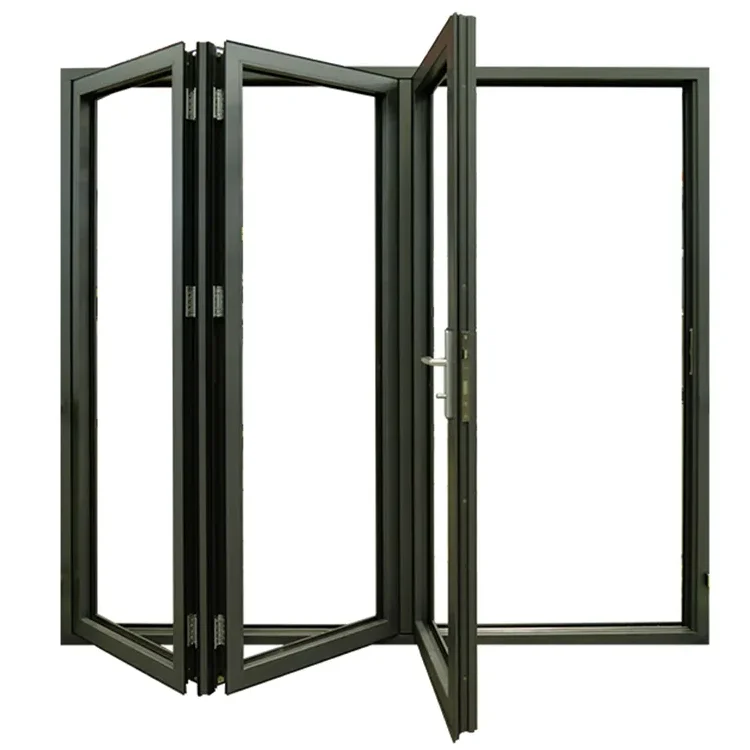
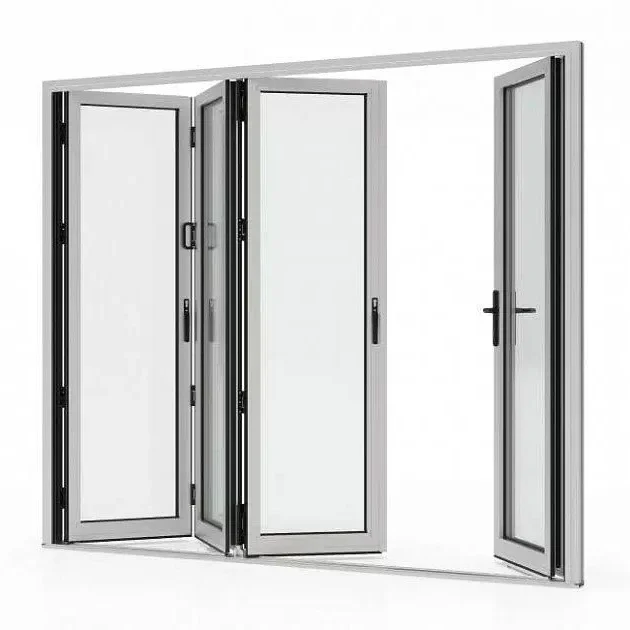
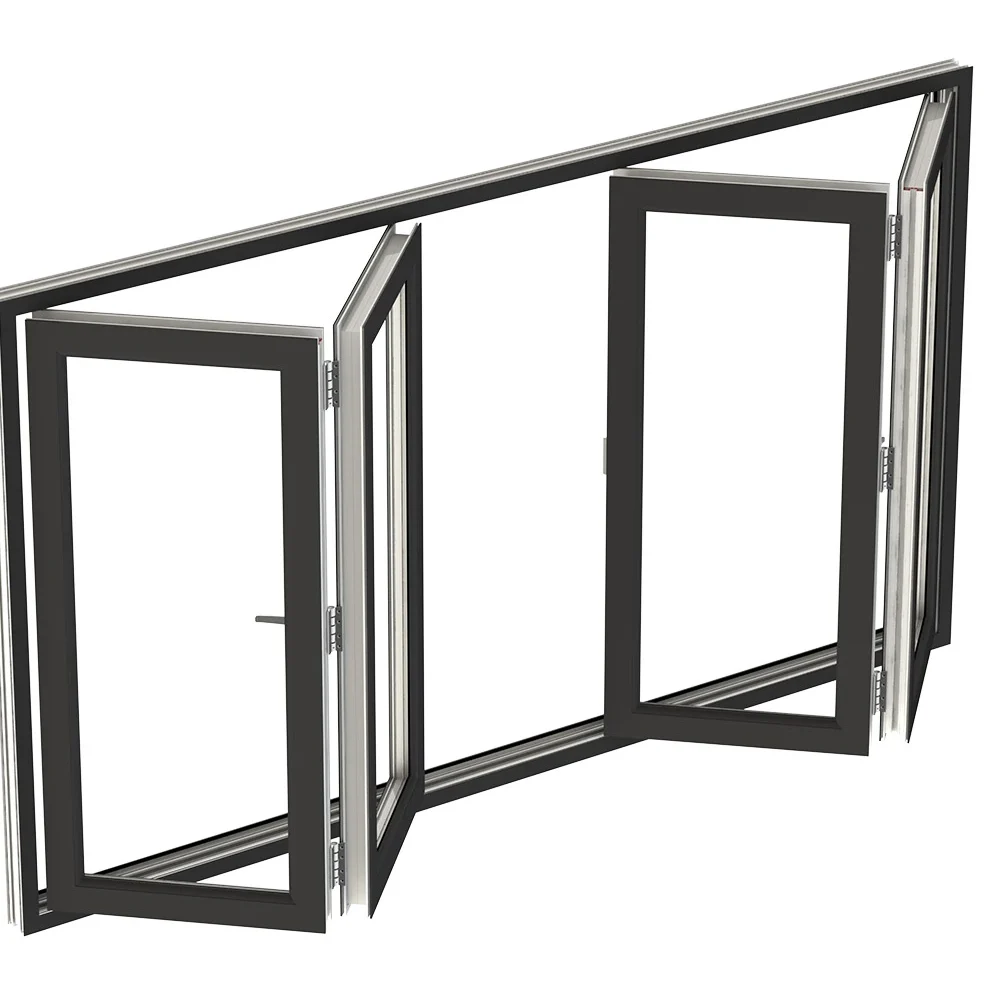
Folding & Specialty Doors

Folding and specialty doors create wide, flexible openings. They’re perfect for restaurants, event spaces, and mixed-use buildings that need adaptable layouts.
Each door type serves a specific purpose, so matching function with design is key to long-term performance and compliance.
Door Materials & Performance
The material you choose for a commercial exterior door affects security, durability, energy efficiency, and long-term maintenance. Here’s how the most common options compare.
Steel

Steel doors are the go-to choice for strength and security. They offer excellent fire resistance, resist forced entry, and hold up well in busy commercial environments. Many steel doors also include insulated cores for better thermal performance.
Aluminum

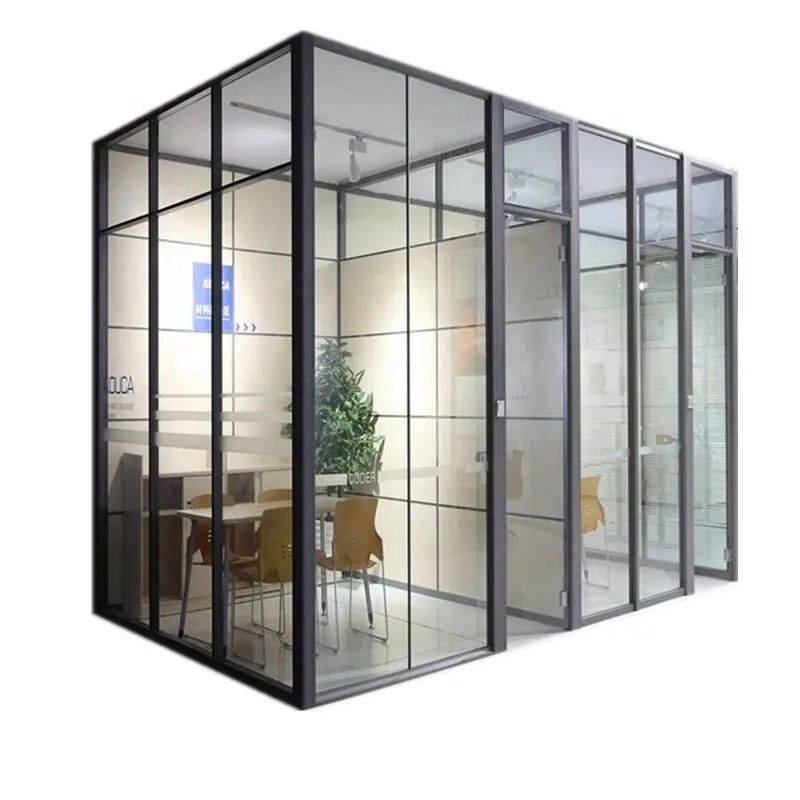
Aluminum doors are lightweight, corrosion-resistant, and ideal for modern storefronts and offices. They’re especially popular in coastal or humid areas where rust is a concern, and they pair well with large glass panels.
Glass & Glazed Doors

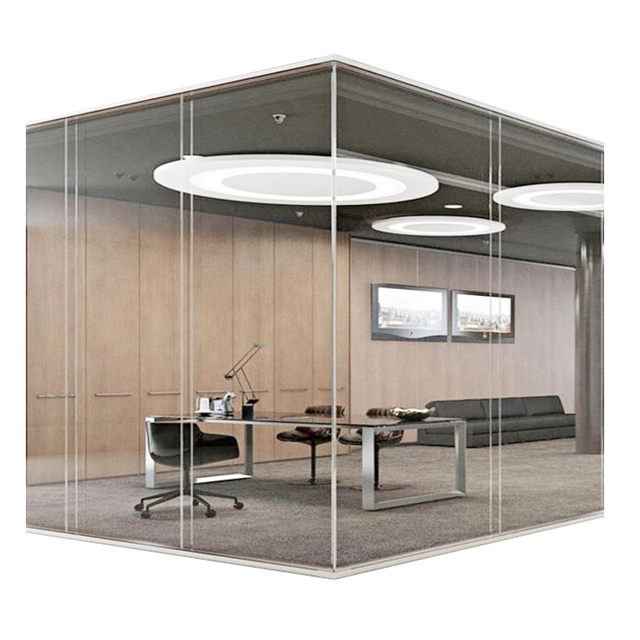
Glass doors create bright, welcoming entrances for retail and office buildings. Commercial versions use tempered or laminated safety glass to meet code requirements while maintaining visibility and style.
Wood & Composite
Wood and composite doors deliver a classic or upscale look often used in hospitality and historic buildings. Composites offer better stability and weather resistance than solid wood, with less maintenance.
Fiberglass

Fiberglass doors combine durability with low upkeep. They resist dents, moisture, and temperature changes, making them a smart option for demanding climates without sacrificing appearance.
Choosing the right material means balancing appearance, performance, and how the door will be used every day.
Commercial Door Frames & Hardware Essentials

A commercial door is only as strong as the frame and hardware that support it. These components work together to ensure safety, durability, and smooth daily operation.
Door Frames & Structural Integrity
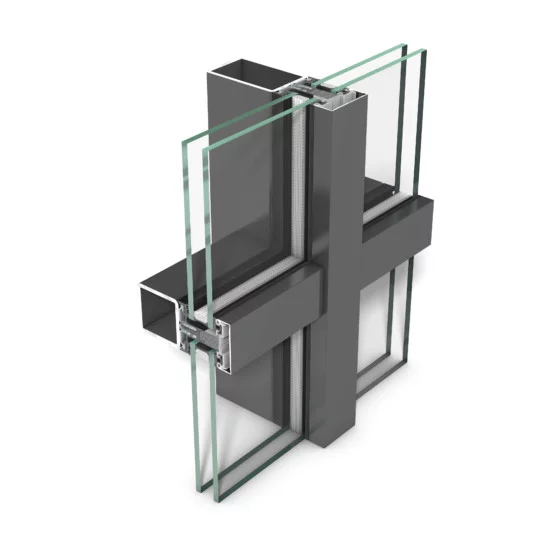
The frame anchors the door to the building and absorbs constant use, wind pressure, and impact. A properly sized and installed frame keeps the door aligned, helps maintain fire ratings, and prevents air or water leaks. Steel and aluminum frames are the most common choices for commercial buildings because they offer strength and long-term stability.
Essential Hardware Components
Hinges: Heavy-duty hinges support door weight and frequent use.
Door closers: Control closing speed, improve safety, and save energy.
Panic bars: Required on many exits to allow quick escape in emergencies.
Access control: Card readers, keypads, and smart locks manage entry and security.
Fire & Safety Ratings Explained

Fire-rated doors are critical in commercial buildings where life safety and code compliance matter.
What Fire Ratings Mean
Fire ratings show how long a door can resist fire—commonly 20, 45, 60, 90, or 180 minutes. These doors are required in stairwells, corridors, fire walls, and exit routes to slow fire spread and protect occupants.
Smoke Control & Egress
In addition to fire resistance, many doors are designed to limit smoke movement. Proper egress hardware ensures doors open easily during emergencies, guiding people safely out of the building.
Cost Guide & Budgeting
When planning for commercial exterior doors, cost is about more than just the door itself. Understanding what affects pricing helps you budget smarter and avoid surprises.
Typical Price Ranges
Basic commercial steel or aluminum doors often start in the lower range, while glass storefront, fire-rated, or automatic doors cost more due to materials and engineering. Custom sizes, specialty finishes, and advanced hardware can also increase the price.
What Impacts the Cost
Material: Steel and aluminum are generally more affordable than custom glass or wood.
Door type: Automatic, revolving, and fire-rated doors cost more than standard swing doors.
Hardware & systems: Closers, panic bars, and access control add to the total.
Installation: Professional installation ensures compliance and long-term performance, but adds labor costs.
Recommended Commercial Door Brands
Here are some trusted commercial exterior door manufacturers you can include in your article — ranging from full-service global leaders to specialized door systems ideal for business buildings.
1. Apro Windows & Doors

Apro is a global manufacturer of high-performance aluminum doors and windows, known for modern design and strong engineering. Their commercial door systems deliver durability and energy efficiency for project-based clients.
Founded: 2015
Headquarters: Guangzhou, China
Main Materials: Aluminum, tempered glass, thermal break profiles
Best For: Modern commercial buildings, custom configurations
2. ASSA ABLOY Entrance Systems

ASSA ABLOY is a major global brand offering a wide range of commercial door solutions, including storefront, automatic sliding, revolving, and security door systems. Their products are designed for high traffic, safety, and energy performance.
Founded: 1994 (ASSA ABLOY group since earlier)
Headquarters: Stockholm, Sweden
Main Materials: Steel, aluminum, glass systems
Best For: Retail entrances, office buildings, airports
3. Wayne Dalton Commercial Doors

Wayne Dalton is a respected name for commercial doors that balance strength and performance. Their lineup includes sectional, rolling, and high-performance doors suited for industrial and commercial use.
Founded: Mid-20th century
Headquarters: USA
Main Materials: Steel, aluminum, insulated panels
Best For: Warehouses, large-opening commercial spaces
4. C.H.I. Commercial Doors

C.H.I. commercial door systems are known for reliability, strong construction, and long-term value. With options for security, efficiency, and aesthetic appeal, they’re a solid choice for business properties.
Founded: 1980s
Headquarters: USA
Main Materials: Steel, aluminum, composite
Best For: High-traffic commercial entrances, industrial settings
5. Kawneer (Architectural Systems)

Kawneer is a leading architectural aluminum manufacturer offering commercial doors and framing systems. Their products are widely used in commercial construction for schools, offices, stadiums, and healthcare facilities.
Founded: 1906
Headquarters: Norcross, Georgia, USA
Main Materials: Architectural aluminum systems
Best For: Commercial office buildings, institutional projects
6. CDF Doors & Frames

CDF is a respected supplier offering a broad range of commercial doors, frames, and hardware, including hollow metal, storefront, and fire-rated options. They’re known for fast quotes, customization, and quality products.
Founded: (Distributor brand)
Headquarters: USA
Main Materials: Steel, wood, aluminum, hardware systems
Best For: Quick procurement, custom door & frame packages
How to Choose the Right Commercial Door Supplier

Choosing the right commercial door supplier is just as important as choosing the door itself. A reliable supplier helps ensure safety, performance, and long-term value for your project.
Industry experience: Look for suppliers with proven experience in commercial and project-based work, not just residential sales.
Product range: A good supplier should offer multiple door types, materials, and sizes to match different building needs.
Code compliance knowledge: Make sure they understand local building codes, fire ratings, and ADA requirements.
Customization ability: Commercial projects often need custom sizes, finishes, or hardware—flexibility matters.
Quality certifications: Check for tested products, certifications, and consistent manufacturing standards.
Installation support: Suppliers who provide technical guidance or installation assistance reduce costly mistakes.
After-sales service: Reliable warranties, spare parts, and responsive support protect your investment.
A trusted commercial door supplier doesn’t just sell products—they help your project run smoothly from planning to long-term use.
Ready to Find the Right Commercial Door Solution?
Whether you’re planning a new build or upgrading an existing property, choosing the right commercial exterior door makes all the difference. Our team is here to help you select the best materials, configurations, and compliant solutions for your project.
Contact us today to get expert guidance, custom options, and reliable support from planning through installation.