













What Are Commercial Storefront Windows?

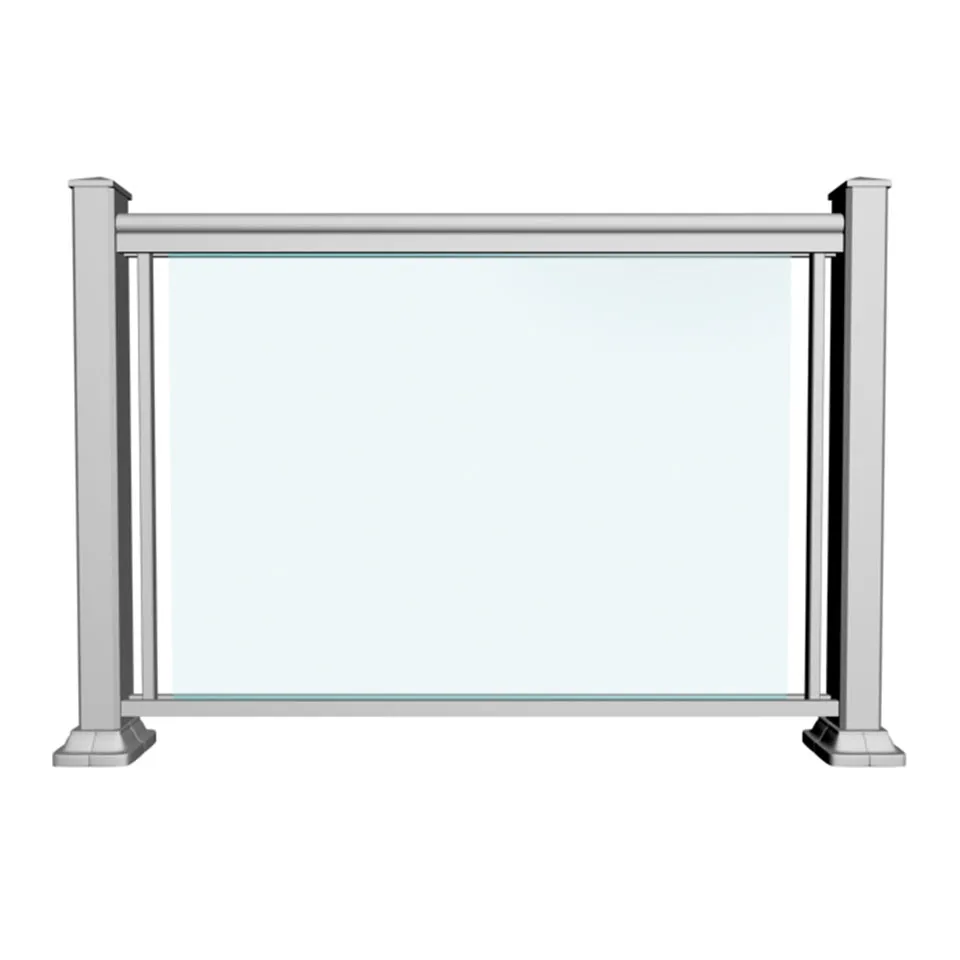
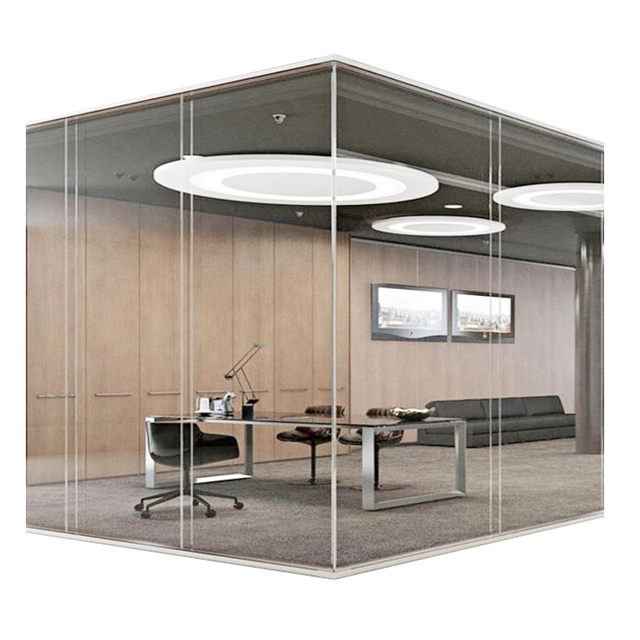
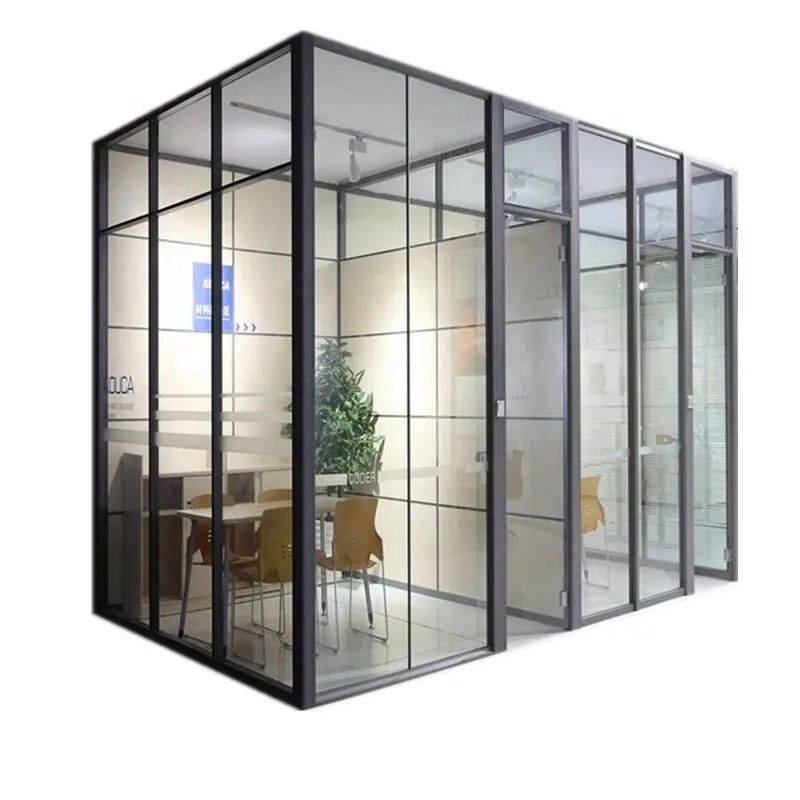
Commercial storefront windows are the large glass systems you see at ground level of shops, restaurants, offices, and retail buildings. They’re designed to showcase products, bring in natural light, and create a strong first impression for customers.
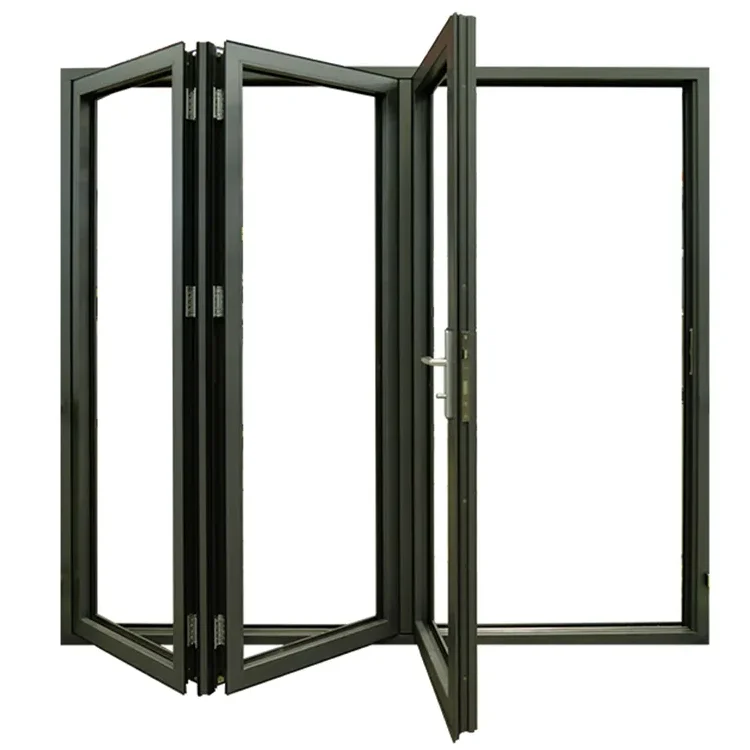
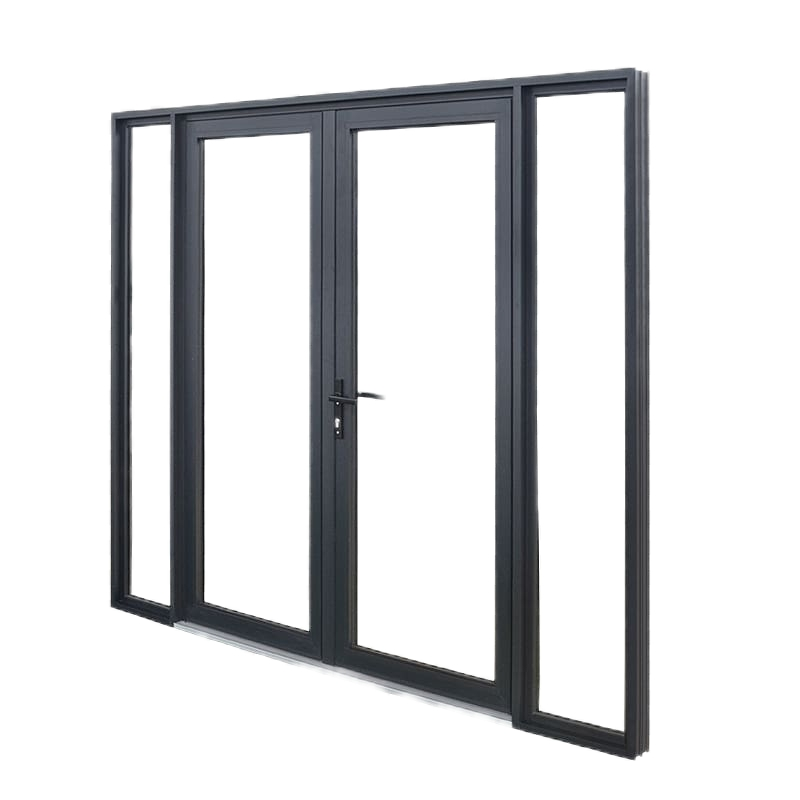
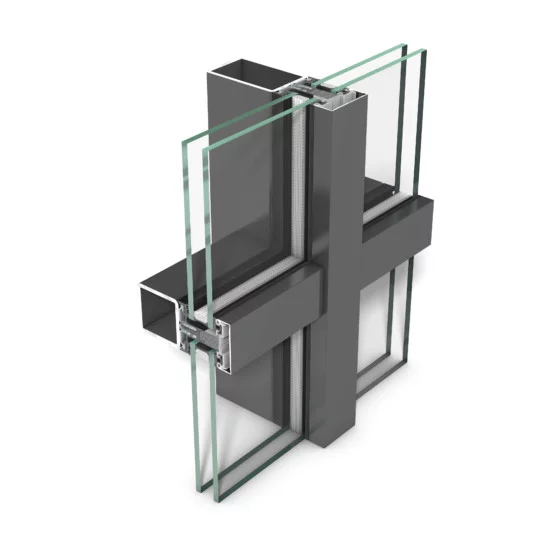
Unlike residential windows, storefront windows are built for commercial use. They usually combine large glass panels, aluminum frames, and integrated entry doors into one system. These systems must meet stricter building codes for safety, durability, and accessibility, which is why their cost structure is different from standard windows.
In simple terms:
commercial storefront windows are bigger, stronger, and more customizable, and their pricing reflects that.
Typical Cost Ranges (Updated 2026)

Commercial storefront window costs vary widely depending on size, materials, and installation complexity. Below are the most common pricing models you’ll see in real projects.
Per Unit Pricing
Most standard storefront window units fall within this range:
$500–$3,000 per window unit
This usually applies to:
Smaller glass panels
Standard aluminum framing
Basic tempered safety glass
Lower-cost units are often used in simple retail layouts, while higher-priced units include thicker glass, custom sizing, or added safety features.
Per Square Foot / Metre (Installed)
For larger projects, pricing is often calculated by area:
$50–$150 per square foot installed
(≈ $540–$1,600 per square metre)
This price typically includes:
Glass panels
Framing materials
Labor and installation
Costs move toward the higher end when projects involve tall glazing, structural modifications, or premium glass options like laminated or insulated units.
Complete Storefront Systems
For most small to mid-size businesses, the total project cost looks like this:
$5,000–$20,000+ per storefront system
This usually covers:
Multiple glass panels
Entry doors
Framing
Professional installation
Larger commercial buildings or high-end retail stores can exceed this range, especially with custom designs or energy-efficient upgrades.
Regional Price Examples (US vs UK / Europe)

Location plays a big role in storefront window costs due to labor rates and regulations.
United States:
Generally mid-range pricing, with labor costs varying by state and city.United Kingdom:
Often slightly higher overall, especially in London, due to labor and compliance costs.Europe:
Prices vary by country, but energy-efficient glass and strict building standards can push costs higher than US averages.
If you’re budgeting internationally, always factor in local codes, labor rates, and material availability.
Key Cost Drivers Explained
If you’ve seen wildly different quotes for commercial storefront windows, you’re not alone. Prices vary because storefront systems are built from multiple choices, and each one affects cost in a real way. Let’s break it down so you know exactly what you’re paying for—and why.
a. Glass Type & Specifications

Glass is usually the largest cost factor in a storefront window system.
Tempered glass
This is the most common option. It’s heat-treated to improve strength and safety. When it breaks, it shatters into small pieces instead of sharp shards, which meets basic commercial safety codes and keeps costs lower.
Laminated glass
Laminated glass includes a plastic interlayer that holds the glass together if it breaks. It costs more but offers better security, sound control, and impact resistance, making it popular for storefronts in busy or high-risk areas.
Insulated glass (IGUs)
Insulated glass units use two or more panes with air or gas between them. They improve energy efficiency and comfort, but add material and manufacturing costs.
Thickness & coatings
Thicker glass costs more due to added material and handling. Low-E coatings, UV protection, and tinted finishes also increase price—but they can reduce long-term energy bills.
b. Frame Materials

The frame supports the entire system, so material choice matters for both cost and lifespan.
Aluminium (most common)
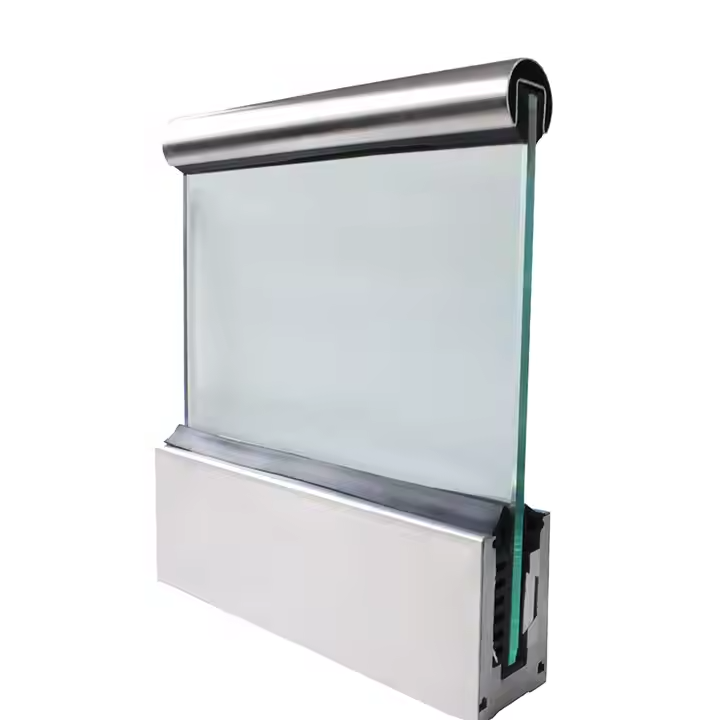
Aluminum frames are affordable, lightweight, and corrosion-resistant. They require minimal maintenance and work well for most commercial storefronts. This is usually the most cost-effective option.
Timber
Wood frames offer a premium look but require regular maintenance. They cost more upfront and may not suit all climates or high-traffic commercial settings.
Steel
Steel frames are strong and visually striking, often used in modern or industrial designs. They’re durable but heavier and more expensive, increasing both material and installation costs.
In general, aluminum remains the best balance of cost, durability, and performance for most projects.
c. Size & Complexity

Bigger storefront windows don’t just use more glass—they require more planning and labor.
Larger panels increase material costs
Taller systems may need structural reinforcement
More glass means more handling and installation time
Custom features also raise costs:
Curved or angled glass
Non-standard shapes
Multiple panels or segmented layouts
The more custom the design, the higher the price.
d. Installation & Labor Costs

Installation is not the place to cut corners.
Professional commercial glaziers
Skilled installers ensure the system meets safety codes, seals properly, and performs long-term. This costs more upfront but prevents expensive issues later.
DIY or low-skill labor
Rarely recommended for storefront systems. Mistakes can lead to leaks, alignment problems, or failed inspections—often costing more to fix.
Regional labor differences
Labor rates vary by city and country. Urban areas and regions with strict building codes usually charge more, especially for complex installs.
New vs Replacement vs Full Renovation
| Option | Scope | Best For | Cost Level | Typical Timeline |
|---|---|---|---|---|
| New Install | New system + doors + frames | New build / first storefront | $$–$$$$ | ~1–4 weeks |
| Replacement | Swap units, same layout | Damaged/old storefront | $$–$$$ | ~2–10 days |
| Full Renovation | Redesign + possible structural work | Major upgrade / rebrand | $$$–$$$$$ | ~2–8+ weeks |
How to Estimate Your Project Budget

Estimating the cost of commercial storefront windows doesn’t have to be complicated. A clear, step-by-step approach helps you avoid surprises and plan with confidence.
Measure the opening accurately
Record width, height, and total square footage. Larger areas mean higher material and labor costs.Choose your glass and frame early
Tempered, laminated, or insulated glass and aluminum or steel frames all impact pricing.Account for installation
Professional labor, access equipment, and local labor rates should be included upfront.Plan for extras
Permits, removal of old units, coatings, and custom features can add 10–20%.Get multiple quotes
Comparing bids helps confirm fair pricing and scope.
A realistic budget balances upfront cost with long-term performance and compliance.