North America Market

Climate-ready windows and doors for North America. Code-compliant, high-performance systems for cold, hurricane, hot and wet regions.
Steel frame house extension under renovation

We’re Certified by

Window Energy Rating Scheme logo for heating and cooling
Australian Window Association AWA certification logo
Australian Standard certified product compliance mark
NATA accreditation logo for testing and certification

Climate Challenges Across North America

North America’s vast geography creates dramatically different climate conditions. To perform reliably, window and door systems must be engineered for the specific environmental demands of each region—not one-size-fits-all solutions.

Snow Buildup Outside Window Insulate for Cold Weather

Cold Regions
(Canada & Northern U.S.)

Long freezing winters and extreme temperature swings stress building envelopes.

High heating demand requires superior insulation, airtightness, and moisture control.

High Wind & Hurricane Zones
(Southeast & Florida)

Hurricanes create extreme wind pressure, rain intrusion, and impact risks.

Negative pressure and flying debris demand reinforced structural performance.

Coastal storm waves crashing along seawall walkway
Concrete block house under early construction

Hot & Sunny Regions
(Texas, Arizona, California)

Intense sunlight causes heat gain and rising cooling energy demand.

Large daily temperature shifts challenge comfort and efficiency control.

Wet & Rainy Regions
(Northwest & Coastal Areas)

Frequent rainfall increases long-term moisture and leakage risks.

Poor drainage and sealing quickly lead to water intrusion failures.

The One Nai Harn beachfront hotel overlooking turquoise sea

North America Market Overview

Compared with many regions, North America operates under mature standards and disciplined processes. Success here depends on compliance, documentation, and proven performance—not assumptions or shortcuts.

Common Wall Structures in North America

Most North American buildings rely on layered wall systems rather than solid masonry. This makes window and door performance highly dependent on proper integration with wall structure and waterproofing details.

Interior wood framing structure for new build
Wood Frame

Wood studs with OSB, WRB, and cladding form the wall. Load capacity is limited, requiring independent window framing and careful waterproofing.

Modern light gauge steel frame home structure
Light Gauge Steel Frame

Similar to wood framing but uses steel studs. Common in multi-family and commercial projects, still reliant on sheathing and moisture control.

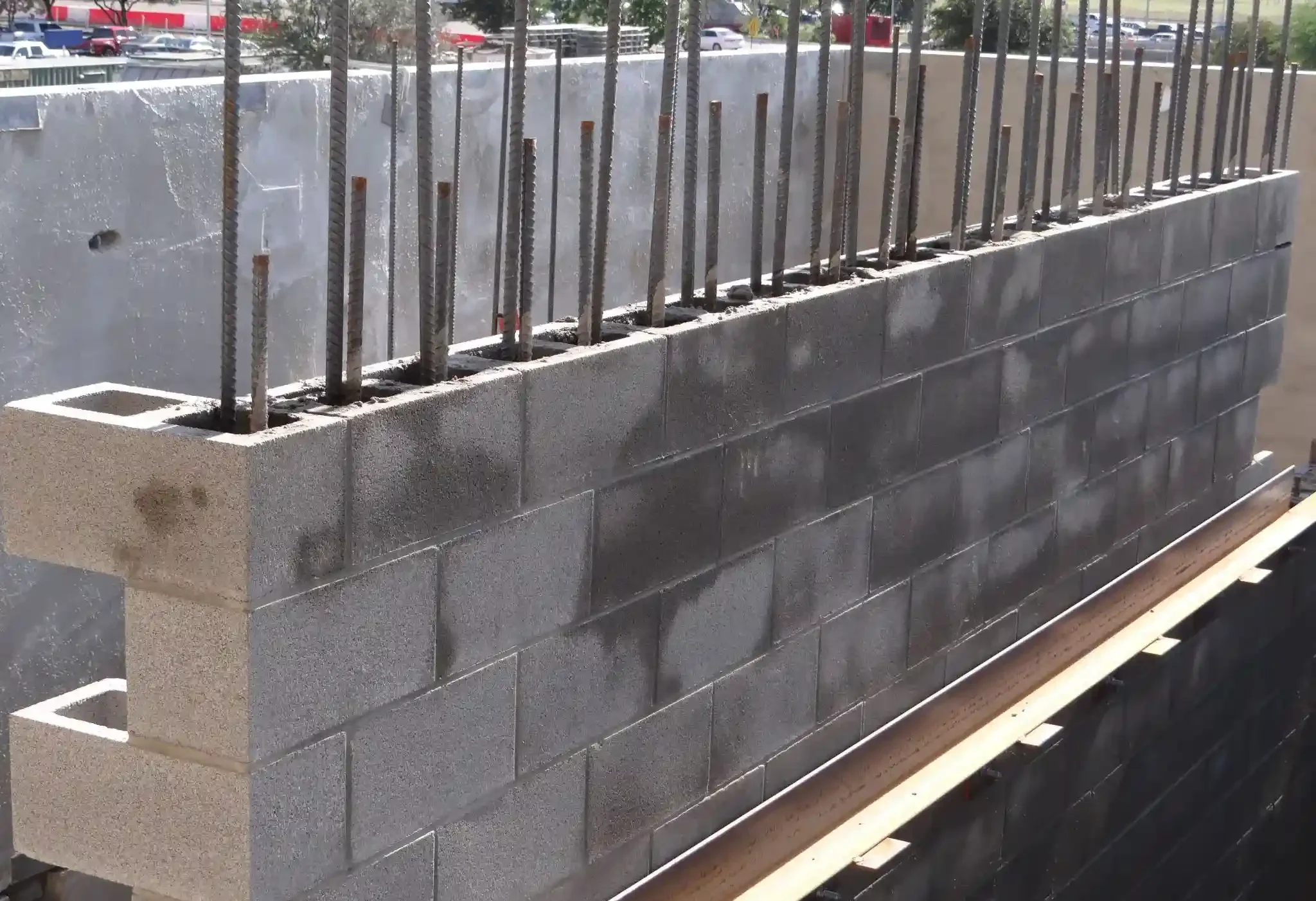
CMU block wall with vertical rebar reinforcement
Concrete / CMU

Used in offices and public buildings. Strong and stable structure, but windows still require proper sealing and drainage details for commercial buildings.

Typical Installation Methods

North American projects follow standardized installation practices that prioritize speed, consistency, and reliable waterproofing performance.

Aerial view of downtown blocks and active build zone
01 Rough Opening + Window Unit

In this method, the wall structure is completed first and a standard rough opening is reserved. Prefabricated window or door units are then inserted into the opening and secured, allowing faster installation and consistent fit across projects.

This approach uses a built-in nailing fin or flange attached directly to the sheathing for fastening. The unit is sealed with membranes and integrated with the weather barrier, creating a continuous waterproof layer that improves speed, repeatability, and efficiency for large-scale residential builds.

North American installations strongly emphasize flashing tape, WRB membranes, and a defined drainage plane. Windows and waterproofing are treated as one integrated system to prevent leaks and ensure long-term durability.

Recommended Products

A80T fixed window thermal break aluminum section
A80T fixed window frame profile technical drawing
A80T fixed window corner detail with sealed glazing

Typical Configurations

Airtightness Water-tightness Sound insulation Thermal insulation Wind resistance
8 4 | 350pa 4 | 44dB 6 | 2.3w/m²·k AW (AAMA STANDARD)
Casement Inside Window Visible surface Section Profile Thickness Size range Glass Thickness Maximum load-bearing
80 Series Glass sash | Flyscreen sash Wall Thickness Frame Thickness Width | Height(mm) 6+12A+6 6+12A+6+12A+6 85kg
73mm | 40mm 2.0mm 80mm 500-800 | 700-1800

Typical Configurations

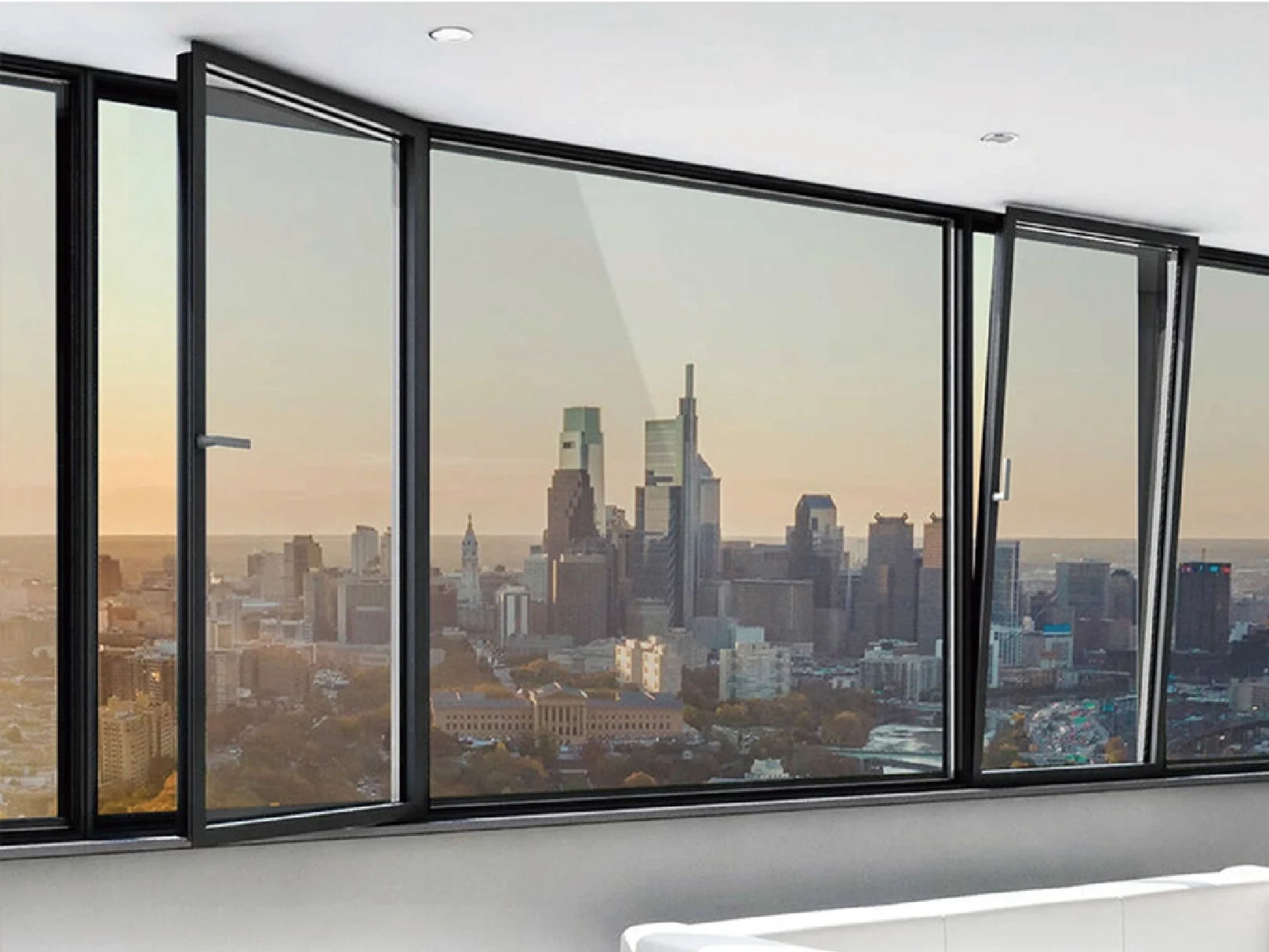
A80T Series Tilt and Turn Window

A80T tilt and turn window with panoramic city view
  • Frame Depth: 2.8” (80mm)
  • Thermal Break: Polyamide Strips
  • Glass Options: Double or Triple Glazing
  • Sealing Performance: High Weather Resistance
  • U-FACTOR: 0.22~0.32
  • STC/OITC: 44/37
  • AAMA/WDMA/CSA 101: CW PG40
  • CSA CERTIFIED PRODUCT
  • CANADA ENERGY STAR PRODUCT
Sliding door track and hardware close up system
Lift and slide door profile engineering detail
Triple glazed thermal break aluminum frame section

Typical Configurations

AirtightnessWater-tightnessSound insulationThermal insulationWind resistance
84 | 350pa4 | 44dB6 | 2.3 w/m²·kAW (AAMA STANDARD)
Casement Inside WindowVisible surfaceSection Profile ThicknessSize rangeGlass ThicknessMaximum load-bearing
80 SeriesGlass sash | Flyscreen sashWall ThicknessFrame ThicknessWidth | Height (mm)6+12A+6
6+12A+6+12A+6
85kg
73mm | 40mm2.0mm80mm500–800 | 700–1800

Typical Configurations

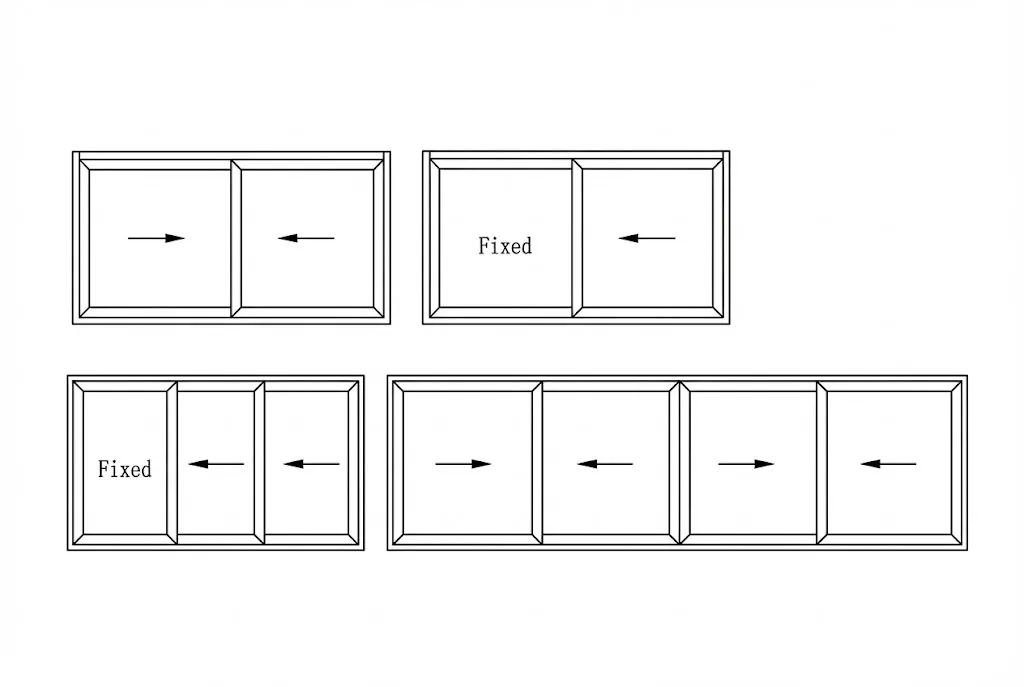
A140T Series Lift & Sliding Door

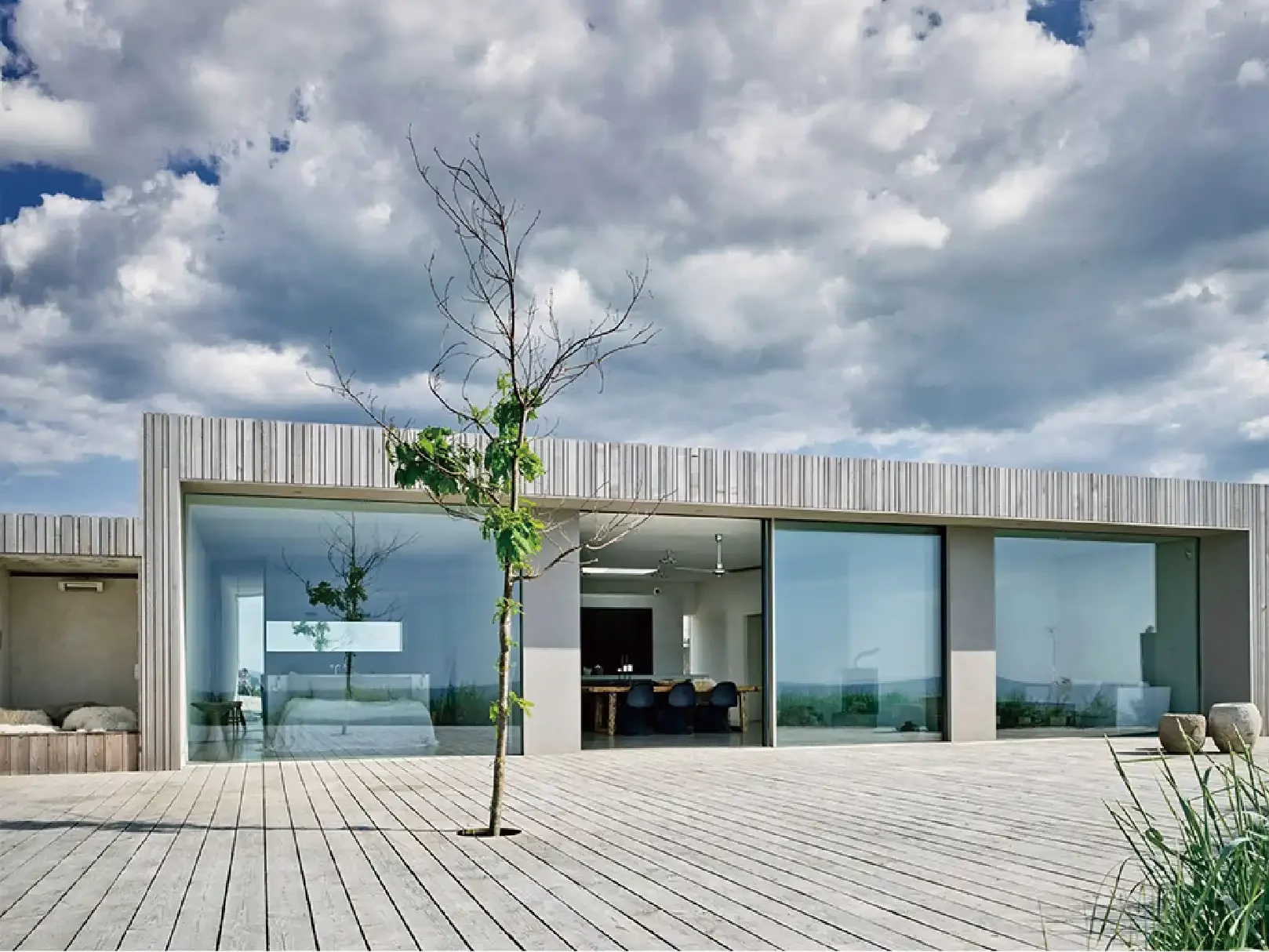
A140T lift and sliding door modern glass façade
  • Frame Depth: 2.8” (80 mm)
  • Thermal Break: Polyamide Strips
  • Glass Options: Double or Triple Glazing
  • Sealing Performance: High Weather Resistance
  • U-Factor: 0.22–0.32
  • STC/OITC: 44 / 37
  • AAMA/WDMA/CSA 101: CW PG40
  • CSA Certified Product
  • Canada Energy Star Product

Our Proud Projects

FAQs

Are your products compliant with North American codes and standards?

Yes. Our systems are tested and certified to AAMA/WDMA/CSA 101, CSA, and Energy Star requirements, with full documentation available for submittals and inspections.

Absolutely. We provide lab-tested U-Factor, SHGC, STC/OITC, air infiltration, water penetration, and wind load reports for every system.

Yes. Our triple glazing, Low-E coatings, and thermal breaks are designed to perform in both freezing winters and high-sun regions.

Yes. Reinforced frames, impact-resistant glass options, and tested wind ratings help meet coastal and hurricane-zone requirements.

Yes. Our systems are designed for rough openings and nailing-fin installation, with clear shop drawings and installer-friendly details.

Yes. We supply accurate shop drawings, engineering details, and responsive technical support throughout your project.

Grow Your Market With Us

Request A Free Quote!

Please enable JavaScript in your browser to complete this form.
Project Types

Access Your Download – Tell Us About Your Project First

Please enable JavaScript in your browser to complete this form.
Request A Free Quote!
Please enable JavaScript in your browser to complete this form.