












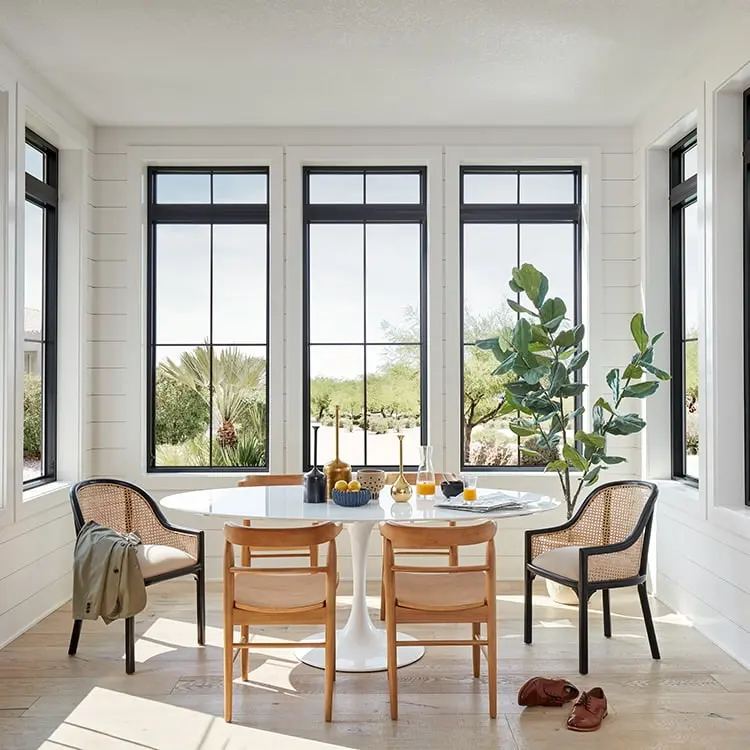


🏠 Premium Villa Fenestration Guide
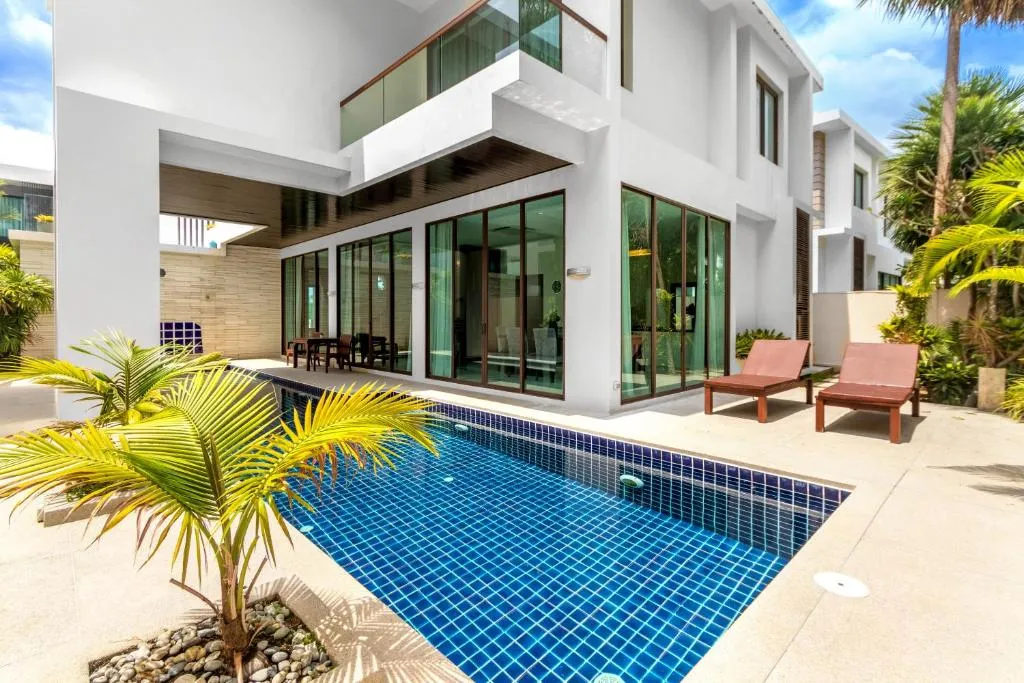
When you step onto the construction site of a luxury estate, the framing is up, the ocean breeze is blowing through the empty openings, and a critical decision looms over the project: What are the exact systems that will fill these massive voids? Choosing the right aluminum doors and windows for villas is arguably the most consequential architectural decision you will make. It dictates not only the aesthetic soul of the home but its energy efficiency, acoustic comfort, and long-term security.
🛠️ The Architect’s Perspective
As a manufacturer with decades of hands-on experience on the factory floor and at high-end installation sites globally, I have witnessed firsthand how fenestration can make or break a luxury property. A villa is not just a larger house; it is a complex architectural ecosystem. Standard residential windows simply will not survive the wind loads of a cliffside mansion or support the crushing weight of a 4-meter-tall glass panel. In this ultimate, immersive guide, we will dissect everything you need to know about luxury aluminum fenestration, from the extrusion line to the final caulking on site.
📊 Comparative Performance Standards
| Feature Category | Standard Residential | Luxury Villa Grade |
|---|---|---|
| Wind Resistance | Level 3-4 | Level 8-9 (Typhoon Grade) |
| Max Height | 2.4 Meters | Up to 4.5 Meters |
| Sound Insulation | 25-30 dB | 45+ dB (Acoustic Glass) |
| Surface Finish | Basic Powder Coat | Fluorocarbon/PVDF (30-year) |
| Hardware | Local Generic | German/Italian (Sobinco/G-U) |
1The Anatomy of a Perfect Villa Fenestration System
To give you the conclusion first (and the quickest answer to your research): The best aluminum doors and windows for villas are custom-engineered, thermally broken systems equipped with heavy-duty German or Belgian hardware, multi-point locking mechanisms, and Low-E insulated glass units (IGUs).
💎 The Ultimate Villa Fenestration Package Includes:
- For panoramic living areas: Lift-and-slide doors that can effortlessly handle massive glass weights while maintaining perfect weather seals.
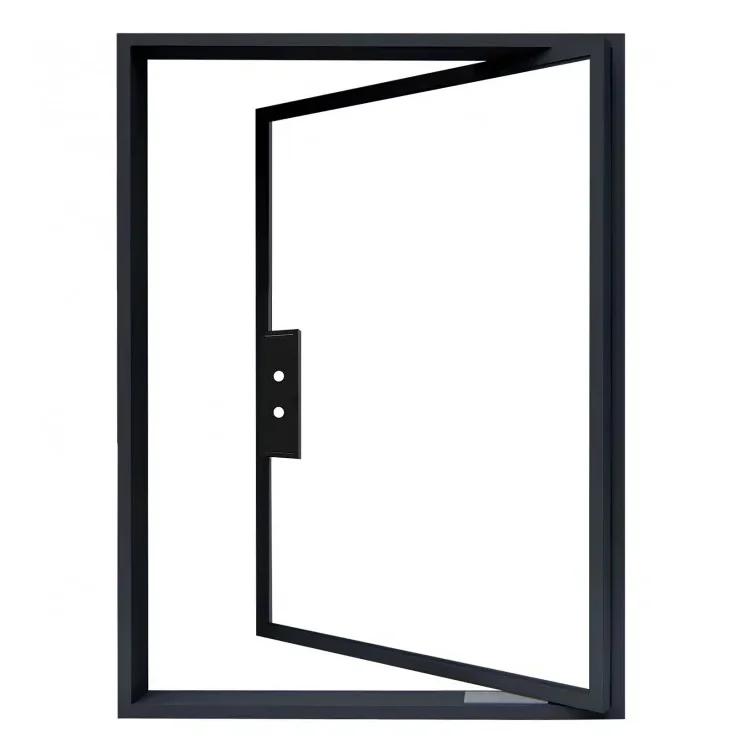
- For main entrances: Custom pivot doors for a grand, architectural statement.
- For primary bedrooms: Tilt-and-turn aluminum windows with triple glazing for unparalleled soundproofing and ventilation control.
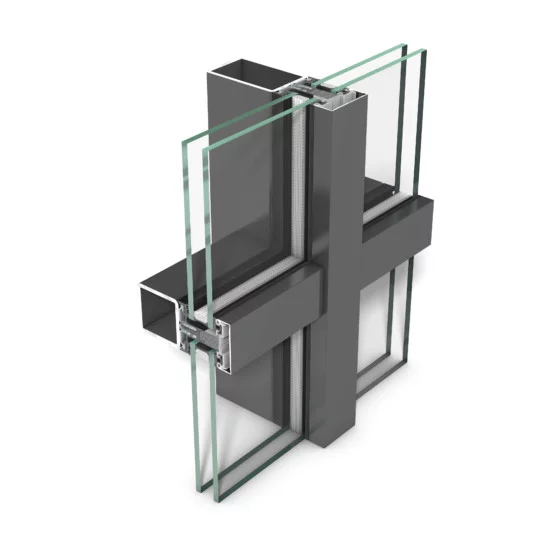
- For structural integrity: Profiles engineered with a minimum of 2.0mm wall thickness and 24mm (or wider) polyamide thermal breaks to exceed international energy standards.
❓ Why Do Villas Have Higher Requirements for Aluminum Doors and Windows?
If you try to install standard apartment-grade windows into a luxury villa, you will immediately face catastrophic failures. Villas inherently demand higher specifications due to three structural realities:
| Structural Reality | Impact & Requirement |
|---|---|
| Oversized Openings | Luxury design favors vast, uninterrupted views. A single pane of glass in a villa might weigh upwards of 300 kilograms. Standard hardware will buckle, and standard frames will sag under this immense dead load. |
| Extreme Wind Loads | Villas are frequently built in premium, exposed locations—such as coastal cliffs, open plains, or high-altitude ridges. The negative wind pressure acting on a 6-meter-wide glass facade during a storm is immense, requiring aerospace-level structural moment of inertia calculations. |
| Zero-Compromise Security | High-net-worth properties require fortress-like protection. Standard single-point locks are easily bypassed; villas require multi-point, mushroom-cam locking mechanisms that anchor the sash directly into the steel-reinforced outer frame. |
🚪 The Best Aluminum Doors for Villa Projects
When we discuss the best aluminum doors for villas, we are moving beyond simple ingress and egress. We are talking about moving walls that redefine indoor-outdoor living.
🌟 Pivot Doors (For grand entryways)
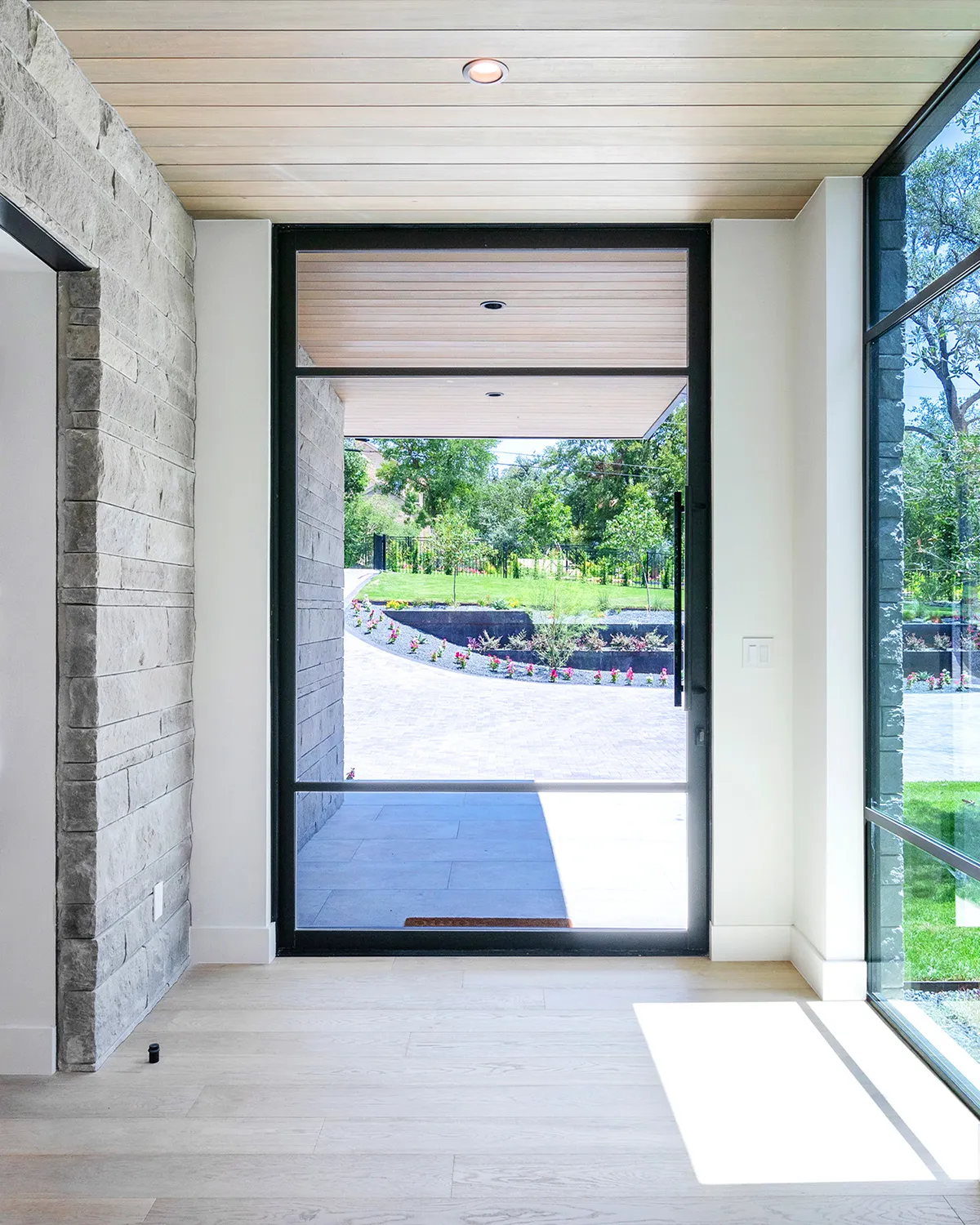
The entrance to a villa sets the tone for the entire property. Custom pivot doors for entryway applications replace traditional side hinges with a top-and-bottom pivot axis. This engineering marvel allows for a truly massive door leaf—sometimes 2.5 meters wide and 3.5 meters tall—to rotate open with the gentle push of a single finger. Because the weight is driven directly down into the floor closer rather than pulling on a side jamb, pivot doors offer unmatched stability for oversized, heavy designs clad in glass, wood, or even stone veneers.
🌊 Lift-and-Slide Doors (For oversized panoramic views)
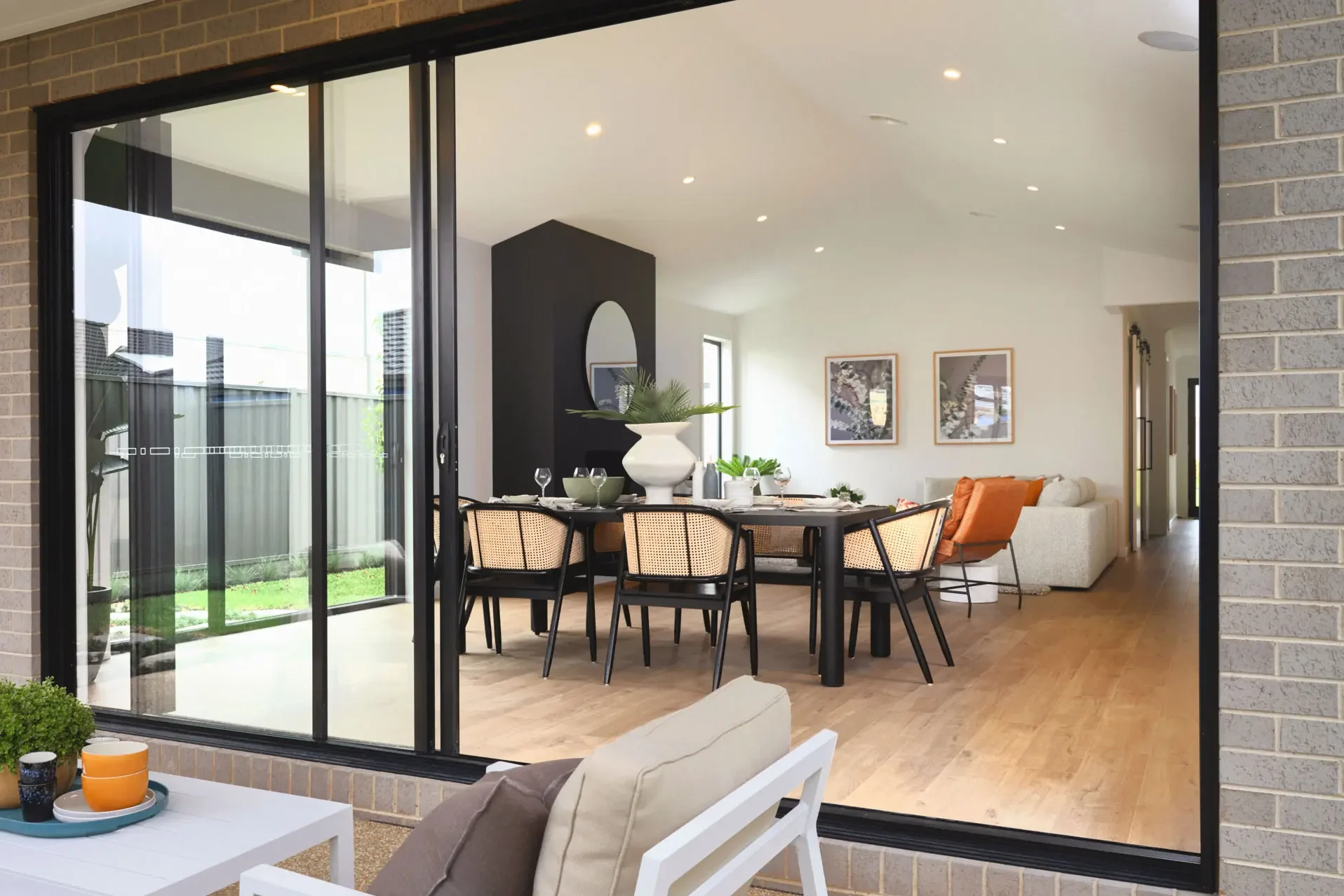
If there is one product that defines luxury aluminum fenestration, it is the lift-and-slide door. Traditional sliding doors drag their weather seals across the bottom track, creating friction and causing rapid wear. Lift-and-slide technology is entirely different. When you turn the massive handle 180 degrees, a sophisticated carriage system literally lifts the entire 400kg door panel a few millimeters off the track. It glides with zero friction. When you close it and turn the handle back, the door drops down, crushing the EPDM rubber gaskets into the track to create a vault-like, watertight seal. For living rooms facing an ocean or a mountain range, this is the non-negotiable standard.
🔍 Narrow-Frame Glass Doors (For minimalist interior transitions)
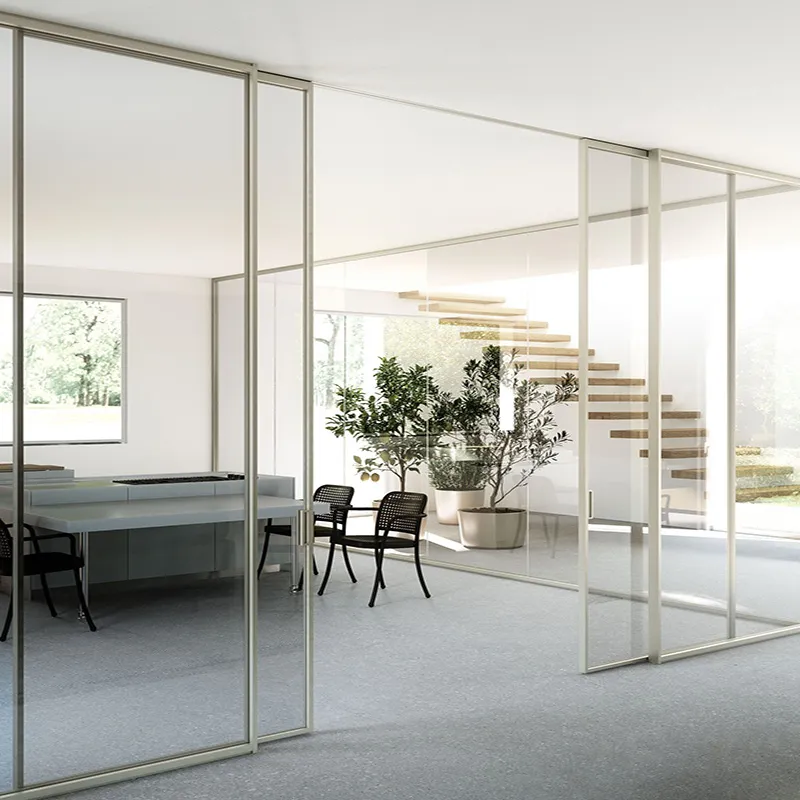
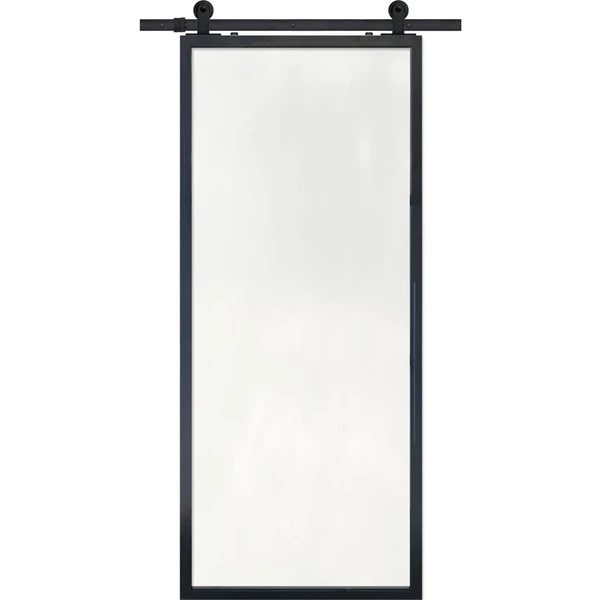
Minimalism is the pinnacle of modern luxury. Narrow-frame doors (often called slimline or minimal systems) utilize structural glazing techniques where the glass itself carries the structural load, allowing the visible aluminum sightline to be reduced to an incredibly thin 20mm or even 18mm. When these doors are closed, the frame practically disappears, leaving nothing but an uninterrupted view. These are technically demanding to manufacture, requiring the glass to be bonded directly to the aluminum in a pristine, climate-controlled factory environment.
📂 Bi-Folding Doors (For blending indoor and outdoor living)
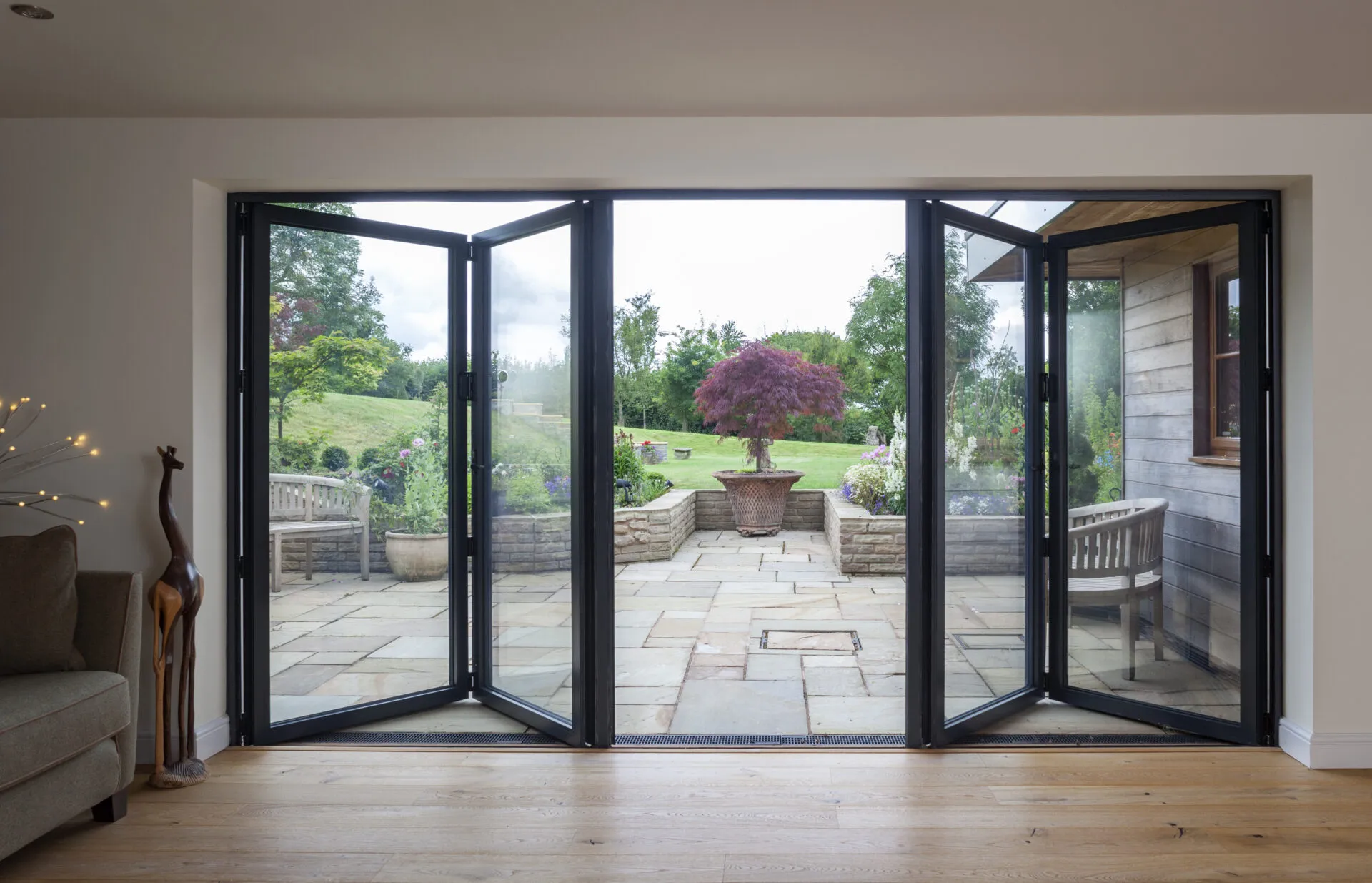
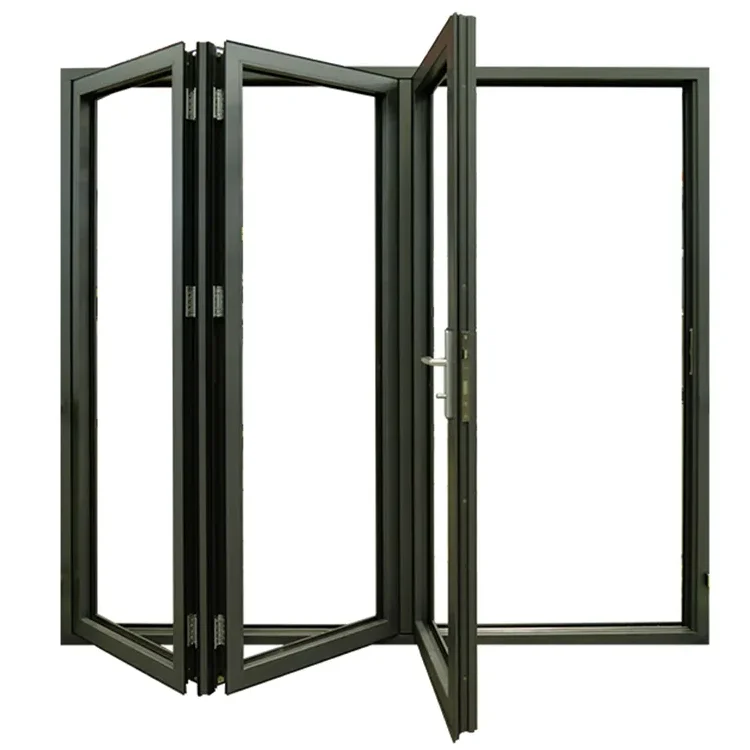
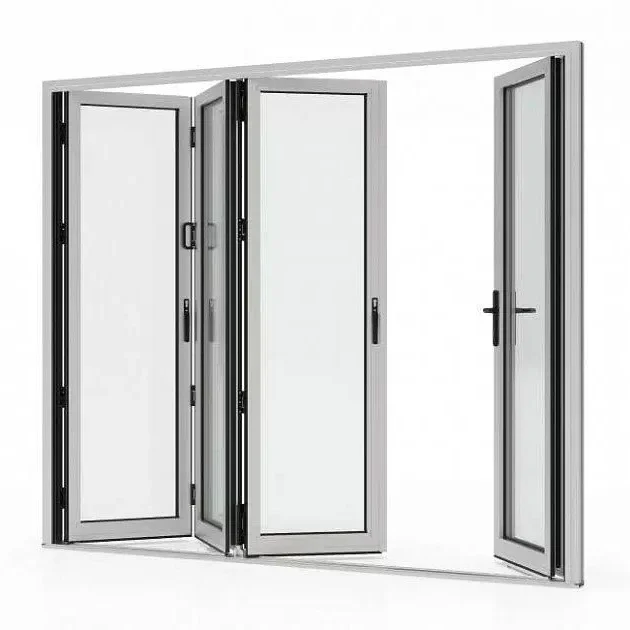
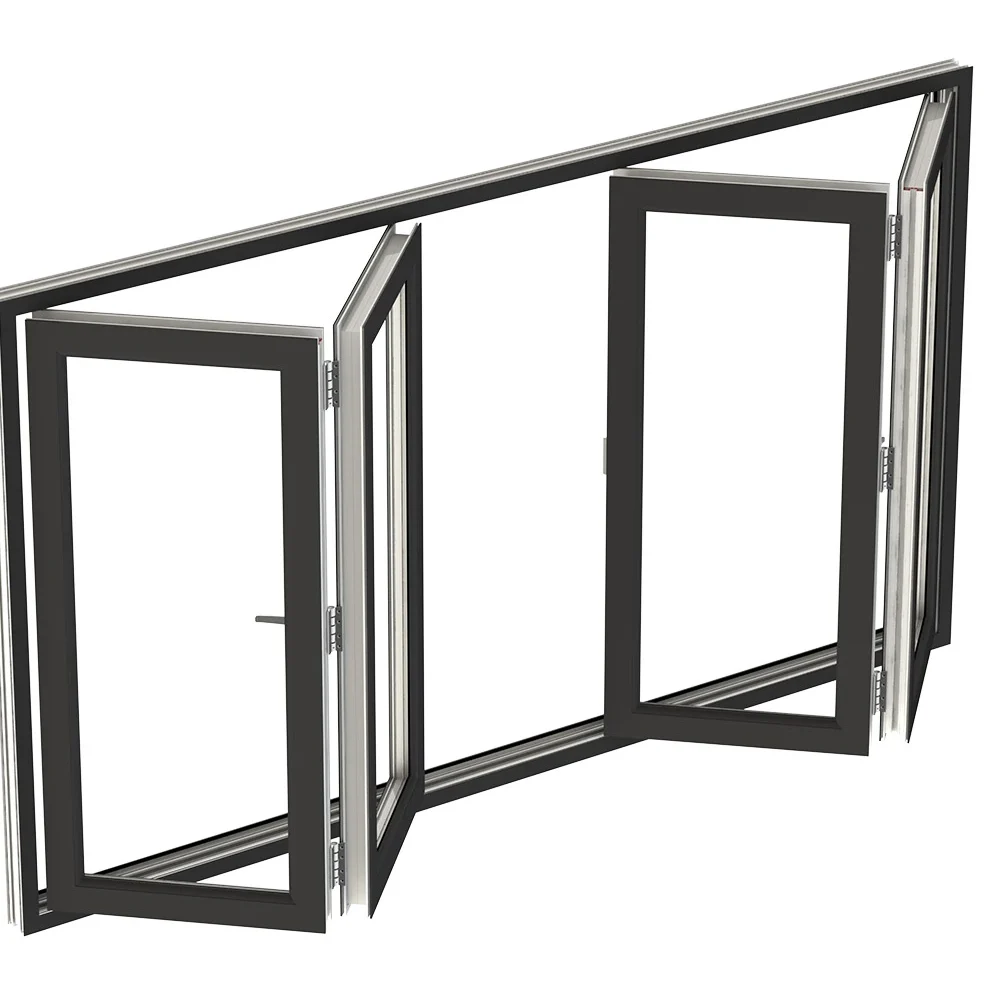
For entertaining areas that open onto patios or pool decks, bi-folding doors are transformative. They consist of multiple panels that accordion-fold to one or both sides, completely obliterating the barrier between the living room and the outdoors. However, in a villa context, these cannot be standard bi-folds. They must be top-hung systems utilizing stainless steel quad-rollers to ensure smooth operation, with heavy-duty bottom guides that sit completely flush with the finished floor to prevent tripping hazards.
🛡️ Heavy-Duty Casement Doors (For security and side entrances)
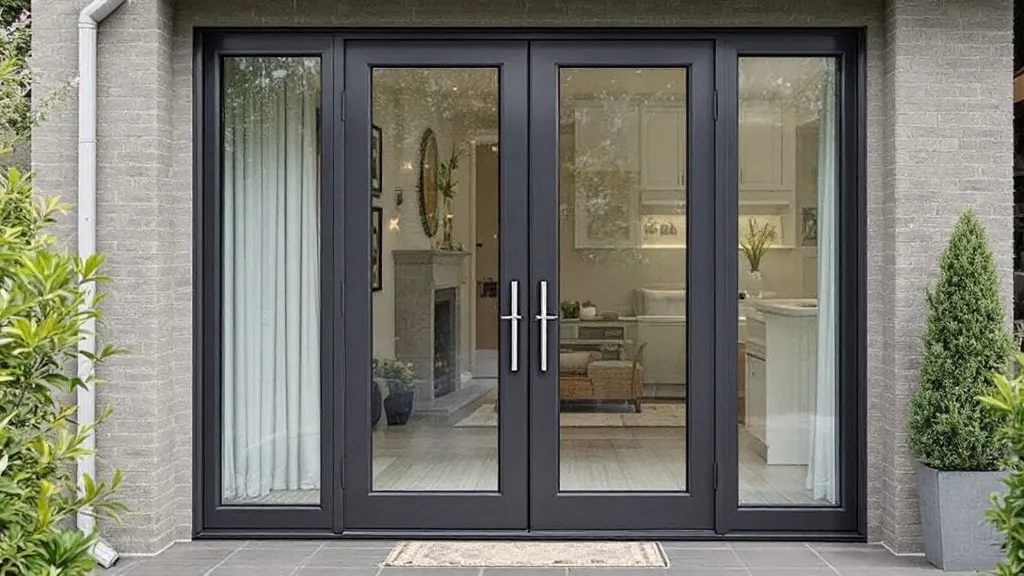
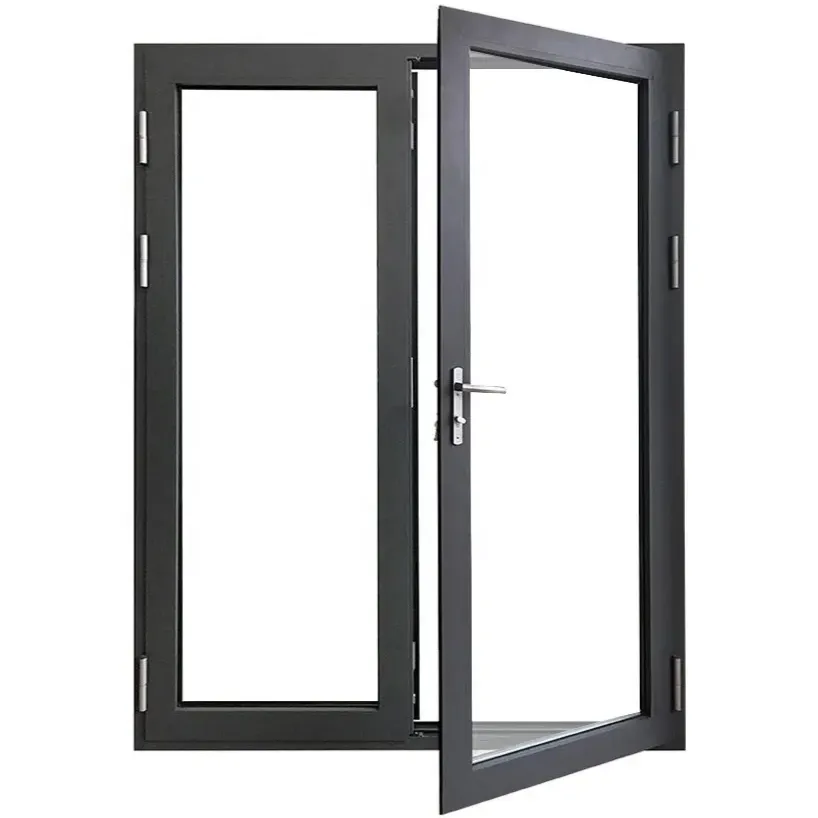
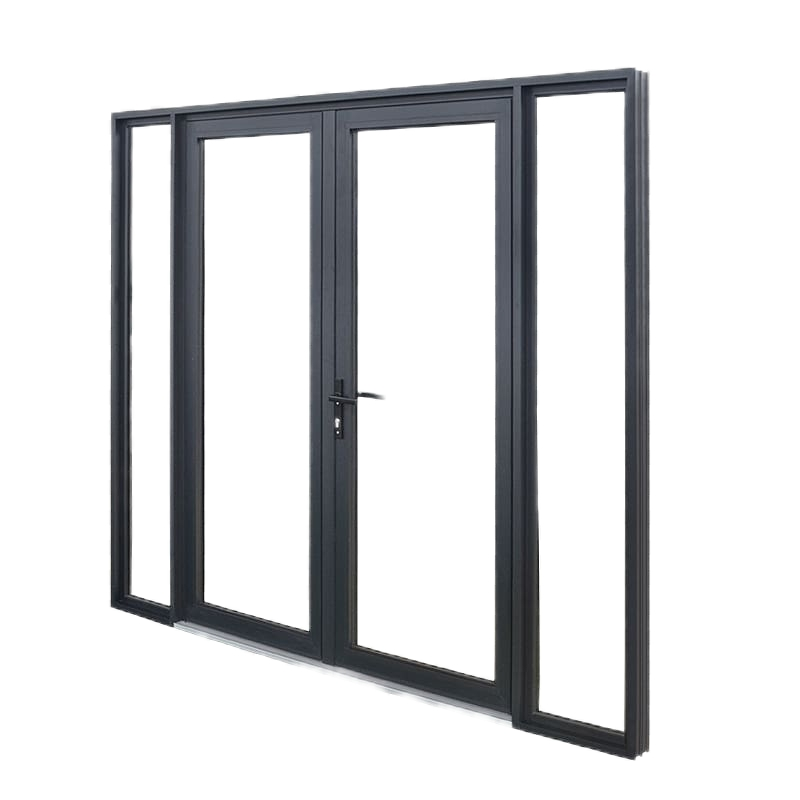
While panoramic doors handle the views, side entrances, kitchen exits, and utility accesses require heavy-duty casement doors. These swing open like traditional doors but are built from thick, multi-chambered aluminum profiles. Equipped with multi-point locking security windows and doors hardware, they offer peace of mind. When locked, steel hooks deploy from the door sash into the frame at three or four different heights, making forced entry virtually impossible.
🪟 The Best Aluminum Windows for Villa Projects
The fenestration strategy continues with the windows. High-end villa windows must perfectly balance ventilation, natural light, aesthetics, and energy efficiency.
🔄 Tilt-and-Turn Windows (The European standard)
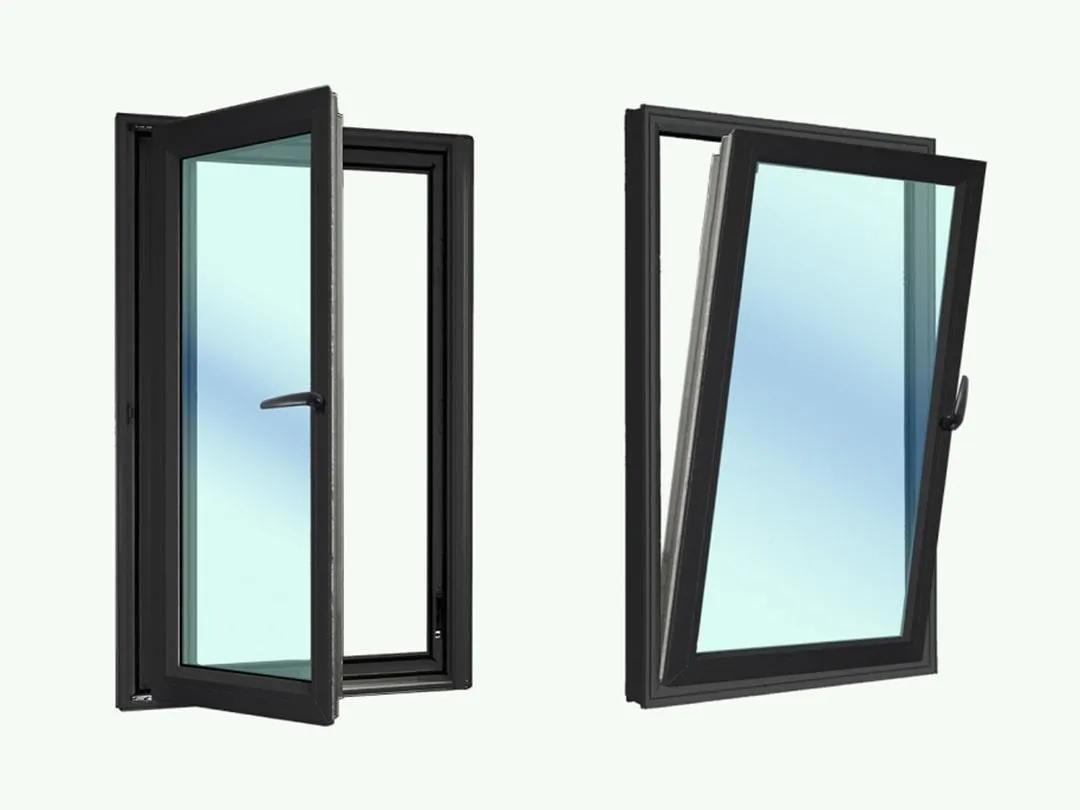
Originally dominating the German and Austrian markets, tilt-and-turn aluminum windows are now the global standard for luxury homes. A single handle controls two distinct functions: turn it 90 degrees, and the window swings inward like a door for rapid air exchange and easy cleaning. Turn it 180 degrees, and the top of the sash tilts inward by about 15 degrees. This tilt function provides draft-free, secure ventilation; rain cannot easily enter, and intruders cannot reach through, making it perfect for ground-floor bedrooms.
☔ Awning & Top-Hung Windows (For rain-proof ventilation)
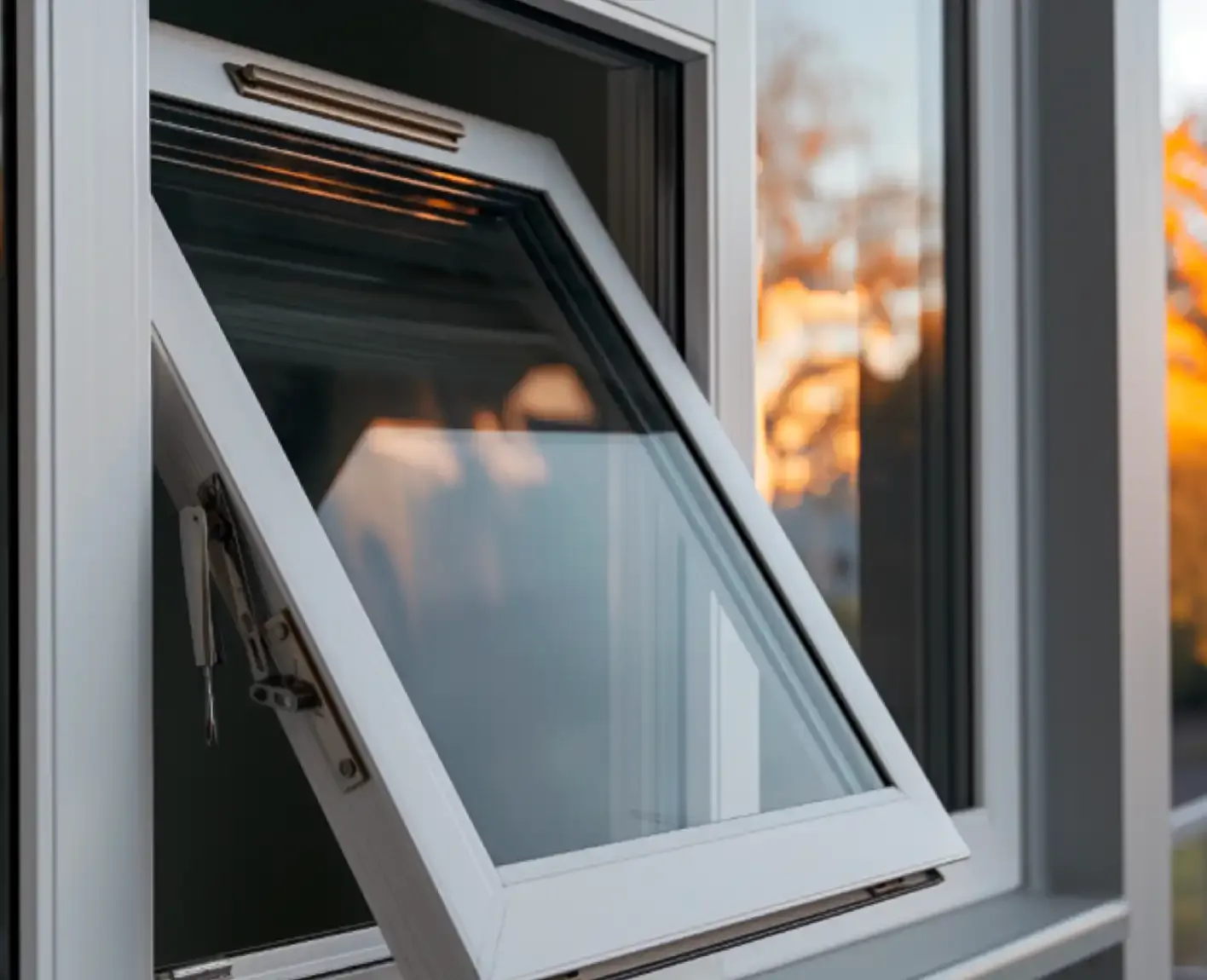
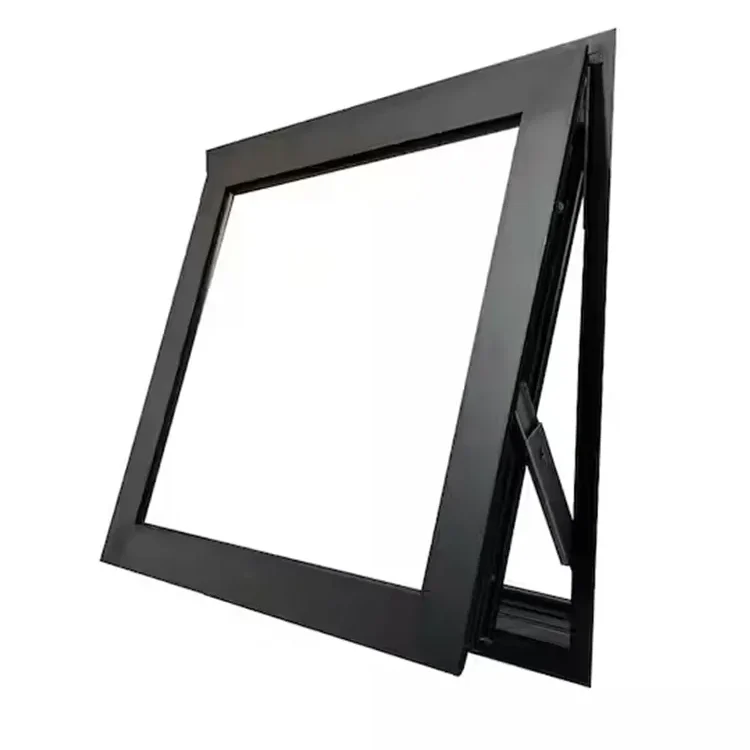
Awning windows are hinged at the top and push outward from the bottom. They are incredibly practical because they can be left open during a rainstorm; the glass itself acts as an umbrella, deflecting water away from the opening. In a villa, we often utilize motorized awning windows placed high up near vaulted ceilings. With the push of a remote or a smart-home command, they open silently to release trapped hot air, creating a natural chimney effect for passive cooling.
💨 Heavy-Duty Casement Windows (For maximum airtightness)
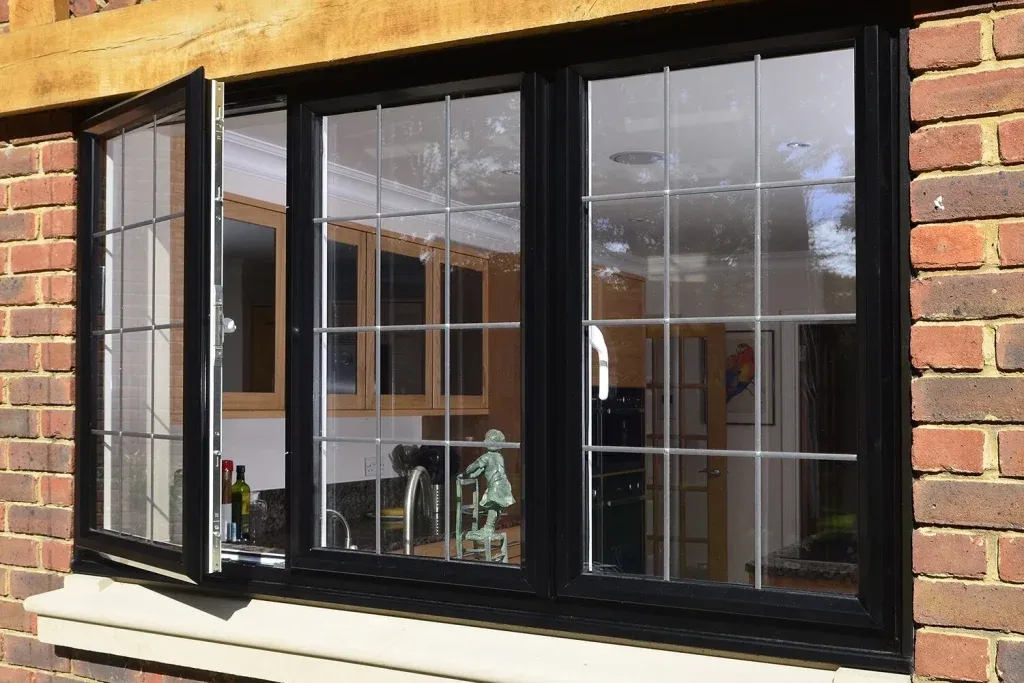
Casement windows hinge at the side and crank or push outward. Because the sash presses directly against the frame’s weather stripping when the wind blows against it, out-swing casement windows offer some of the highest wind and water resistance ratings in the industry.
🏙️ Project experience: Double Bay Residences, Sydney
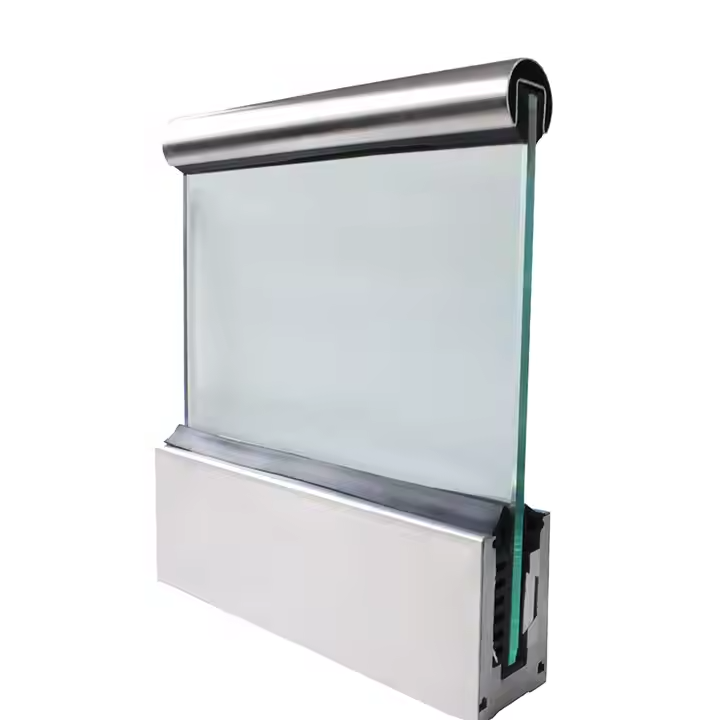
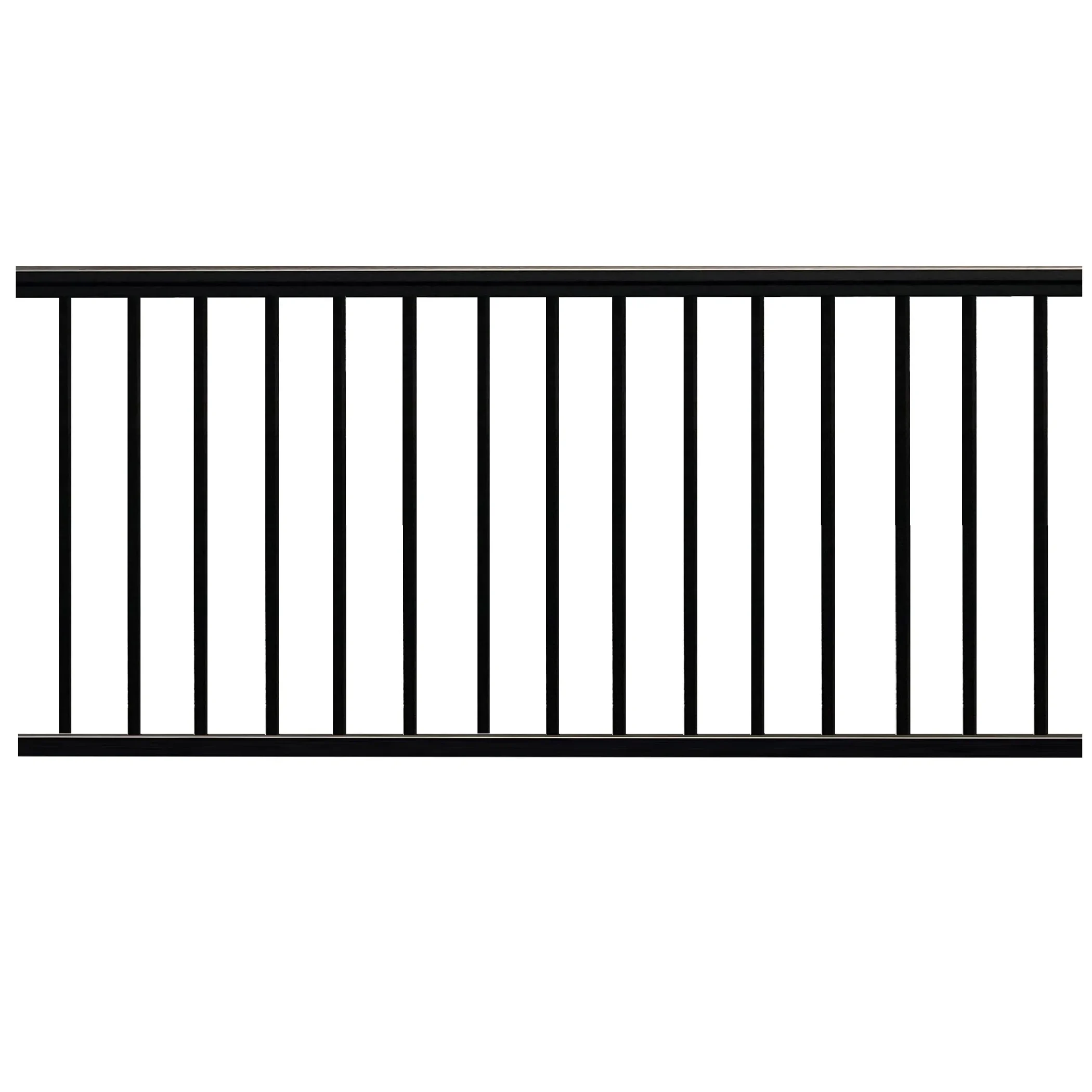
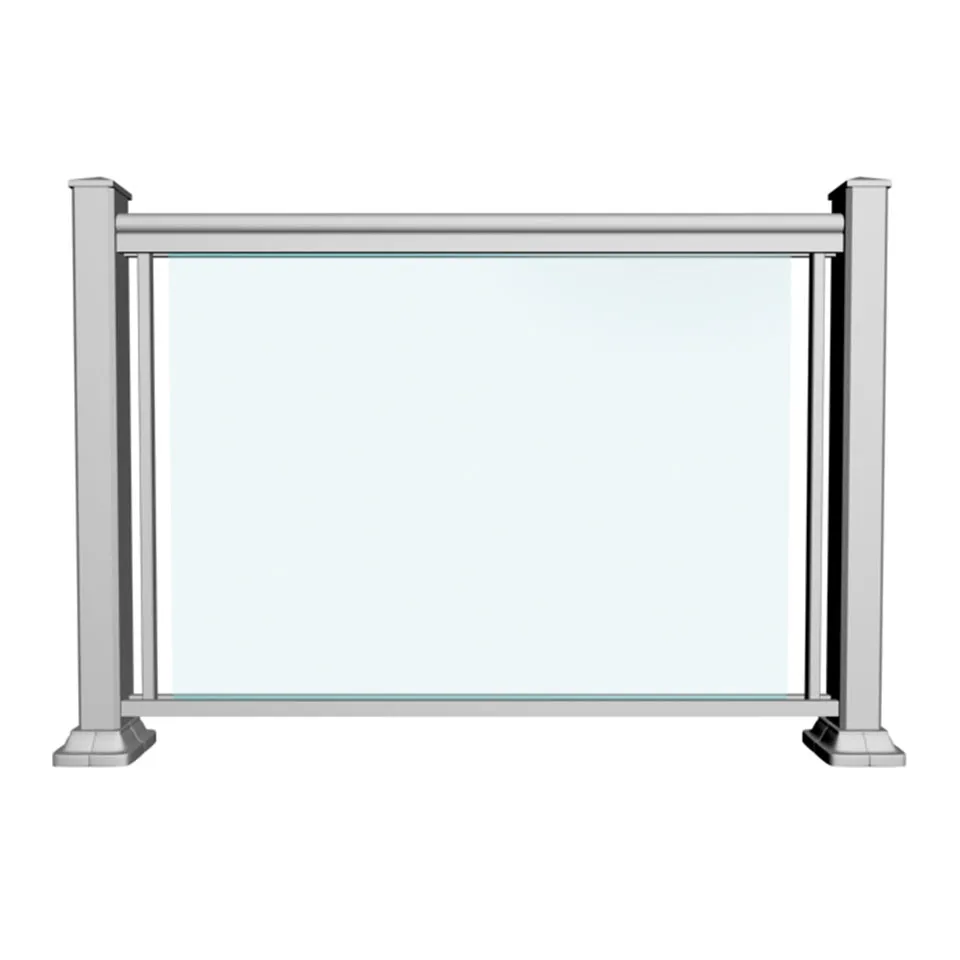
I felt this even more clearly in the Double Bay Residences project in Sydney, where our team worked on a luxury residential application using AU150 casement windows, C101 fixed windows, C101 awning windows, A80T folding doors, and glass handrails. In a project like this, it was not just about whether each product looked clean and modern thinking on its own. What really mattered was how the full package worked together on site — how the folding doors opened up the living areas, how the fixed and awning windows balanced views with ventilation, and how every installed element aligned with the architectural language of a high-end villa environment.
What stayed with me most from this kind of project experience is that villa fenestration is never just about selling a window or a door. It is about coordinating design, manufacturing, installation, and long-term performance so that the finished home feels as refined in daily use as it looks from the outside. The Double Bay case especially reinforced that for luxury villas, precision installation and system-level coordination matter just as much as the products themselves.
To give you a vivid picture of this coordination: During the Double Bay installation, we faced a critical challenge with an 8-meter span of the A80T folding doors. The primary structural steel beam above the opening had deflected (sagged) by 6mm in the dead center due to the weight of the concrete slab above it. If we had simply installed the top track onto this sagging beam, the folding doors would have jammed instantly.
Our step-by-step field solution:
- We mapped the exact deflection curve using a calibrated laser level.
- We fabricated a custom, graduated aluminum packer (ranging from 0mm at the edges to 6mm in the center) on-site.
- We inserted this packer between the steel beam and our top track, creating a perfectly dead-level horizontal plane.
- We utilized laser-guided heavy-duty anchors to secure the track, ensuring zero compression on the moving rollers.
🖼️ Oversized Fixed Picture Windows (For unobstructed natural light)
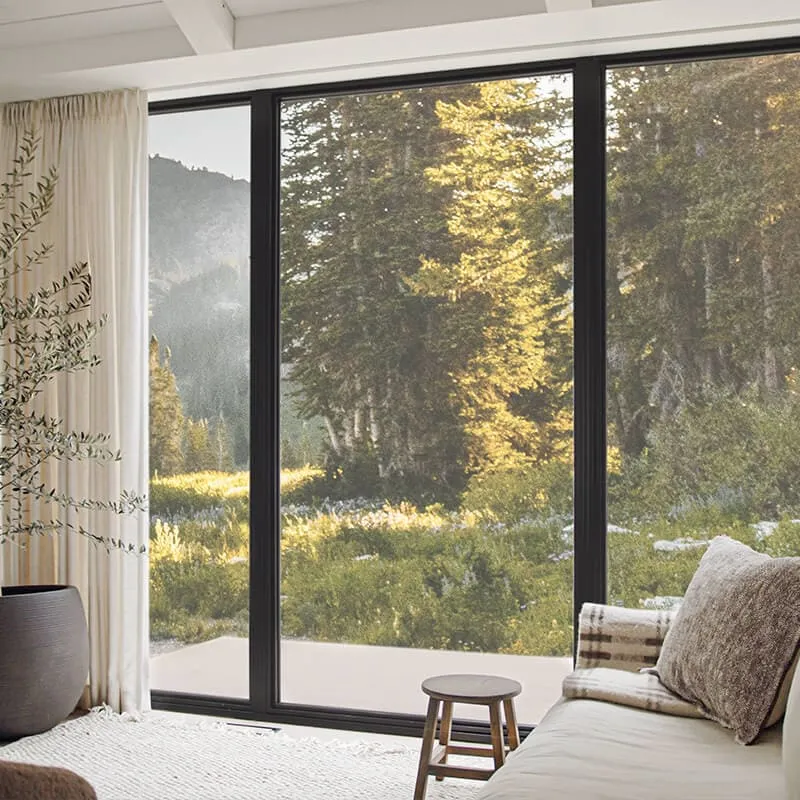
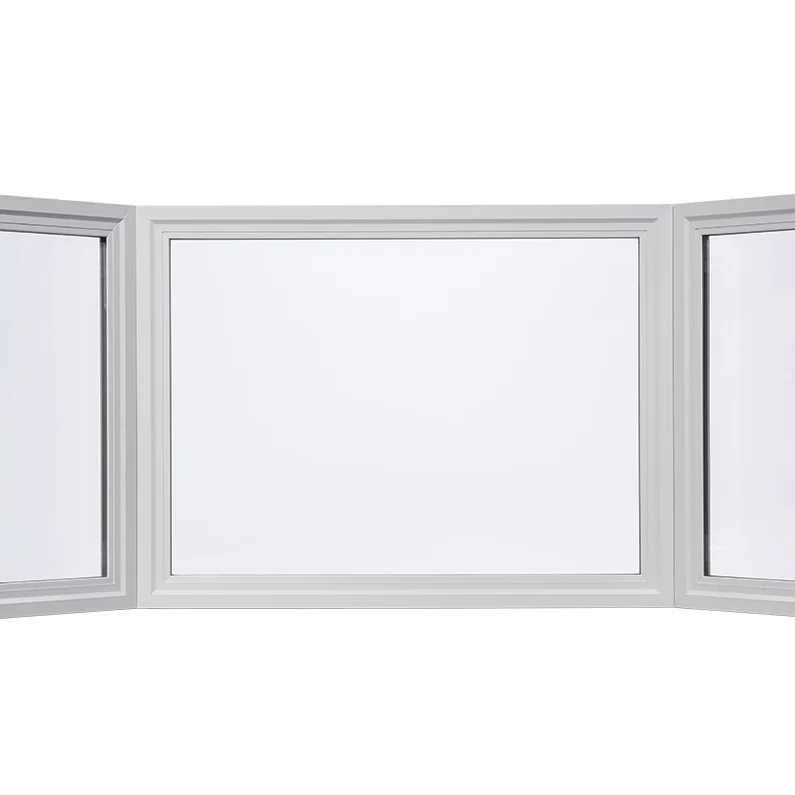
Where ventilation is not required, fixed windows reign supreme. In a villa, these are not just windows; they are framed artwork. The engineering challenge here is glass deflection. A piece of glass measuring 3 meters by 3 meters acts like a massive sail in the wind. We must specify the correct glass thickness (often 10mm or 12mm toughened outer panes) to ensure the glass does not flex inward during a storm and shatter.
🏡 Space-by-Space Guide: Matching Solutions to Your Villa Layout
A luxury home is a collection of distinct experiences. The fenestration must adapt to the psychological and functional needs of each specific space.
✨ The Grand Entrance Area
The entrance demands majesty and security. As discussed, a colossal custom pivot door clad in dark brushed aluminum or faux-wood sublimation provides the “wow” factor. Flanking the door with narrow, frosted fixed glass sidelights allows natural light to spill into the foyer without compromising the privacy of the residents inside.
🛋️ Living Room and Courtyard Transitions
This is the heart of the villa. The boundary between the indoor living space and the outdoor pool or courtyard should be capable of vanishing completely. Here, oversized aluminum glass doors—specifically motorized lift-and-slide systems spanning up to 10 meters wide—are the ultimate choice. When fully opened, the tracks should be perfectly flush with the interior hardwood and the exterior travertine pavers, creating a seamless, trip-free barefoot transition.
☀️ Balcony, Terrace, and Sunrooms
For elevated balconies, wind load becomes the primary enemy. Sliding doors with heavy-duty interlocking mullions (the vertical meeting stiles) are required to prevent rattling. In sunrooms, where solar heat gain can turn a beautiful glass box into an unbearable greenhouse, the glass specification is more critical than the frame. We highly recommend double-silver Low-E coatings that reflect infrared heat while allowing visible sunlight to pass through.
🛌 The Master Bedroom (Focus on acoustic and thermal)
Sleep quality is the ultimate luxury. The primary requirement here is soundproof aluminum bedroom windows. Even if the villa is located on a quiet estate, the sound of howling wind, heavy rain, or distant landscaping equipment can disrupt rest. We utilize tilt-and-turn windows equipped with asymmetrical laminated glass (e.g., an 8mm outer pane, an acoustic PVB interlayer, and a 6mm inner pane). Because the glass panes have different thicknesses, they block different frequencies of sound, completely deadening exterior noise.
🍳 Kitchen and Auxiliary Spaces
Kitchens require rapid ventilation to clear out cooking odors, smoke, and excess humidity. Wide awning windows placed over the sink are ideal; they are easy to push open even when reaching across a countertop, and they allow ventilation even during a downpour. Furthermore, incorporating a side casement door offers quick access to the outdoor BBQ or herb garden.
🌍 Climate-Specific Selections: Engineering for Extremes
A villa built in the snowy peaks of Aspen requires a vastly different fenestration engine than one built on the humid shores of Miami.
☀️ Hot & Sunny Regions (Low-E glass, shading systems)
In desert or tropical climates, the sun is relentless. The strategy is to block solar radiation before it heats the interior. We rely on extremely high-performance Solar Control Low-E glass, which has a low Solar Heat Gain Coefficient (SHGC). Additionally, the aluminum frames must be thermally broken to prevent the metal from transferring 50°C exterior heat into the air-conditioned rooms. Integrating motorized external aluminum louvers or automated ZIP screens into the window design adds a crucial layer of active shading.
❄️ Cold & Snowy Regions (High-width thermal breaks, triple glazing)
In freezing climates, the goal is heat retention. Standard 14.8mm thermal breaks will not suffice; we upgrade the frames to feature massive 35mm or 44mm polyamide (PA66) thermal strips. We pair these super-insulated frames with triple glazing featuring argon gas fills and warm-edge spacers. This combination achieves passive-house levels of insulation, ensuring that the interior glass surface remains warm to the touch even during a blizzard, completely eliminating condensation.
🏖️ Coastal & Humid Regions (Pre-anodized marine-grade corrosion resistance)
Saltwater spray is highly corrosive to standard metals. For coastal villas, we must use marine-grade aluminum doors. But the true secret lies in the surface treatment. Before powder coating, the raw aluminum must undergo a process called pre-anodization. This creates a highly porous oxide layer that bonds aggressively with the specialized architectural powder coat, ensuring that the finish will not bubble, blister, or peel even after decades of direct exposure to salty ocean winds.
🌀 Hurricane, Windy, and Rainy Regions (High wind pressure ratings)
In regions prone to severe weather, the windows must literally act as a shield. We engineer hurricane impact windows for villas using heavy-wall extrusions and SentryGlas® Plus (SGP) laminated glass. During testing, these windows must survive being struck by a 9-pound wooden 2×4 fired from a cannon at 34 mph, followed by 9,000 cycles of violent positive and negative wind pressure. Compliance with rigorous standards ensures the building envelope will not breach during a category 5 storm.
📊 Expert Guide: Key Performance Indicators (KPIs) to Demand
How do you separate marketing fluff from true engineering excellence? You ask for the data. According to the testing protocols established by the American Architectural Manufacturers Association (AAMA), and the European EN 14351-1 standards, premium fenestration must be objectively quantified.
🌡️ Thermal Insulation (U-Value & Thermal Breaks)
The U-value measures the rate of heat transfer. The lower the number, the better the insulation. For a luxury villa, you should demand a system U-value (Uw) of 1.5 W/m²K or lower. This is strictly measured according to the data standards set by the National Fenestration Rating Council (NFRC). A highly efficient thermal break is mandatory to achieve these numbers.
🔇 Sound Insulation (STC Ratings for quiet luxury)
Sound Transmission Class (STC) or Weighted Sound Reduction Index (Rw) indicates how much noise the window blocks. Standard windows hover around an STC of 25. For a villa near a road or coastline, you should demand an STC rating of 38 to 45, which reduces loud traffic noise to a barely audible whisper.
🌊 Water Tightness & Wind Load Resistance
Water tightness is measured by the amount of wind pressure the window can withstand while being sprayed with water before leaking. High-end villa systems should achieve at least 700 Pa (Pascals) of water tightness. Structural wind load resistance must be calculated based on the specific local building codes, ensuring the mullions do not deflect more than L/175 of their span.
🛡️ Security Systems (Multi-point locking & laminated glass)
Look for RC2 or RC3 (Resistance Class) burglar-proof certifications. This ensures the hardware features robust mushroom cams and security keeps that prevent the sash from being pried out of the frame with a crowbar.
🏭 Factory experience:
Working in our aluminum window and door factory, I notice very quickly when an order is for a villa project rather than a standard home. The profiles are often bigger, the door and window systems are heavier, and every step in production has to be handled more carefully. When I check the thermal break section, help with assembly, or look at how the frame, sash, seals, and hardware come together, I can tell that villa systems leave much less room for error. A small issue in alignment, corner assembly, or sealing may not look serious in the workshop, but it can affect performance and appearance once the product is installed. That hands-on experience has made me feel that for villa projects, the right aluminum doors and windows are not just the ones that look good on a drawing — they are the ones built carefully enough to perform well in real life.
Adding to this factory reality: Just last month, we were processing an order for a massive 4-meter-tall lift-and-slide door for a coastal villa. During the corner crimping process on the assembly line, I noticed a microscopic 0.5mm gap on the outer miter joint before the epoxy glue was injected. To a layman, half a millimeter is nothing. But in a hurricane zone, that 0.5mm gap is exactly where pressurized water will penetrate.
Our protocol:
I immediately pulled the frame off the line. We recalibrated the pneumatic corner crimping machine, injected a specialized two-part structural adhesive specifically designed for marine environments into the internal aluminum cleats, and re-pressed the corners under 5000 pounds of hydraulic force. We then placed the assembled frame into our in-house water-spray test chamber, subjecting it to 1000 Pascals of wind-driven water. Not a single drop leaked through. That level of obsessive factory quality control is what defines true luxury aluminum fenestration.
⚠️ 6 Common Pitfalls When Purchasing Villa Aluminum Doors and Windows
Even with a massive budget, homeowners and builders make catastrophic mistakes by focusing on the wrong metrics. Here is your definitive villa window installation guide and purchasing survival manual.
1. Focusing Solely on Appearance, Ignoring Performance Parameters
It is easy to fall in love with a sleek, 15mm ultra-narrow frame in an air-conditioned showroom. However, if that frame lacks a proper thermal break, or if its wind-load capacity is too weak for your coastal property, that beautiful window will become a shivering, whistling nightmare in winter. Always verify the engineering data (U-value, DP rating) before falling for the aesthetics.
2. Looking at Profile Thickness Instead of System Design (The 2.0mm myth)
Let us debunk the aluminum profile thickness myth. Many salespeople will tell you, “Our windows are the best because the aluminum is 2.0mm thick!” While wall thickness is important (villas should generally use 1.8mm to 2.2mm profiles), it is not the whole story. A brilliantly engineered 1.8mm profile with multiple internal reinforcing chambers and superior moment of inertia geometry will vastly outperform a poorly designed, flat 2.5mm profile. You are buying a highly engineered system, not just raw metal weight.
3. Neglecting Glass Configuration and Hardware Quality
As mentioned earlier, the frame is only 15% of the window; the glass is 85%. Skimping on the glass (e.g., using standard clear double glazing instead of Low-E) destroys the energy efficiency of the expensive frame. Similarly, hardware is the engine of the door. An 800-pound sliding door will be impossible to open if it uses cheap nylon rollers instead of precision-engineered stainless steel tandem carriages.
4. Choosing the Wrong Opening Method for Oversized Openings
We often see clients request massive 2-meter-wide side-hung casement windows. This is a physics disaster waiting to happen. The massive leverage exerted by a 2-meter-wide piece of glass on the hinges will inevitably cause the sash to sag and fail to close within a year. For oversized openings, you must choose sliding, folding, or fixed configurations. If ventilation is needed in a huge opening, break it up with mullions or use motorized top-hung awnings.
5. Neglecting Installation Quality and On-Site Construction Details
The most expensive, perfectly manufactured German window system will leak and draft if it is installed poorly. This is the biggest pitfall of all.
The installer shoves the window into the rough opening, drives a few screws through the frame, and fills the 2-inch gap with cheap expansion foam and silicone.
The installer uses laser leveling, utilizes high-density thermal shims, applies waterproof flashing tapes to the sill, uses specific low-expansion acoustic foam, and applies a UV-resistant, highly elastic weather sealant on the exterior.
6. Failing to Match Selections to Climate and Specific Spatial Contexts
A common mistake is ordering the exact same window specification for every room in the house. A north-facing bedroom (requiring high insulation and soundproofing) needs a different glass specification than a south-facing sunroom (requiring heavy solar heat reflection). Tailor your fenestration space-by-space and facade-by-facade. For deep dives into budgeting these different systems, review our [Aluminum Window Pricing Guide].