


















You might think all garage doors are the same, but there’s a lot more to it.
Garage door sizes vary based on your needs.
Whether you’re parking a small car or a large RV, or even storing tools and other items, selecting the right size door is key to making your garage work for you.
Standard Garage Door Sizes
Whether you have a small car, a two-car garage, or even an RV, knowing the right door size will ensure a smooth fit and make your garage more functional.
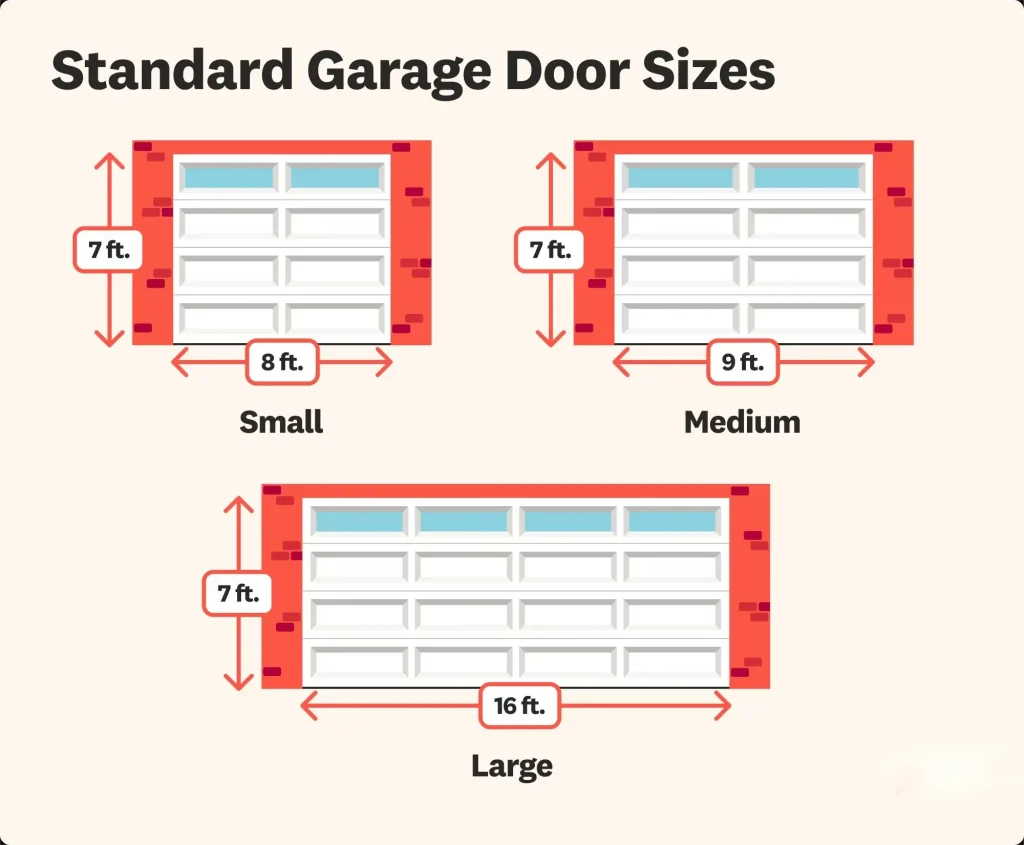
A. Single Garage Door Sizes
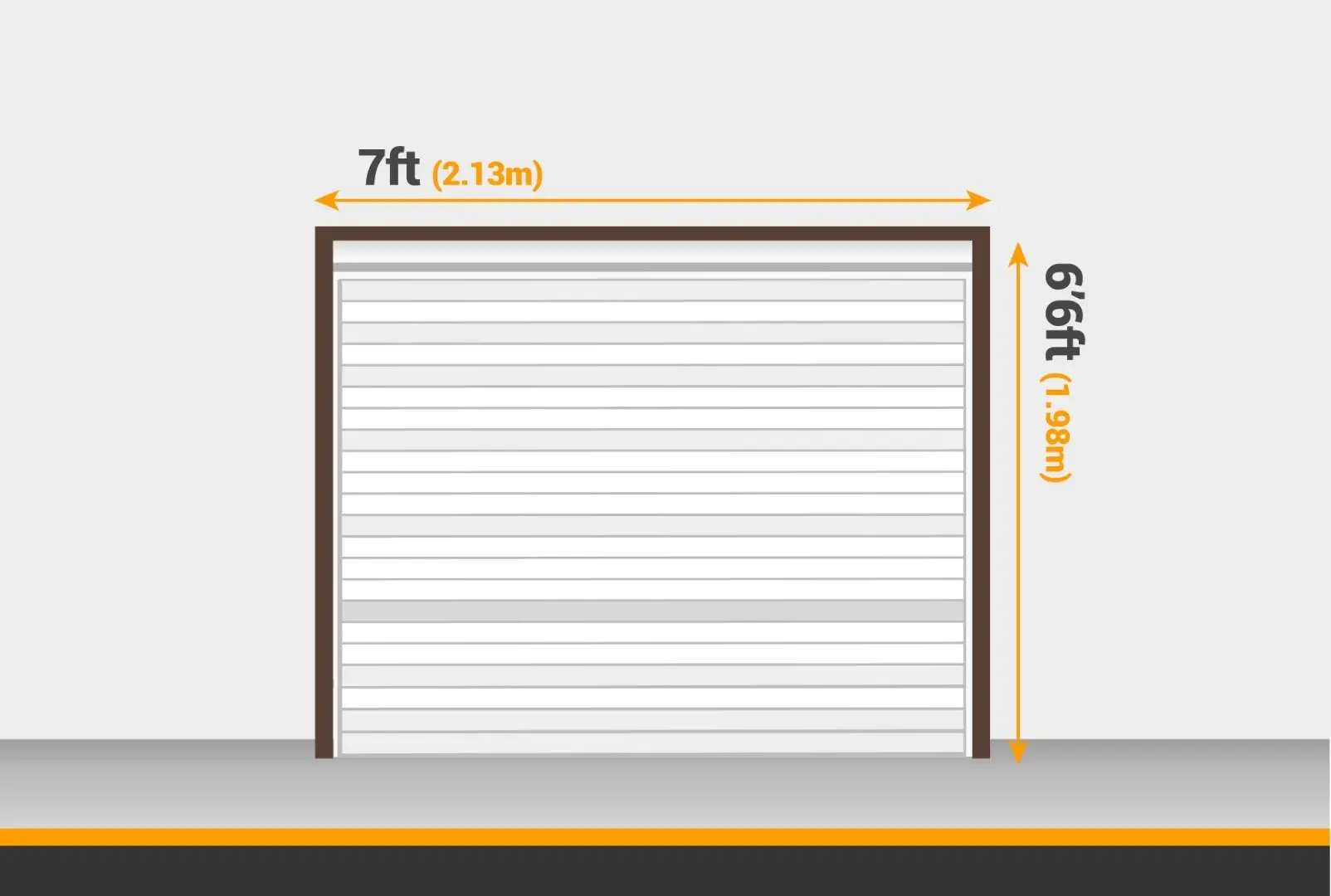
- Common Sizes: 8′ x 7′, 9′ x 7′, 10′ x 7′
- Ideal For: Standard cars, small trucks, or vans
Single garage doors are the most common choice for smaller homes or single-vehicle garages.
If you’re only parking one car, these sizes will work perfectly.
The standard height of 7 feet is suitable for most vehicles, but if you own a larger vehicle or need more space, you might want to opt for a 9′ x 7′ or 10′ x 7′ door.
Tips for choosing the right size for single-car garages:
- Consider your vehicle size: Measure your car’s width and height to determine if a larger size is needed.
- Think about storage: If you use your garage for more than just parking (like storage or a workspace), you might want a larger door for easy access.
B. Double Garage Door Sizes
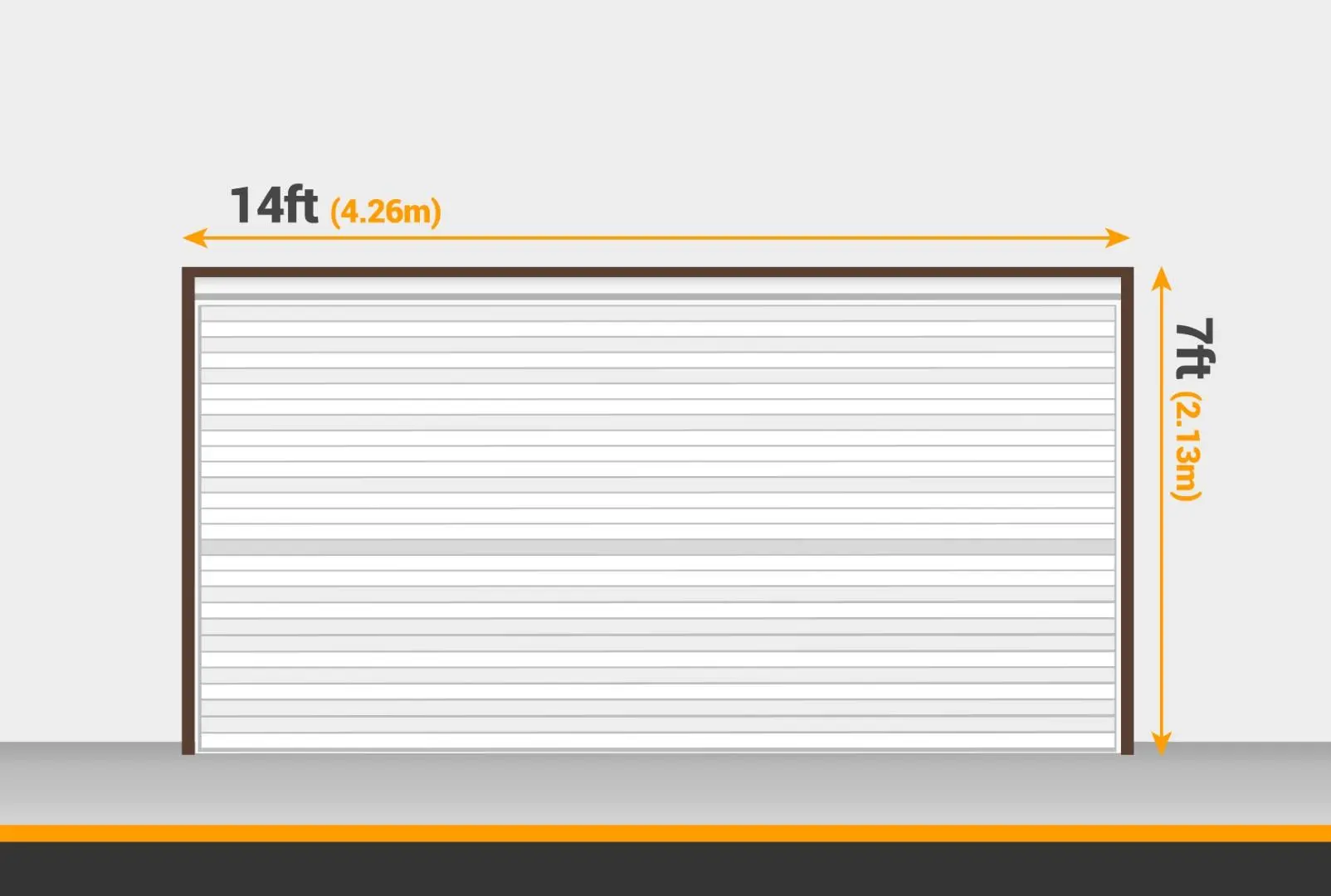
- Common Sizes: 12′ x 7′, 14′ x 7′, 16′ x 7′
- Benefits For: Two-car households or large vehicles
If you have two vehicles, a double garage door is the way to go.
The most common size for double garage doors is 16′ x 7′, which fits most cars and trucks.
If you own large vehicles or want extra room, you can choose a larger 16′ x 8′ door for additional clearance.
Comparison between one double door vs. two single doors:
- One Double Door: A single 16′ door is often more visually appealing and easier to use. You only need one garage door opener, which is cost-effective.
- Two Single Doors: If you prefer to have separate access to each car, two single doors are a great option. However, they do require two openers and could be a bit more expensive.
C. RV Garage Door Sizes
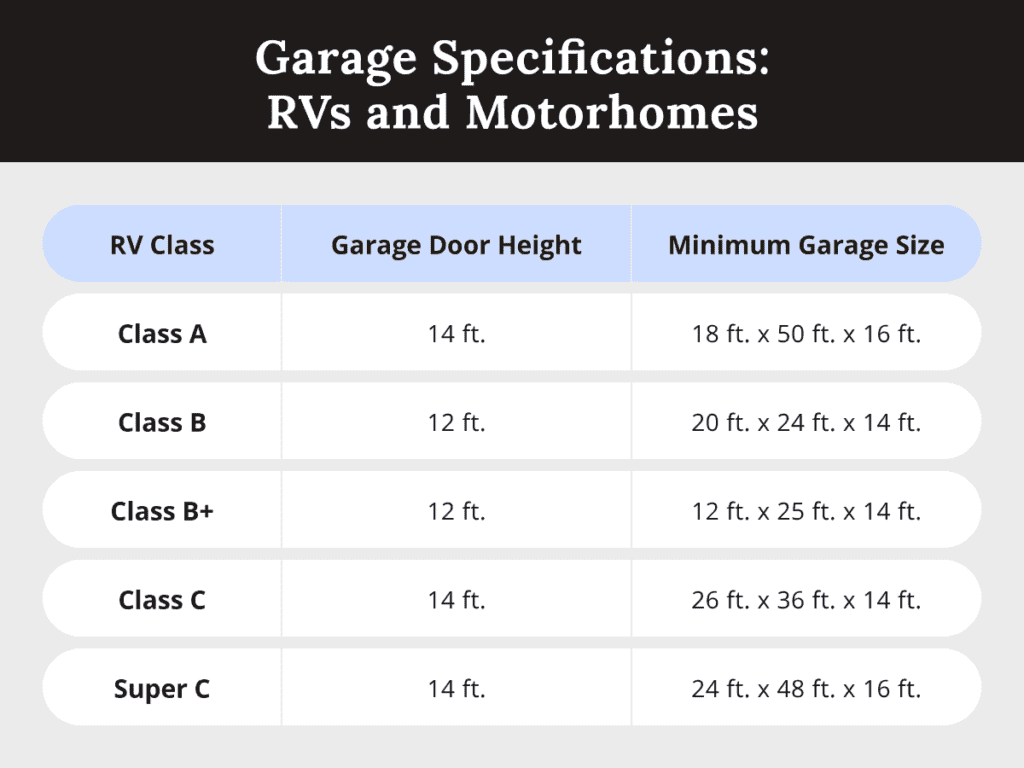
- Standard Sizes: 10-14′ high by 10-14′ wide
- Considerations For: Parking large vehicles and RVs
If you have an RV or large vehicle, you’ll need a larger garage door.
Standard RV garage doors are taller and wider than regular garage doors to accommodate the extra height and length of recreational vehicles.
Most RV garage doors are 10 to 14 feet tall and can be 10 to 14 feet wide.
Be sure to measure your vehicle to ensure the door is large enough to fit comfortably.
Considerations:
- Check your RV size: Make sure the door’s width and height will fit your vehicle.
- Consider additional clearance: You may need extra space for maneuvering and storage around the RV.
Custom Garage Door Sizes
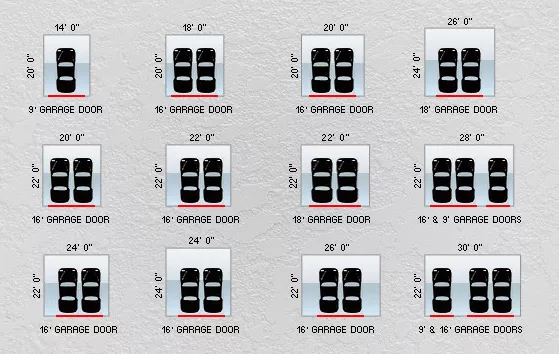
While standard garage doors work for most homes, custom doors are the best solution for unique spaces, oversized vehicles, or specific design preferences.
When to Consider Custom Garage Doors
- Unique Garage Layouts: Custom doors are ideal for non-standard dimensions.
- Oversized Vehicles: RVs, boats, or large trucks require wider and taller doors.
- Design Needs: Custom doors allow flexibility in materials, colors, and finishes.
Benefits of Custom Garage Doors:
- Perfect Fit: Ensures a seamless fit for unique spaces or vehicles.
- Increased Property Value: Enhances curb appeal and home value.
- Better Functionality: Accommodates special needs, like extra storage or vehicle space.
Examples of Custom Sizes
- Extra-Wide Doors: Up to 24 feet wide for triple garages.
- Extra-Tall Doors: Up to 14 feet high for RVs or large trucks.
- Non-Standard Width and Height: Custom doors can fit any dimension, offering flexibility.
How to Measure Your Garage Door
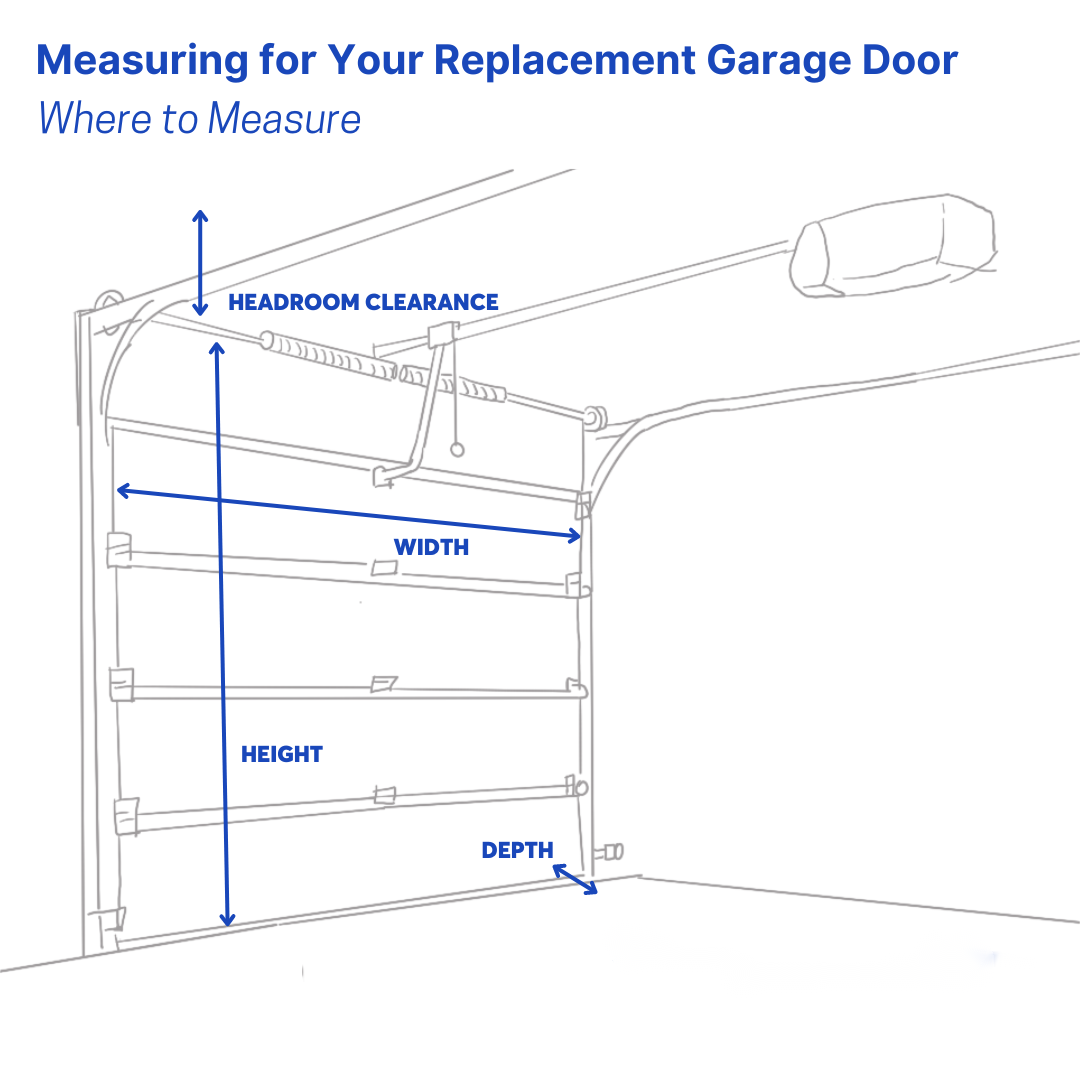
Properly measuring your garage door is essential for ensuring a perfect fit.
1. Measure the Width
Measure the width of the garage door opening from one edge to the other.
Ensure the opening is even by checking both the top and bottom.
- Tip: Take measurements at both the top and bottom of the opening for consistency. Use the smallest measurement to ensure a proper fit.
2. Measure the Height
Measure the height of the garage door opening from the floor to the top.
Make sure to measure both the left and right sides for accuracy.
- Tip: Measure at the left, right, and center of the opening to get the most accurate height.
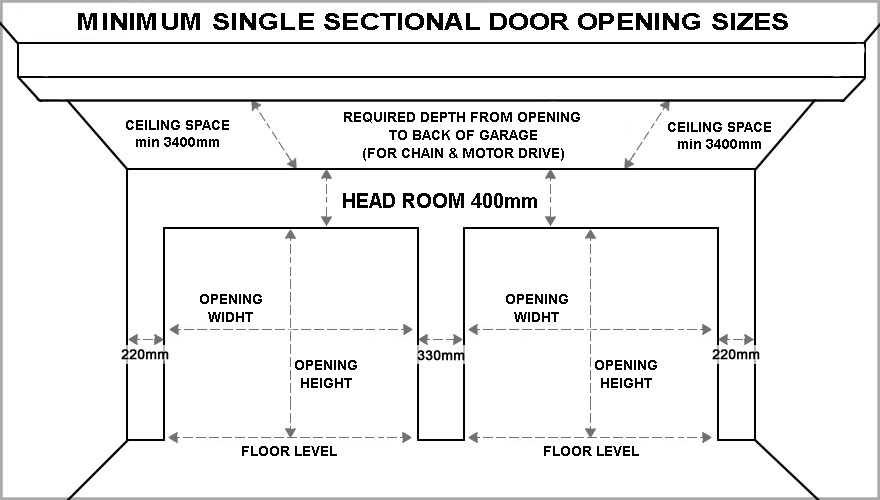
3. Measure the Headroom
Measure the space from the top of the door opening to the ceiling to ensure there’s enough clearance for the door mechanism.
- Tip: Aim for 12-18 inches of headroom, depending on the type of garage door you select.
4. Measure the Side Room
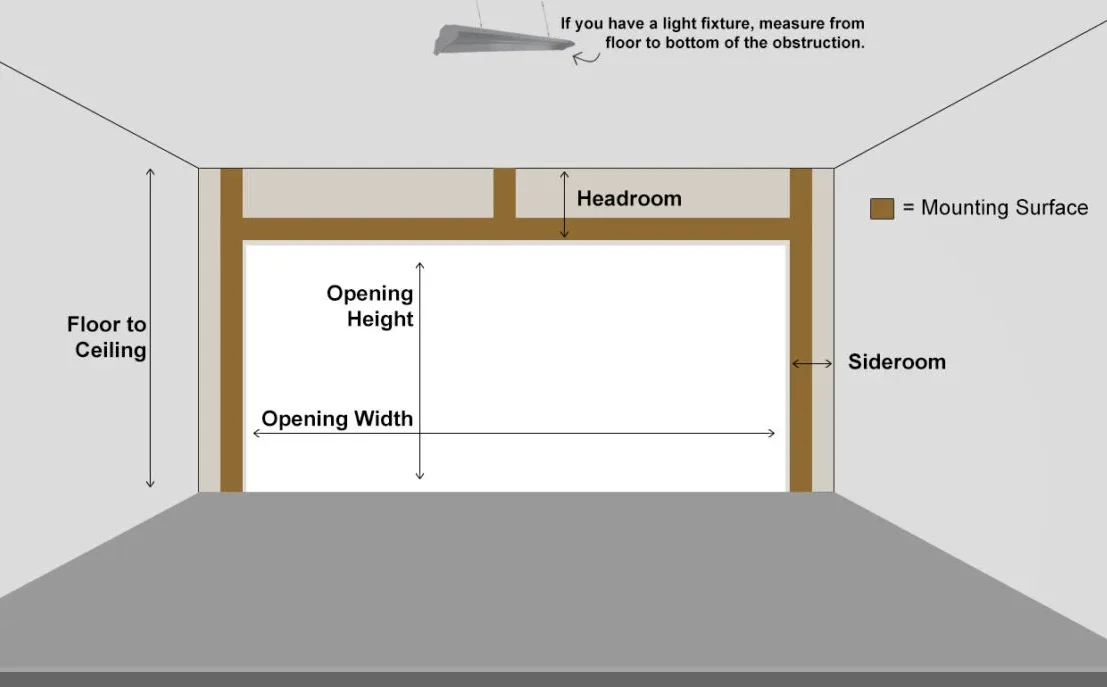
Measure the space on each side of the opening to make sure there is enough room for the tracks and hardware.
- Tip: Allow at least 3.75 inches on each side for the vertical tracks.
5. Measure the Backroom
Measure the distance from the back of the opening to the back wall of the garage.
This ensures enough space for the door to move freely.
- Tip: Allow at least the door height plus 18 inches for proper clearance.
Tips for Accurate Measurements
- Use a Tape Measure: Ensure you’re using a flexible, long tape measure to get accurate readings.
- Double-Check: Take your measurements twice to avoid any mistakes.
- Consult a Professional: When unsure, it’s best to have a professional help ensure your measurements are precise.
Factors to Consider When Choosing a Garage Door Size
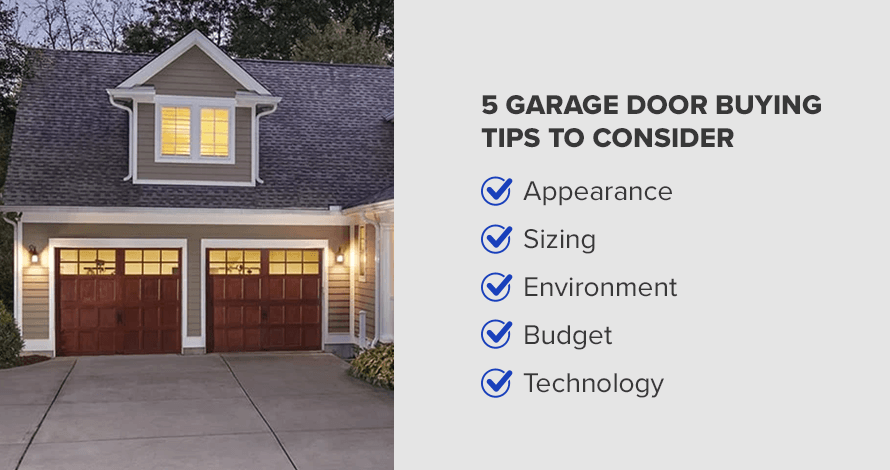
Choosing the right garage door size involves more than just fitting your vehicle.
1. Vehicle Size
Consider the size of your vehicles, including cars, SUVs, trucks, and RVs.
Make sure there’s enough room for your vehicles to fit comfortably and allow space for opening doors.
- Tip 1: If you have large vehicles, such as an RV or a truck, opt for a wider or taller door.
- Tip 2: Measure the largest vehicle in your garage to determine the minimum required door size.
2. Garage Usage
Think about how you’ll use your garage.
If you plan to store items, work on projects, or park multiple vehicles, you might need additional space.
- Tip 1: If you’re using the garage for more than just parking, a bigger door could offer more flexibility for storage or workspace.
- Tip 2: Consider a custom-sized door if you plan on using the space for hobbies or a workshop.
3. Climate Considerations
Your climate can impact your garage door choice.
Insulated doors provide energy efficiency and temperature control, especially in areas with extreme temperatures.
- Tip 1: If you live in an area with harsh winters or hot summers, choose an insulated door for comfort and energy savings.
- Tip 2: Non-insulated doors may be sufficient in mild climates but won’t offer the same benefits for temperature control.
4. Budget
Consider your budget when selecting a garage door size.
Standard garage doors are more affordable, while custom sizes may increase the cost.
- Tip 1: If you’re on a budget, standard sizes will be more cost-effective. Custom doors offer flexibility but come with a higher price tag.
- Tip 2: Factor in installation costs and potential custom components when considering your overall budget.
Types of Garage Doors and Their Size Compatibility
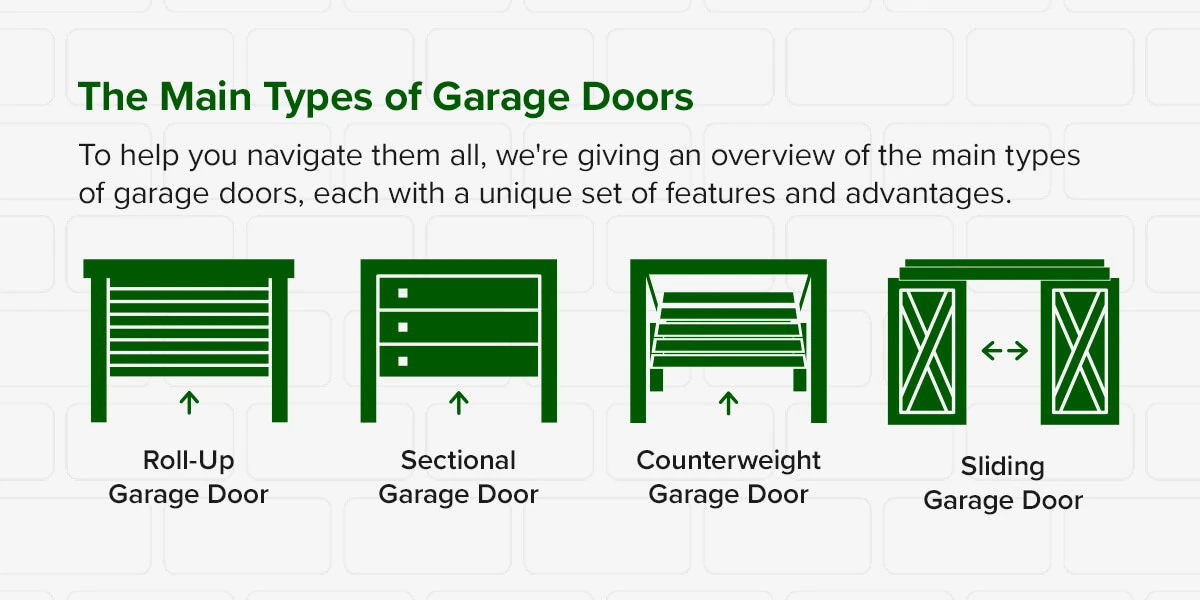
Sectional Garage Doors: Flexible sizing with maximum clearance. Popular for residential use due to space-saving and functional design.
Roller Shutter Doors: Ideal for tight spaces and easy automation. Best for garages with limited overhead room.
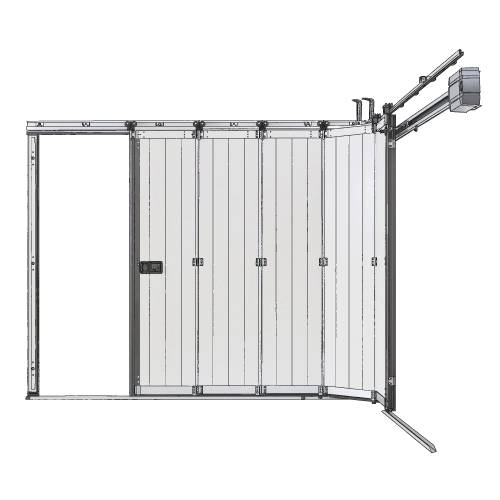
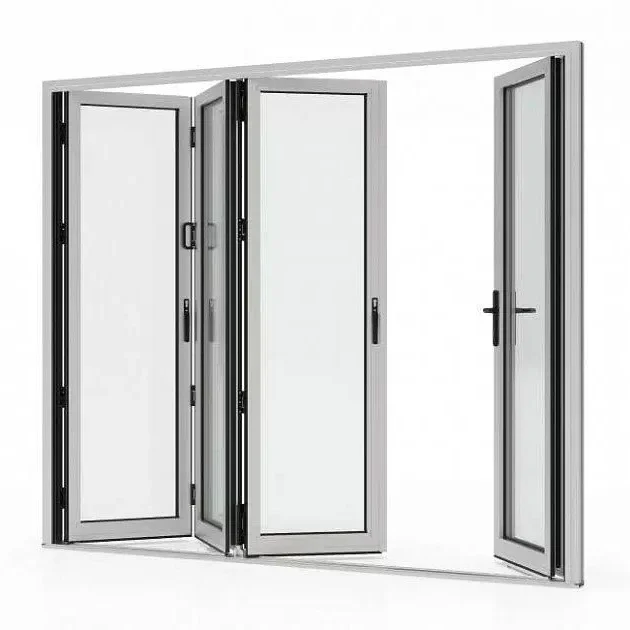
Side-Hinged Garage Doors: Perfect for traditional homes and smaller garages. Open like regular doors and don’t need overhead clearance.
Up-and-Over Garage Doors: Simple installation, cost-effective, and best for single-car garages with available swing-out space.
Conclusion
Choosing the right garage door size is essential for ensuring smooth functionality and enhancing your home’s curb appeal.
By understanding the standard sizes, accurately measuring your garage, and considering factors like vehicle type, usage, and budget, you can make an informed decision that best suits your needs.
If you need expert assistance or a custom quote, feel free to contact us today.
Our team is here to help you find the perfect garage door for your home!