














Windows do more than just let light into your home. They play a big role in your home’s comfort, energy efficiency, and even your monthly bills.
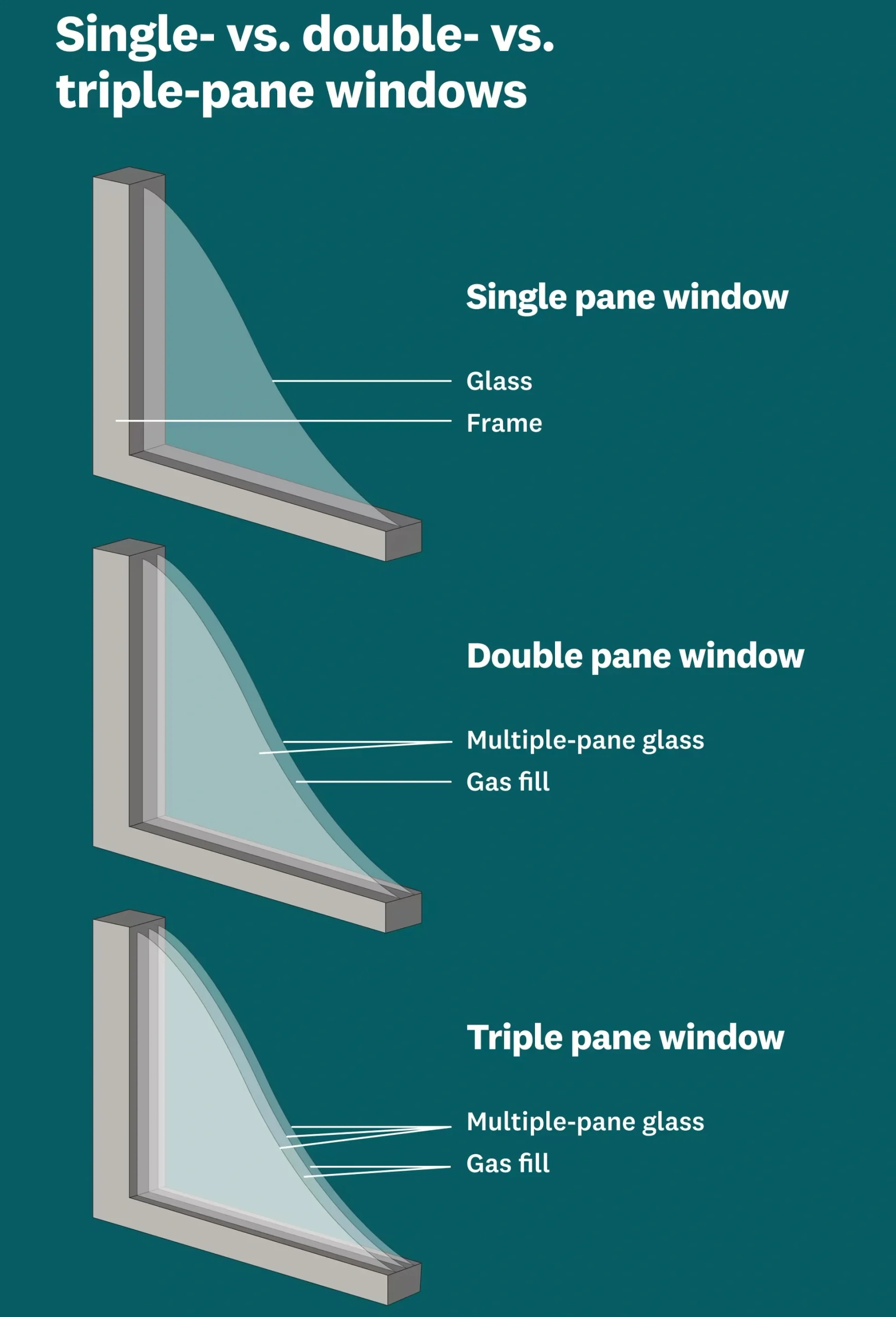
Whether you’re building, remodeling, or replacing old windows, it’s important to understand the differences between single, double, and triple-pane windows. Each type has its pros and cons. Some are better for saving energy. Others cost less upfront.
What Are Window Panes?
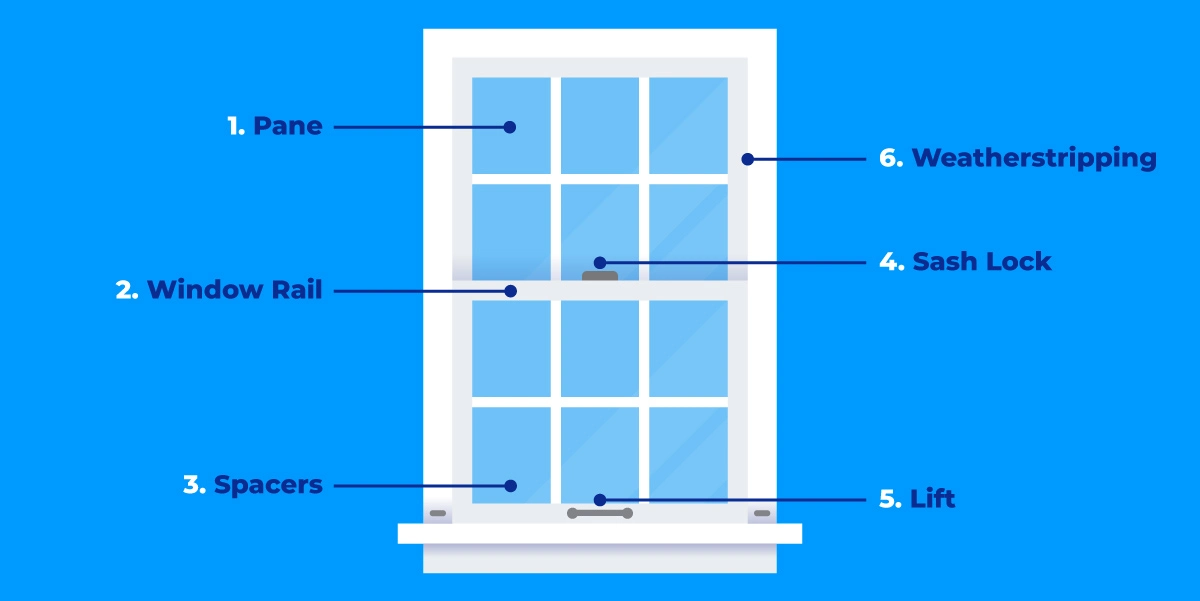
A window pane is simply a sheet of glass inside a window frame.
Most homes today use one of three types: single-pane, double-pane, or triple-pane windows. The difference is how many layers of glass the window has.
- Single-pane windows have just one layer of glass.
- Double-pane windows have two layers, with a small air space in between.
- Triple-pane windows add a third layer, giving even more insulation.
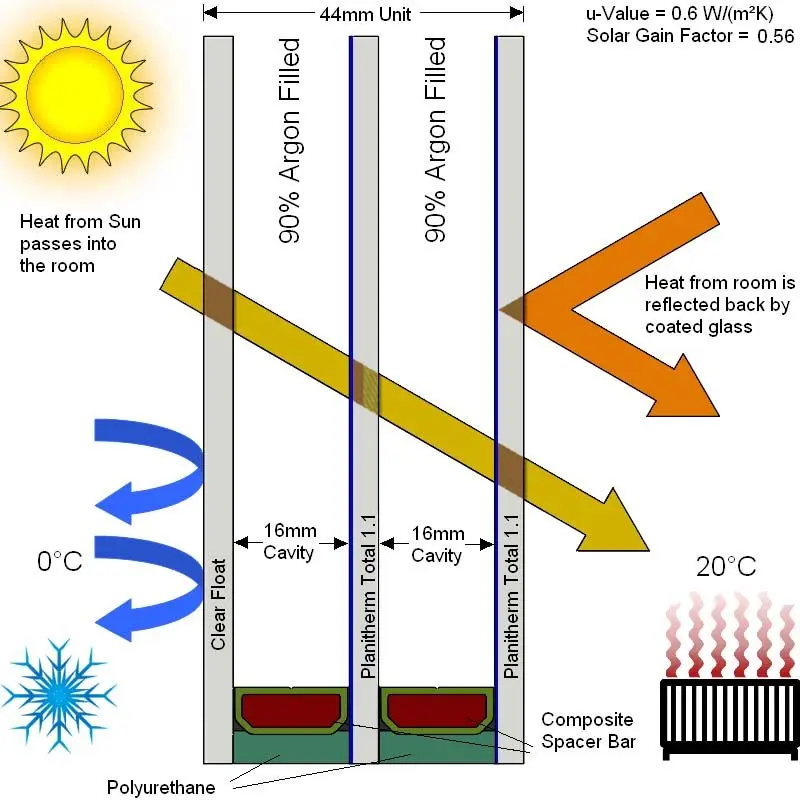
That space between the glass isn’t empty—it’s often filled with a special gas like argon or krypton. These gases are heavier than air and help reduce heat transfer, keeping your home more comfortable year-round.
Many modern windows also use Low-E coatings (short for “low emissivity”). This is a thin, invisible layer that reflects heat while still letting light through. It helps keep your home warm in winter and cool in summer—and protects furniture from UV damage too.
Single-Pane Windows
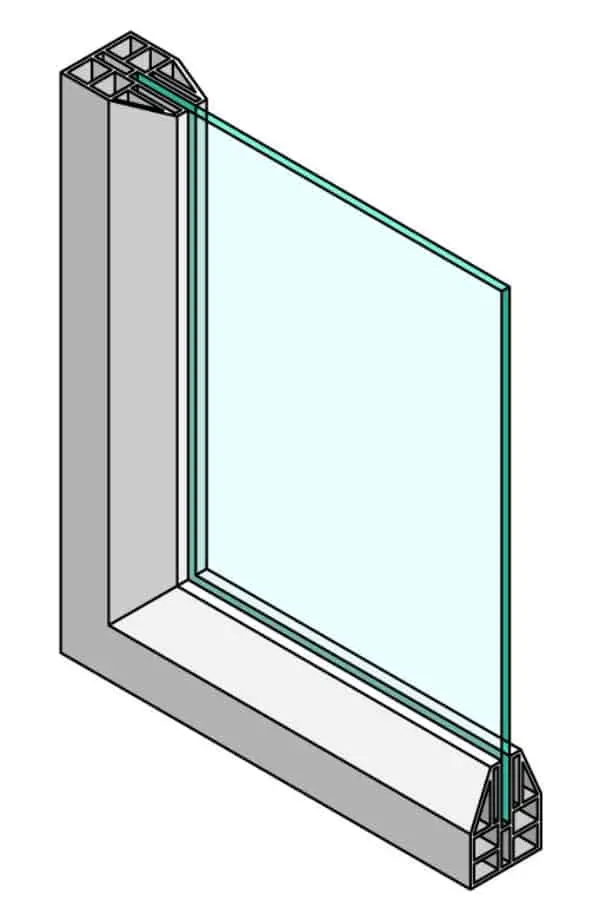
Single-pane windows have just one layer of glass. There’s no gas fill or extra insulation—just one solid sheet. They’re simple and lightweight, which makes them easy to install and replace.
You’ll often find single-pane windows in older homes, sheds, garages, or budget builds.
While they were once the standard, today they’re considered the least efficient option for insulation and energy savings. They let in more outdoor noise and are more likely to cause drafts, especially in colder or hotter seasons. Still, for temporary use or mild climates, they can be a budget-friendly choice.
Pros and Cons of Single-Pane Windows
| Pros | Cons |
|---|---|
| Lowest cost | Poor insulation |
| Lightweight and easy to install | Offers little to no noise reduction |
| Good for sheds, garages, or mild zones | Prone to condensation and drafts |
| Classic look in vintage buildings | Not energy efficient |
Double-Pane Windows

Double-pane windows have two layers of glass with a space in between. That space is usually filled with argon or krypton gas, which helps block heat transfer. This design keeps your home warmer in winter and cooler in summer. It also makes your space quieter by reducing outside noise.
That’s why double-pane windows are the standard choice in most modern homes. They offer a great balance between performance and price—making them a smart upgrade from single-pane options.
Pros and Cons of Double-Pane Windows
| Pros | Cons |
|---|---|
| Good energy efficiency | Higher cost than single-pane |
| Reduces outside noise | Not as insulating as triple-pane |
| Helps lower heating and cooling bills | Needs full-home installation for full benefit |
| Widely available in many styles/sizes | Slightly heavier than single-pane |
Triple-Pane Windows

Triple-pane windows have three layers of glass and two sealed spaces in between. These spaces are filled with argon or krypton gas, just like in double-pane windows—but double the insulation. They’re designed for maximum energy efficiency, especially in very cold or very hot climates. They also provide superior noise reduction, making them ideal if you live near traffic, airports, or noisy neighbors.
Another plus? The extra glass layer makes the window more secure and durable. If you’re planning to stay in your home long-term or want top-tier comfort, triple-pane is worth considering.
Pros and Cons of Triple-Pane Windows
| Pros | Cons |
|---|---|
| Best insulation for extreme climates | Highest upfront cost |
| Excellent noise reduction | Heavier; may need stronger window frames |
| Improved home security | Slightly less natural light |
| Great for long-term energy savings | Not always necessary in mild climates |
Side-by-Side Comparison

Key Factors to Consider Before Choosing
Choosing the right type of window pane isn’t just about price.
Here are a few key things to think about before you decide:
1. Climate
If you live in a mild area, single- or double-pane windows may be enough. For moderate climates, double-pane windows offer a great balance. In extreme hot or cold regions, triple-pane windows provide the best insulation and comfort.
2. Noise Sensitivity

Live near a busy road or in a noisy city?
Triple-pane windows block more outside sound and create a quieter indoor space. If you’re in a quiet suburb or rural area, double-pane might be all you need.
3. Budget

Single-pane windows are the cheapest upfront, but they’ll cost more in energy bills over time.
Double-pane windows offer better long-term savings.
Triple-pane windows cost more but provide the highest performance.
4. Home Duration
Planning to move soon?
You might not see the full return from high-end triple-pane windows. But if you’re staying in your home for 10+ years, the energy savings from triple-pane windows can really add up.
5. Natural Light Preferences
Single- and double-pane windows allow more natural light in.
Triple-pane windows may reduce brightness slightly, depending on coatings and thickness.
If light is important to you, it’s worth checking the specs before buying.
6. Return on Investment

Replacing old windows—no matter which type—adds comfort and increases home value. But double-pane windows offer the best balance of cost, efficiency, and resale value. Triple-pane can deliver more ROI in the long run, especially in energy-heavy climates.
Which One Is Right for You?

If you’re looking for the most budget-friendly option and you live in a mild climate, single-pane windows might work for short-term use.
For most homeowners, double-pane windows are the sweet spot. They balance cost, comfort, and energy savings, making them a smart and popular choice.
But if you want the best insulation, live in a place with extreme weather, or just want a quieter, more secure home, triple-pane windows are worth the investment—especially if you plan to stay long-term.
Need Help Choosing the Right Windows?
Still unsure which type of window is best for your home?
Feel free to contact our team for expert advice. We’ll help you compare options based on your location, budget, and home needs. You can also request our product catalog or get a free quote to start planning your upgrade today.
Let’s find the window solution that works best for you.
Frequently Asked Questions