




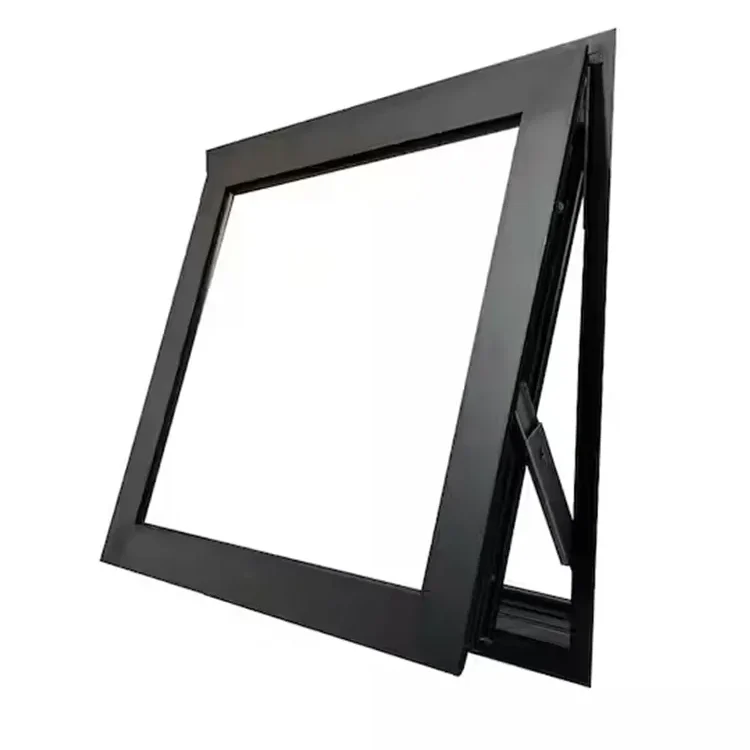

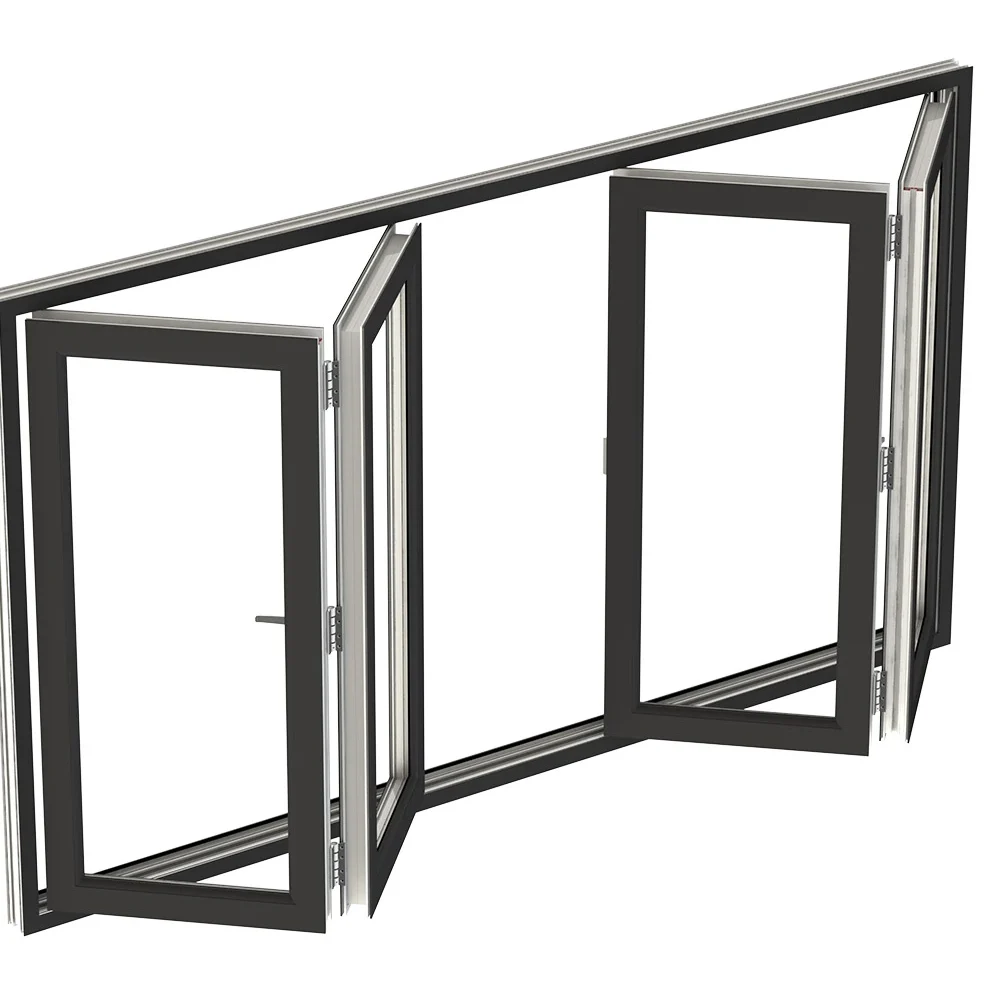

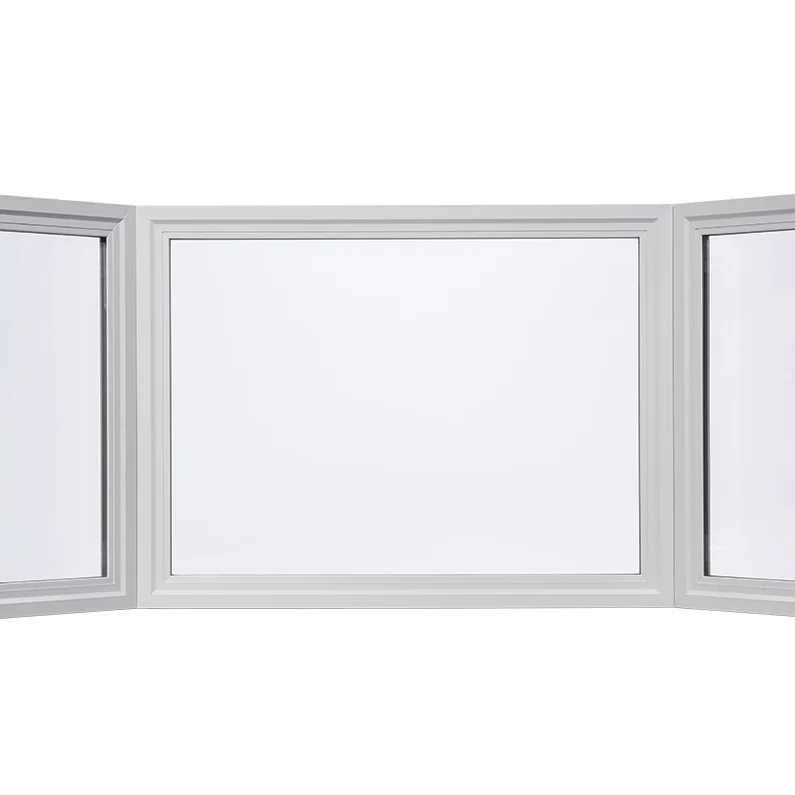








What Are New Construction Windows?
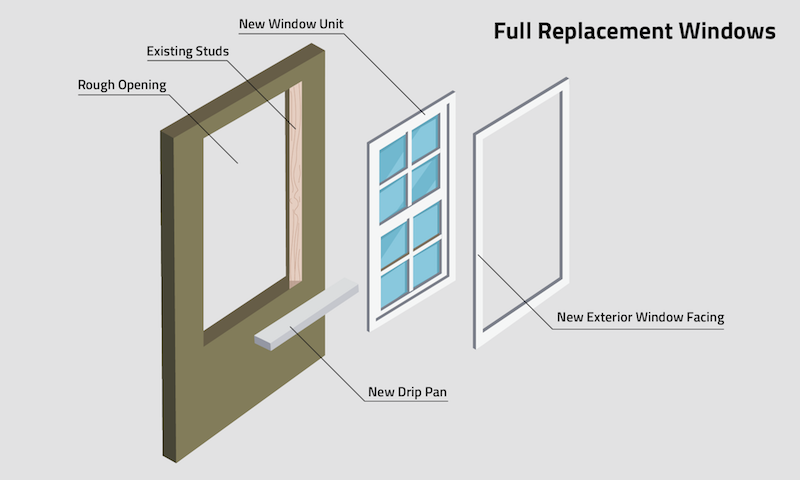
New construction windows are installed in newly built homes or during major remodeling projects where the wall studs are exposed. They come with nail fins or flanges that allow them to be attached directly to the wall frame for a secure fit.
The installation involves securing the window frame to the studs using nail fins. This method creates a tight seal and ensures the window is securely integrated into the wall structure.
Best Applications:
-
New Homes and Additions: Ideal for new builds or expanding your existing space.
-
Extensive Wall Remodeling: Suitable when you’re replacing exterior siding or rebuilding a wall.
-
Damaged Wall Studs or Frames: Best choice when existing studs or frames are compromised.
Pros and Cons of New Construction Windows
| Pros | Cons |
|---|---|
| Provides a better weather seal | Higher installation cost |
| Offers more design flexibility | Requires more labor |
| Allows for full customization | Can disrupt exterior finishes |
What Are Replacement Windows?

Replacement windows are designed to fit into an existing window frame without removing exterior siding or trim. They are a convenient option for upgrading windows without major structural changes.
Types of Replacement Windows:
-
Pocket (Insert) Replacement:
This type of window fits into the existing window frame. It’s ideal when the original frame is in good condition and requires no structural repairs. -
Full-Frame Replacement:
Full-frame replacement involves removing the entire window unit, including the frame and sash. It’s best suited when the existing frame is damaged or if you want to change the size or style of the window.
Best Applications:
-
One-for-One Window Replacement: Ideal when you’re replacing old windows without altering the structure.
-
Good Frame Condition: Best for situations where the original frame is still in good shape.
-
Minimal Structural Work: Suitable when you want to avoid extensive remodeling.
Pros and Cons of Replacement Windows
| Pros | Cons |
|---|---|
| Faster and easier installation | Limited design flexibility |
| Lower labor cost | Dependent on existing frame |
| Minimal disruption to the home | May not resolve issues with the frame |
Key Differences Between New Construction and Replacement Windows
#1 Installation Process

The biggest difference between replacement and new construction windows comes down to how they’re installed.
New construction windows use a nail fin that attaches directly to the wall framing. This fin integrates with house wrap, flashing, and exterior layers, creating a strong, weathertight seal. Because of this, they’re typically installed during new builds or major renovations when walls are open.
Replacement windows, also called insert or full-frame replacements, fit into an existing window opening. Insert replacements keep the original frame, while full-frame replacements remove it. These methods avoid disturbing siding or drywall, making them faster and less invasive for finished homes.
#2 Cost Comparison

At first glance, replacement and new construction windows often have similar product pricing. The real cost difference comes from labor.
New construction windows usually require removing siding, cutting wall openings, adding flashing, and repairing finishes. This extra work increases labor time and overall project cost.
Replacement windows involve less demolition and fewer structural changes. Because installation is simpler, labor costs are typically lower, making replacement windows the more budget-friendly option for most homeowners.
#3 Energy Efficiency

Many people assume new construction windows are always more energy efficient, but that’s not always true.
New construction windows often seal tighter because the nail fin integrates directly with the wall system. However, replacement windows can perform just as well when installed correctly and paired with a solid existing frame.
In reality, window quality, proper installation, and frame condition have the greatest impact on energy efficiency—not the window type alone.
#4 Design Flexibility
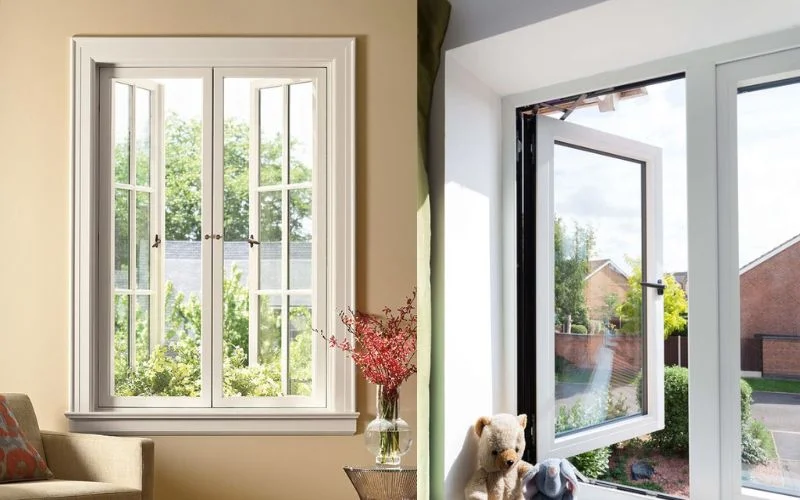
New construction windows offer greater design freedom. You can change window size, relocate openings, or choose custom shapes and layouts. They also allow builders to repair or reinforce damaged framing before installation.
Replacement windows work best when existing frames are in good condition. While style and glass options are still available, size and placement usually stay the same, as the window fits the original opening.
#5 Project Time & Disruption
Replacement windows are designed to minimize disruption. Most installations can be completed quickly, often within a day, with little impact on interior walls or exterior finishes.
New construction windows take longer. Since installation involves wall systems, flashing, and structural work, projects may span several days and affect both indoor and outdoor areas. This makes them better suited for planned renovations rather than quick upgrades.
When to Choose New Construction Windows
Best Situations
-
Building a New Home or Addition:
New construction windows are designed for projects where the wall studs are exposed, making them the perfect choice for newly built homes or room additions. -
Extensive Wall Remodeling or Frame Replacement:
If you’re undertaking a major renovation where the wall system is being rebuilt, new construction windows ensure a tight, weatherproof seal. -
Frames or Studs Are Severely Damaged:
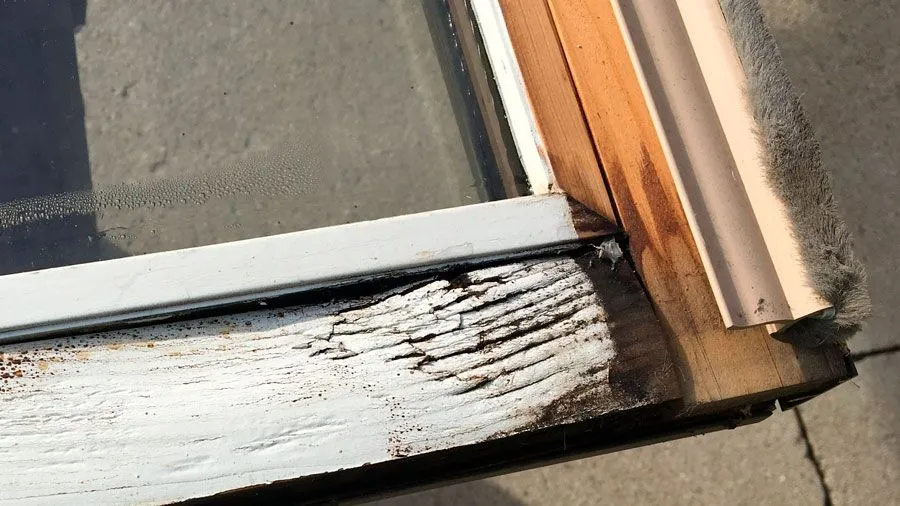
When the window frames, wall studs, or surrounding structures are compromised by rot or damage, installing new construction windows is the best option to restore the structural integrity.
Signs You Need New Construction Windows
-
Visible Rot, Termite Damage, or Warping:
If the window frame or surrounding wall shows signs of decay, structural damage, or warping, replacing the entire frame is necessary. -
Plans to Replace Exterior Siding or Update Wall Structure:
When you’re replacing siding, stucco, or other exterior materials, it’s a good opportunity to install new construction windows, as the wall is already exposed.
When to Choose Replacement Windows

Best Situations
-
Updating Windows with No Major Exterior Work:
Replacement windows are ideal when you want to upgrade your windows without removing exterior siding, trim, or stucco. -
Frames in Good Condition That Don’t Require Replacement:
If the existing window frames are structurally sound and free from rot or warping, replacement windows can fit directly into the current openings. -
Homeowners Seeking a Quick, Cost-Effective Window Upgrade:
For a fast, budget-friendly solution, replacement windows provide an efficient way to enhance the look and energy efficiency of your home.
Signs You Need Replacement Windows
-
Drafts or Condensation Between Panes:
If you feel drafts or notice fogging between window panes, the seal may be broken, indicating it’s time for a replacement. -
Difficulty Opening or Closing the Window:
When windows become hard to operate due to wear and tear, replacement is a practical option. -
Fading, Peeling, or Warping on the Existing Frame:
Visual signs of deterioration, such as peeling paint, warping, or discoloration, suggest the frame may no longer provide proper insulation or aesthetics.