












What Are Wood Windows?

Wood windows are made with solid wood frames that bring a warm, natural look to any home. They’ve been used for centuries because they offer excellent insulation, timeless charm, and the ability to customize them to match nearly any architectural style. Many homeowners choose wood when they want a premium feel or when restoring traditional or historic homes.
Pros of Wood Windows
Beautiful, timeless appearance — rich grain and warmth you can’t fully replicate with synthetic materials.
Highly customizable — can be painted or stained in any color, making them versatile for design changes.
Excellent insulation — wood naturally blocks heat and cold, boosting energy efficiency.
Long lifespan — with proper care, quality wood windows can last 30+ years.
Cons of Wood Windows
Higher cost — usually more expensive to buy and install than vinyl options.
Regular maintenance required — needs painting, staining, and sealing to prevent rot and warping.
Susceptible to moisture damage — in humid or rainy climates, poorly maintained wood may swell or decay.
Heavier weight — frames may require stronger support and more careful installation.
What Are Vinyl Windows?
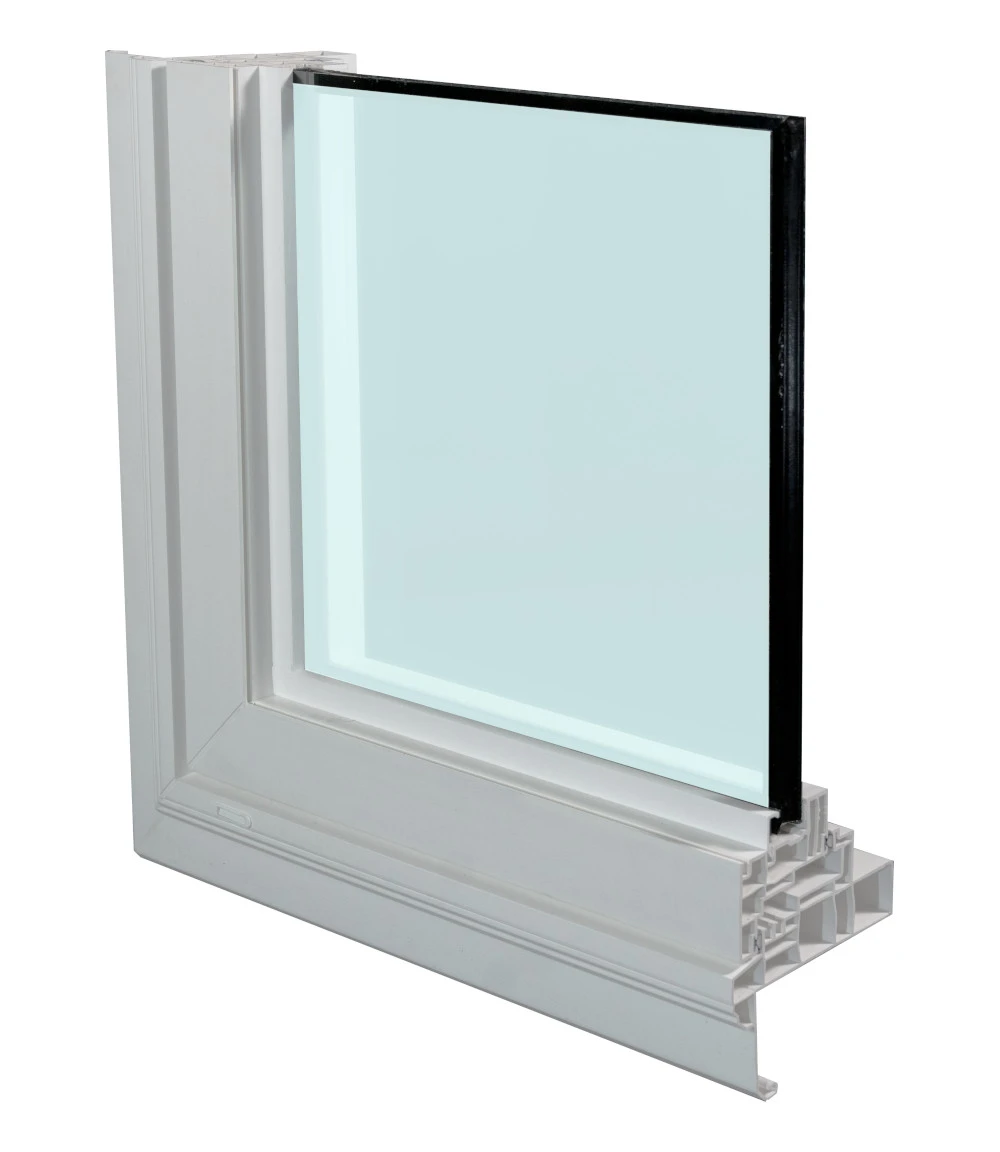
Vinyl windows use PVC (polyvinyl chloride) frames designed to resist moisture, fading, and everyday wear without needing much upkeep. They’ve become the most popular option for modern homes because they’re budget-friendly, energy efficient, and widely available in many sizes and styles.
Pros of Vinyl Windows
Low maintenance — no painting or sealing required; a simple wipe-down keeps them clean.
Cost-effective — typically 30–50% cheaper than wood windows, making them ideal for tight budgets.
Moisture and weather resistant — they don’t rot, chip, or warp, even in wet or coastal climates.
Good energy efficiency — multi-chambered vinyl frames offer strong insulation, especially when paired with double or triple glazing.
Wide availability — easy to source, quick to install, and often available in standard window sizes.
Cons of Vinyl Windows
Limited color options — cannot be repainted; you’re restricted to factory finishes.
Less premium look — may not match the upscale or historic aesthetic of wood.
Quality varies by manufacturer — cheap vinyl can warp in extreme heat or discolor over time.
Not ideal for historic restorations — may not meet architectural guidelines in heritage homes.
Side-by-Side Comparison Between Wood and Vinyl Windows
| Category | Wood Windows | Vinyl Windows |
|---|---|---|
| Appearance | Warm, natural grain; paint or stain; premium look | Modern, clean look; color options limited; cannot repaint |
| Maintenance | Needs repainting/sealing; more upkeep | Low maintenance; no painting required |
| Durability | Strong but vulnerable to moisture, rot, warping | Moisture-resistant; stable in most climates |
| Energy Efficiency | Excellent natural insulation; great for cold climates | Strong insulation with multi-chamber frames; consistent performance |
| Cost | Higher upfront cost and installation | Lower cost; budget-friendly for full-house replacements |
| Longevity | Can last decades with proper care | Typical lifespan 20–30 years |
| Environmental Impact | Renewable, repairable, biodegradable (with care) | PVC-based; recyclable in some regions; no painting needed |
Appearance & Aesthetic

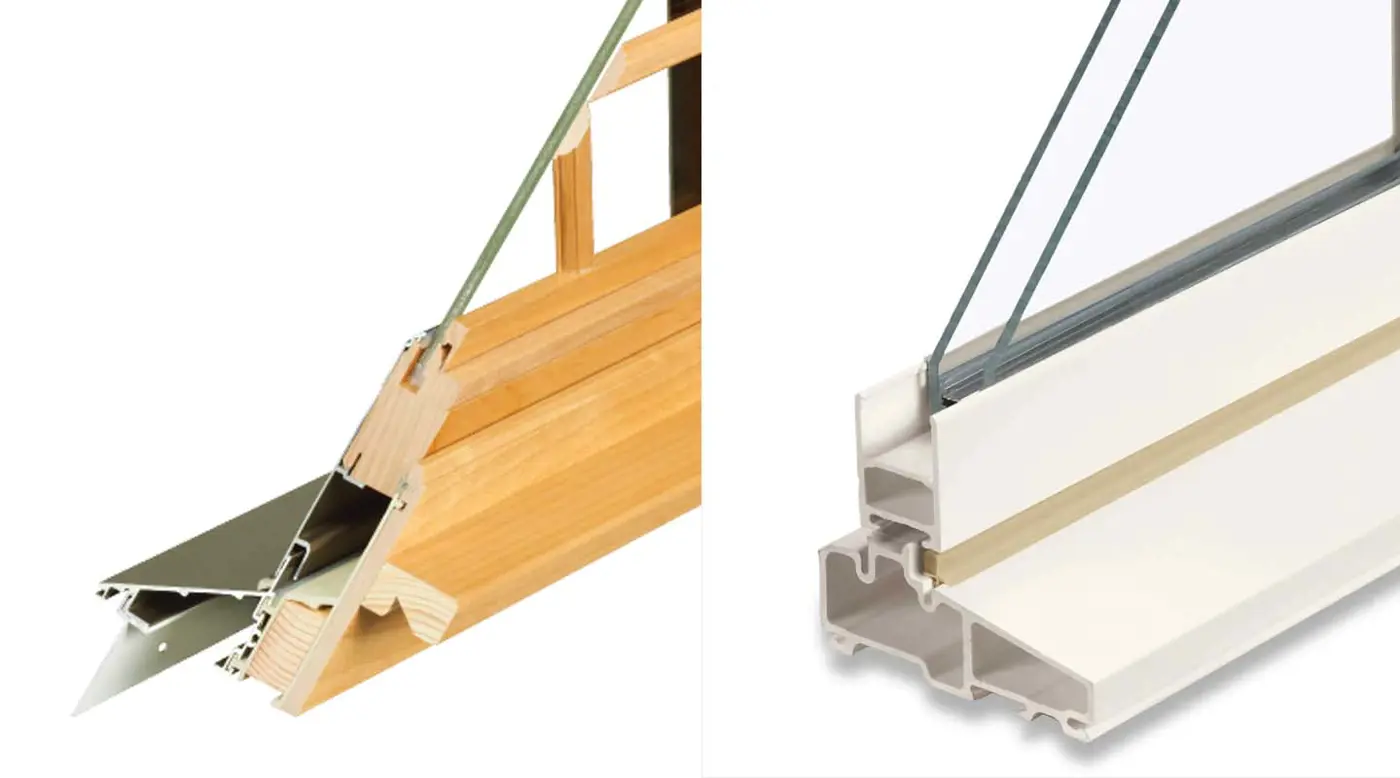
Wood windows offer a natural, warm look that instantly elevates a home’s style. Their grain patterns, depth, and ability to be painted or stained make them ideal for classic, craftsman, or high-end designs. Vinyl windows, on the other hand, have a clean, modern appearance but lack the rich character of real wood. They come in fewer colors and finishes, and once installed, you can’t repaint them — what you choose is what you keep.
Durability & Maintenance

Wood requires care to stay in top shape. It needs routine sealing or painting to protect it from moisture, rot, and warping. In humid or rainy climates, neglected wood can deteriorate quickly. Vinyl windows are much easier to own. They resist moisture, never need painting, and stay stable in most weather conditions. For busy homeowners or rental properties, vinyl is the low-maintenance winner.
Related Article: Best Windows for Your Climate: Choose Right
Energy Efficiency

Both materials can be energy efficient, but they excel in different ways. Wood naturally insulates well and performs strongly in cold climates. Vinyl frames use multi-chambered construction that traps air and reduces heat transfer. With proper glazing (double or triple pane), both materials can deliver excellent efficiency — though vinyl tends to be more consistent because it’s less affected by moisture or temperature changes.
Cost & Budget Fit
Wood windows sit at the premium end of the price range. They cost more to buy and often more to install due to their weight and craftsmanship. Vinyl windows are generally the most budget-friendly option, often costing 30–50% less. For full-house window replacements, vinyl offers significant savings without sacrificing performance.
Longevity & Value
Quality wood windows can last decades when properly maintained — some historic homes still have functioning wood frames from the early 1900s. Vinyl windows typically last 20–30 years, depending on climate and construction quality. In terms of resale value, wood may add more perceived luxury, while vinyl offers reliable performance at a lower upfront cost.
Environmental Impact
Wood is a renewable material, especially when sourced responsibly, and can be repaired rather than replaced. Vinyl is derived from PVC, which is not biodegradable, but it performs well without the need for chemical paints or sealants. Recyclability varies by region, and high-end manufacturers now offer reclaimable vinyl options.
Which Material Fits What Kind of Home & Lifestyle

Choosing between wood and vinyl windows often comes down to your home’s style, the climate you live in, and how long you plan to stay. Here’s a clear way to decide what fits your lifestyle best:
Historic or traditional homes – Wood is usually the better match because it blends perfectly with classic architecture, adds warmth, and preserves the home’s original character.
Budget-conscious owners, rentals, or modern minimalist homes – Vinyl is ideal thanks to its low cost, simple appearance, and almost zero maintenance needs.
Climate considerations – In humid, rainy, or coastal climates, vinyl handles moisture better and won’t warp or rot. In dry or cold regions, wood can provide excellent insulation—if properly maintained.
Long-term homeowners vs short-term sellers – Wood offers timeless beauty and long-term value for people planning to stay for years. Vinyl, however, typically offers a better ROI for resale because buyers appreciate its low maintenance and strong performance.
Ready to Choose the Right Windows for Your Home?
Whether you’re comparing wood and vinyl windows for style, performance, or budget, the right choice can make a huge difference in comfort and long-term value. If you need help selecting the best material, sizing, or energy-efficient options for your home, we’re here to guide you every step of the way.
Contact us today — let’s upgrade your windows with confidence.
FAQs
Is vinyl window better than wood windows?
Vinyl windows are better if you value low maintenance, water resistance, and lower cost. They resist rot, don’t need painting, and hold up well in humid or wet climates.
What is the downside to vinyl windows?
Vinyl windows can warp, sag, or discolor over time — especially lower-quality PVC in extreme heat or sun. They also offer fewer customization and paint options, and may not match the premium look of real wood.
What are the disadvantages of wood windows?
Wood windows look beautiful and insulate well, but they require regular maintenance — painting, sealing, and checking for rot.
They’re also more expensive to buy and install, and if neglected, can warp or degrade over time, reducing energy efficiency.
Does vinyl last longer than wood?
It depends on maintenance and quality. Well-kept wood windows can last 30–50+ years, potentially outlasting vinyl. Vinyl windows generally have a lifespan of 20–40 years, often with less upkeep needed — though cheap vinyl may degrade faster.