













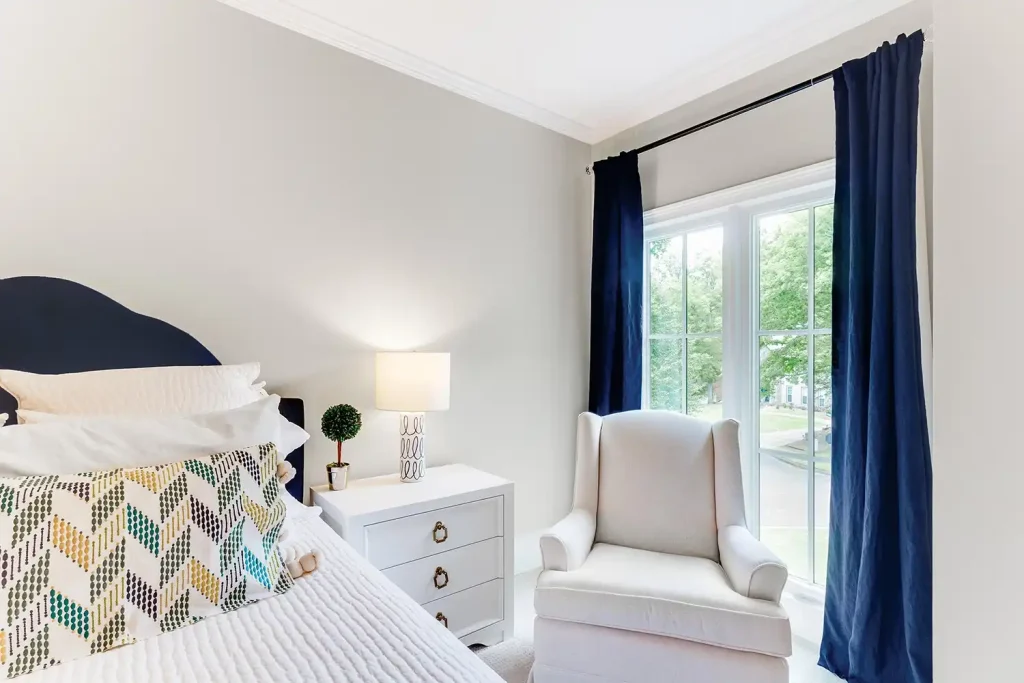
When it comes to choosing new windows for your home, the options can feel endless. From energy performance and ventilation to style and security, there’s a lot to consider.
Casement windows have remained a homeowner favorite for years—not just because they look good, but because they’re practical, efficient, and easy to use. Whether you’re renovating a kitchen, upgrading a bathroom, or planning a new build, casement windows might be exactly what you need.

In this ultimate guide, we’ll walk you through everything you need to know—from styles and materials to security features, maintenance tips, and comparisons with other window types—so you can decide with confidence.
What Is a Casement Window?

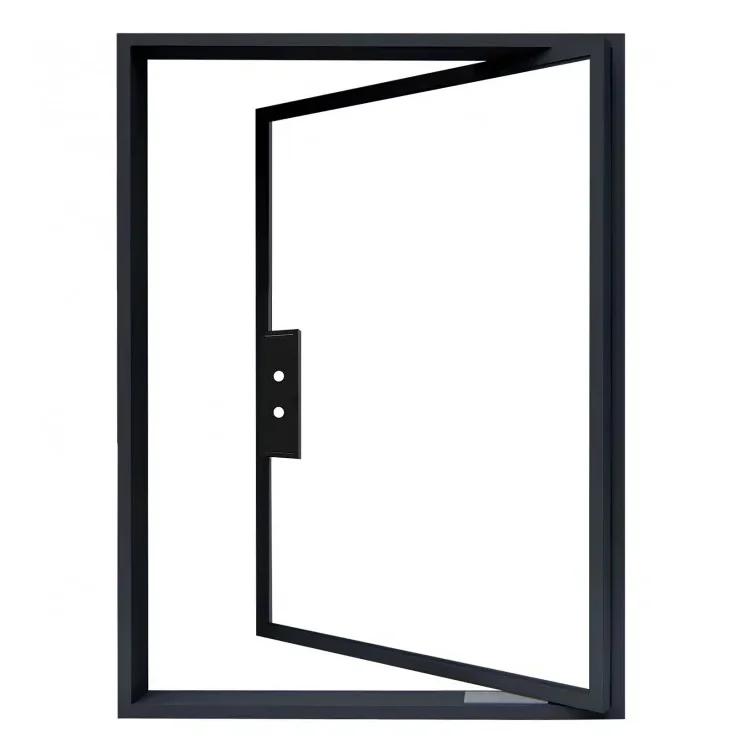
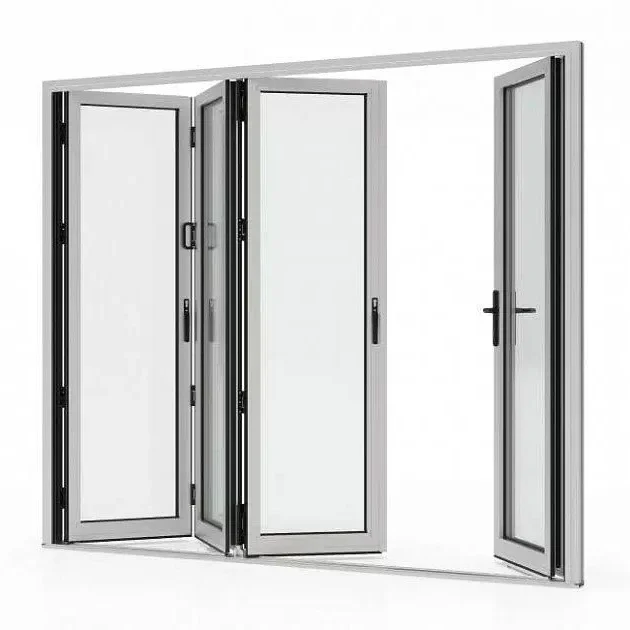
A casement window is a type of window that’s attached to its frame by one or more side hinges. Instead of sliding up or sideways like many traditional windows, it swings open outward like a door—usually operated by a crank handle.
This outward motion allows for excellent ventilation and an unobstructed view, making casement windows a practical choice for many parts of the home.
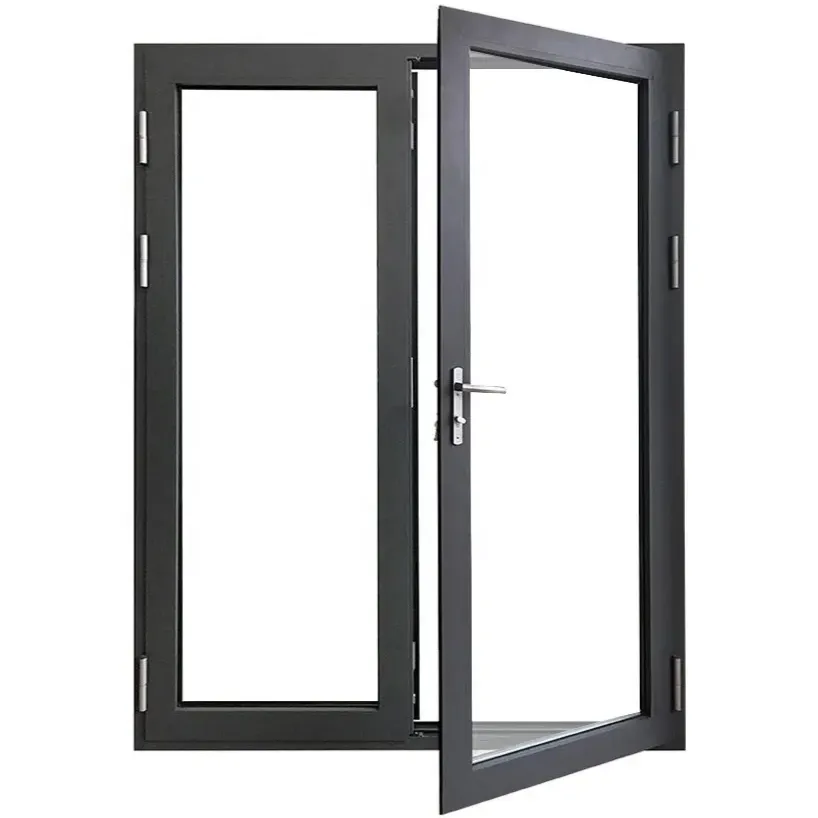
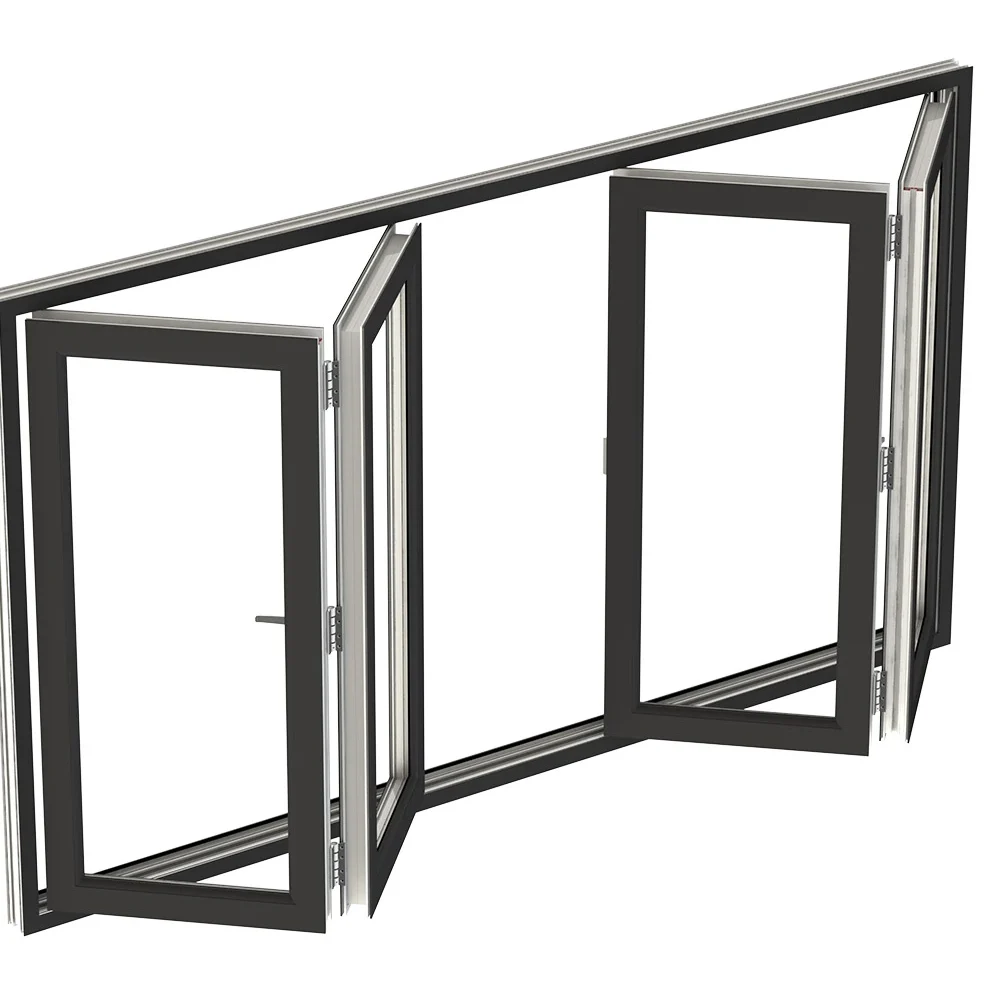
Casement windows are often installed as single panes, but they can also come in pairs (double casement or French casement) that open from the center.
They can be hinged on the left or right and are typically sealed tightly when closed, which improves energy efficiency and helps block out drafts.
Pros and Cons of Casement Windows
| Pros | Cons |
|---|---|
| Excellent ventilation | Can’t be used with window A/C units |
| Unobstructed views | May interfere with outdoor walkways when open |
| Easy to open with a crank handle | More mechanical parts mean slightly more maintenance |
| Energy-efficient with tight sealing | Risk of damage if left open in strong wind or storms |
| Great for hard-to-reach places | Outward swing limits placement near patios or porches |
| Enhanced security with lock-in frame | Crank hardware can wear out over time if not maintained |
Types of Casement Windows
Casement windows aren’t just one fixed style — they come in various types designed to suit different spaces, architectural styles, and lifestyle needs.
1. Single Casement Windows
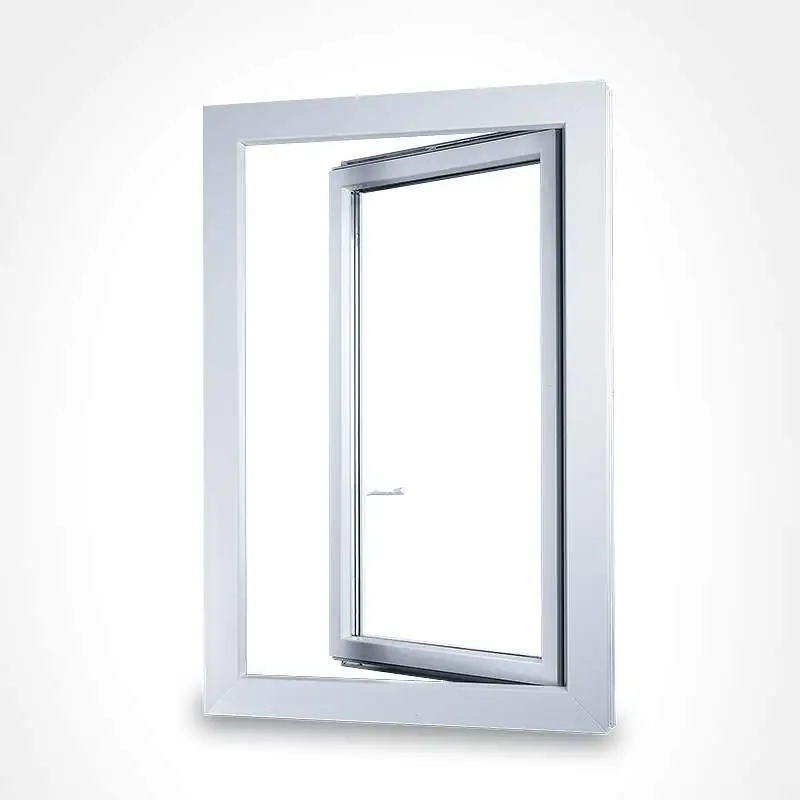
This is the most common type, with one sash that swings open outward using a crank. It offers great ventilation and a clean, uninterrupted view of the outside.
Best for: Bedrooms, home offices, or any room where you want simplicity with function.
2. Double (French) Casement Windows

With two sashes that open outward from the center — and no vertical bar between them — this type gives you a wide, open view and maximum airflow.
Best for: Large living rooms, dining areas, or master bedrooms that open to patios or scenic views.
3. Push-Out Casement Windows

Instead of using a crank, you simply unlock the latch and push the window open by hand. It provides a more classic or even historic look and offers a smoother, quieter operation.
Best for: Cottage-style homes or homeowners who want a crank-free, hands-on design.
4. In-Swing Casement Windows
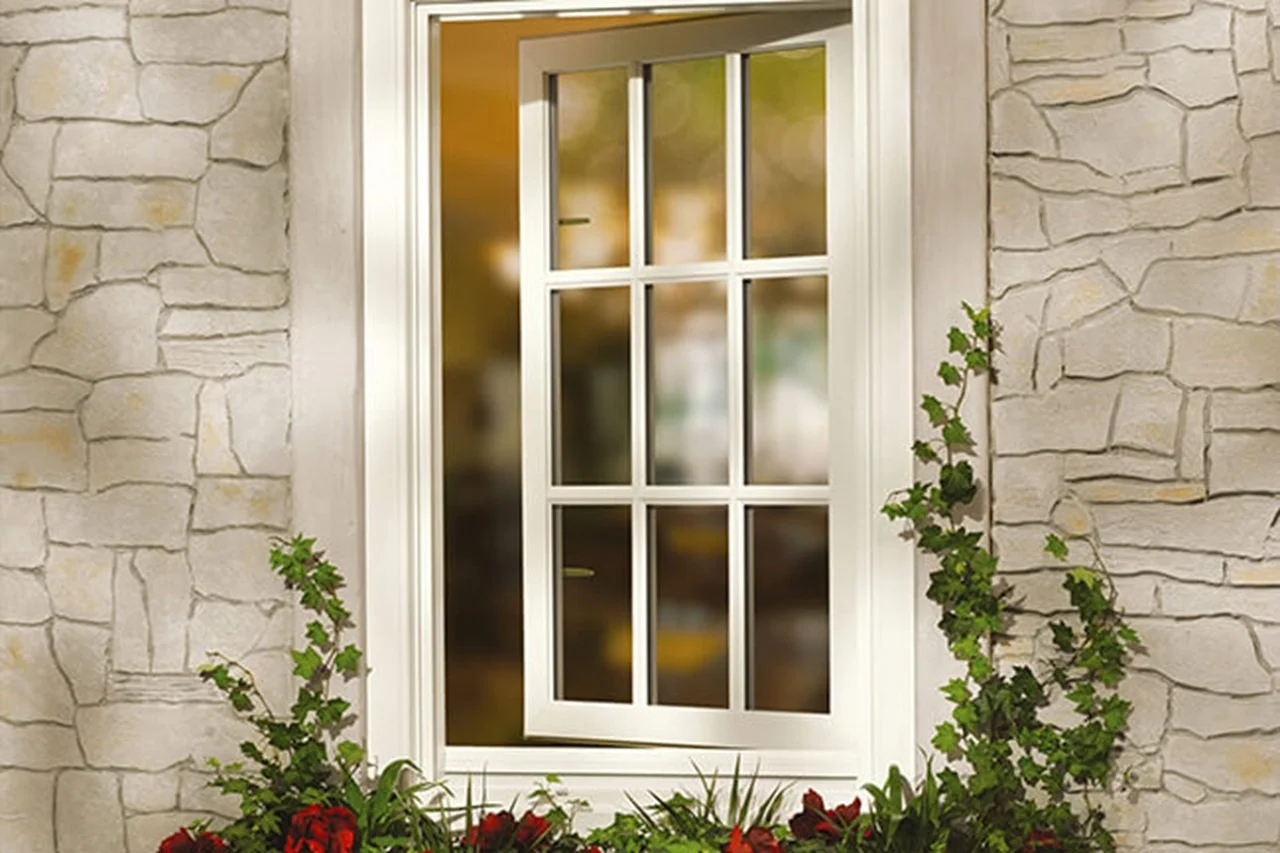
This version opens inward, making it easier to clean from inside and perfect for spots where exterior space is limited.
Best for: Apartments, balconies, or close property lines where an outward-opening sash would be obstructive.
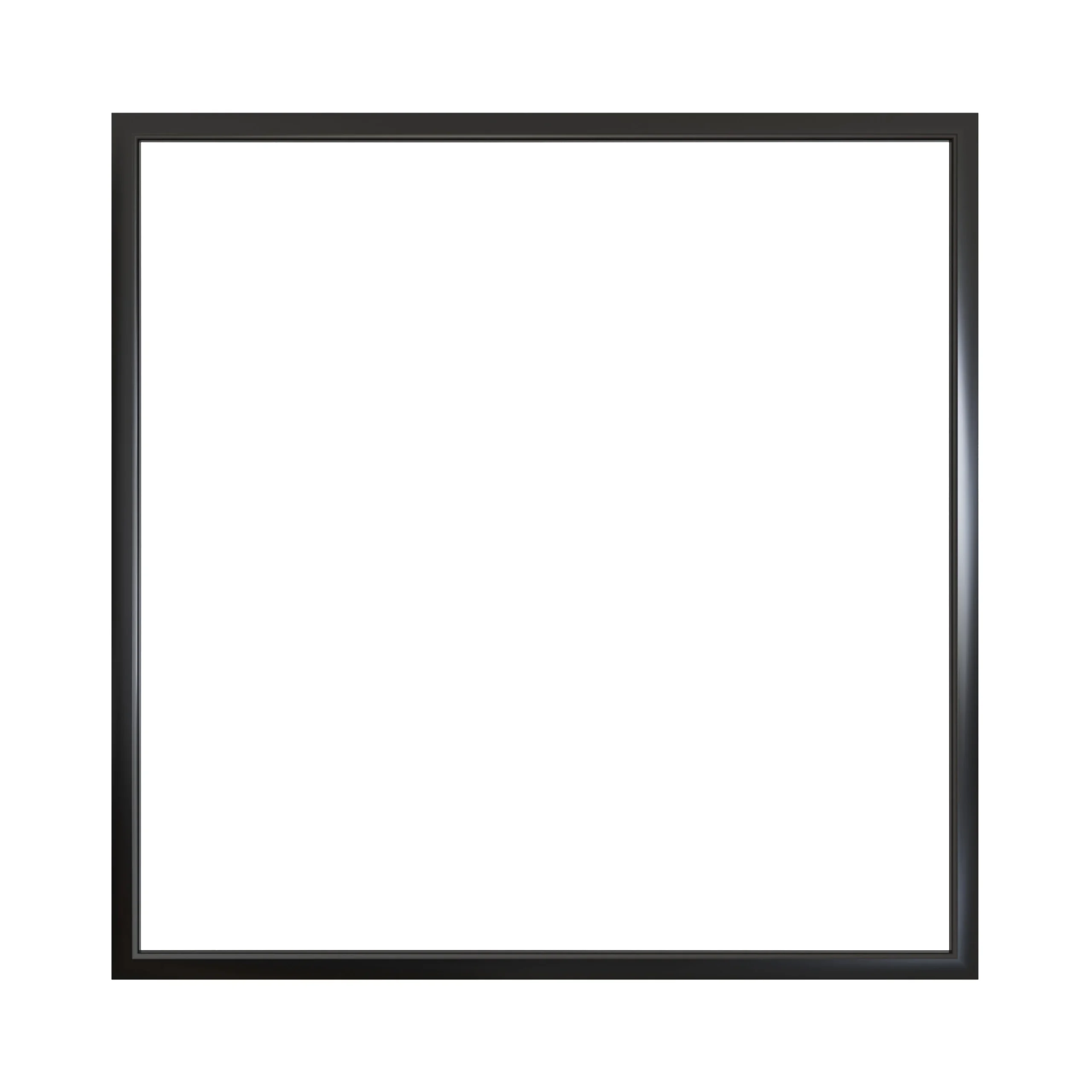
5. Fixed & Mock Sash Casement Windows
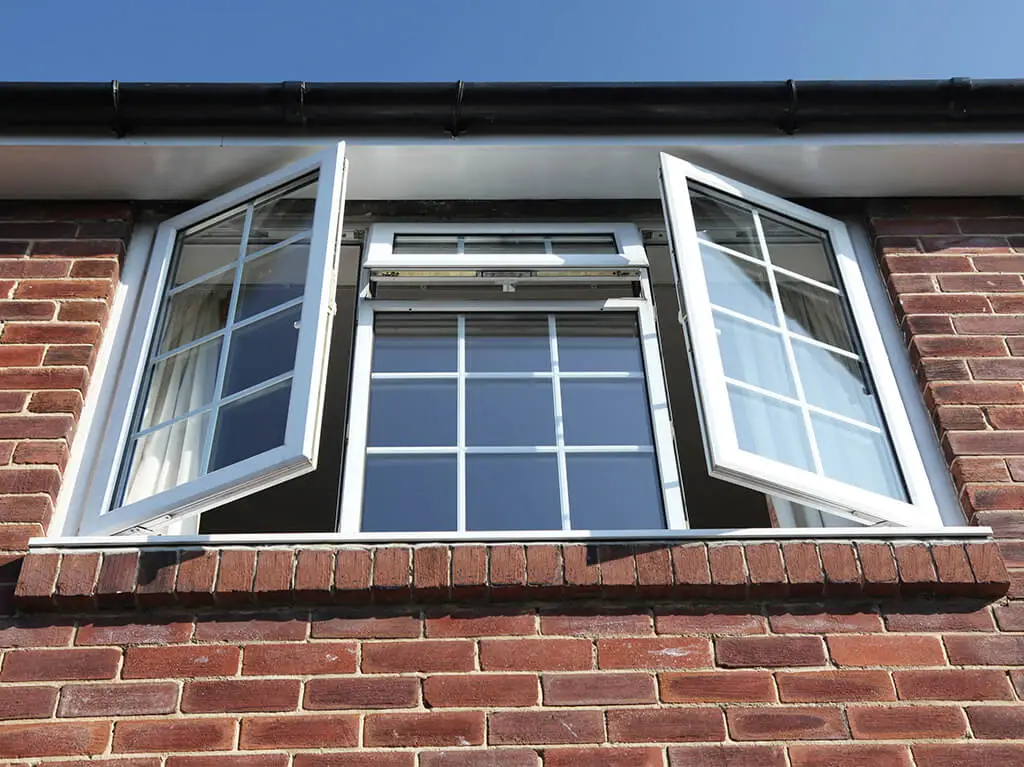
Fixed windows don’t open, but can be styled to match casement windows with a “mock sash” appearance. They help maintain visual consistency and allow natural light without compromising on energy efficiency.
Best for: Hallways, stairwells, or accent windows paired with operable units.
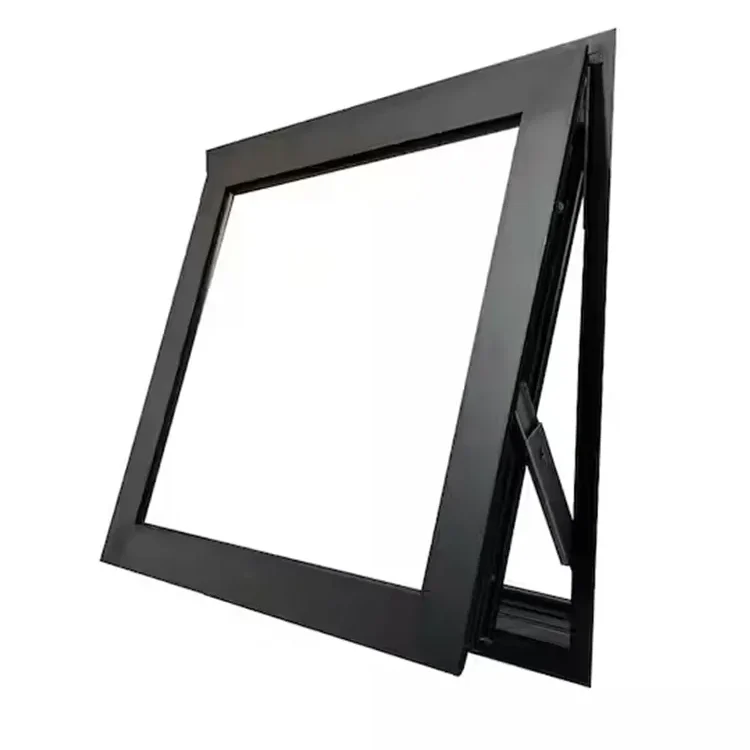
6. Awning Casement (Top-Hung) Windows

These windows are hinged at the top and open outward from the bottom, forming a small awning when open. They let in air while keeping out rain.
Best for: Bathrooms, basements, or above larger fixed windows for added airflow and privacy.
Casement Window Parts Explained

Understanding the different parts of a casement window can help you appreciate its design and functionality—and even assist with maintenance or troubleshooting.
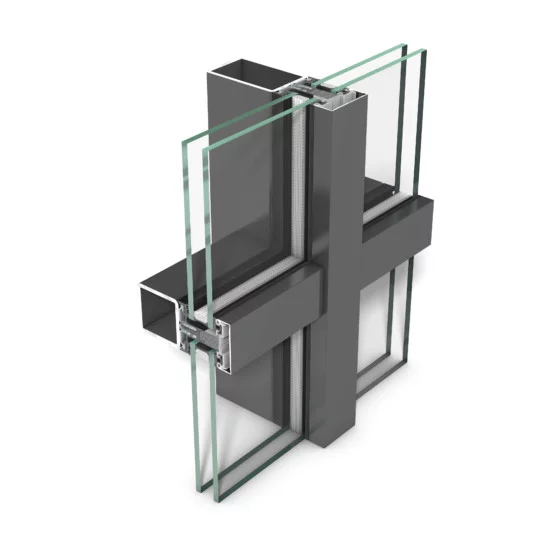
Frame (Head, Sill, Jambs, Mullion)
The frame is the window’s backbone. It consists of:
Head: The top horizontal section that secures the window.
Sill: The bottom horizontal piece, often designed to direct water away.
Jambs: The vertical sides that hold the frame in place.
Mullion: A dividing element that separates glass panes or supports multiple sashes.
Together, these parts create a strong, stable structure for the window.
Sash & Glazing (Single/Double/Triple Pane)
The sash is the movable part of the window that holds the glass. Casement windows can have single, double, or even triple glazing. More panes generally mean better insulation and noise reduction while still offering a clear view.
Hinges & Crank Operator
These mechanical components make casement windows unique.
Hinges: Attach the sash to the frame, allowing it to swing open smoothly.
Crank Operator: The handle mechanism that turns the operator arm to open or close the window. Easy operation is a major advantage of casement windows.
Locking Handle & Keeper
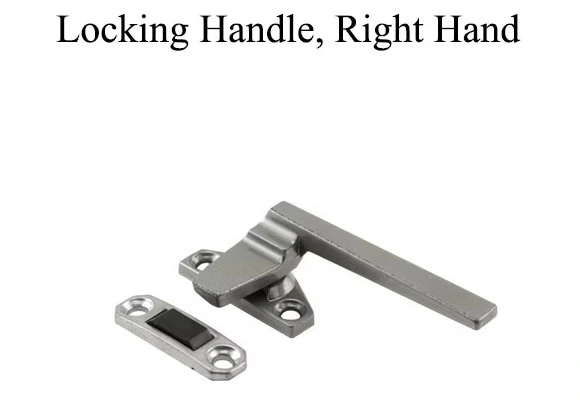
For security and to ensure a tight seal when closed, casement windows include locking handles and a keeper. The keeper works with the locking handle to secure the window in place, helping to keep drafts and unwanted air out.
Weatherstripping & Seals
These components are critical for energy efficiency. Weatherstripping and seals prevent drafts and maintain an airtight fit, keeping your home comfortable regardless of the weather outside.
Casement Window Materials
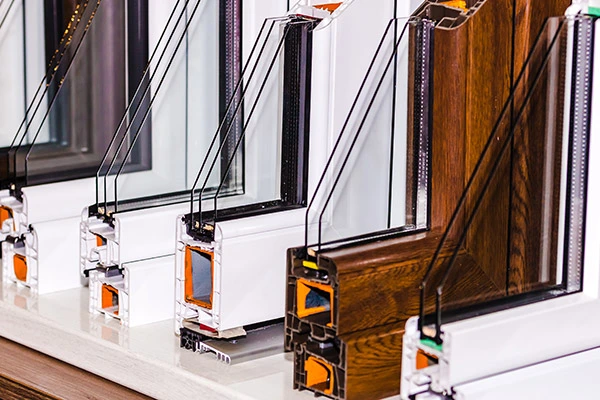
Selecting the right material for your casement windows plays a key role in how they look, perform, and last over time. From budget-friendly options to premium choices, each material comes with its own set of strengths and trade-offs.
Quick Compare Table
1. Vinyl
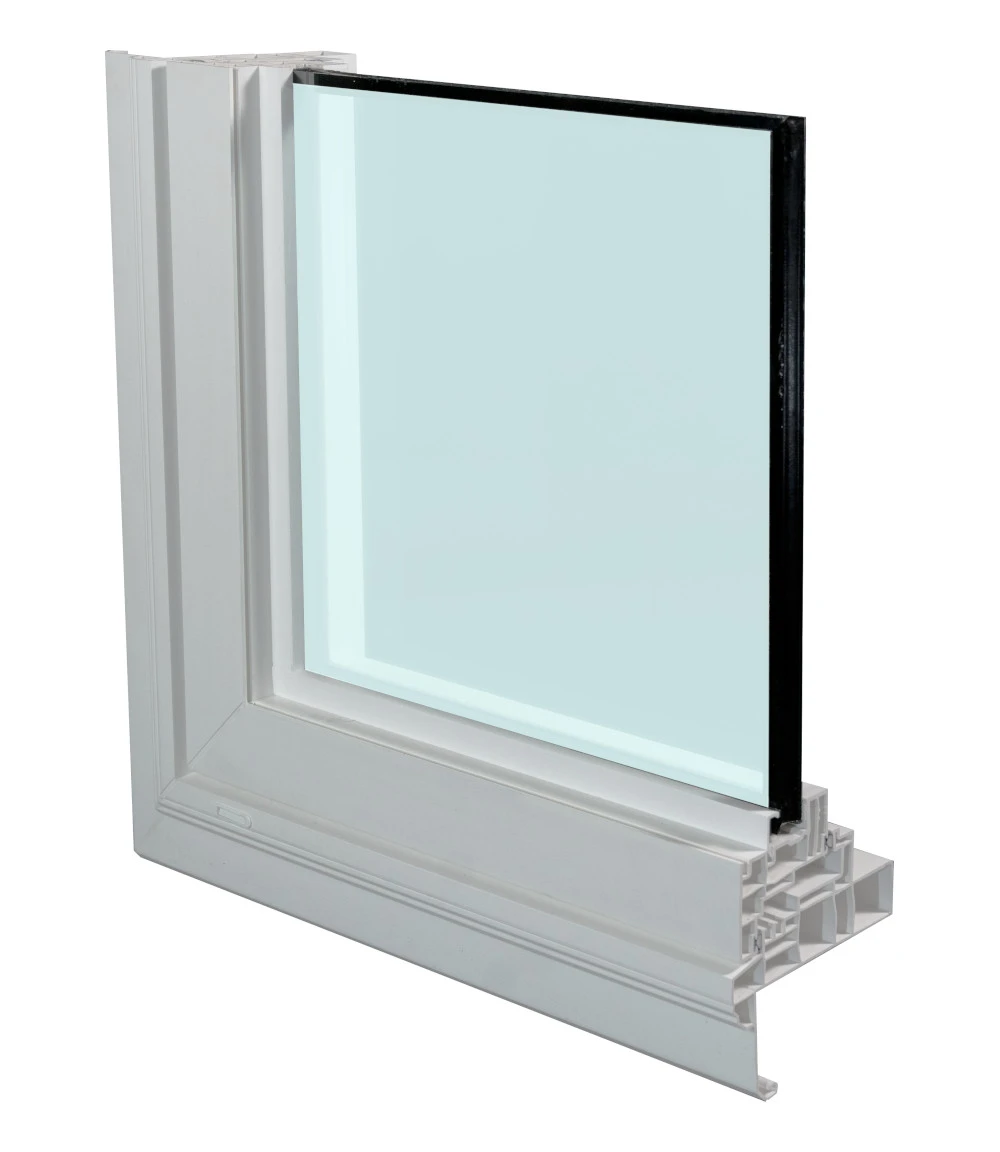
Vinyl is one of the most popular materials thanks to its affordability and energy efficiency. It offers great insulation, resists moisture, and requires very little maintenance. However, it may expand or contract with extreme temperature changes and lacks the strength of other materials for very large openings.
2. Aluminum
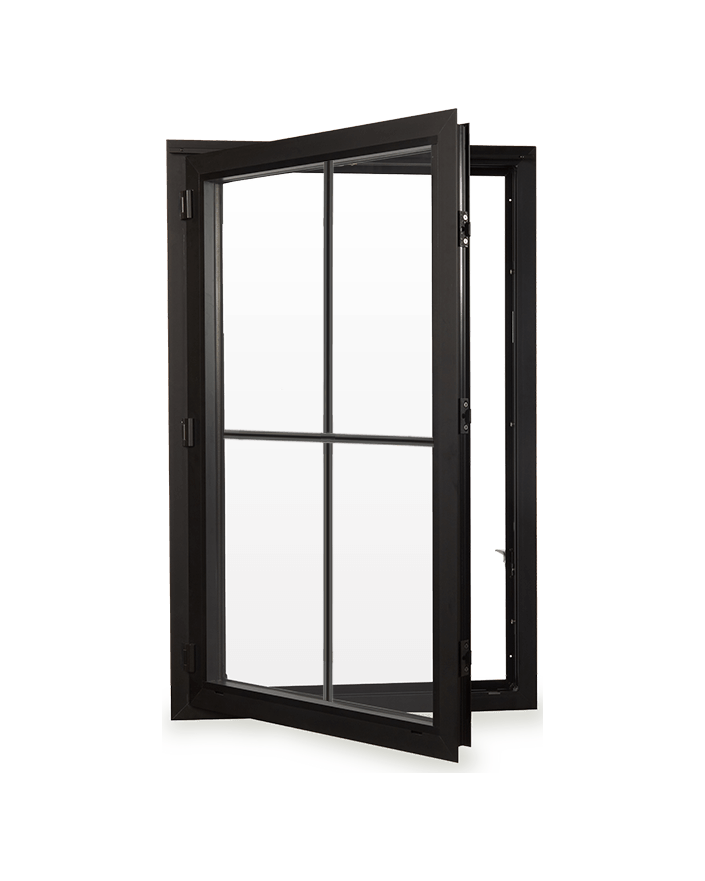
Aluminum is known for its strength and sleek, modern appearance. It’s a great option for contemporary homes and large window designs. While it’s incredibly durable and low-maintenance, aluminum alone isn’t the best insulator unless it includes a thermal break to reduce heat transfer.
3. Wood

Wood provides a classic, timeless look and excellent natural insulation. It’s ideal for traditional or historic homes where aesthetic authenticity is important. That said, wood frames need more upkeep—regular sealing or painting is essential to prevent warping, rot, or insect damage.
4. Fiberglass
Fiberglass is a top-tier choice when it comes to durability and energy performance. It handles temperature fluctuations better than most materials and requires minimal maintenance. While it’s more expensive upfront, fiberglass delivers excellent long-term value.
5. Hybrid frames

Hybrid frames, like those combining vinyl and aluminum or reinforced with steel, offer a balance of strength, efficiency, and appearance. These multi-material designs are engineered to provide the best performance of each component, often with slim profiles and enhanced weather resistance.
Energy Efficiency Features
When it comes to casement windows, energy efficiency isn’t just a bonus—it’s one of their biggest strengths. Thanks to smart material choices and innovative glazing technology, these windows can seriously reduce heat loss and help lower your utility bills.
Low-E Glass
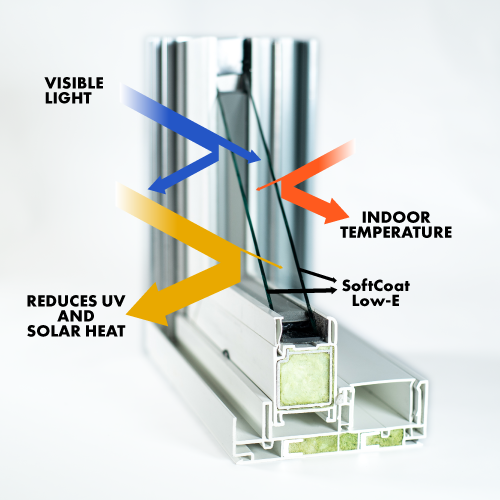
Low-emissivity (Low-E) glass has a thin, invisible coating that reflects heat back to its source. That means it helps keep your home warm in winter and cool in summer—without sacrificing natural light.
Double or Triple Glazing
Casement windows often come with two or even three layers of glass. These extra panes act like insulation, creating air (or gas) pockets that reduce heat transfer and block outside noise.
Gas Fills (Argon or Krypton)
Instead of regular air between the panes, high-efficiency windows use inert gases like argon or krypton. These gases are denser than air, making them better at insulating your space and keeping indoor temperatures stable.
Thermal Breaks & U-Value Performance
Thermal breaks are built into the window frame to prevent the transfer of heat or cold through the material. Combined with quality glazing, they help improve the window’s U-value—a key measure of how well it resists heat flow (lower is better).
Aerogel Technology (Optional High-Efficiency Upgrade)
Some premium casement windows even include Aerogel, a cutting-edge insulating material used in aerospace. It delivers some of the best thermal performance available today—ideal if you’re aiming for ultra-low energy consumption.
Security and Locking Mechanisms
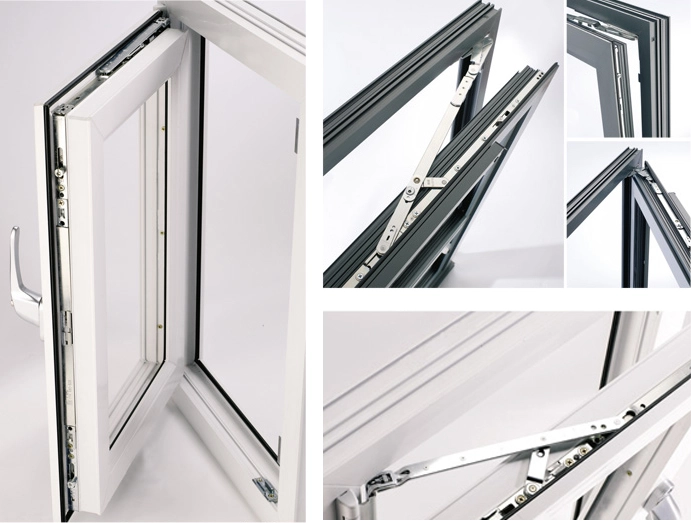
Casement windows aren’t just stylish—they’re also known for their excellent security features. With strong locking systems and modern materials, they can help keep your home safe and give you peace of mind.
Multi-Point vs. Single-Point Locks
Unlike some window types that only latch at one spot, many casement windows use multi-point locking systems. These lock the sash to the frame at several points, making it much harder to pry open. Basic single-point locks are still available, but multi-point systems offer superior protection.
Reinforced Frames
A secure window starts with a strong frame. Casement windows made from reinforced vinyl, aluminum, or fiberglass are more resistant to forced entry and wear.
Some hybrid designs even combine materials for added strength without adding bulk.
Tempered Glass and Impact-Resistant Options
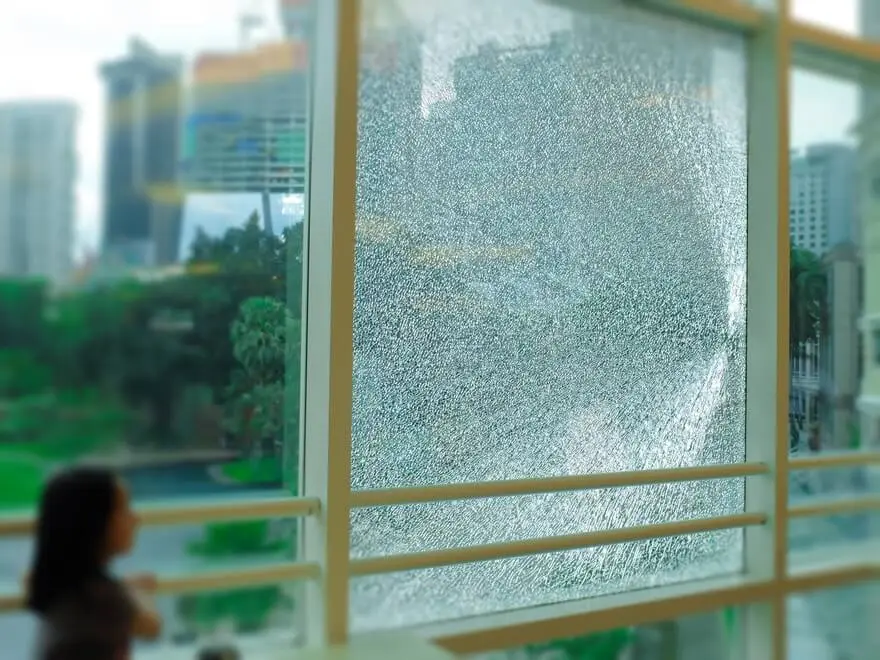
Tempered glass is heat-treated to be tougher and safer—it shatters into blunt pieces rather than sharp shards.
For extra peace of mind, you can also opt for impact-resistant glass, especially in areas prone to storms or break-ins.
Optional Add-Ons: Security Screens or Childproofing
Want even more protection?
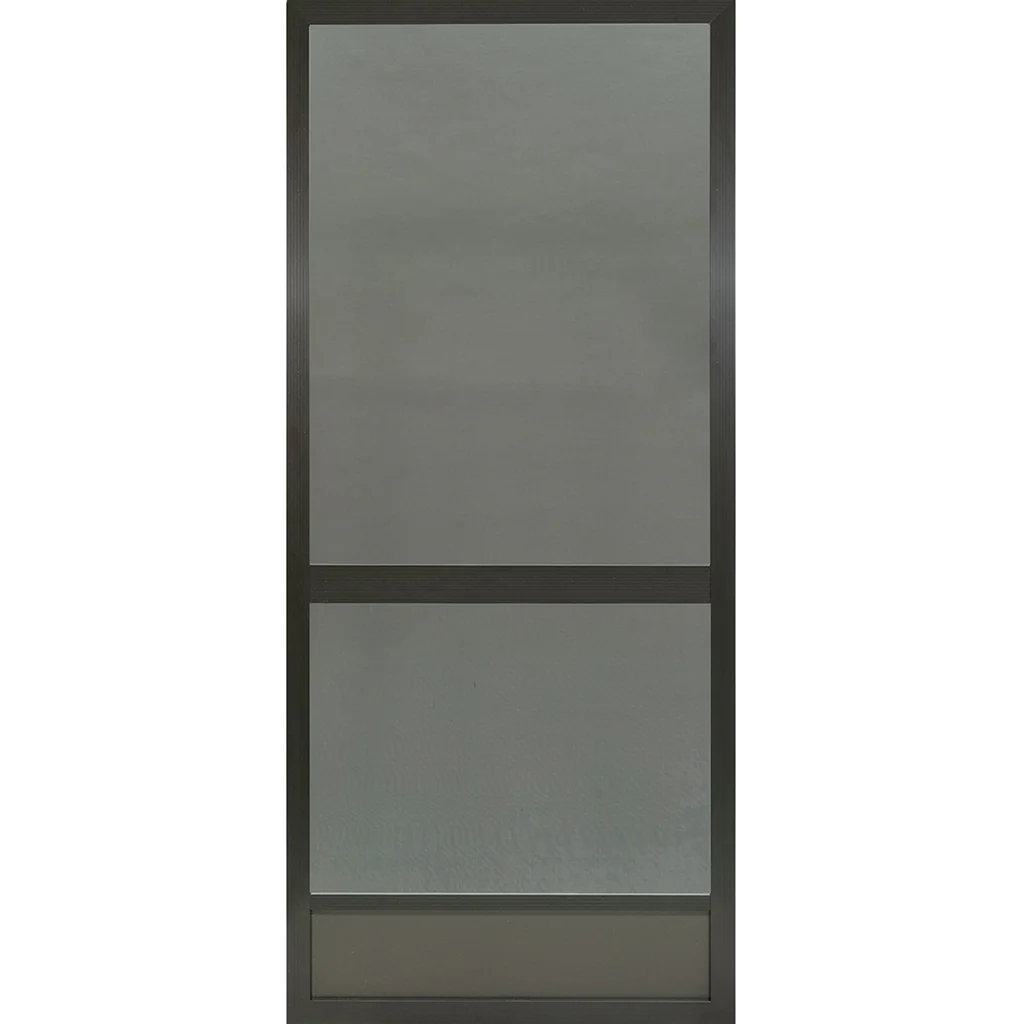
Security screens can prevent tampering from the outside, while childproof locks make casement windows safer for families with young children.
Aesthetic and Style Options

Casement windows don’t just perform well—they also look great. With countless design combinations available, it’s easy to find a style that matches your home, whether you prefer modern minimalism or classic charm.
Frame Colors and Finishes
Casement window frames come in over 150 RAL color options, giving you the flexibility to go bold or stay neutral. You can also choose woodgrain finishes for a more traditional look, or go with dual-color frames—dark on the outside, white on the inside—for a perfect match both indoors and out.
Grid Styles

Grilles (or grids) can add extra character. Choose from styles like Colonial for a timeless pattern, Prairie for subtle elegance, or Diamond for a more decorative, vintage touch. These styles help your casement windows blend with your home’s overall architecture.
Design Versatility
Casement windows are incredibly adaptable. Whether you’re updating a modern home with clean lines or restoring a historic property, they can be customized to fit the style. Minimalist frames work beautifully in contemporary spaces, while wood-look finishes and divided lights pair well with traditional designs.
Flush vs. Protruding Frames
For a sleeker look, flush frames sit level with the glass, creating a seamless, low-profile finish. If you prefer something more dimensional, protruding frames add visual depth and a more classic window appearance.
Best Placement in the Home
Casement windows are as versatile in function as they are in style. Their ability to open fully outward and seal tightly makes them a smart fit for many rooms around the house.
Kitchens

Casement windows are perfect for hard-to-reach spots like above the kitchen sink. With a simple crank handle, you can open them easily without stretching or straining—great for cooking areas where you want fresh air fast.
Bathrooms

Bathrooms benefit from casement windows thanks to their excellent ventilation. They quickly release moisture and humidity after showers, helping prevent mold. For privacy, consider frosted or textured glass while still keeping airflow.
Bedrooms & Living Rooms
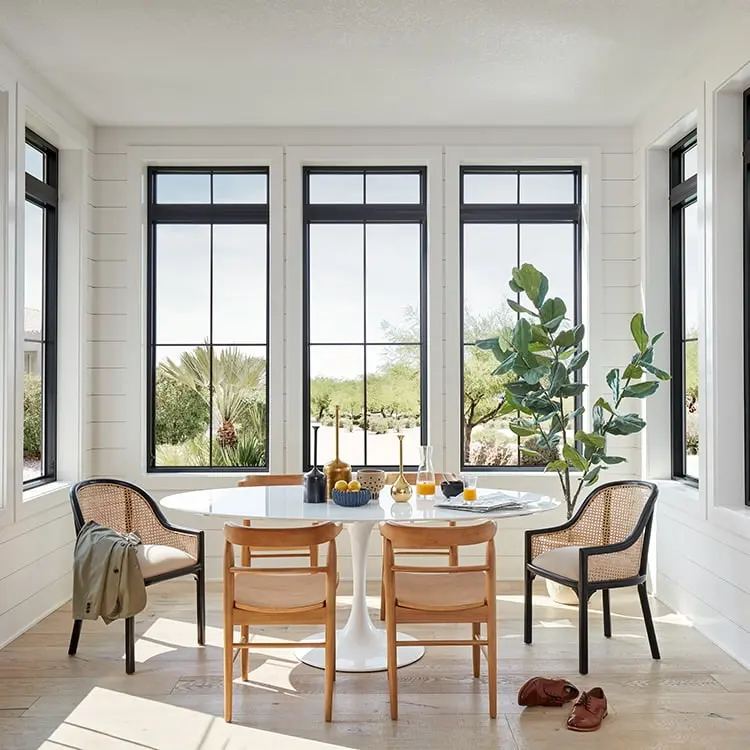
Want a better view and a fresh breeze? Casement windows in bedrooms and living rooms give you both. Their wide glass panels let in more natural light and make your space feel open and connected to the outdoors.
Sunrooms & Bay Window Combos

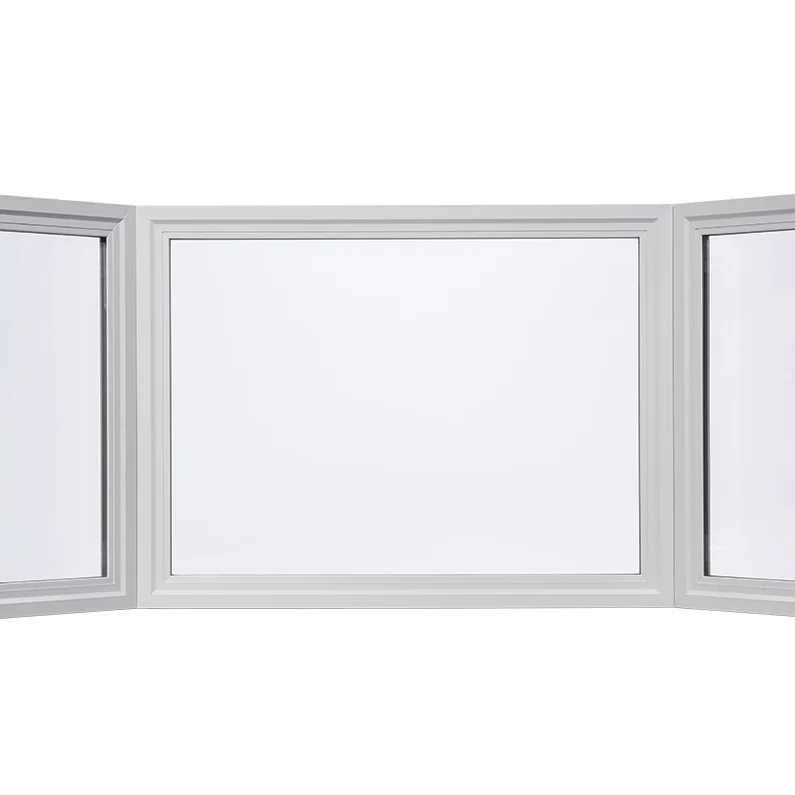
Casement windows are a favorite for sunrooms and bay or bow window arrangements. They flood the space with light and open fully to let the breeze in—perfect for lounging or indoor plants that love sunlight.
Cost and Value Considerations

Casement windows come in a range of price points depending on the material, size, and customization—but they’re often a smart long-term investment.
Typical Cost Range by Material and Style
Vinyl casement windows are usually the most budget-friendly, while wood and fiberglass options sit at the higher end due to their premium appearance and performance.
Standard single casement windows cost less than double or push-out styles, especially when custom finishes or shapes are added.
Factors Affecting Price
Several elements influence the final price tag:
Custom sizes or unique shapes
Double or triple glazing for insulation
Hardware upgrades like multi-point locks or crankless systems
Special finishes, such as woodgrain or dual-color frames
Long-Term Savings from Energy Efficiency
Although high-performance windows might have a higher upfront cost, features like Low-E glass, gas-filled panes, and tight weather seals can lower your utility bills. Over time, that adds up to real savings.
ROI and Resale Value
Casement windows also contribute to your home’s curb appeal and energy performance—two major factors for potential buyers. Quality windows can boost resale value and often deliver a solid return on investment.
In short, while the initial cost varies, choosing the right casement window pays off in comfort, efficiency, and long-term value.
Maintenance and Cleaning Tips

Casement windows are known for their ease of use—but a little maintenance can go a long way in keeping them smooth, efficient, and looking great.
- Crank and Hinge Lubrication: To keep your windows opening and closing effortlessly, apply a silicone-based lubricant to the crank mechanism and hinges once or twice a year. It prevents stiffness and extends the life of the moving parts.
- Cleaning the Glass from Indoors: Thanks to their wide swing, casement windows make it easy to clean both sides of the glass from inside your home. Just crank the sash open, and you’ll have full access—no ladder needed.
- Checking Weather Seals and Gaskets: Inspect the weatherstripping and gaskets regularly for wear or gaps. These components help maintain energy efficiency and keep drafts, dust, and moisture out. Replace any damaged seals as needed.
- Debris Removal from Tracks: Even though casement windows don’t slide like other types, dirt and debris can still collect in the lower hinge or sill areas. Use a vacuum or soft brush to remove buildup, especially after storms or seasonal changes.
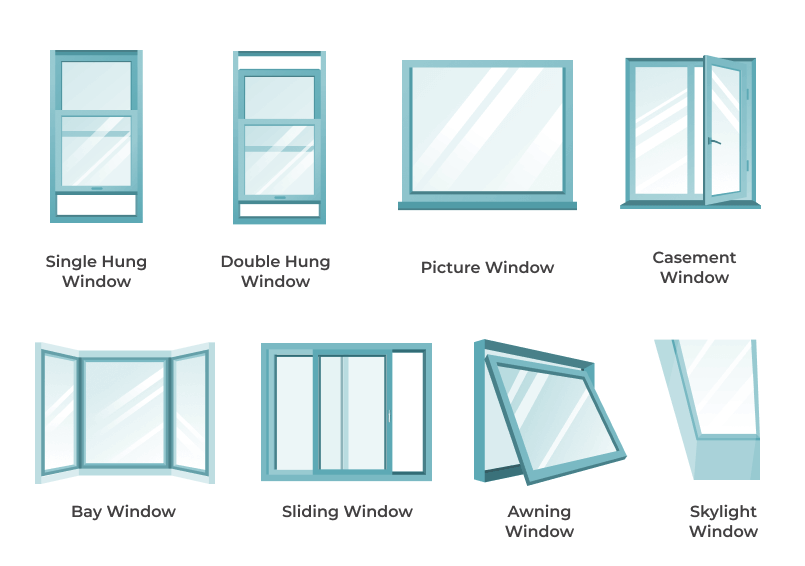
Casement Windows vs. Other Window Types
When to Replace Casement Windows

Even the best casement windows don’t last forever.
Over time, wear and tear from weather, daily use, or aging materials can affect performance.
Common signs it’s time for a replacement include:
A sash that warps, sags, or no longer closes tightly
A crank that sticks, slips, or no longer opens the window fully
Drafts are coming through the frame even when the window is shut
Moisture buildup between panes or decayed seals
Thinking about a replacement?
Start by taking precise measurements—width and height of the window opening at multiple points—to ensure a snug fit.
Remember to measure from the inside edge of the frame, not the trim.
While DIY installation might be tempting, casement windows require exact alignment to ensure proper sealing, especially for energy efficiency. If you’re unsure about handling crank hardware, insulation, or weatherproofing, professional installation is worth the investment.
Done right, your new casement windows will look great, operate smoothly, and save you energy for years to come.
FAQs About Casement Windows
Conclusion

Casement windows are a smart blend of style, performance, and functionality. Whether you’re drawn to their energy efficiency, ease of use, or wide-open views, they offer real advantages in both everyday comfort and long-term value. With so many styles, materials, and upgrades to choose from, there’s a casement window for nearly every room and home.
Still unsure what works best for your space?
Contact us today and we’ll help you design custom casement windows that fit your style, needs, and budget. Let’s make your next home improvement project smooth and stress-free.