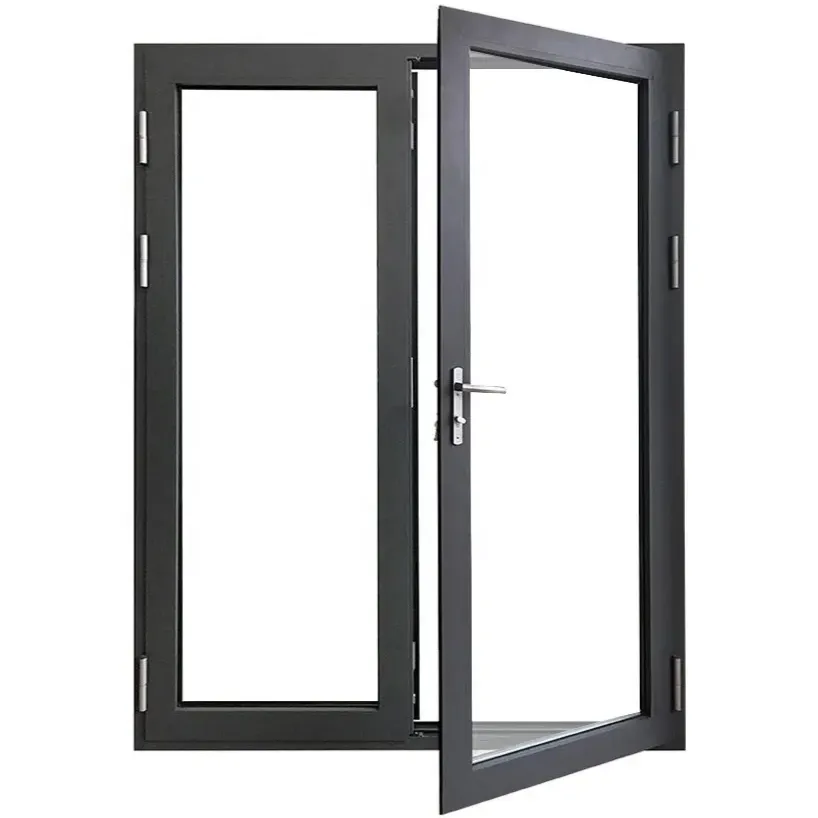















Direct Answer
For commercial and residential construction projects, bifold doors and sliding doors are both aluminum-framed glazing systems — but they serve different project conditions.
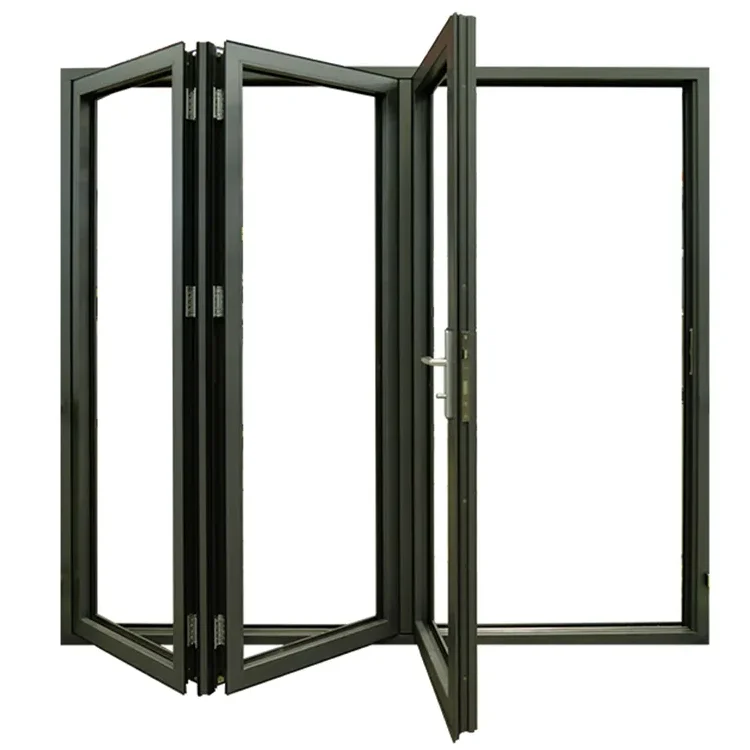
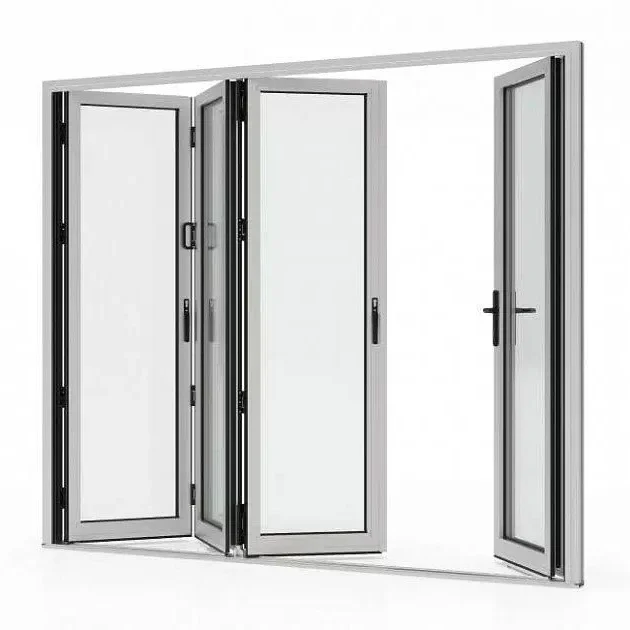
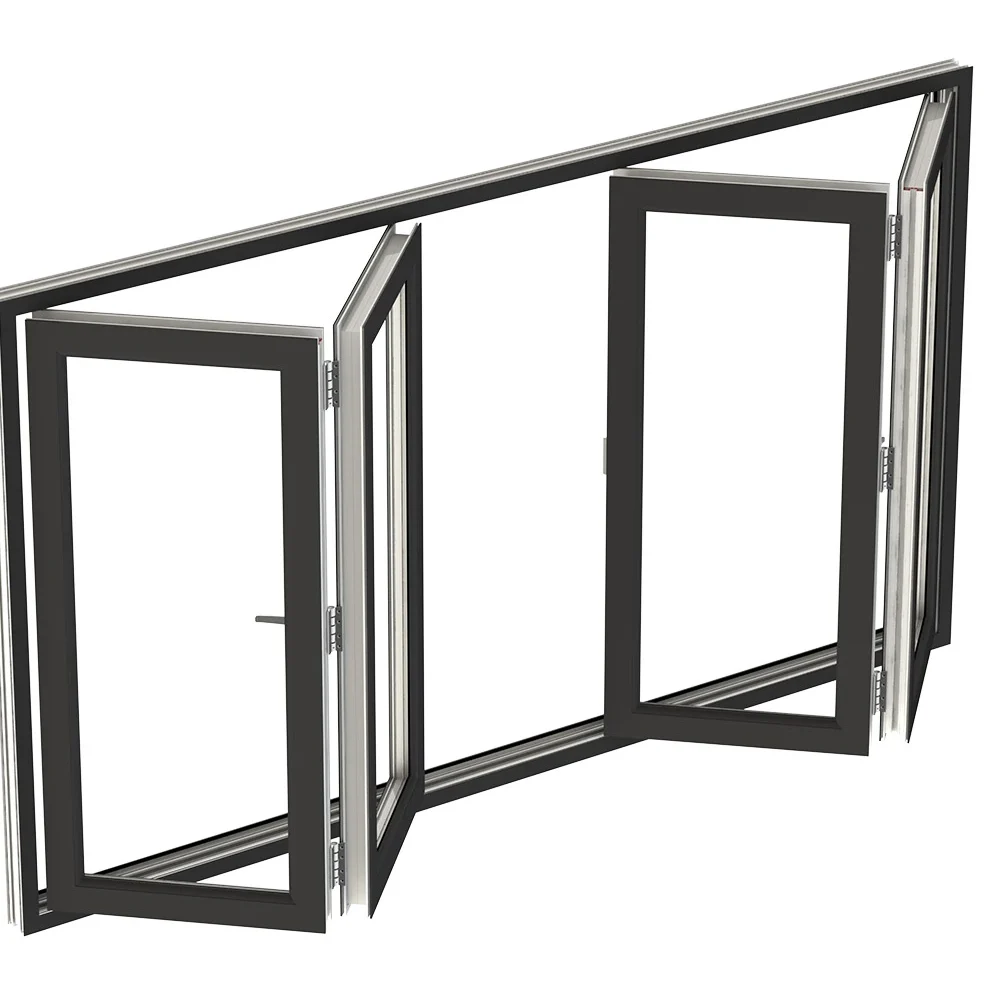
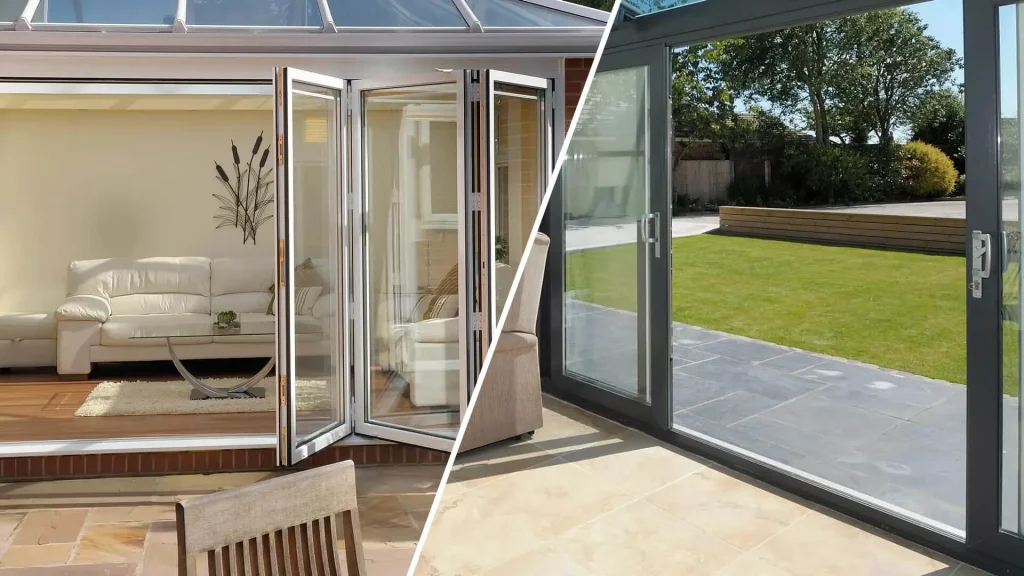
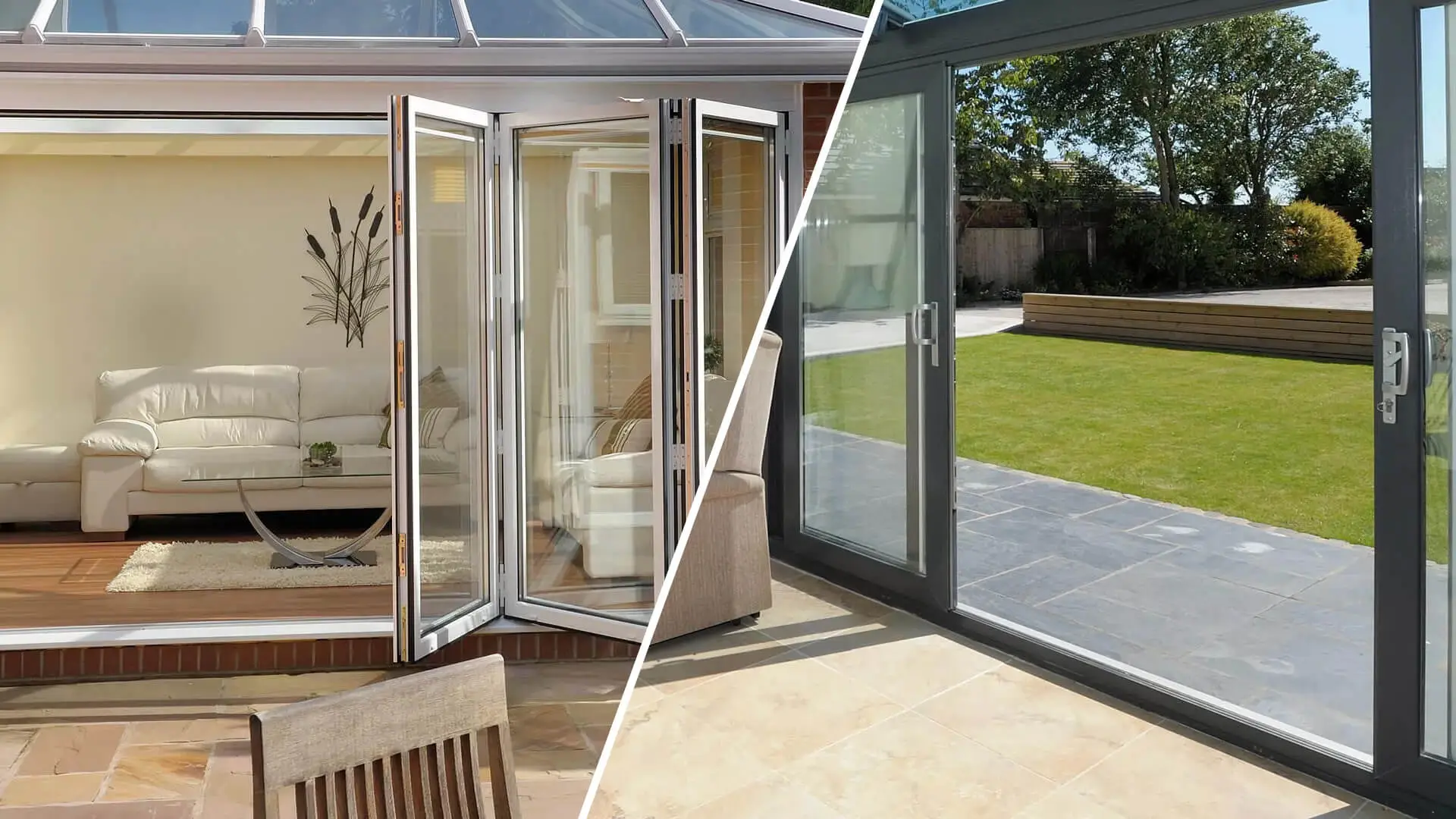
Bifold doors (also called folding doors or accordion doors) use multiple hinged panels that fold and stack to one or both sides, creating a wide, unobstructed opening.
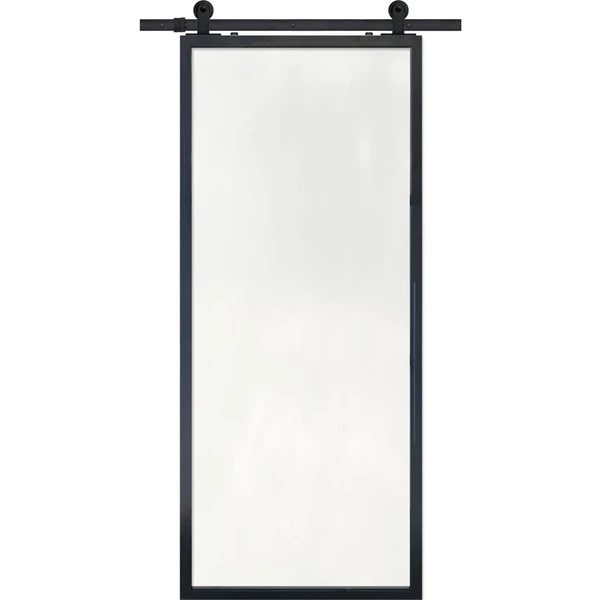
Sliding doors use one or more panels that glide horizontally along a track, with a smaller operational footprint and simpler hardware.
Choosing between them is not only an aesthetic decision. For project buyers, the choice affects opening size, structural framing requirements, glass configuration, hardware selection, weather performance, and — critically — quotation scope, drawings, and production planning.
Both systems require careful pre-production clarification to avoid errors on site.
What Are Sliding Doors in a Project Context?
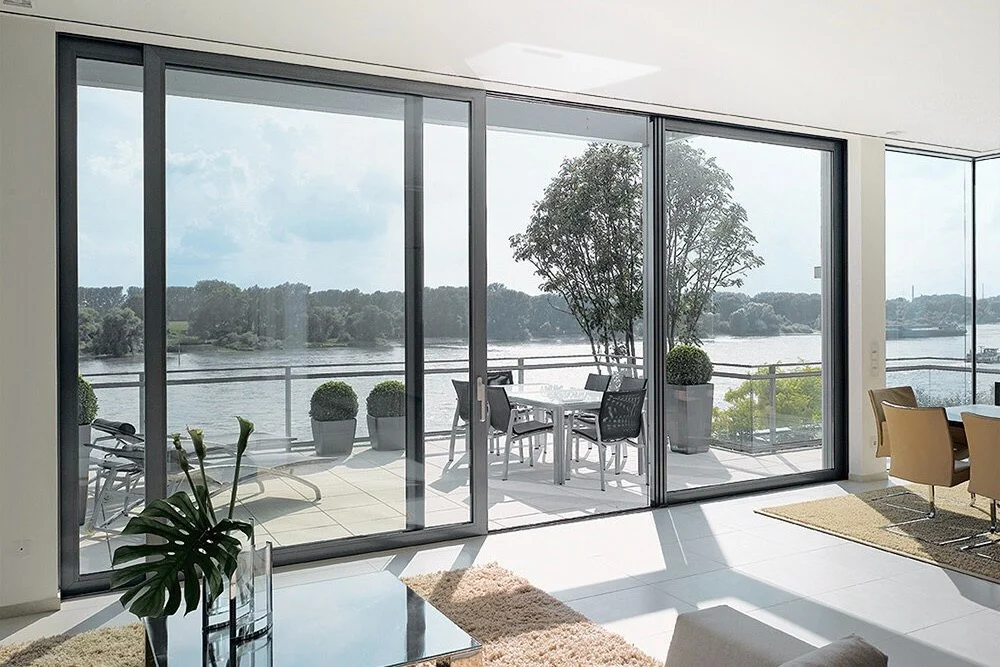
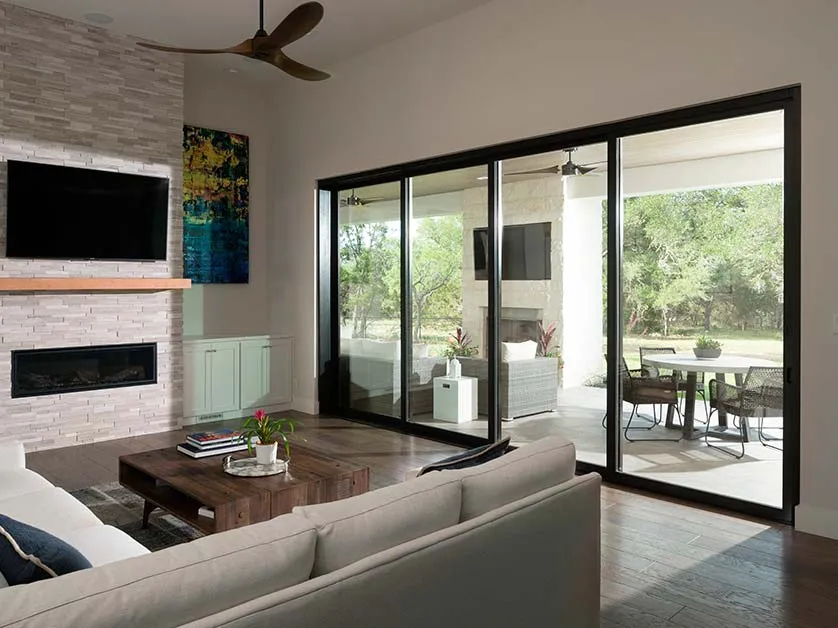
Aluminum sliding doors work by guiding one or more panels along a floor track, ceiling track, or concealed pocket system. The panels move parallel to the wall, which means no swing space is required on either side of the opening.
Common Project Applications
Sliding door systems are commonly specified for:
- Patio and terrace access in residential developments
- Balcony doors in multi-unit residential buildings
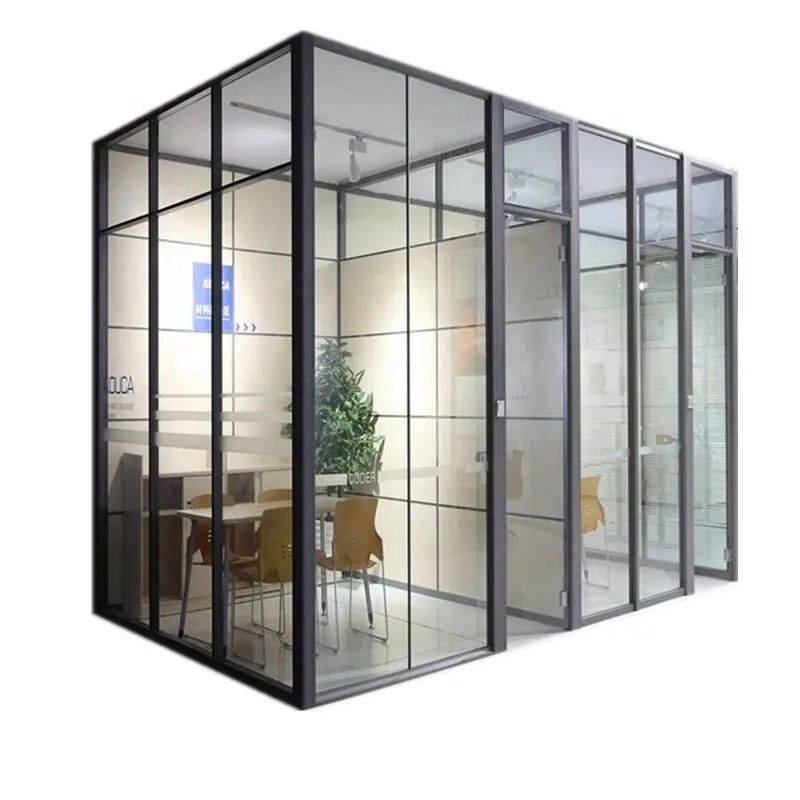
- Interior partitions and room dividers in commercial fit-outs
- Storefront and retail entries where space is constrained
- Large glass openings where clean sightlines matter and full-width access is not required
From a project perspective, sliding doors are generally less mechanically complex than bifold doors. However, panel size, glass weight, track system, and hardware still require careful review before quotation.
Large-format sliding panels — common in modern architectural specifications — require:
- Structural tracking systems
- Appropriate glass thickness
- Hardware rated for panel weight
What Are Bifold Doors in a Project Context?

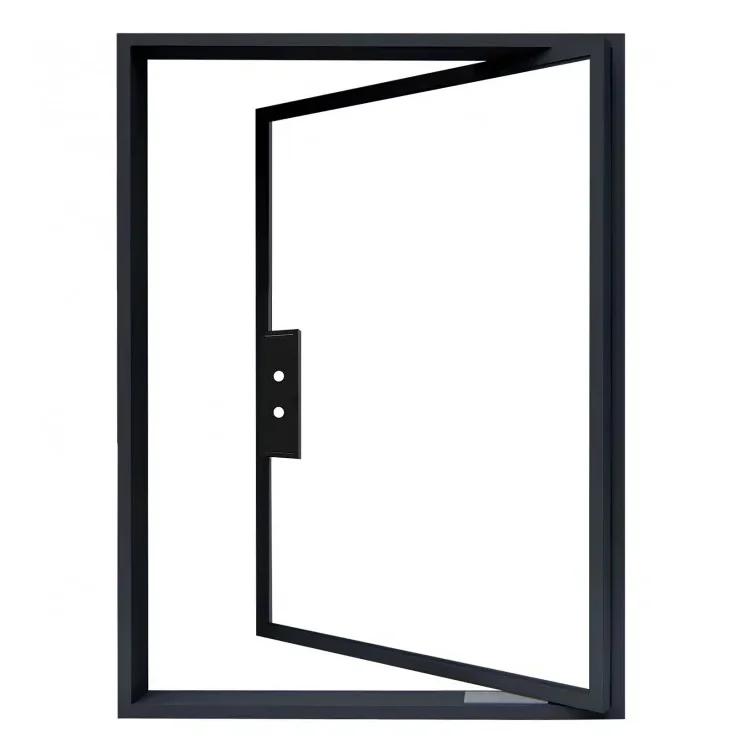
Aluminum bifold doors (also called folding doors, bi-fold doors, or accordion doors) use a series of hinged panels connected by pivot hardware, typically running on a top track with optional floor guidance.
When opened, the panels fold and stack against one or both sides of the opening, allowing nearly the full width of the opening to be used.
Common Project Applications
Bifold systems are commonly specified for:
- Large residential living and entertainment spaces
- Commercial spaces requiring flexible wide-access openings
- Villa and resort developments
- Restaurant and showroom openings
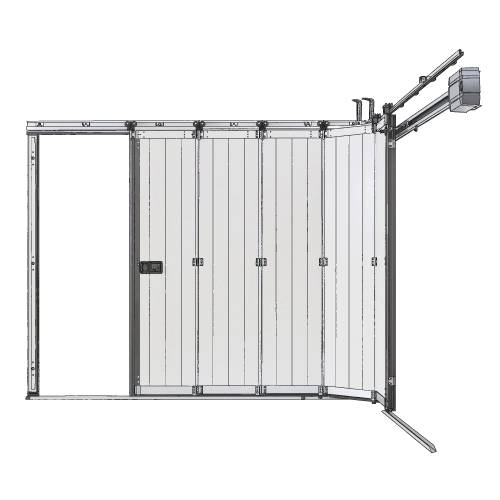
- Garage door alternatives in residential or light commercial projects
- Renovation projects requiring wide unobstructed access
Because bifold systems contain more moving parts than sliding systems, the following factors directly affect quotation scope and production complexity:
- Panel count
- Hinge type
- Threshold type
- Hardware specification
- Glass weight
These details should be clarified in drawings and schedules before the RFQ stage.
Key Differences That Affect Project Decisions
The following comparison highlights the factors most relevant to project buyers evaluating bifold vs sliding doors.
This is not a fixed specification. Project requirements, climate, architect input, and local code may change the relevant criteria.

| Factor | Bifold / Folding Doors | Sliding Doors |
|---|---|---|
| Opening width | Full or near-full opening when panels stack to the side | Partial opening — typically 50% of total width with one moving panel |
| Panel configuration | 2 to 8+ panels, folding and stacking | 2 to 4+ panels, sliding on parallel tracks |
| Space at opening | Panels stack beside the opening, requiring side clearance | Panels stack behind each other — smaller side stack |
| Threshold and floor | Typically requires a floor threshold or low-profile sill; flush or step-down options vary by system | Requires floor track or top-hung system; flush thresholds available in some systems |
| Hardware complexity | Higher — pivot hinges, running carriages, locking points | Lower — rolling carriages, basic locking mechanisms |
| Glass configuration | Typically single-lite per panel; panel width limits glass size | Larger single-lite panels possible per panel |
| Weather performance | Varies by system, sealing method, and project requirements — should verify with drawings and testing requirements | Varies by system and track design; should verify per project requirements |
| Structural framing | May require wider structural opening and head beam support — verify with structural drawings | Standard opening sizing in most residential and light commercial applications |
| Maintenance | More moving parts; hinge alignment over time should be considered | Fewer moving parts; track and roller maintenance |
| Typical application | Wide indoor-outdoor openings, resort and villa projects, flexible commercial spaces | Residential and commercial spaces where partial access is sufficient |
| Quotation complexity | Higher — panel count, hinge, hardware, glass, threshold, structural conditions all affect scope | Moderate — panel size, glass, track system, and hardware affect scope |
This comparison reflects general project planning considerations, not guaranteed performance specifications.
Always confirm:
- System selection
- Glass configuration
- Hardware
- Structural requirements
Based on project drawings and consultant input.
When Sliding Doors Are Often the Better Fit for a Project
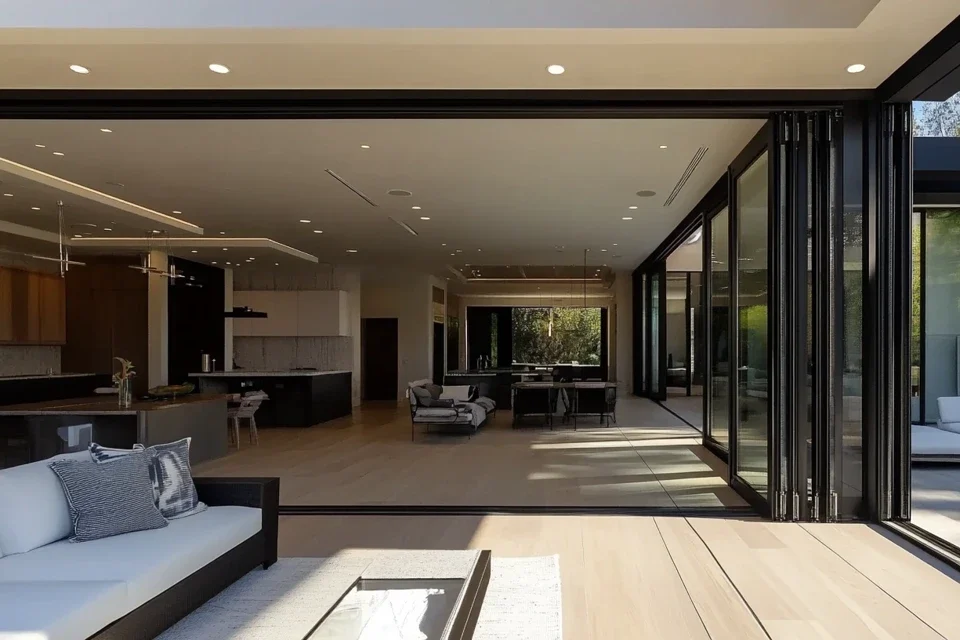
Sliding doors tend to be a practical specification choice when:
- The project requires a wide glass view but full-width access is not needed on a daily basis
- Floor space on the opening side is limited and panel stack clearance would create a problem
- The project budget favors a simpler hardware system with fewer maintenance considerations
- The architectural design calls for a clean, low-profile look without multiple panel fold lines visible when closed
- The project is a multi-unit residential development where standardized door openings and consistent panel specifications reduce procurement complexity
For buyers in North America, Australia, and New Zealand, sliding door systems in residential and light commercial applications may need to comply with specific performance requirements depending on the project type, location, and local code. Buyers should verify glass type, energy performance, structural wind load, and safety glazing requirements with the project’s architectural and engineering team.
When Bifold Doors Are Often the Better Fit for a Project

Bifold or folding door systems tend to be a practical choice when:
- The project requires the full opening width to be accessible — for indoor-outdoor living, entertainment spaces, or commercial venues
- The design intent calls for a dramatic connection between interior and exterior spaces
- The project involves a villa, resort, hospitality development, or high-end residential property where the full-open experience is part of the brief
- The project is using bifold doors as an alternative to garage doors in a light commercial or residential setting — aluminium folding sliding door systems are increasingly used in this application
- The opening is wide enough that a sliding system would require multiple stacked panels and still not give full access
Bifold systems are typically more expensive than comparable sliding systems because of the additional hardware and joinery involved. For project buyers evaluating cost, the difference between systems should be discussed at the RFQ stage with full drawings and panel configuration details — rough estimates without drawings can lead to significant scope mismatches.
Are Folding Doors Worth It for Your Project?

This is a common question from contractors and developers comparing aluminium folding sliding doors against standard sliding systems. The answer depends on what the project requires, not on a general preference.
If the project specification calls for full-width access — or if the architect’s design intent relies on a wide, unobstructed opening — then a bifold or folding system is likely worth the additional cost and hardware complexity. If the project only needs a wide glass panel with partial access, a multi-panel sliding system may deliver a similar visual result at lower cost and with simpler maintenance.
For commercial projects using wide openings as alternatives to garage doors — in restaurants, retail spaces, or workshop entries — aluminium bifold or accordion door systems offer a cleaner, more refined finish than traditional rollup or sectional doors, with the added benefit of natural light and glass visibility.
The decision should be reviewed in the context of:
- Project drawings
- Opening sizes
- Structural conditions
- Glass requirements
- Hardware budget
- Maintenance expectations
Specifications to Confirm Before Requesting a Quotation
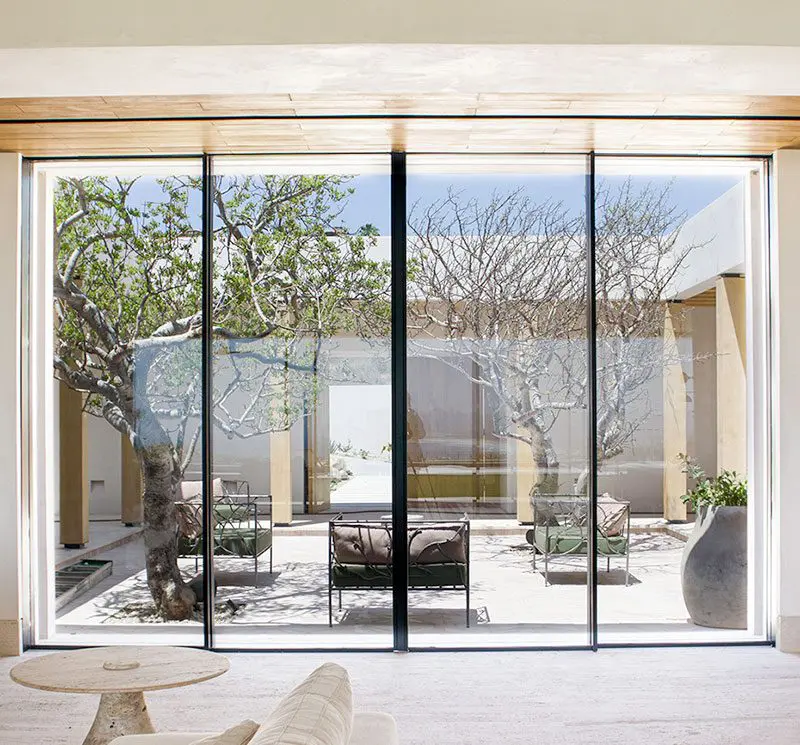
For either system, a quotation without confirmed specifications is likely to result in:
- Scope gaps
- Pricing errors
- Production delays
The following information should be ready before submitting an RFQ.
For Sliding Doors
- Overall opening width and height (from structural framing drawings, not rough estimates)
- Number of panels and sliding configuration (e.g., 2-panel with one fixed, 4-panel with two sliding)
- Top-hung or bottom-track preference, or as specified by architect
- Glass type: single, double, or triple glazed; tempered, laminated, or IGU; any solar or energy coating requirements
- Frame finish: powder coat color or anodizing specification
- Hardware: handle type, locking system, flush bolts if required
- Threshold type: standard, flush, or step-down
- Performance requirements: depending on project location and building type, buyers may need to confirm wind load, water infiltration, and air leakage ratings — verify with the project’s engineering or consultant documentation
For Bifold / Folding Doors
- Overall opening width and height
- Panel count and fold direction (fold left, fold right, or center-open)
- Top track only, or top track with floor guidance
- Threshold type: standard track, low-profile, or flush (note that flush thresholds in bifold systems involve additional structural and waterproofing considerations)
- Glass type: as above — confirm safety glass requirements based on project location
- Frame finish: powder coat or anodizing specification
- Hardware: hinge type, locking configuration, handle style
- Structural head beam and jamb conditions: wide bifold openings often require structural support that should be confirmed in drawings before the door system is specified
- Any performance or compliance documentation requirements: verify based on project location, building type, and consultant requirements
Common Quotation Risks and Scope Gaps

Both systems involve risks if the scope is not clearly defined at the RFQ stage.
The following are common issues that create delays or rework.
Opening Size Not Confirmed From Structural Drawings
Rough opening dimensions taken from early-stage drawings often change.
Door panel counts, hardware, and frame sizes are all derived from confirmed opening sizes.
Quotations based on unconfirmed dimensions should be treated as preliminary.
Glass Specification Not Confirmed
Glass type significantly affects:
- Weight
- Price
- Thermal performance
- Safety compliance
A quotation based on assumed glass is not a production-ready quotation.
Threshold and Floor Condition Not Reviewed
Bifold door threshold design depends on site conditions.
A flush threshold in a bifold system has different structural and waterproofing implications than a standard threshold.
Confirming this detail early reduces site coordination problems.
Finish Not Specified
Powder coating color and anodizing grade affect both cost and lead time.
Standard colors are typically faster; custom RAL colors require confirmation of minimum quantities and finish specifications.
Hardware Not Specified
Hardware affects both functionality and price.
For bifold doors in particular, locking configuration, hinge type, and running carriage quality are significant cost variables.
Performance Document Requirements Not Confirmed
For projects in North America, Australia, or New Zealand, specific performance documentation may be required depending on project type and local authority requirements.
Buyers should verify this with their architectural or engineering consultant before finalizing the supplier selection.
Supplier Evaluation: What to Look for When Sourcing Bifold or Sliding Door Systems

When comparing suppliers for aluminum bifold or sliding door systems for a construction project, the following factors affect delivery risk and project outcomes more than price alone.
| Evaluation Factor | Why It Matters for Your Project |
|---|---|
| Experience with export projects | Suppliers with overseas project experience understand documentation, packaging, sea freight coordination, and delivery timeline planning |
| Shop drawing capability | Ability to provide shop drawings for review before production reduces site measurement errors and production scope gaps |
| System and glass flexibility | Can the supplier match the specified frame profile, glass configuration, and finish to the project drawings? |
| Hardware sourcing and specification | Hardware for bifold doors in particular should be reviewed against project load and frequency-of-use requirements |
| Compliance document support | Can the supplier provide product technical information that supports your consultant’s documentation requirements? |
| Production and delivery timeline | Clear lead times and production milestones reduce project scheduling risk |
| Packaging and freight coordination | Proper packaging for sea freight and coordination with the buyer’s site schedule reduces damage and installation delays |
| Communication and scope clarity | Clear written scope, confirmed drawings, and pre-production approval reduce change-order risk |
APRO has around 15 years of dedicated export experience in aluminum doors, windows, curtain wall, and facade systems, with over 1,000 overseas projects delivered across markets including:
- United States
- Canada
- Australia
- New Zealand
- South Africa
- Panama
- Ghana
- Nigeria
- Angola
APRO’s engineering team can:
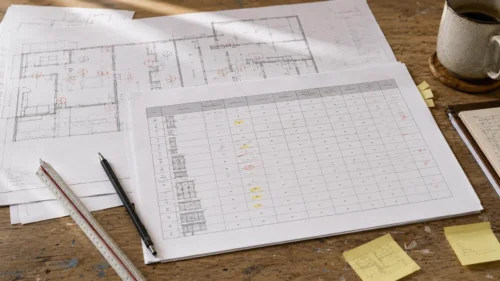
- Review drawings and door schedules
- Help clarify system selection and glass configuration
- Develop practical implementation proposals before quotation and production
Information to Prepare Before Requesting a Quote
Use this checklist before contacting a supplier for a bifold vs sliding door quotation.
RFQ Checklist
- Confirmed structural opening dimensions (width × height) from architectural or structural drawings
- Door schedule showing panel count, opening direction, and configuration for each opening
- Glass specification: glazing type, unit thickness, any solar or safety requirements
- Frame finish specification: powder coat color (RAL or custom) or anodizing grade
- Hardware requirements: handle style, locking type, hinge specification for bifold systems
- Threshold and floor condition: level or sloped slab, indoor/outdoor transition, waterproofing requirements
- Performance requirements: any wind load, water, air, or acoustic requirements specified by project documents
- Compliance documentation requirements: confirm with your architectural or engineering consultant what product documentation is required for the project
- Delivery location and project timeline: port of entry, target delivery date, site installation schedule
- Packaging requirements: any special crating, marking, or freight requirements for your site
Submitting this information with your initial RFQ helps suppliers provide a more accurate quotation and reduces the risk of scope changes after production has started.
FAQ
What is the main practical difference between bifold doors and sliding doors for a construction project?
Bifold doors open by folding panels to the side, allowing the full width of the opening to be used.
Sliding doors move panels along a track, typically allowing access to around half the total opening width.
For projects where full-width access is a design requirement, bifold or folding systems are usually the appropriate specification.
For projects where a wide glass view is needed but full access is not, sliding systems often provide a simpler and lower-cost solution.
Can aluminium folding sliding doors be used as an alternative to garage doors?
Yes.
Aluminium bifold and folding door systems are used in some commercial and residential projects as alternatives to traditional garage or overhead door systems.
They offer:
- A cleaner aesthetic
- Natural light
- Glass visibility
- Flexible finish options
The structural opening, threshold design, and hardware specification should be reviewed carefully for this application, as the loading and use conditions are different from a standard patio or balcony door.
What is the difference between accordion doors and bifold doors?
The terms are often used interchangeably.
Accordion doors and bifold doors both use multiple hinged panels that fold and stack to one side when opened.
In practice:
- “Accordion door” sometimes refers to lightweight interior partitions
- “Bifold door” more commonly refers to full aluminum-framed exterior or heavy-duty interior systems
For project quotation purposes, confirming the panel count, frame system, glass configuration, and hardware specification is more important than the naming convention.
Are bifold doors more expensive than sliding doors?
Generally, bifold or folding door systems cost more than comparable sliding systems of the same opening size, primarily because of the additional hardware:
- Hinges
- Carriages
- Locking points
The cost difference depends on:
- Panel count
- Glass specification
- Finish
- Hardware grade
For an accurate comparison, both systems should be quoted based on the same confirmed opening dimensions, glass type, and finish specification.
What glass should be specified for bifold or sliding doors in North America or Australia?
Glass requirements vary depending on:
- Project location
- Building type
- Floor level
- Local code
In many markets, safety glazing (tempered or laminated glass) is required for large door panels.
Energy performance requirements, such as minimum U-value or SHGC ratings, may also apply depending on project type and location.
Buyers should verify glass specification requirements with their architectural or engineering consultant and confirm what product documentation is required by the project.
What documents should I ask a supplier to provide for bifold or sliding doors?
Depending on the project, relevant documents may include:
- Product technical data sheets
- Shop drawings for review before production
- Glass certification or test reports
- Powder coating or anodizing certification
- Hardware test records
- Packaging and freight documentation
The specific documentation required should be confirmed based on the project’s consultant and authority requirements, not assumed from general supplier marketing.
How early should I confirm door specifications for a project?
Earlier is better.
Structural openings, glass weight, and threshold design all affect work that other trades complete before the doors arrive.
Confirming:
- Door type
- Configuration
- Glass
- Hardware
before structural framing is complete reduces the risk of:
- Opening size errors
- Structural rework
- Site coordination problems
For export projects where production and shipping time add several weeks to the schedule, early confirmation is especially important.
APRO Project Support
APRO supports overseas project buyers from early consultation through production and delivery coordination.
For bifold and sliding door projects, APRO can:
- Review architectural drawings and door schedules to help clarify system selection, panel configuration, and glass specification
- Develop practical implementation proposals based on project drawings and buyer requirements
- Provide shop drawings for review before production
- Help confirm glass type, frame finish, hardware, threshold, and packaging requirements
- Coordinate production and freight to match the project delivery schedule
APRO does not replace the role of local licensed engineers, architects, code consultants, or installers. Project-specific compliance, structural, and code requirements should be confirmed with the appropriate local professionals.
Ready to Confirm Your Project’s Door System?
If you are comparing bifold vs sliding doors for an upcoming project, the most useful next step is to send drawings and a door schedule for review.
A project-based review of your:
- Opening sizes
- Panel configuration
- Glass requirements
- Delivery conditions
helps identify scope gaps before production — reducing quotation errors, production rework, and site delays.
Send your:
- Drawings
- Door schedule
- Project scope
- Opening sizes
- Required configurations
- Finish preferences
- Glass requirements
- Delivery location
to APRO for a project-based quotation review.