
9 Popular Sliding Door Types: Styles, Uses & Key Differences

Compare 9 popular sliding door types, including patio, pocket, lift-and-slide, barn, Shoji, and frameless styles, with their best uses and key benefits.
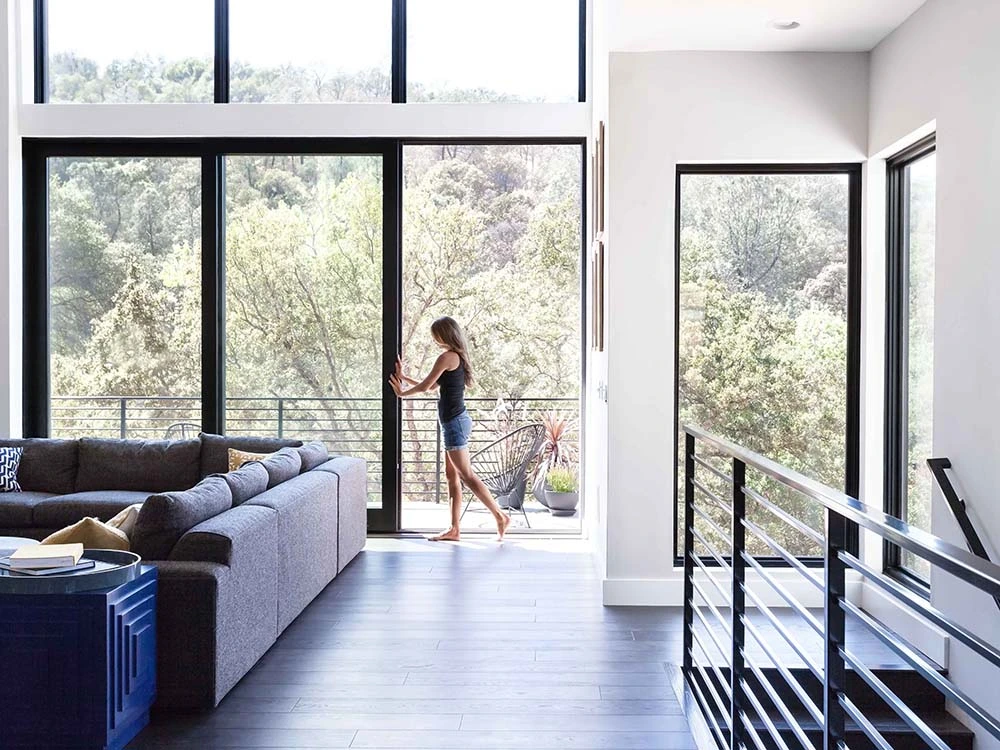
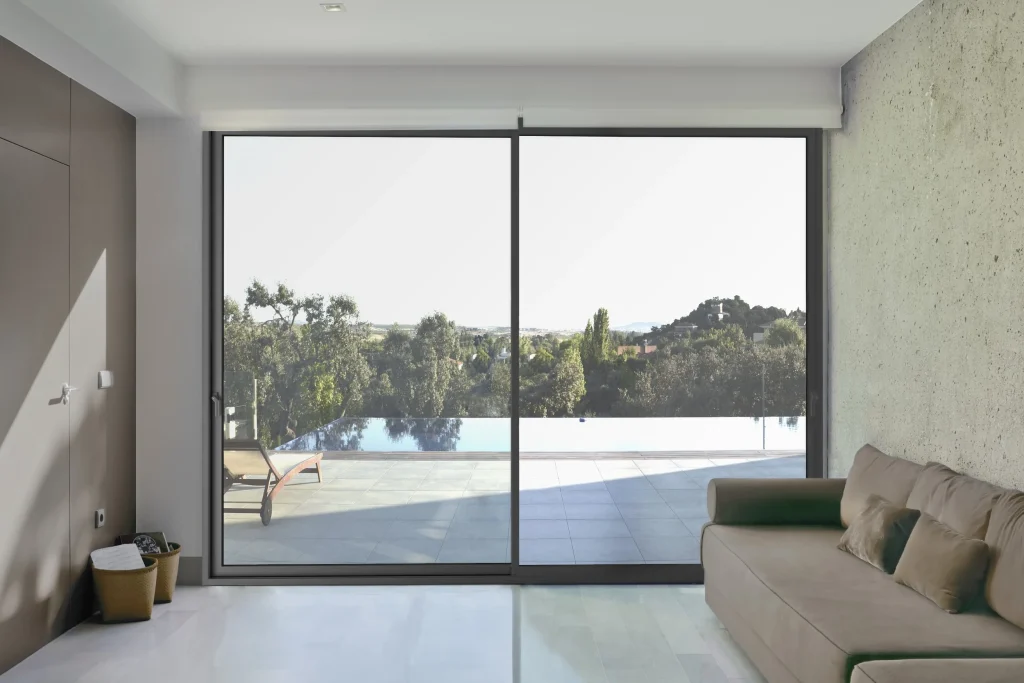
Slimline Sliding Door Overlooking Scenic Backyard
Table of Contents
Please enable JavaScript in your browser to complete this form.
Like this article? Share it on:

Table of Contents

What Are the Main Types of Sliding Doors?

Sliding doors come in several main types, including patio sliding doors, pocket doors, lift-and-slide systems, tilt-and-slide doors, bypass doors, barn-style sliders, multi-slide systems, telescopic doors, Shoji doors, and frameless sliding glass doors.

Each type is designed for different needs, such as saving space, improving indoor-outdoor flow, adding privacy, or creating a more modern look. The best sliding door type depends on where it will be used, how much opening width you need, and whether design, ventilation, or energy performance matters most.

Popular Sliding Door Types

Sliding Door Types at a Glance

Sliding Door Type

Best For

Main Benefit

Sliding Patio Doors

Patios, decks, backyard access

Large glass area and easy everyday use

Pocket Sliding Doors

Small rooms, tight layouts

Saves floor space by sliding into the wall

Lift-and-Slide Doors

Large openings, luxury homes

Smooth operation and strong weather sealing

Tilt-and-Slide Doors

Ventilation and flexible access

Combines sliding function with tilt ventilation

Bypass Doors

Closets and room dividers

Space-saving operation with simple track use

Stacker / Multi-Slide Doors

Wide openings and modern layouts

Creates large indoor-outdoor transitions

Telescopic Sliding Doors

Large rooms and commercial spaces

Wide opening without needing much wall space

Shoji Doors

Bedrooms, offices, quiet zones

Privacy with soft filtered light

Frameless Sliding Glass Doors

Contemporary and luxury interiors

Minimal visual obstruction and clean aesthetics

1. Sliding Patio Doors

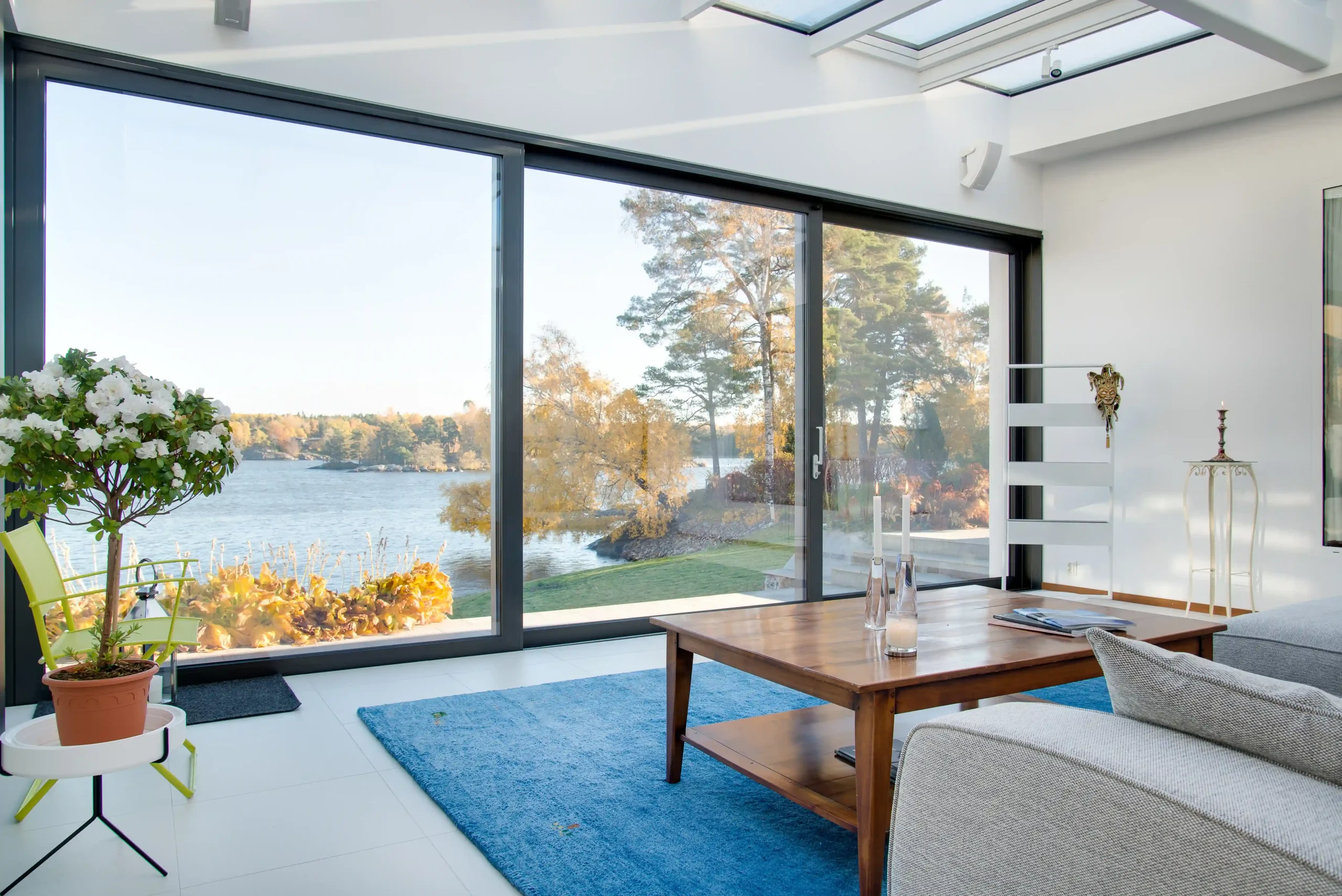
Modern sliding patio door with lake view and blue rug

Sliding patio doors are one of the most common sliding door types for exterior openings. They use large glass panels that glide along a track, making them ideal for patios, decks, balconies, and backyard access.

Their biggest advantage is that they combine easy everyday operation with wide outdoor views and strong natural light. They are especially suitable for homes that want a practical connection between indoor and outdoor living areas without taking up swing space.

2. Pocket Sliding Doors

Sleek sliding pocket glass door in modern room

Pocket sliding doors slide into a wall cavity when fully opened, making them one of the best options for spaces where floor area is limited. They are commonly used in bathrooms, closets, pantries, laundry rooms, and compact interior layouts.

Their main benefit is space efficiency. Because the panel disappears into the wall, pocket doors help create a cleaner and less crowded layout than hinged doors, especially in smaller rooms.

3. Lift-and-Slide Doors

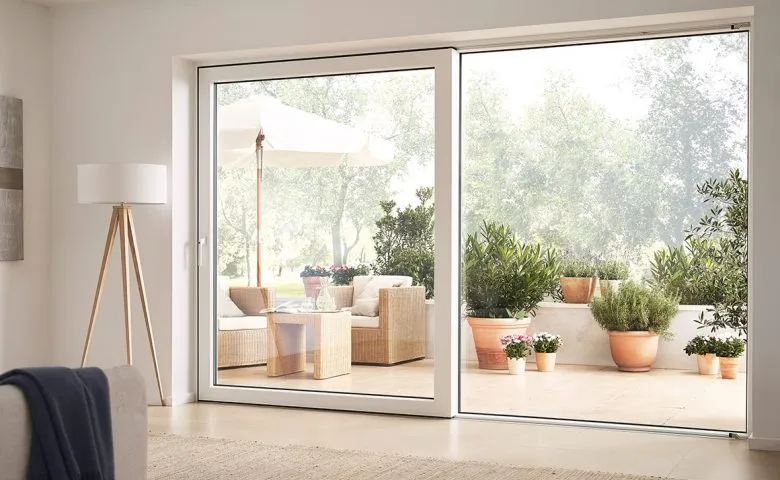
Bright patio with white lift and slide glass doors

Lift-and-slide doors are designed for larger and heavier glass panels, making them a premium option for wide exterior openings. When the handle is turned, the panel lifts slightly off the track, which allows smoother movement and a tighter seal when closed.

This type is ideal for luxury homes, large patios, and high-performance glazing systems. Its biggest strength is that it combines expansive views with better sealing, smoother operation, and stronger energy performance.

4. Tilt-and-Slide Doors

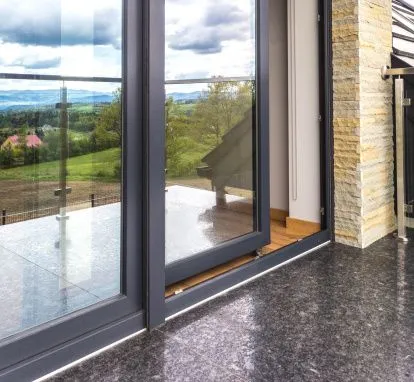
Tilt and slide glass door with modern aluminum frame

Tilt-and-slide doors combine two useful functions in one system: the panel can tilt inward at the top for controlled ventilation or slide open fully when wider access is needed. This makes them a practical choice for homes that want both airflow and space-saving convenience.

They work especially well in family homes, apartments, and rooms where ventilation matters. Their main advantage is flexibility, since they offer more ventilation options than a standard sliding door.

5. Bypass & Barn Sliding Doors

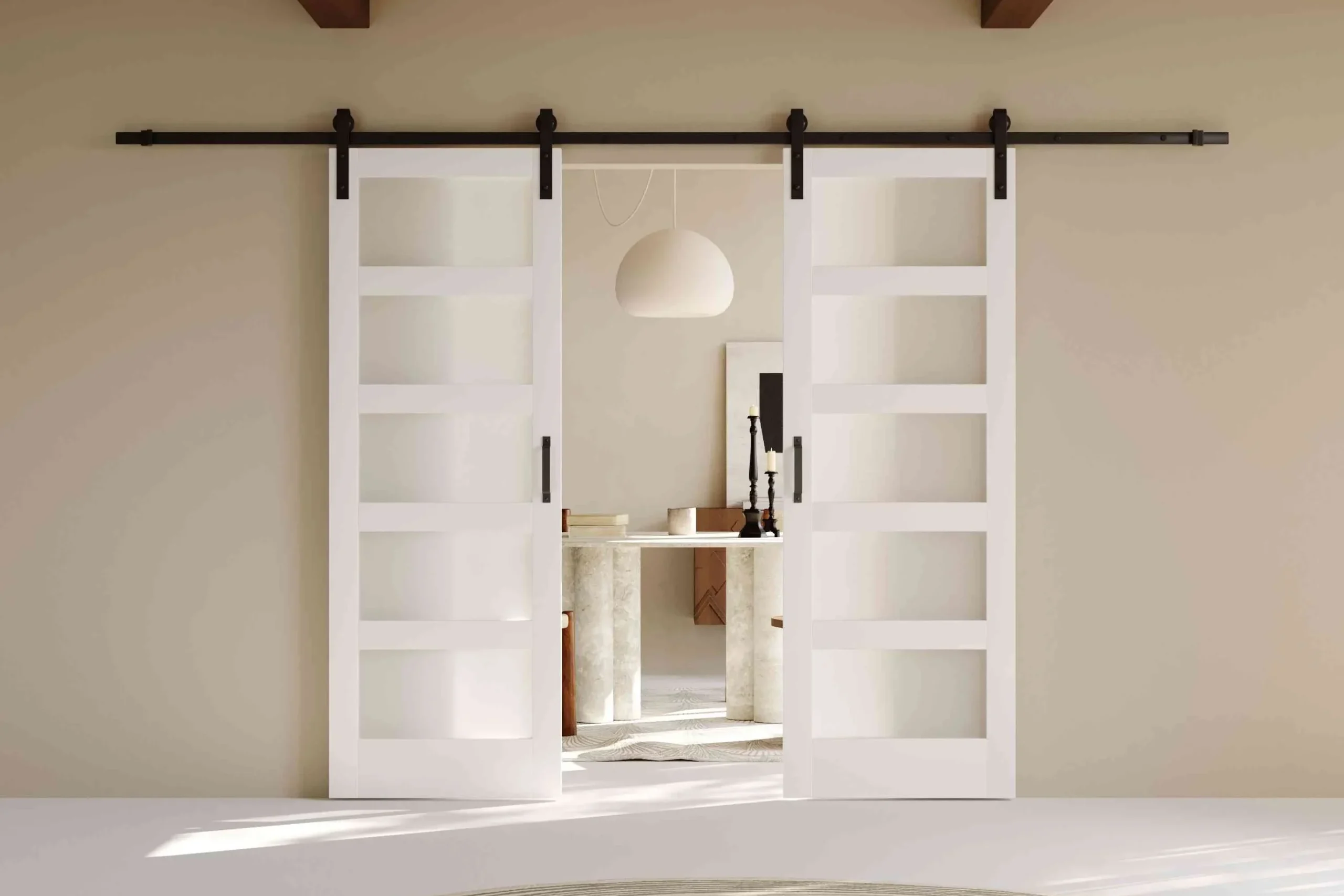
White Sliding Barn Doors with Glass Panels

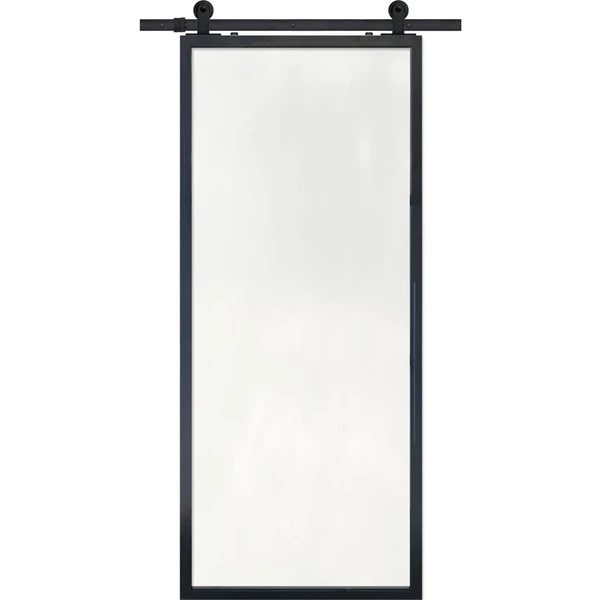
Bypass and barn sliding doors are both space-saving styles, but they are typically used in different ways. Bypass doors usually slide past each other on parallel tracks and are common for closets, while barn-style sliding doors move along an exposed track and are often used as decorative room dividers or feature doors.

Their shared advantage is that they do not require swing clearance. Bypass doors are more practical for compact interiors, while barn doors often make a stronger visual statement.

6. Stacker & Multi-Slide Doors

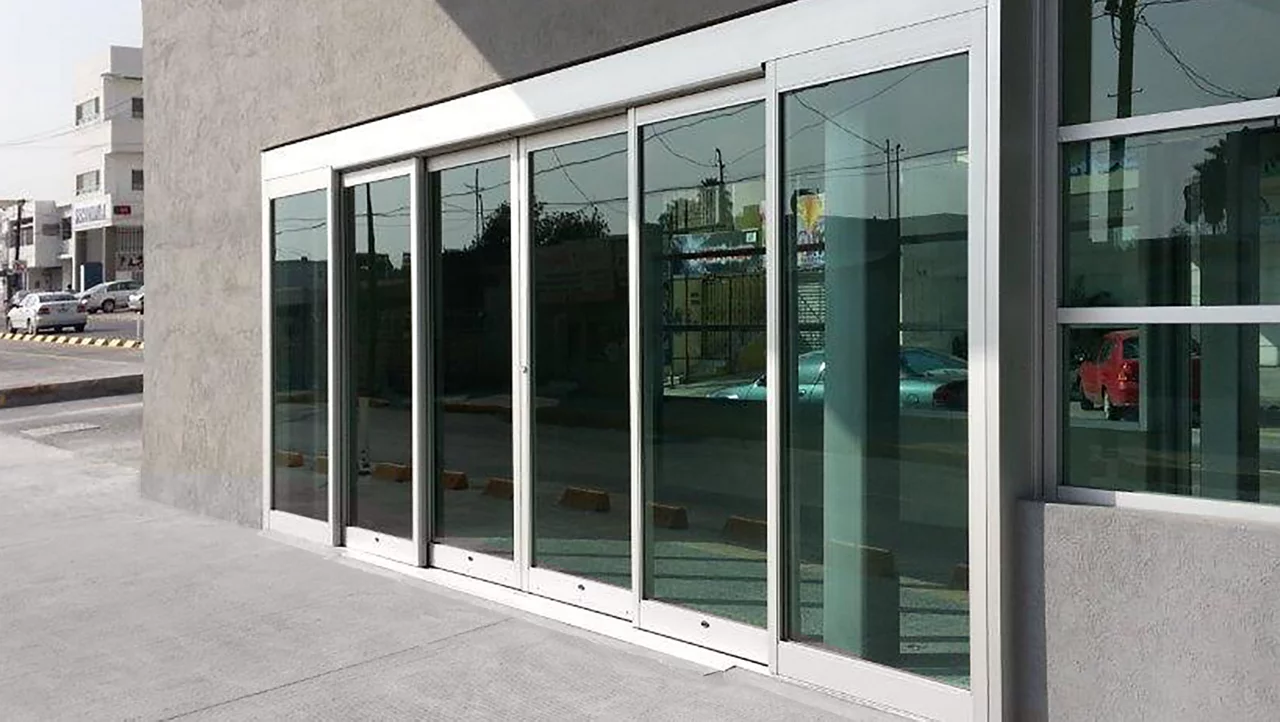
Modern multi panel sliding glass doors for large openings

Stacker and multi-slide doors use multiple glass panels that move and stack to one or both sides, creating a much wider opening than a standard sliding system. They are often used in large patios, entertainment spaces, and modern open-plan homes.

Their biggest advantage is opening width. These systems are ideal for homeowners who want a strong indoor-outdoor connection, panoramic views, and a more dramatic architectural effect.

Special & Interior Sliding Door Styles

Sliding doors aren’t just about function — they also shape the look and flow of your space. Below are popular specialty styles that combine design, flexibility, and performance.

7. Telescopic Sliding Doors

Telescopic sliding doors with stacked glass panels

Telescopic sliding doors use several panels that slide and stack neatly behind one another when opened. This design allows a wider access point without requiring the full wall-pocket space of some other large-opening systems.

They work well in larger rooms, commercial interiors, and projects that need a clean look with efficient panel movement. Their main benefit is that they maximize opening width while keeping the system visually compact.

8. Shoji Doors

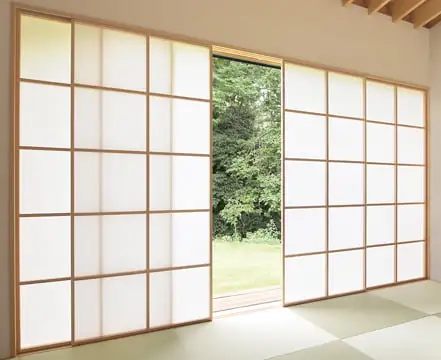
Shoji style sliding doors with wood frame and paper panels

Shoji doors are inspired by traditional Japanese interiors and usually feature slim wood frames with translucent panels. They are commonly used as interior sliding doors for bedrooms, home offices, dressing areas, or quiet zones that need privacy without feeling heavy.

Their biggest advantage is atmosphere. Shoji doors soften light, reduce visual clutter, and bring a calm, warm, and minimalist character to the space.

9. Frameless Sliding Glass Doors

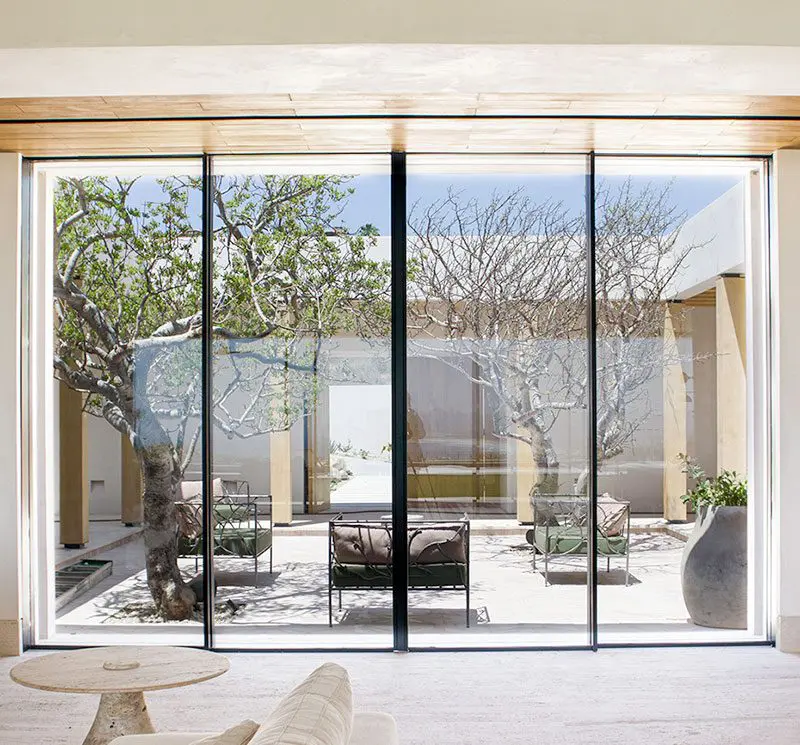
Frameless Sliding Doors for Modern Living Room

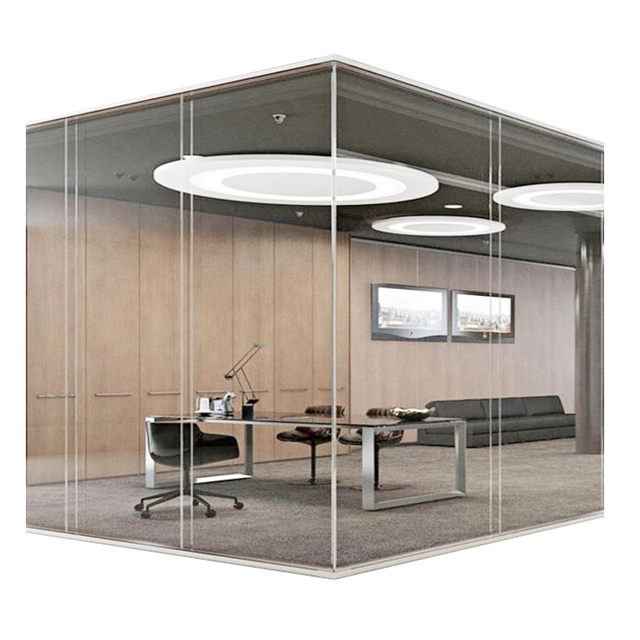
Frameless sliding glass doors use minimal visible framing to create a cleaner and more open appearance than standard sliding systems. They are often chosen for contemporary homes, luxury interiors, and spaces that prioritize light and uninterrupted views.

Their main strength is visual simplicity. By reducing frame bulk, they create a more seamless connection between spaces and help the room feel brighter, larger, and more modern.

How to Choose the Right Sliding Door Type

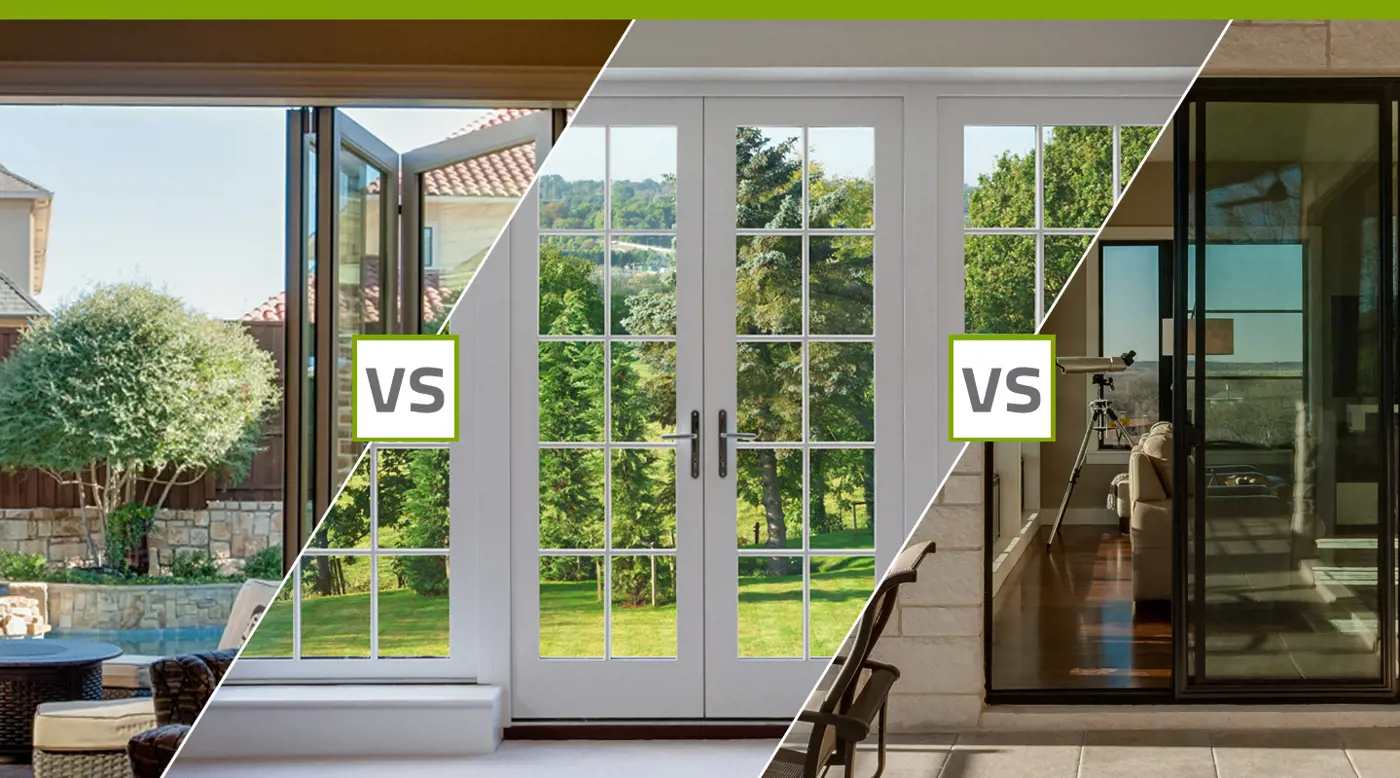
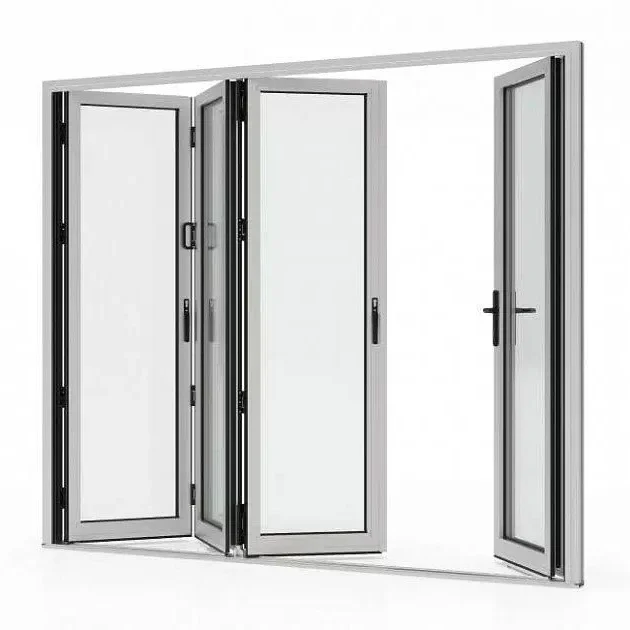
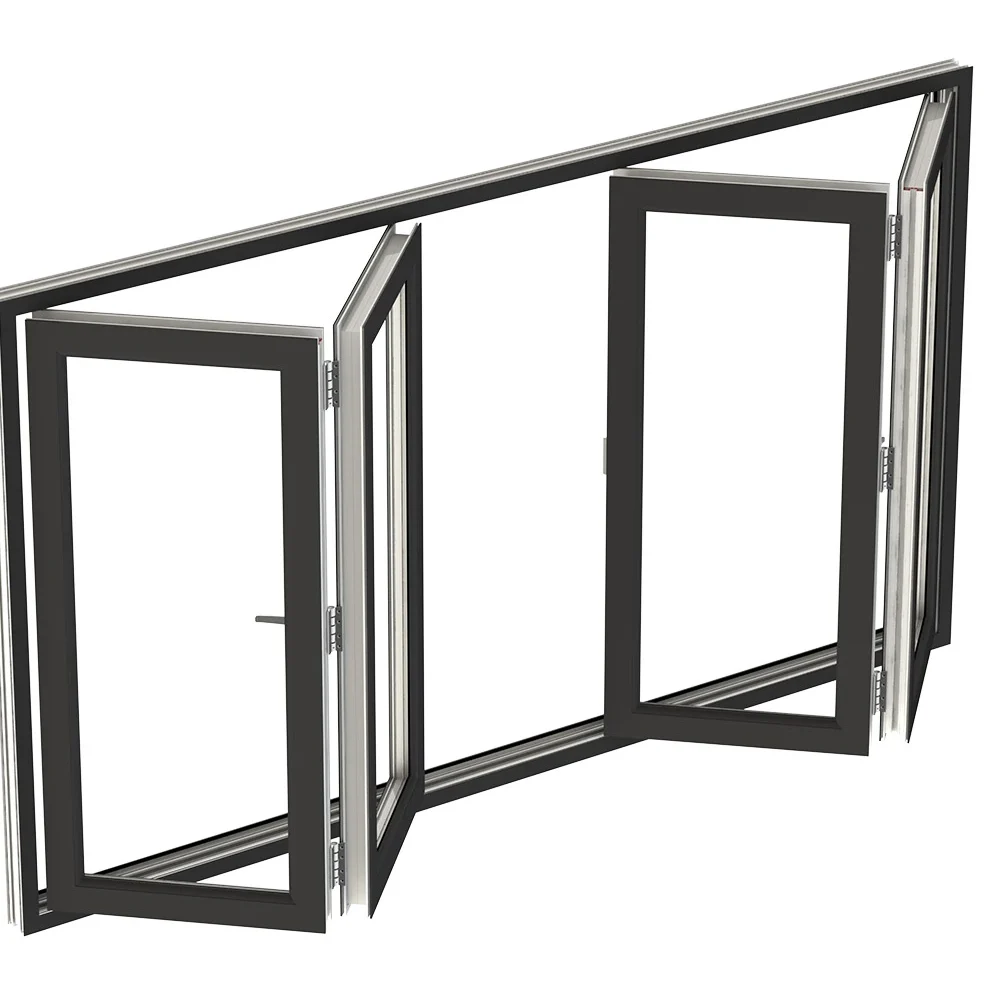
Folding French and sliding doors side by side

When choosing a sliding door, focus on the factors that affect layout, appearance, and long-term performance:

  • Space and opening area — Small rooms usually work better with pocket, bypass, or compact sliding systems, while large openings can support lift-and-slide, multi-slide, or telescopic doors.
  • Interior or exterior use — Exterior sliding doors need stronger insulation, weather sealing, and more durable frame systems, while interior sliding doors can focus more on style, privacy, and space saving.
  • Design style — Frameless glass doors suit modern spaces, Shoji doors fit calm minimalist interiors, and barn-style doors add a stronger decorative statement.
  • Performance needs — If energy efficiency, sound control, or weather resistance matters, pay close attention to frame material, glass type, and sealing quality.
  • Frequency of use — For doors used every day, smooth hardware and durable tracks are especially important. For occasional access, decorative or specialty styles may be enough.
  • Budget and installation complexity — Simpler sliding doors are usually easier and more affordable to install, while pocket doors, multi-slide systems, and custom frameless designs often require more planning and professional installation.

Conclusion

Sliding doors come in many forms, and the right type depends on how you plan to use the space. Some options are best for saving floor area, while others are designed for larger openings, stronger visual impact, or better indoor-outdoor connection.

By comparing layout, style, performance needs, and installation complexity, you can choose a sliding door type that improves both function and design. A well-matched sliding door should not only look right in the space, but also work smoothly for everyday use.

FAQs

What are the different types of sliding doors?

Common sliding door types include patio sliding doors, pocket doors, lift-and-slide doors, tilt-and-slide doors, bypass doors, barn-style sliding doors, multi-slide systems, telescopic doors, Shoji doors, and frameless sliding glass doors.


Sliding door tracks include single (mono-rail), double or multi-rail tracks, bypass tracks, box tracks, flat tracks, concealed tracks, and pocket tracks, each affecting how the door moves and stacks.

Pocket sliding doors, bypass doors, and some compact interior sliding systems are usually the best options for small spaces because they reduce the need for door swing clearance and help save usable floor area.

Lift-and-slide doors are designed for larger and heavier panels. The handle mechanism lifts the panel slightly off the track to reduce friction and create a tighter seal when closed. Standard sliding doors are usually simpler, lighter, and more common for everyday residential use.


Ready to Upgrade Your Space?

If you are planning to add or replace sliding doors, it is important to compare door type, frame system, glass options, and installation requirements before making a final choice. Our team can help you evaluate sliding door solutions that fit your layout, style, and performance needs.

Contact us to explore custom sliding door options, request project guidance, or discuss suitable systems for your space.

Like this article? Share it on:

Leave a Reply

Your email address will not be published. Required fields are marked *

Latest Insights From Our Experts

Request A Free Quote!

Please enable JavaScript in your browser to complete this form.
Project Types

Access Your Download – Tell Us About Your Project First

Please enable JavaScript in your browser to complete this form.
Request A Free Quote!
Please enable JavaScript in your browser to complete this form.