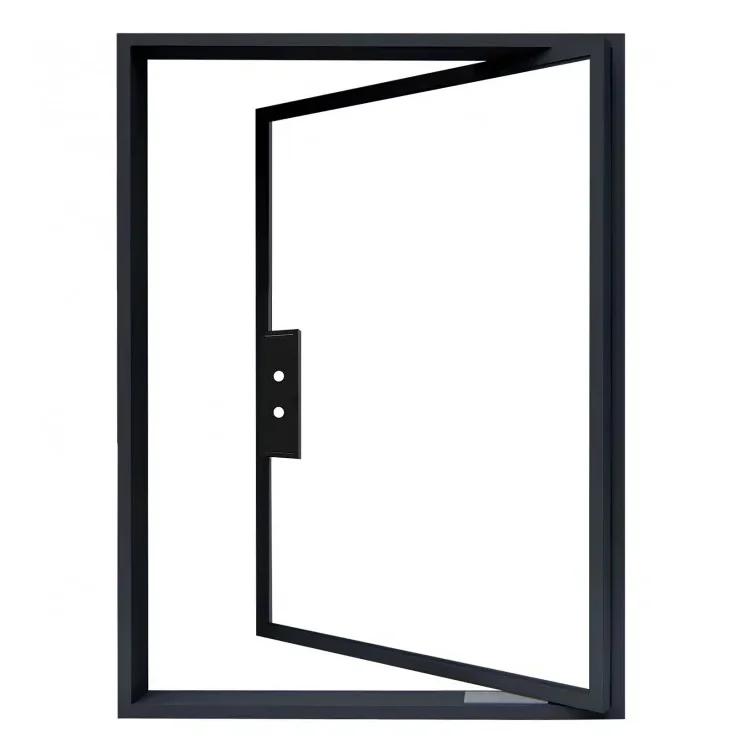
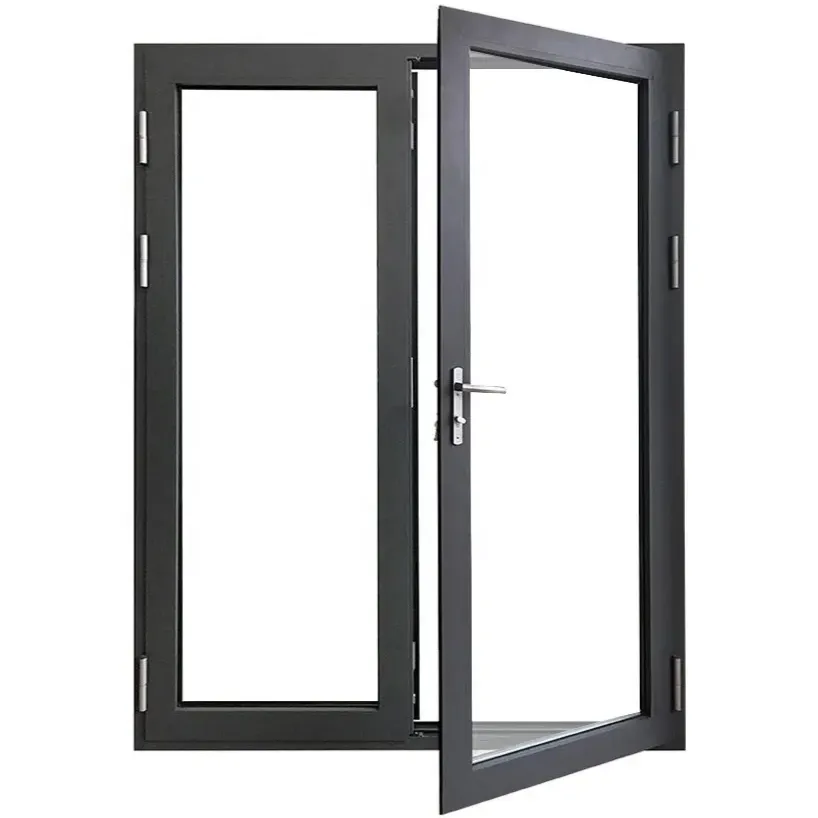
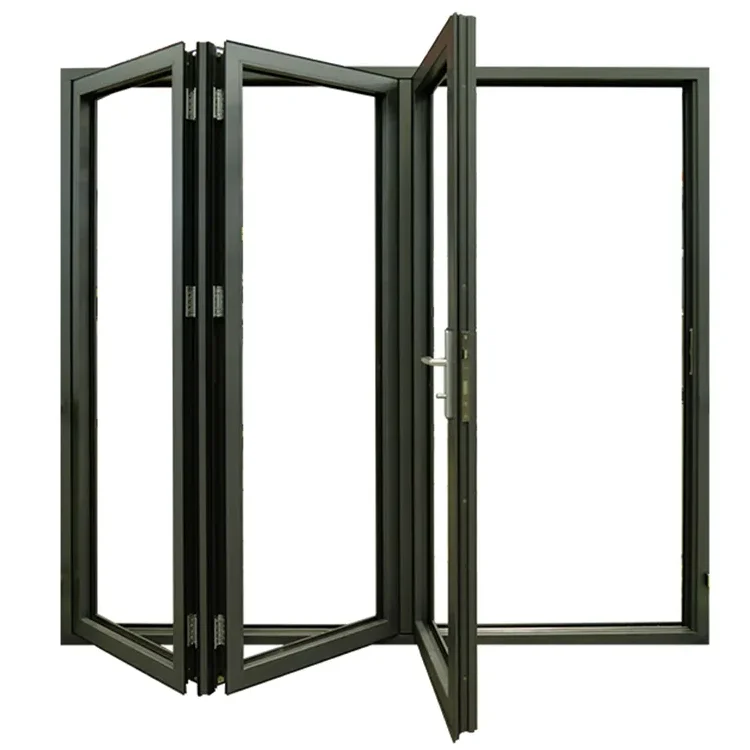
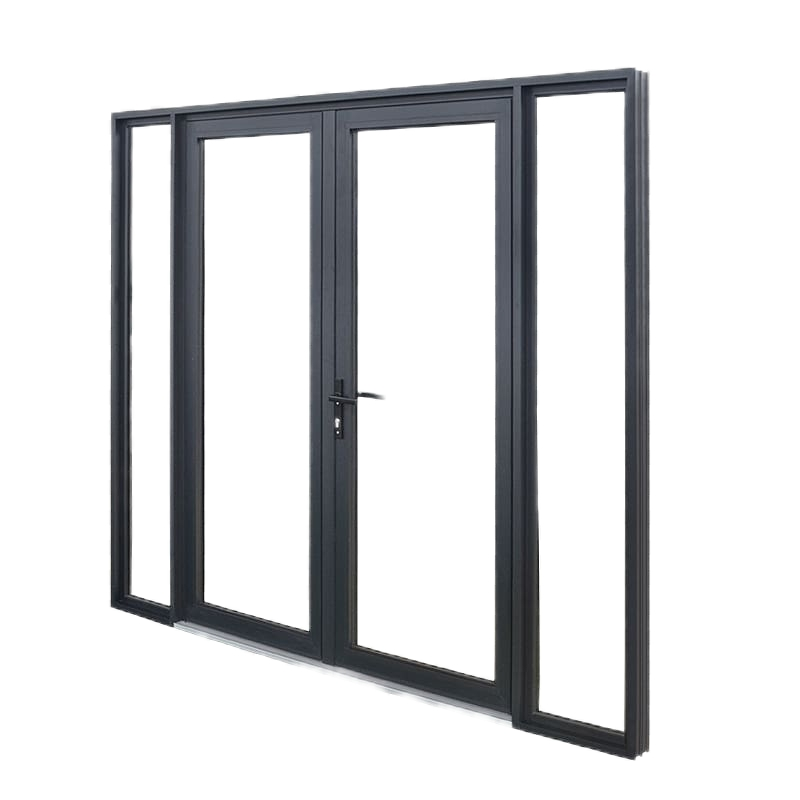















Choosing a new exterior door is more than just picking something that looks nice.
It’s about finding a door that keeps your home secure, saves energy, and matches your personal style.

Whether you’re replacing an old door or buying one for a new build, the right exterior door can boost your curb appeal and make your entryway more inviting.
In this guide, we’ll walk you through everything you need to know before buying an exterior door.
From materials and styles to security features and energy efficiency, you’ll learn how to choose a door that fits your needs—and your home.
Prehung vs. Slab Doors
When shopping for an exterior door, you’ll likely come across two main types: prehung and slab.
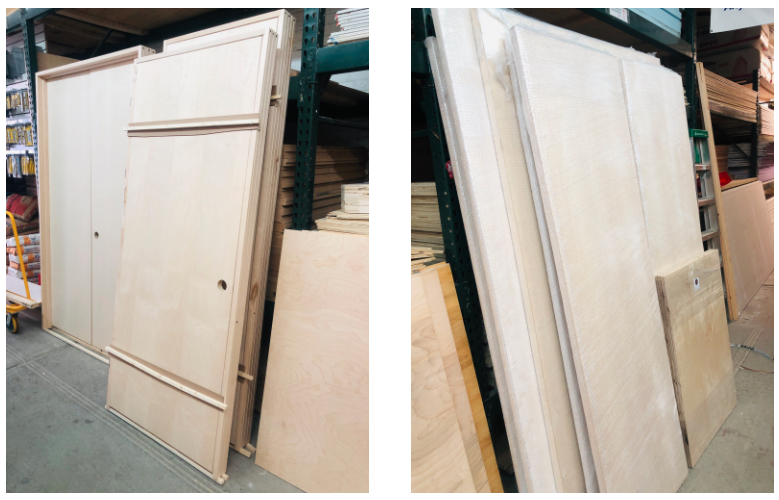
Prehung doors come with the door already attached to a frame, complete with hinges and weatherstripping. They’re great for new homes or when your existing frame is damaged or warped.
Slab doors are just the door panel itself—no frame, no hardware. They’re ideal if your current frame is still in good shape and you just want to upgrade the look.
Each has its benefits: prehung doors are easier for big changes, while slab doors are perfect for budget-friendly replacements.
Want more details? Check out our full guide to Prehung vs. Slab Doors.
How to Measure for an Exterior Door

Before you choose a door, you need the right measurements—close enough won’t cut it when it comes to fit and energy efficiency.
Start with the rough opening, which is the framed hole in your wall. It should be about 2 inches wider and taller than the actual door size.
Next, measure the actual door panel (width × height) if you’re replacing just the slab.
Don’t forget the jamb depth—that’s the thickness of the wall from the inside drywall to the outside siding. Standard depths are usually 4-9/16″ or 6-9/16″.
Tip: Always measure twice (top, middle, bottom) and round up slightly. For unique spaces, consider custom doors—but for most homes, standard sizes like 36″ × 80″ work just fine.
Exterior Door Materials: Pros and Cons

Choosing the right material is key for weather resistance, security, and style. Here’s a quick look at the most common options:
Want more details? Read our full guide on door materials to explore styles, maintenance tips, and which one suits your home best.
Common Door Styles and Design Options

Your door is a key part of your home’s first impression. Here are some popular styles along with what makes each one unique:
Modern:
Clean, simple lines
Often features full-lite glass for lots of natural light
Uses minimalist hardware for a sleek look
Farmhouse:
Showcases craftsman details and rustic charm
Typically has warm colors and half-lite glass
Combines traditional elements with a modern twist
Traditional:

Features raised panels, grilles, and decorative sidelights or transoms
Offers a classic look that never goes out of style
Perfect for homes with a timeless design
Dutch Doors:
Splits in the middle, allowing the top half to open while the bottom stays closed
Great for improving airflow and keeping pets or children safely inside
Adds a playful, unique element to your entry
Double Doors:
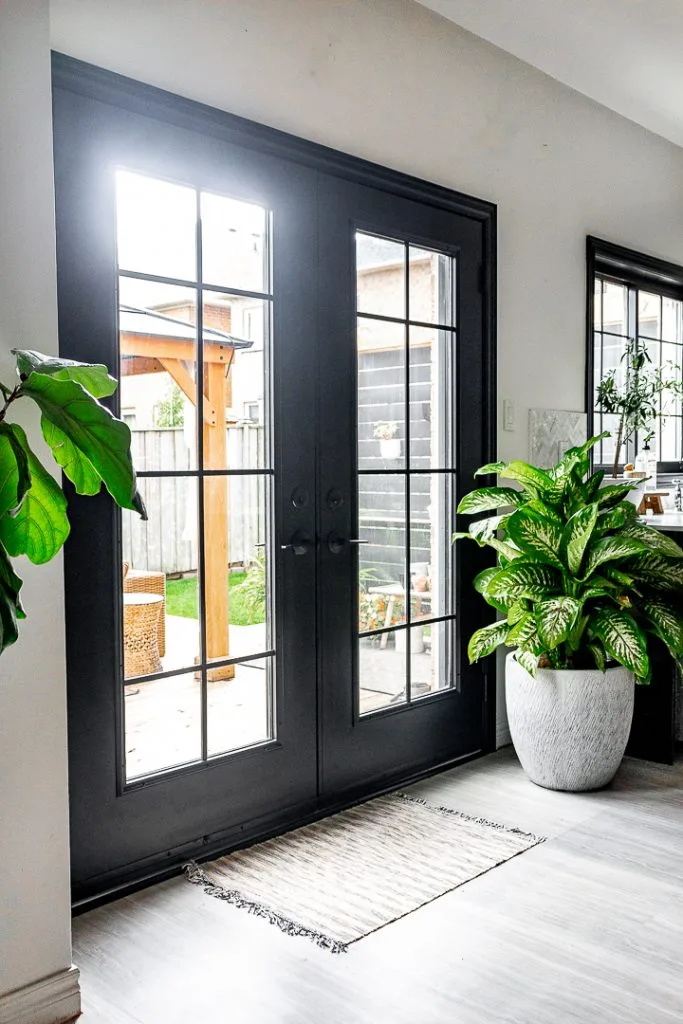
Creates a grand entrance with two doors that open together
Ideal for larger entryways and homes aiming for an upscale, welcoming look
Glass Options and Decorative Elements
Want to let more light in or boost your curb appeal? Glass and decorative features can take your exterior door from plain to standout.
Glass Types:
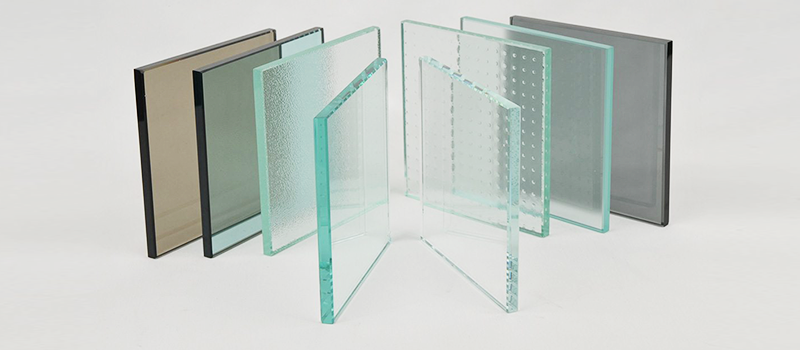
Clear Glass offers full visibility and lets in the most light.
Frosted and Privacy Glass give you light while keeping things private.
Decorative Glass features patterns or stained designs for added flair.
Low-E Glass has a special coating that improves energy efficiency by reducing heat transfer.
Lite Configurations:
Glass can cover different portions of your door.
¼ Lite: A small window at the top.
½ Lite: Glass on the upper half.
¾ Lite: Covers most of the door.
Full Lite: Almost the entire door is glass—great for bright, modern spaces.
Grilles and Caming:
Grilles are decorative bars that divide the glass into sections.
Caming is the metal trim that holds stained or decorative glass together.
Both add a traditional or artistic touch depending on the style.
Sidelights and Transoms:

Sidelights are narrow glass panels beside the door, while transoms sit above it.
They bring in more natural light and create a more open, inviting entryway.
Security and Locking Features
Your exterior door isn’t just for looks—it’s your home’s first line of defense. Choosing the right security features makes a big difference.
Deadbolts:
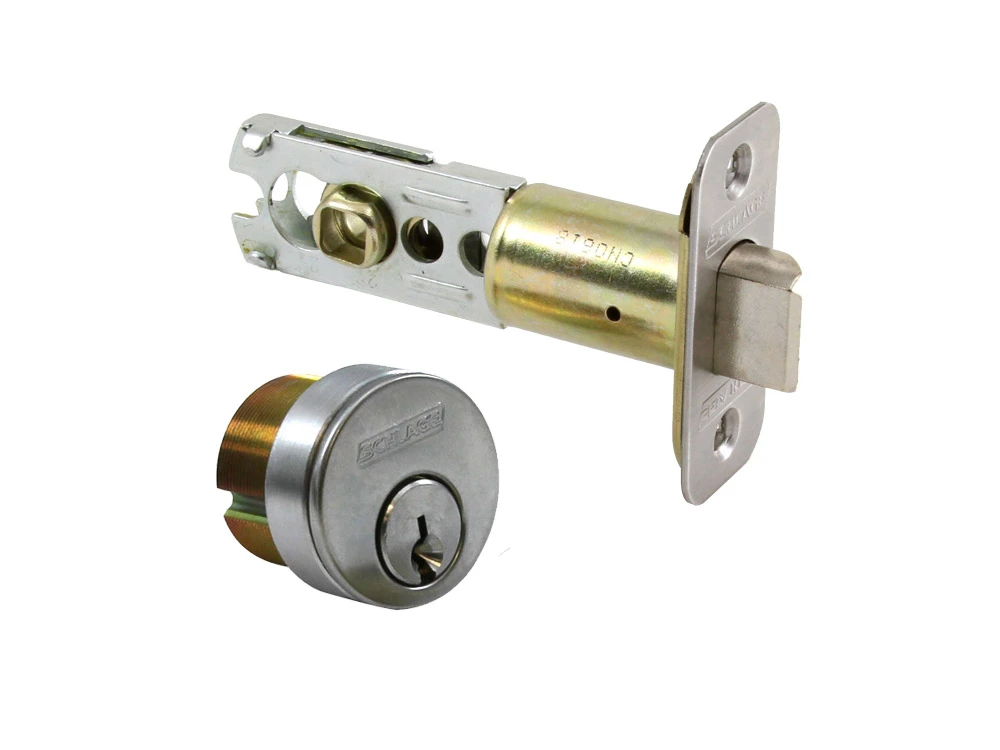
Look for a deadbolt with at least a one-inch throw (that’s how far it extends into the frame). This adds serious resistance against forced entry.
Strike Plates & Screws:

A reinforced strike plate paired with 3-inch screws helps anchor the lock deep into the door frame, making it much harder to kick in.
Keyed vs. Keyless Entry:

Keyed locks are the classic choice—reliable and widely used.
Keyless options offer convenience with keypads, smart locks, or even phone access. They’re great for families or Airbnb hosts.
Weatherproofing & Energy Efficiency
A great exterior door does more than look good—it helps keep your home comfy and your energy bills low.
Here’s how weatherproofing and energy efficiency features make a difference:
Weather Stripping: Foam vs. Rubber

Weather stripping runs along the edges of the door to seal gaps.
Foam is affordable and easy to install but may wear out faster.
Rubber lasts longer and offers a tighter seal, especially in extreme temperatures.
Door Sweeps & Thresholds

These are key for sealing the bottom of the door.
Door sweeps block drafts, dust, and insects.
Thresholds, especially sloped ones, help keep out rain and moisture.
Energy Star Ratings

Look for Energy Star-certified doors if energy efficiency matters to you.
These doors meet strict standards and can help lower heating and cooling costs.
Low-E Glass
If your door has glass, Low-E (low-emissivity) coatings reflect heat and block UV rays. This keeps interiors cooler in summer and warmer in winter—while protecting furniture from fading.
Understanding Door Construction
Let’s take a quick peek inside what your exterior door is really made of. Knowing how a door is built helps you choose one that’s sturdy, energy-efficient, and fits your style.
Solid Core vs. Hollow Core
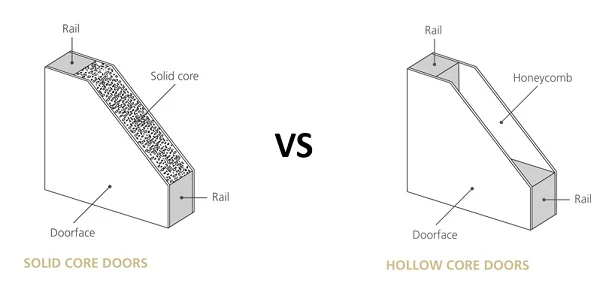
Solid core doors are heavier, stronger, and better at blocking sound and weather—ideal for exterior use.
Hollow core doors are lightweight and not insulated, so they’re typically only used indoors.
Rails, Stiles, and Panels
Stiles are the vertical sides of the door.
Rails run horizontally—top, bottom, and sometimes in the middle.
Panels are the raised or recessed sections between the rails and stiles, adding strength and design.
Astragals (for Double Doors)

An astragal is a vertical strip that helps seal the gap between double doors. It keeps air, light, and moisture out when both doors are closed.
Door Sticking (Molding Detail)

This refers to the trim detail around the panels. It’s a small touch, but it can make a big difference in your door’s style—think square edge for modern, or ogee for traditional charm.
Door Swing and Handing
Getting the swing and handing right might seem like a small detail—but it makes a big difference in how your door functions day to day.
Inswing vs. Outswing

Inswing doors open into your home. They’re the most common for front entries.
Outswing doors open away from your home. They’re great for windy or storm-prone areas, offering extra weather resistance.
Left-Hand vs. Right-Hand

To figure this out, stand outside the door (the side with the key).
If the hinges are on the left, it’s a left-hand door.
If the hinges are on the right, it’s a right-hand door.
How to Choose the Right One
Think about:
Traffic flow (will the door block anything when open?)
Security (outswing doors can be harder to kick in)
Space (inswing might be better if there’s a tight patio or steps outside)
Storm, Screen, and Security Door Add-Ons
Want to upgrade your main entry without replacing the whole door? These add-ons bring extra protection, comfort, and function:
Storm Doors

Think of these as your door’s outer armor.
Help block wind, rain, and snow.
Add insulation for better energy efficiency.
Many come with full-view glass or a retractable screen.
Perfect for extending the life of your main door.
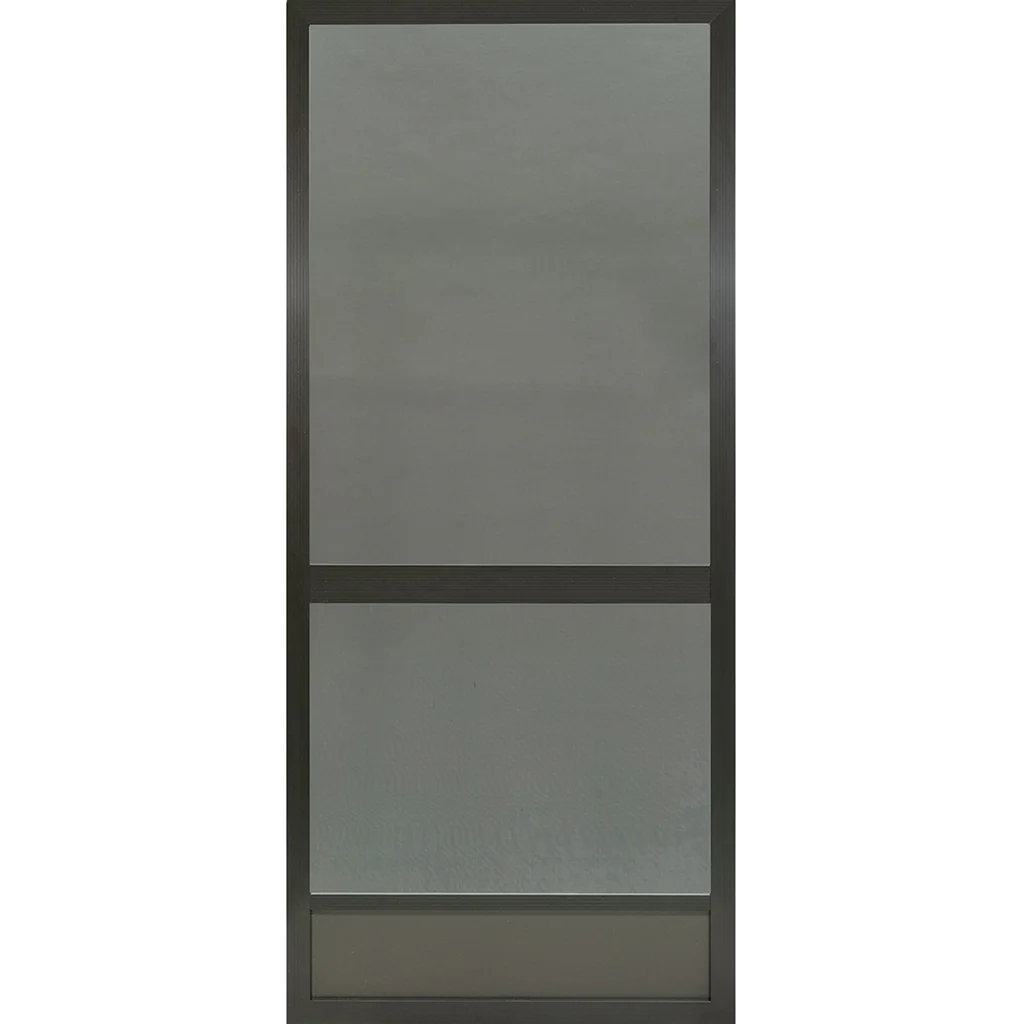
Screen Doors

Let in fresh air without the bugs.
Ideal for warmer climates or breezy days.
Usually lighter, with mesh panels.
Can be hinged or sliding, depending on your space.
A simple way to boost airflow while keeping your home sealed.
Security Doors

Extra peace of mind.
Made from steel or iron for strength.
May include decorative bars, screens, or glass inserts.
Offer a second locking layer without blocking visibility.
Great for front entries where safety and style both matter.
Cost Breakdown

Buying an exterior door is a big decision—not just for style and security, but for your wallet too. Here’s how the costs usually break down:
Budget Ranges by Material
Steel Doors: $150–$600 (budget-friendly, secure)
Fiberglass Doors: $300–$1,500 (durable, low maintenance)
Wood Doors: $600–$4,000+ (premium look, higher upkeep)
Iron Doors: $1,500–$6,000+ (luxury, ultra-secure)
Add-Ons & Customizations
Decorative glass, sidelights, transoms: +$200–$800
Smart locks and keyless entry: +$100–$500
Storm or security doors: +$100–$1,000
Custom sizes or finishes: can add 20–50% to base cost
Tips to Get the Most Value
Choose prehung for easier, more cost-effective installs.
Look for Energy Star® certified doors to save long-term.
Buy during seasonal sales or clearance events.
Consider DIY installation for slab doors (if you’re handy).
Where to Buy & What to Ask

When it comes to buying an exterior door, you’ve got two main options: online or in-store. Each has its perks—here’s a quick breakdown to help you decide.
Online vs. In-Store: Pros and Cons
Online:
✔ More styles and custom options
✔ Convenient browsing
✘ Can’t inspect quality in person
✘ Return process can be trickyIn-Store:
✔ See and feel the materials
✔ Ask questions on the spot
✘ Limited inventory
✘ May not carry all sizes or custom options
Must-Ask Questions Before You Buy
What’s included (door slab, frame, hardware)?
Is installation available or extra?
What’s the return or exchange policy?
Is there a warranty, and what does it cover?
How long is the lead time for delivery or pickup?
Pro Tip: Shop during spring and fall promotions—many stores offer deep discounts around Labor Day, Black Friday, or early spring home improvement events. You might save hundreds just by timing it right.
Ready to Upgrade Your Exterior Doors?

Looking for high-quality exterior doors at a better price?
Buy doors direct from a China manufacturer—get the same quality as big brands, but at more competitive cost. We also offer custom door solutions tailored to your specific needs and home style.
Contact us today to request a catalog or discuss your custom door project!