














What Are the Main Parts of a Patio Door?
A patio door is usually made up of a frame, one or more door panels, glass, hardware, and sealing components. The frame includes the head, jambs, and sill. The panel includes rails, stiles, and glazing. Hardware may include rollers, hinges, handles, locks, strike plates, and footbolts depending on whether the patio door is sliding or hinged. Sealing parts such as weatherstripping, sweeps, thresholds, and insulated glass features help improve comfort, security, and energy efficiency.
Patio Door Parts Overview Table
| Part | Where It Is | Main Function |
|---|---|---|
| Frame | Around the full door system | Supports the patio door and connects it to the wall |
| Head | Top of the frame | Stabilizes the upper opening |
| Jamb | Vertical sides of the frame | Supports panels, hardware, and alignment |
| Sill | Bottom of the frame | Supports the opening and guides or seals the base |
| Threshold | Bottom walking surface, especially on hinged doors | Creates transition and helps seal the doorway |
| Door Panel | Main moving or fixed section | Holds the glass and forms the door leaf |
| Glass / Glazing | Inside the panel | Brings in light and affects insulation and safety |
| Stiles | Vertical edges of the panel | Add structure and support hardware |
| Rails | Horizontal edges of the panel | Strengthen the panel and frame the glass |
| Rollers | Bottom of sliding panels | Help sliding doors move smoothly |
| Track | Along the sill or frame | Guides the sliding panel |
| Hinges | Side of hinged doors | Allow French or hinged doors to swing open |
| Handle | On the operable panel | Allows opening and closing |
| Lock / Multipoint Lock | On the operable panel | Secures the door when closed |
| Strike Plate | On the frame where the lock meets | Reinforces the locking point |
| Weatherstripping | Around the panel edges and frame | Helps block drafts, water, and dust |
| Door Sweep | Bottom edge of hinged door panels | Improves sealing at the bottom |
| Interlocker | Where sliding panels meet | Improves alignment, sealing, and security |
Patio doors come in different styles, but most use the same core parts to support operation, sealing, security, and energy performance. Understanding these parts makes it easier to compare sliding and hinged patio doors, identify problems, and choose the right system for your home.
Basic Anatomy of a Patio Door
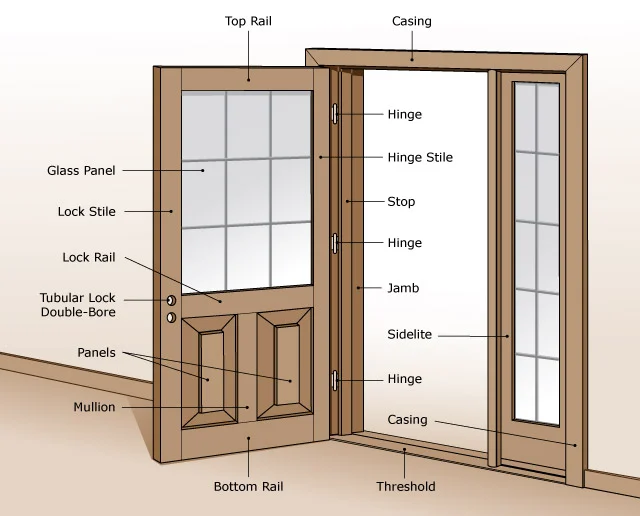
Before looking at sliding and hinged systems separately, it helps to understand the basic patio door parts that appear in most door designs.
Frame
The frame is the outer structure that holds the entire patio door in place. It’s made up of the head (top), jambs (sides), and sill (bottom). The frame connects the door to the wall and provides support for everything else.
Door Panel
The panel is the part that opens and closes. It holds the glass and is usually made of the same material as the frame. Sliding doors have one or more panels that glide along a track, while French doors have panels that swing open.
Glass
Glass makes up most of the panel and is what lets light in. Patio door glass can be single-, double-, or triple-pane, and may include special coatings for energy efficiency.
Hardware
This includes the handles, locks, rollers (for sliding doors), and hinges (for swinging doors). Hardware affects how easy the door is to use—and how secure it is.
Sliding Patio Door Parts

Sliding patio doors use tracks, rollers, and interlocking panel parts instead of hinges. Understanding these components makes it easier to compare operation, security, and maintenance needs.
Exterior Components

1. Fixed Panel vs. Operable Panel
A standard sliding door has two large glass panels. One is fixed in place, while the other is operable, meaning it slides open and closed.
2. Interlockers
Where the two panels meet, you’ll find interlockers—these help align the panels and keep them secure when the door is closed. They also reduce drafts and improve energy efficiency.
3. Footbolt
Some sliding doors include a footbolt, a small lock near the floor that adds an extra layer of security. You can lock the door with your foot without bending down.
4. Vent Lock
Want fresh air without opening the door all the way? A vent lock lets you keep the door slightly open—usually about 4 inches—while still keeping it safely secured.
5. Rolling System
Sliding doors move thanks to a rolling system with wheels or rollers at the bottom of the panel. Tandem rollers help the door glide smoothly along the sill track without dragging or sticking.
Interior Components
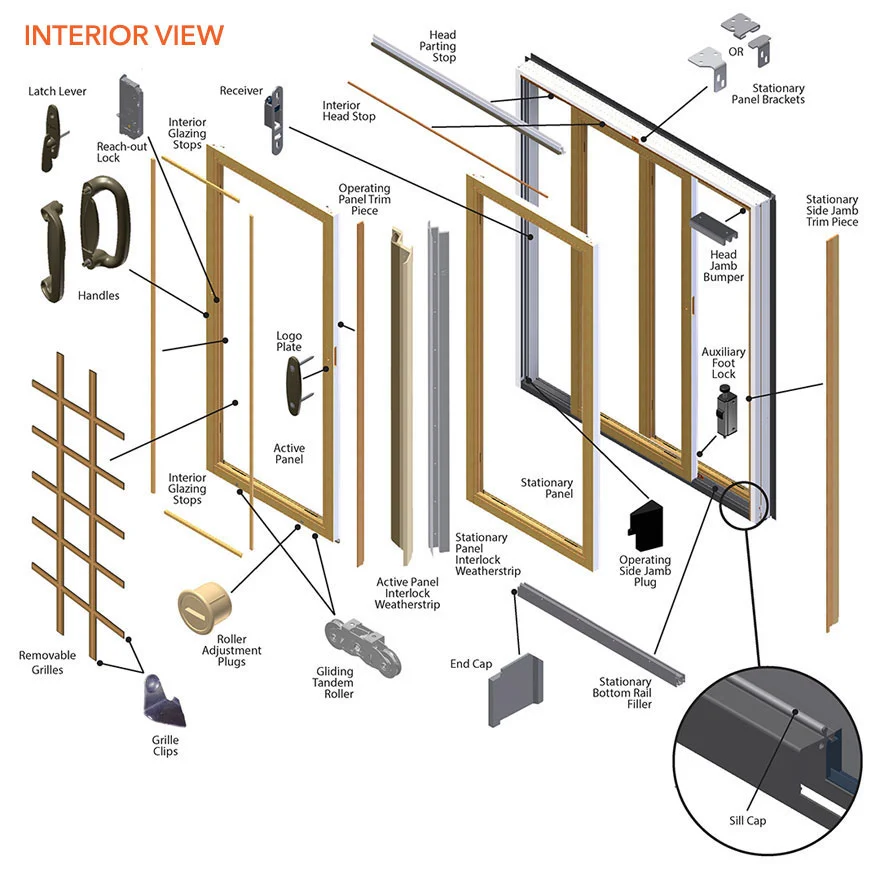
1. Frame (Head, Jambs, Sill)
- The head is the top part of the frame.
- The jambs are the sides.
- The sill is the bottom that the panel slides on.
Together, they support the door and form a seal against the wall.
2. Handle + Multipoint Lock
Most sliding doors include a handle on the inside, and sometimes outside too. Many also have a multipoint locking system, which locks the door in more than one spot for added security.
3. Rails and Stiles
These are the parts that form the edges of the glass panel:
- Rails run horizontally (top and bottom)
- Stiles run vertically (left and right)
4. Weatherstripping
Found around the edges of the operable panel, weatherstripping helps keep out drafts, dust, and rain. Some doors have dual weatherstripping for even better insulation.
5. Argon Gas & Low-E Glass
High-efficiency sliding doors may use double-pane glass with argon gas sealed between the layers. This invisible gas improves insulation.
Low-E (low emissivity) coatings help reflect heat and block UV rays to keep your home cooler in summer and warmer in winter.
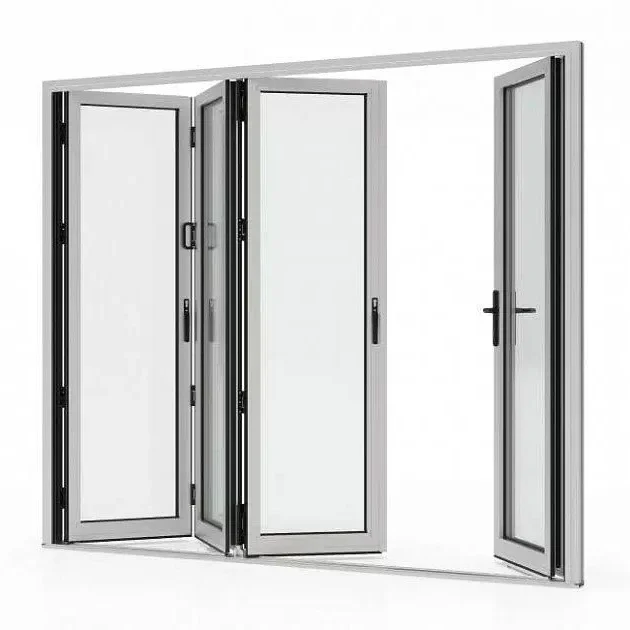
Hinged Patio Door Parts (French Doors)
Hinged patio doors rely on hinges, thresholds, astragals, and locking hardware rather than a rolling system. These parts affect swing direction, weather sealing, and security.
Exterior Components

1. Astragal
If your door has two panels, the astragal is the vertical piece between them. It covers the gap when the doors are closed and helps seal out air and water.
2. In-swing / Out-swing Panels
French doors can swing inward or outward, depending on your layout and preference. Each swing type uses special hinges and seals to match the motion.
3. Threshold + Sweep
At the base of the door, the threshold forms the transition between inside and out. The sweep is a flexible strip attached to the bottom edge of the door panel that helps seal against drafts, dirt, and water.
Interior Components
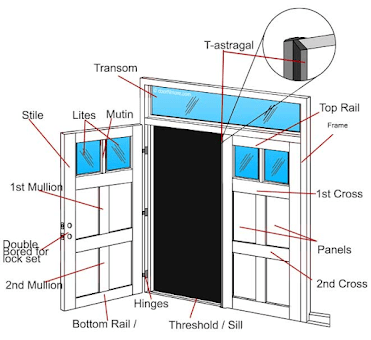
1. Multipoint Lock
Many French doors use a multipoint locking system. With one turn of the handle, it locks the door at multiple points along the frame for extra security and a tighter seal.
2. Strike Plate + Jamb
The strike plate is a metal piece attached to the jamb (side of the frame). When the door is closed and locked, the bolt from the door fits into this plate to keep the door securely shut.
3. Thumbturn Locking Mechanism
On the interior side of the door, a thumbturn lets you lock or unlock the door by hand. It’s typically used for deadbolts and is a simple, tool-free way to secure the door from inside.
4. Decorative Glass, Blinds, or Grilles (Between the Glass)
Many hinged doors offer custom design touches like:
- Decorative glass with frosted or stained patterns
- Grilles between the glass for easy cleaning and a classic look
- Built-in blinds for privacy without needing curtains
Panel Construction Details
Every patio door panel—whether it slides or swings—is made up of stiles and rails. These structural elements frame the glass and give the door its shape, strength, and style.
Stiles (Vertical Pieces)
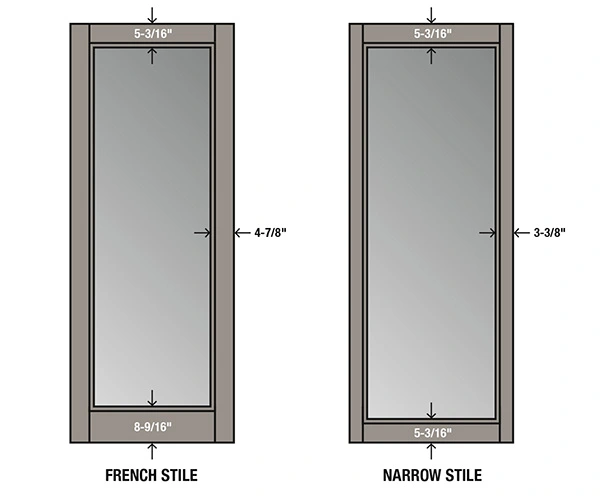
Stiles are the vertical edges on the left and right sides of a door panel. They help hold the glass in place and support the hinges (on hinged doors) or the rollers (on sliding doors). Strong, well-built stiles make the door more durable and secure.
Rails (Horizontal Pieces)
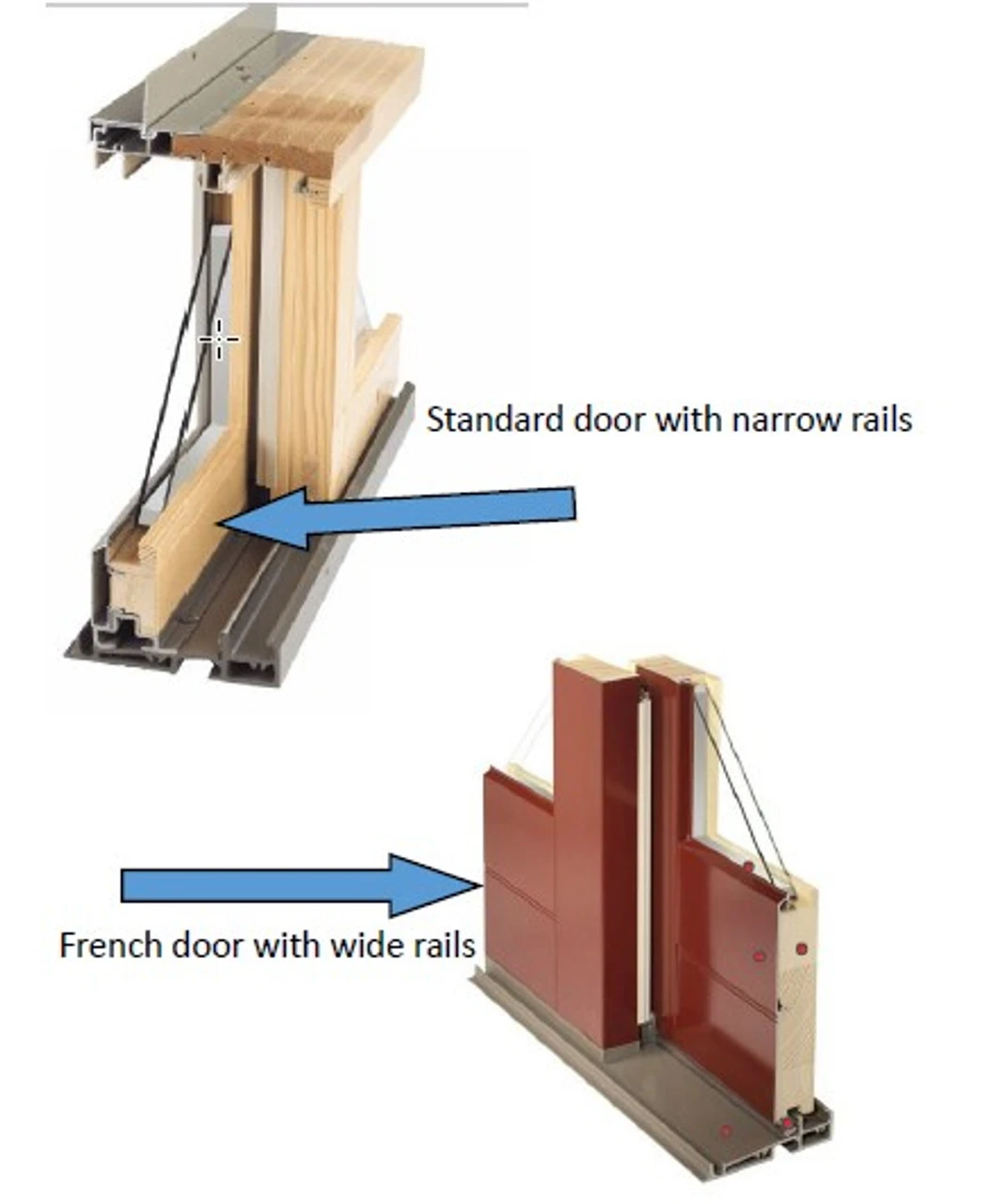
Rails are the horizontal edges at the top and bottom of the panel.
- The top rail adds strength and finishes the look.
- The bottom rail supports most of the door’s weight and plays a role in sealing against air and moisture.
Style Notes
- French doors often feature a wider bottom rail, giving them a more traditional and balanced appearance.
- Modern sliding doors may have slimmer rails and stiles to allow more glass and a cleaner, contemporary look.
Glass Types in Patio Doors
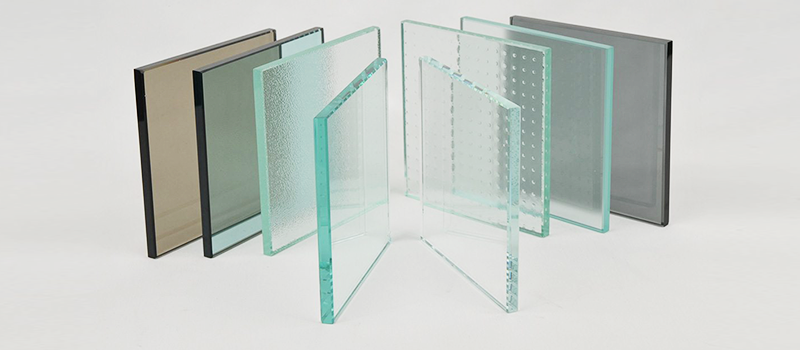
Glass is one of the most important parts of a patio door because it affects light, insulation, safety, privacy, and overall comfort. The most common patio door glass options include:
Double-pane glass
This is the standard choice for many modern patio doors. It uses two panes of glass with an air or gas-filled space in between to improve insulation.
Triple-pane glass
Triple-pane units add an extra layer of glass for better thermal performance and sound reduction. They are often used in colder climates or high-performance homes.
Tempered glass
Tempered glass is heat-treated to improve safety. If it breaks, it shatters into small blunt pieces instead of sharp shards. It is commonly required in patio doors for safety reasons.
Laminated glass
Laminated glass includes an interlayer that helps hold the glass together if broken. It can improve security, sound control, and impact resistance.
Low-E glass
Low-E coatings reflect heat and help control solar gain. This improves energy efficiency and can also reduce UV fading on interior finishes.
Choosing the right glass type depends on climate, safety requirements, privacy needs, and energy goals.
👉 Read our guide on types of glass.
Frame Material Options
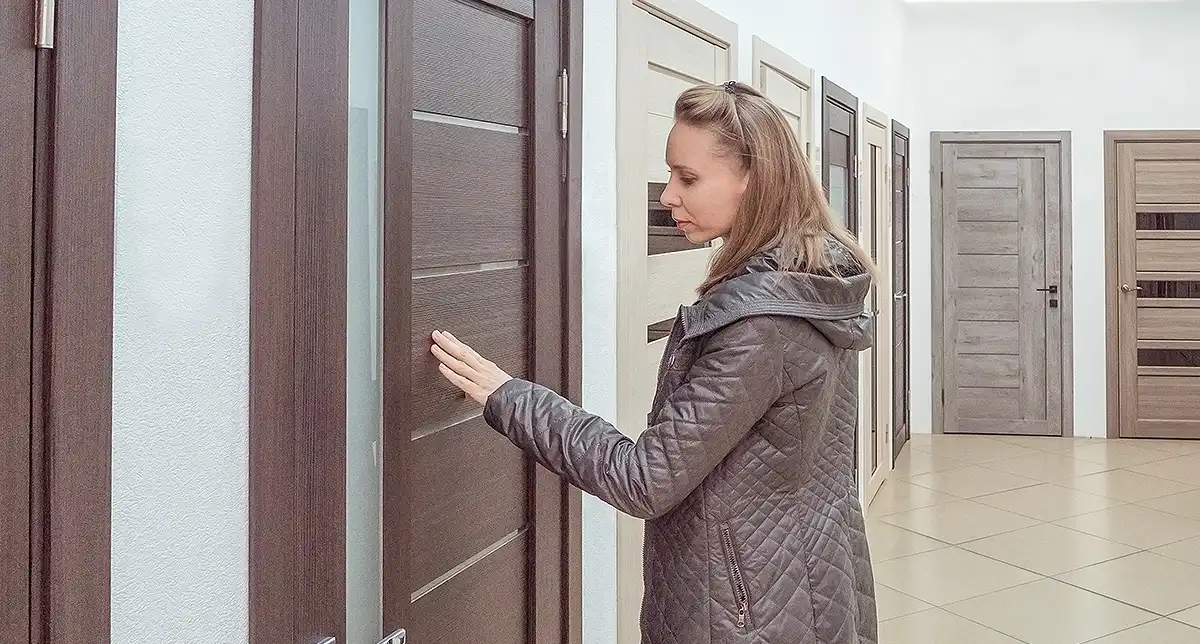
The frame material affects how a patio door looks, performs, and holds up over time. The most common patio door frame materials include:
Vinyl
Vinyl is affordable, low-maintenance, and energy-efficient. It is a common choice for residential sliding patio doors and replacement projects.
Wood
Wood offers a warm, traditional look and strong insulation, but it usually needs more maintenance than other materials.
Aluminum
Aluminum is strong, slim, and modern-looking. It is often used for larger glass doors, but thermal performance depends on the specific frame design.
Fiberglass
Fiberglass is durable, stable, and resistant to warping. It offers a good balance of performance, appearance, and low maintenance.
The best frame material depends on budget, climate, design style, and how much maintenance you are willing to handle.
👉 Check out our full guide to door materials.
Door Handing & Operation
Door handing matters most on hinged patio doors such as French doors, while sliding patio doors are usually described by the location of the operable panel rather than hinge side.
What Is Door Handing?
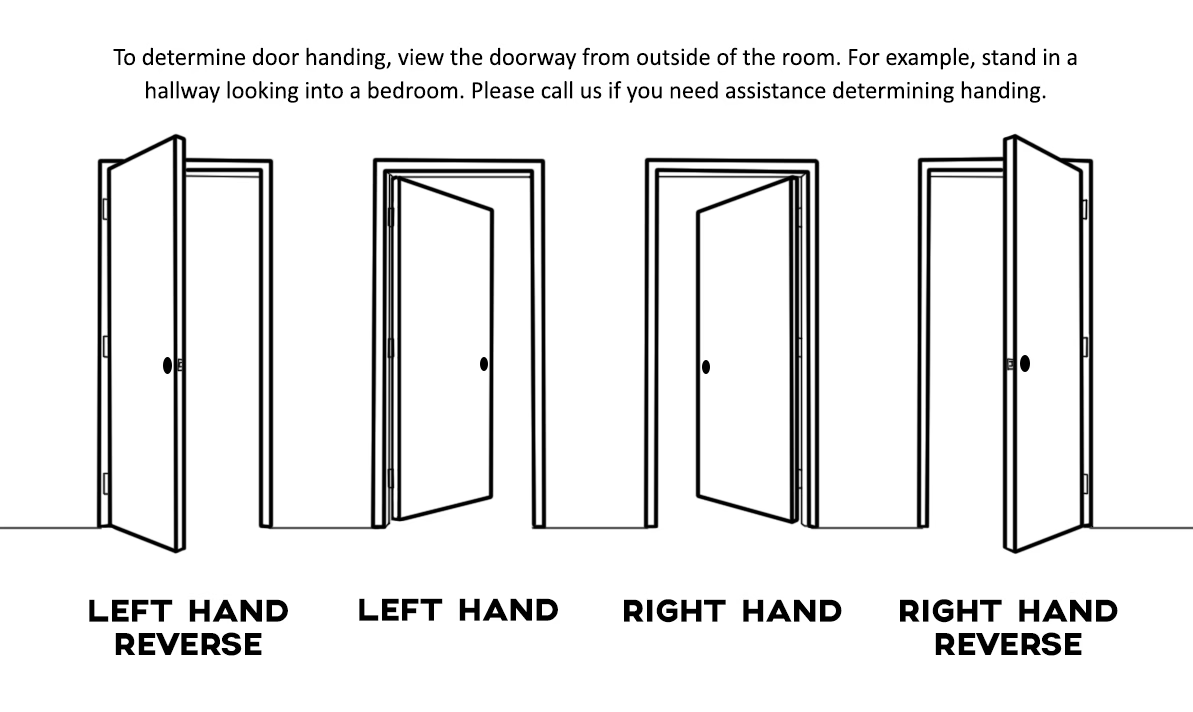
Handing refers to which side the door handle is on and which way the door opens. It’s often described as:
- Left-hand door: Hinges are on the left side when you’re facing the door.
- Right-hand door: Hinges are on the right side when facing the door.
Swing Direction (In-Swing vs. Out-Swing)
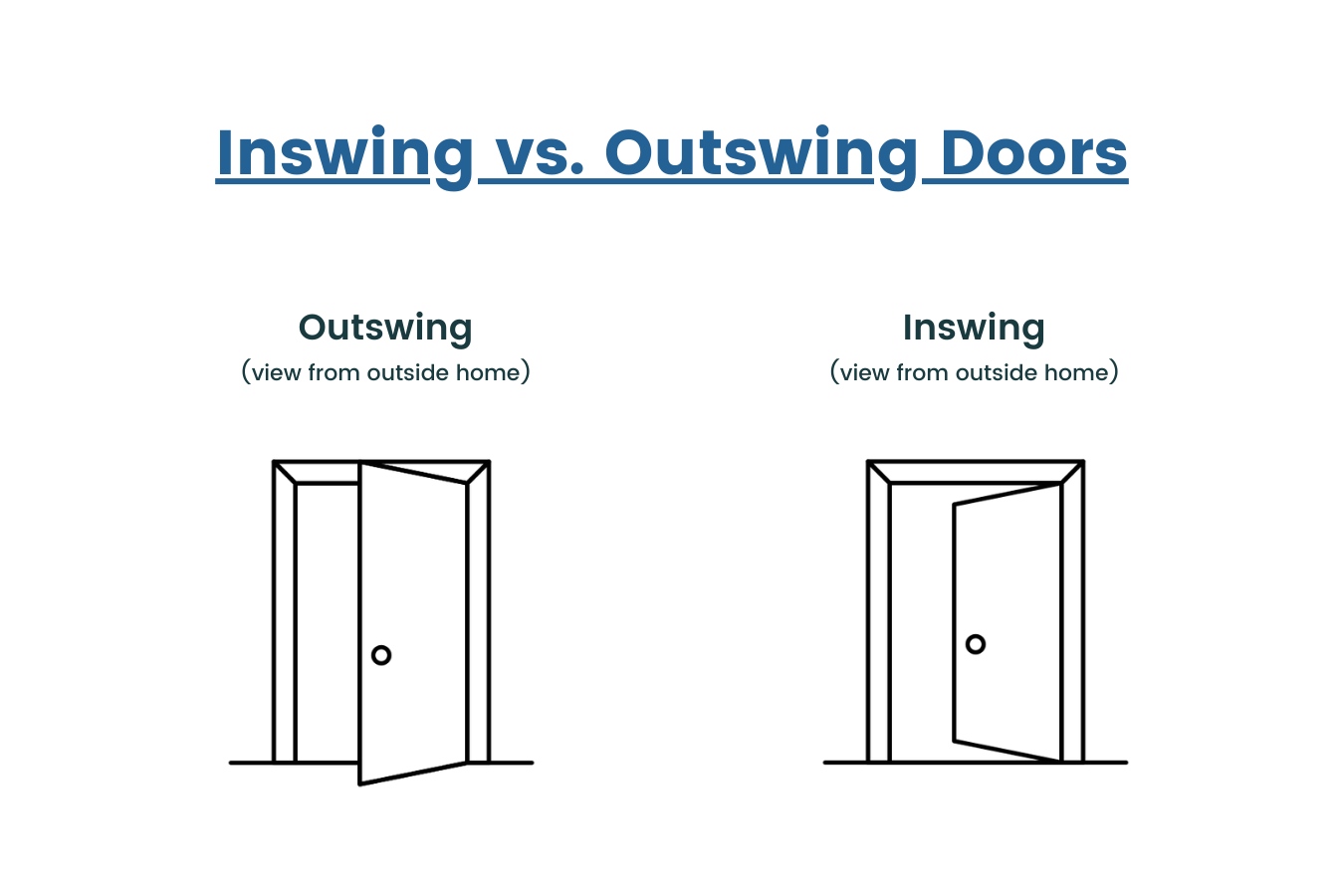
This tells you whether the door opens into the room or out toward the patio.
- In-swing door: Opens into your home
- Out-swing door: Opens toward the outside
Both styles are common, and the choice often depends on your layout and furniture placement.
Performance & Energy Features
Beyond the visible parts, several hidden patio door components affect insulation, air leakage, comfort, and long-term performance.
Weatherstripping
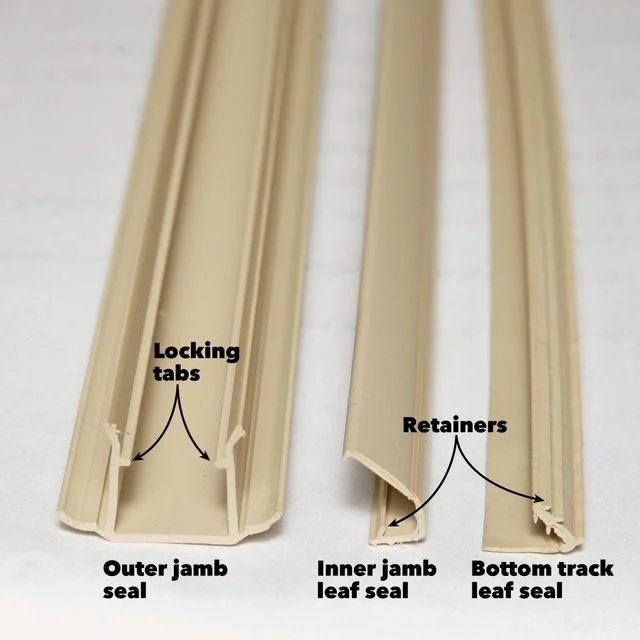
Weatherstripping lines the edges of the door to block out air, dust, and moisture.
- Single weatherstripping is standard.
- Dual weatherstripping offers extra insulation—great for saving on energy bills.
Argon Gas Between the Glass
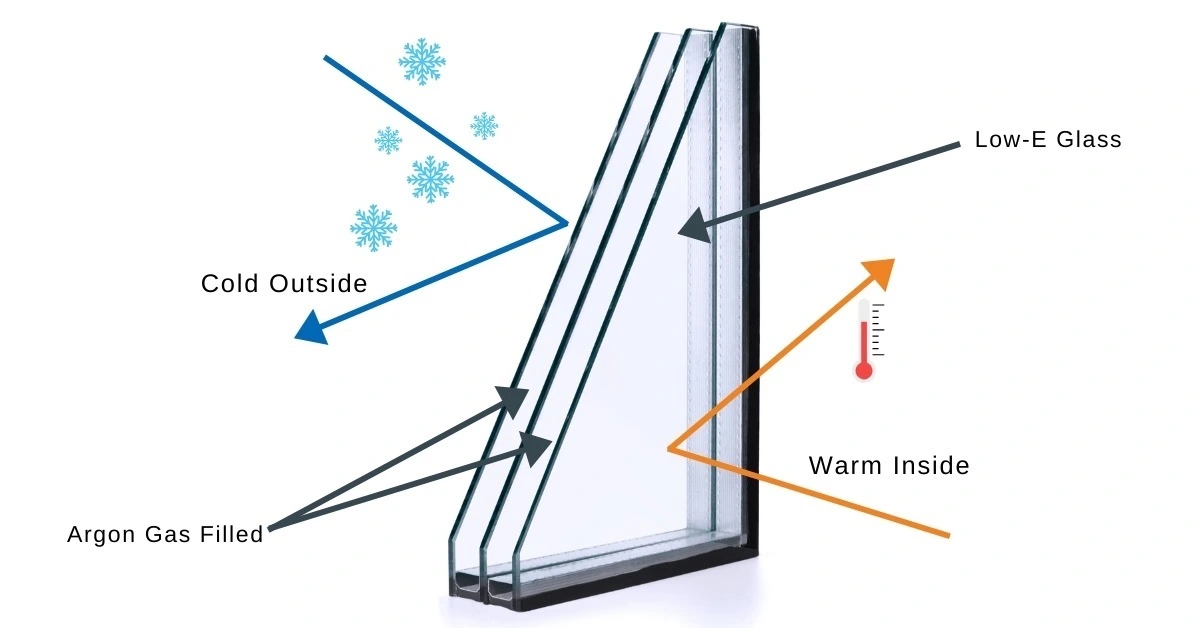
Many modern patio doors have double- or triple-pane glass with argon gas sealed between the layers.
- Argon is a clear, harmless gas that reduces heat transfer.
- It helps keep warm air inside during winter and blocks hot air in summer.
Low-E Glass Coating

Low-E (low-emissivity) glass has a special coating that reflects heat and UV rays.
- It keeps your home cooler in summer and warmer in winter.
- It also protects furniture and flooring from sun fading.
Warm-Edge Spacers
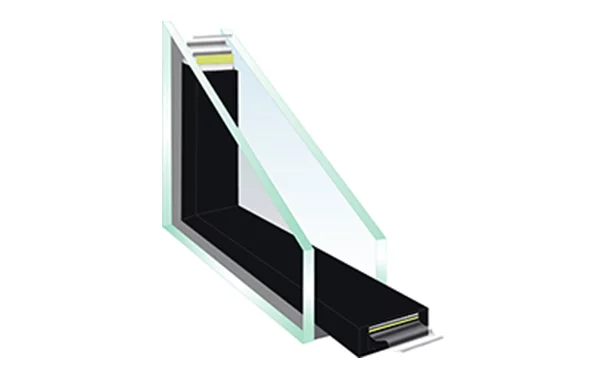
The edges of multi-pane glass often include warm-edge spacers—small insulating parts that help reduce heat loss around the border of the glass unit.
Foam-Sealed Frame Joints

Some high-quality doors include foam gaskets at the corners of the frame.
- These improve sealing at weak points.
- They prevent water leaks and improve overall insulation.
Conclusion
Understanding the parts of a patio door makes it easier to compare styles, diagnose problems, and choose the right system for your home. While sliding and hinged patio doors use different hardware and operating parts, both rely on strong frames, secure panels, effective sealing, and well-matched glass for long-term performance.
A good patio door should not only look right in the space, but also open smoothly, seal properly, and support comfort, security, and energy efficiency.
FAQs About Patio Door Parts