












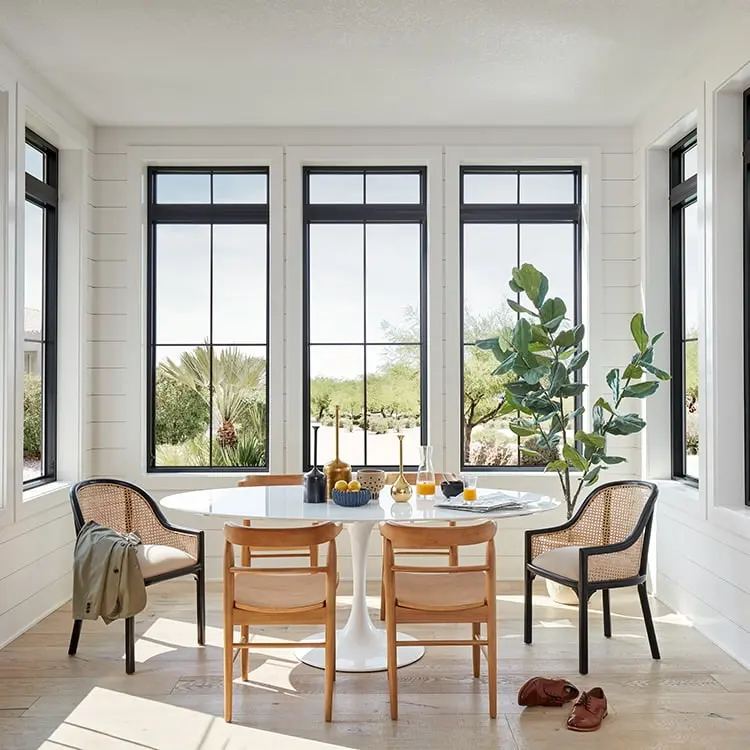


Patio doors do more than just lead you outside—they brighten up your space, bring in fresh air, and create a smooth connection between your home and the outdoors. Whether you’re enjoying morning coffee with sunlight pouring in or hosting a weekend BBQ, the right patio door can make your space feel bigger, brighter, and more inviting.
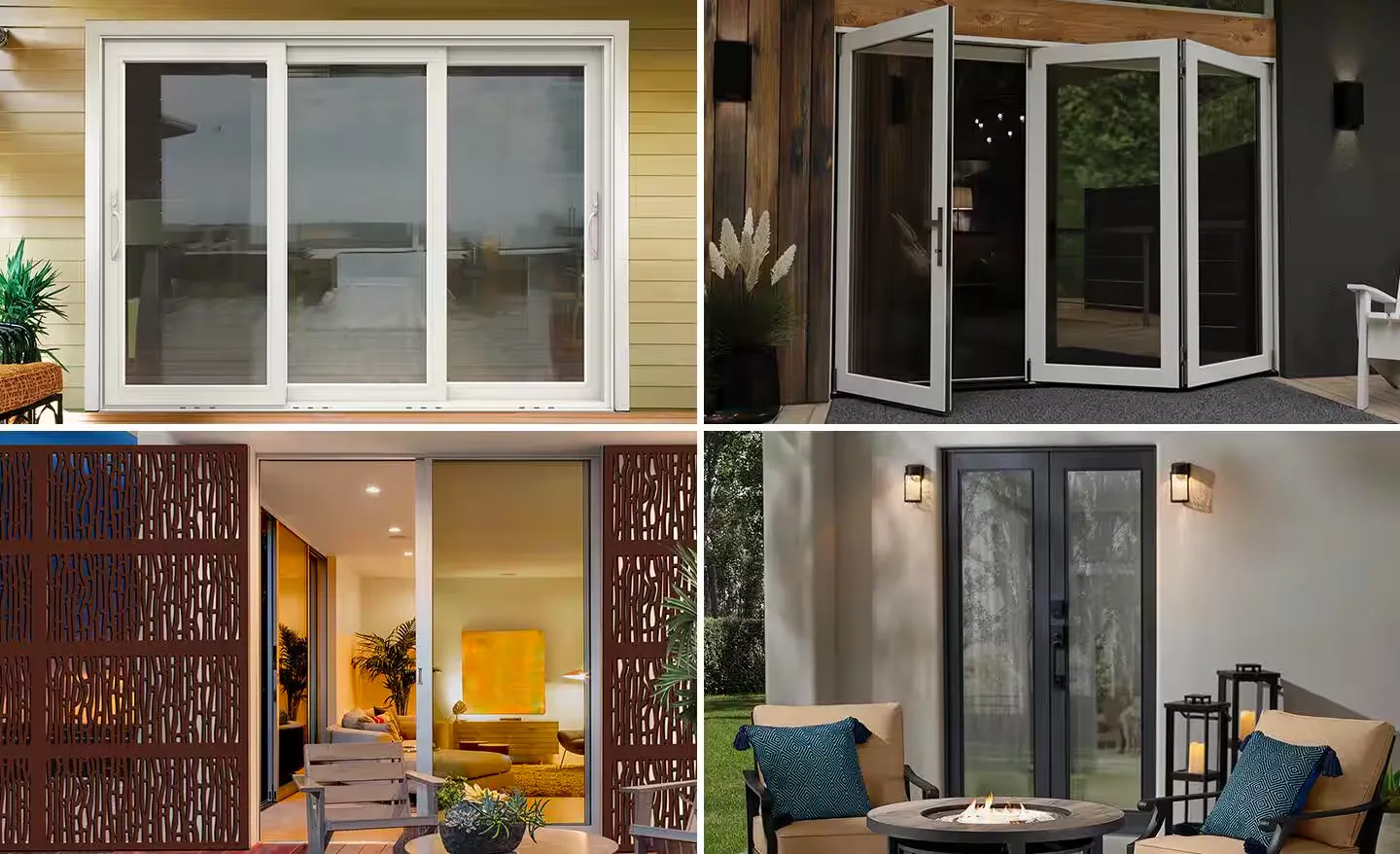
But with so many styles out there—sliding, French, bifold, and more—how do you know which one fits your home best?
That’s where this guide comes in.
Main Types of Patio Doors (Core Styles)
Choosing the right patio door isn’t just about what looks good—it’s about how it functions in your space, too.
1. Sliding Patio Doors

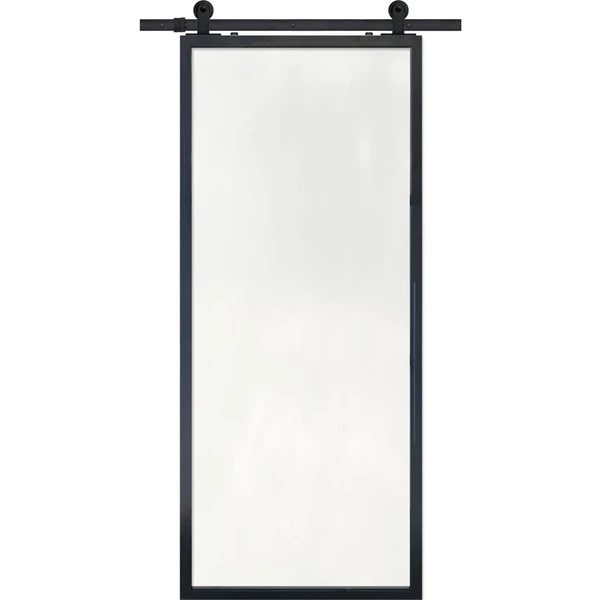
Sliding doors glide horizontally on a track, making them a top pick for tight areas. With wide glass panels, they offer great views and let in loads of light.
Best for: Small spaces, modern homes, scenic views
Pros:
Space-saving (no swing room needed)
Wide, unobstructed outdoor views
Easy to operate and maintain
Cons:
Only one side opens
Tracks need regular cleaning
Pro Tip: Perfect for decks or patios where furniture sits nearby and you don’t want a door swinging in your way.
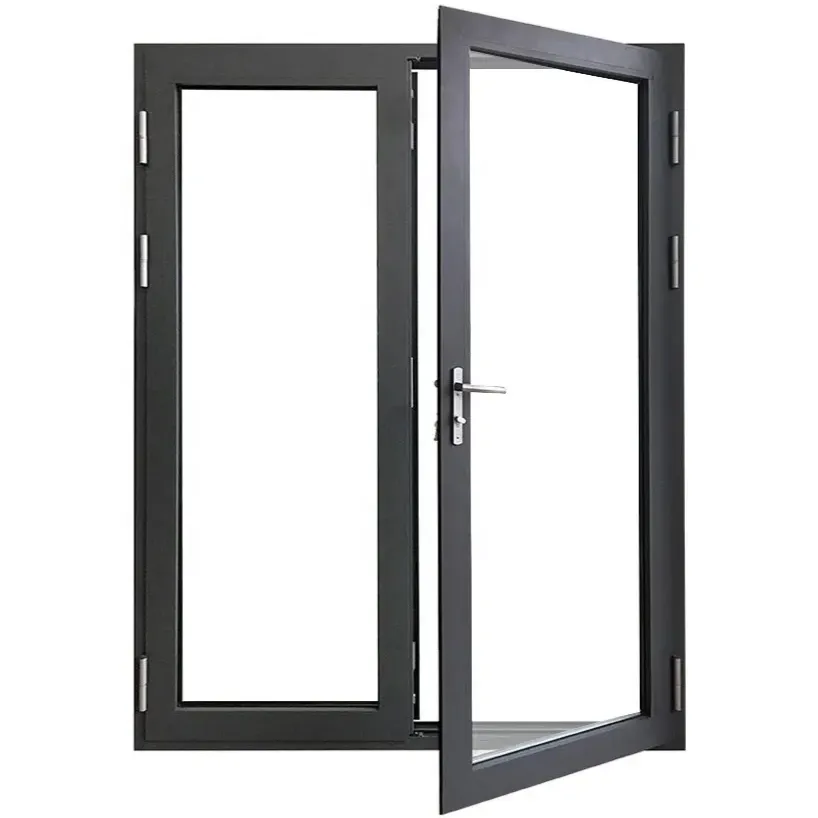
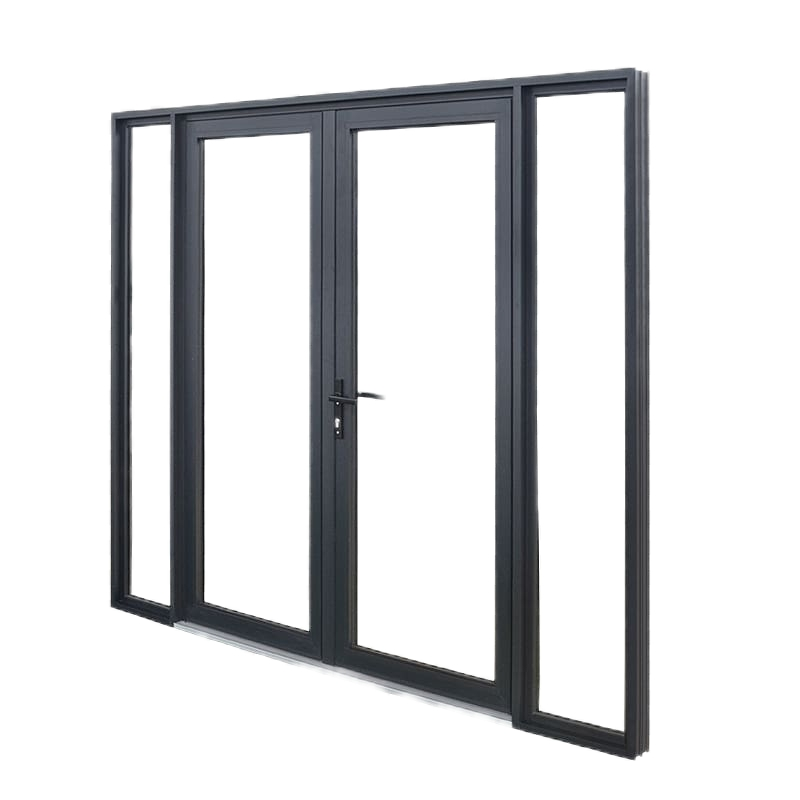
2. French Patio Doors
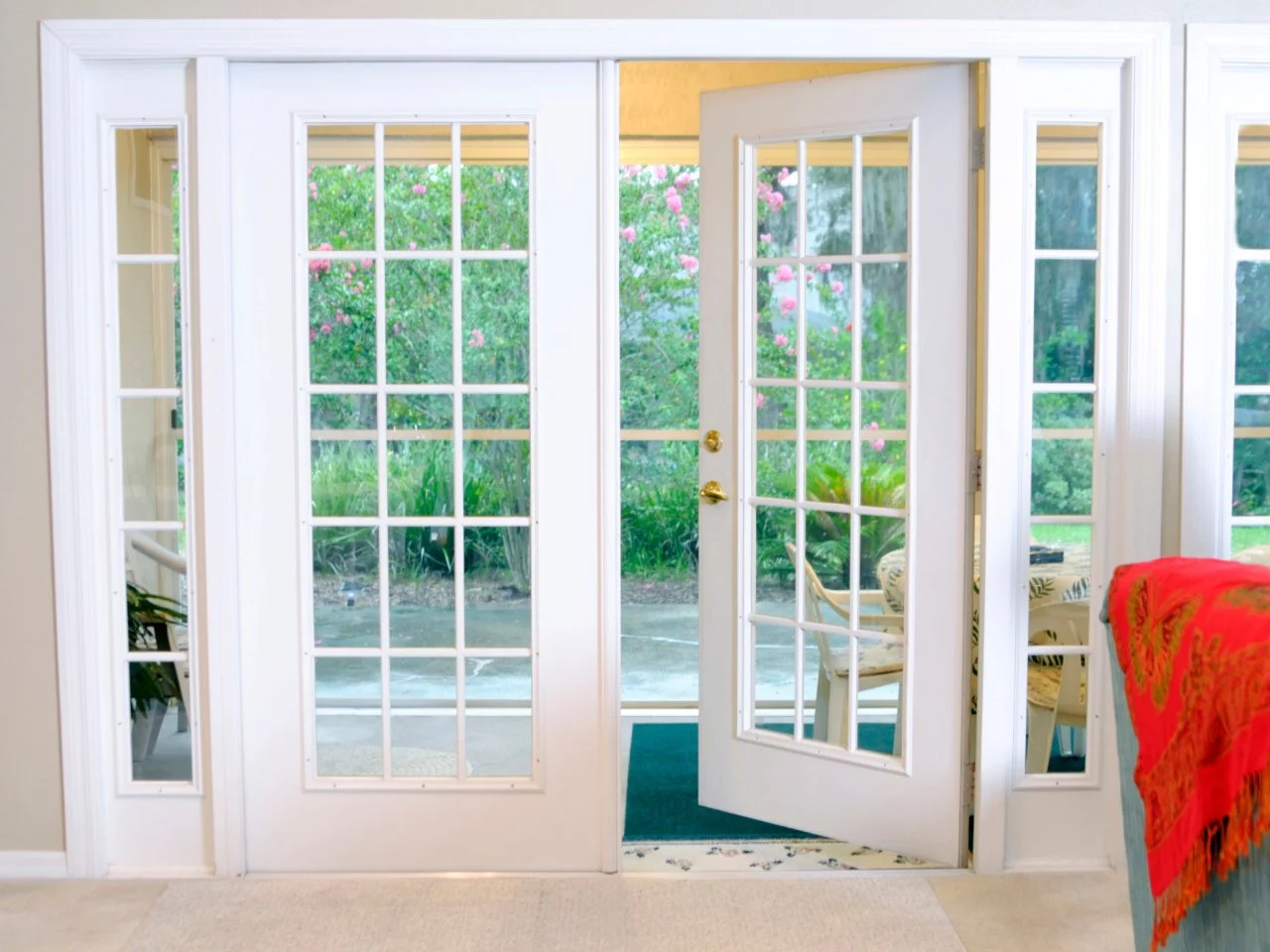
French doors swing open from the center, offering a grand and classic look. They work beautifully in pairs and can open inwards or outwards.
Best for: Traditional homes, charming aesthetics, wide entryways
Pros:
Timeless style and elegance
Both doors open for maximum access
Great airflow and light
Cons:
Needs room to swing open
Can slam in the wind if not secured
Pro Tip: Ideal for dining rooms or living areas where you want a dramatic, symmetrical focal point.
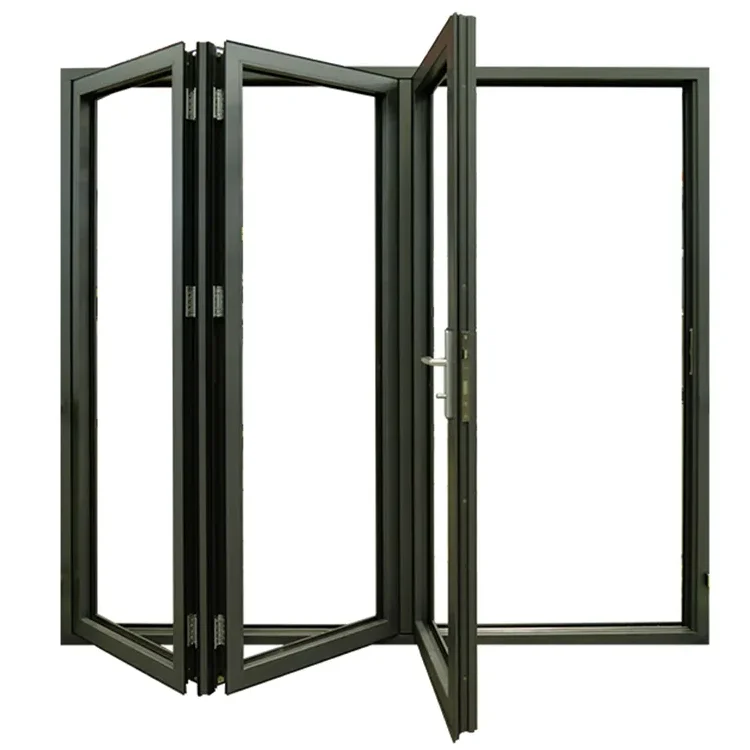
3. Bifold Patio Doors
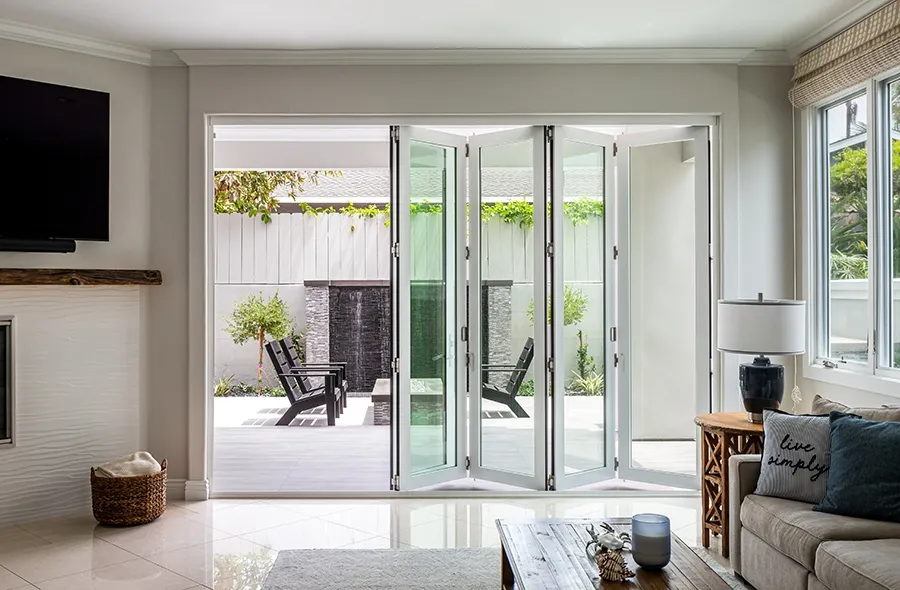
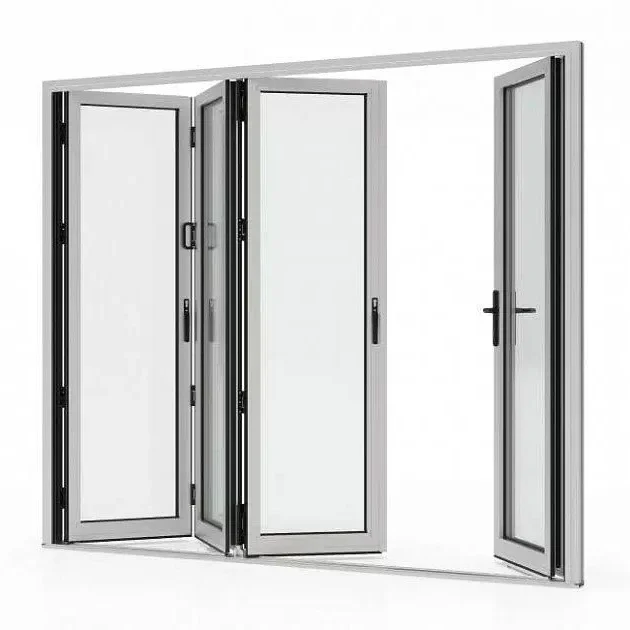
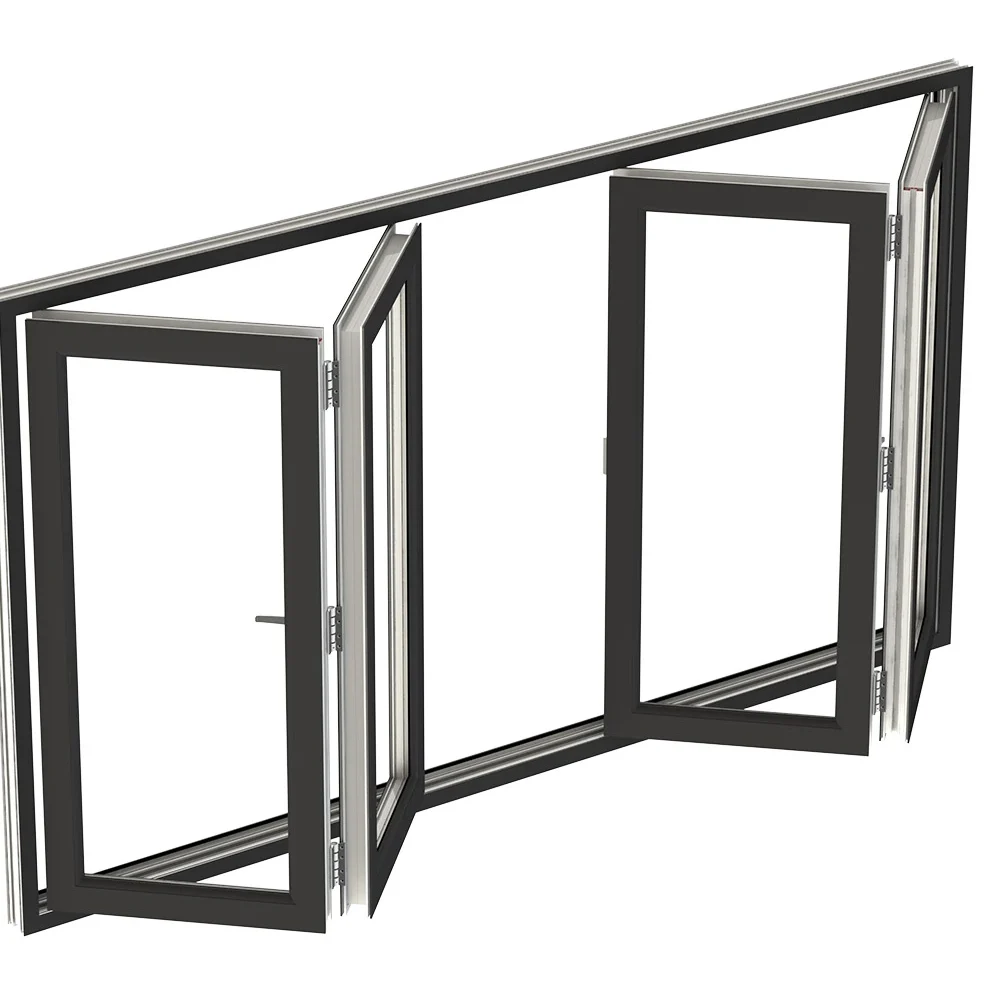
These accordion-style doors fold and stack to one side, opening your wall almost completely to the outdoors.
Best for: Entertaining, open-plan living, large wall openings
Pros:
Expansive opening—great for indoor/outdoor flow
Modern, stylish look
Custom panel configurations
Cons:
More expensive than sliding doors
Slightly obstructed view when closed
Pro Tip: Perfect for summer entertaining spaces or homes with large patios or gardens.
4. Multi-Slide Patio Doors
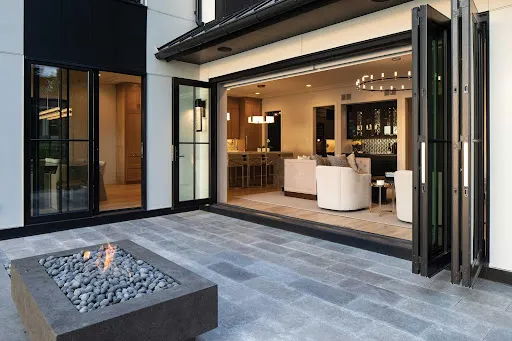
Like sliders, but with multiple panels that slide and stack or pocket into the wall for an ultra-sleek, seamless look.
Best for: Luxury homes, panoramic views, wide openings
Pros:
Massive glass expanses
Flexible opening options
Hidden-panel look possible
Cons:
Requires more wall space
Higher cost and complex installation
Pro Tip: Best for homeowners looking to create a resort-style feel or maximize a scenic backyard view.
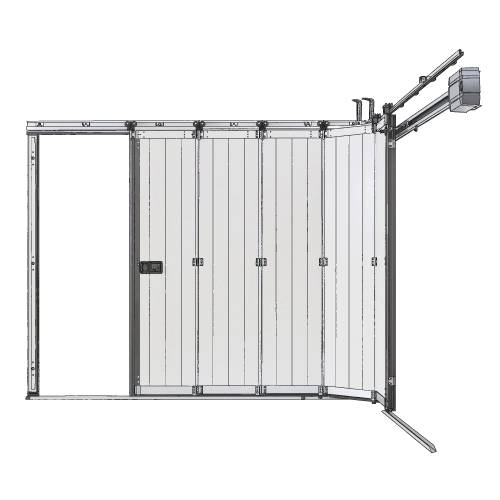
5. Slide & Fold Patio Doors
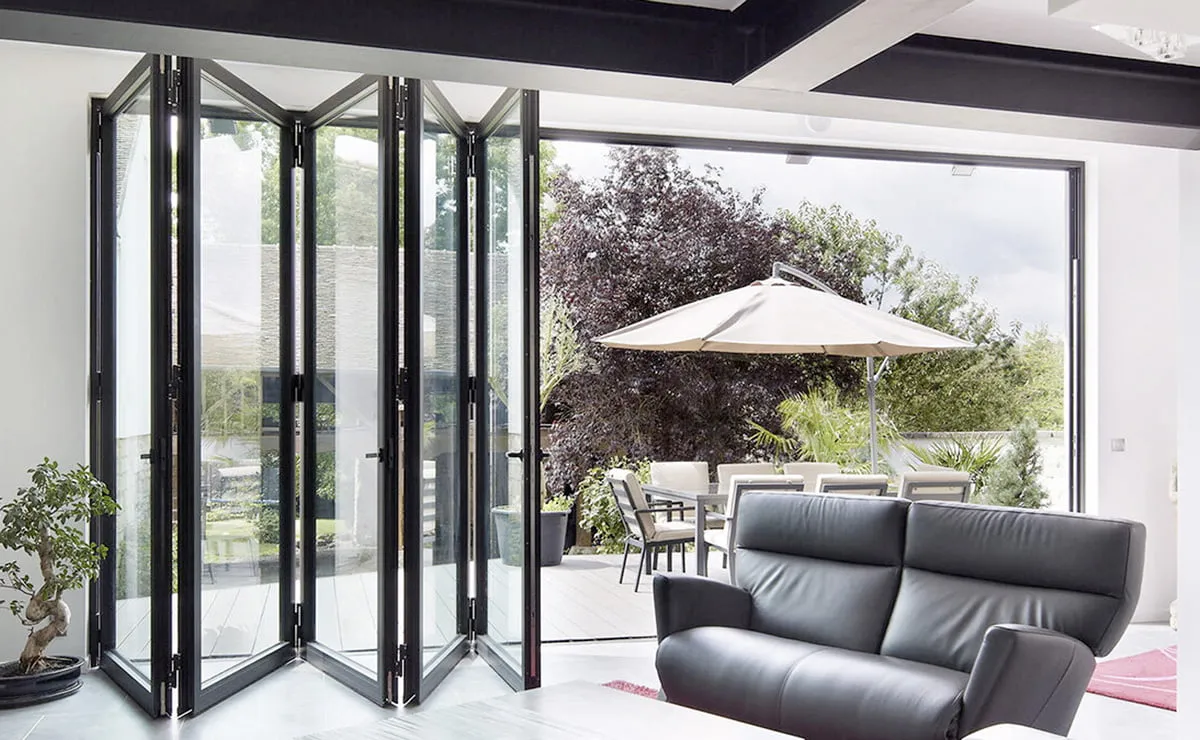
These doors combine the best of sliding and folding mechanisms. Panels slide along a track, then fold like bifolds.
Best for: Versatile openings, flexible layout
Pros:
Flexible partial or full opening
Easier operation than bifolds
Space-efficient
Cons:
Requires precise installation
Slightly less seamless than multi-slides
Pro Tip: Great for everyday access with the option to open up the entire wall when needed.
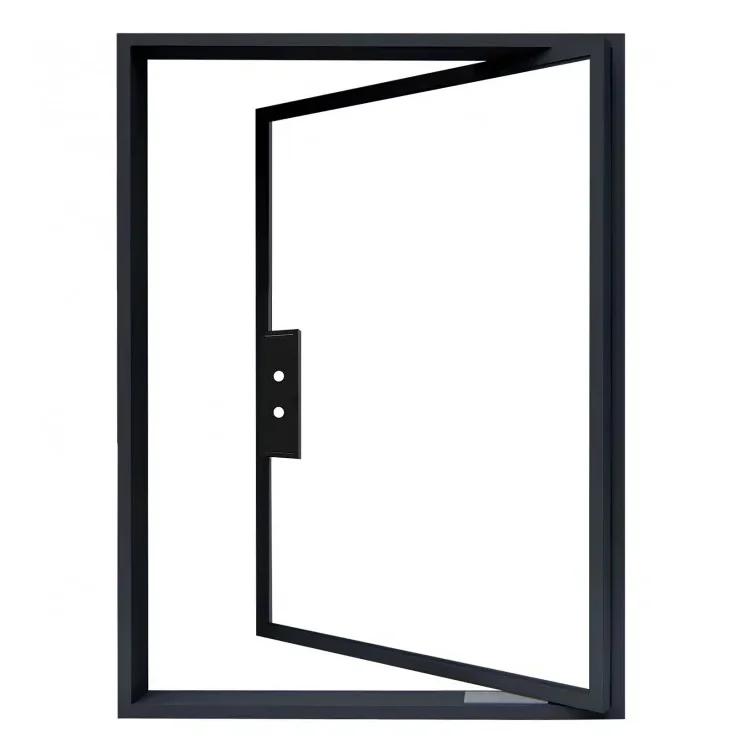
6. Pivot Patio Doors

These unique doors rotate on a central hinge (instead of traditional side hinges), offering a sleek, modern twist.
Best for: Modern architecture, bold entry points
Pros:
Striking visual statement
Smooth, effortless swing
Can be oversized
Cons:
Not as space-efficient
Complex to install and seal
Pro Tip: Use in homes with a modern design theme or where you want a dramatic architectural feature.
7. Dutch Patio Doors
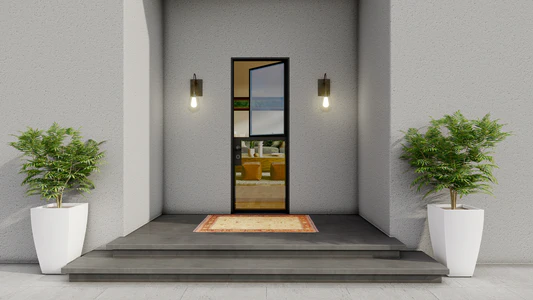
Split horizontally, so the top and bottom halves open independently. Great for letting in air while keeping kids or pets in.
Best for: Rustic or farmhouse interiors, casual ventilation
Pros:
Unique, charming design
Control airflow and visibility
Adds character
Cons:
Limited view compared to full-glass options
Not ideal for tight spaces
Pro Tip: A fun option for kitchens, garden entries, or informal patio connections.
8. Garage-Style Patio Doors
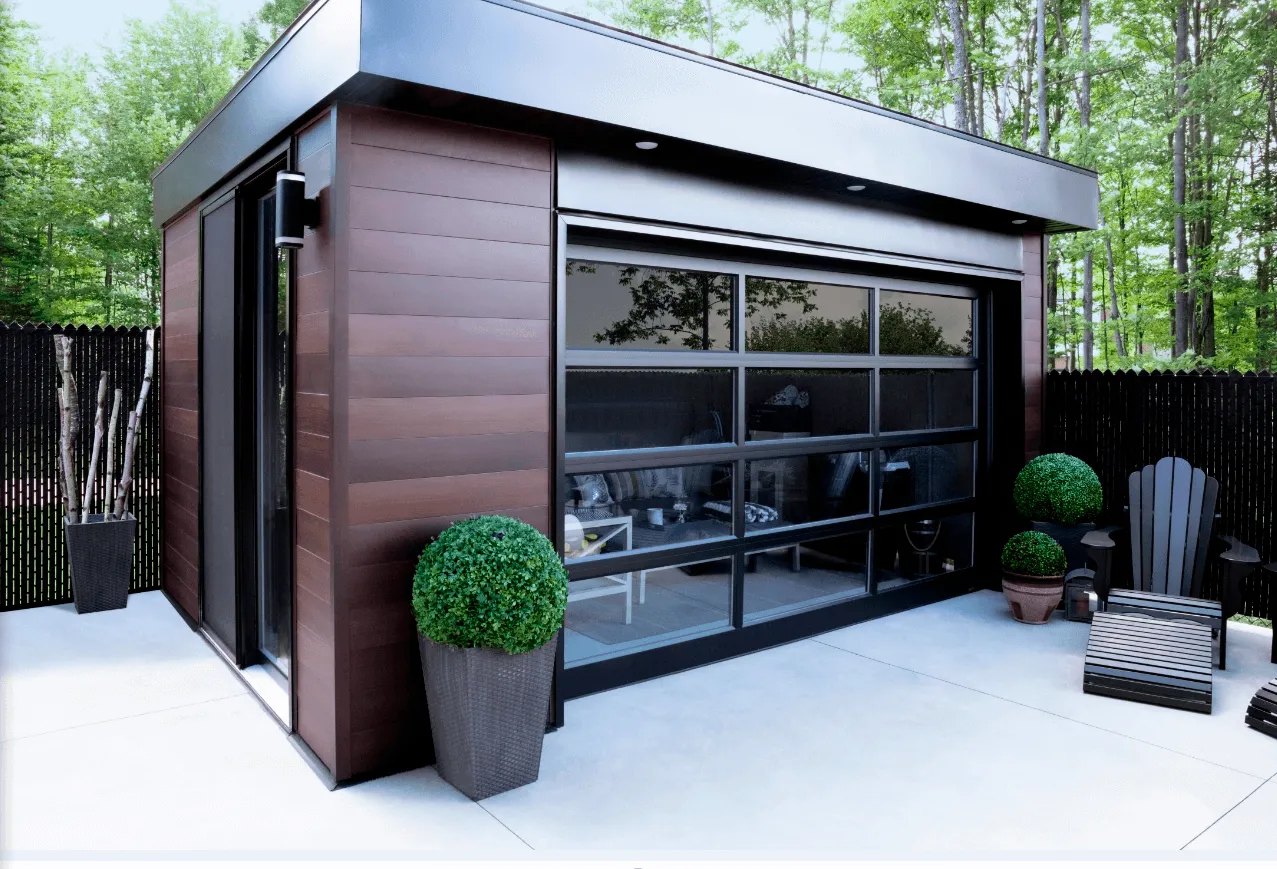
These roll up vertically like a garage door—yes, really! Often used in modern lofts and restaurants.
Best for: Industrial-chic design, indoor-outdoor entertaining
Pros:
Full opening with no floor obstruction
Bold, edgy style
Mechanized options
Cons:
Expensive and complex to install
May require structural reinforcement
Pro Tip: Ideal for homeowners seeking something unconventional with a strong indoor/outdoor connection.
9. Frameless Glass Patio Doors

Minimalist design with no visible frames—just clean glass panels that slide or fold.
Best for: Contemporary spaces, maximizing views
Pros:
Unmatched modern elegance
Completely unobstructed views
Maximizes light
Cons:
Less weather-sealed than framed versions
Higher cost and more upkeep
Pro Tip: Perfect for high-end homes with panoramic vistas or coastal views.
10. Corner & Cavity Doors
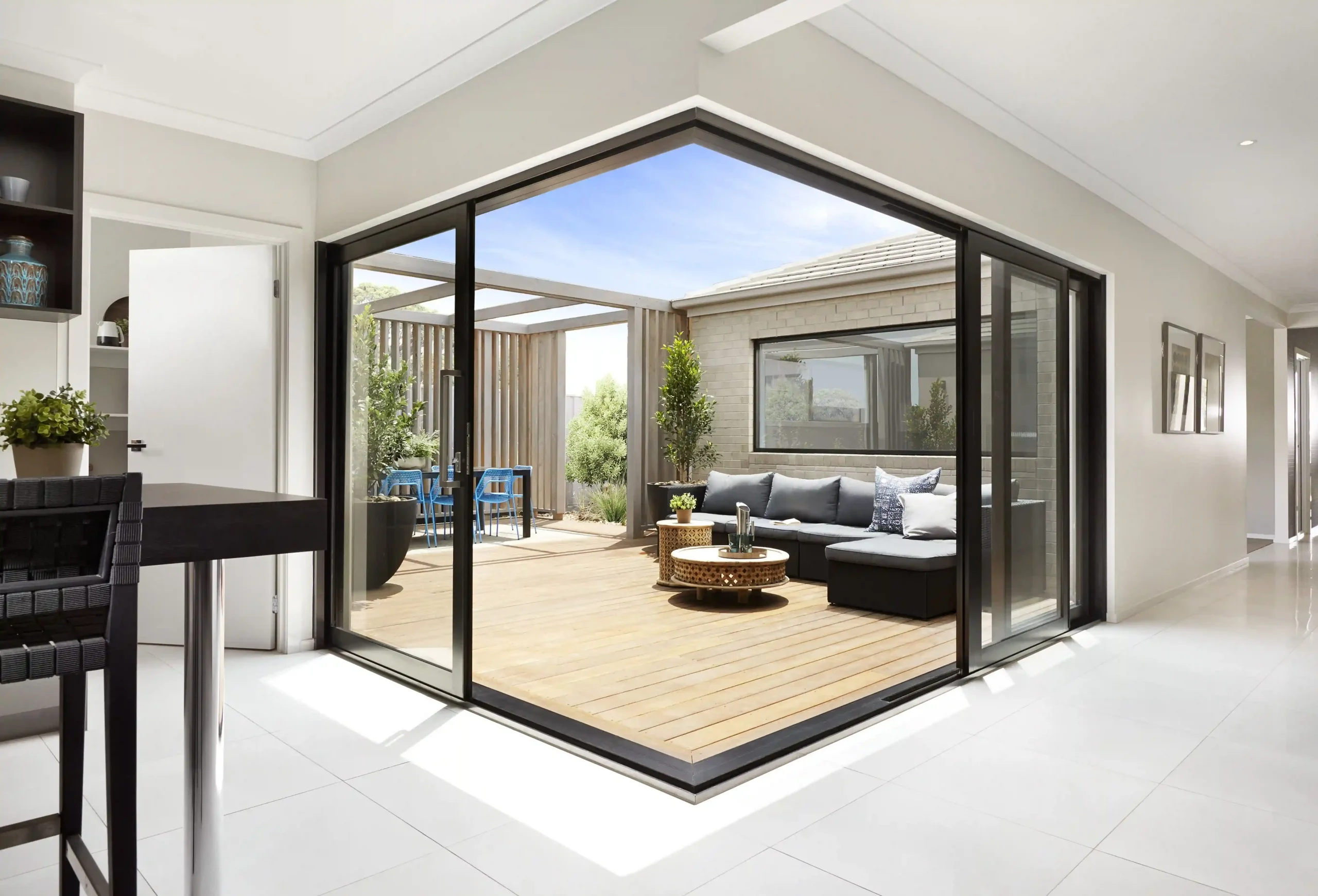
These high-end custom doors wrap around corners or disappear into wall pockets.
Best for: Luxury builds, seamless indoor-outdoor transitions
Pros:
Wow factor for open-plan homes
Fully opens up indoor spaces
Ultimate outdoor connection
Cons:
Very costly and custom
Only suitable for large renovations or new builds
Pro Tip: Choose these if you’re building from scratch and want your patio to feel like part of your living room.
Patio Door Materials
Choosing the right patio door isn’t just about style—it’s also about what it’s made of. The material affects everything from price and insulation to durability and maintenance.
Vinyl Patio Doors
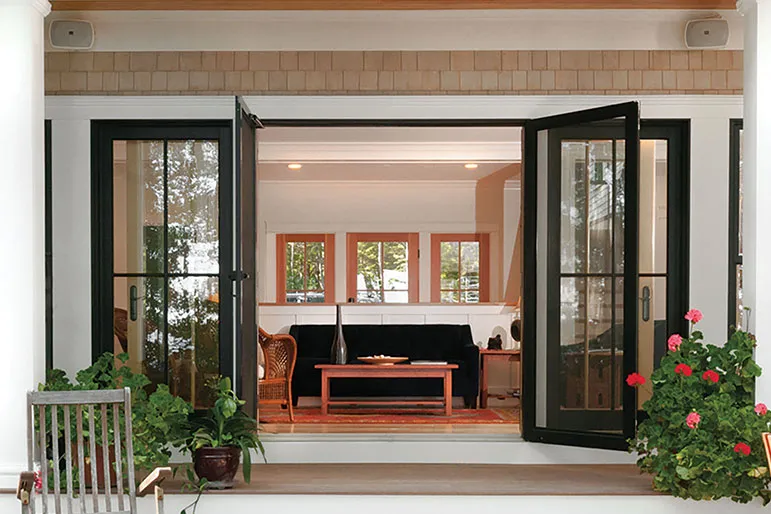
Vinyl is one of the most popular choices for patio doors—and for good reason. It’s affordable, energy-efficient, and super easy to maintain.
Best for: Budget-conscious homeowners who want low maintenance
Pros:
Cost-effective
Great insulation
Won’t rot or peel
Low maintenance
Cons:
Limited color choices
Not as strong or stylish as other materials
Pro Tip: If you want a simple, reliable door that does the job without much upkeep, vinyl is a safe bet.
Aluminum Patio Doors
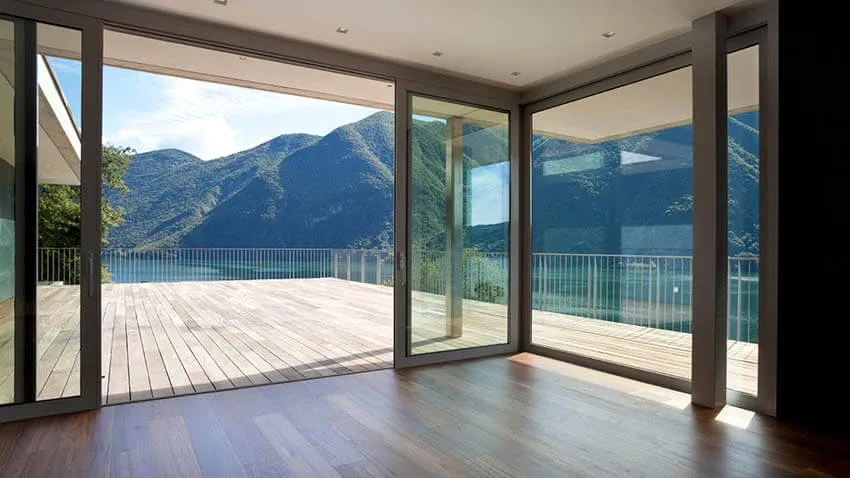
Aluminum frames are sleek and strong, making them ideal for contemporary designs and slim-profile doors.
Best for: Modern homes with large glass panels
Pros:
Durable and lightweight
Sleek, modern aesthetic
Resistant to rust and corrosion
Cons:
Lower insulation value
Can feel cold to the touch
Pro Tip: Combine aluminum frames with thermal breaks or double glazing for better energy performance.
Fiberglass Patio Doors
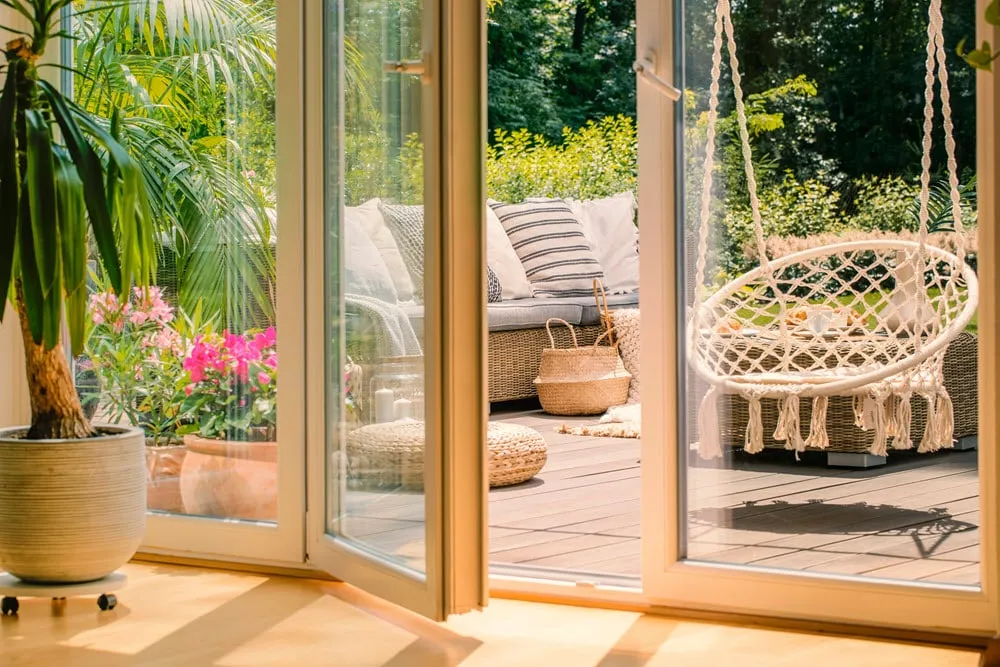
Fiberglass is the quiet powerhouse of patio door materials. It’s stronger than vinyl, resists warping, and holds up beautifully in extreme climates.
Best for: All-weather durability and a polished finish
Pros:
Weather-resistant
Excellent energy efficiency
Long-lasting with minimal upkeep
Cons:
Higher upfront cost than vinyl or aluminum
Pro Tip: If you’re looking for a door that looks great and performs well year-round, fiberglass is worth the investment.
Wood Patio Doors
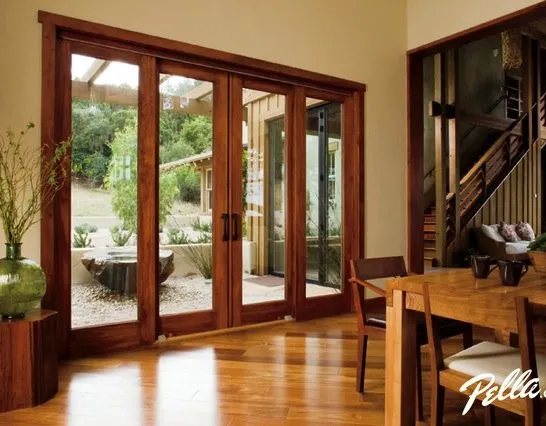
Nothing beats the natural warmth and beauty of wood. It’s timeless, elegant, and can be painted or stained to match your style.
Best for: Classic charm and high-end aesthetics
Pros:
Rich, classic appearance
Can be customized easily
Great insulation
Cons:
Needs regular maintenance (painting, sealing)
Can warp or swell in moist climates
Pro Tip: Choose wood-clad options with aluminum or vinyl exteriors for a mix of beauty and durability.
Steel Patio Doors

Steel may not be the first thing that comes to mind for a patio door, but it offers solid performance and affordability.
Best for: Strength on a budget
Pros:
Very strong and secure
Budget-friendly
Resistant to shrinking or warping
Cons:
Prone to rust if not treated
Not as warm-looking as wood or fiberglass
Pro Tip: Opt for galvanized or powder-coated steel to help prevent corrosion.
Composite Patio Doors
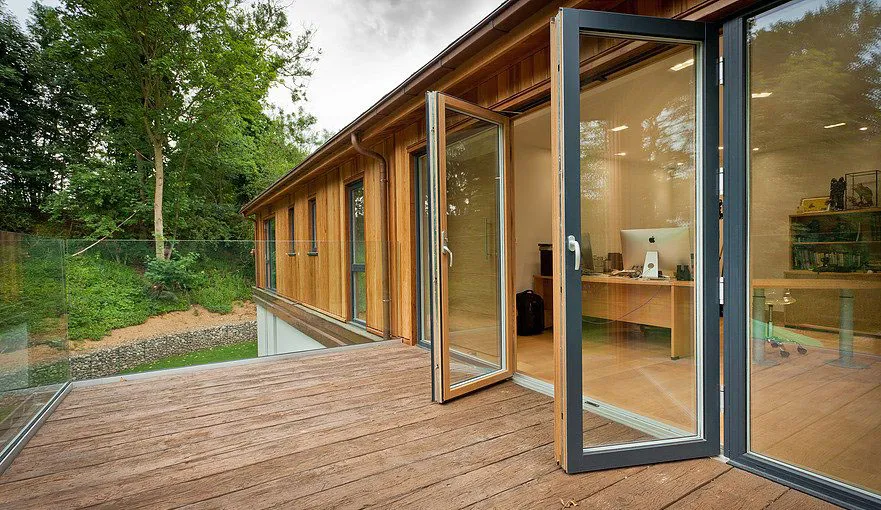
Composite doors are made from a blend of materials like wood fibers and PVC or resin. They combine the best features of other materials—without many of the downsides.
Best for: Energy-efficient performance with minimal fuss
Pros:
Energy efficient
Durable and low maintenance
Won’t warp, rot, or fade easily
Cons:
Fewer design options
Can be pricier than vinyl or steel
Pro Tip: Great for homeowners who want something long-lasting, eco-friendly, and relatively hands-off.
Glazing & Glass Options
When it comes to patio doors, the glass isn’t just for looks—it plays a big role in comfort, privacy, and energy efficiency.
Double vs. Triple Glazing

Double Glazing is the standard for most patio doors. It features two panes of glass with an insulating air (or gas) layer in between. This setup helps keep your home warmer in winter and cooler in summer.
Triple Glazing adds a third pane and a second insulating layer, offering even better energy efficiency and soundproofing—great for noisy neighborhoods or extreme climates.
Quick Tip: If you live in a colder climate or near a busy road, triple glazing may be worth the extra investment.
Low-E Coatings (Low-Emissivity)
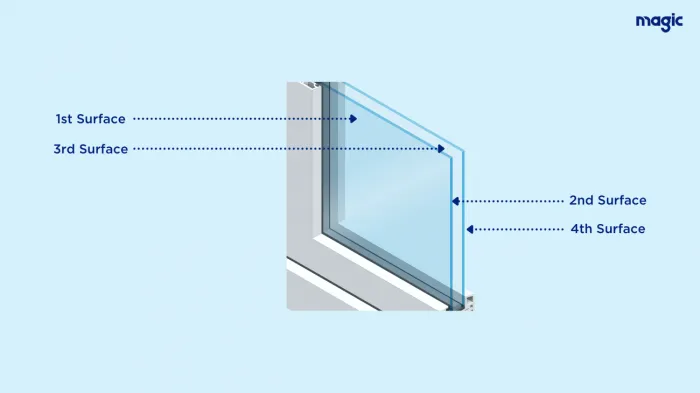
Low-E glass has a super-thin coating that reflects heat back into your home in winter and keeps it out in summer—all while letting natural light in.
Benefits:
Saves on energy bills
Reduces fading of furniture and floors
Works well in any climate
Quick Tip: Look for Low-E coatings paired with argon gas fill for top-notch performance.
Built-in Blinds or Shades
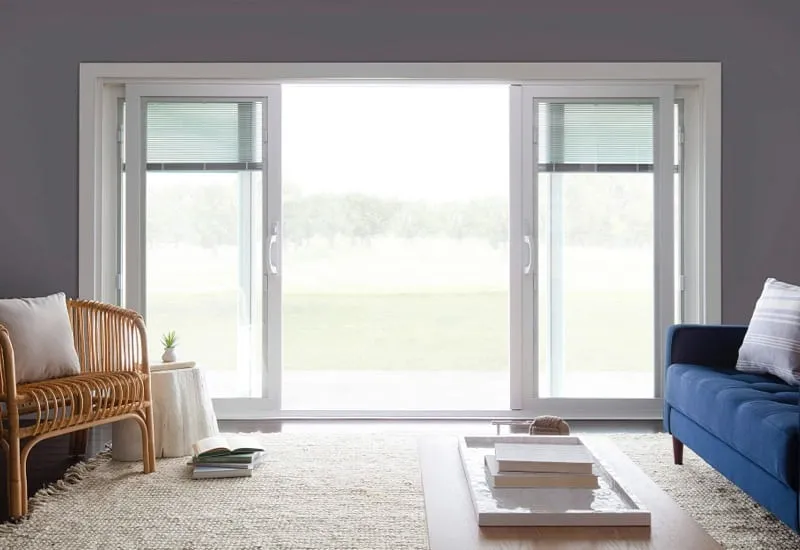
Want privacy without bulky curtains? Consider built-in blinds or shades, which sit between the glass panes.
Benefits:
No cleaning hassles
Tucked away, so no banging in the breeze
Safe for kids and pets
Quick Tip: These are great for households that want a clean, minimalist look with flexible light control.
Tinted, Frosted & Decorative Glass
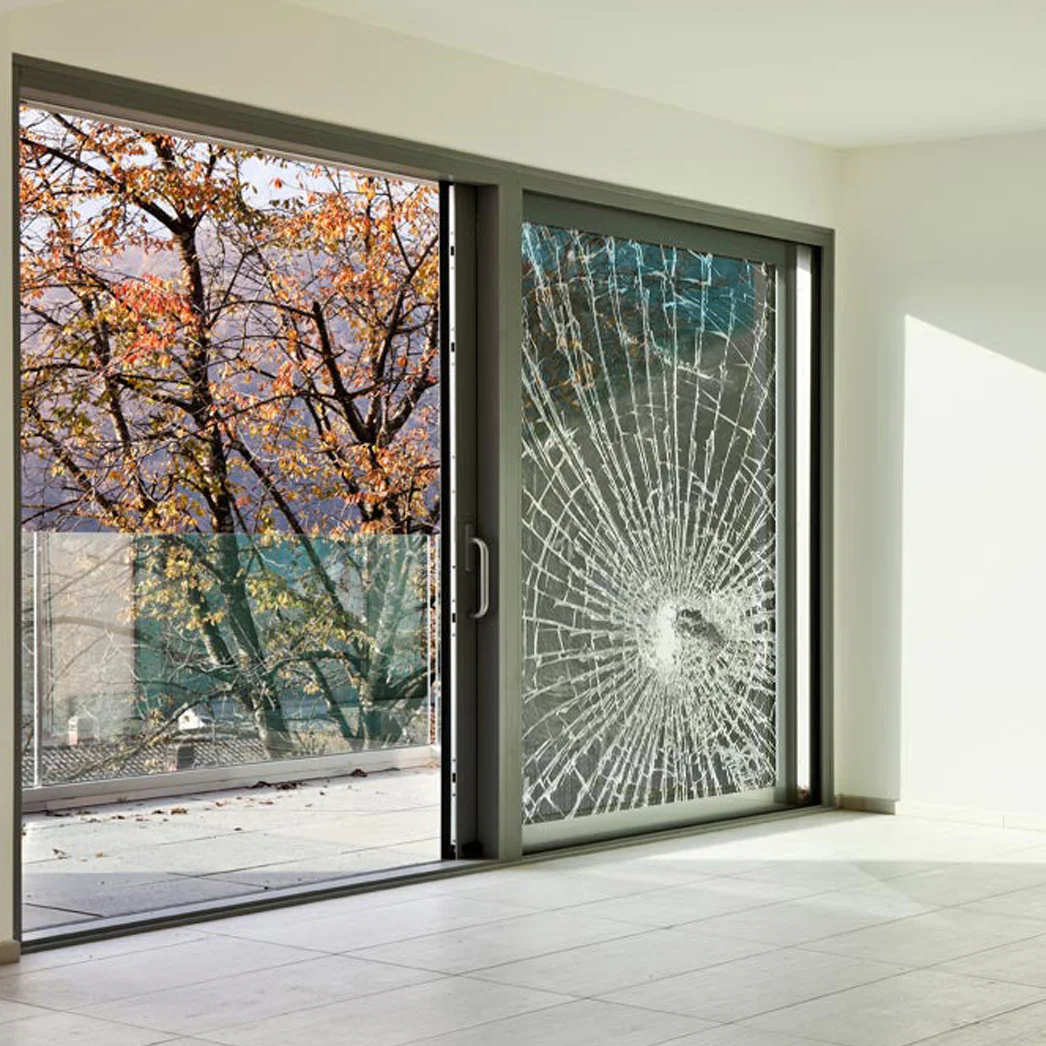
Glass can be beautiful and practical. Depending on your needs, here are some stylish glass options:
Tinted Glass: Reduces glare and heat from direct sunlight
Frosted Glass: Adds privacy while still letting light in—perfect for bathrooms or side patios
Decorative Glass: Adds character and curb appeal with patterns, textures, or designs
Quick Tip: Tinted or frosted glass is a smart choice for patio doors facing direct sun or close neighbors.
Opening Mechanisms & Track Configurations
How your patio door opens is just as important as how it looks. From swing direction to track systems, choosing the right opening mechanism can make your everyday life a lot more convenient—while also affecting accessibility, weather protection, and style.
Inward vs. Outward Swing
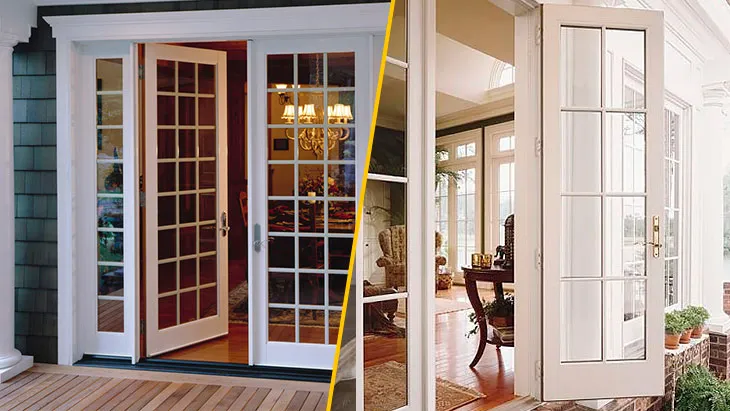
For hinged patio doors (like French or single-hinged doors), the direction of the swing can impact your room layout and patio use.
Inward Swing: Opens into your room—ideal if outdoor space is limited but may interfere with furniture.
Outward Swing: Frees up interior space and can be better in rainy climates for improved sealing.
Single vs. Multi-Track Sliding Systems

Sliding doors can have one or multiple tracks—each serving different needs.
Single Track: One panel slides behind another. Simple, cost-effective, but limits how wide the opening can be.
Multi-Track: Two or more panels that slide and stack to one or both sides, allowing for a much wider opening and better indoor-outdoor flow.
Flush vs. Raised Thresholds

The threshold—the bottom part of the door—plays a big role in safety, drainage, and ease of movement.
Flush Threshold: Level with the floor for seamless transition. Great for accessibility (wheelchairs, strollers), but may need extra drainage planning.
Raised Threshold: Offers better protection against water entry, especially in areas with heavy rain—but creates a small step.
Traffic Door in Bifold Systems
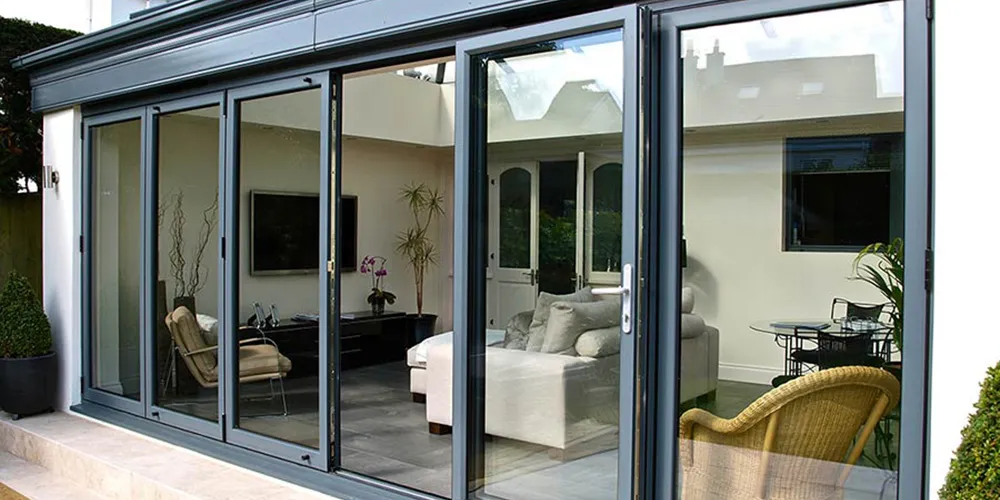
Bifold doors open wide—but you don’t always want to fold them entirely just to grab the mail or let the dog out.
Enter the Traffic Door: a single hinged panel within the bifold system that opens like a regular door.
Why It’s Handy:
Lets you use the patio without unfolding the whole set
Adds convenience for everyday use
Helps maintain indoor temperature by reducing air loss
Tips for Choosing the Right Patio Door

Choosing the perfect patio door isn’t just about looks—it’s also about how it fits your space and lifestyle.
Match the style to your home design
Patio doors should feel like they belong. If your home is modern, sleek sliding or frameless glass doors can match the clean lines. For a rustic or farmhouse vibe, Dutch or French doors work beautifully. Traditional homes pair well with French or hinged styles that bring in character.
Think about how you move through the space
Where’s the traffic flow in your home? If you use the patio entrance daily, a sliding or bifold door with a traffic panel might be easier than something that swings open. Make sure the door doesn’t block walkways or furniture.
Look ahead to long-term use and value
Some doors—like fiberglass or composite—last longer with less maintenance. If you plan to sell your home one day, patio doors that offer wide openings, energy efficiency, and beautiful views can boost resale appeal.
Ready to Upgrade Your Patio Door?
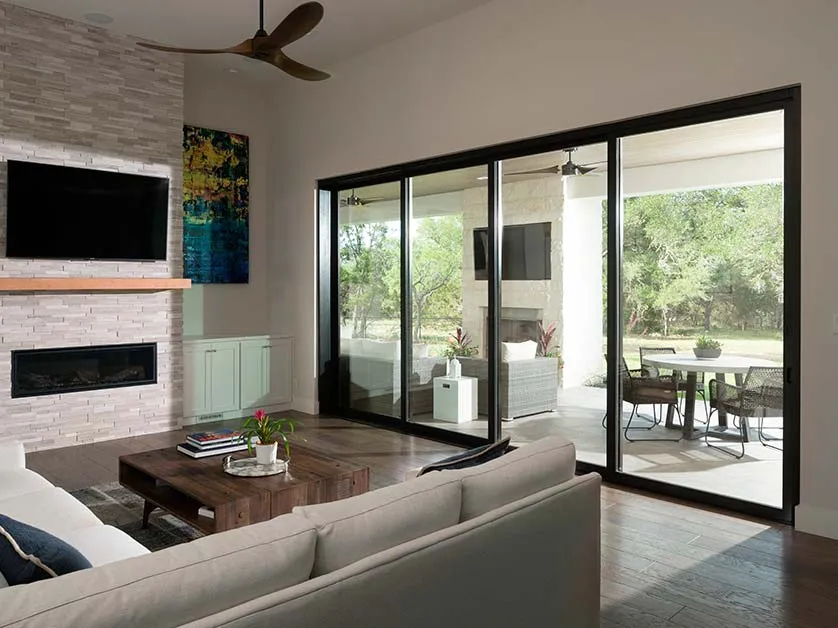
Looking for a stylish, durable patio door that fits your space and budget? We offer high-quality options—from classic French doors to modern bifold systems—customized just for you.
Contact us today to explore our catalog, discuss your project, or get a free quote from our expert team. Let’s help you bring more light, style, and function into your home!
FAQs About Patio Door