











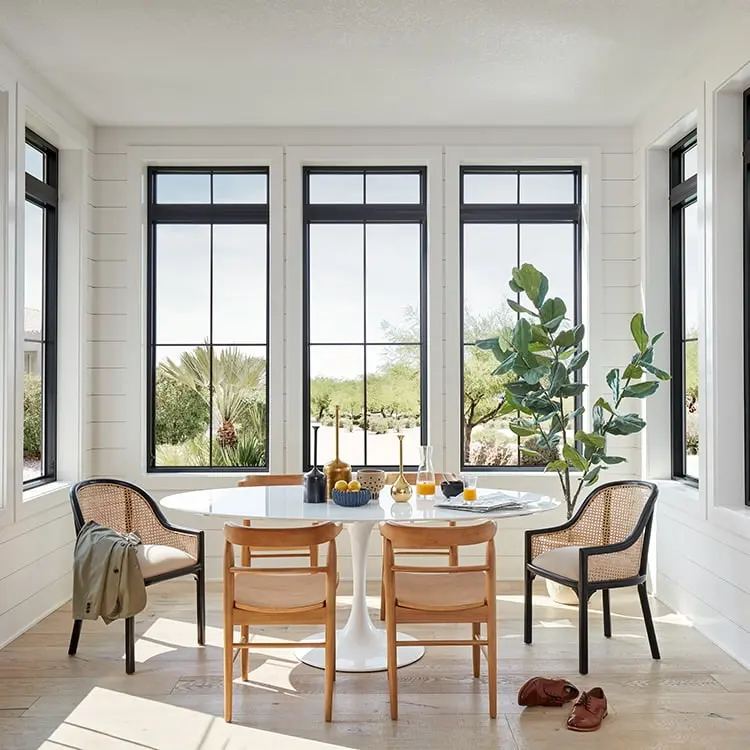


French doors have a way of making any space feel a little more open, bright, and elegant. With their wide glass panels and classic double-door design, they bring in natural light while adding a touch of charm to your home’s style.
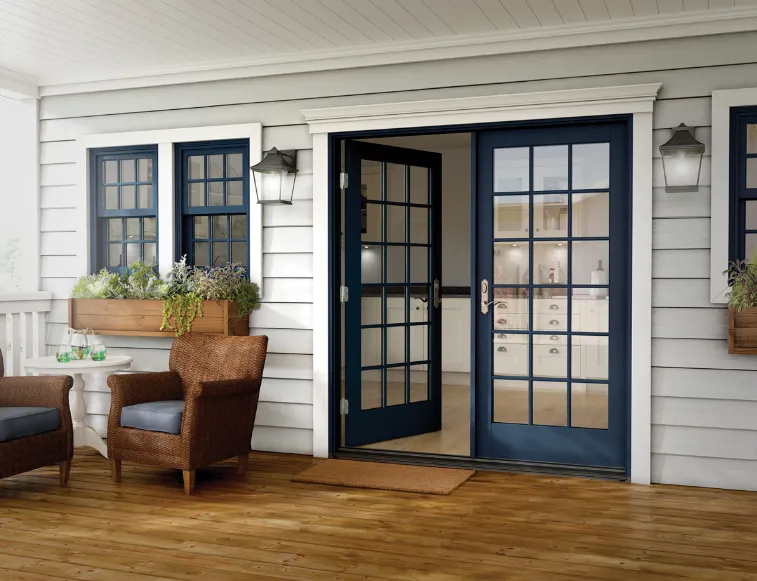
But French doors aren’t just beautiful — they’re also functional. Whether used inside or outside, they help connect your indoor living areas with outdoor spaces like patios, decks, or gardens. Their design creates a seamless flow between rooms, making small spaces feel larger and giving your home an airy, inviting vibe. If you’re looking for a door that adds both style and practicality, French doors are a timeless choice that can truly transform your space.
What Are French Doors?
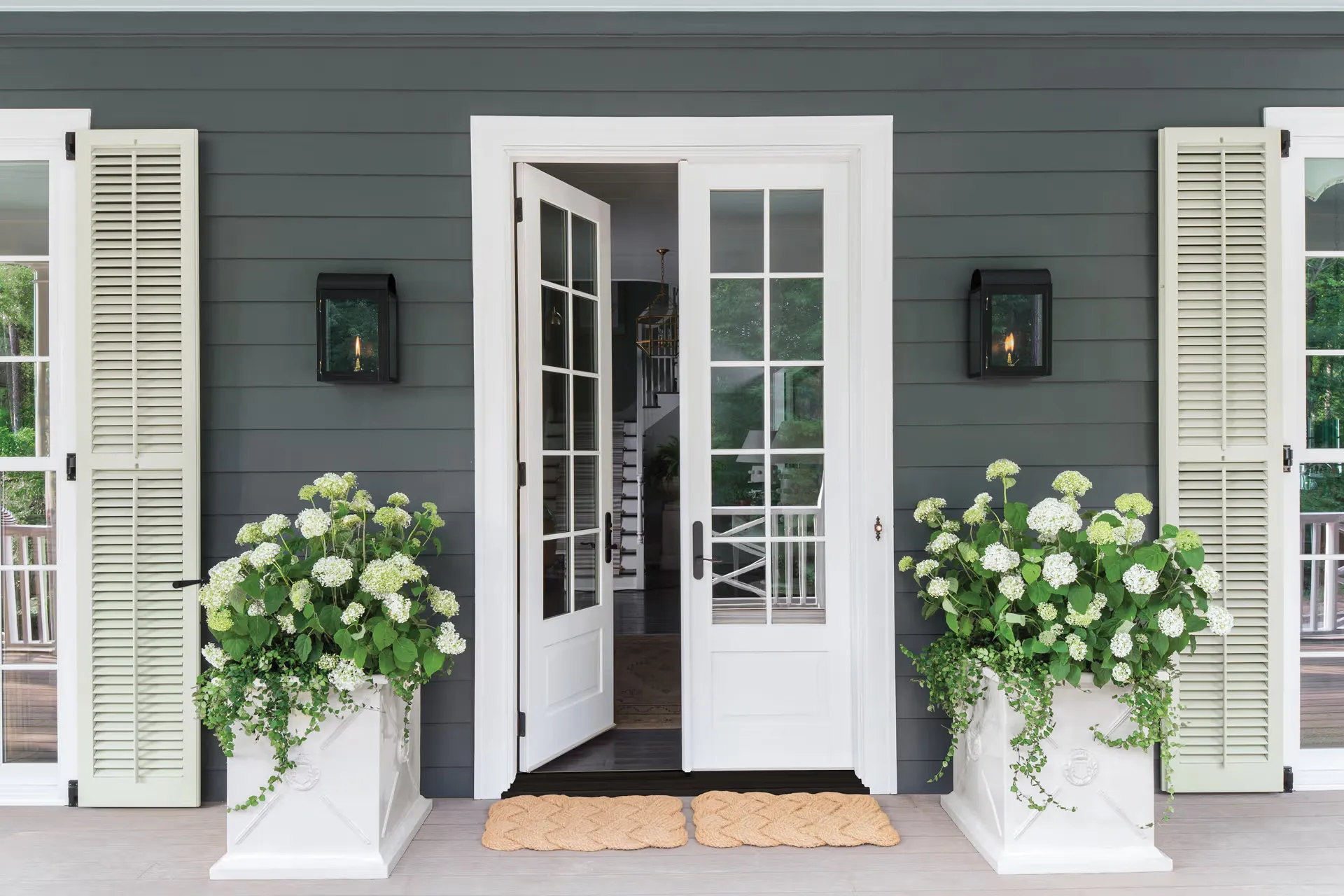
French doors have been around for centuries, originally gaining popularity in 17th-century France during the Renaissance. Back then, architects focused on bringing more light into homes, and the idea of large glass panels framed by wood was born. Over time, this elegant design made its way across the world and has remained a favorite ever since.
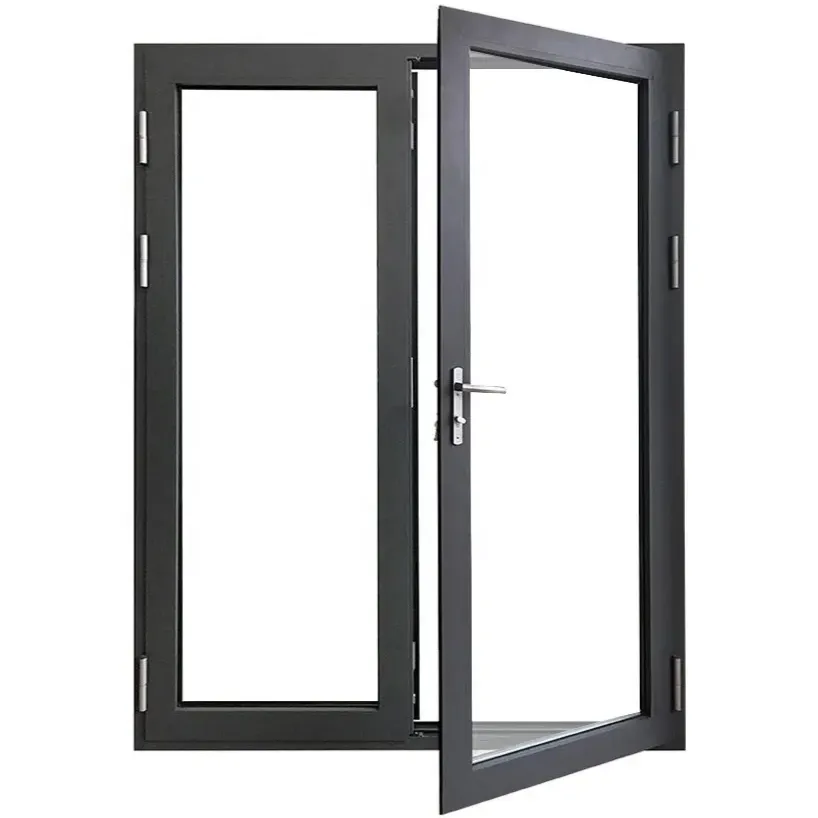
At their core, French doors are made up of two matching doors that swing open from the center. Each door usually features multiple glass panes that run the full length of the door, allowing plenty of natural light to pass through. Most French doors are hinged and swing either inward or outward, though modern versions can also slide or fold, depending on the space and design. Whether installed inside or outside, their signature glass panels and double-door design make French doors both practical and beautiful.
Types of French Doors
French doors come in many styles, making it easy to find one that fits your home’s needs and your personal taste.
By Location
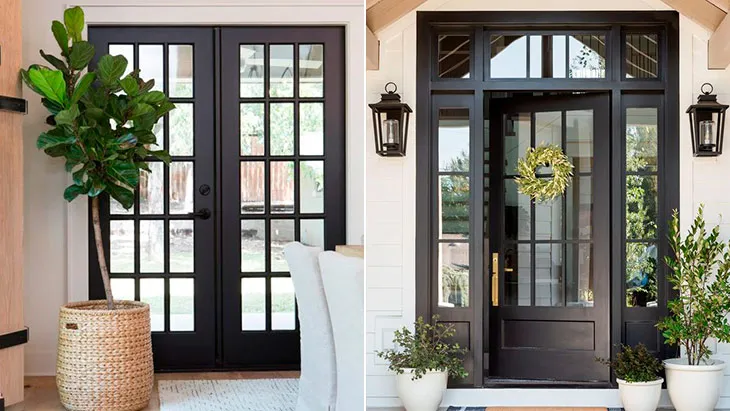
Interior French Doors
These are perfect for connecting rooms inside your home, like between a living room and a dining room or home office. They help create an open feel while still allowing for privacy when needed.
Exterior French Doors
Typically used to connect indoor spaces with outdoor patios, decks, or gardens. Exterior French doors are built with stronger materials, better insulation, and added security features to handle weather and provide safety.
By Operation
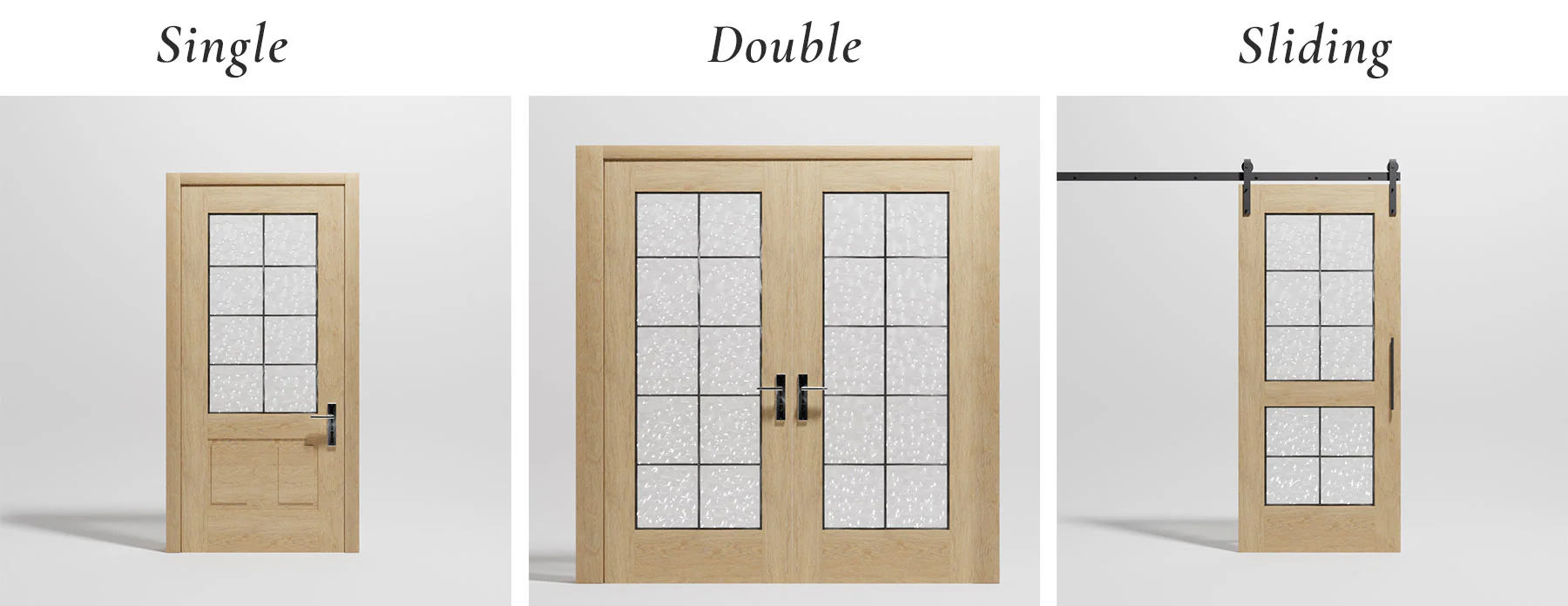
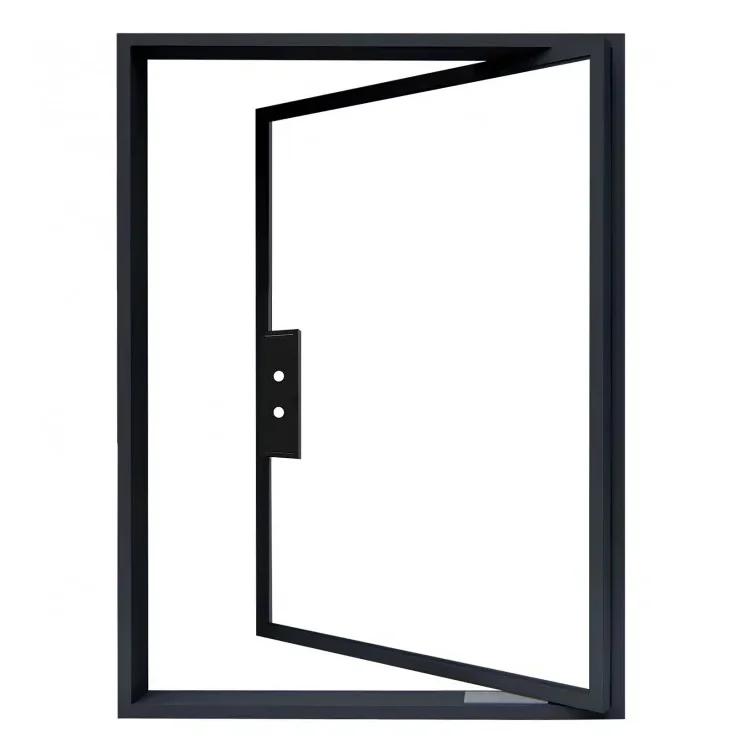
Single-Hinged
A single door that swings open, ideal for smaller spaces where a full double door may not fit.
Double-Hinged
The classic French door setup with two doors that swing open from the center. Great for creating wide, open entryways.
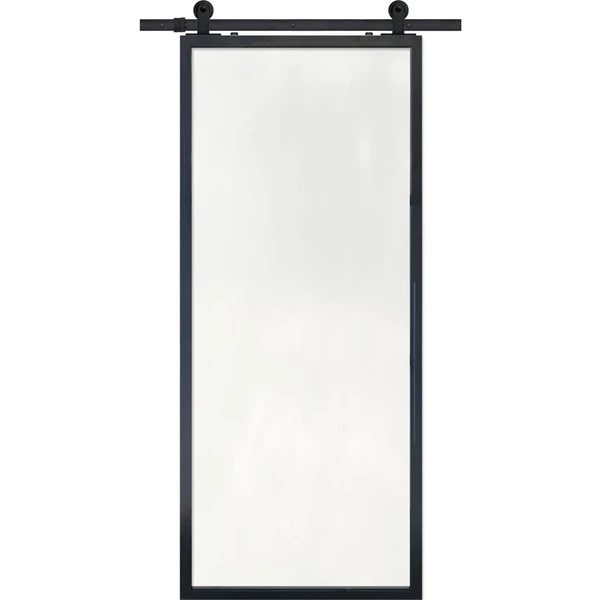
Sliding French Doors
Combine the look of traditional French doors with the space-saving function of a sliding door. Perfect for areas where swing space is limited.
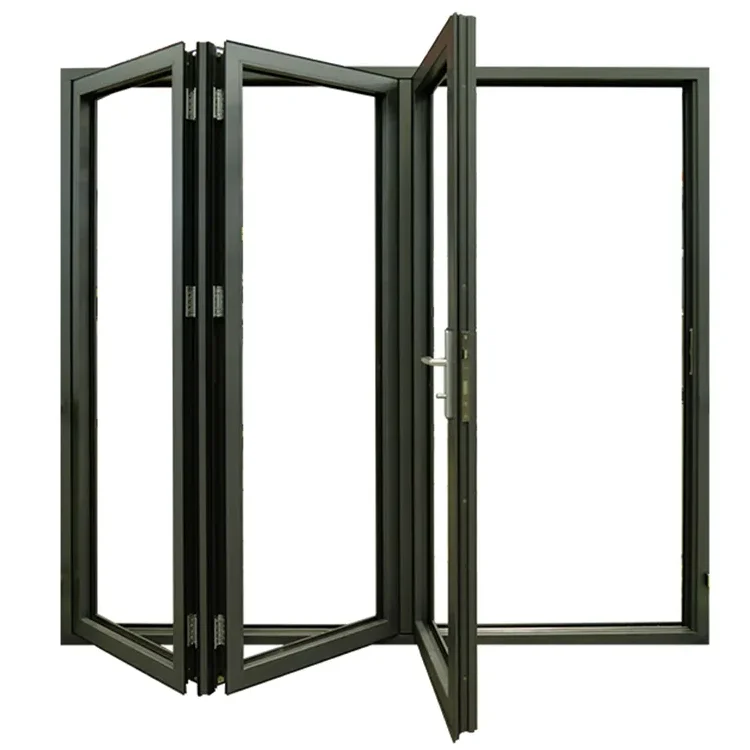
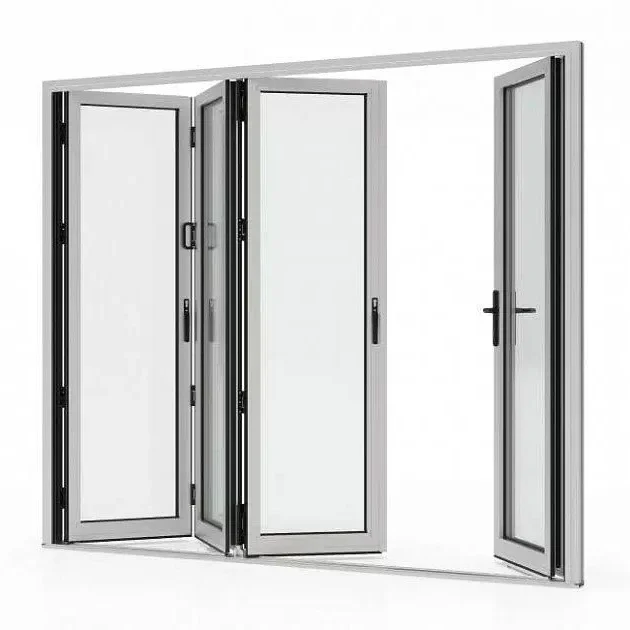
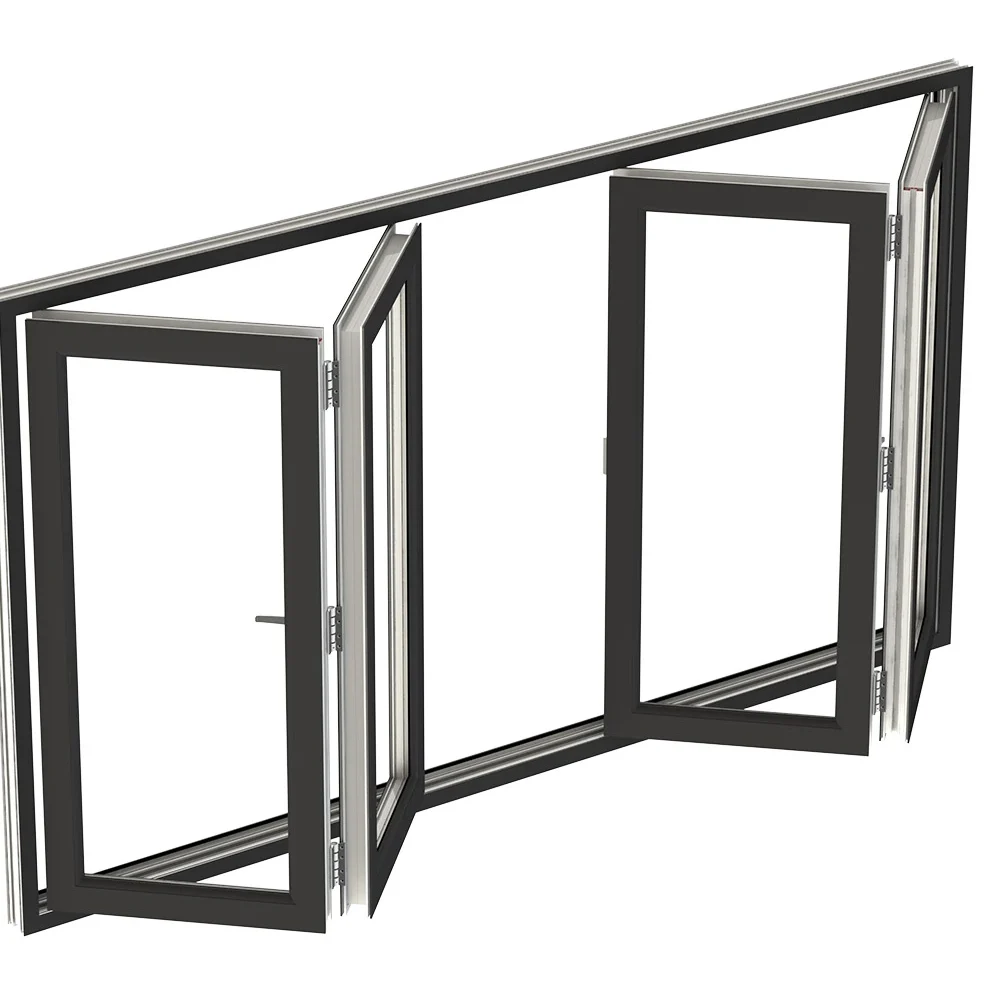
Bifold French Doors
These doors fold accordion-style to one or both sides, creating a wide, open space. They’re great for large openings and indoor-outdoor living.
Pocket French Doors
Slide neatly into the wall when opened, completely disappearing from view. An excellent option when you want to save space and keep a clean look.
By Design
Traditional
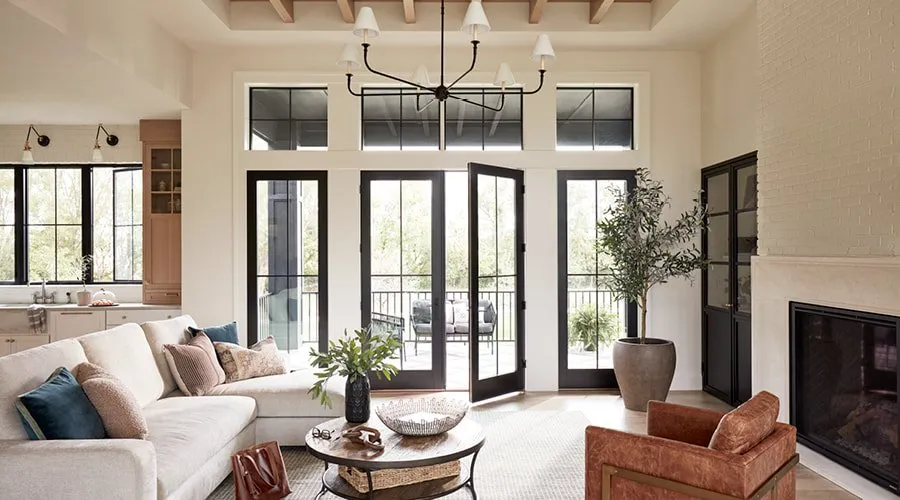
Classic designs with multiple small glass panes (grilles) and timeless charm.
Modern
Clean lines, larger glass panels, and minimal framing for a sleek, contemporary look.
Rustic
Often made with natural wood, featuring distressed finishes or decorative hardware that give a warm, cozy feel.
Contemporary
A blend of modern and traditional, with simple frames, large panes of glass, and bold, clean details.
Materials for French Doors
The material you choose for your French doors not only affects how they look, but also how they perform over time. Each option has its own pros and cons, depending on your style, budget, and how much maintenance you’re willing to do.
Wood
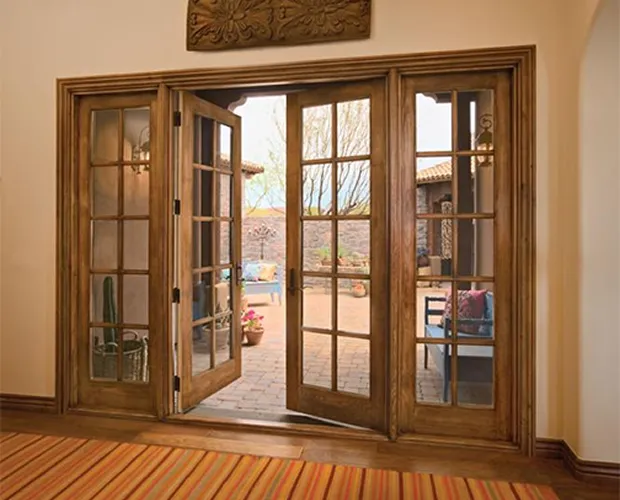
Wood is the most classic material for French doors, offering a warm, timeless appearance. It’s highly customizable — you can stain or paint it to match your home perfectly. However, wood does require regular upkeep to protect it from moisture, warping, and sun damage, especially on exterior doors.
Fiberglass
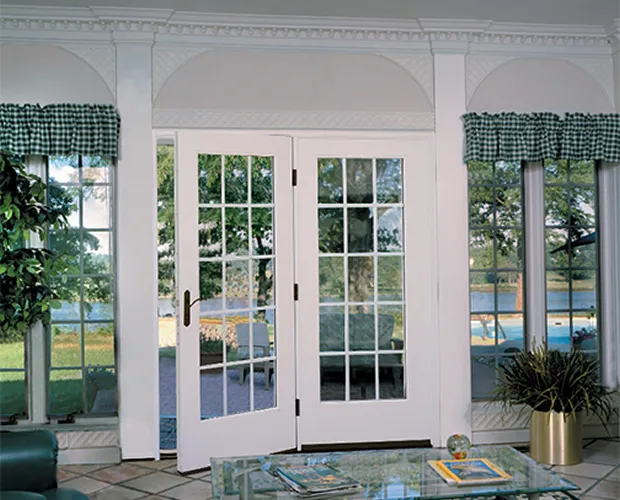
Fiberglass is a great alternative if you want the look of wood without the maintenance. It’s extremely durable, resists warping, and offers excellent energy efficiency. Plus, it holds up well in harsh weather, making it ideal for exterior French doors.
Aluminum

Aluminum French doors have a sleek, modern appearance and are lightweight, making them easy to operate. They’re also corrosion-resistant, though they may not offer as much insulation as some other materials. Aluminum works especially well for contemporary or minimalist home designs.
Steel
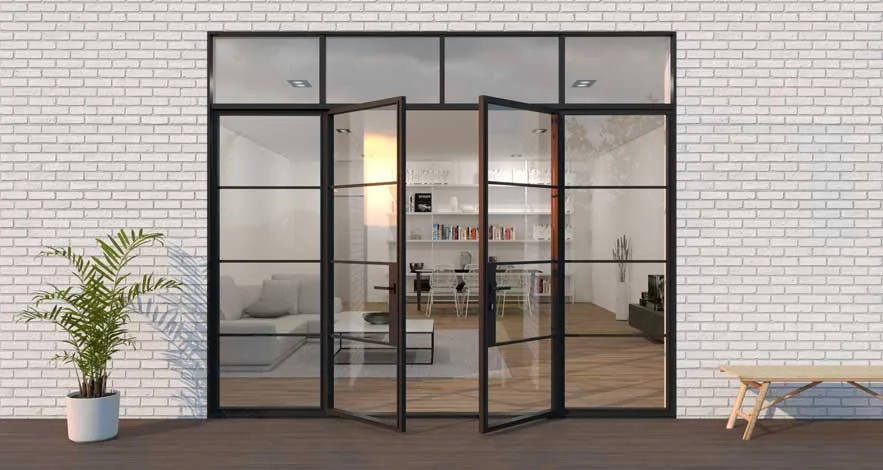
Steel doors are known for their strength and security. They provide a solid feel and good durability but may be prone to rust if not properly coated and maintained. Steel is often chosen for homeowners who prioritize safety and want a strong, long-lasting door.
Vinyl

Vinyl is one of the most affordable options. It’s low maintenance and resists moisture, but it’s generally less durable than other materials and may not offer the same high-end appearance. Vinyl works well for budget-friendly projects, especially on interior French doors.
Glass Options
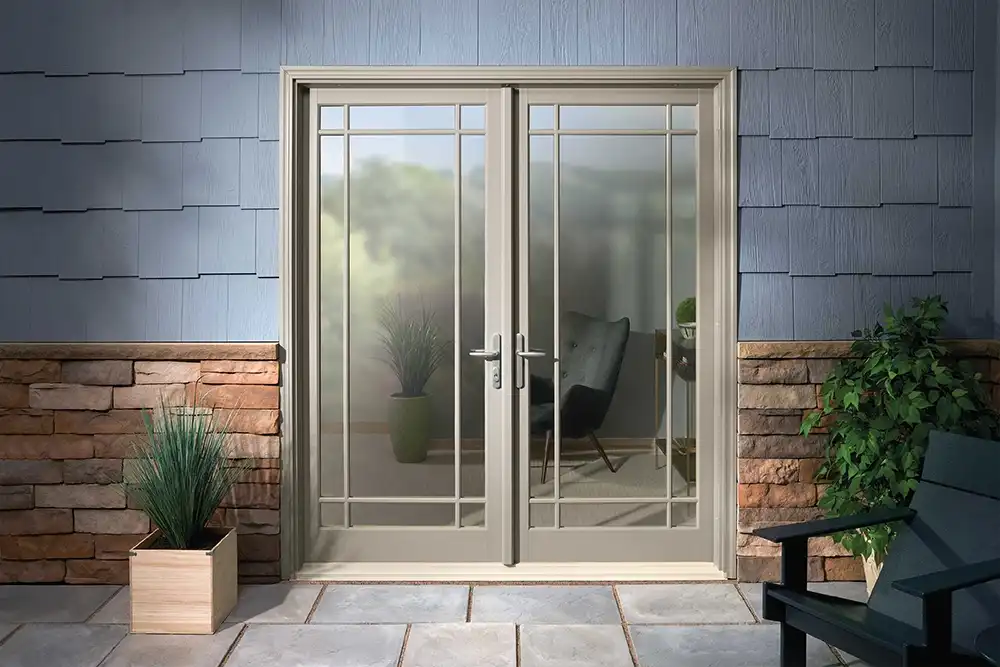
The glass you choose for your French doors doesn’t just affect how they look — it also impacts light, privacy, and energy efficiency.
Clear Glass for Maximum Light
Clear glass is the most popular choice if your goal is to bring in as much natural light as possible. It creates a bright, open feel and allows you to enjoy outside views while making rooms feel larger and more connected.
Frosted or Textured Glass for Privacy
If you want the beauty of French doors but need more privacy — especially for bathrooms, bedrooms, or entryways — frosted or textured glass is a great option. These styles obscure the view while still allowing plenty of light to filter through, keeping your space bright without sacrificing privacy.
Energy-Efficient Glazing Options
For exterior French doors, it’s smart to consider energy-efficient glazing. Features like double or triple panes, low-E coatings, and gas fills (like argon) can help reduce heat loss, lower energy bills, and make your home more comfortable year-round.
Decorative Glass Designs
Decorative glass lets you add extra character to your French doors. From etched patterns to stained or beveled glass, these designs can complement your home’s style and create a unique focal point that reflects your personal taste.
Energy Efficiency and Insulation
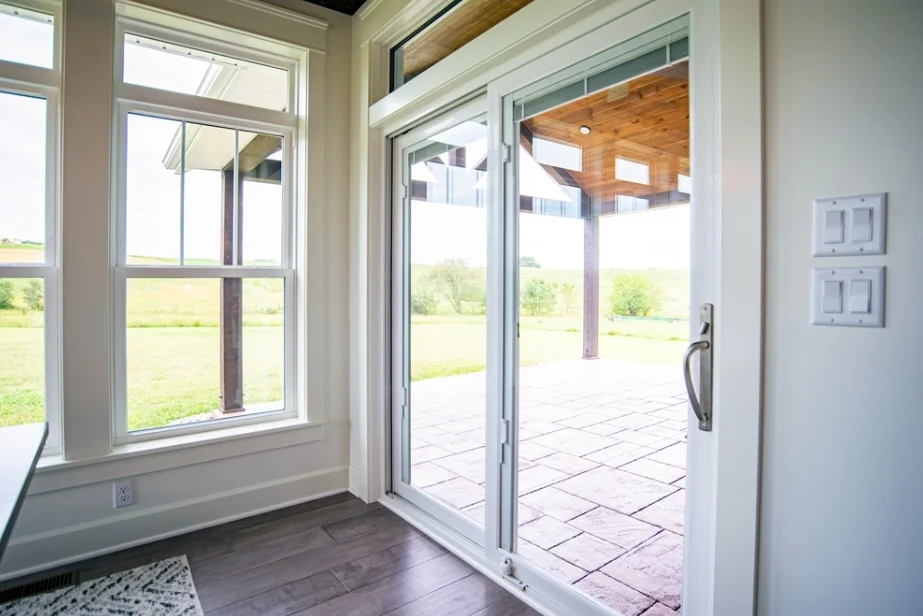
French doors can be both beautiful and energy-efficient — as long as you choose the right features. Good insulation not only keeps your home comfortable year-round but also helps lower your heating and cooling costs.
Why Energy Efficiency Matters
Since French doors have large glass panels, they can be a weak spot for heat loss or gain if not properly built. Investing in energy-efficient French doors helps:
Keep your home warmer in winter and cooler in summer.
Reduce energy bills.
Minimize drafts and temperature swings.
Create a more comfortable living space near the doors.
Insulation Materials and R-Values
Look for doors with insulated glass and frames. Many modern French doors use:
Double or triple-pane glass: Multiple layers of glass separated by insulating gas (usually argon or krypton) to slow heat transfer.
Low-E glass coatings: Thin metallic coatings that reflect heat while still allowing light to pass through.
Higher R-values: A higher R-value means better insulation. While solid doors have higher R-values, energy-efficient glass doors can still perform well when properly built.
Weatherstripping and Sealing Techniques
Even the best insulated door needs tight seals to perform well. Look for:
Quality weatherstripping around the frame to block drafts.
Bottom sweeps to keep out cold air, moisture, and dust.
Proper sealing between door panels to prevent air leaks.
A well-sealed French door keeps energy efficiency high and maintenance low.
Security Features
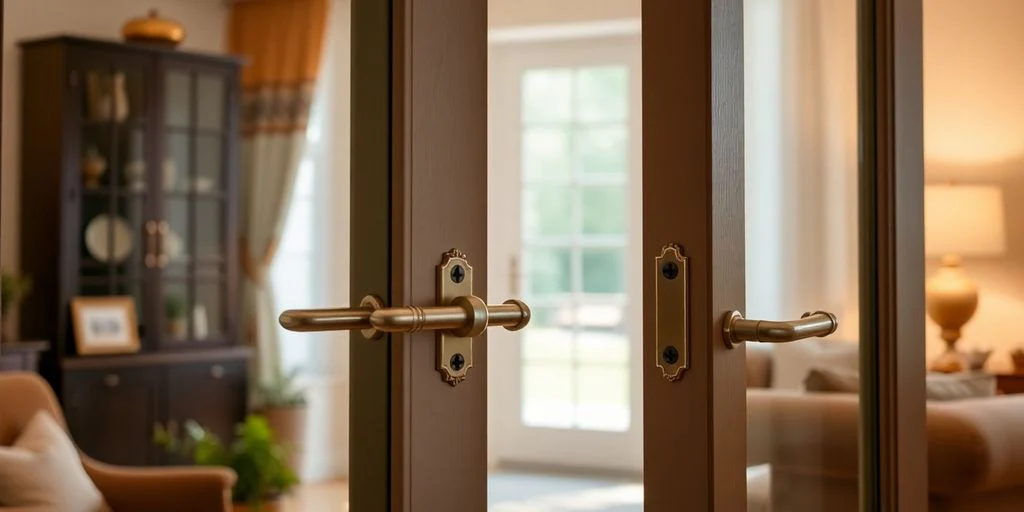
While French doors are known for their beauty, they also need to be secure — especially when used on exterior entrances. Luckily, today’s French doors come with several advanced features to help protect your home without sacrificing style.
Multi-Point Locking Systems
Unlike basic single-point locks, multi-point locking systems secure the door at multiple positions along the frame. This makes it much harder for intruders to force the door open and helps keep the door tightly sealed, improving both security and energy efficiency.
Impact-Resistant Glass
Since French doors feature large glass panels, it’s important to choose impact-resistant glass for added protection. This type of glass is designed to withstand strong blows, making it more difficult to break during attempted break-ins or severe weather events.
Reinforced Frames and Hinges
Strong reinforced frames and heavy-duty hinges add extra strength to the entire door system. These features help prevent warping, keep doors aligned properly, and make it much harder for someone to tamper with the door’s hardware.
Customization and Design Options
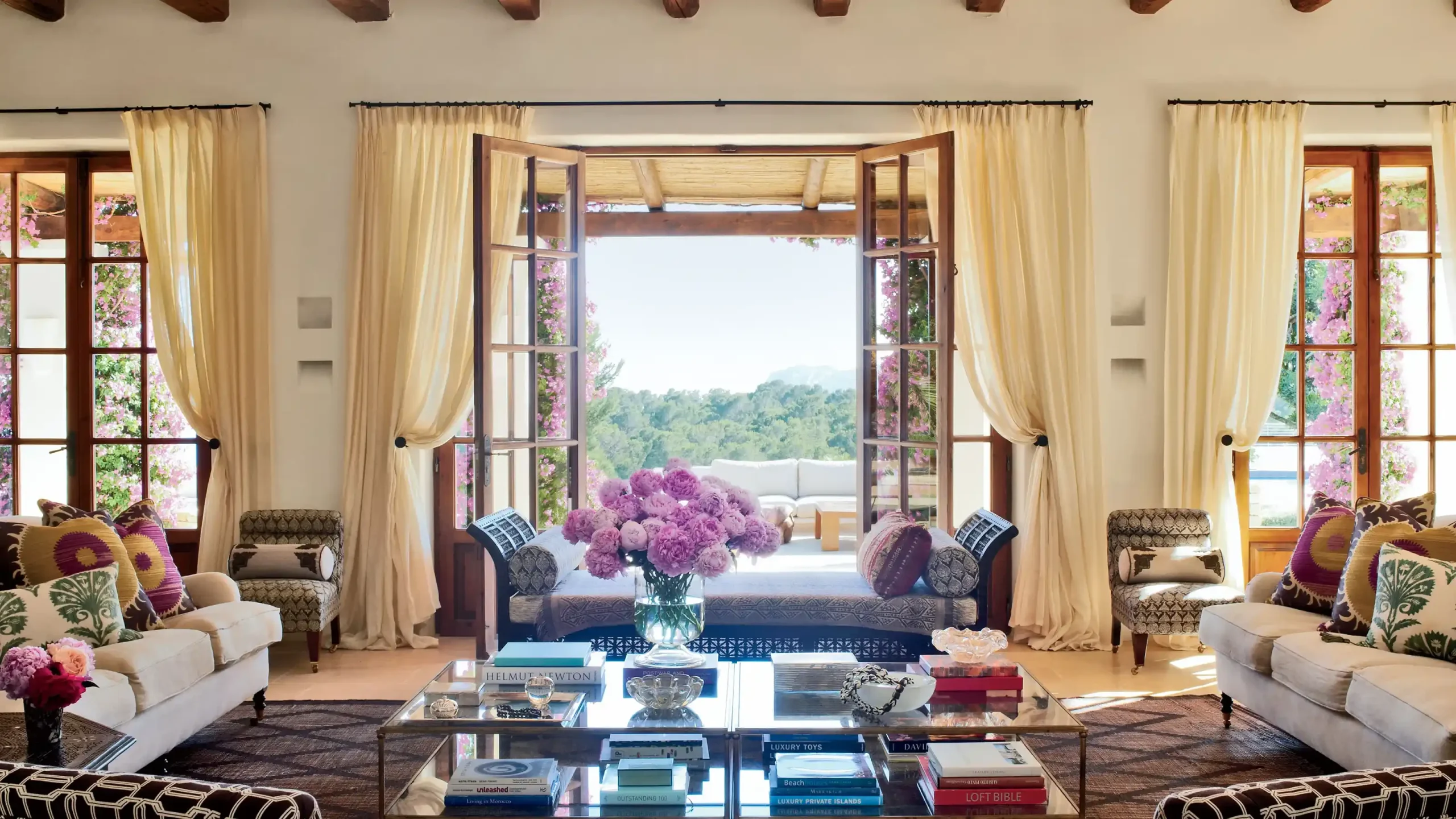
One of the best things about French doors is how easy they are to personalize. From colors to hardware, you can create a door that perfectly fits your home’s style and your personal taste.
Color Choices and Finishes
French doors are available in a wide range of colors and finishes. You can choose:
Classic whites and neutrals for a timeless look.
Bold colors to make a statement.
Wood stains that highlight natural grains for warmth and character.
Custom finishes to match your existing trim or home style.
Hardware Styles: Handles, Hinges, Locks
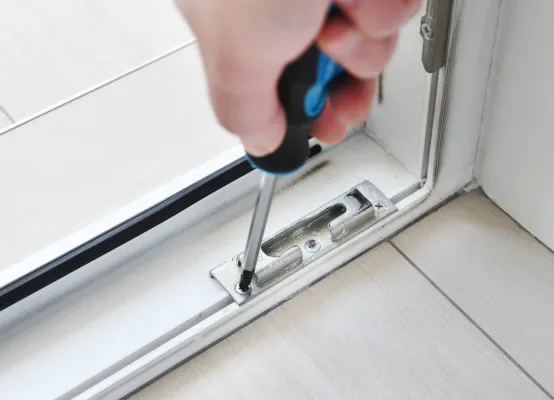
The right hardware adds both style and function. You can select from:
Sleek modern handles for a minimalist vibe.
Decorative vintage-style handles for traditional homes.
Satin nickel, bronze, black, or chrome finishes to match your décor.
Heavy-duty hinges and locks for extra strength and security.
Grille Patterns and Muntin Designs
Grilles (also called muntins) are the decorative bars that divide the glass into smaller sections. Options include:
Classic grid patterns for a traditional feel.
Vertical or horizontal lines for a more modern look.
Custom shapes or patterns for added uniqueness.
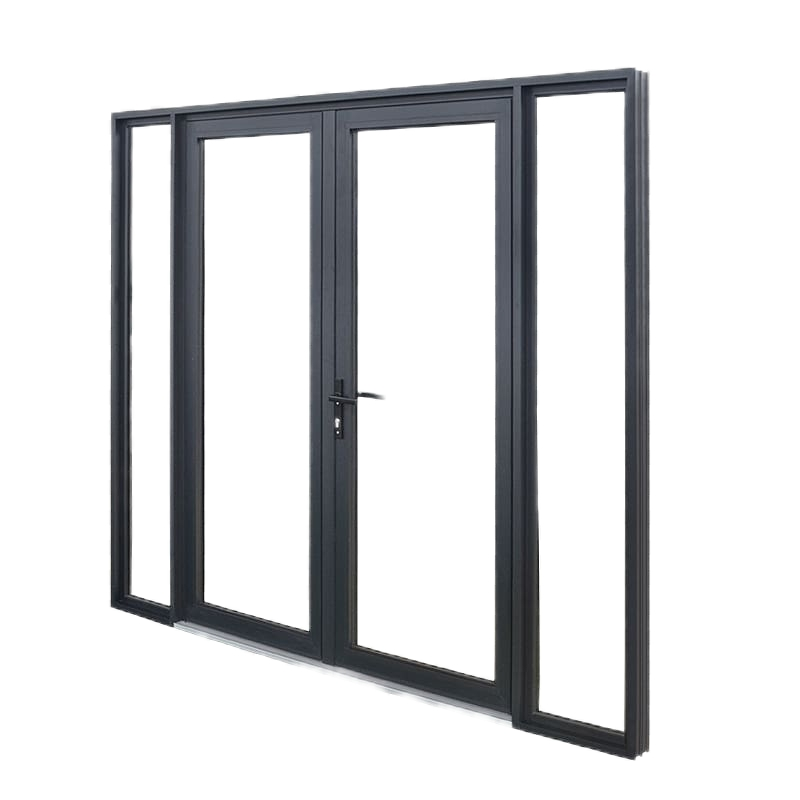
Transoms and Sidelights for Added Elegance
If you want to create a grand entrance, consider adding transoms (small windows above the doors) or sidelights (narrow windows on one or both sides of the door). These features allow even more natural light in and give your entryway a stunning, high-end look.
Installation Considerations
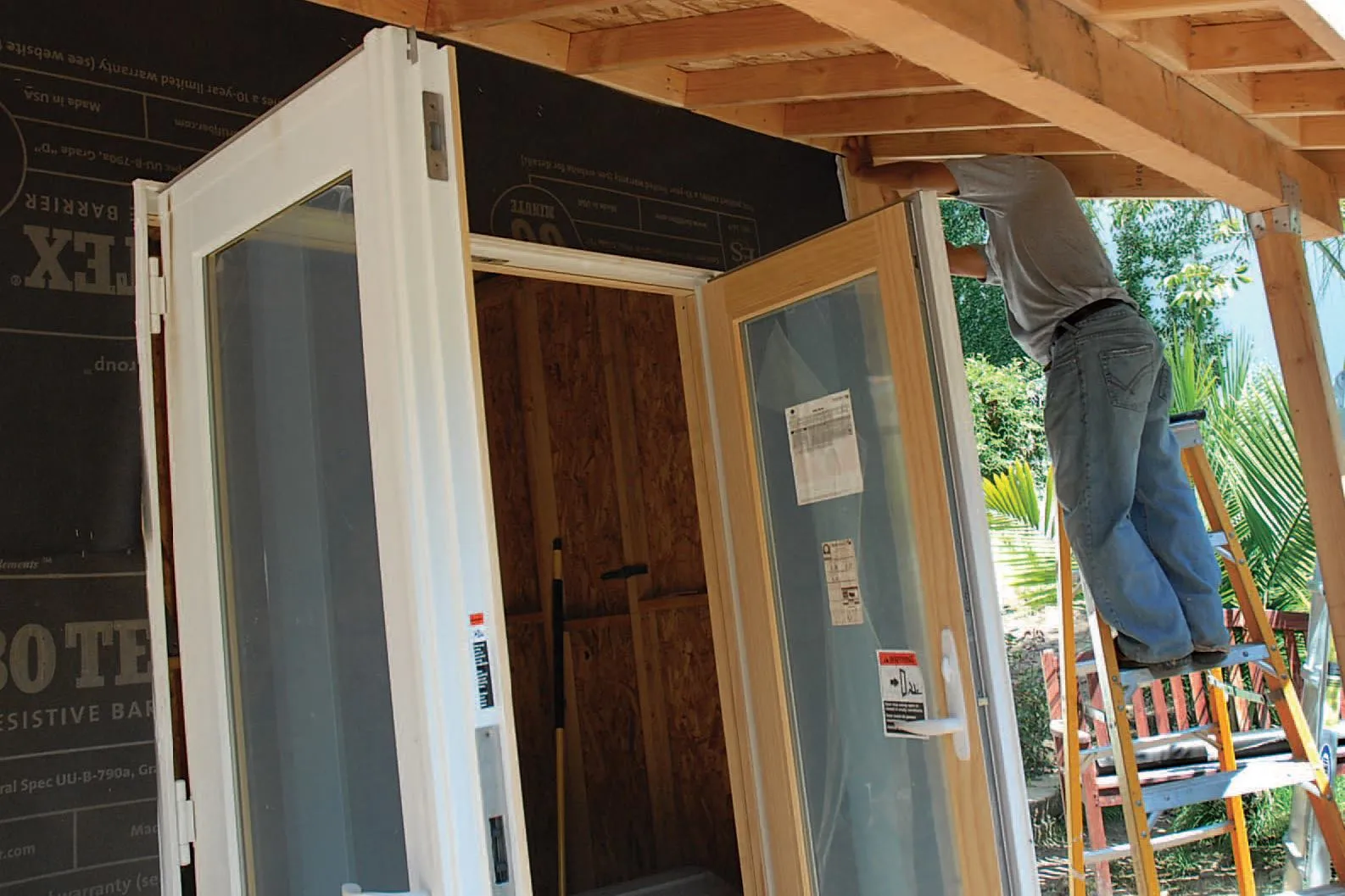
Getting your French doors installed properly is just as important as choosing the right design. A smooth, accurate installation ensures your doors look great, function perfectly, and last for years.
Measuring for Replacement or New Installation
Before anything gets ordered, precise measurements are a must. You’ll need to measure:
The width and height of the opening.
The depth of the wall (for frame fitting).
The swing direction (inward or outward).
Clearance space for proper door operation.
If you’re replacing existing doors, measurements might be more straightforward. For brand-new installations, you may need framing adjustments to fit your new doors perfectly.
Professional vs. DIY Installation
Professional Installation:
Hiring a pro is highly recommended, especially for exterior French doors. Professionals ensure perfect alignment, proper sealing, and correct hardware placement. They’ll also handle any framing or adjustment issues on-site.
DIY Installation:
Experienced DIYers may be able to handle simple interior French door installations. However, installing exterior doors can be tricky due to sealing, insulation, and structural needs. A small mistake could lead to leaks, drafts, or security problems.
Common Installation Challenges and Solutions
Uneven or out-of-square openings: Professionals can make framing adjustments to ensure a snug fit.
Improper sealing: Weatherproofing is critical to avoid drafts, water intrusion, or energy loss.
Heavy door panels: French doors can be heavy and awkward to maneuver — having extra hands or a pro on-site helps prevent damage during installation.
A proper installation ensures your French doors not only look beautiful but also perform at their best for years to come.
Maintenance and Care

With a little regular care, your French doors can stay beautiful and work smoothly for many years. Here’s how to keep them looking and performing their best.
Regular Cleaning Tips
Glass: Wipe the glass panels regularly with a soft cloth and a mild glass cleaner to keep them clear and streak-free.
Frames: Use a damp cloth and gentle soap to clean the door frames. Avoid harsh chemicals that can damage paint, wood, or metal finishes.
Tracks and Thresholds: For sliding or bifold French doors, clean the tracks often to prevent dirt buildup that can affect smooth operation.
Inspecting and Maintaining Hardware
Check hinges, locks, and handles a few times a year to make sure they’re tight and functioning properly.
Lubricate hinges and locks with a silicone-based spray or light oil to keep them operating quietly and smoothly.
Replace worn-out weatherstripping to maintain insulation and prevent drafts.
Repainting or Refinishing Wood Doors
Wood French doors require a bit more care to keep them protected:
Every few years, inspect for signs of peeling paint, fading, or moisture damage.
Sand and repaint or restain as needed to maintain the wood’s finish and protect it from the elements.
Use high-quality exterior paint or stain for best results on exterior doors.
Regular maintenance not only keeps your French doors looking great but also helps extend their lifespan and preserve your investment.
Cost Factors
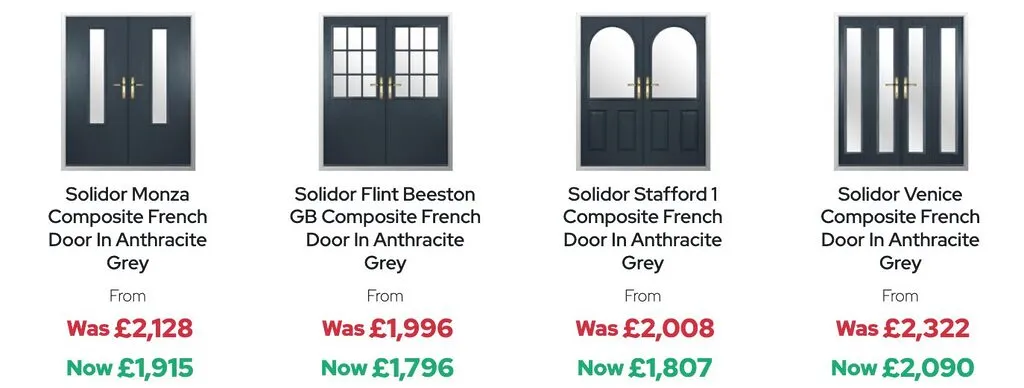
The price of French doors can vary quite a bit depending on the materials, features, and installation.
Price Ranges Based on Materials and Features
Vinyl: $500 – $1,000 (budget-friendly, basic options).
Aluminum: $800 – $2,500 (modern look, lightweight).
Fiberglass: $1,000 – $3,000 (durable, energy-efficient, low maintenance).
Steel: $1,000 – $3,000 (secure, strong, but may require more care).
Wood: $1,500 – $5,000+ (classic, high-end, customizable but higher maintenance).
Custom Designs or Decorative Glass: Add $500 – $2,000+ depending on complexity.
Installation Costs
Professional installation: $400 – $1,500 depending on door type, location, and any structural modifications.
DIY installation: May save on labor but requires skill, tools, and time, especially for exterior doors.
Long-Term Value and Return on Investment
While French doors can cost more upfront than some standard doors, they often increase your home’s value and curb appeal. Their timeless beauty, energy efficiency, and functionality make them a great long-term investment. Plus, with proper care, quality French doors can last for decades.
Choosing the Right French Door for Your Home

With so many options available, finding the perfect French doors comes down to matching your needs, your home’s style, and your budget.
Assess Your Home’s Style and Needs
Look at your home’s architecture — is it traditional, modern, rustic, or contemporary?
Consider where the door will go:
Exterior doors may need better insulation and security.
Interior doors may focus more on design and light flow.
Think about privacy needs, how much natural light you want, and whether you need the door to swing, slide, or fold.
Balance Aesthetics, Functionality, and Budget
Aesthetics: Choose the color, material, hardware, and glass options that best complement your home’s design.
Functionality: Make sure the door fits your lifestyle — easy to open, durable, energy-efficient, and secure.
Budget: Pick features that deliver long-term value without breaking your budget. Remember, investing in quality upfront can save on repairs and energy bills later.
Consult with Professionals
While online research is helpful, working with a professional door supplier or installer can make the process much smoother. They can:
Offer personalized recommendations based on your home.
Help with accurate measurements.
Ensure proper installation for the best performance and lifespan.
A little expert advice goes a long way toward getting the best French doors for your home.
Ready to Find Your Perfect French Doors?
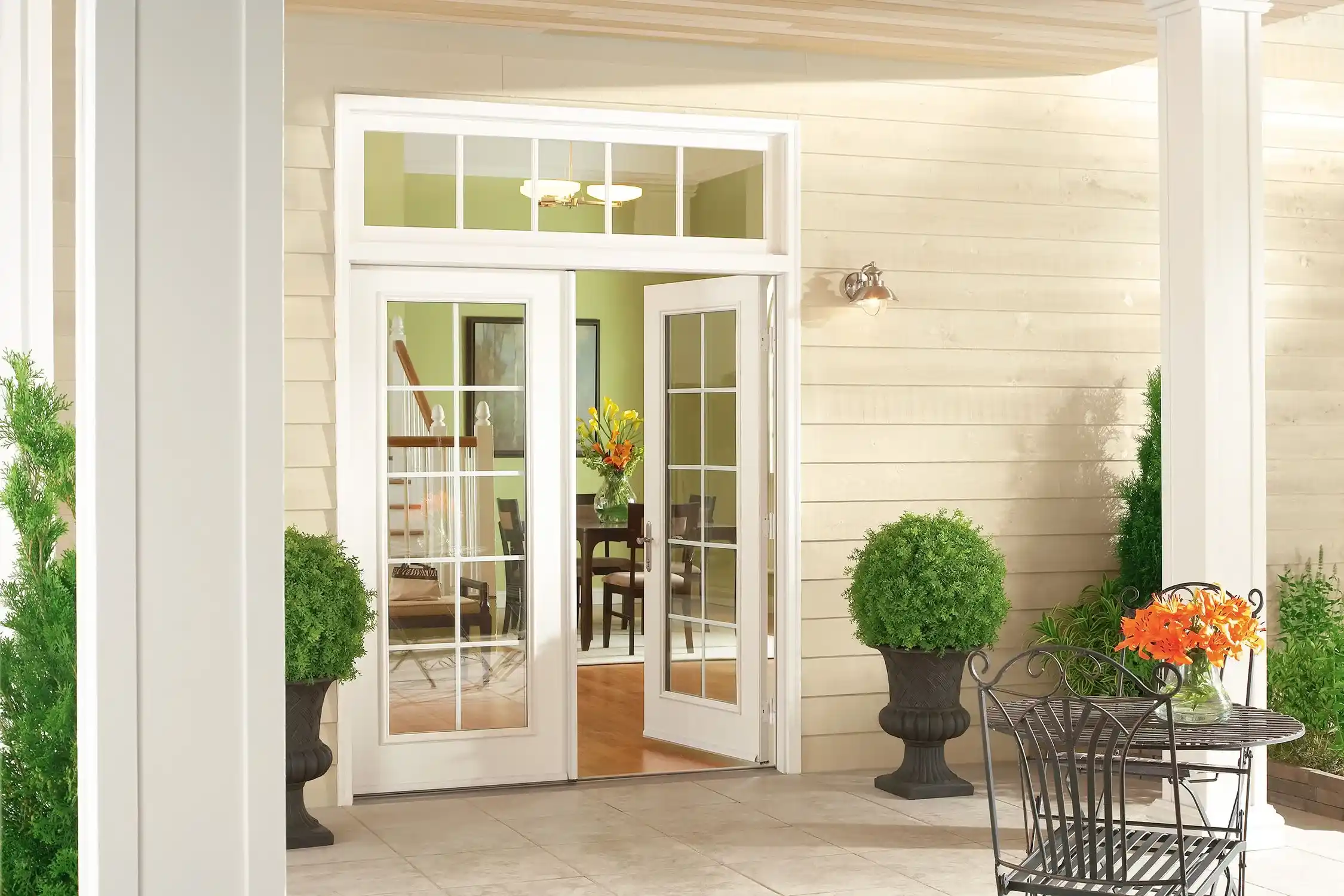
Choosing the right French doors can truly transform your space — and we’re here to help make that process easy. Whether you need expert advice, want to browse our full catalog, or are looking for a custom design, our team is ready to assist.
Contact us today to get expert support and start designing the perfect French doors for your home.
FAQs ABout French Doors