
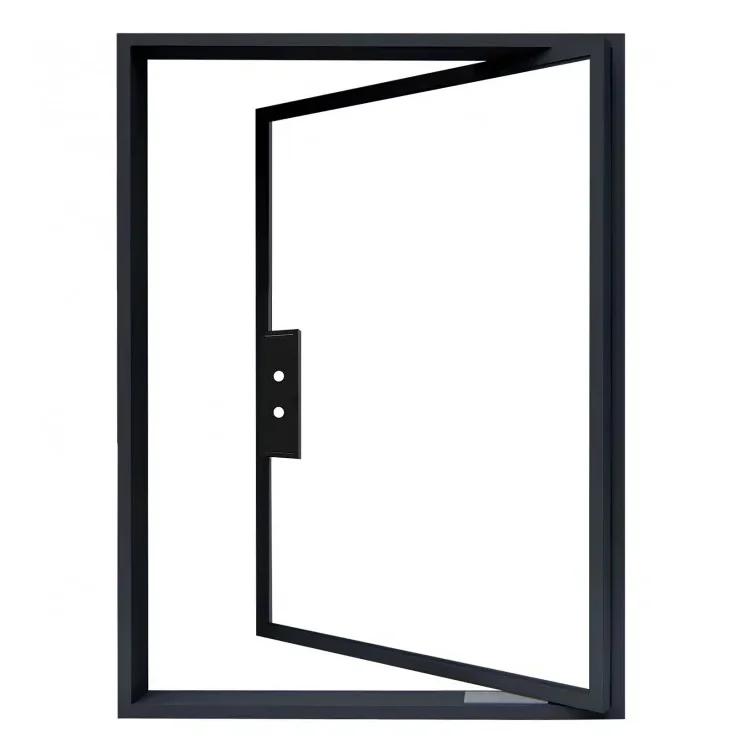
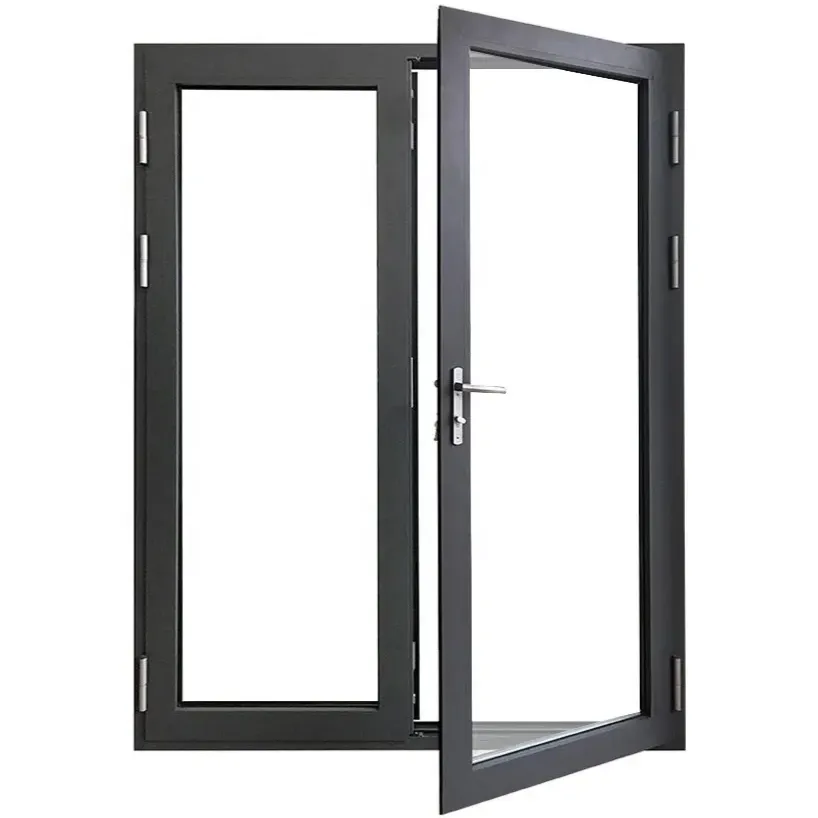
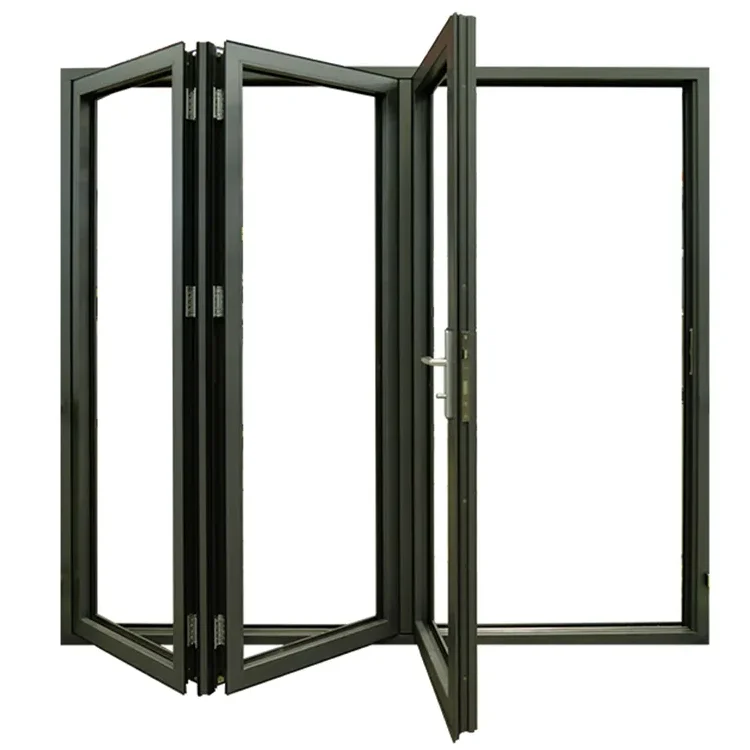
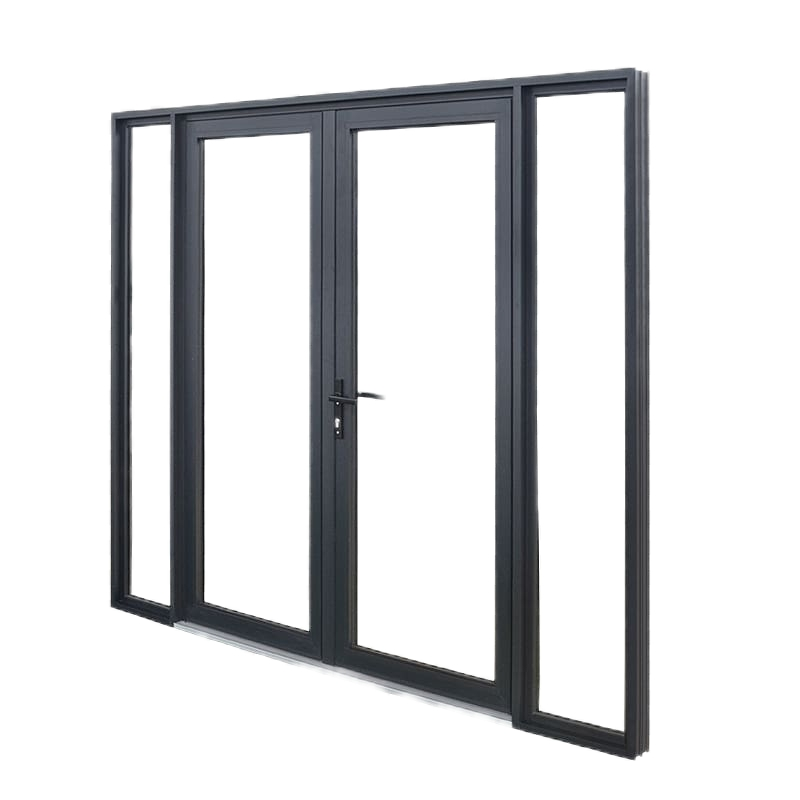



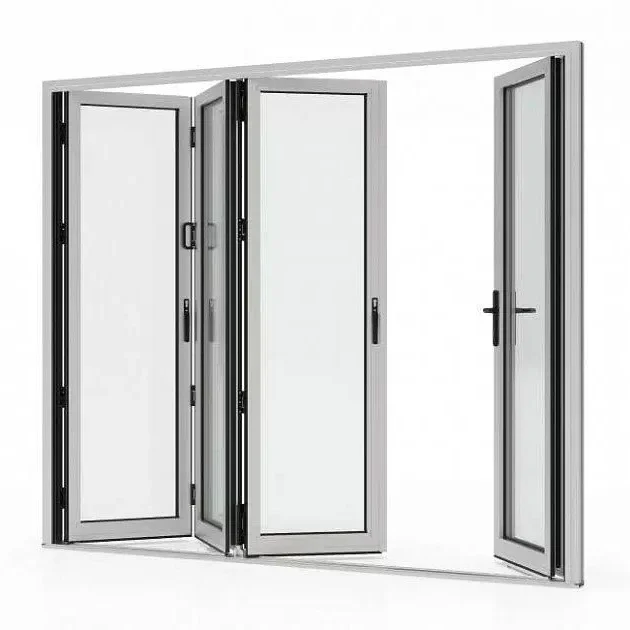












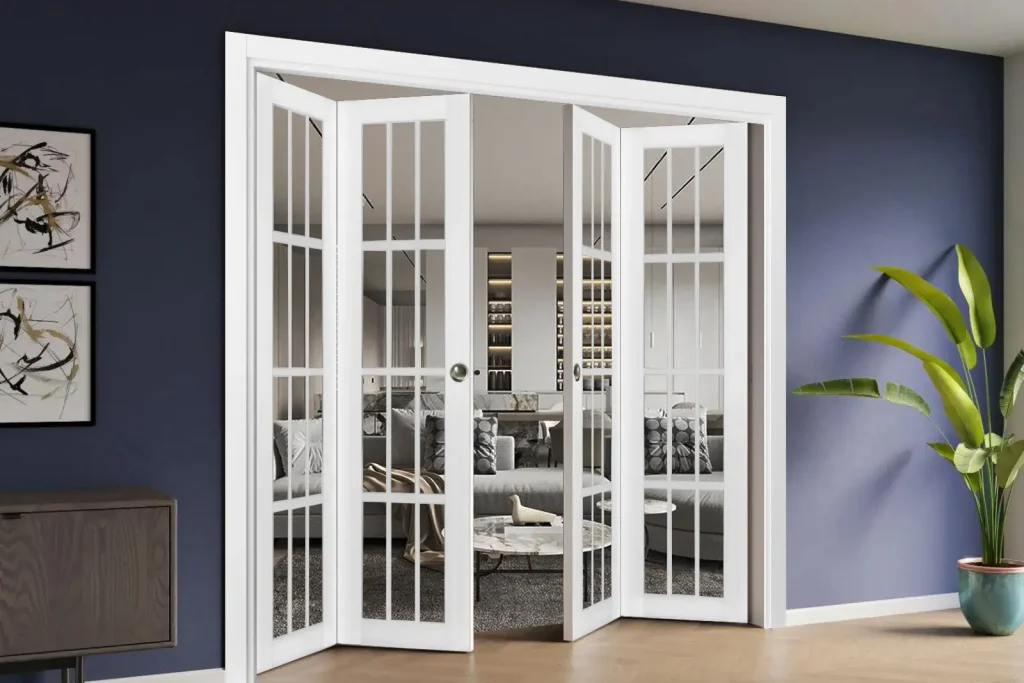
Thinking about adding French doors to your home? Great choice! Whether you’re opening up your living room with a beautiful set of exterior doors or creating a stylish entry between your dining room and kitchen, French doors are a smart upgrade that adds both charm and function.

But here’s the thing: French door installation costs can vary—a lot. Interior French doors (like for closets or room dividers) tend to be simpler and more affordable. Exterior French doors, which need to handle weather and security, usually cost more due to stronger materials and more complex installation.
Typical Cost Ranges for Installing French Doors

Let’s get into the numbers. How much does it really cost to install French doors? It depends on whether you’re installing interior or exterior doors—and a few other key details we’ll explore later.
Interior French Doors
Interior models are lighter and easier to install, which means they’re often more affordable. These are commonly used between rooms or as decorative elements.
-
Typical installed cost: $600–$3,000
-
Basic prehung sets: as low as $300–$500
-
Premium custom options: up to $3,000+
Exterior French Doors
These need to stand up to the elements, insulate your home, and provide security—so they cost more.
-
Typical installed cost: $1,300–$5,500
-
Standard vinyl or fiberglass units: around $1,500–$2,500
-
Custom wood or multi-panel styles: up to $5,500+
National Average (Per Door)
Most homeowners spend between $1,600 and $2,600 for a single standard French door installation—factoring in door cost, labor, and basic materials.
Pro tip: Always get a few quotes, because location, framing needs, and door quality can all shift the final price by hundreds—or even thousands.
Material & Door Type Costs

What your French doors are made of—and how they’re built—has a big impact on both cost and performance. Let’s break it down by frame material and glass type to help you choose wisely.
Frame Materials and Cost Range
Each material has its own look, lifespan, insulation value, and price point:
| Material | Price Range (Per Door) | Notes |
|---|---|---|
| Vinyl | $300–$800 | Affordable, low maintenance, decent insulation |
| Wood | $800–$3,000+ | Classic look, more expensive, needs upkeep |
| Fiberglass | $700–$2,500 | Durable, energy efficient, mid-to-high cost |
| Steel | $500–$1,800 | Strong, secure, lower insulation value |
| Aluminum | $600–$1,500 | Lightweight, modern style, can dent easily |
| Clad-Wood | $1,200–$4,000+ | Wood interior with low-maintenance exterior |
| Custom/High-End | $2,000–$10,000+ | Tailored sizing, premium materials, unique finishes |
Glass Options & Upgrades
Your choice of glass isn’t just about looks—it also affects energy efficiency, safety, and noise control.
-
Single-pane: Least expensive, minimal insulation (not recommended for exterior use).
-
Double-pane (insulated): Standard for most homes; good balance of cost and performance.
-
Triple-pane: More energy-efficient and sound-reducing, but heavier and pricier.
-
Tempered glass: Safety glass that breaks into small, dull pieces—ideal for exterior or high-traffic areas.
-
Laminated glass: Offers extra strength and sound control, often used in hurricane-prone regions or for added security.
Labor & Installation Charges

When budgeting for French doors, don’t forget to factor in labor and installation costs — they can make up a big chunk of your total spend.
Average Labor Costs
On average, you can expect to pay $300 to $600 per door for professional installation. This includes removing the old door (if needed), prepping the opening, and installing the new French doors securely.
Retrofit vs. New Construction
Retrofit installations — where you replace an existing door with French doors — are usually trickier and cost more. The installer may need to widen the frame, move electrical outlets, or adjust trim and flooring.
New construction installations, like adding French doors to a wall that didn’t previously have an opening, can be even more complex. These often require structural changes like installing a new header, which supports the wall above the new opening.
Structural Add-ons
If framing changes are needed, you might pay anywhere from $150 to $8,000, depending on the size of the opening, wall material, and whether it’s a load-bearing wall. The more invasive the project, the more time and labor it takes — and the more it costs.
So if you’re upgrading an existing door, expect a moderate installation fee. But if you’re creating a brand-new entryway or converting a window or solid wall into doors, prepare for higher construction costs.
Additional Cost Factors
Beyond just the door and labor, a few extra items can quietly raise the total price of your French door project.
Hardware Upgrades

Basic hardware usually comes with your door, but if you want to upgrade the locks, handles, hinges, or finishes, expect to pay a bit more.
-
Designer handles or multi-point locks can add $50–$300 or more
-
Specialty finishes like matte black or antique brass also come at a premium
Permits, Trim & Weatherproofing
If your project involves cutting into a wall or major structural changes, some cities may require building permits—usually $50–$200, depending on location.
Don’t forget:
-
Interior/exterior trim for a finished look: $100–$300
-
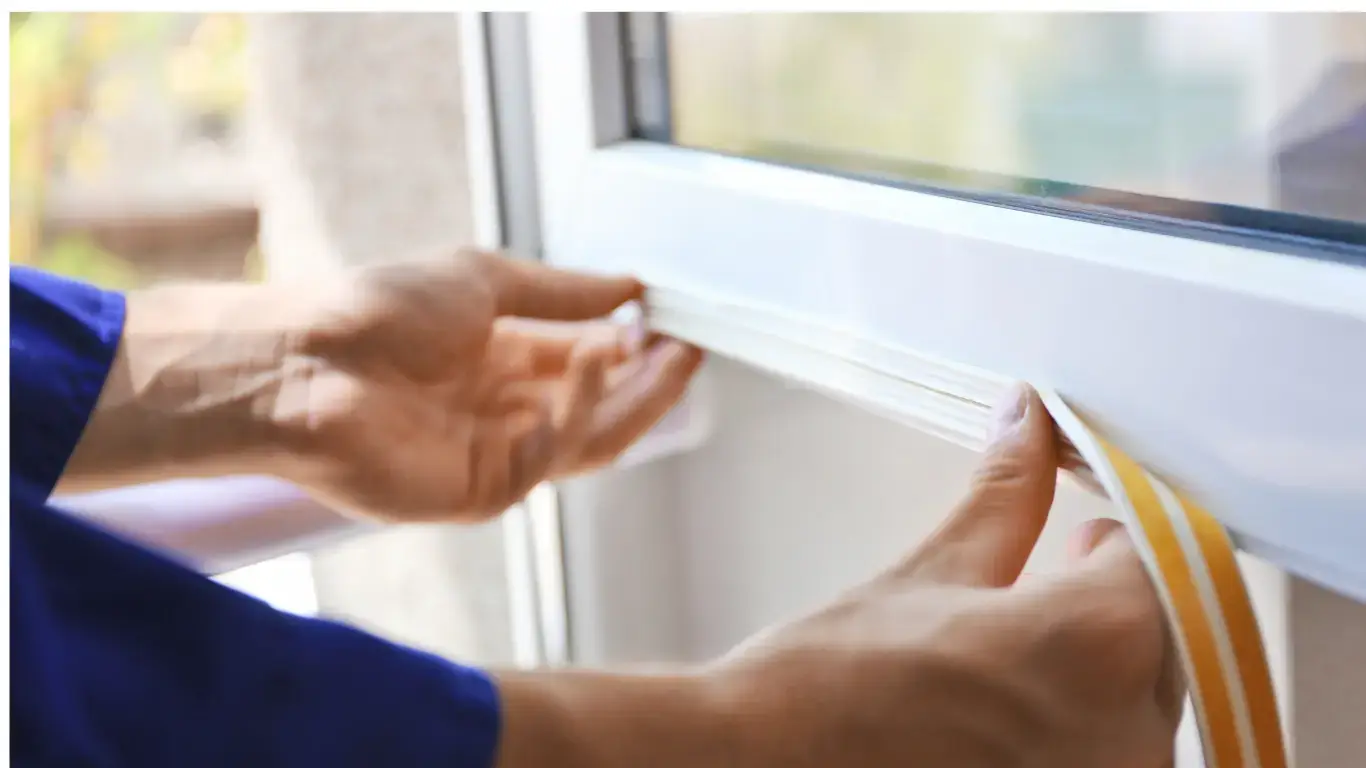
Weatherproofing materials like sealant, flashing, and thresholds: $50–$150
These ensure your new doors look good and keep out the elements.
Decorative Extras

Want to make a statement? Decorative add-ons can increase cost but also boost curb appeal and natural light:
-
Sidelights (narrow glass panels beside the doors): $300–$1,200 each
-
Transom windows (above the door): $200–$600+
-
Grilles, custom etching, or colored glass: prices vary widely
While optional, these features can elevate your home’s style — just be sure to factor them into your budget.
Breakdown by Price Tier

French door costs can vary a lot depending on your style, materials, and whether you go the DIY route or hire a pro.
Budget Tier ($300–$850)
Looking for an affordable upgrade?
-
Best for interior French doors
-
Ideal for DIY installations or small openings
-
Typically made of vinyl or hollow-core wood
-
Basic hardware and plain glass (single-pane)
Perfect if you’re renovating on a tight budget but still want the elegance of French doors.
Mid-Range ($1,000–$5,000)
This is the sweet spot for most homeowners.
-
Covers interior or exterior installations
-
Includes professional labor
-
Higher-quality materials like fiberglass or solid wood
-
Upgraded double-pane glass, better hardware, and cleaner finishes
It’s a solid investment for both appearance and durability.
High-End or Custom Builds ($5,000–$15,000+)
Want something unique or luxurious?
-
Ideal for oversized entries, custom architecture, or historic homes
-
Often made with premium wood, clad-wood, or steel-framed glass
-
Includes extras like sidelights, transoms, or custom glasswork
-
Labor costs may rise due to structural work or specialty installs
If you’re going for wow-factor or need tailor-made solutions, this is your category.
Regional Variations

French door installation costs can vary a lot depending on where you live. Labor rates, permit fees, and even weather can all impact your final price.
Example: Concord, CA
In Concord, California, the average cost to install a French door ranges from $1,100 to $3,100. This includes:
-
Mid-range or standard exterior doors
-
Professional installation
-
Possible permit or code-related upgrades
Why Costs Vary by Region
-
Labor Rates: Areas with a higher cost of living (like San Francisco or New York) tend to have more expensive labor.
-
Building Codes: Some cities require more structural work or stricter energy-efficiency upgrades, which add to the cost.
-
Permit Fees: Local governments may charge permit fees for door replacements—these can range from $50 to $300 or more.
-
Weatherproofing Needs: In areas with heavy rain, snow, or extreme heat, additional sealing and insulation might be required.
Tip: Always get quotes from local installers and check your city’s permit rules before starting your project.
DIY vs. Hiring a Pro

Thinking about installing your French doors yourself? It’s tempting—especially if you’re handy and want to save a few bucks. But before you grab your drill, let’s look at both sides.
DIY Installation: Pros & Cons
✅ Pros:
-
Lower cost: You could save $300–$600 in labor per door.
-
Flexible schedule: Work at your own pace, no need to wait on contractors.
-
Pride of work: There’s nothing like saying, “I installed that myself!”
❌ Cons:
-
Tools & experience needed: You’ll need the right tools and know-how, especially for framing and leveling.
-
Heavy lifting: French doors are bulky and can weigh over 100 lbs.
-
Precision matters: A small mistake can lead to poor sealing, gaps, or drafts.
-
Warranty risks: Some manufacturers void warranties if the door isn’t professionally installed.
Why Hire a Pro?
Professional installers:
-
Know local codes and permit requirements
-
Ensure your door is weather-tight and energy-efficient
-
Avoid common mistakes like uneven framing or improper flashing
-
May include warranties on both parts and labor
Simple Cost-Saving Tips

Want the charm of French doors without spending a fortune? Good news—you can cut costs without cutting corners. Here are a few smart ways to save:
- Pick Budget-Friendly Materials: Aluminum French doors are affordable, durable, and low-maintenance. They may not have the luxury feel of wood or fiberglass, but they still look great and perform well.
- Stick With Standard Sizes: Custom doors cost more to make and install. Standard sizes are quicker to order, easier to fit, and cheaper all around. Always check if your space can work with off-the-shelf sizes.
- Combine Projects: If you’re planning other home improvements—like window replacements or a new front door—bundle the work. Many contractors offer discounts when doing multiple installs at once.
- Shop Around for Quotes: Get at least three estimates. Prices can vary a lot depending on location, labor availability, and installer reputation. Don’t be afraid to negotiate!
Looking for the Perfect Aluminum Door?

Whether you’re building new or upgrading your space, we offer high-quality aluminum doors designed for modern performance and timeless style based on factory-direct cost. From sleek patio sliders to durable entry systems, our doors are built to last—and made to impress.
Contact us today for a free quote and expert guidance on choosing the right aluminum door for your project. Our team is here to help you make the perfect choice.
FAQs about French Door Installation
How long does it take to install a French door?
A professional installer typically completes the job in 2–6 hours, covering removal of old doors, fitting, sealing, and hardware installation. Simple retrofits are faster; complex framing can extend time.
What influences the total cost?
Factors include door type (interior vs. exterior), material (vinyl, wood, clad, fiberglass, steel), glass options (single/double/triple pane), structural work (headers, reframing), hardware, permits, and regional labor rates.
Can I install French doors myself to save money?
DIY installation may save $140–$600 in labor, but it’s often tricky—it involves handling heavy, fragile doors, precise alignment, airtight sealing, and sometimes structural modifications. Mistakes can be costly.
Do French doors add value to my home?
Yes! They enhance aesthetics, bring in natural light, and can increase resale value. They’re a sought-after feature in many homes. For exterior installations, choosing energy-efficient materials boosts both comfort and appeal.







One Response