














Picking the right wood for your door isn’t just about looks—it’s about strength, durability, and how well it fits your space. Whether you’re replacing a front door or choosing one for inside your home, the type of wood you choose makes a big difference.
Exterior doors need to handle rain, sun, and changing weather. That means they should be tough, weather-resistant, and long-lasting.
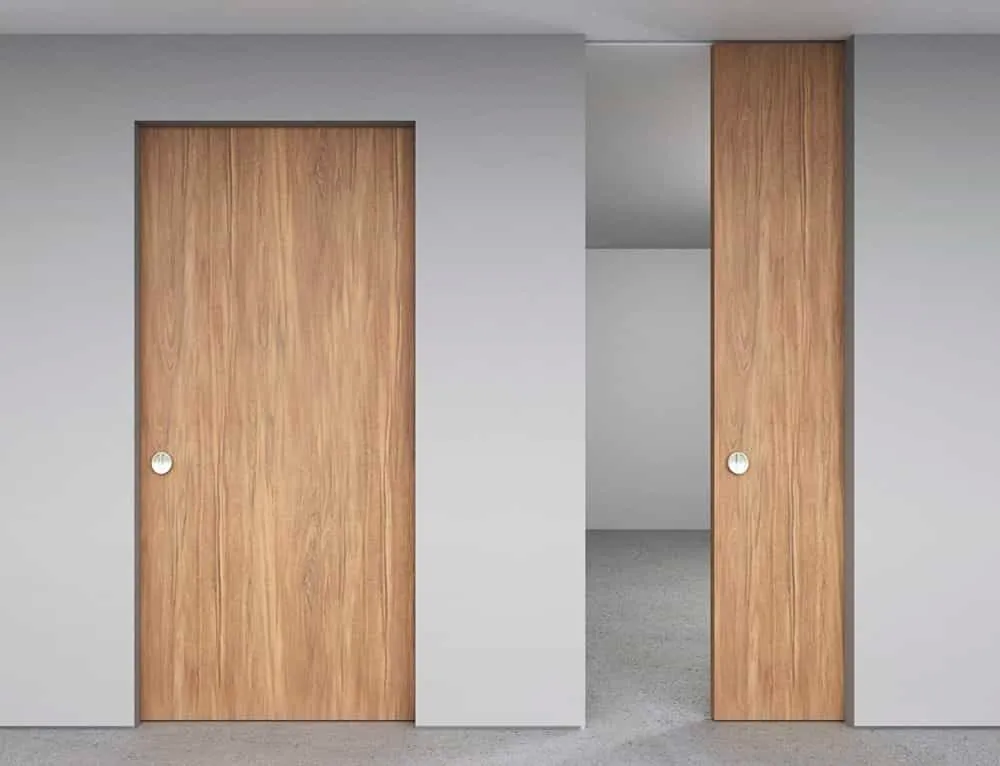
Interior doors, on the other hand, don’t face the elements. So, you can focus more on style, color, and how the wood fits with your room design.
In this guide, we’ll walk you through the best wood types for every kind of door—helping you make a choice that looks great and lasts for years.
Key Factors to Consider
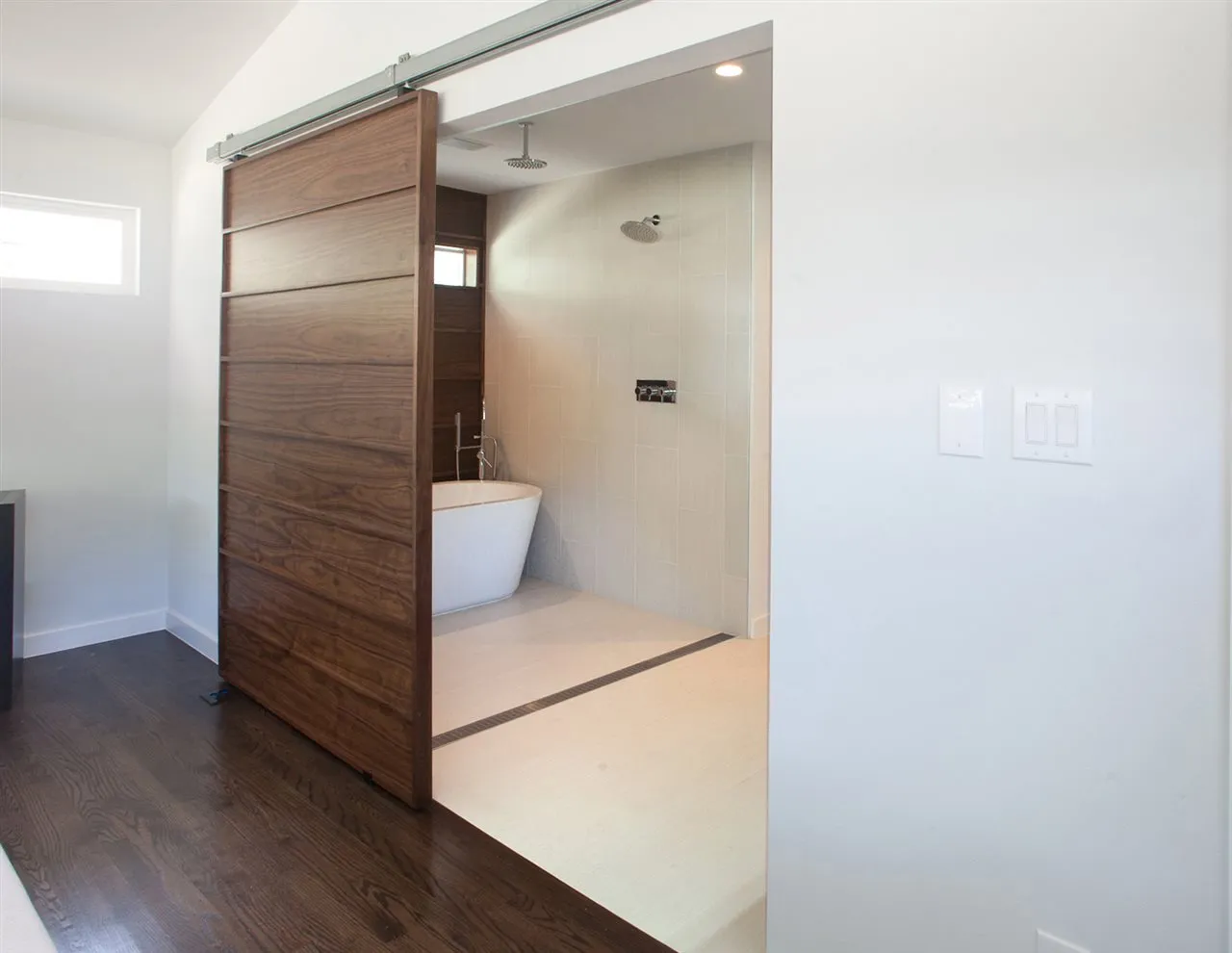
Before choosing a wood type for your door, here are a few things to keep in mind:
- Durability & Resistance: For exterior doors, you’ll want wood that stands up to moisture, insects, and rot. Hardwoods like mahogany and oak are great picks. Softwoods like pine may need more care or sealing.
- Stability & Warping: Some woods expand or shrink with humidity. Stable woods like white oak or engineered options are less likely to warp or crack over time—especially important for front doors.
- Look & Style: Each wood has its own grain pattern and color. Some are bold and rich, others are smooth and subtle. Think about whether you’ll paint or stain the door, and choose wood that fits your design vibe.
- Cost & Sustainability: Wood prices vary a lot. Poplar and pine are more budget-friendly, while walnut or teak can be more expensive. If you care about the environment, look for FSC-certified wood or engineered options that use less raw timber.
Top Woods for Exterior Doors
Your front door takes a beating—from rain and sun to snow and wind. That’s why choosing the right wood for your exterior door is so important. Below are some of the best wood types for outdoor use—each with its own benefits in strength, beauty, and weather resistance.
Mahogany – Rich, Strong, and Timeless
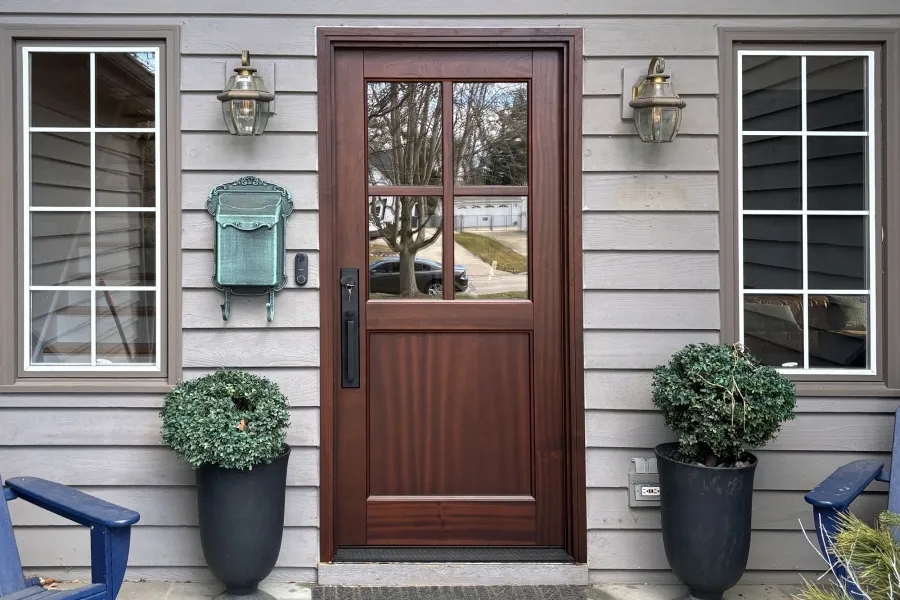
Mahogany is one of the most popular choices for high-end front doors—and for good reason. It’s a dense hardwood that resists moisture, insects, and rot better than many others. Its deep reddish-brown color and elegant grain give homes a classic, upscale look. It’s also strong enough to hold up against warping and weather changes for decades.
Best for: luxury homes, traditional or craftsman styles, long-term durability
White Oak – Tough and Weather-Resistant
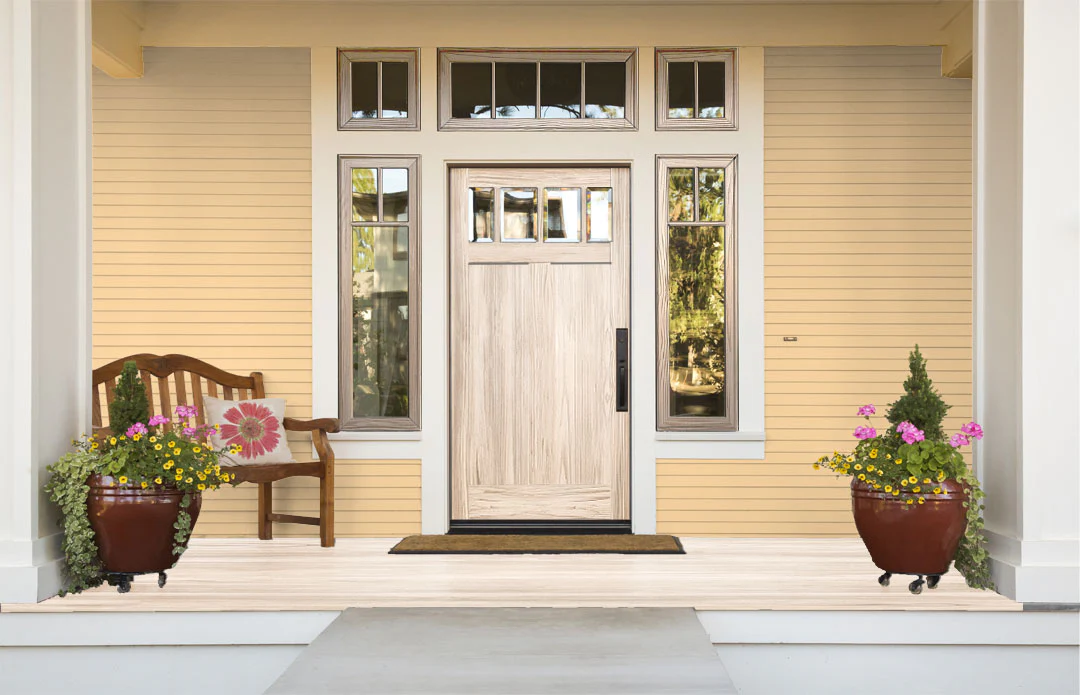
White oak is known for its closed-cell grain, which helps block water and resist decay. It’s less porous than red oak, making it a better choice for exterior doors. White oak has a beautiful light color and a strong, classic wood grain. It can be stained or sealed to match your design, and it holds up well in all seasons.
Best for: exposed entryways, craftsman or farmhouse looks, all-around performance
Douglas Fir – Straight-Grained and Versatile
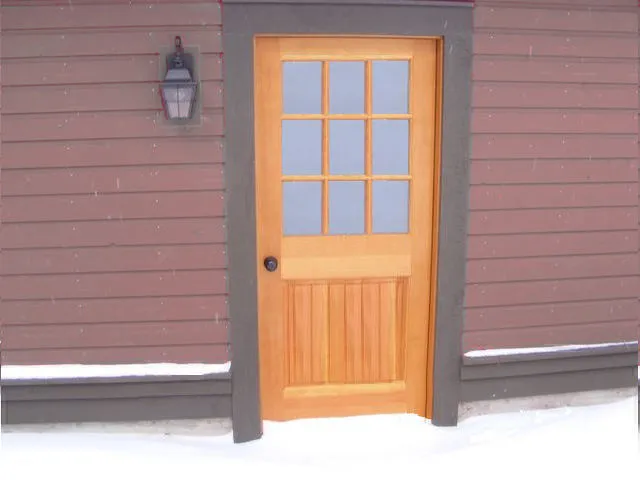
Douglas fir is a strong, cost-effective softwood that’s naturally rot-resistant. It has a straight grain that’s easy to stain, paint, or finish, making it a flexible choice for many styles. While not as hard as oak or mahogany, it’s still durable enough for many exterior uses—especially if protected by a porch or overhang.
Best for: modern or rustic homes, budget-friendly builds, painted doors
Cedar & Redwood – Rustic and Naturally Durable
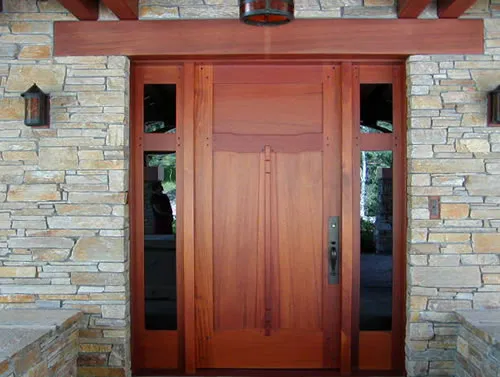
Both cedar and redwood have a natural resistance to insects and decay, making them great choices for rustic or outdoor-heavy designs. Cedar has a lighter tone with a soft grain, while redwood offers a richer reddish hue. These woods are softer, so they’re best used in areas that are somewhat sheltered from direct sun and rain.
Best for: cabins, coastal homes, covered entryways with a natural look
Walnut – Dark, Bold, and Beautiful
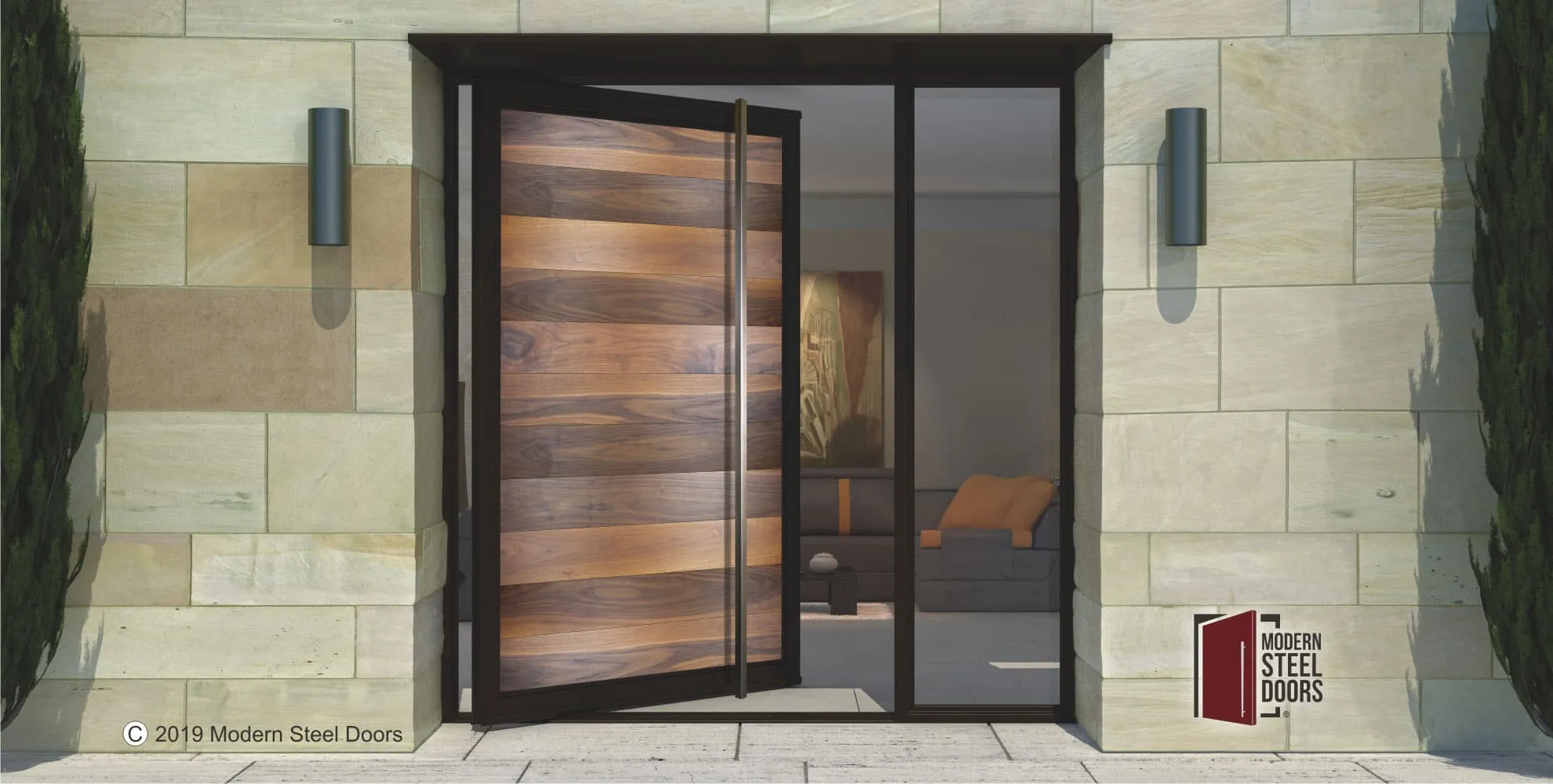
Walnut is a hardwood with rich, dark tones and a smooth grain. It’s more commonly seen on the inside of homes, but when properly sealed and maintained, it makes a striking exterior door. It offers solid durability and a luxurious finish that ages beautifully.
Best for: bold design statements, modern or mid-century homes, upscale renovations
Teak – Built for Harsh Weather

Teak is one of the most durable woods in the world. It’s naturally oily, which helps it resist water, decay, and even termites—without the need for heavy treatments. Though it’s one of the pricier options, teak is ideal for extreme weather conditions and long-term outdoor use.
Best for: coastal areas, tropical climates, luxury outdoor entrances
Best Woods for Interior Doors
Interior doors may not face the weather, but they still need to stand up to daily use—and look good while doing it. Whether you’re going for cozy, modern, or traditional, the right wood can bring out the best in your home’s style. Here are the top choices for indoor doors.
Oak (Red & White) – Strong and Full of Character
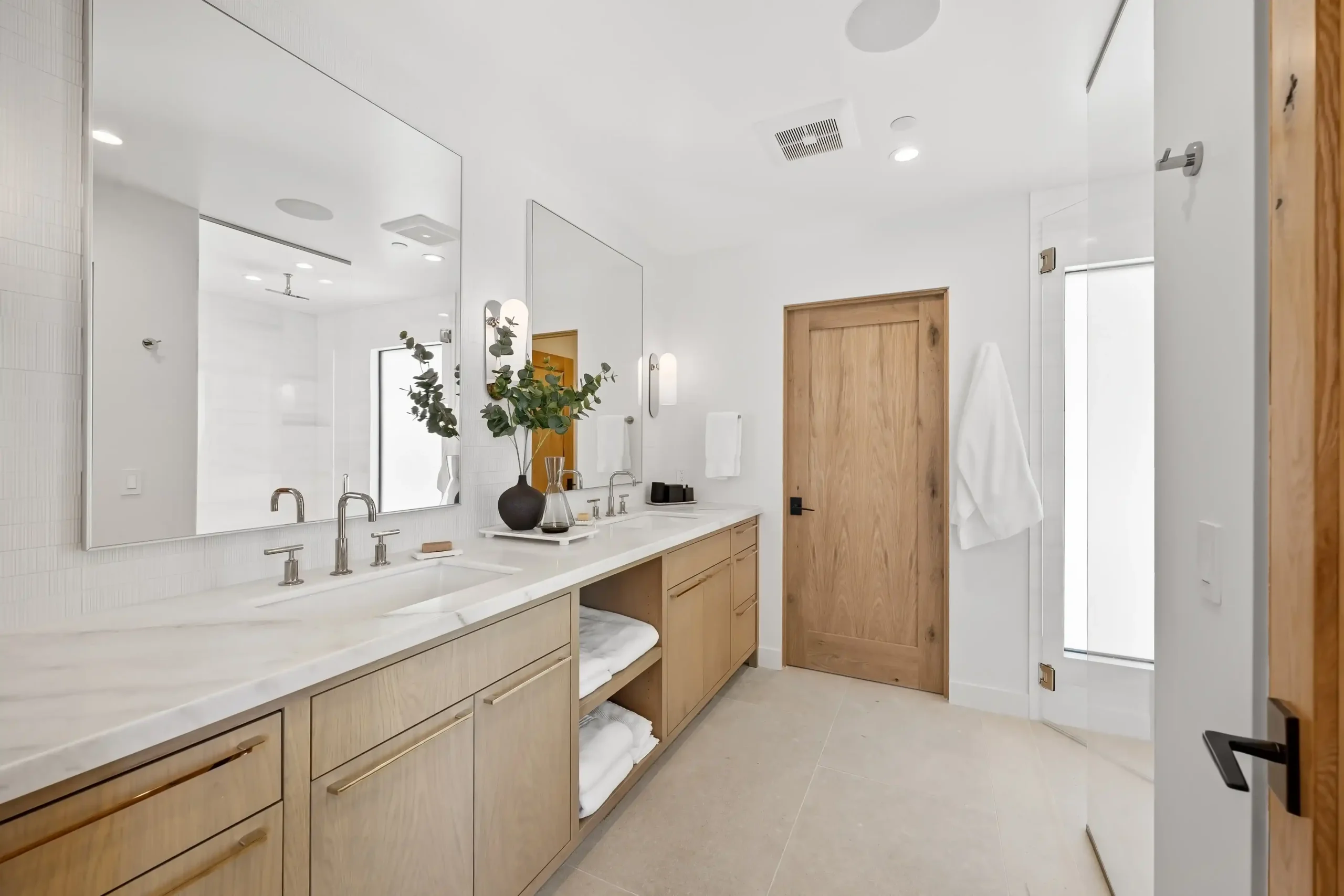
Oak is a classic choice for interior doors. It’s strong, durable, and packed with grain texture, giving your doors a bold and timeless appearance.
Red oak has a warm, slightly reddish tone.
White oak is a bit harder and more water-resistant, with a cooler, light tan color.
Both take stain beautifully and work well in traditional, rustic, or craftsman-style homes.
Best for: busy households, high-traffic rooms, natural wood finishes
Maple – Smooth and Versatile
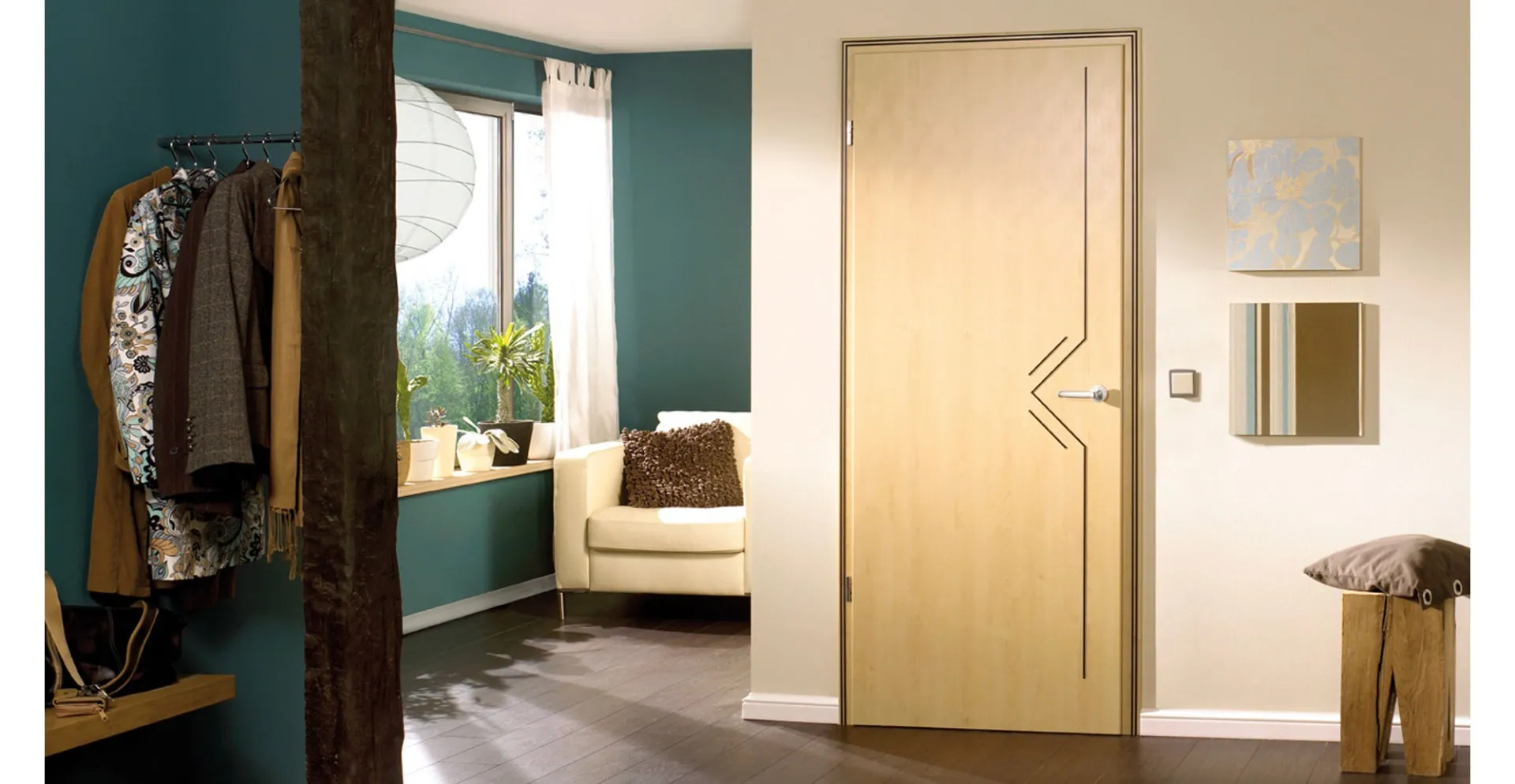
Maple has a clean, even grain that’s perfect for a modern look. It’s naturally light in color, which makes it ideal for bright finishes or subtle stains. Maple is a hardwood, so it stands up well to wear and tear in bedrooms, bathrooms, or offices.
Best for: minimalist or modern interiors, smooth painted or stained finishes
Poplar – Affordable and Paint-Ready
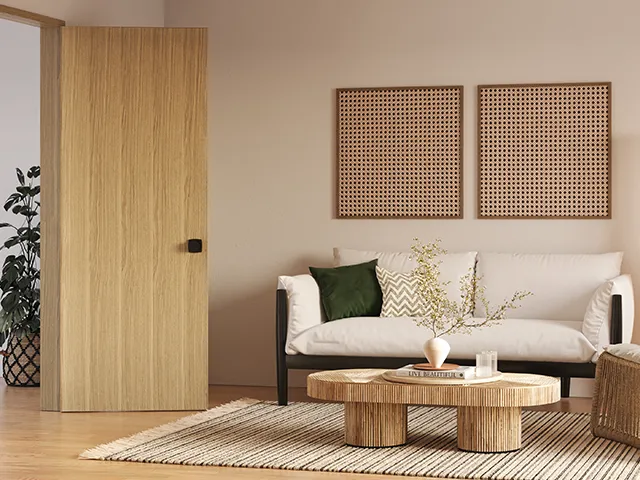
Poplar is a popular budget option for interior doors. It’s a soft hardwood that’s easy to work with and paints exceptionally well. While it doesn’t have the rich grain of oak or cherry, it’s great for smooth, painted doors where you want a clean and simple look without the cost of premium woods.
Best for: painted doors, cost-conscious projects, rentals or remodels
Knotty Alder – Rustic and Warm
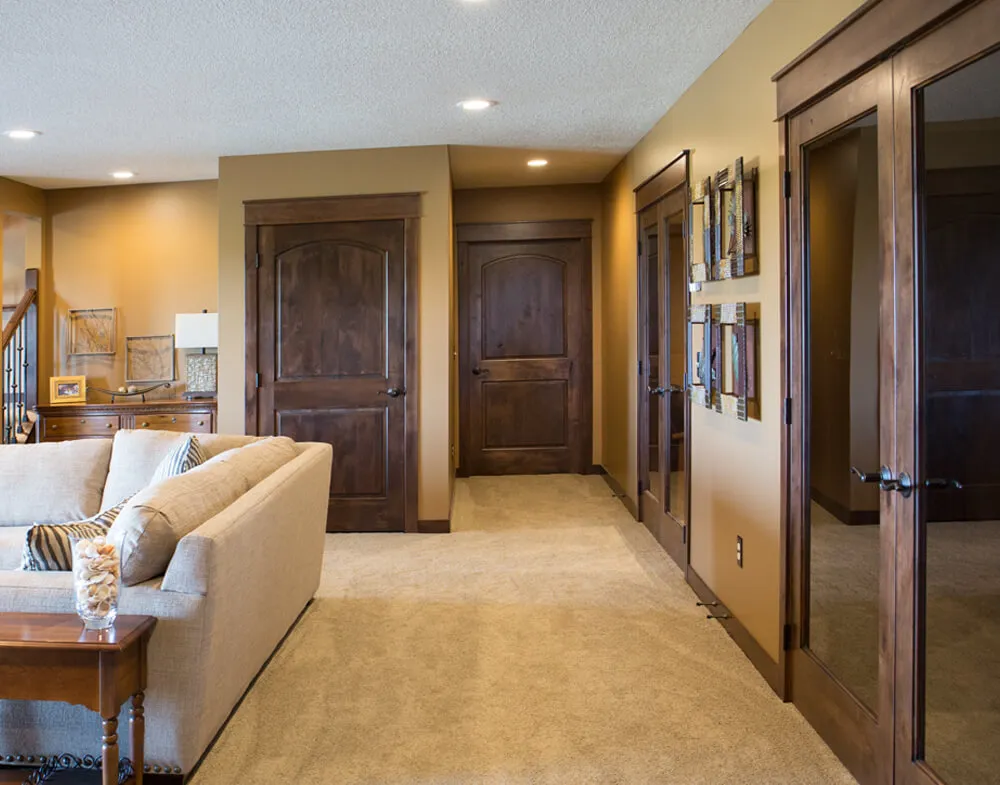
Knotty alder brings natural knots and warm tones that give it a casual, rustic look. It’s a softer wood, so it’s not ideal for rough use, but it adds loads of character. Often used in farmhouse, cabin, or southwestern-style homes.
Best for: rustic interiors, cabins, homes with lots of wood accents
Cherry & Birch – Elegant and Refined
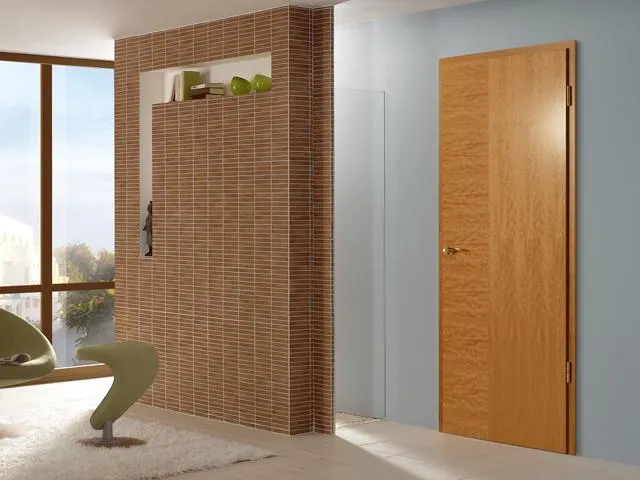
Cherry wood has a rich, reddish-brown tone that deepens with age, giving it a high-end feel. It’s smooth, strong, and perfect for elegant or traditional spaces.
Birch is lighter in color, with a subtle grain. It’s easy to finish and works well in modern or Scandinavian-style rooms.
Best for: refined spaces, custom woodwork, upscale interiors
Engineered & Veneer Options
Not every door needs to be made from solid wood. If you’re looking for something more budget-friendly, more stable, or more sustainable, engineered wood and veneer doors are great choices.
Engineered Wood Doors – Strong, Stable, and Eco-Friendly
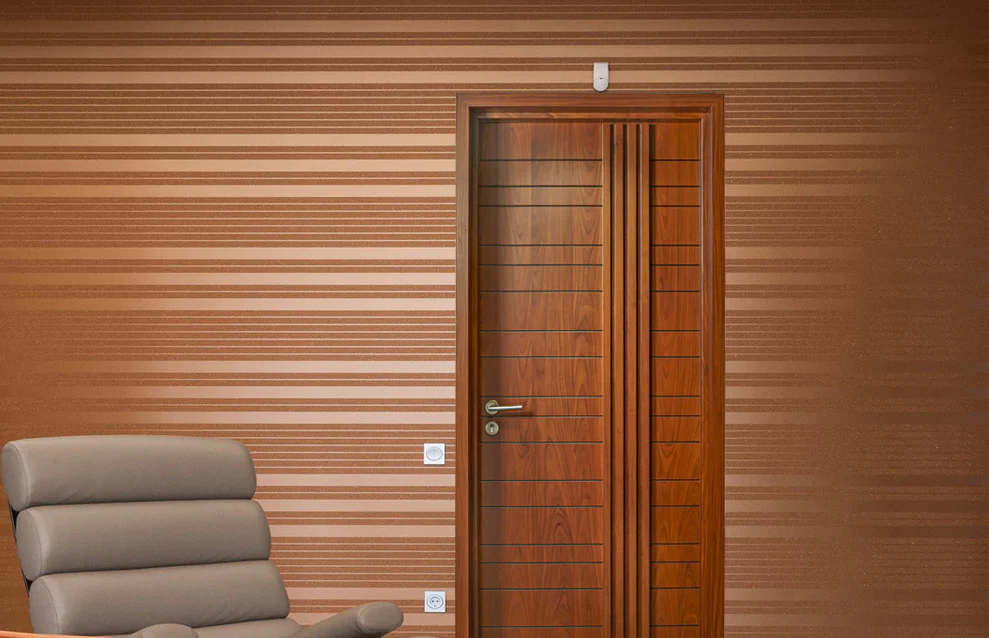
Engineered wood doors are made from layers of wood products, like MDF (medium-density fiberboard) or plywood, with a solid wood core or frame. They’re built to resist warping, shrinking, and swelling, which makes them ideal for modern homes with changing indoor humidity.
Many engineered doors are also more sustainable, since they use less hardwood and can be made from fast-growing trees or recycled materials.
Best for: interior doors, climate-controlled spaces, eco-conscious buyers
Wood Veneer Doors – Real Wood Look Without the Cost
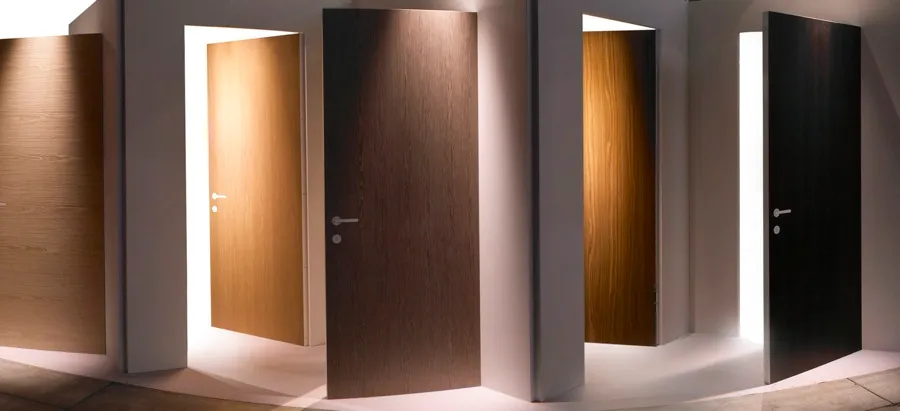
Wood veneer doors are made by placing a thin slice of real wood over a core of engineered material. This gives you the look and feel of natural wood—including its grain and color—without the price of a solid wood door.
They’re lighter in weight and often more affordable, making them perfect for large projects, offices, or modern homes where design matters but the budget is tight.
Best for: stylish interiors, painted or stained finishes, cost-effective renovations
Wood Selection Checklist
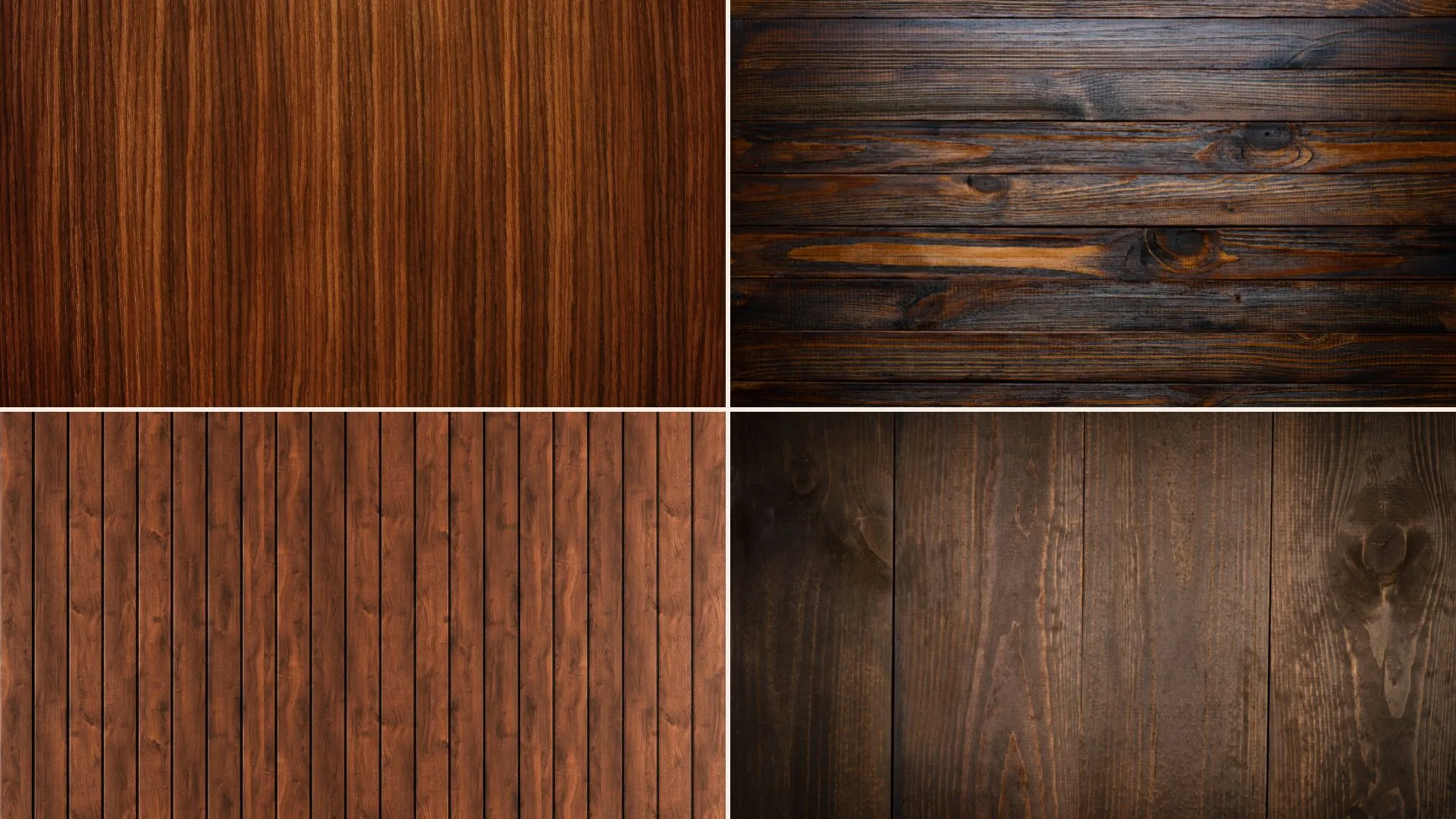
Still not sure which wood is right for your door? Here’s a quick checklist to help you narrow it down based on your needs, style, and values.
Match the Wood to Your Climate
Live in a humid or rainy area? Choose rot-resistant woods like mahogany, teak, or cedar.
Dry climates or covered entries? More options work well—like oak or fir.
Know If You’ll Paint or Stain

Want to stain? Pick woods with attractive grain patterns like oak, cherry, or walnut.
Planning to paint? Go with smoother, more affordable woods like poplar or MDF core.
Think About Long-Term Maintenance
Exterior doors need sealing and occasional refinishing—especially in direct sun or moisture.
Interior doors need less care, but hardwoods still last longer.
Consider Environmental Impact
Look for FSC-certified wood (Forest Stewardship Council) for eco-friendly harvesting.
Engineered wood and veneer doors use fewer natural resources and offer sustainable alternatives.
Care & Maintenance Tips

A wood door can last for decades—but only if you take good care of it. Whether it’s an interior or exterior door, regular maintenance helps protect against wear, warping, and weather damage.
Seal It Properly
For exterior doors, sealing is a must. Apply a high-quality wood sealer or exterior-grade paint or stain to all sides—yes, even the top and bottom edges. This keeps moisture out and prevents swelling or rot.
Tip: Reseal or refinish your exterior wood door every 1–2 years, especially if it’s exposed to direct sun or rain.
Protect from Sun and Moisture
If possible, install a small overhang or awning to protect your door from the elements. Constant sun exposure can fade finishes and dry out the wood, while rain or snow can cause swelling, warping, or mold over time.
Prevent Warping and Rot
Check your door every few months for signs of warping, cracking, or moisture damage.
Look around the bottom edge and frame—these areas tend to trap water and debris.
Make sure weatherstripping and thresholds are in good shape to keep moisture and drafts out.
Regular Cleaning
Dust or wipe down your wood doors with a soft cloth and gentle soap. Avoid harsh chemicals—they can strip the finish and dry out the wood.
Cost & Value Comparison
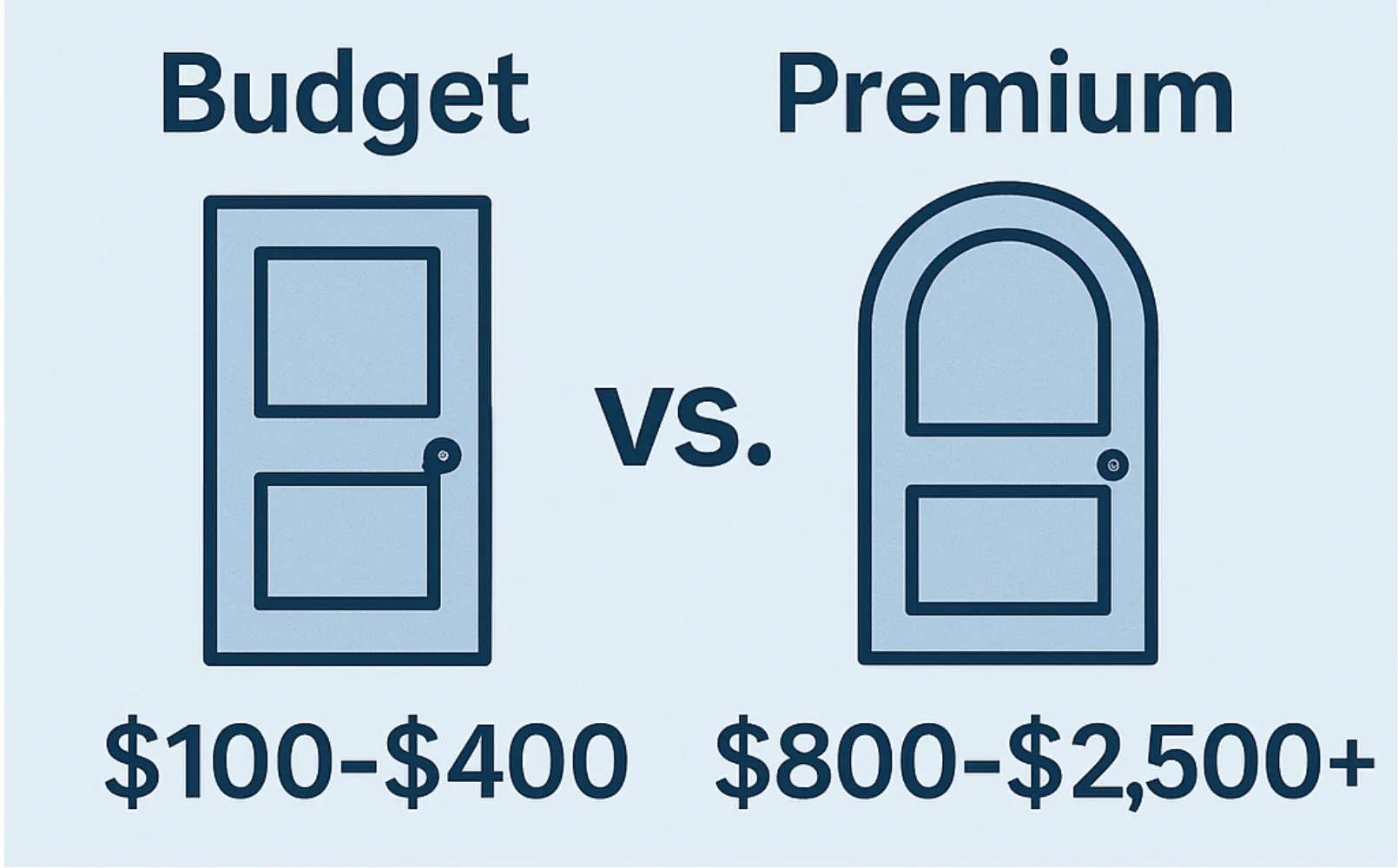
Wood doors come in a wide range of prices—so how do you know if you’re getting a good deal? Let’s break it down by comparing budget options with premium choices, and looking at long-term value.
Budget vs. Premium Woods
Budget-friendly woods like poplar, pine, or engineered wood are ideal for interior doors or short-term projects. These materials are easy to paint and install, and great for keeping costs low.
Average cost: $100–$400 per interior door
Mid-range woods like Douglas fir or red oak offer a nice balance of durability and affordability. They work well for both interior and sheltered exterior doors.
Average cost: $400–$800 per door
Premium woods like mahogany, walnut, cherry, or teak cost more upfront but offer superior strength, beauty, and weather resistance—perfect for exterior doors.
Average cost: $800–$2,500+ per exterior door
Long-Term ROI: Is It Worth Paying More?
Premium woods cost more at the start, but they often pay off in the long run through:
Longer lifespan with proper care (20–50+ years)
Fewer replacements or repairs
Higher curb appeal and resale value
Better energy performance when paired with proper sealing and insulation
If you’re building a forever home or want a low-maintenance entryway, investing in quality wood now can save money and hassle over time.
Trending Styles & Design Tips
Once you’ve picked the perfect wood, it’s time to think about style. The right finish, glass design, and hardware can take your wood door from simple to stunning.
Popular Finishes

Rustic: Think knotty alder or distressed oak with a matte stain. This style works beautifully in farmhouses, cabins, or homes with a cozy, natural vibe.
Modern: Clean lines, smooth grains (like maple or walnut), and darker stains or bold paint colors. Minimalist hardware completes the look.
Craftsman: Warm woods like mahogany or white oak, usually with a medium stain and vertical paneling. A timeless, handcrafted feel that suits both new and historic homes.
Glass or Panel Combos
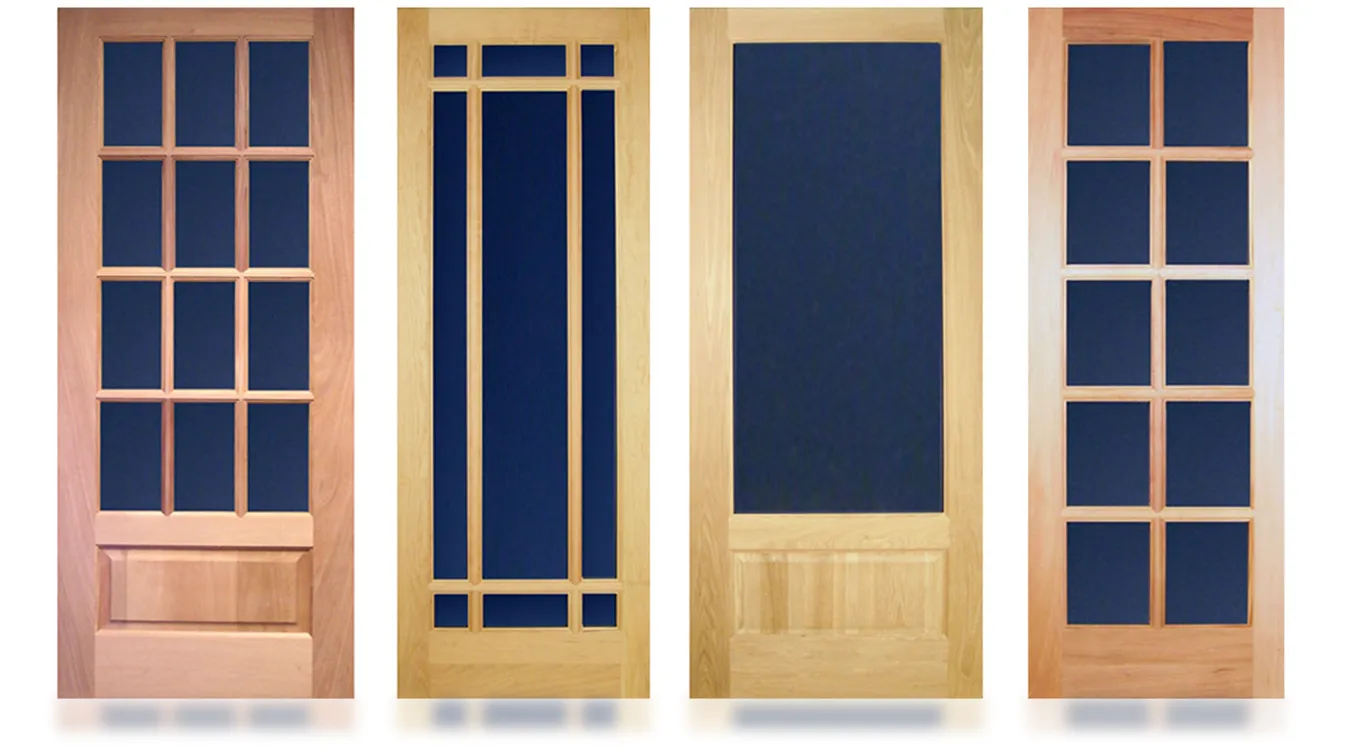
Glass inserts let in natural light and add character. Popular shapes include full-length, half-moon, or vertical side lites.
Frosted or textured glass offers privacy while still brightening entryways.
Raised or flat panels give depth to the design—raised for traditional charm, flat for modern appeal.
Want something unique? Try mixing wood panels with stained or decorative glass for a custom touch.
Hardware That Complements the Wood

Oil-rubbed bronze looks rich and aged—great with dark woods like walnut or mahogany.
Brushed nickel or chrome fits modern designs and lighter finishes.
Black matte hardware is a versatile favorite, adding contrast and bold style to both light and dark woods.
Don’t forget details like hinges, knobs, knockers, or even smart locks. These small pieces make a big impact.
Let Us Help You Find the Perfect Door or Window

Looking for a door that’s not only beautiful but built to last? Or windows that match your home’s style while boosting comfort and energy savings?
We specialize in custom doors and windows designed to fit your space, style, and budget. Whether you’re building new, remodeling, or upgrading your entryway—we’re here to help.
Contact us today to explore your options, get expert advice, or request a free quote. Our team is ready to bring your vision to life with high-quality materials and professional service.
FAQs About Wood Door