














What Is a Pivot Door?

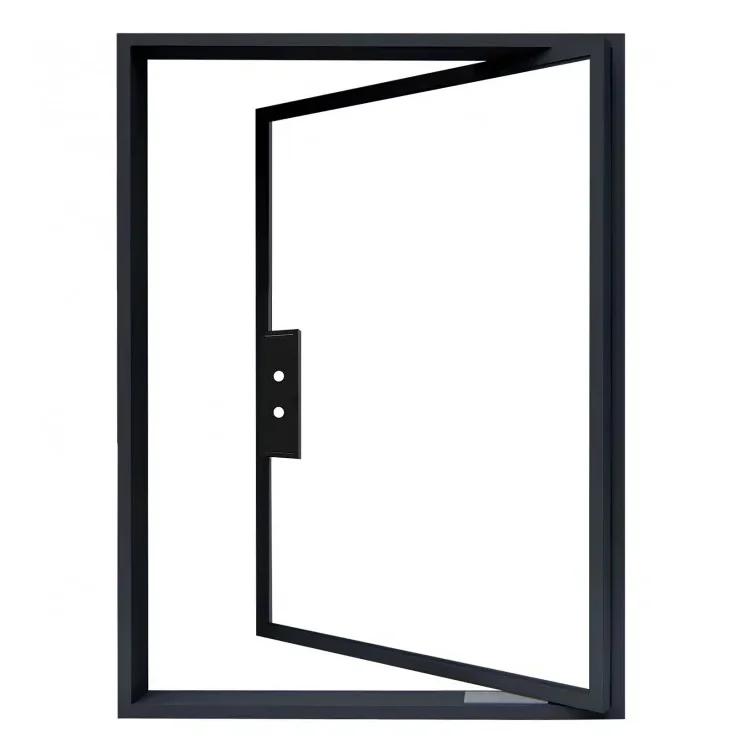
A pivot door is not your average door—it’s a sleek, modern design that turns on a pivot hinge, instead of swinging on side-mounted hinges like most traditional doors.
Instead of being attached at the edge, a pivot door rotates on two pivot points: one at the top and one at the bottom of the door. These pivots are usually set a few inches in from the side, which gives the door a unique, smooth swinging motion. It feels almost like the door is floating as it opens and closes.
This design allows for larger, heavier doors to move easily and gracefully—perfect for wide entryways or bold design statements in both homes and commercial spaces.
How Pivot Doors Work

Pivot doors might look simple, but there’s smart engineering behind that smooth, effortless swing.
The Pivot Hinge System
Unlike regular doors that hang from side hinges, a pivot door is supported by two pivot points—one at the top and one at the bottom of the door. These pivots are usually placed a few inches in from the edge (not right at the corner), creating an offset axis.
This off-center rotation means the door opens from the middle, or even closer to the center of the panel, depending on the design. It’s what gives pivot doors their signature “glide” and dramatic look.
Balanced for Smooth Movement
Because of this pivot system, the door’s weight is evenly distributed between the floor and ceiling—not just hanging from one side. This lets designers use larger and heavier materials (like solid wood or steel) without worrying about sagging or dragging over time.
With the right hardware, pivot doors open and close with a gentle push, making them feel smooth and modern—even if they weigh hundreds of pounds.
Pros and Cons of Pivot Doors

Pivot doors bring bold style and modern function—but like any design choice, they come with their ups and downs. Here’s a balanced look at the pros and cons to help you decide if a pivot door is right for your space.
Pros of Pivot Doors
- Handles Large, Heavy Doors Easily
Thanks to the pivot hardware, these doors can support extra-wide or heavy panels that would be too much for standard hinges. Perfect for dramatic front entrances or commercial spaces. - Sleek, Modern Aesthetic
Pivot doors offer a clean, architectural look. The off-center swing and frameless appearance create a striking design feature that feels custom and high-end. - Flexible Material Choices
Want glass, metal, solid wood, or even marble? Pivot hinges can handle them. The design works with a wide range of materials, giving you more creative freedom. - Smooth, Effortless Operation
Well-designed pivot doors open with a gentle push, even when they’re oversized. The weight is balanced, so the movement feels light and fluid. - Better Sound Insulation (with Solid Wood)
When made with dense materials like solid wood, pivot doors can block out noise effectively—great for private offices, home theaters, or busy streets.
Cons of Pivot Doors
- Less Airtight than Traditional Doors
Because of their pivot mechanism and frame design, pivot doors don’t seal as tightly as hinged doors. This can make them less energy-efficient unless extra weatherproofing is added. - Not Ideal for Every Climate
In very wet or windy areas, pivot doors may let in drafts or water unless carefully installed with overhead protection or seals. - Safety Concerns for Kids and Pets
The way pivot doors swing can create pinch points along the edges. If not handled carefully, little fingers or paws could get caught during operation. - Higher Cost & Maintenance
Pivot doors often cost more than traditional ones, especially with custom materials and hardware. They may also need occasional adjustments to stay aligned and working smoothly.
Materials & Styles
One of the best things about pivot doors is how versatile they are. Whether you’re going for bold and modern or warm and rustic, there’s a material and style to match your vision.
Wood

Wood pivot doors are a classic choice. From rich mahogany and walnut to clean oak or teak, wood offers natural warmth and strong sound insulation. You can stain it for a natural look or paint it to match your home’s palette.
Best for: traditional homes, rustic styles, or when you want a solid, luxurious feel.
Glass

Glass pivot doors are sleek and modern. You can go full glass for a clean, open look—or add frosted, tinted, or textured panels for privacy and style. Glass also pairs beautifully with metal or wood frames.
Best for: interior spaces, modern homes, or offices that want light flow and a minimal feel.
Steel
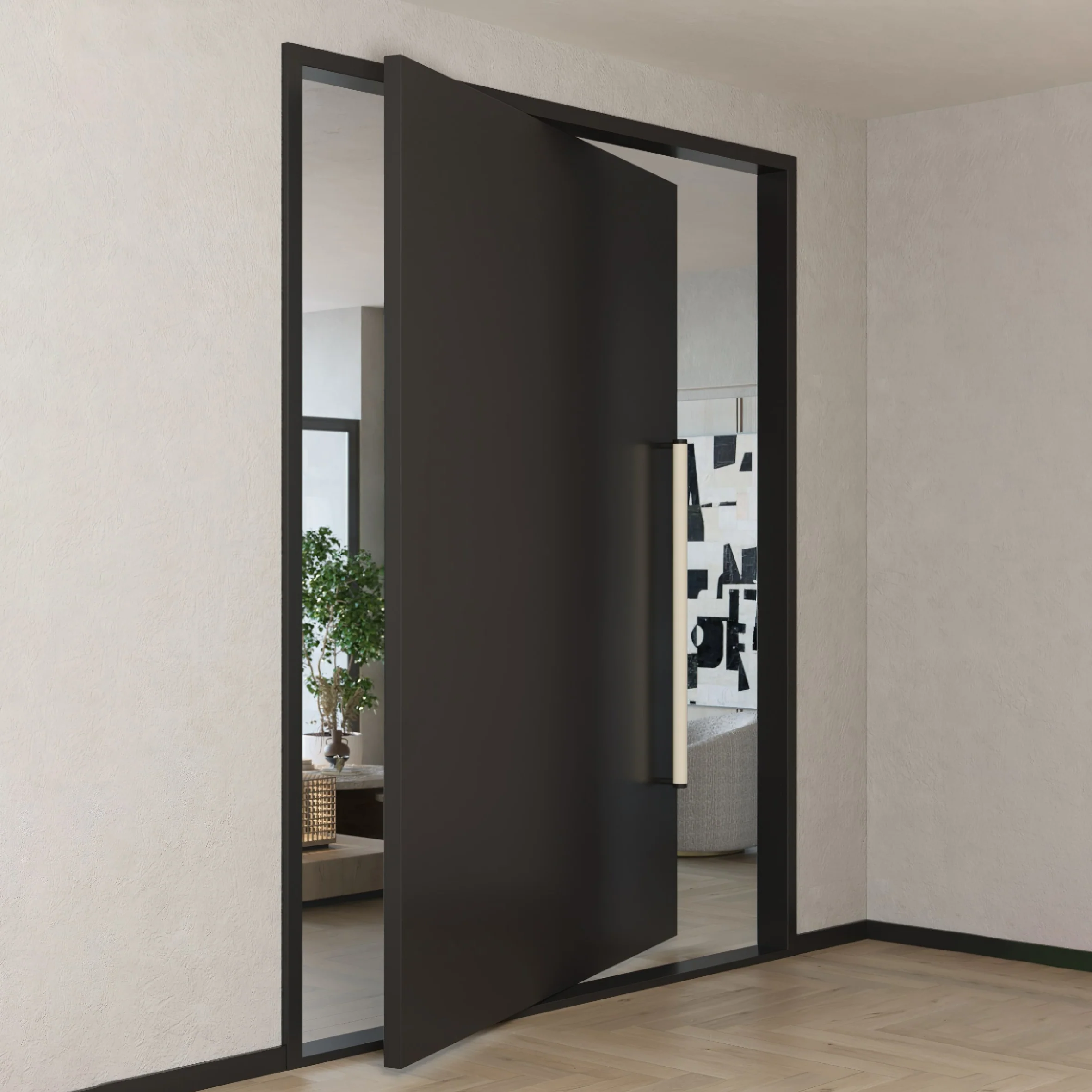
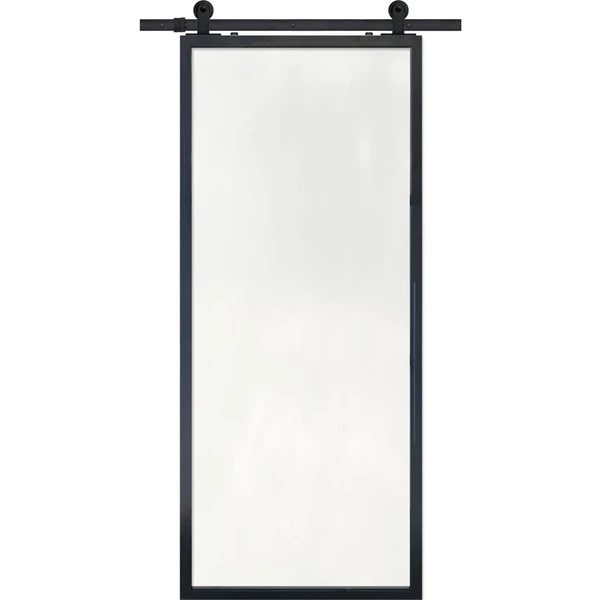
Steel pivot doors make a bold statement. They’re strong, durable, and great for industrial or contemporary styles. Many designs feature slim steel frames with glass panels for a high-end, architectural look.
Best for: modern or commercial spaces, or homeowners who love clean lines and a bit of edge.
Aluminum
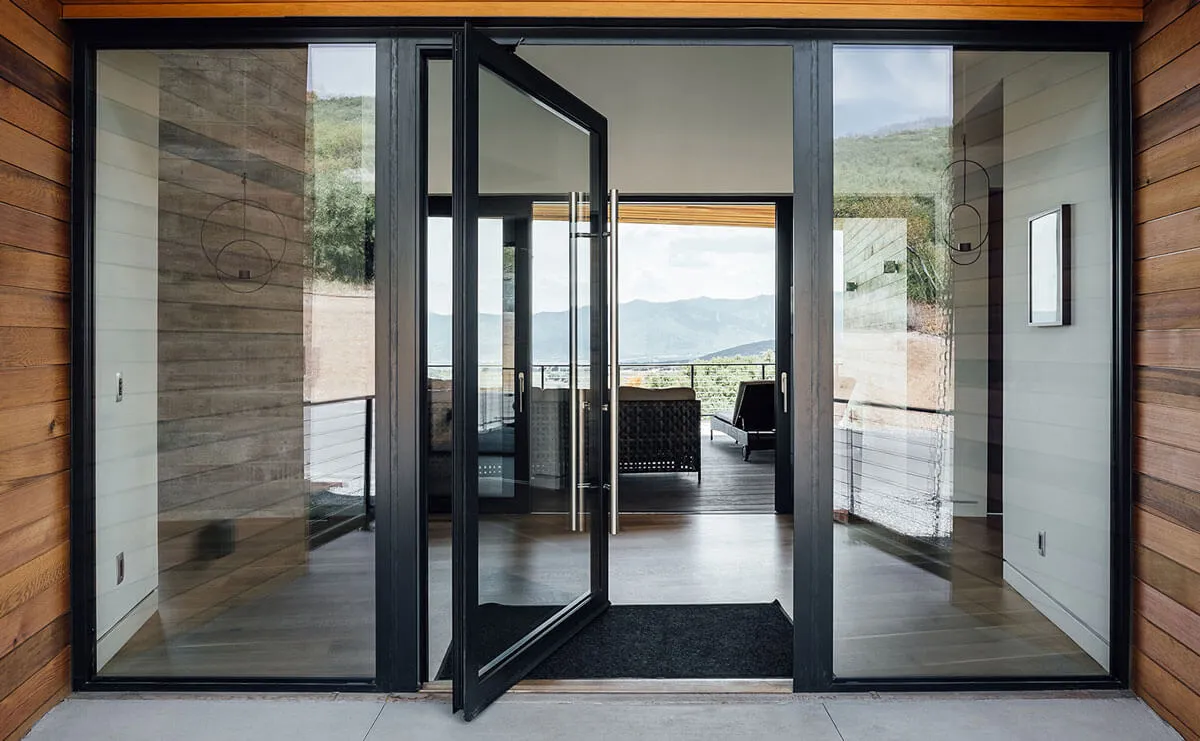
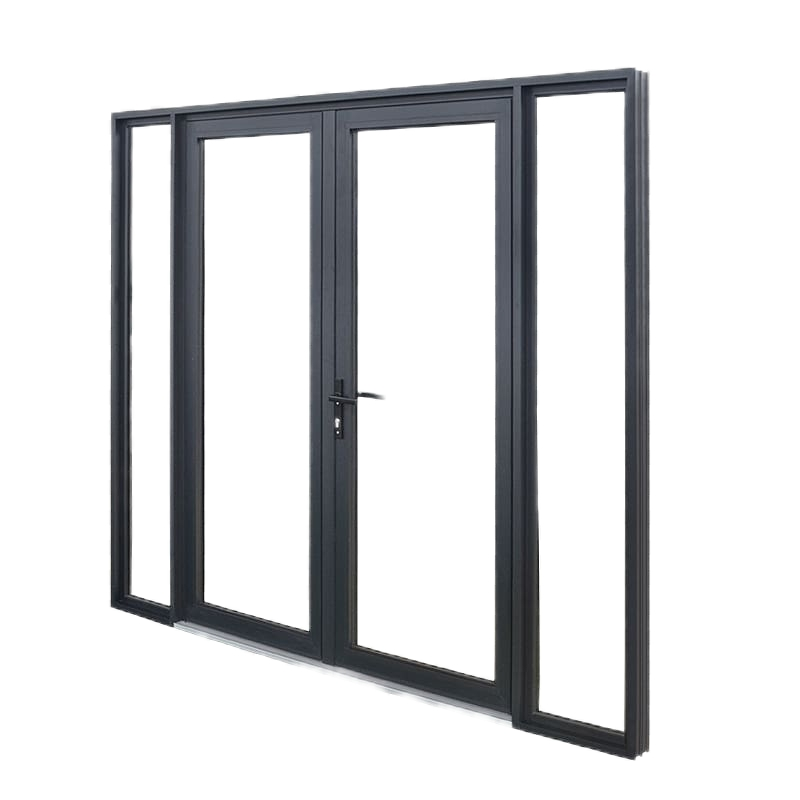
Aluminum pivot doors are lightweight, durable, and resistant to corrosion, making them an excellent choice for coastal or humid environments. They often feature powder-coated finishes in various colors and can be combined with glass for a modern, streamlined look.
Best for: modern homes, outdoor use, and low-maintenance design.
Marble or Composite Panels

For something truly unique, some luxury homes use marble, concrete, or custom composite materials. These designs push boundaries and turn the door into a piece of art.
Best for: ultra-modern homes, show-stopping entries, or design-forward renovations.
Popular Styles

Modern/Minimalist: clean lines, hidden hardware, smooth finishes
Rustic/Natural: knotty wood, earthy stains, bold grain patterns
Industrial: metal accents, black steel, exposed pivot hardware
Custom/Artistic: mixed materials, creative shapes, unique finishes
Installation & Hardware
Installing a pivot door isn’t quite like putting in a regular door—it takes precision, the right hardware, and smart planning to make sure everything works smoothly and lasts a long time.
Hardware That Makes the Difference
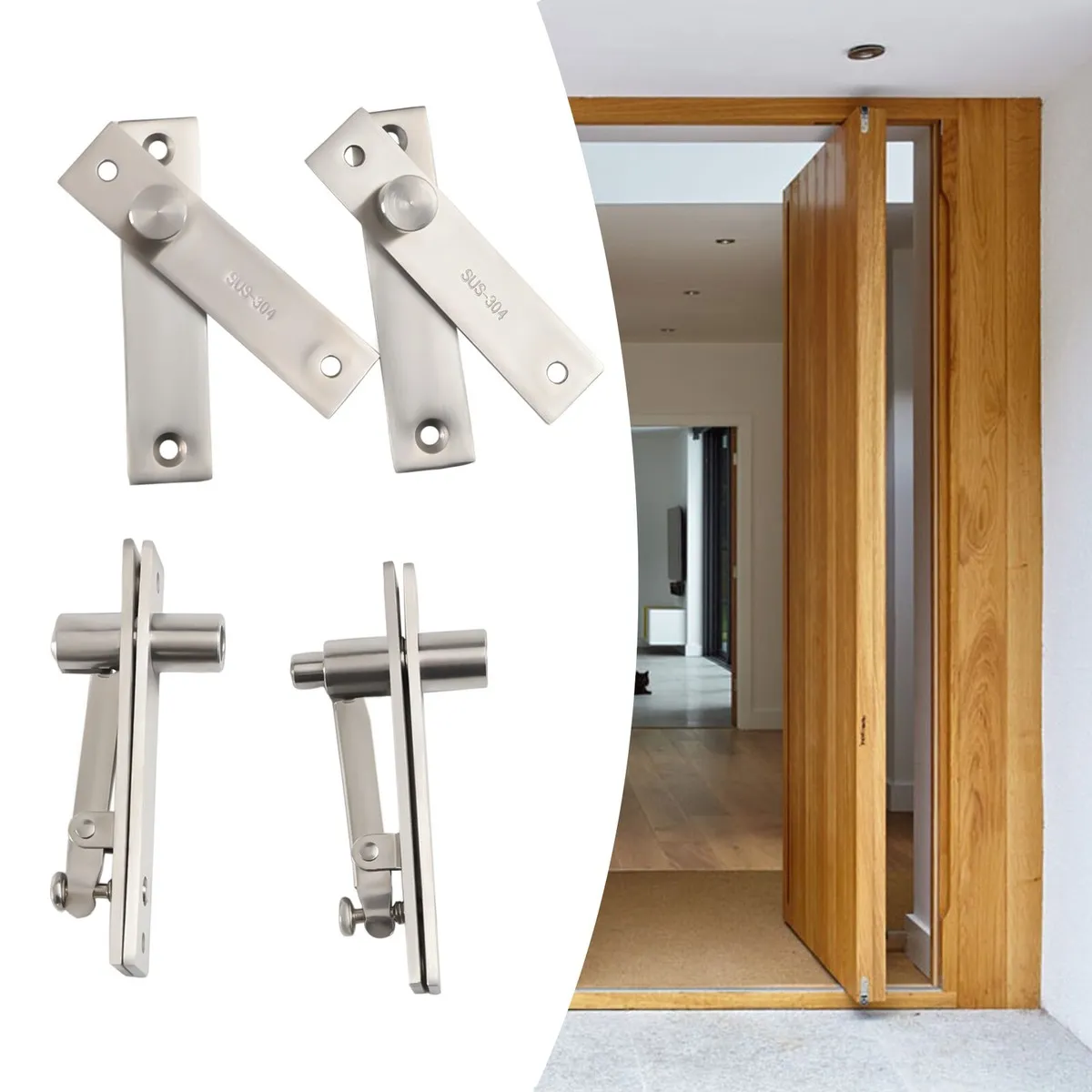
High-quality pivot doors often use specialized hardware, including:
Concealed closers – built into the door to provide smooth, controlled closing
Multi-point locking systems – add extra security by locking at several points along the frame
Soft-close or self-closing pivots – prevent slamming and extend the life of the door
Thermal breaks or seals – help improve energy efficiency, especially for exterior use
Hardware should match the weight, size, and material of your door to ensure smooth operation and long-term durability.
Installation Tips
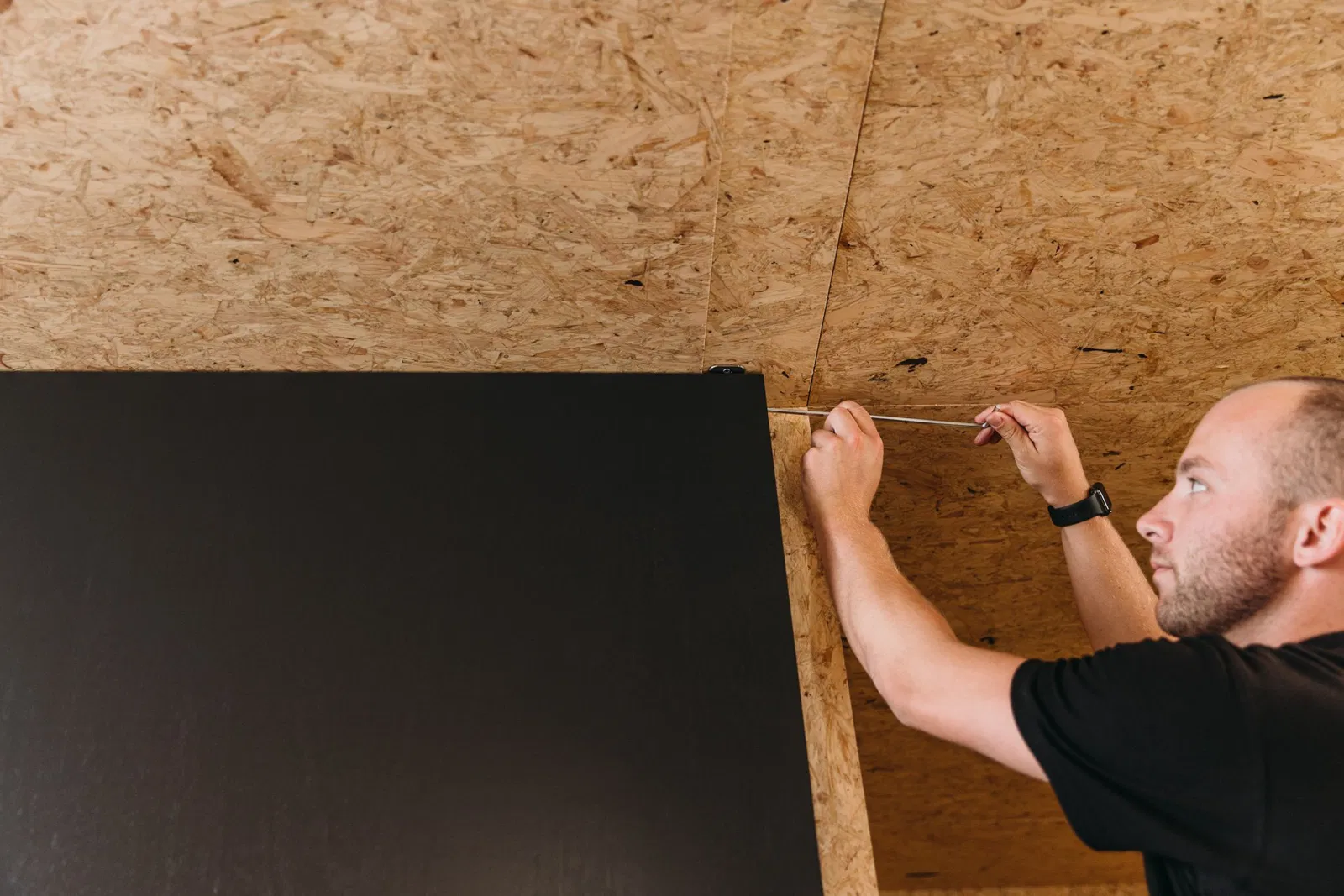
Because pivot doors are often heavier and wider than regular doors, they need precise engineering and professional installation. Even slight misalignment can cause the door to drag, leak air, or wear out hardware too fast.
For exterior doors, it’s important to have an overhang or canopy to protect against heavy rain, direct sun, and wind. This helps prevent warping, water damage, and seal failure over time.
Interior vs. Exterior Use
Pivot doors can be used both inside and outside the home—but each setting comes with different needs and benefits.
Exterior Pivot Doors

Pivot doors are a bold choice for entryways. Their size and swing style make an unforgettable first impression. But because of their structure, they need extra care in outdoor settings.
Things to keep in mind:
They work best in sheltered entries, such as under a porch or overhang, to protect from rain, wind, and harsh sunlight.
Without proper sealing, pivot doors can be less airtight than traditional hinged doors, which may affect energy efficiency.
Use high-quality hardware and consider thermal breaks or weatherproofing to prevent drafts or water intrusion.
Best for: modern front doors, luxury homes, or entryways with architectural impact
Interior Pivot Doors

Inside the home, pivot doors offer a sleek and space-saving solution. Since they swing on a center axis, they don’t require the full clearance of a side-hinged door, making them ideal for:
Open-concept living spaces
Home offices, closets, or media rooms
Artistic room dividers or hidden doors
They also add a high-end, custom touch to interiors with their minimalist design and smooth movement.
Best for: modern homes, design-focused interiors, or spaces where style meets function
Design Trends
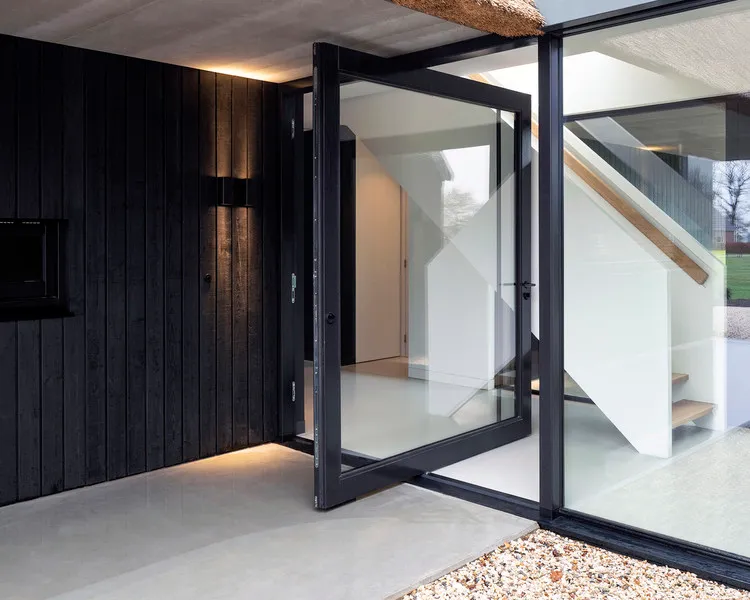
Pivot doors aren’t just functional—they’re a statement. Today’s top designers and architects are using pivot doors in creative ways to enhance both form and flow.
Trending Pivot Door Designs
#1 Oversized Entry Doors
Big, bold, and beautiful—extra-wide pivot doors (sometimes over 5 feet wide or 10 feet tall) are a major trend in luxury homes. They instantly grab attention and create a sense of scale that’s hard to match with traditional doors.
#2 Glass Wall Integration
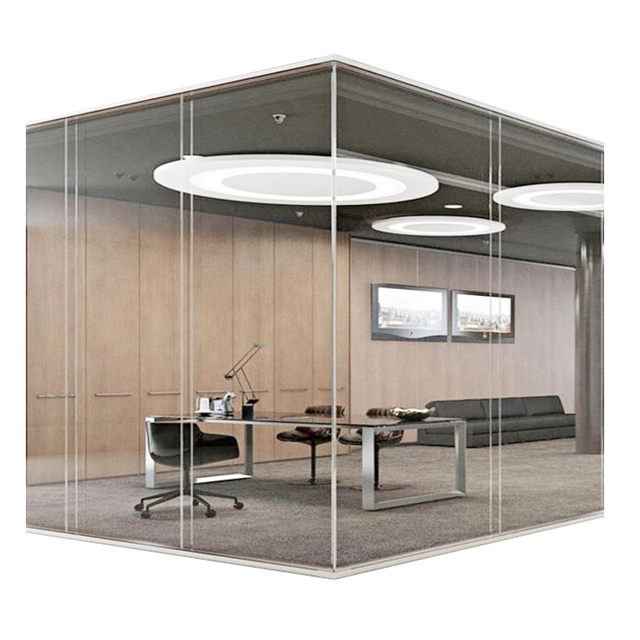
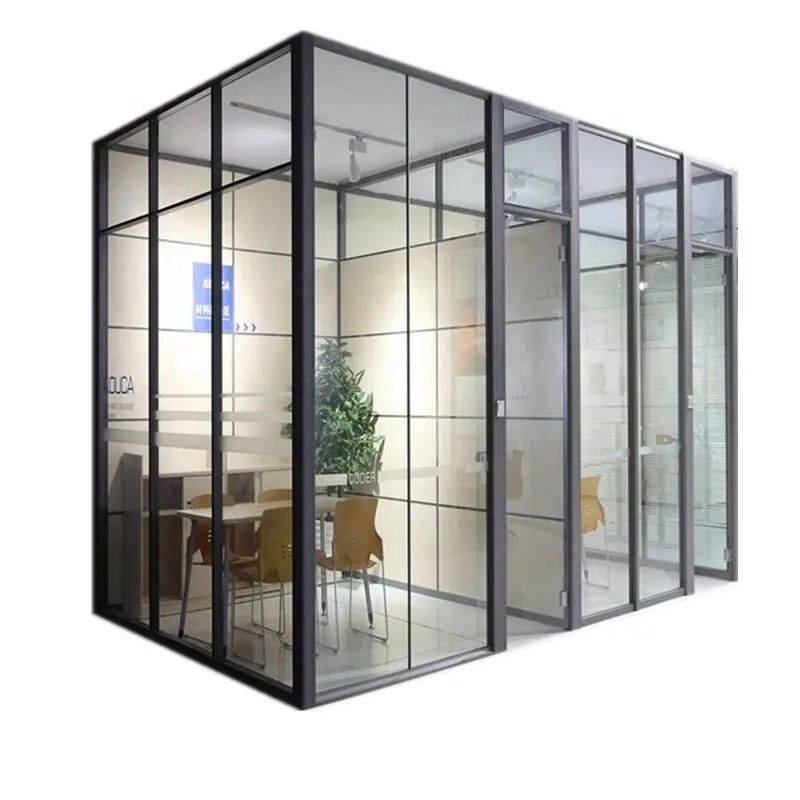
Pivot doors are often used in frameless glass walls or large glass panels, blending indoor and outdoor spaces. This design trend is especially popular in modern and minimalist homes where light and openness are priorities.
#3 Floating, Minimalist Look
With concealed pivot hinges and flush panels, the door appears to float. This clean, seamless style is trending in modern architecture and adds a high-end finish to both interiors and exteriors.
#4 Mixed Materials
Designers are combining wood with glass, metal with stone, or even textured finishes like bronze or concrete to create pivot doors that double as art pieces.
Designer Hardware That Complements the Look
Top pivot doors now feature premium hardware like:
Harmon hinges – known for their strength and minimal visibility
Concealed closers – that blend into the design for a seamless finish
Custom pulls and locks – in matte black, brushed brass, or stainless steel
Comparison to Other Door Types

Pivot doors offer a unique style and operation, but how do they stack up against more traditional door types?
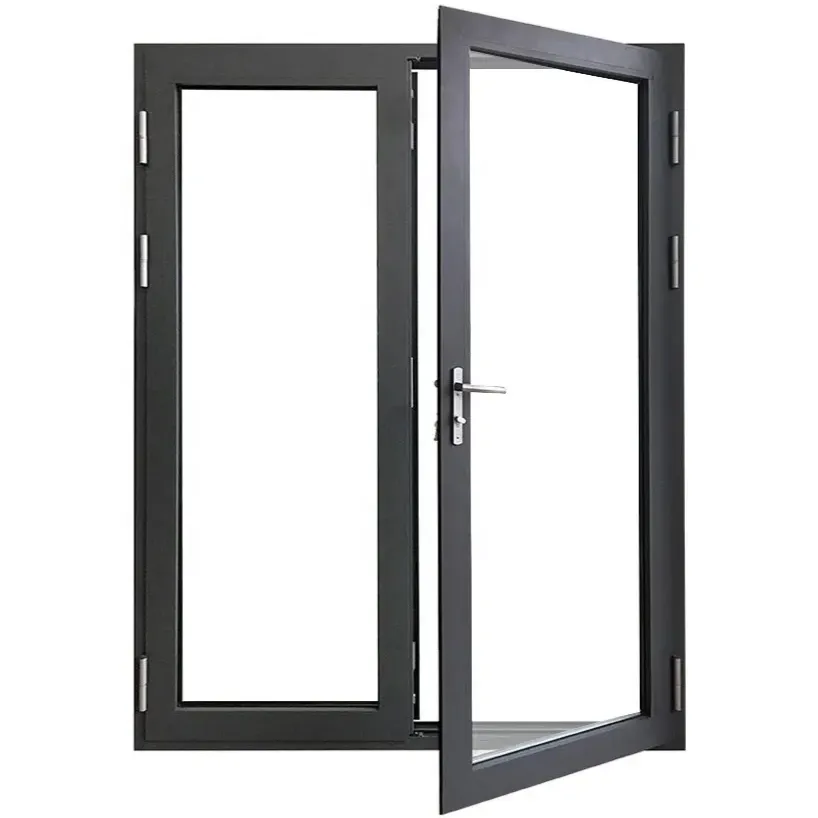
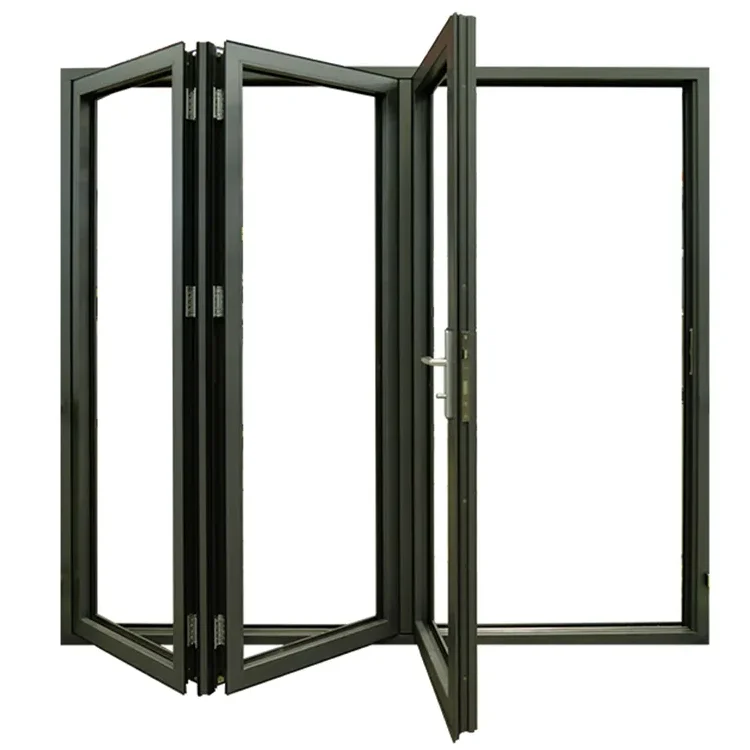
| Feature | Pivot Door | Hinged Door | Sliding Door | Bi-Fold Door |
|---|---|---|---|---|
| Aesthetic Appeal | Modern, bold, architectural | Classic and versatile | Minimal and space-saving | Open, wide views |
| Space Requirement | Needs room to swing from center axis | Requires side clearance to open | Great for tight or narrow spaces | Folds into panels; needs some clearance |
| Weather Sealing | Less airtight; needs sealing upgrades | Typically better sealing | Moderate sealing with good track systems | Varies; can be drafty if not well-installed |
| Size Capability | Ideal for oversized doors | Limited by hinge strength | Good for large openings | Best for medium to large openings |
| Cost Range | High (custom build & hardware) | Low to moderate | Moderate to high | Moderate |
Maintenance & Safety Tips

Pivot doors are built to last, but like any premium feature, they need a little care to stay in top shape. Here’s how to keep your pivot door operating smoothly—and safely.
Regular Maintenance
Check the pivot hardware every 6–12 months. Look for any loosening, shifting, or wear in the top and bottom pivots. Tighten or adjust as needed.
Inspect seals and weatherstripping, especially on exterior doors. Replace worn-out seals to keep drafts, moisture, and pests out.
Clean door surfaces and hardware with mild soap and water. Avoid harsh chemicals, especially on wood or metal finishes.
Child & Pet Safety
Pivot doors swing from the center, which means the edges (especially near the handle side) can create pinch zones. These areas can be a hazard for small children or pets.
Here’s how to reduce the risk:
Install soft-close or dampened pivot systems to slow the swing and prevent slamming.
Supervise young children around large pivot doors—especially heavy ones.
Use clear floor markings or stop buffers to remind kids where not to stand.
Long-Term Care Tips
For wood doors, reapply stain or sealant every few years to protect against sun and moisture damage.
If your pivot door is exposed to rain or wind, check the drainage and flashing around the frame to prevent leaks.
If you notice sagging or sticking, call a professional to realign the pivot mechanism—it’s an easy fix when caught early.
Ready to Elevate Your Space with a Pivot Door?

Whether you’re designing a luxury entryway or updating your interior with a bold, modern touch, a pivot door can transform the look and feel of your space.
We specialize in custom pivot doors crafted with premium materials and expert engineering. From sleek glass panels to durable aluminum doors, we’ll help you bring your vision to life—with quality you can count on.
Contact us today to explore your design options, get a free quote, or speak with our pivot door specialists.
FAQs About Pivot Doors