
















Taking a door off its hinges is one of those simple DIY tasks that can make a big difference. You might need to remove a door when painting or refinishing, installing new flooring, or replacing old hardware. Sometimes it’s just to make space for moving large furniture or to realign a door that’s sticking or squeaking.

Whatever the reason, removing a door properly prevents damage to both the door and frame — and saves you from extra repair work later. Before you begin, take a minute to prepare your workspace. Clear the area on both sides of the door, and make sure you have a stable surface to set it on once it’s removed. A little planning upfront keeps the process quick, safe, and stress-free.
Tools & Materials You’ll Need
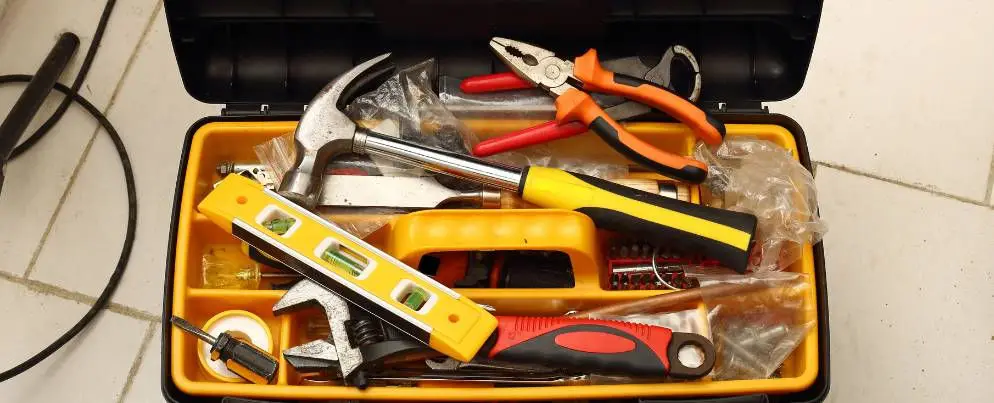
You don’t need fancy equipment — just a few basic tools that most homeowners already have. Here’s what you’ll want to gather before starting:
Hammer – To tap hinge pins or loosen tight parts.
Screwdriver (Phillips or flathead) – For removing hinge screws or hardware.
Pin punch or nail – Helps drive out stubborn hinge pins without damaging the metal.
Cardboard or towel support – Placed under the door to prevent scratching floors or sudden drops.
Optional but helpful extras:
Utility knife – To score paint lines around hinges or trim so they don’t peel.
Pry bar or putty knife – For gently loosening trim, molding, or stuck hinges.
With these tools on hand, you’ll be ready to remove any door — cleanly, safely, and without damaging your frame or floor.
Step 1: Clear the Area & Support the Door

Before you start taking things apart, make sure your workspace is clear. Move any furniture, rugs, or obstacles away from both sides of the door so you have enough room to work safely. Next, place a wedge, towel, or piece of cardboard under the bottom edge of the door. This simple step supports the weight of the door and keeps it from dropping or straining the hinges as you work.
A stable base is key — it not only protects your floor from scratches but also makes the removal process smoother and safer, especially for heavier or solid wood doors.
Step 2: Remove Door Hardware (Knob, Locks, Hinges)

Once the door is supported, it’s time to remove the door hardware. Start with the doorknob and lockset, unscrewing both sides carefully. Then, remove the strike plate from the door frame if it might get in the way later.
Next, move on to the hinges. If the hinge plates are attached with exposed screws, go ahead and loosen them a bit. This small step reduces tension and makes the door easier to lift once the hinge pins are out. Removing hardware early also helps you avoid sudden shifts in weight — keeping the door balanced and under control throughout the process.
Step 3: Remove Hinge Pins or Screws

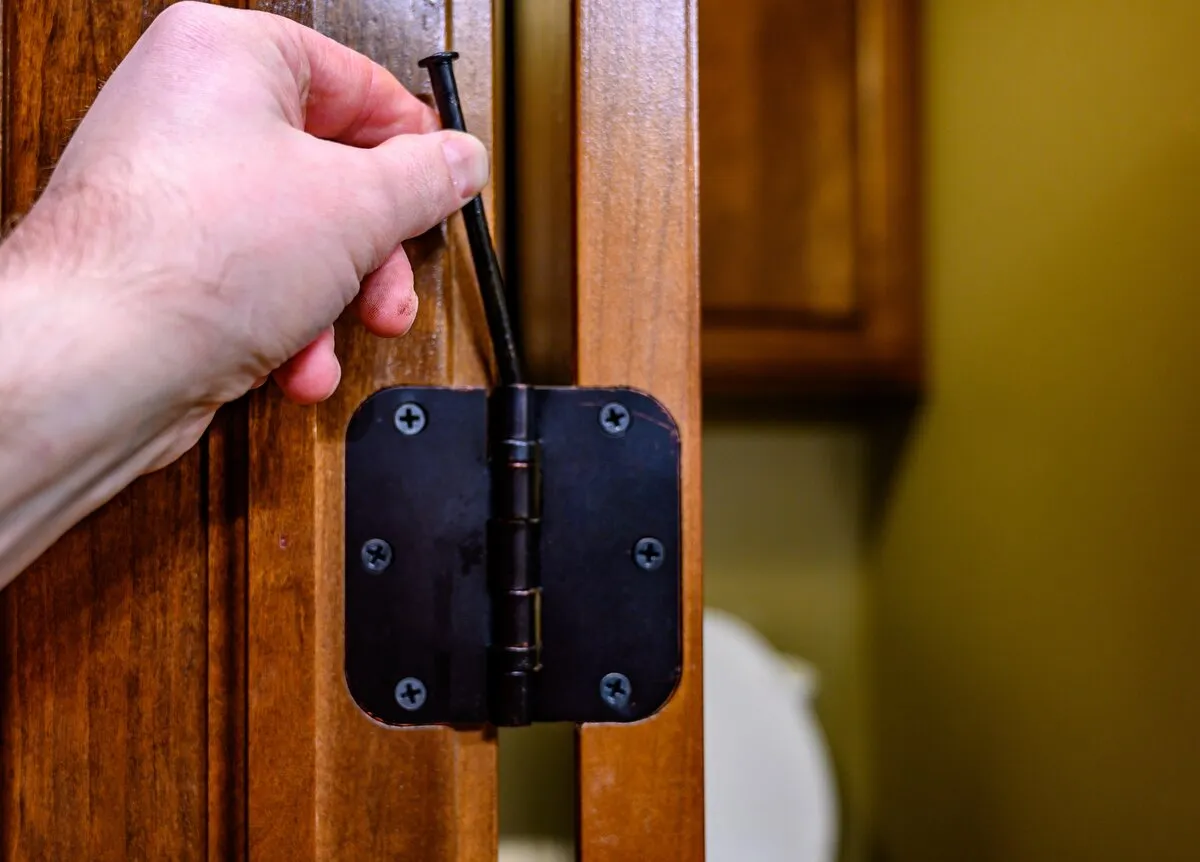
With your door supported and hardware loosened, it’s time for the main event — removing the hinge pins. Use a hammer and nail (or pin punch) to tap the bottom of each hinge pin upward. Once it pops loose, pull it out gently by hand or with pliers.
If your hinges don’t have removable pins, simply unscrew the hinge plates from either the door or frame. Always start from the top hinge first — that way, the door doesn’t twist or jam as you remove the others. When the last pin or screw is out, your door should lift off smoothly and easily.
Step 4: Lift the Door Safely Off the Frame

Once all the hinge pins or screws are out, you’re ready to lift the door off its frame. Stand on the hinge side, hold the door firmly by the edges, and tilt it slightly toward you. This releases any remaining pressure on the hinges. Then, lift straight up and swing it out slowly.
If the door is heavy — like a solid wood or glass model — don’t try to handle it alone. Ask for help to avoid straining your back or dropping it. Place the door gently on a flat surface or wall with padding underneath to prevent scratches or cracks.
A controlled lift is the key to keeping both you and the door safe during removal.
Step 5: (Optional) Remove the Door Frame or Casing

If you’re planning to replace the entire door unit, update your trim, or install new flooring, you may also need to remove the door frame or casing. This step takes a bit more care.
Start by using a utility knife to score along the edges where the trim meets the wall — this prevents paint or drywall from tearing. Then, gently insert a pry bar or putty knife between the casing and wall to lift it off in small sections. Work slowly and evenly to avoid bending or cracking the trim.
This careful approach helps preserve both your wall and frame, especially if you plan to reuse the woodwork or reinstall new trim later.
Troubleshooting Common Issues
Sometimes, removing a door isn’t as simple as it looks — especially if the hardware has seen years of use. Here are a few common problems and how to fix them quickly:
Stuck hinge pins: Spray a little penetrating lubricant like WD-40 on the hinge and tap gently with a hammer to loosen the pin. Wiggle it out with pliers once it starts moving.
Stripped screws: Use the correct screwdriver bit size and apply firm, steady pressure. If the screw head is too worn, try gripping it with locking pliers or use a screw extractor tool.
Warped or tight frames: Older doors can shift over time. If the hinges seem stuck or uneven, gently pry the hinge leaves apart or loosen the screws slightly before lifting the door.
A few extra minutes of patience here prevents damage — and makes reinstalling the door much smoother later.
How to Reinstall or Replace the Door After Removal

When it’s time to put the door back on, the process is just as straightforward in reverse. Align the hinges with their slots and hold the door in place using a wedge or helper for support.
Once the hinge leaves are lined up, insert the hinge pins (or screws) from top to bottom. This ensures proper balance as you secure the door. After the hinges are tight, test the swing — the door should open and close smoothly without rubbing or sticking.
If needed, make small adjustments by loosening the hinge screws and shifting the door slightly. Once it fits perfectly, tighten everything, reinstall your knob and latch, and check that the latch aligns with the strike plate.
A few careful tweaks now will ensure your door operates like new — no squeaks, no drags, and no uneven gaps.
Need Help with Door Removal or Installation?
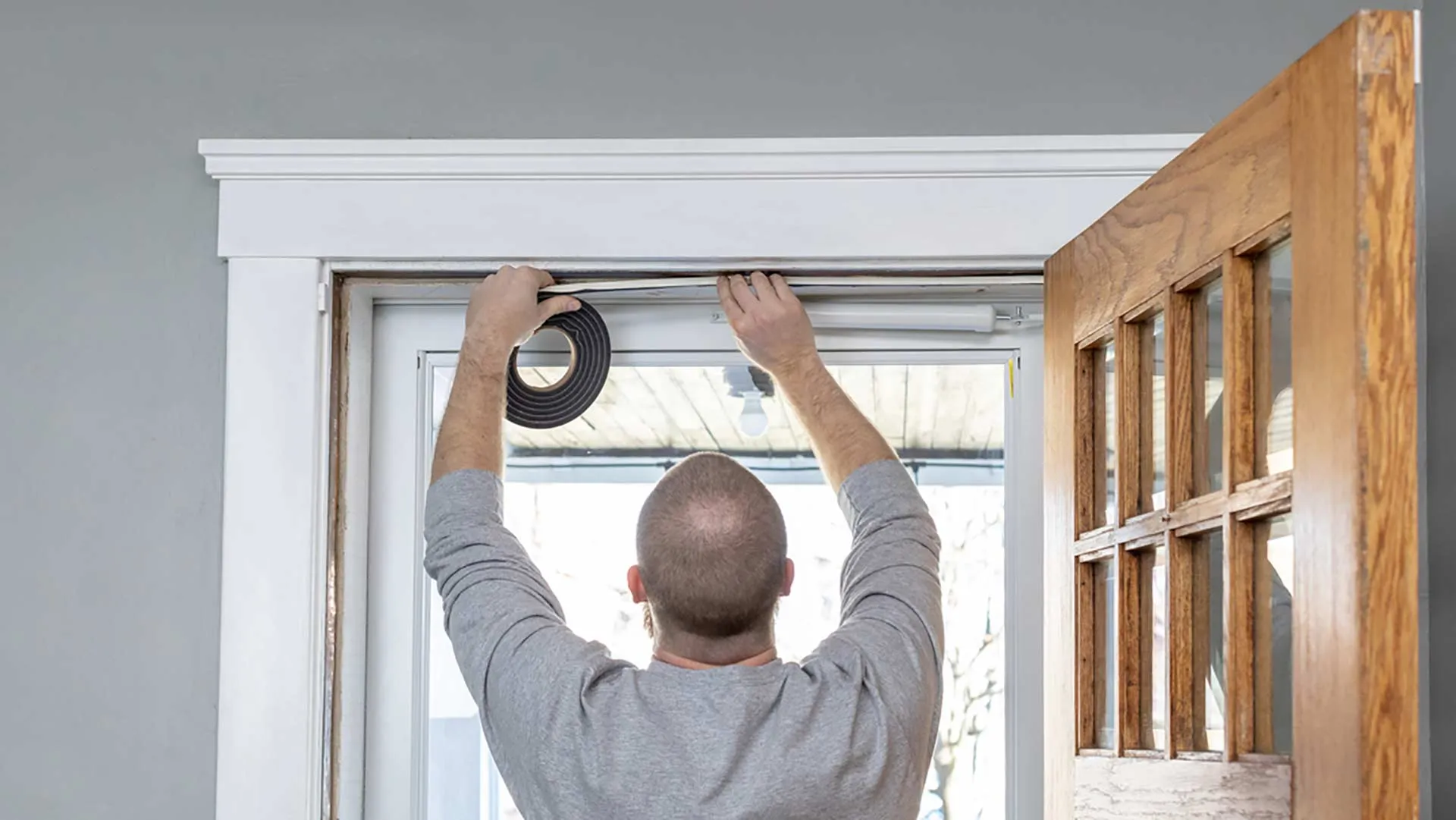
Removing or reinstalling a door might seem easy — until you run into stuck hinges, uneven frames, or heavy doors that need precise alignment. If you’d rather skip the hassle, our professional team can handle it safely and efficiently.
Whether it’s a simple hinge adjustment or a complete door replacement, we make sure your doors fit perfectly, look great, and work smoothly.
Contact us today to get expert help with your next door project — fast, reliable, and done right the first time!
FAQs
What’s the easiest way to take a door off?
The simplest method: support the door from underneath, remove hinge pins or screws from the top hinge, then lift the door straight off the frame.
How do I remove my own door?
Clear space around the door, support it with a wedge, remove the doorknob and hinges, lift the door off its hinges, and set it down safely.
How to take a door hinge pin out?
Place a nail or pin punch under the hinge pin’s bottom tip and tap upward with a hammer until the pin slides out.
How to remove a door with concealed hinges?
Locate the hinge release tab or screws on each hinge, hold the door securely, press the tab or remove screws, then carefully lift the door away.







One Response
Hi, after reading this amazing piece of writing i am as well cheerful to share my
familiarity here with friends.