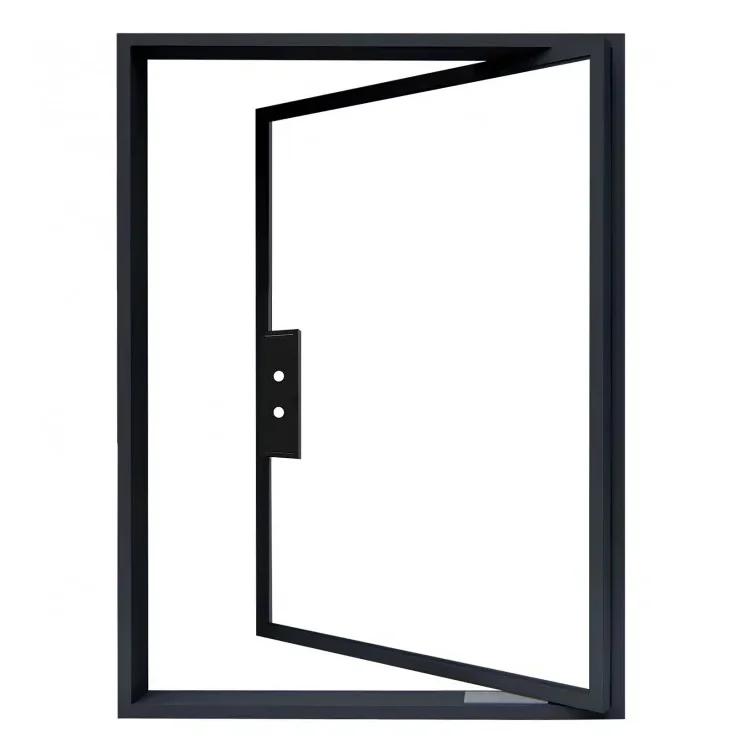
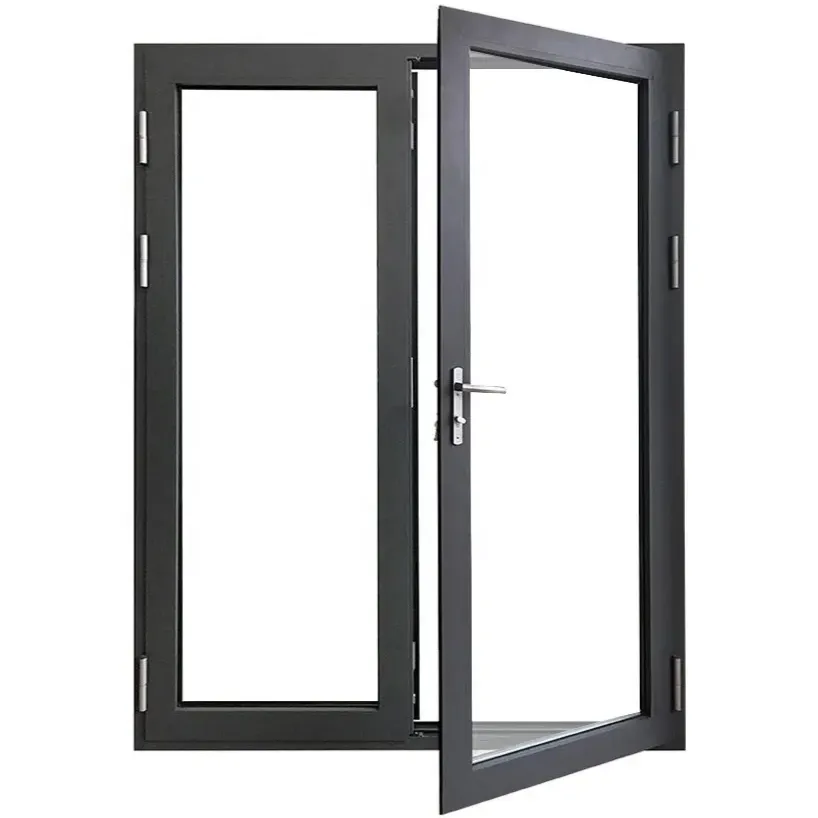
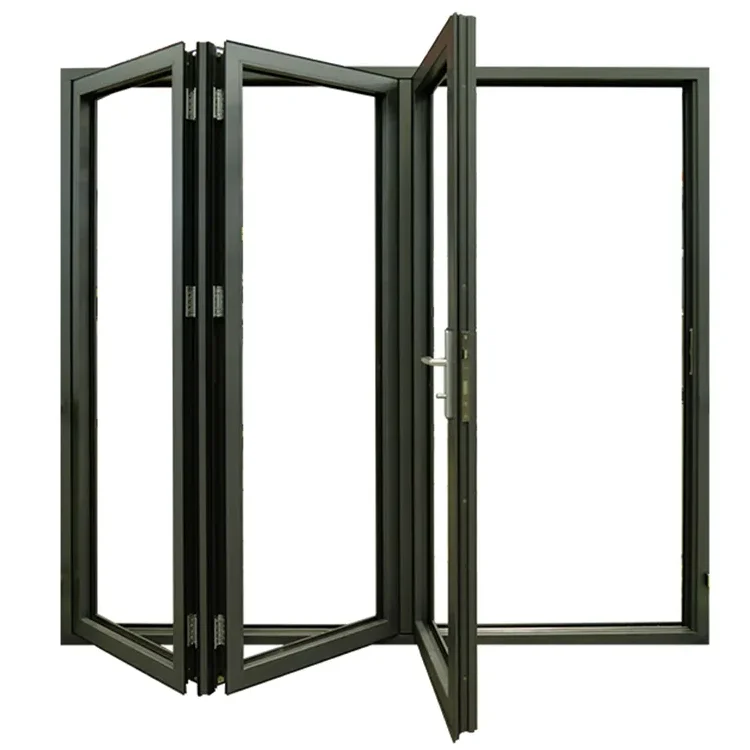
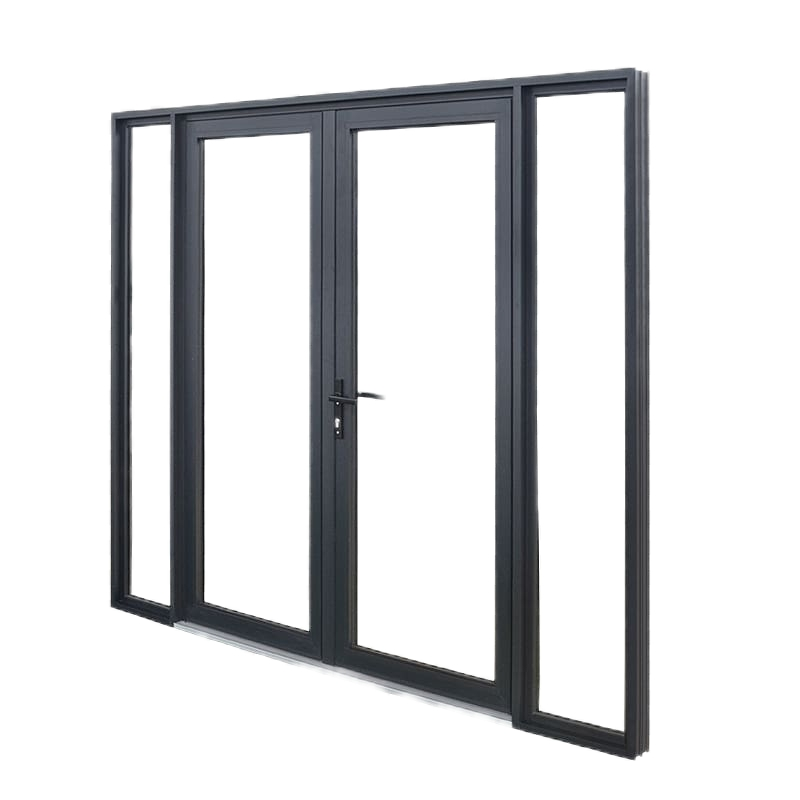
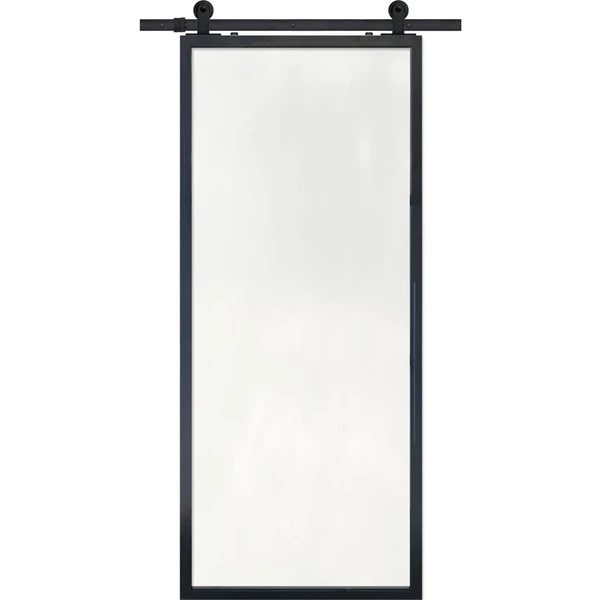


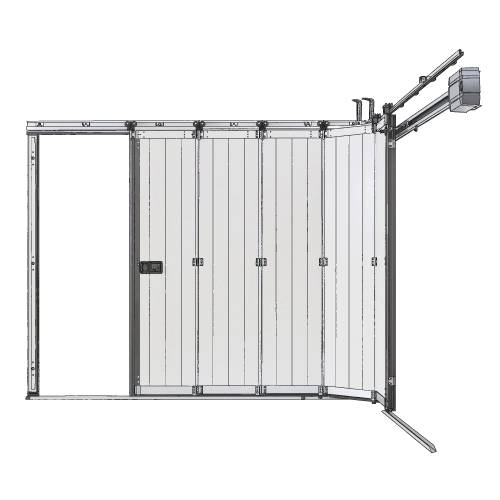

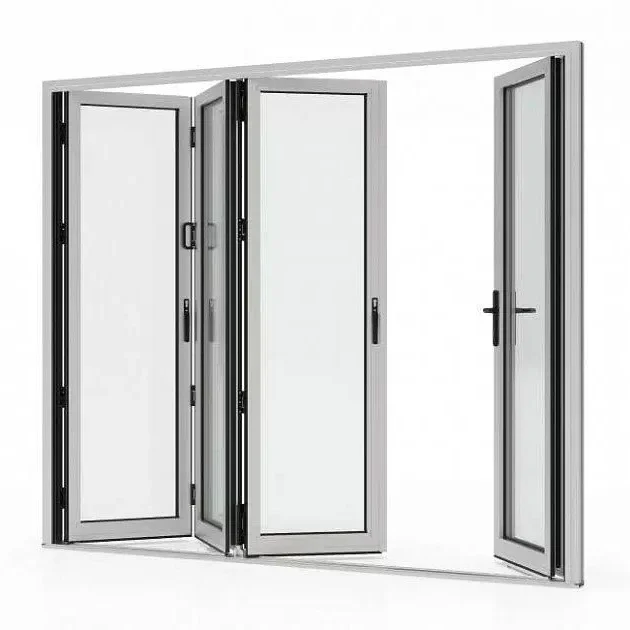








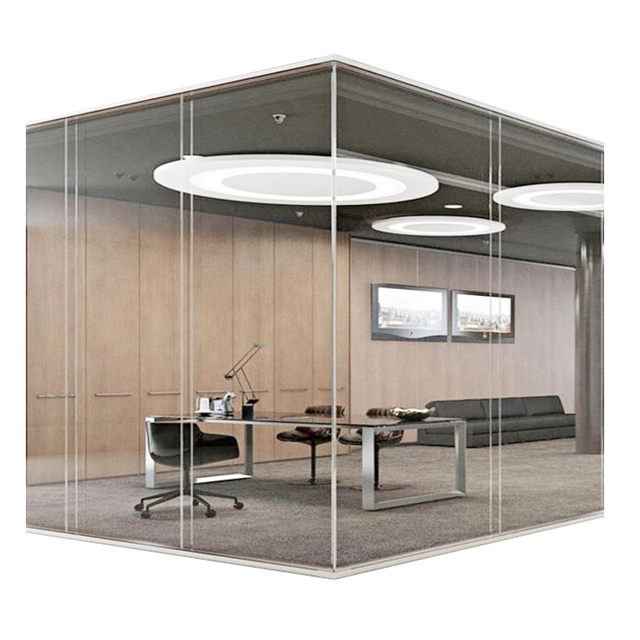
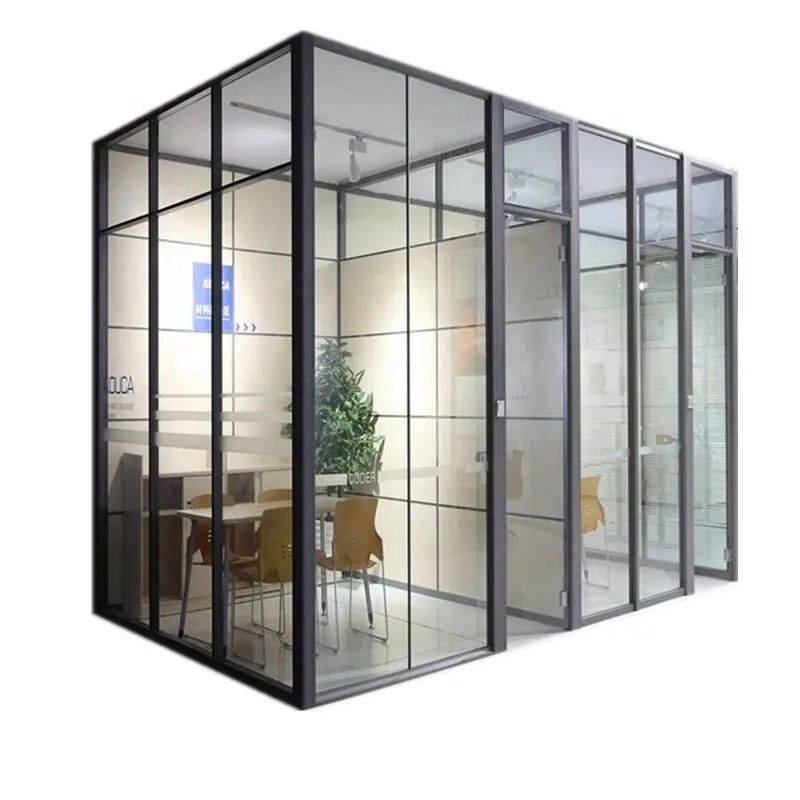


Installing a sliding door isn’t just about looks—it transforms how your space feels and functions. With one simple upgrade, you can let in more natural light, create a smooth flow between indoors and outdoors, and even boost your home’s value.

Whether you’re updating a patio entrance or opening up a small room, sliding doors are a smart choice for style, energy efficiency, and easy living. Let’s walk through how to get it done right.
Tools & Prep Checklist

Before you start, make sure you’ve got the right tools and a properly sized opening. A smooth installation begins with solid prep.
Must-Have Tools:
Level (for perfect alignment)
Shims (to adjust fit)
Power drill and screws
Flashing tape or membrane
Exterior-grade sealant
Safety gear (gloves, goggles)
Prep Tips: Double-check your rough opening. You’ll want about ¼″ clearance on each side and ½″ at the top to allow for shimming and easy fitting. Also, clear the work area and remove old trim if replacing an existing door.
Step-by-Step Installation Process
Installing a sliding door might seem tricky, but breaking it into clear steps makes it doable—especially if you’re handy or working with a pro. Here’s how it’s typically done:
1. Inspect the Door

Start by unpacking your sliding door and carefully checking all components. Look for cracks, scratches, or dents in the frame and glass. Verify that all parts are included—sashes, rollers, track, seals, and screws.
Before placing it into the opening, test the panels by sliding them back and forth. This helps confirm that the rollers, locks, and handles work smoothly. Identifying issues early prevents surprises after the frame is secured in place.
2. Prepare the Rough Opening

The success of your installation depends on the accuracy of the opening. Remove any debris, old caulk, or nails left behind from the previous door. Using a level, check that the sill is flat and the sides are plumb. Measure diagonally from corner to corner; the numbers should match if the opening is square.
Once the space is clean and corrected, wrap the rough opening with a weather-resistant barrier or house wrap. This creates a moisture shield and adds an extra layer of leak protection.
3. Install Flashing, Sill Pan & Sealant

Waterproofing is one of the most critical steps in sliding door installation. Begin by applying flashing tape across the sill, extending a few inches up the sides. Add pieces at the corners to protect vulnerable joints.
If your door requires a sill pan, install it at this stage to channel water away from the interior. Next, run a continuous bead of high-quality exterior sealant along the bottom and sides where the frame will rest. This ensures a watertight bond between the door and the structure.
4. Set the Door Unit & Secure It

With help, carefully lift the entire door unit into the opening. Position it so that the bottom sits firmly on the sill pan and the sides align evenly. Insert shims between the frame and studs, placing them at hinge points, lock points, and the top corners to maintain proper spacing.
Recheck that the frame is level, plumb, and square before driving screws through the pre-drilled holes into the studs. Avoid overtightening, as this can warp the frame and cause binding.
5. Adjust Rollers & Install Trim

Once the frame is secure, turn your attention to the sliding panel. Use a screwdriver to adjust the rollers until the door glides smoothly along the track without sticking. Proper adjustment also ensures the door seals tightly when closed. After fine-tuning, install the interior and exterior trim.
These finishing pieces cover gaps, protect the sealant, and give the installation a polished, professional look. Add insulation or backer rod behind the trim if needed to prevent drafts.
6. Test & Seal

Before calling the job complete, test the door several times. Open and close it fully to confirm smooth motion, check that the lock engages correctly, and inspect for any light gaps around the edges.
Once everything works as it should, apply exterior-grade caulk around the entire perimeter of the frame. This final seal keeps rain, wind, and insects from sneaking in. Smooth the bead with a finger or caulking tool for a neat finish.
DIY vs. Professional Installation
| Criterion | DIY (okay when…) | Hire a Pro (choose when…) | Why it matters |
|---|---|---|---|
| Structural changes | No framing changes; opening is sound, level, and within tolerance. | Headers need resizing, studs moved, or rot repair is required. | Altering structure affects load paths and safety. |
| Heavy / oversized doors | Standard 2-panel units you can handle with a helper. | Large glass panels, multi-panel systems, or limited access. | Big panels risk injury and frame damage without gear. |
| Warranty concerns | Manufacturer allows homeowner install and you can document steps. | Warranty requires licensed installer or certified flashing methods. | Improper install can void product & water-intrusion coverage. |
| Building codes & permits | Replacement in same size; local rules don’t require a permit. | New openings, egress/tempered glazing, energy code, or HOA rules apply. | Compliance avoids fines, failed inspections, and rework. |
| Precision demands (plumb/level/square) | You’re confident with shimming, squaring, and roller/keeper tuning. | Opening is out of square, sill not level, or door binds after set. | Accuracy drives smooth glide, proper locks, and tight seals. |
| Waterproofing & flashing | You can install sill pans, flashing tape, and continuous exterior caulk correctly. | High-exposure walls, stucco/brick interfaces, or past leak issues. | Poor sealing causes leaks, rot, and mold inside walls. |
| Tools & handling | You have levels, squares, shims, suction cups, and safety gear. | You lack specialty tools or safe glass-handling equipment. | Right tools prevent damage and speed installation. |
| Time & risk tolerance | You’re comfortable dedicating a day and troubleshooting minor issues. | You need guaranteed timelines, or mistakes would be costly. | Pros reduce downtime and liability on complex installs. |
Common Issues & Troubleshooting

Even a small mistake during installation can lead to big problems. Here are a few common issues—and how to fix them:
Uneven Frames: If the door sticks or gaps show, check that the frame is level and shims are evenly placed.
Water Leaks: Often caused by poor flashing or missing sealant—recheck all weatherproofing steps.
Misaligned Rollers: If the door doesn’t glide smoothly, adjust the rollers at the bottom using a screwdriver.
Poor Weather Sealing: Drafts or light around the edges? Add or replace weatherstripping for a tighter seal.
Catching these early saves you time, money, and cold air sneaking in later.
Maintenance Tips to Keep It Sliding Smoothly

Once your sliding door is installed, a little upkeep goes a long way. Here’s how to keep it working like new:
Clean the Tracks: Dirt and debris can block movement—vacuum and wipe them out monthly.
Lubricate the Rollers: Use a silicone spray every few months to keep the glide smooth.
Re-Caulk Annually: Check the exterior caulk for cracks and reseal as needed to prevent leaks.
Inspect Flashing: Once a year, make sure the flashing is still secure and doing its job.
These small steps will extend your door’s life and save you from future repairs.
Ready to Upgrade with a Sliding Door?

Installing a sliding door adds light, style, and function to your home. With smart planning and the right support, it’s a project that truly pays off.
Contact us today for premium sliding doors, expert guidance, and custom-fit solutions designed to match your vision and budget.