










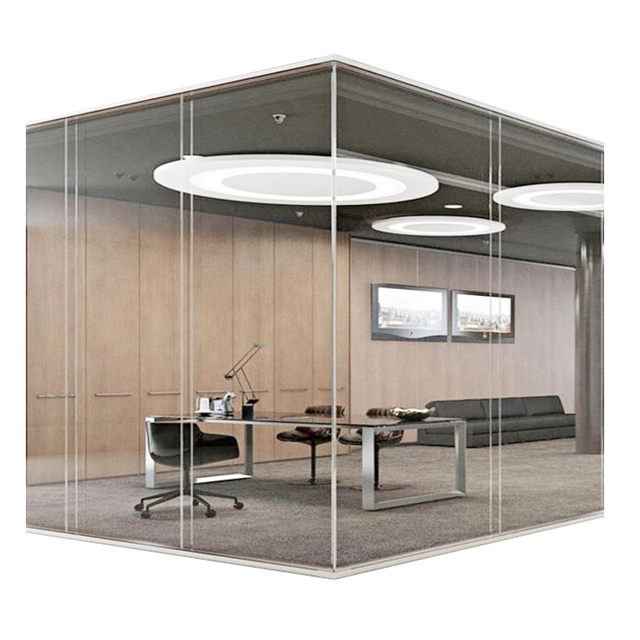
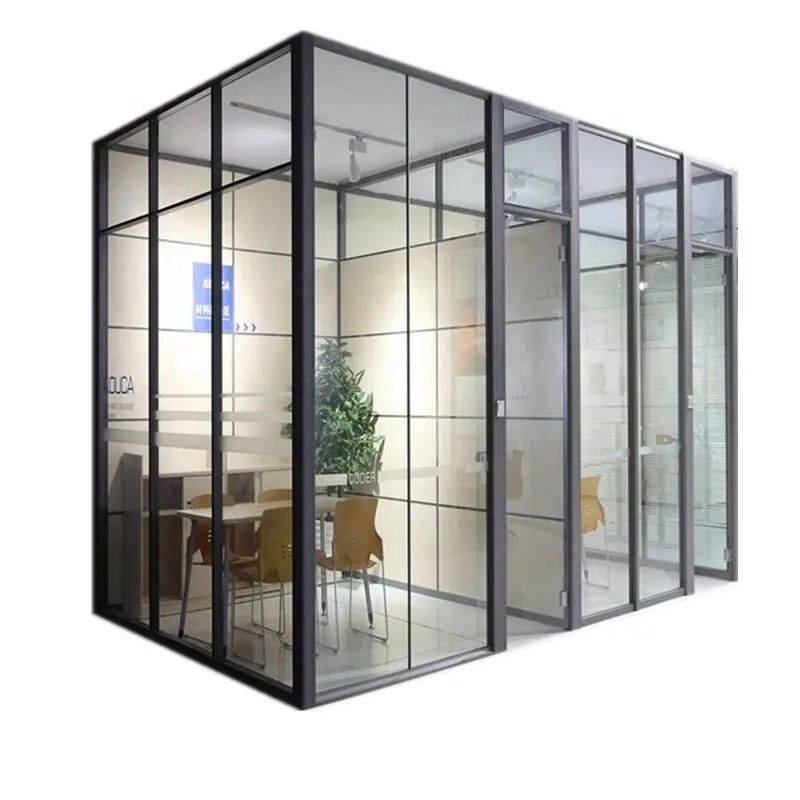


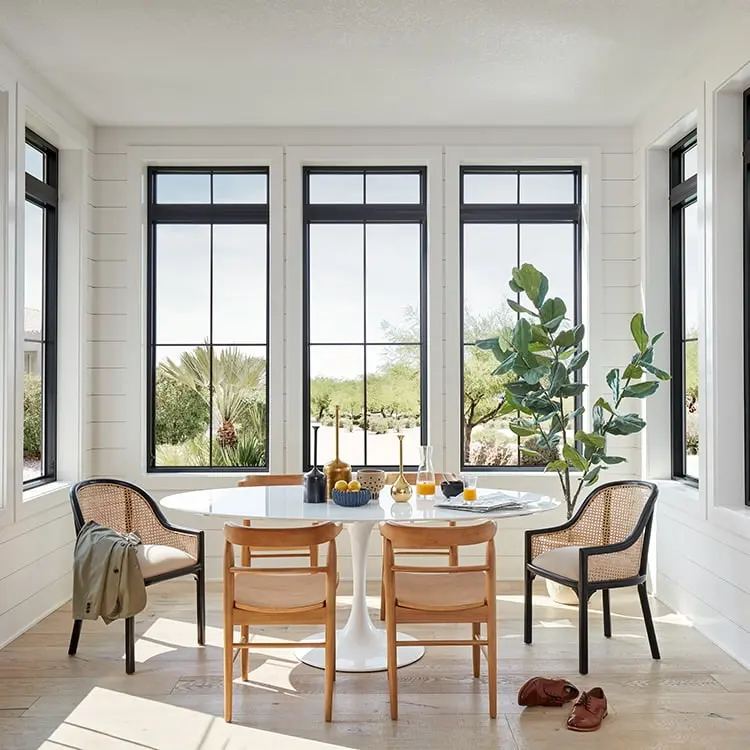


Classification by Material
When it comes to choosing a door frame, the material plays a big role in how it looks, performs, and lasts over time. Different materials offer different benefits—some are better for indoor use, while others are built to handle tough outdoor conditions. Let’s look at the most common types of door frames by material.
Wooden Door Frames
Wood is one of the most popular and timeless choices for door frames. It offers a natural, warm look that works beautifully in homes and traditional interiors.
Solid wood frames are made from hardwood like oak or teak. They’re strong, durable, and visually rich.
Engineered wood (like plywood or MDF) is more cost-effective and resistant to warping, but may not last as long as solid wood.
Wooden door frames also provide great insulation, helping to keep your home cozy and quiet. Just keep in mind—they may need more maintenance in humid climates.
Metal Door Frames
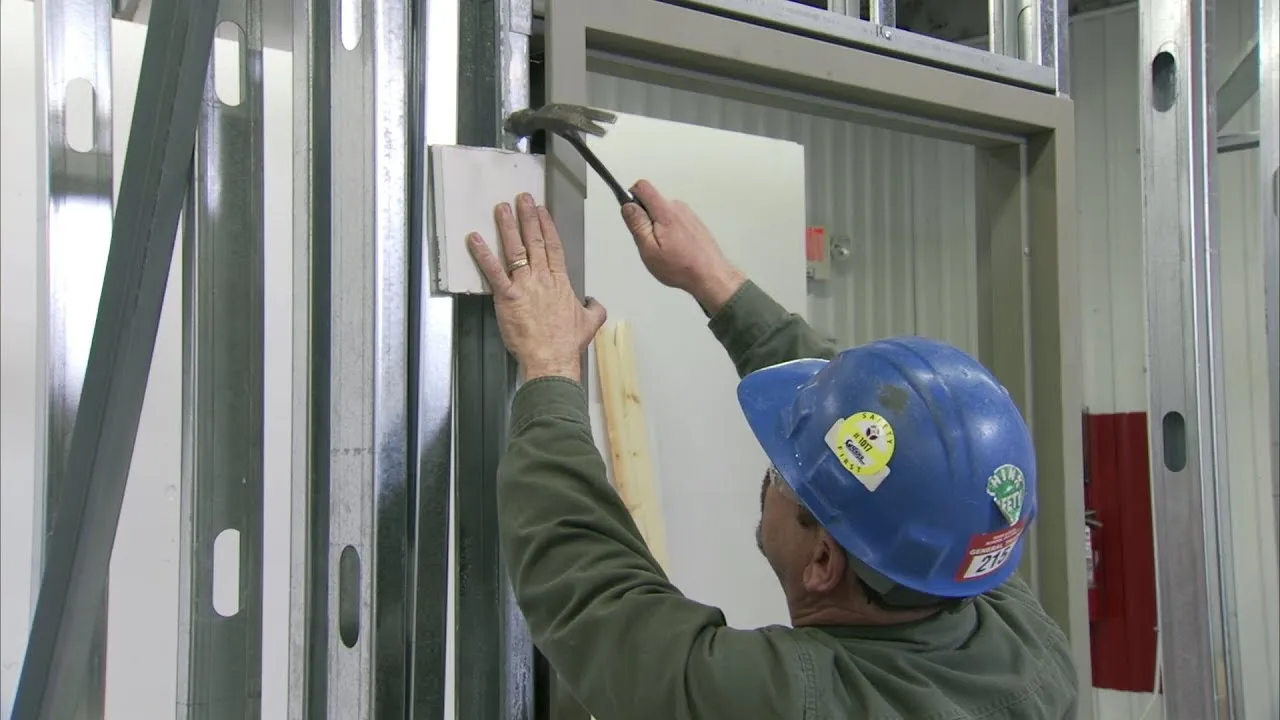
If strength and durability are your top concerns, metal door frames are a smart choice. You’ll often see them in commercial buildings, schools, hospitals, and industrial settings.
Steel frames are known for their toughness, fire resistance, and security.
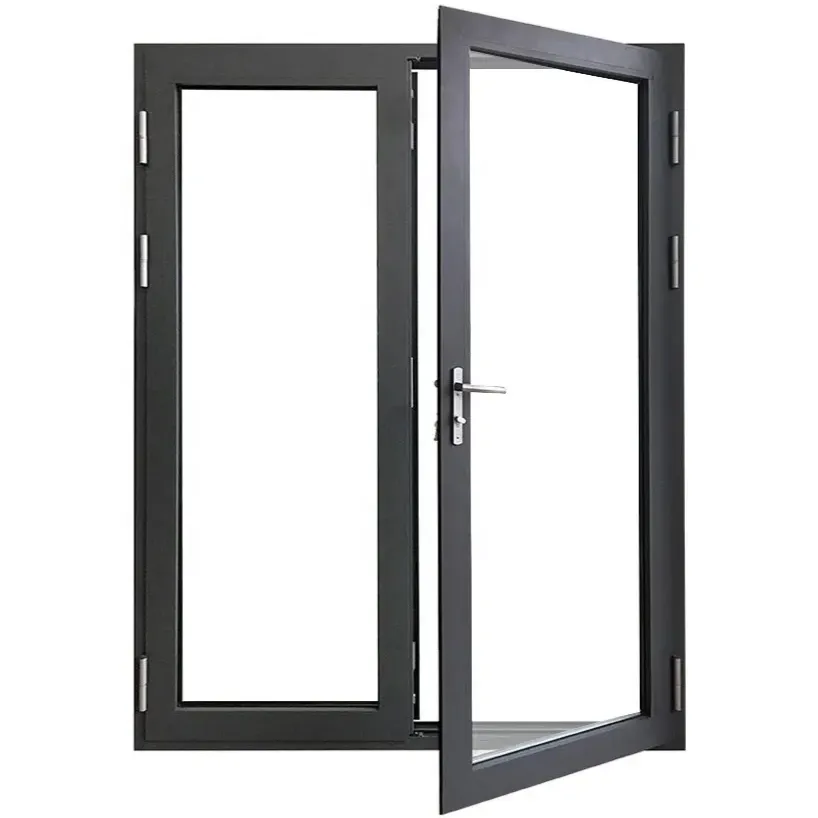
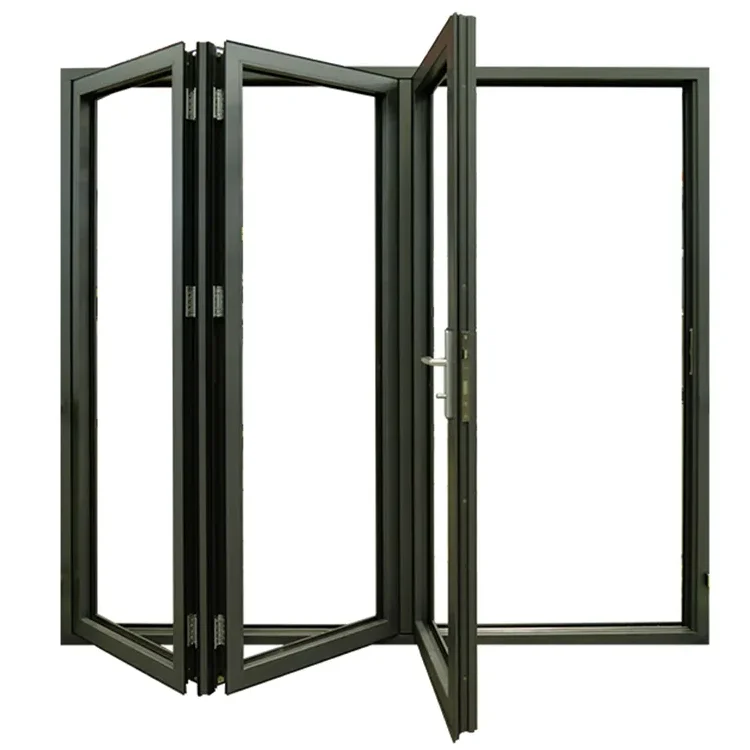
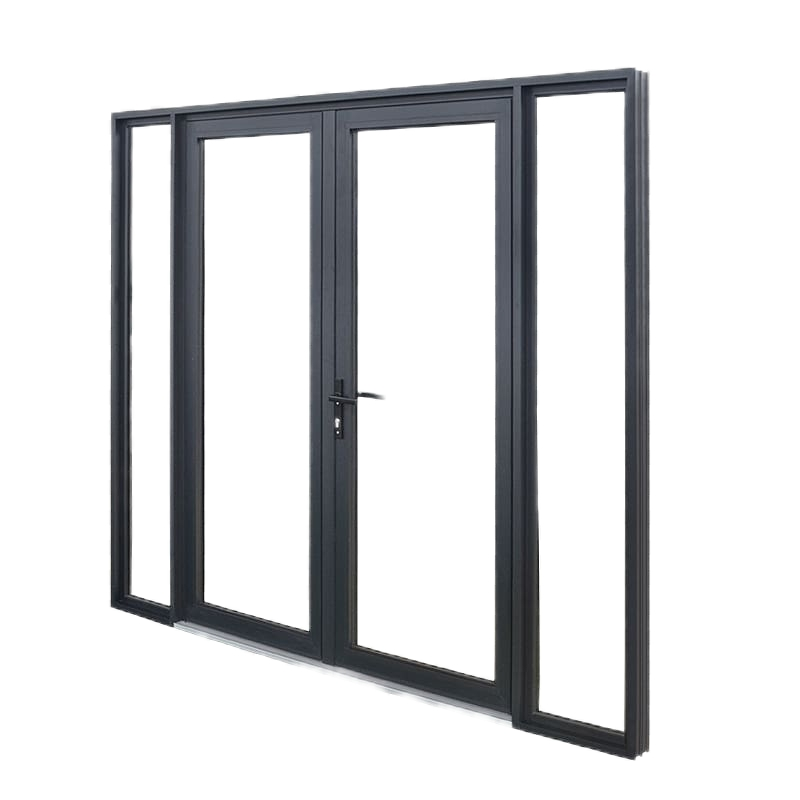
Aluminum frames are lighter, rust-resistant, and commonly used in modern architectural designs.
These frames are long-lasting and require minimal upkeep. They’re also great for supporting heavy or high-traffic doors.
uPVC & Vinyl Door Frames
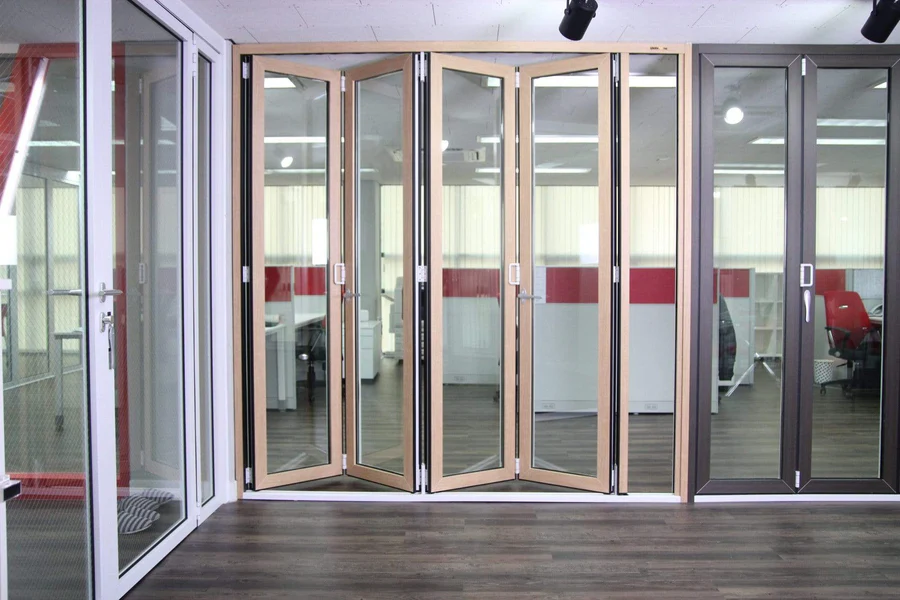
Looking for something low-maintenance? uPVC (unplasticized polyvinyl chloride) or vinyl door frames are ideal for residential use, especially in moist or coastal areas.
They’re lightweight, moisture-resistant, and don’t need painting or sealing.
They come in a variety of colors and can mimic the look of wood.
While they may not offer the same strength as wood or metal, uPVC frames are affordable and practical for everyday use.
Fiberglass & Composite Frames

For a modern, high-performance option, fiberglass and composite frames are worth considering. These materials are engineered to handle extreme conditions without warping, rusting, or cracking.
Fiberglass is resistant to moisture, insects, and temperature swings.
Composite frames often combine materials like wood, PVC, and resin for added strength and stability.
These frames work well for exterior doors in areas with heavy weather changes, and they usually last longer than wood or uPVC alternatives.
Classification by Structure
Aside from materials, door frames also come in different structural designs, each offering its own look and function. Whether you want a seamless fit, extra insulation, or added flair, the structure of the frame makes a big difference. Let’s break down some of the most common types of door frames by structure.
Rebated Door Frames
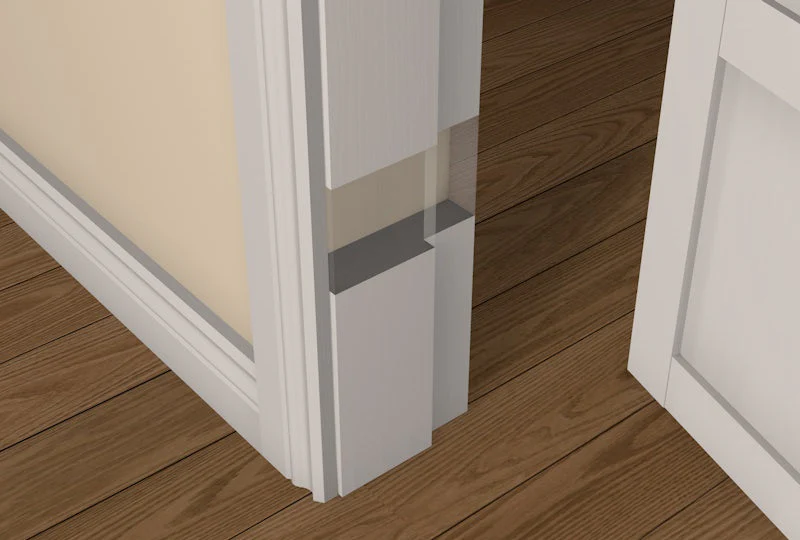
These are one of the most widely used frame styles today—especially in homes and modern buildings. A rebated door frame includes a built-in stop, which helps the door sit snugly when closed.
It offers a clean, finished look
Helps improve insulation and reduce noise
Works well with most hinged doors
You’ll often find rebated frames in interior and exterior applications alike, thanks to their versatility.
Double Rabbeted Frames

As the name suggests, double rabbeted frames have two stepped grooves. This allows you to fit two doors in the same opening or use thicker, insulated doors.
Common in commercial or institutional settings
Often used with fire-rated or acoustic doors
Adds an extra layer of sealing and security
They’re also great for high-traffic areas where durability and tight sealing matter most.
Flat or Plain Frames
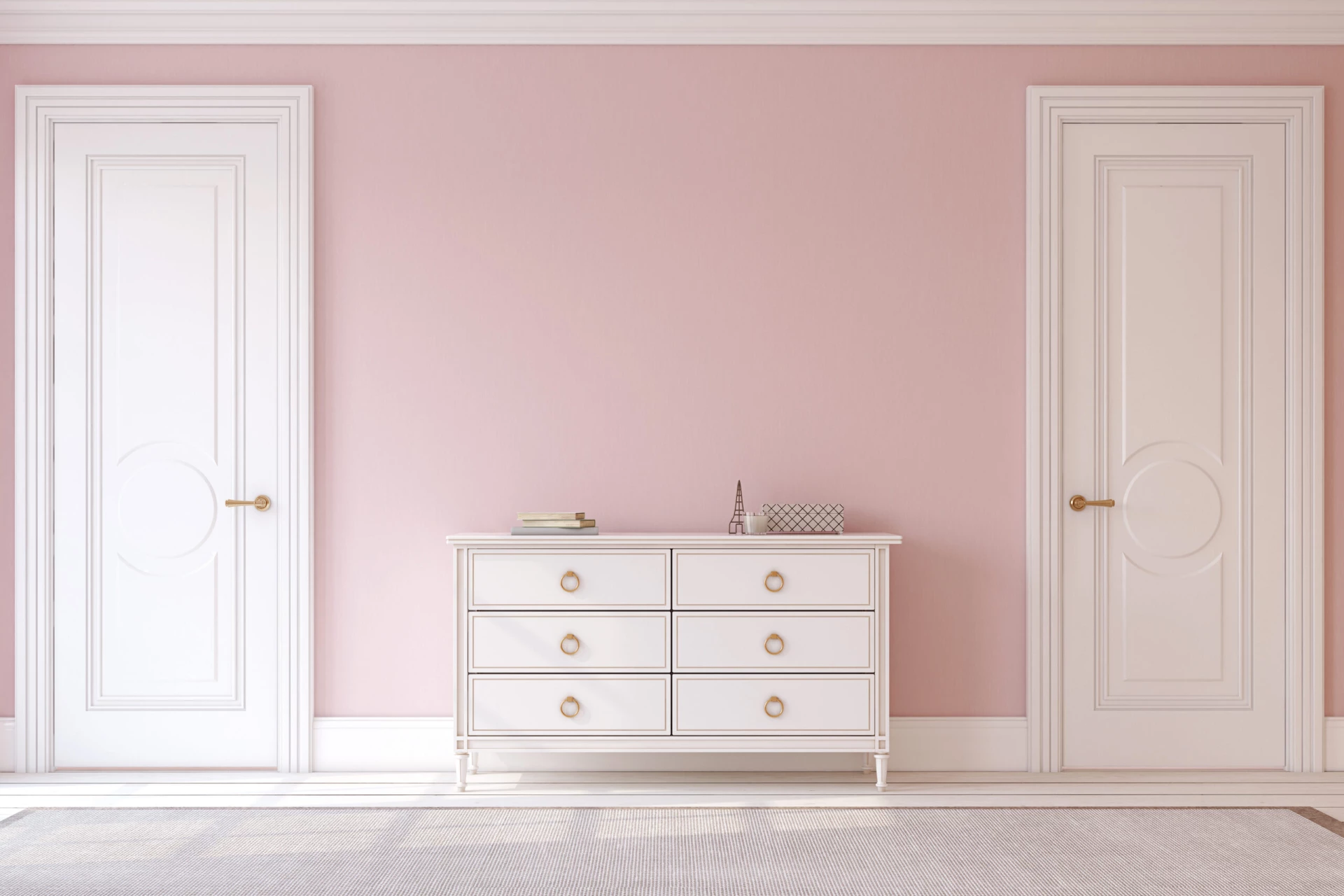
Flat frames are the simplest option. They don’t include a stop, or they have only a minimal one.
Often used with flush doors
Creates a sleek, minimalist look
Requires a door stop to be added separately
Because of their simplicity, flat frames are often used in budget-friendly projects or interior spaces where function matters more than form.
Architrave or Cased Frames

Want to add a decorative touch? Architrave (or cased) door frames include built-in moldings or trim, giving the doorway a more polished and detailed appearance.
Great for traditional or luxury interiors
Frames are often matched with decorative doors and finishes
Helps blend the door seamlessly into wall design
These frames don’t just support the door—they elevate the room’s entire aesthetic.
Classification by Construction
Another way to understand the types of door frames is by how they’re built and installed. Some come ready to go, while others are assembled on-site depending on the wall type and project needs. Let’s look at the most common door frame construction types and where they’re used.
Pre-Hung Door Frames
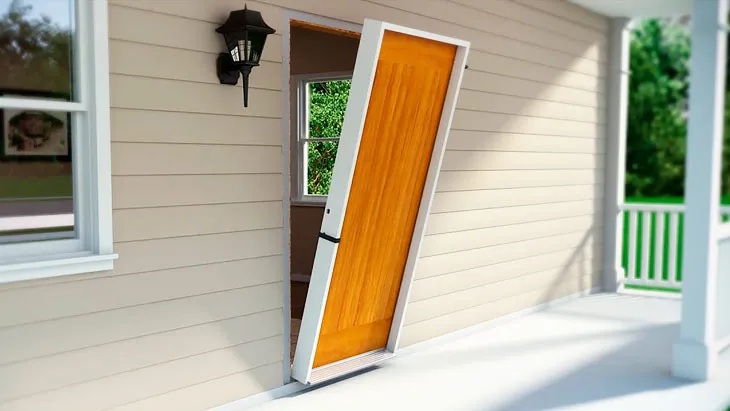
A pre-hung door frame comes with the door already attached to the frame—hinges, strike plate, and sometimes even the casing are included.
Quick and easy to install, especially in new builds
Ensures the door is properly aligned from the start
Great for both interior and exterior use
This is a popular option for homeowners or contractors who want to save time and reduce installation errors.
Knock-Down (KD) Frames

Knock-down frames are delivered in separate pieces (head and jambs) and assembled on-site. They’re ideal for projects where the frame needs to be installed after drywall or partition walls are already in place.
Easy to transport and store
Suitable for drywall or light partition walls
Often used in commercial interiors
They may take a little more effort to put together, but they offer flexibility and are often used in large-scale construction.
Welded Frames
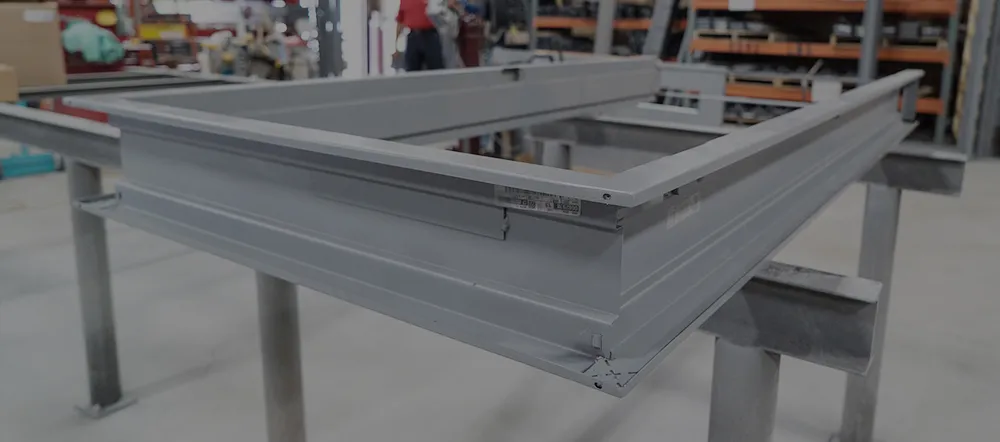
Welded door frames are pre-assembled at the factory and arrive as a solid unit. These are typically made from metal and used in tough environments.
Built for strength and durability
Common in masonry walls, such as brick or concrete
Ideal for fire-rated or high-security doors
Since they come fully welded, installation is faster on-site—especially when you’re working with heavy-duty walls and need a strong fit.
Classification by Usage
Not all door frames are built for the same purpose. Where a door is installed—inside, outside, or in a fire-sensitive area—can impact what kind of frame you need. Let’s explore the most common types of door frames by usage and what makes each one unique.
Interior Door Frames
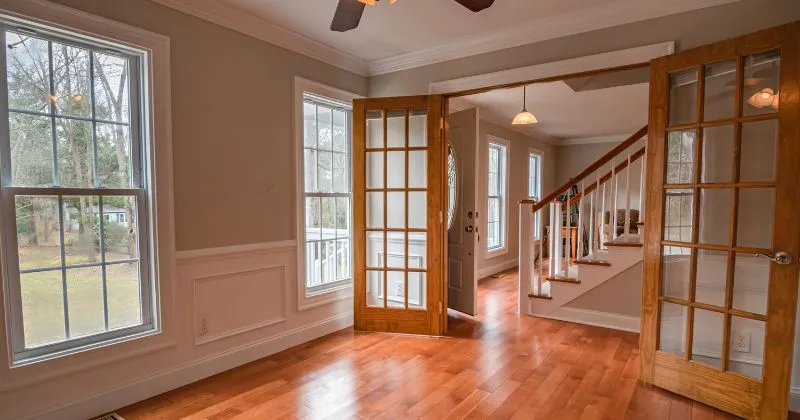
Interior door frames are used inside the home or building, so they don’t need to withstand tough weather or heavy impacts.
Usually made from wood, MDF, or uPVC
Prioritize style and smooth operation
Often feature decorative casing or moldings
These frames work well for bedroom, bathroom, or closet doors where light use and visual appeal matter most.
Exterior Door Frames

Exterior door frames need to be strong and weather-resistant. They serve as the first barrier between your home and the outside world.
Common materials: solid wood, steel, aluminum, fiberglass
May include a threshold for sealing against drafts and water
Designed to resist moisture, insects, and temperature changes
These frames are essential for entry doors, patio doors, and any doorway exposed to the elements.
Fire-Rated Door Frames

In commercial buildings—and sometimes in homes—fire-rated door frames are required for safety.
Made from steel or fire-treated wood
Designed to withstand fire for a specific period (e.g., 30, 60, or 90 minutes)
Often paired with fire-rated doors and hardware
These frames help prevent the spread of fire and smoke, buying time for evacuation and limiting damage.
Specialty Door Frames
Some spaces call for something a little different. That’s where specialty door frames come in. These unique designs serve both functional and aesthetic purposes, offering stylish or space-saving solutions where standard frames won’t cut it. Let’s take a look at a few standout types of door frames used in special applications.
Pocket Door Frames
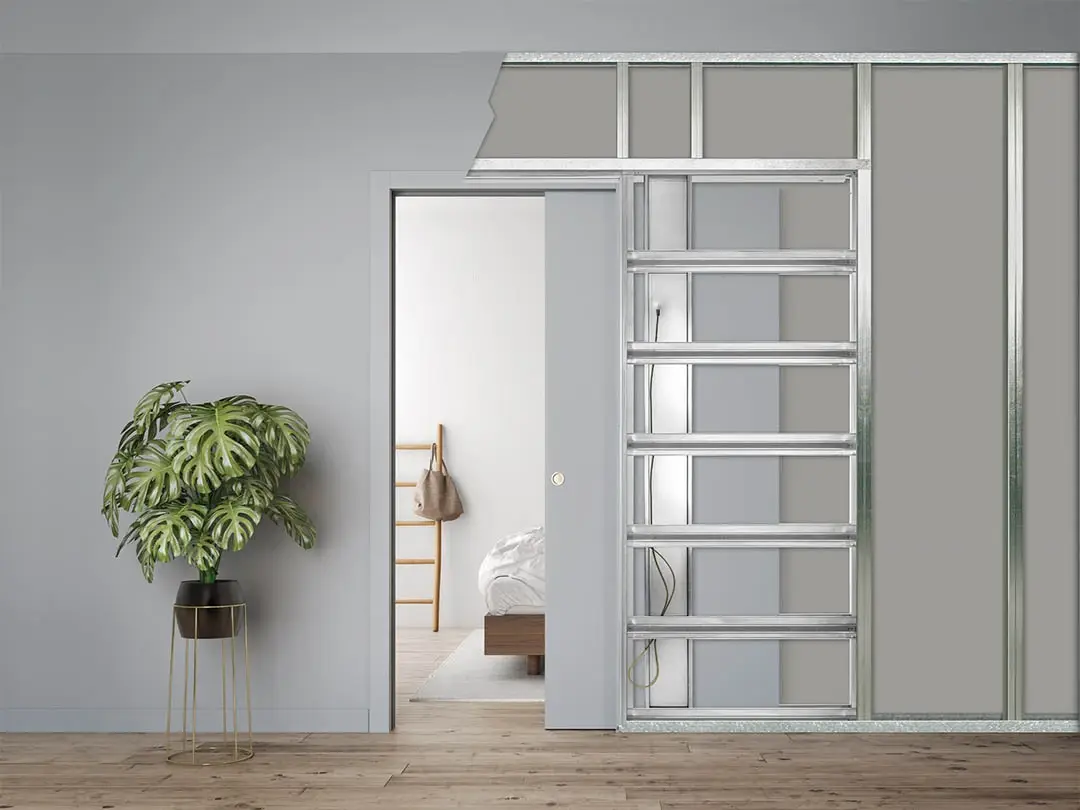
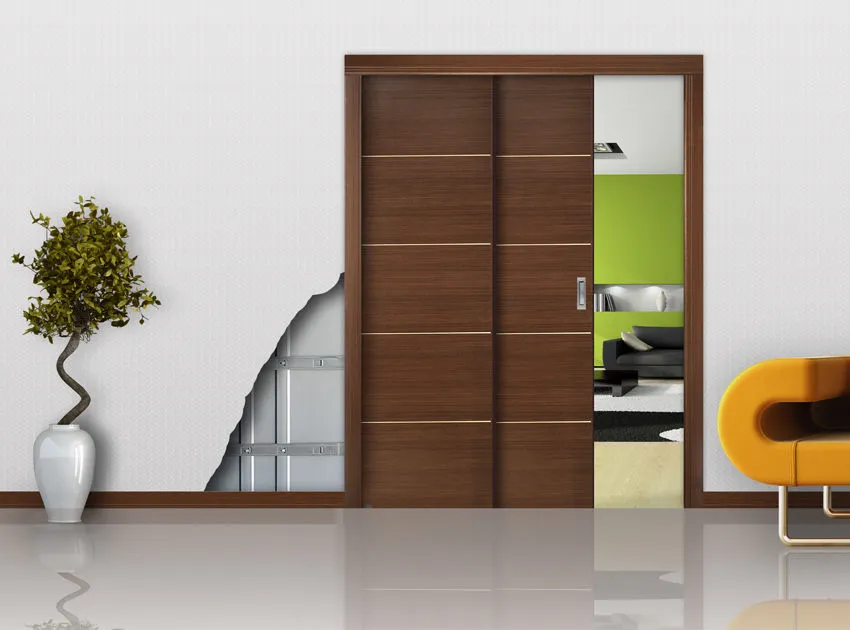
Pocket door frames are designed to hold sliding doors that disappear into the wall when opened. They’re perfect for tight spaces or minimalist layouts.
Ideal for small rooms, closets, or bathrooms
Helps save floor space and create an open feel
Works best with lightweight, single-panel sliding doors
You’ll need a hollow wall to install the frame, but the result is clean and modern.
Flush Door Frames
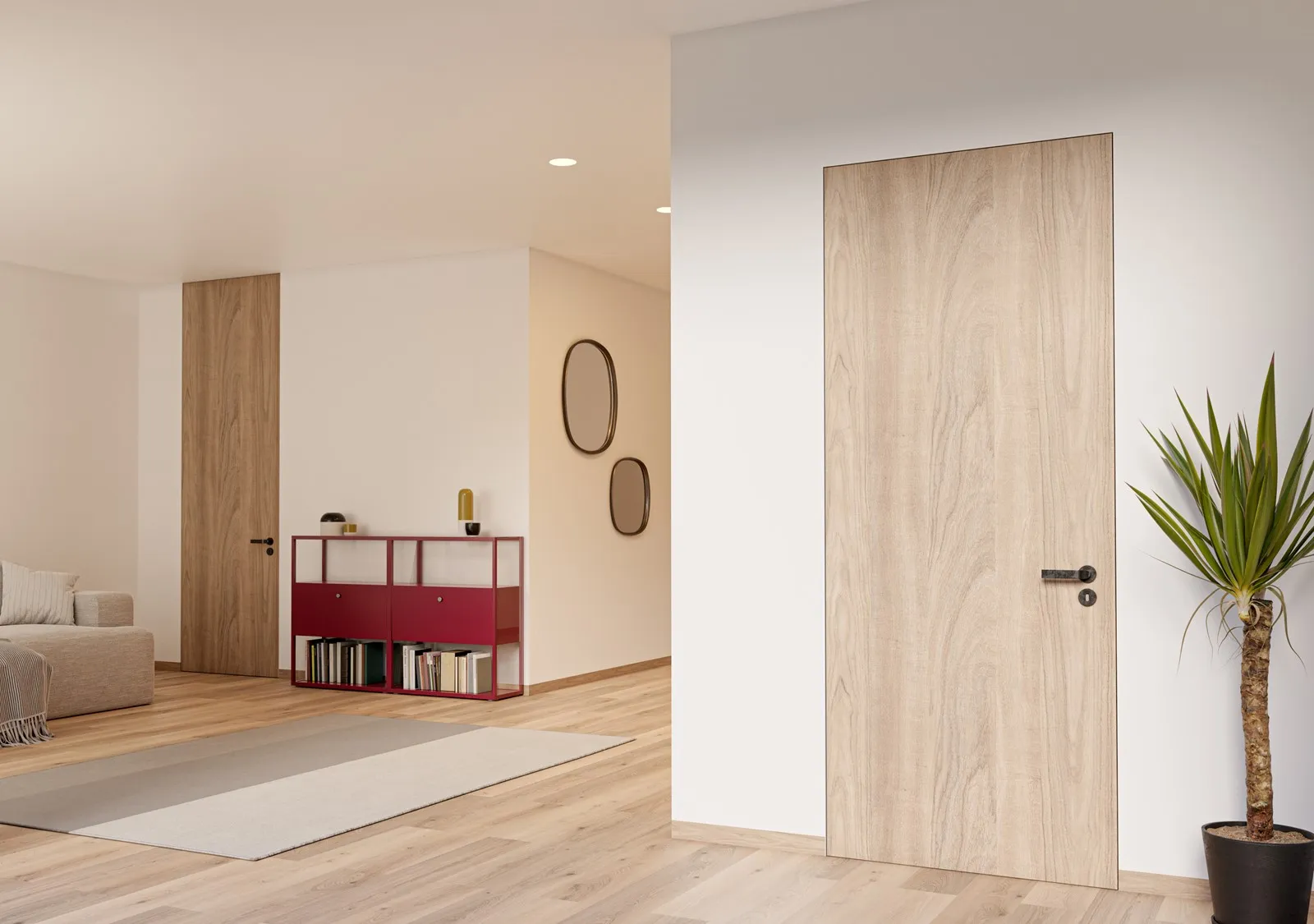
Flush frames are made to blend seamlessly with the wall, creating a smooth, minimalistic look. The door sits perfectly in line with the surrounding surface.
Great for contemporary or high-end interiors
Works with flush or concealed doors
Often used in gallery walls, luxury homes, or modern office spaces
This type is all about simplicity and sophistication—with no visible trim or molding.
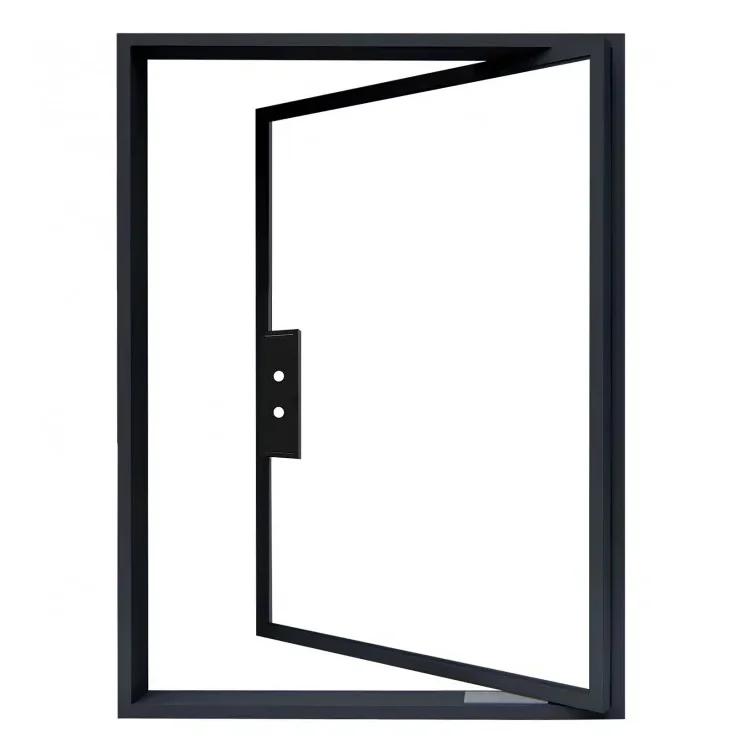
Crittall Style / Steel Glass Frames

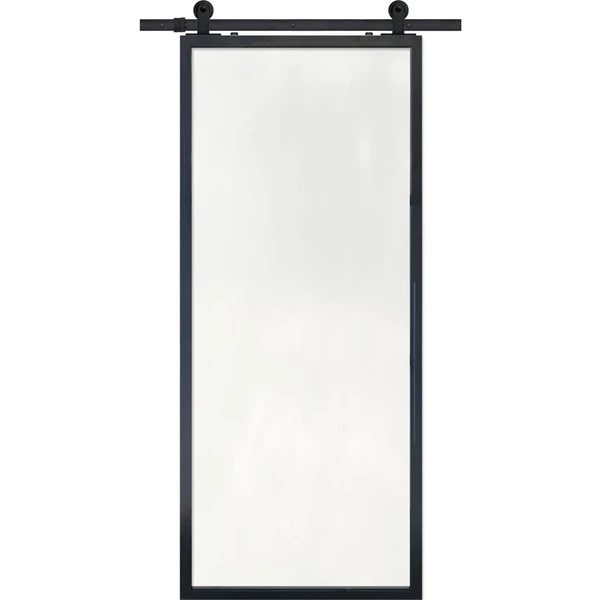
For a bold, industrial aesthetic, Crittall-style frames feature slim, black metal borders with clear or frosted glass panels. They’re popular in trendy restaurants, lofts, and modern homes.
Typically made of steel or aluminum
Offers a mix of transparency and structure
Ideal for room dividers, offices, or exterior patio doors
These frames let in light while still creating distinct zones—form and function in one.
Choosing the Right Door Frame
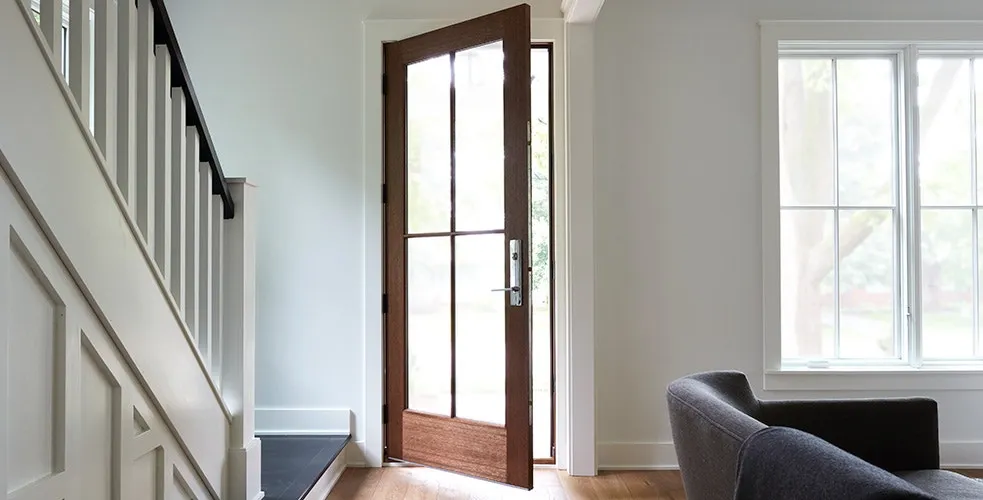
Choosing the right door frame is just as important as picking the door itself. The frame supports the door’s weight, affects insulation and security, and shapes the final look of the opening. The good news? You don’t need to be an expert—just focus on a few key factors.
Start With Door Location
First, think about where the door will be used. Interior door frames can prioritize style and cost, while exterior door frames must handle weather, temperature changes, and daily wear. Outdoor doors need stronger, more moisture-resistant frames.
Match the Frame Material to Your Environment
Material choice matters a lot.
Wood frames look warm and classic but need dry conditions.
Metal or aluminum frames offer strength and stability, ideal for modern or commercial spaces.
uPVC, fiberglass, or composite frames resist moisture and warping, making them great for humid or coastal areas.
Consider Wall Thickness and Structure
Walls are not all the same. If your wall thickness varies, an adjustable frame helps achieve a clean fit. Standard walls often work well with fixed frames, which are simpler and more cost-effective.
Think About Installation Type
For new builds or full renovations, pre-hung door frames save time and ensure alignment. For remodels or tight spaces, knock-down (KD) frames are easier to transport and assemble on site.
Balance Style and Function
The frame should complement the door design. Flush or minimal frames suit modern interiors, while detailed frames enhance traditional spaces. Don’t forget practical features like weather seals, sound insulation, or fire ratings if required.
Plan for Long-Term Performance
A good door frame should last for years. Choose materials that reduce maintenance, improve energy efficiency, and support smooth door operation over time.
Ready to Find the Perfect Door Frame?
Choosing the right door frame can make a big difference in comfort, style, and long-term performance. Whether you’re building new, renovating, or upgrading an existing opening, we’re here to help you pick the best frame system for your project.
Contact us today for personalized guidance on door frame types, materials, and installation options tailored to your needs.