














What “soundproof” means for windows

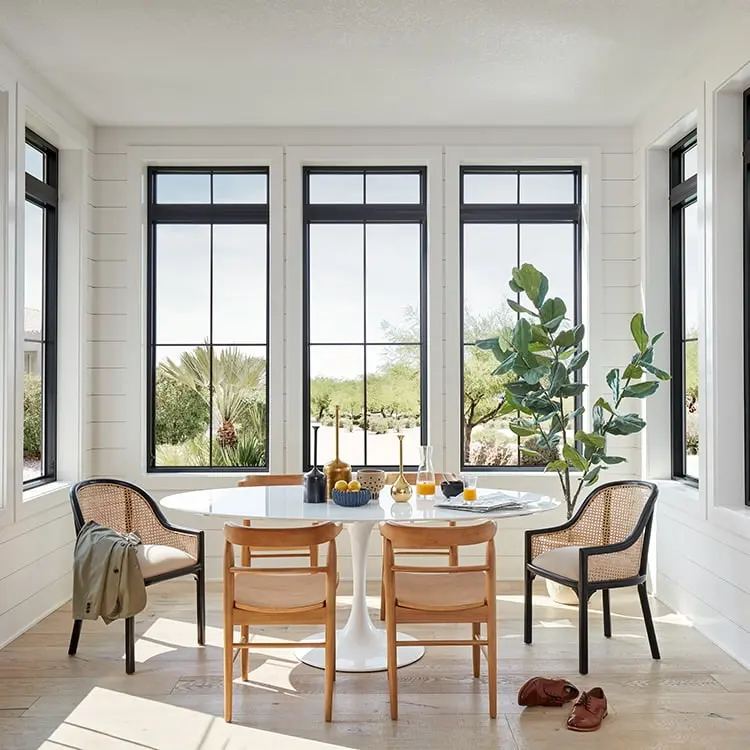
When we say a window is “soundproof,” we don’t mean total silence. In real homes, it means reducing noise to a comfortable level. Sound sneaks in through thin glass, air gaps, and weak seals. Good soundproof windows use thicker or laminated glass, wider air spaces, and tight installation to block and absorb noise—especially traffic and voices—so your room feels calmer and quieter.
Cost by solution type
| Solution Type | Typical Cost (Per Window) | Noise Reduction Level | Best For | Limitations |
|---|---|---|---|---|
| DIY Upgrades (weatherstripping, caulk, curtains) |
$50–$300 | Low | Drafts, light noise, quick budget fixes | Not effective for traffic or low-frequency noise |
| Window Inserts (removable interior panels) |
$200–$800 | Medium–High | Renters, apartments, seasonal or removable needs | Interior-only solution; visible panel inside |
| Secondary Glazing (permanent second layer) |
$400–$1,200 | High | Heritage homes, keeping existing frames | Higher upfront cost than inserts |
| Noise-Reducing Replacement Windows | $700–$2,000+ | High | Old window replacement, energy + noise upgrade | Cost rises for large or custom windows |
| Acoustic Glazing (specialty sound control glass) |
$1,200–$3,000 | Very High | Severe noise, highways, busy urban areas | Premium price; reduces noise, not silence |
#1. DIY upgrades (lowest cost, limited gains)
DIY fixes like weatherstripping, acoustic caulk, sealing gaps, and adding heavy curtains usually cost $50–$300 per window. They’re great for stopping drafts and reducing small noises like wind or distant voices. However, they won’t block low-frequency noise such as trucks, buses, or trains. Think of this as a comfort upgrade, not true soundproofing.
#2. Window inserts (removable interior panels)

Window inserts typically cost $200–$800 per window, depending on size and material. They create an extra air gap, which can cut noise far better than cheap replacement windows. Inserts often outperform low-end double glazing at a lower price. They’re ideal for renters, apartments, or anyone needing a removable or seasonal solution.
#3. Secondary glazing (permanent second layer)

Secondary glazing usually ranges from $400–$1,200 per window. It adds a fixed interior pane while keeping the original window. This option is popular for heritage homes or projects where existing frames must stay. In the UK and Australia, it’s often cheaper than full replacement and very effective against traffic noise.
#4. Replacement windows designed for noise

Noise-reducing replacement windows cost about $700–$2,000+ installed per window. Prices rise with laminated glass, upgraded IGUs, triple-pane designs, large openings, or custom shapes. This option makes sense when old windows also need replacing for energy, safety, or appearance reasons.
#5. Acoustic glazing (specialty builds)
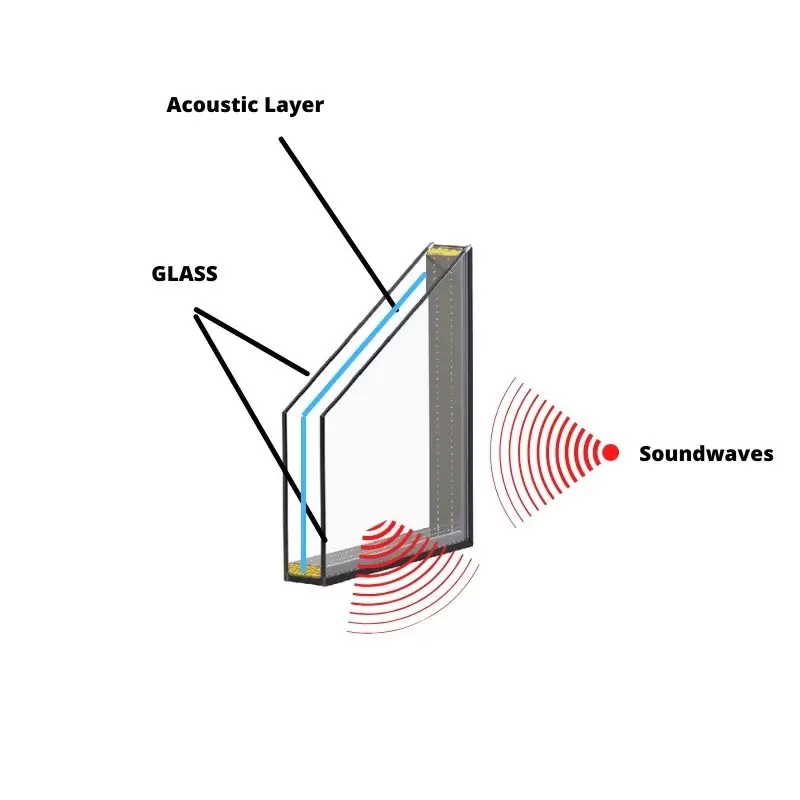
Acoustic glazing is a premium choice, often $1,200–$3,000 per window installed. It uses laminated layers tuned for sound control. It’s best for severe noise problems, like busy highways. Compared to triple glazing, it targets sound more precisely—but remember, it reduces noise, it doesn’t create total silence.
What drives the price up or down (cost factors checklist)

Several factors can raise or lower the cost of soundproof windows. Here’s a clear checklist to help you see where your budget may shift:
-
Window size & quantity
Larger windows cost more, but ordering multiple windows often lowers the price per unit thanks to bulk installation. -
Frame material & style
Casement and fixed windows seal better and cost less to soundproof than sliders or sash windows. Premium frame materials also add cost. -
Glass build
Laminated glass, thicker panes, uneven (asymmetrical) layers, wider air gaps, and gas fills all improve noise reduction—but increase price. -
Installation complexity
Difficult access, upper floors, scaffolding, old window removal, and interior trim work can significantly raise labor costs. -
Labor & permits
Local labor rates and required building permits vary by area and can add noticeable costs to the final price.
How to get accurate quotes (and avoid being upsold)

Getting the right quote is just as important as choosing the right window. Clear information helps installers price your job correctly—and keeps you from paying for upgrades you don’t need.
Prepare before you request quotes
Start with details that affect sound performance and cost:
-
Identify the noise source: traffic, voices, aircraft, or mixed noise
-
Note the room use: bedroom, home office, or living area
-
Measure window sizes and count how many need treatment
-
Decide if frames stay or go: inserts and secondary glazing cost less than full replacement
Ask for performance, not buzzwords
Instead of “best soundproof window,” ask for:
-
Target ratings (STC for voices, OITC for traffic noise)
-
Glass makeup (laminated layer, pane thickness, air gap)
-
Seal and installation method, not just the glass itself
This shifts the focus from sales language to real results.
Compare quotes the smart way
When reviewing estimates, check that each quote includes:
-
Product type and glass configuration
-
Installation scope (sealing, trim, disposal)
-
Warranty on both window and labor
-
Expected noise reduction, not promises of silence
Red flags to watch for
Be cautious if a quote pushes triple glazing or “maximum packages” without explaining why. More layers don’t always mean better sound control. The right design for your noise problem matters more than the highest price tag.
Get Your Free Soundproof Windows Quotes
Ready to reduce noise in your home?
If traffic, street noise, or loud neighbors are disrupting your comfort, we’re here to help. Our team can evaluate your noise problem, recommend the most cost-effective solution, and provide a clear, honest quote—no pressure, no upselling.
Contact us today to discuss your project, request expert advice, or get a tailored soundproof window quote that fits your space, budget, and noise level.
FAQs
How much do soundproof windows cost?
Most soundproof window solutions cost between $300–$1,500 per window, depending on the glass, size, and installation. Basic DIY fixes cost much less, while acoustic glass costs more.
What’s the cheapest way to reduce window noise?
Weatherstripping, acoustic caulk, and heavy curtains are the cheapest options, usually $50–$300 per window. They help with light noise but not heavy traffic noise.
Are window inserts worth it?
Yes. Window inserts are a cost-effective way to reduce outside noise without replacing the whole window. They’re popular for apartments and older homes.
Do triple-pane windows reduce more noise?
Not always. Laminated glass and wider air gaps often work better for sound reduction than simply adding a third pane.
Can soundproof windows block all noise?
No. Soundproof windows reduce noise significantly, but they do not create complete silence.
Are soundproof windows worth it?
If outside noise affects your sleep, work, or comfort, they are often worth the investment. Many also improve energy efficiency.
Which option is best for heavy traffic noise?
Acoustic glazing or laminated replacement windows are usually the best choices for busy roads and city noise.
What should I ask for in a quote?
Ask about:
- STC or OITC ratings
- Laminated glass
- Air gap size
- Installation and sealing method
- Expected noise reduction level