















If you live near a busy street, airport, or just have noisy neighbors, you’ve probably thought about upgrading your windows. That’s where soundproof windows and double glazing come into play. But what’s the difference?
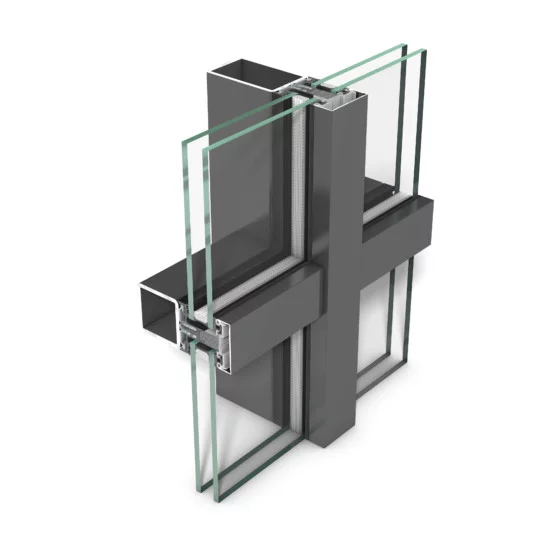
Double glazed windows have two layers of glass with a sealed space in between—usually filled with air or gas. They’re great at keeping heat in and cold out, and they help reduce some outside noise.
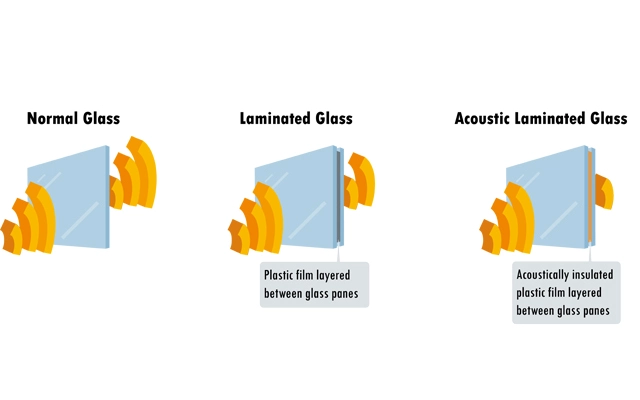
Soundproof (or acoustic) windows take it further. They use special laminated glass and different thicknesses to block more noise—sometimes nearly twice as much as standard double glazing.
Choosing the right window type doesn’t just improve peace and quiet. It also affects your home’s energy use, comfort, and even resale value. In this guide, we’ll break down the differences so you can find the best fit for your space—and your sanity.
What Is Double Glazing?

Double glazing is one of the most common window types in homes today. It features two glass panes separated by a sealed gap, often filled with argon or krypton gas. This design helps slow down heat transfer, keeping your home warmer in winter and cooler in summer.
Many double-glazed windows also include a low-emissivity (Low-E) coating, which reflects heat back into your home while still letting in light.
Besides energy savings, double glazing also cuts down outside noise—but only moderately, with average sound reduction around 25 decibels. It’s a good fit if you’re dealing with light traffic noise or just want better insulation.
Where it works best:
-
Suburban homes
-
New builds with decent wall insulation
-
Areas with mild to moderate noise concerns
What Are Soundproof (Acoustic) Windows?
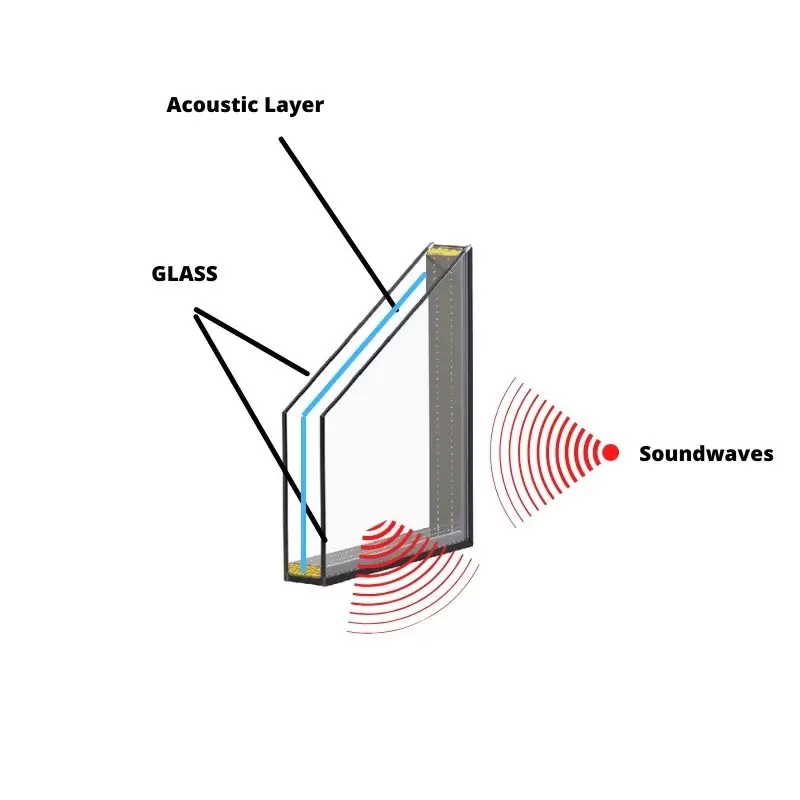
Soundproof windows—also called acoustic windows—are built to block serious noise. Instead of just two basic panes, they use laminated glass with a PVB (polyvinyl butyral) interlayer. This layer dampens sound vibrations before they enter your space.
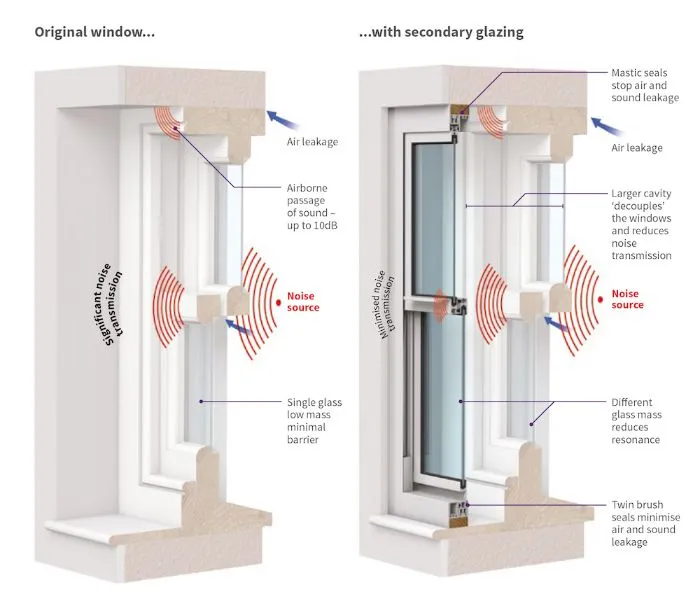
Another trick? The glass panes are different thicknesses. This mismatch helps break up sound waves more effectively than uniform glass. Some also include wider air gaps or special frames designed to absorb sound.
With the right setup, soundproof windows can reduce noise by 36 to 52 decibels—a big jump from standard double glazing. If you live near airports, railways, highways, or just want more quiet, they’re a smart investment.
Where they shine:
-
Homes in urban or high-traffic zones
-
Recording studios or home offices
-
Nurseries and bedrooms for light sleepers
1. Noise Reduction Comparison
| Window Type | Typical Sound Reduction* | Recommended Applications |
|---|---|---|
| Single Pane Window | 10–20 dB | Low-noise residential areas |
| Standard Double Glazed Window | 25–35 dB | Suburban homes and light traffic areas |
| Triple Glazed Window | 30–40 dB | Cold climates and moderate-noise environments |
| Acoustic / Soundproof Window | 36–54 dB | Urban developments, commercial buildings, airports, and highways |
| Secondary Glazing System | 45–55 dB | Heritage buildings and projects requiring maximum noise reduction |

Let’s talk numbers. Standard double glazing can reduce noise by around 25 to 35 decibels, which helps dampen general sounds like passing cars or neighbors mowing the lawn. Surprisingly, triple glazing doesn’t always do much better. In fact, the evenly spaced panes can sometimes trap and bounce sound rather than block it.
On the other hand, soundproof or acoustic windows are made specifically for noise control. With laminated glass, varying thicknesses, and special interlayers, they can reduce sound by up to 54 decibels. That’s a game-changer if you live near a busy road, airport, or train line.
2. Energy Efficiency & Other Benefits

If your goal is better insulation and lower energy bills, double glazing is a solid win. It’s designed to reduce heat transfer, helping your home stay cozy in winter and cool in summer. This means your HVAC system works less, saving you money over time.
The good news? Many acoustic windows now offer similar energy-saving performance—especially when paired with Low-E coatings and gas-filled gaps, just like standard double-glazed units. So, you don’t have to trade silence for comfort. You can have both.
3. Cost & Retrofit Considerations

Budget matters, and double glazing usually costs less upfront. It’s often the go-to choice for new builds or upgrading single-pane windows, especially when the existing frames are still in good shape.
Soundproof windows cost more—sometimes twice as much—because of the laminated glass and added engineering. Plus, they’re heavier, which means you may need stronger window frames or even a full frame replacement. That said, if peace and quiet are top priorities, it’s often worth the extra spend.
4. Installation & Performance Factors

No matter which window type you choose, proper installation is everything. Even the best acoustic glass won’t work well if there are gaps around the frame or poor seals.
If replacing windows isn’t an option, consider secondary glazing or acoustic inserts. These add an extra layer of sound control without changing the original window—and they’re often cheaper and quicker to install.
| Feature | Double Glazing | Soundproof (Acoustic) Windows |
|---|---|---|
| Noise Reduction | Reduces 25–35 dB; good for moderate noise | Reduces up to 54 dB; ideal for high noise zones |
| Glass Construction | Two panes with gas-filled gap | Laminated glass with varied thickness & interlayers |
| Thermal Insulation | Excellent energy efficiency; reduces heat loss | Similar performance with Low-E and gas fills |
| Cost | Lower upfront cost; budget-friendly | Higher cost; premium for noise control |
| Installation | Compatible with existing frames | May require new, reinforced frames |
| Best For | Moderate noise areas & energy savings | Urban, highway, or airport noise reduction |
| Retrofit Options | Ideal for new builds or upgrades | Secondary glazing or inserts available |
Who Should Pick What?
Not sure which window option is right for your home? Let’s break it down simply.
Go with double glazing if:
-
You live in a quieter suburban or rural area.
-
Your main goal is energy efficiency and reducing heating/cooling bills.
-
You’re upgrading from single-pane windows and want a budget-friendly improvement.
Double-glazed windows are perfect for homeowners dealing with moderate noise levels—think distant traffic or occasional barking. They make a big difference in both comfort and savings without the higher cost of acoustic systems.
Choose acoustic glazing if:
-
You live near a busy road, airport, train line, or downtown.
-
You struggle with constant, loud noise and want a real solution.
-
You’re okay investing more for peace, quiet, and better sleep.
Soundproof windows are designed for serious noise control. If your home is in a high-noise environment, these windows can dramatically improve your day-to-day life.
| Your Situation | Recommended Solution |
|---|---|
| Mild traffic noise in a suburban neighborhood | Standard Double Glazed Windows |
| Home located near a busy road or highway | Acoustic Windows |
| Looking for both energy efficiency and noise reduction | Low-E Double Glazed Windows |
| Property near an airport, railway, or industrial area | Laminated Acoustic Windows |
| Renting or unable to replace existing windows | Secondary Glazing Systems |
| Limited budget but need noticeable noise reduction | Double Glazed Windows |
Conclusion

Acoustic glazing blocks more noise, while double glazing offers excellent thermal efficiency. Choosing the right one depends on your needs.
Need help deciding? Contact us today to assess your noise level, budget, and retrofit options—we’ll guide you to the perfect solution.
FAQs About Soundproof Windows vs Double Glazing
Are double glazed windows more soundproof?
Yes—double glazing typically offers 25–35 dB of noise reduction, making it notably quieter than single-pane windows. However, it performs best for moderate sound and may not block deeper low-frequency noise.
Is acoustic glass better than double glazing?
Yes—acoustic glass, with its laminated layers and varying thicknesses, absorbs and dampens sound far more effectively than standard double glazing, especially for traffic, rail, or airport noise.
Are soundproof windows worth it?
For homes in noisy environments, absolutely—soundproof (acoustic) windows can reduce noise significantly (up to ~50 dB), improving comfort, sleep, and overall energy efficiency. But if noise levels are mild, standard upgrades like double glazing may suffice.
What type of window is best for soundproofing?
Licensed acoustic glazing or multi-pane laminated glass hybrid systems offer the best noise reduction. These designs typically achieve higher STC ratings (~36–52 dB), combining sound dampening with decent thermal performance.