













Question: What Is a Window Jamb?
Answer: A window jamb is the vertical and top part of a window frame that supports the window sash, helps it operate smoothly, and keeps the window stable and sealed.
What Is a Window Jamb? Definition & Key Functions
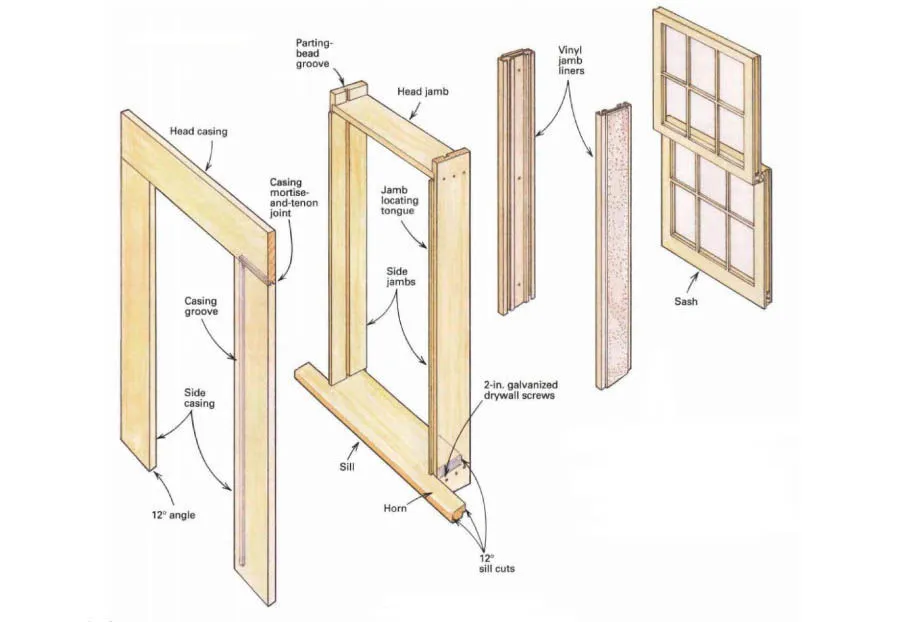
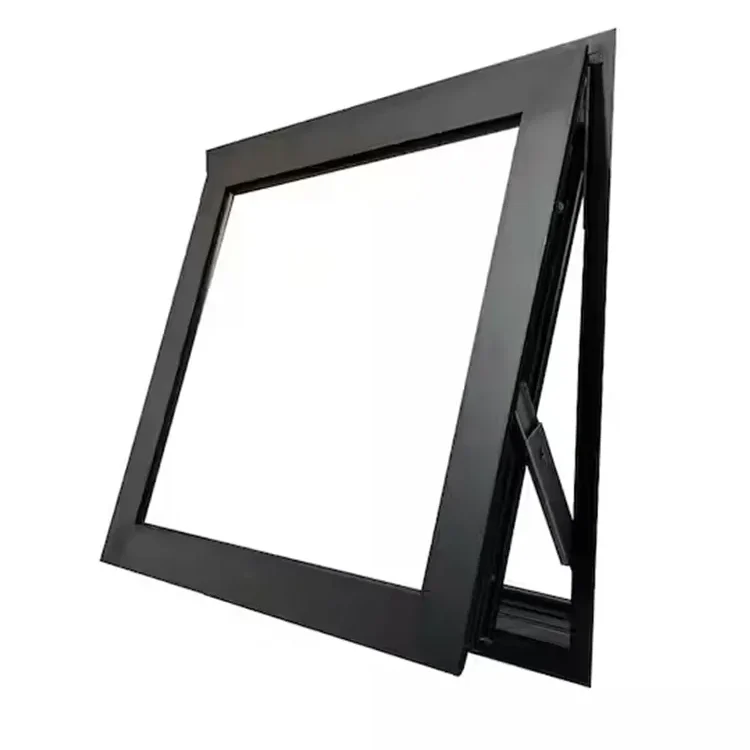
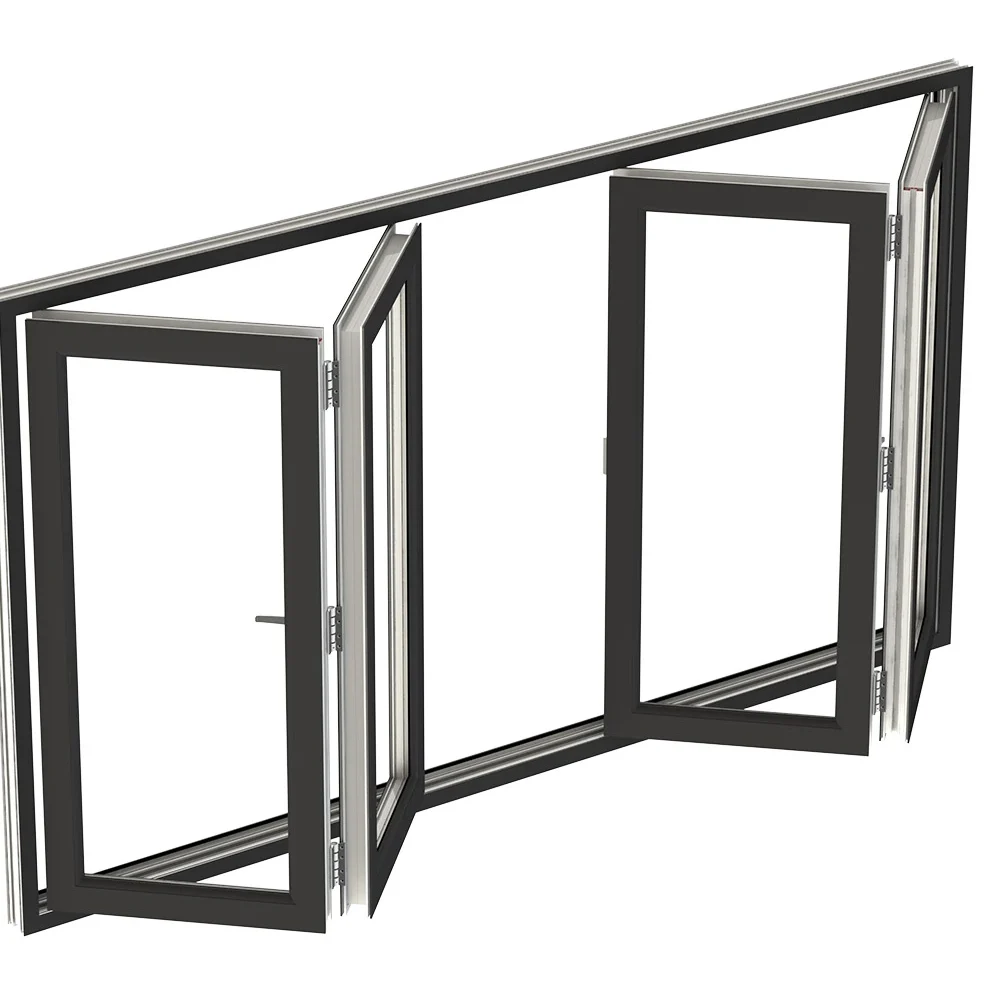
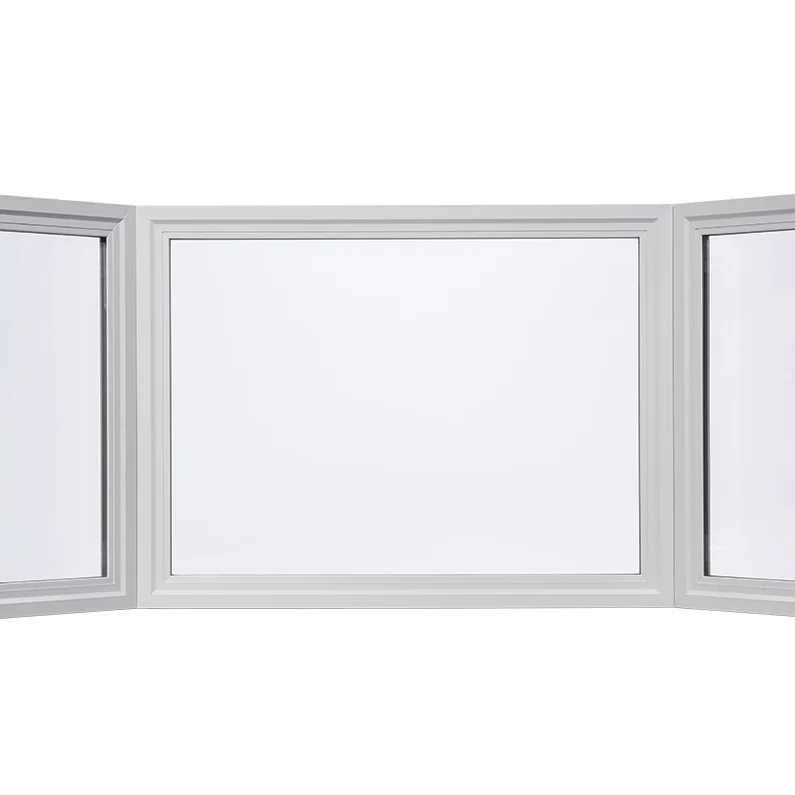
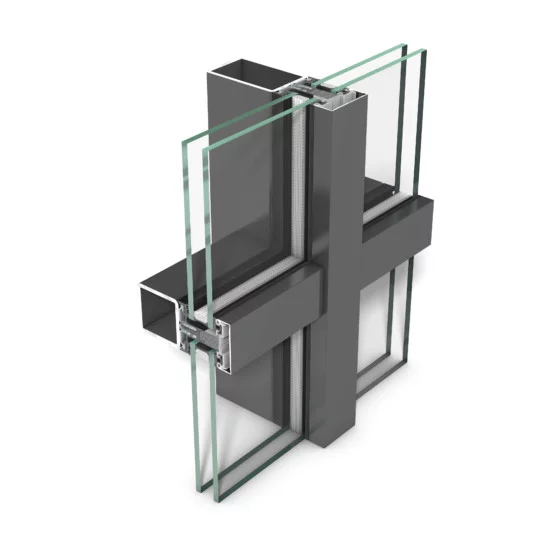
A window jamb is the vertical sides and top that form the inside edges of a window opening. These structural parts support the window, keep it square, and guide smooth opening and closing. For homeowners, the jamb is critical because it affects window alignment, sealing, and everyday operation. Poor or damaged jambs can lead to drafts, sticking windows, and long-term performance issues.
Window Jamb Parts: Side Jamb, Head Jamb & Sill

A window jamb is made up of a few key parts that work together to keep your window stable and easy to use.
-
Side jambs are the vertical pieces on the left and right. They guide the window sash and help keep it aligned as it opens and closes.
-
Head jamb is the horizontal piece at the top. It carries weight, keeps the frame square, and helps block water from entering.
-
Sill interaction matters because the jambs sit against the sill at the bottom. Together, they support the window, manage drainage, and protect the opening from moisture.
When all these parts fit correctly, the window stays square, seals tightly, and operates smoothly.
Window Jamb vs Frame vs Casing: Key Differences

| Part | What It Is | Main Function | Structural or Decorative? |
|---|---|---|---|
| Window Jamb | Vertical sides and top inside the window opening | Supports the window, keeps it aligned, allows smooth operation | Structural |
| Window Frame | The full outer structure, including jambs, head, and sill | Holds the entire window unit in place within the wall | Structural |
| Window Casing | Trim installed around the window on the interior or exterior | Covers gaps and improves appearance | Decorative |
Window Jamb Materials: Wood, Vinyl, Metal & Composite

Window jambs come in several materials, and each affects durability and performance.
-
Wood offers a classic look and good insulation but needs regular maintenance.
-
Vinyl resists moisture, needs little upkeep, and is common in modern windows.
-
Metal (usually aluminum or steel) is strong and stable but may transfer heat without thermal breaks.
-
Composite materials combine strength, moisture resistance, and low maintenance.
Choosing the right material helps your window last longer and perform better in your climate.
Window Jamb Extensions & Liners

Some windows need extra components to fit and function properly.
-
Jamb extensions fill the gap between the window and thick walls. They create a clean finish and help with insulation.
-
Jamb liners are built-in tracks that help the sash slide smoothly, especially in double-hung windows.
Extensions are used for wall depth and appearance, while liners improve movement and ease of use.
Why Window Jambs Matter

Window jambs play a bigger role than most homeowners realize. They affect comfort, efficiency, and how long your windows last.
-
Structural support & alignment
Jambs keep the window square and stable. Proper alignment prevents sagging, sticking, and uneven gaps. -
Energy efficiency & draft reduction
Tight jambs help create a good seal around the window, reducing air leaks and lowering heating and cooling costs. -
Moisture & pest protection
Well-fitted jambs block water, insects, and dust from entering through hidden gaps. -
Long-term performance
Strong jambs protect the window frame and hardware, helping the window perform smoothly for years.
5 Signs Your Window Jamb Needs Repair or Replacement

Problems with the jamb often show up gradually. Watch for these common signs:
-
Drafts or cold air near the window
-
Windows that stick, scrape, or won’t close properly
-
Cracked wood, soft spots, rot, or visible warping
Repair vs replace
Small gaps, minor rot, or worn liners can often be repaired. Severe rot, structural damage, or repeated issues usually mean replacement is the better long-term choice.
Cost note
Minor repairs are affordable, while full jamb replacement costs more but restores performance and prevents future damage.
How Window Jambs Affect Window Operation

Window jambs directly control how your window moves and feels.
-
They guide the sash so it opens and closes smoothly
-
Proper installation keeps the window level and square
-
Poor or damaged jambs can cause sticking, rattling, uneven gaps, and air leaks
Ready to fix or upgrade your window jambs?
If your windows feel drafty, hard to open, or just don’t perform like they should, we can help. Our team can inspect your window jambs, identify issues early, and recommend the most cost-effective repair or replacement solution.
Contact us today to get expert advice, ask questions, or request a clear quote—so your windows stay smooth, sealed, and built to last.
FAQs
What is the difference between a window frame and a window jamb?
A window frame is the full outer structure that holds the entire window in place, including the top (head), bottom (sill), and sides. In contrast, a window jamb refers specifically to the vertical and top parts inside that frame that support and align the window sash.
Where are the window jambs?
Window jambs are located on the inside edges of your window opening. They include the two vertical side jambs and the horizontal head jamb across the top, forming part of the frame that holds the window sash.
Do you need a window jamb?
Yes. Window jambs are essential because they support the window and sash, help align the window, and make sure it opens, closes, and seals properly. Without properly installed jambs, windows can be unstable, drafty, or poorly operating.