











What Is a Casement Window?
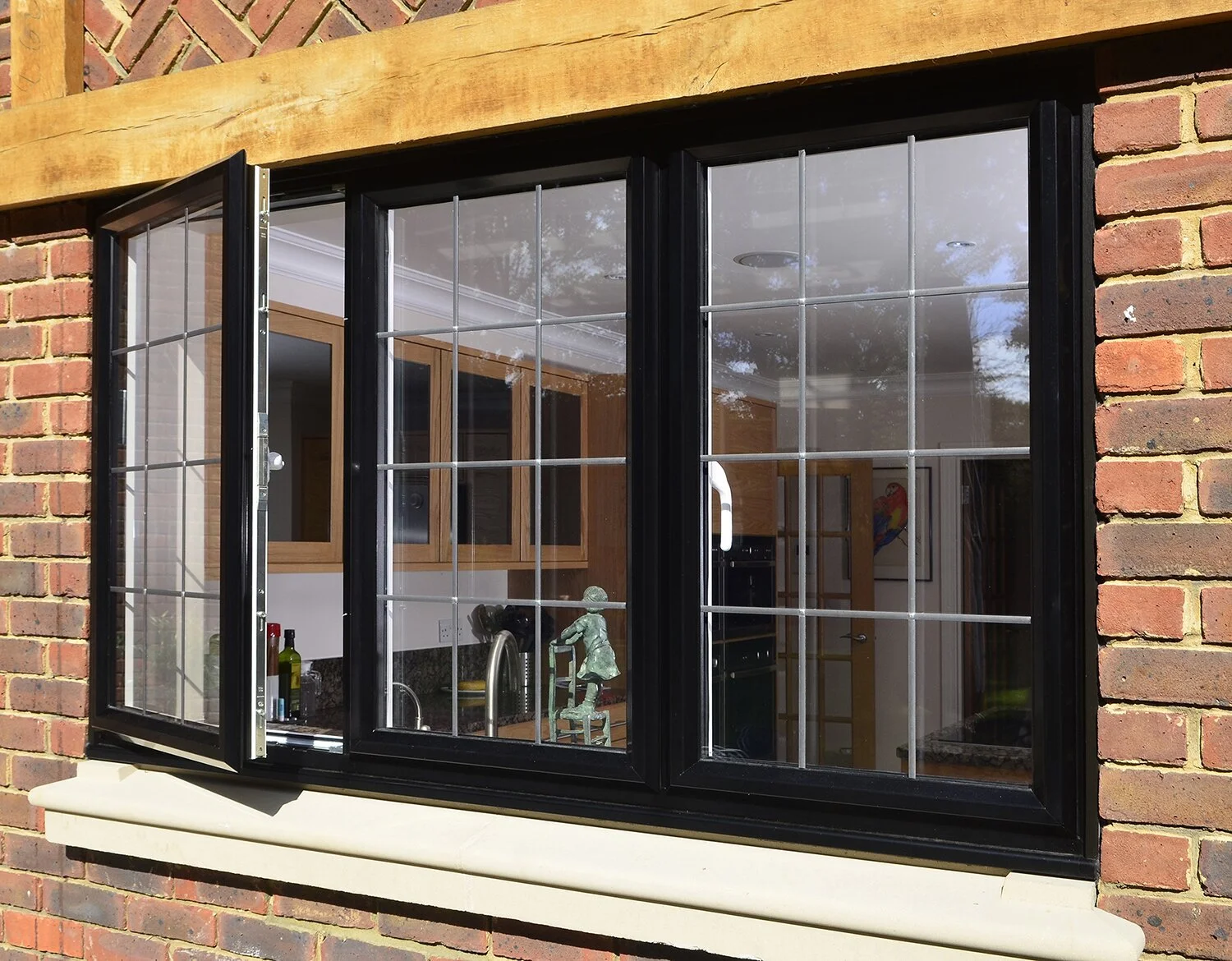
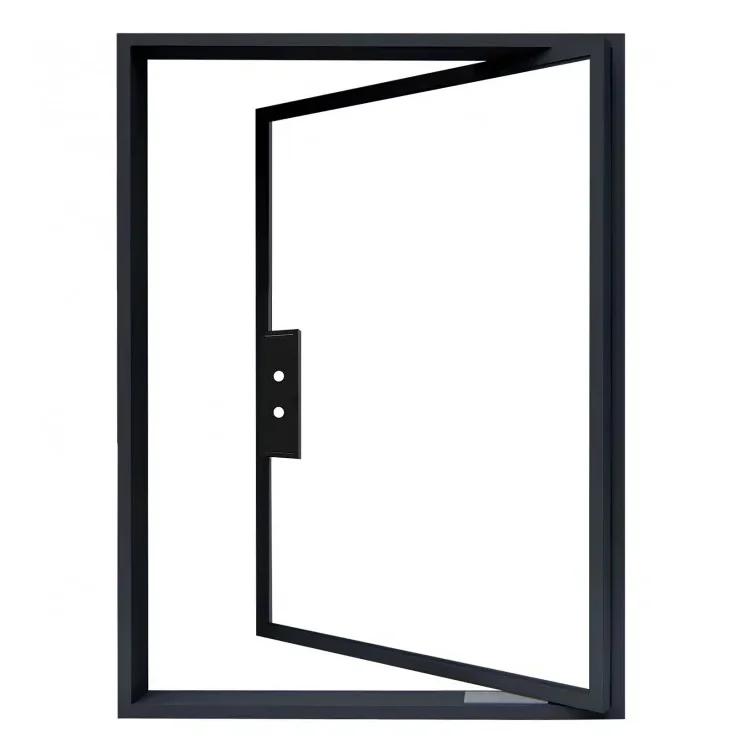
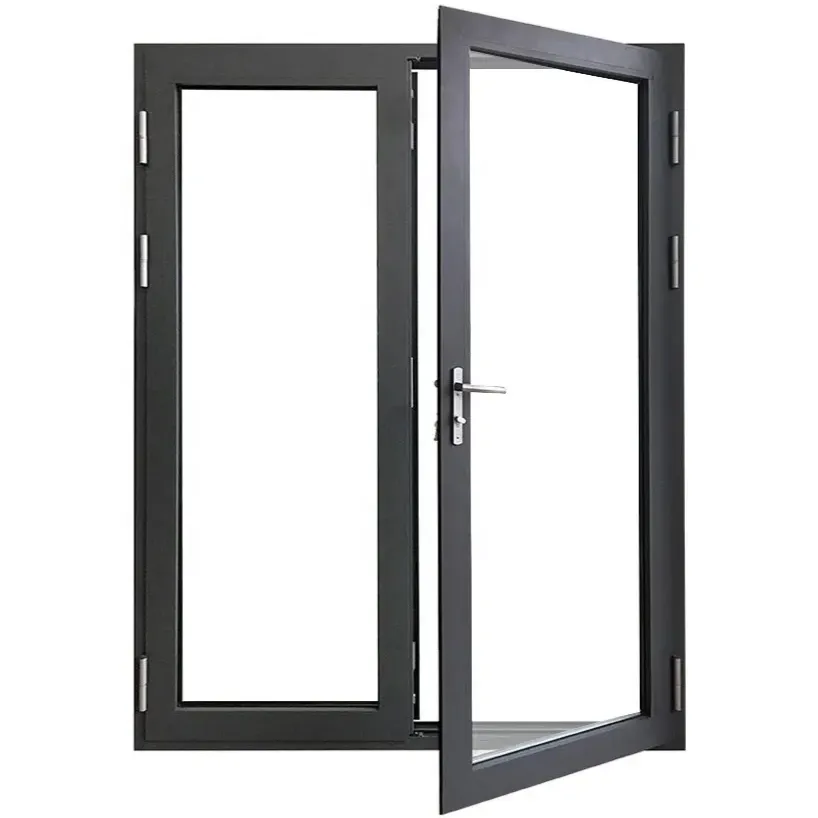
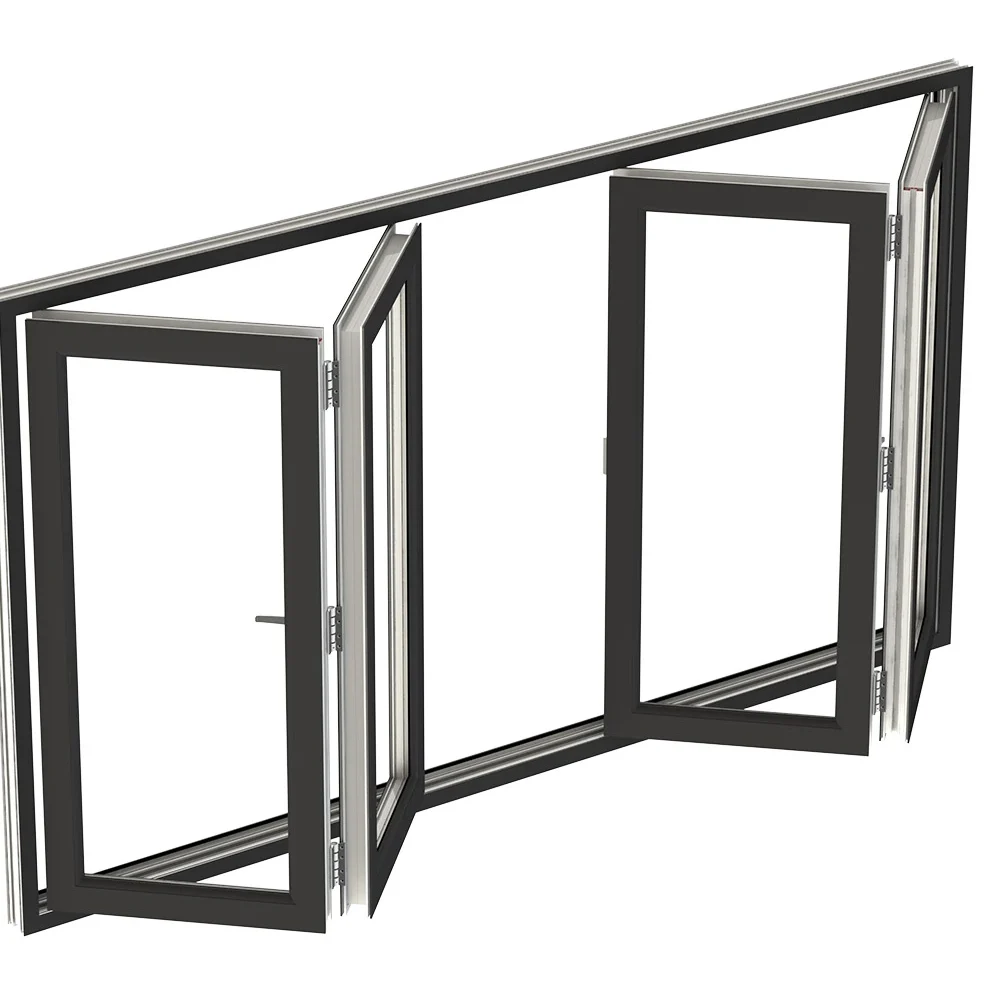
Casement windows are side-hinged, opening outward like a door. They usually feature a tall, vertical rectangle shape, making them perfect for narrow wall spaces. Operated with a crank handle, they swing open up to 90°, allowing full ventilation.
Pros
Excellent airflow and ventilation control
Tight seal when closed—high energy efficiency
Unobstructed glass surface for wide views
Easy to clean from inside due to full swing
Cons
Need exterior clearance (plants, walkways, or decks can block them)
Crank and hinge mechanisms may need periodic maintenance
Outward opening may be vulnerable in high-wind areas
What Is an Awning Window?
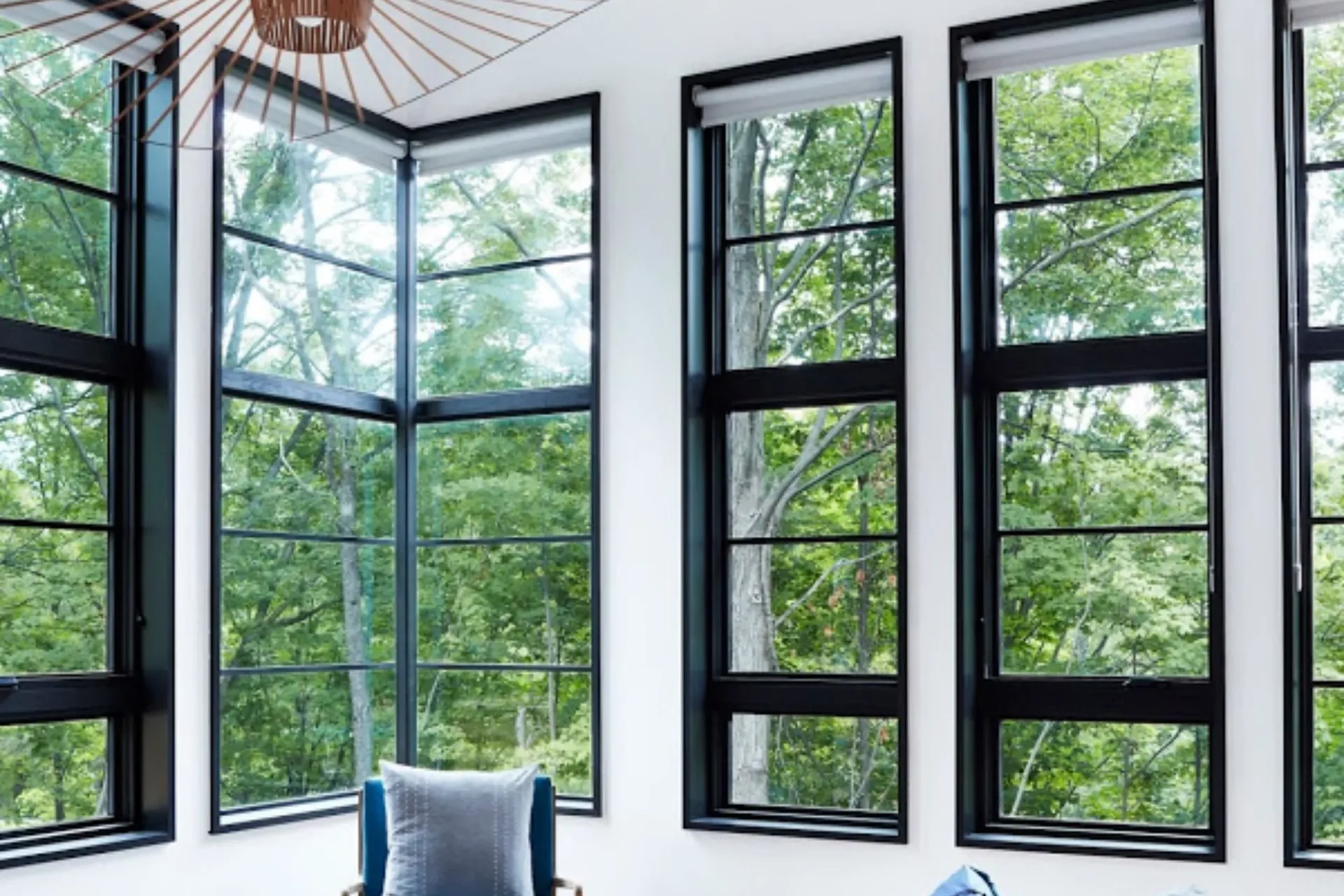
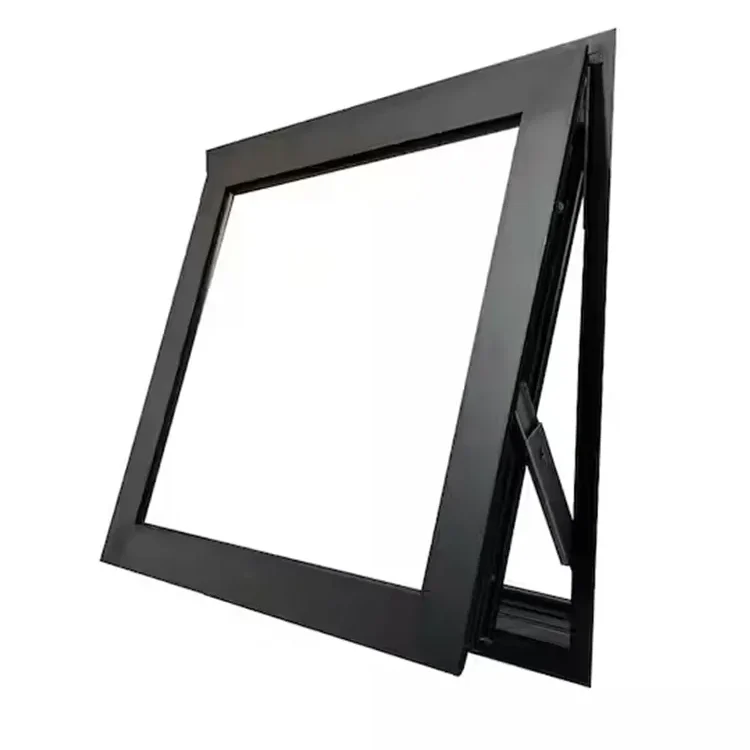
Awning windows are top-hinged and open outward from the bottom. Their horizontal, wider-than-tall design makes them versatile as standalone units or combined above/under larger fixed windows. They resemble a protective “awning” when open, letting in air while shielding from rain.
Pros
Allow ventilation even during rain thanks to top hinge design
Great for privacy and security when placed higher on walls
Provide strong energy efficiency with tight crank seals
Pair well with other window types for design flexibility
Cons
Limited opening size—not ideal for emergency egress
Harder to clean exterior glass from indoors
Generally allow less airflow than casement styles
| Aspect | Casement Windows | Awning Windows |
|---|---|---|
| Hinge & Operation | Side-hinged; swings outward like a door; crank opens up to ~90°. | Top-hinged; bottom swings out; crank creates an awning-like cover. |
| Ventilation | Excellent airflow; sash can “scoop” breezes for cross-ventilation. | Good airflow during rain; sheds water while venting. |
| Weather Performance | Great in fair weather; outward swing needs wind clearance. | Rain-friendly design; sash acts as a shield from drips. |
| Energy & Sealing | Tight compression seal when cranked shut; minimizes drafts. | Similarly tight compression seal; strong draft resistance. |
| View & Aesthetic | Uninterrupted glass; modern, expansive sightlines. | Unobstructed view; often stacked above fixed windows. |
| Cleaning & Maintenance | Opens fully for easy indoor cleaning; lubricate crank/hinges as needed. | Exterior may require outside access; light upkeep for crank/arms. |
| Space & Clearance | Needs exterior swing clearance (plants, paths, screens). | Compact swing; good where overhangs or rain are factors. |
| Egress / Safety | Often meets egress due to wide opening (check local code). | Limited egress; typically not used as a bedroom escape window. |
| Best Locations | Living rooms, narrow openings, over sinks/counters for reach. | Bathrooms, kitchens, high-placement walls, rainy climates. |
| Combinations | Pair side-by-side or with fixed picture windows for broad views. | Place above picture/fixed windows to vent while keeping privacy. |
Hinge & Operation Style

Casement windows are side-hinged and swing outward like a door. With a crank handle, you can open them up to 90°, giving you full ventilation and a wide, clear view. This makes them perfect when you want maximum airflow and easy operation, even when reaching over a counter or sink.
Awning windows are top-hinged, with the bottom swinging outward. When open, they form a protective awning-like cover. This design makes them especially handy during light rain since you can keep them open for fresh air without worrying about water sneaking in.
Ventilation & Weather Performance

Casement windows excel at airflow control. Because the sash swings outward, it can catch and direct breezes straight into your home, almost like a scoop. This makes them great for creating cross-ventilation and keeping rooms naturally cool.
Awning windows provide reliable ventilation even in wet weather. Their slanted, outward-opening sash works like a shield, letting in air while blocking raindrops. That’s why they’re a popular choice for bathrooms, kitchens, or any space that needs steady airflow, rain or shine.
Energy Efficiency & Sealing

Both casement and awning windows are known for their strong energy performance. Thanks to their crank-operated mechanism, the sash pulls tightly against the frame when closed, creating a firm seal that helps keep drafts out. This makes them more efficient than sliding styles.
The only caveat? Over time, the cranking hardware may need a little maintenance or lubrication to keep the mechanism smooth and ensure the seal stays tight. With proper care, both window types remain highly energy-efficient and reliable for years.
View & Design Aesthetic
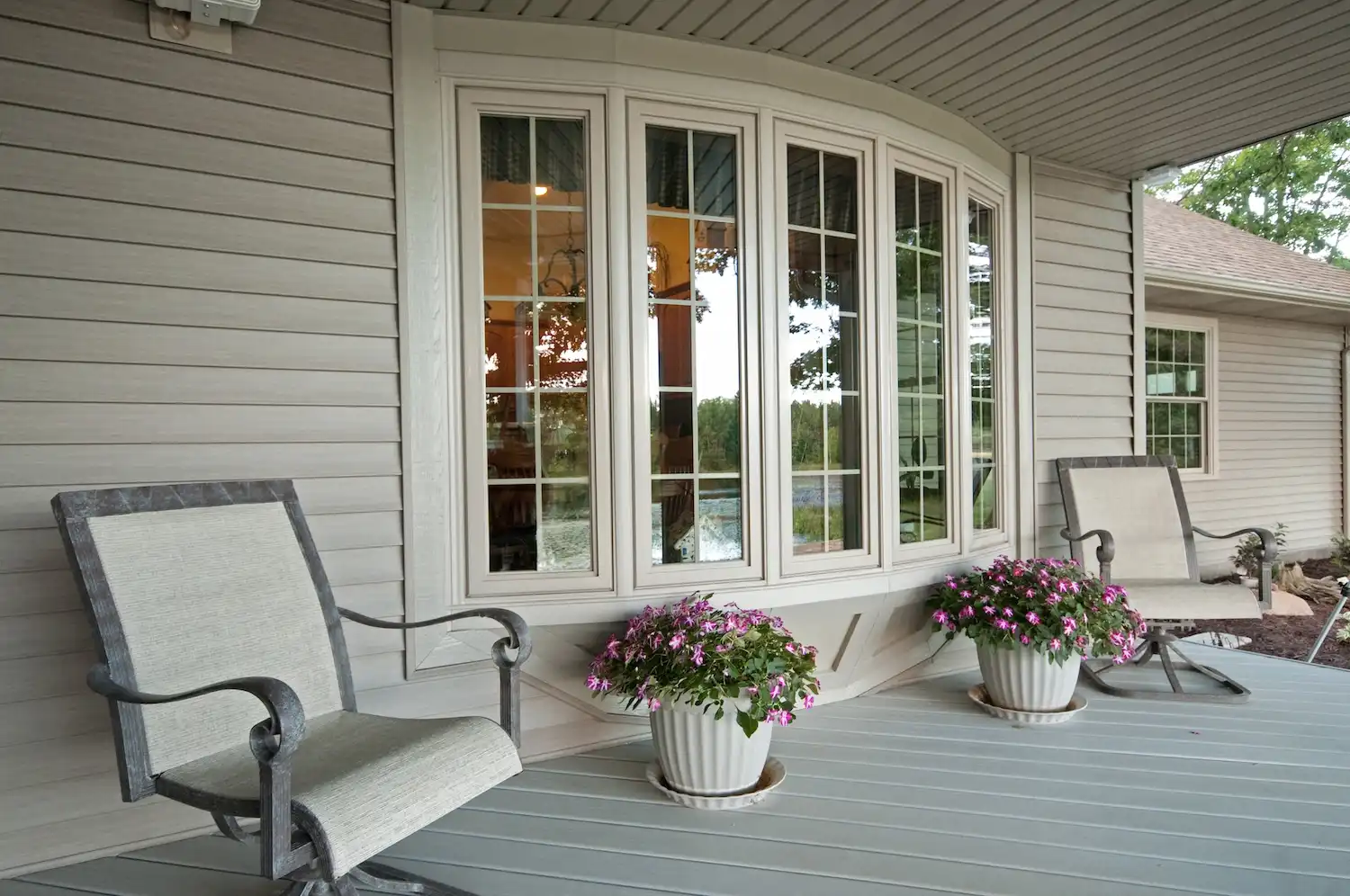
Casement windows offer a sleek, modern look with uninterrupted glass panes. Because they don’t have horizontal dividing rails, they give you expansive, wide-open views. This makes them popular in contemporary homes or spaces where natural light and a clean aesthetic are top priorities.
Awning windows also provide an unobstructed view, but they’re often installed higher on walls or above larger fixed windows. This placement lets in light and air while keeping privacy, making them a stylish and functional complement in bedrooms, bathrooms, or kitchens.
Ease of Cleaning & Maintenance

Casements open fully outward, so you can easily clean both sides of the glass from inside your home. That said, the crank and hinge mechanisms may require occasional lubrication or adjustment to keep them smooth and long-lasting.
Awning windows are a bit trickier to clean from indoors since their exterior surface is harder to reach. You’ll usually need outside access for a full clean. Like casements, their crank systems are durable but benefit from light, regular maintenance.
Ideal Use Cases & Fit
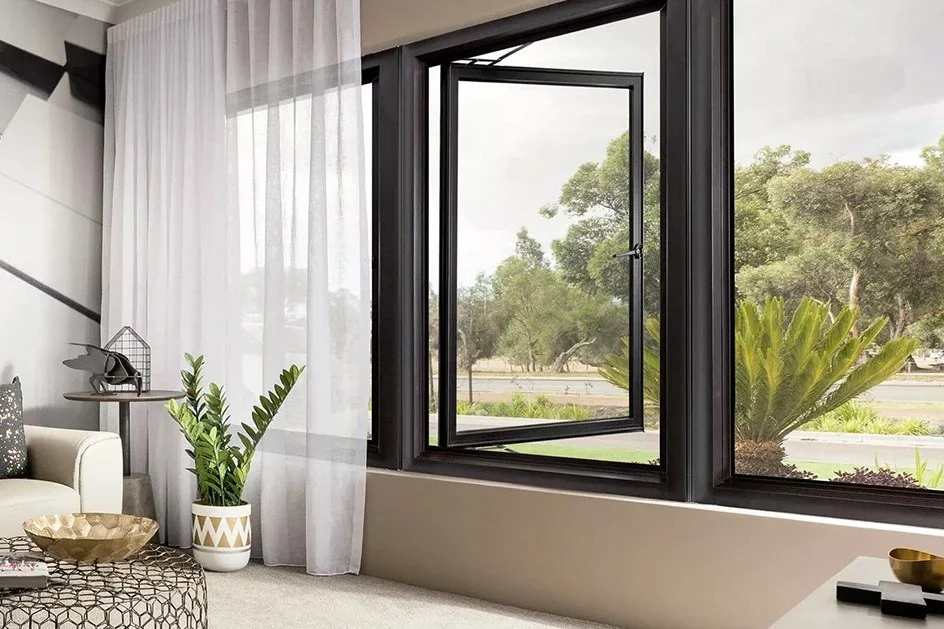
Casements shine in tall, narrow openings or places where maximum ventilation matters—like living rooms, stairwells, or spaces with limited wall width. Their wide swing also makes them easy to operate in spots like over a sink or counter.
Awning windows are perfect for higher placements or paired with other window types. They’re especially useful in bathrooms or kitchens, where you want fresh air but also need privacy or splash protection. Their design makes them versatile for both modern and traditional settings.
Customization & Combinations

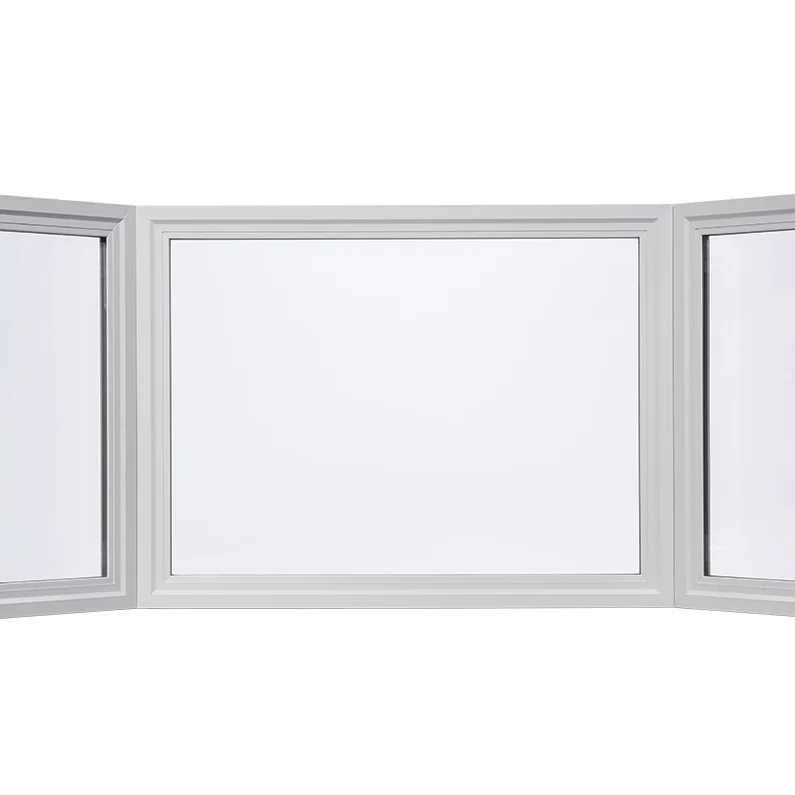
Casement and awning windows don’t have to stand alone—they work beautifully in combinations. For example, awning windows placed above picture windows let you enjoy natural light while still getting ventilation. Casements, on the other hand, pair well in side-by-side sets or with fixed windows for a stylish and functional layout.
Mixing both types in the same home can create a flow of ventilation and light tailored to each room’s needs. By combining their strengths, you can balance aesthetics, energy efficiency, and practicality across your spaces.
How to Choose for Your Project?

When deciding between casement and awning windows, the right choice depends on your space, lifestyle, and priorities. Here are key points to guide you:
Room Layout & Clearance
Choose casement windows if you want tall openings and have outdoor clearance (like no walkway or shrubs blocking the swing).
Pick awning windows if you need ventilation in tighter spaces or want airflow even during rain.
Ventilation Needs
Casements catch breezes and provide maximum airflow.
Awnings allow safe ventilation in wet weather and are better for higher wall placement.
Style & Aesthetics
Casements give a modern, expansive look with uninterrupted glass.
Awnings pair beautifully above or below fixed windows for design flexibility.
Function & Safety
Casements work well for egress (emergency exits) in bedrooms.
Awnings are ideal for bathrooms or kitchens where privacy and partial ventilation matter.
Budget & Maintenance
Both offer strong energy efficiency, but casement hardware may cost slightly more.
Awnings may be trickier to clean outside on upper floors.
👉 In short, casements are best for big views and airflow, while awnings shine in compact or rainy climates. Many homeowners even combine both styles for balance.
Conclusion
Thinking about upgrading your home with casement or awning windows? The right choice depends on your space, lifestyle, and design goals—and we’re here to help you make it.
Contact us today for expert guidance, tailored recommendations, and professional installation options. Let’s bring more comfort, energy savings, and style to your home!
FAQs
Are awning or casement windows better?
It depends on your needs. Casement windows offer wider airflow and unobstructed views thanks to their full-side crank operation, making them ideal for maximum ventilation. In contrast, awning windows are perfect for maintaining ventilation even in rain, thanks to their top-hinged design that keeps water out.
What is the downside of casement windows?
Casement windows require clear outdoor space to swing open, which can be problematic near walkways or furniture. Plus, their crank and hinge mechanisms need occasional maintenance to stay functional.
What is the disadvantage of awning windows?
Awning windows don’t open wide enough for emergency exits. They also offer less ventilation than casement windows and can be tricky to clean from the inside when mounted higher on a wall.
Why are awning windows better?
Awning windows are great at providing ventilation during rain, sealing tightly for energy efficiency, and maintaining privacy when placed high on walls. They also tend to be more affordable and secure compared to other window styles.