












What Is Aluminum Profile Quality Control?
Aluminum profile quality control is the process of checking whether aluminum profiles meet defined mechanical and surface standards before delivery.
In daily production, QC focuses on two core areas: hardness testing and anodizing quality control. Hardness confirms the internal strength of the profile. Anodizing QC ensures the surface is stable, uniform, and durable.
Together, these checks help prevent deformation, coating failure, and inconsistent performance in real-world use.
Hardness Testing in Aluminum Profile QC
Hardness testing verifies whether the aluminum profile has the correct temper and mechanical strength. It is one of the most direct indicators of production stability.
2.1 Daily Sampling & Test Preparation
Hardness testing starts with cutting samples directly from aluminum profiles. These samples represent the real output of the extrusion line.
Testing is done daily and by batch, not randomly. Each production batch is sampled to ensure consistency throughout the day.
Every sample is fully traceable. Records include alloy type, temper condition, production date, and batch number. This traceability allows fast issue tracking if results change.
2.2 Hardness Test Methods & Standards
Aluminum profiles are tested using standard hardness testing methods suitable for aluminum alloys. These methods provide fast and repeatable results.
Each profile has a defined acceptance range. Results within the range pass. Results outside the range trigger review or re-testing.
Stable hardness results over time confirm that heat treatment, aging, and extrusion conditions are under control. This consistency is critical for structural and architectural applications.
2.3 Data Recording & Quality Control Decisions
Hardness data is automatically sent from the testing machine to the QC system. This reduces manual error and improves accuracy.
Results are compared against internal control standards, not just minimum limits. Trends matter more than single values.
If data falls outside tolerance, QC teams take action immediately. This may include stopping production, adjusting parameters, or isolating the affected batch.
Anodizing Quality Control for Aluminum Profiles

Anodizing quality control focuses on the surface protection process. Since anodizing is a chemical and electrical treatment, tight control is essential.
3.1 Chemical Water & Bath Quality Testing
Anodizing uses chemical water to form a protective oxide layer on aluminum surfaces.
For this reason, chemical water from every anodizing batch is sent to the lab for testing. This ensures the bath composition stays within defined limits.
Regular testing prevents uneven coatings, color variation, and surface defects caused by unstable chemistry.
3.2 Electrical Parameter Control During Anodizing
Anodizing quality also depends on electrical control.
Operators monitor voltage and current through control panels during the anodizing process. These parameters directly affect coating thickness and uniformity.
Keeping voltage and amps stable ensures the anodized layer forms evenly, without burning, streaking, or weak spots.
Final Surface Quality Inspection

Final surface inspection is the last checkpoint before aluminum profiles are approved for delivery.
At this stage, inspectors focus on what the customer will actually see and use. Each anodized profile is checked for surface uniformity, color consistency, and overall finish quality.
Inspectors look closely for common surface issues such as scratches, stains, uneven color, burn marks, or residue. Even small imperfections can affect appearance, corrosion resistance, and long-term performance.
This step confirms that the anodizing process worked correctly and that the aluminum profile meets both functional and visual standards. Only profiles that pass this inspection move forward to packing and shipment.
How Hardness & Anodizing QC Work Together

Hardness testing and anodizing quality control serve different roles, but they work best as a system.
Hardness testing verifies the internal strength and stability of the aluminum profile. It confirms that the alloy, temper, and heat treatment are correct.
Anodizing QC protects the external surface, ensuring durability, corrosion resistance, and consistent appearance.
When both checks are controlled daily, problems are easier to detect early. Stable hardness supports proper anodizing results, while controlled anodizing protects the material’s performance over time.
Together, hardness and anodizing QC ensure aluminum profiles are not only strong inside, but also reliable and clean on the outside—ready for real-world applications.
Talk to Us About Your Aluminum Profile Quality Needs
Looking for aluminum profiles with stable hardness and reliable anodized finishes?
Our quality control system covers daily hardness testing, batch-based anodizing checks, and final surface inspections to ensure consistent performance and appearance.
Whether you need architectural profiles, industrial extrusions, or custom anodized solutions, our team is ready to support your project.
Contact us today to discuss your requirements, request samples, or get a technical consultation from our engineers.
FAQs
What is QC10 aluminum?
QC-10 aluminum is a high-strength mold plate alloy used in tooling and industrial applications. It has good hardness, durability, and corrosion resistance and is often used for molds and heavy-duty components.
What is the difference between aluminum profile 2020 and 4040?
“2020” and “4040” refer to the cross-section size of the profiles in millimeters. A 2020 profile measures 20 × 20 mm (smaller, lighter), while a 4040 profile is 40 × 40 mm (larger, stronger, often with T-slots). They serve different load and structural needs.
What is aluminum profile 6063?
Aluminum profile 6063 is an aluminum alloy with magnesium and silicon. It is a medium-strength, easy-to-extrude, good-finish alloy widely used for architectural and anodized profiles like window and door frames.
What is an aluminium profile?
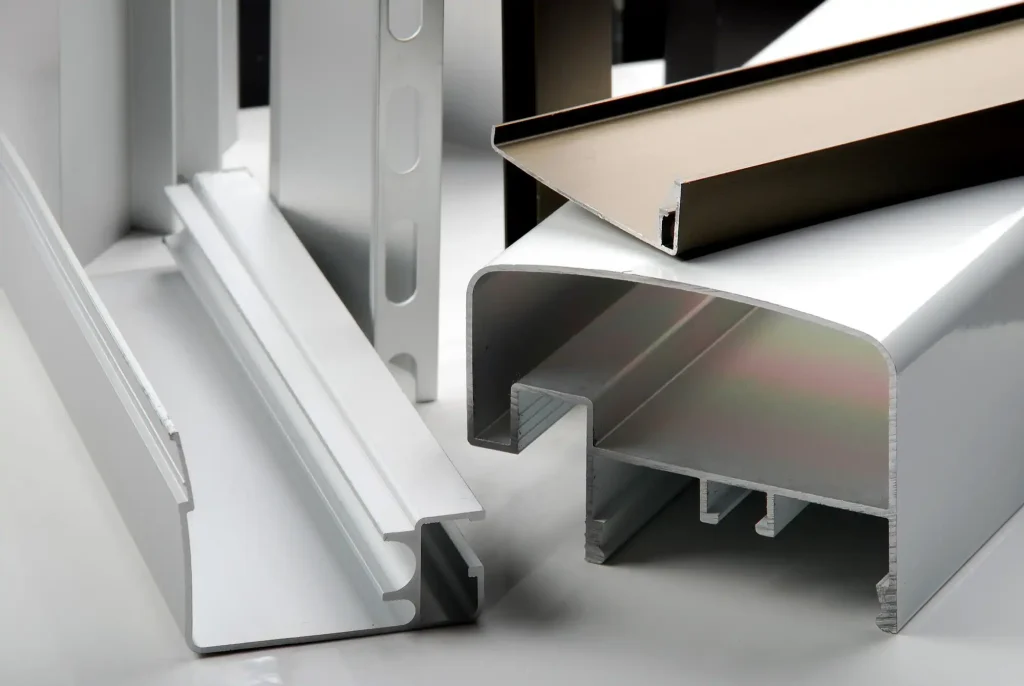
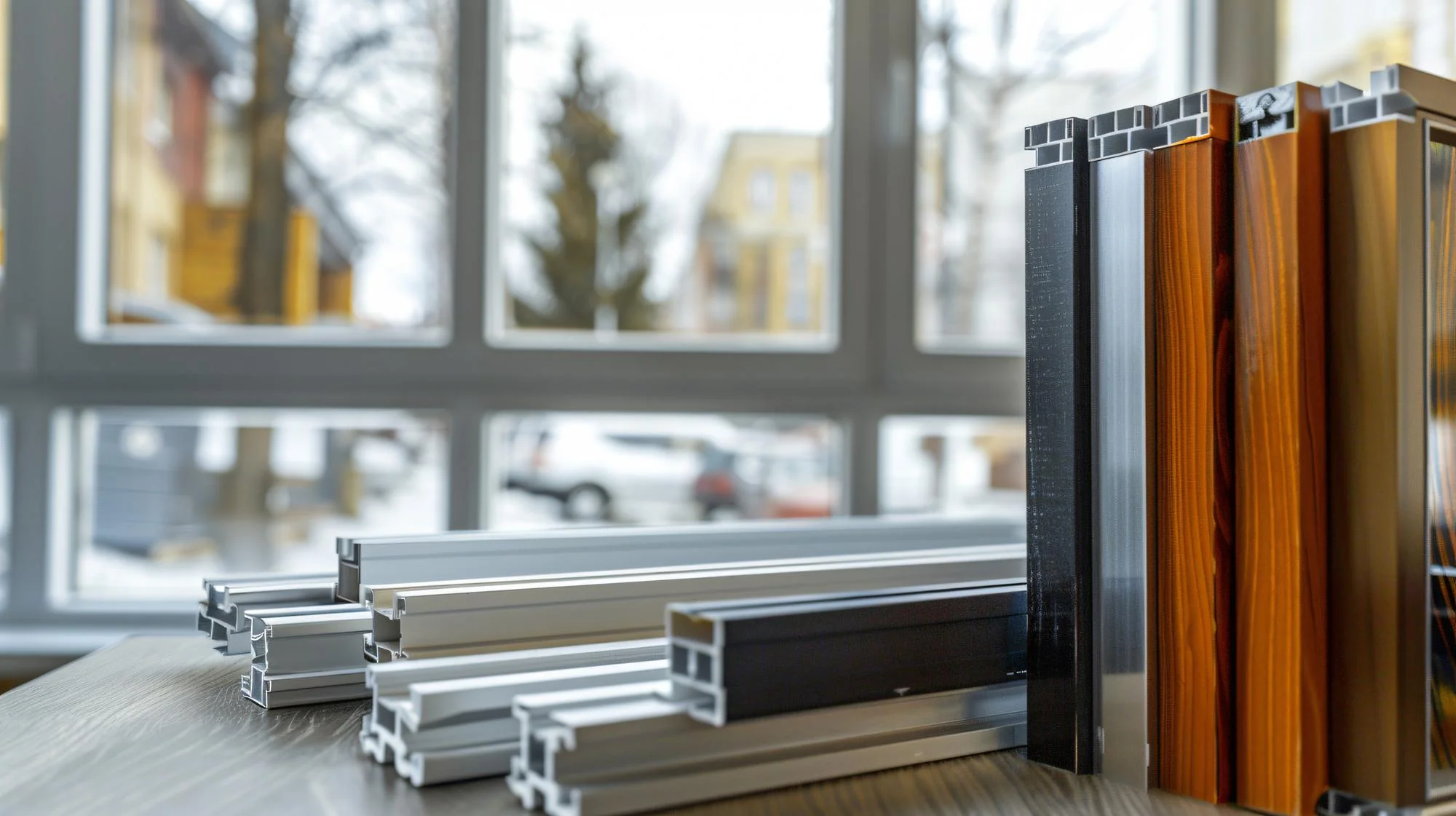
An aluminium profile is a shaped aluminum component created by extrusion. It has a constant cross-section and is used in construction, frames, machinery, and many structural applications.