
What Are Awning Windows?
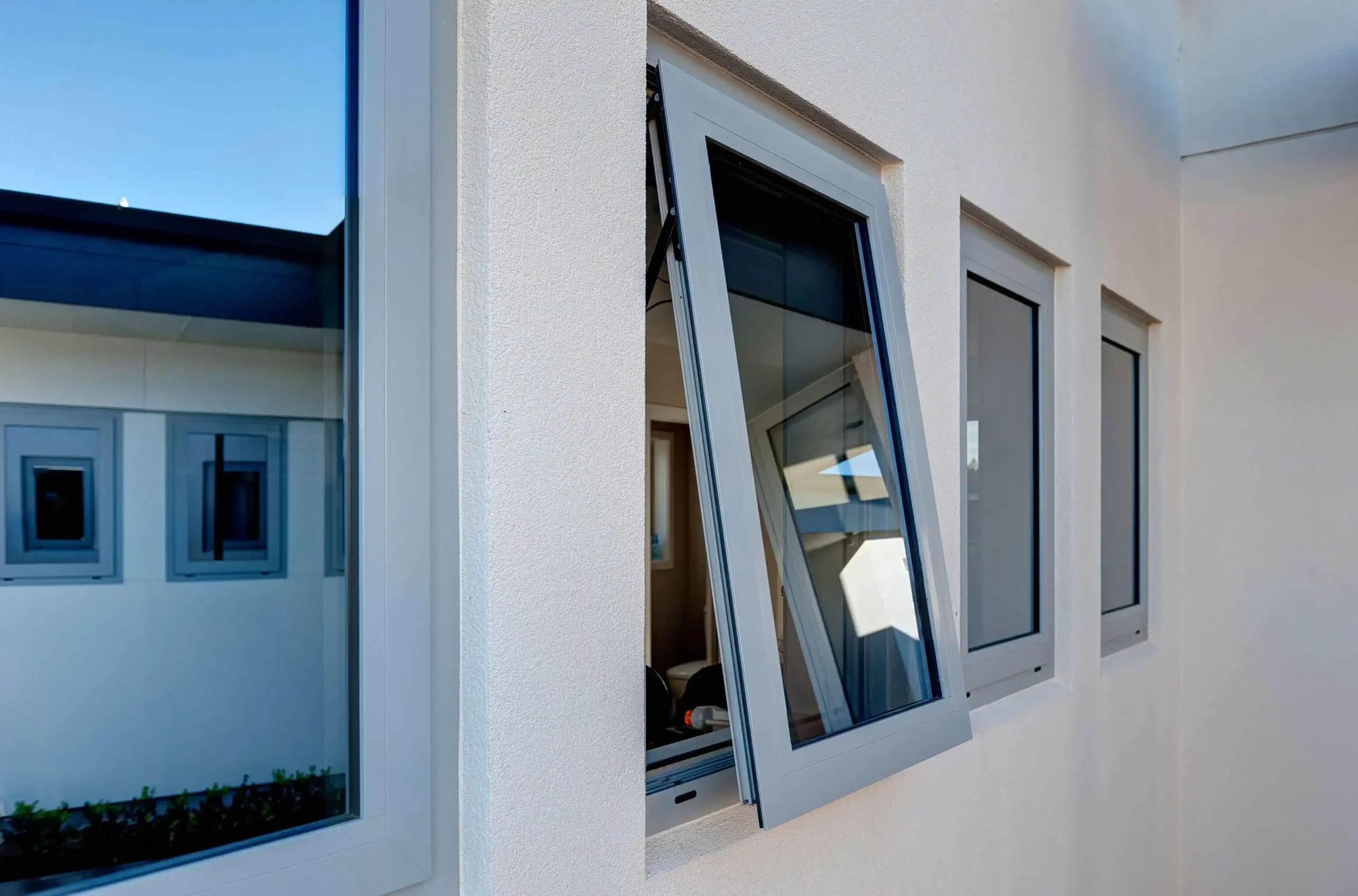
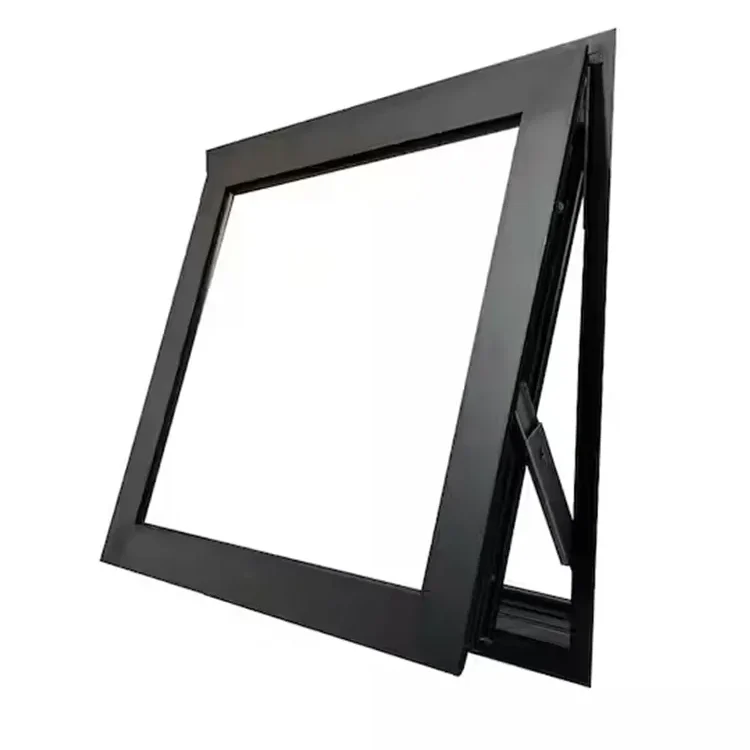
Awning windows are hinged at the top and open outward from the bottom, forming a small “awning” shape. This design allows fresh air to flow in while helping block rain from entering. Unlike side-hinged casement windows, awning windows open upward, making them ideal for higher wall placements or areas needing privacy.
Key Benefits of Awning Windows
Excellent ventilation, even during light rain
Strong weather sealing and energy efficiency
Ideal for bathrooms, basements, and kitchens
Can be paired with fixed windows for added light
Easy to operate with crank or push-out systems
Drawbacks to Consider
Limited opening size compared to casement windows
Not suitable for emergency egress in most cases
Can obstruct exterior walkways if installed too low
How Awning Windows Work
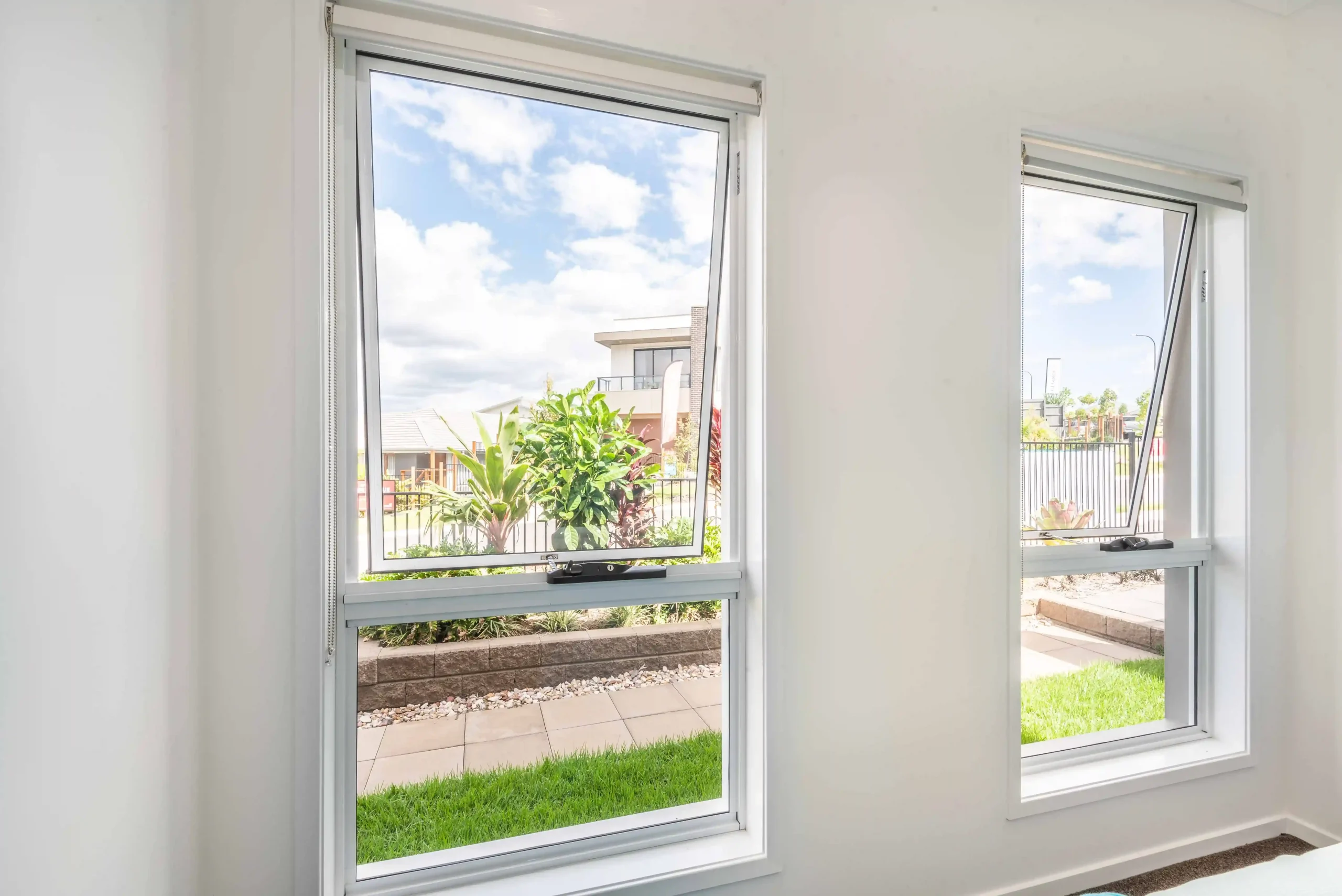
Awning windows are hinged at the top and open outward from the bottom, creating a small canopy-like shape. They are usually operated with a hand crank or push-out mechanism, allowing smooth and controlled opening. Because the sash tilts outward, rainwater is directed away from the opening, making these windows practical even during light rain.
The tight seal around the frame helps improve energy efficiency and reduces air leakage. When closed, the sash presses firmly against the frame, creating a strong weather barrier. This design makes awning windows both functional and reliable in many climates.
Ideal Placement & Uses
Bathrooms
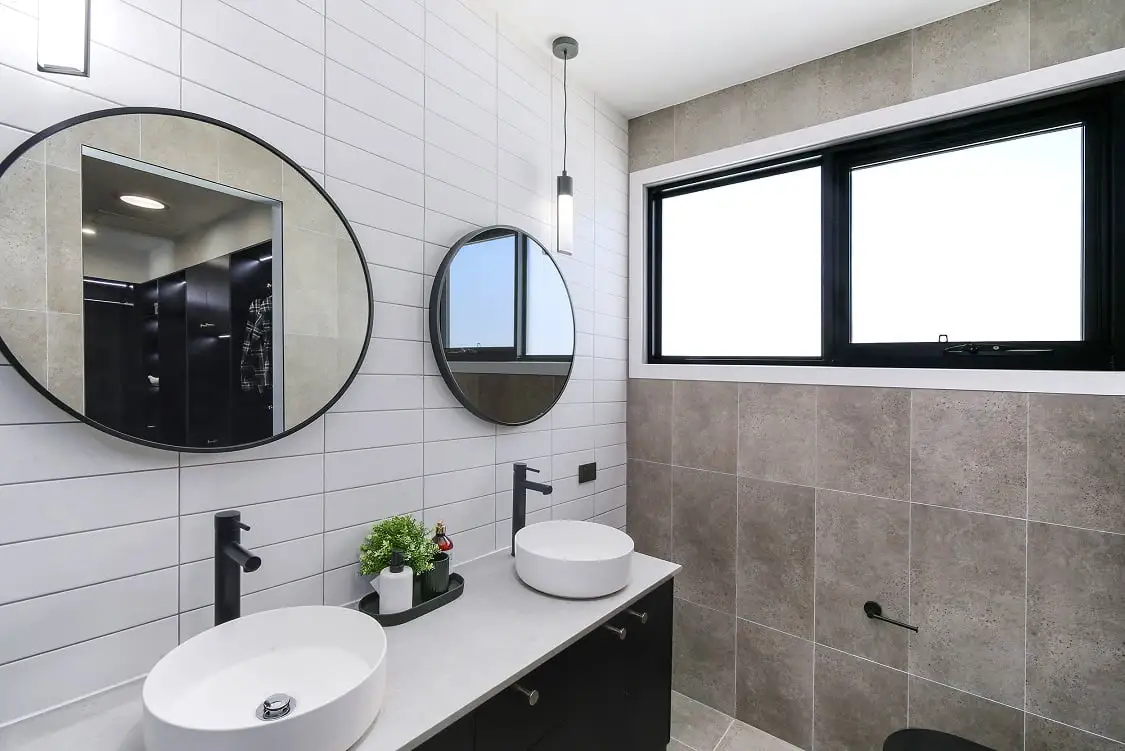
Awning windows are perfect for bathrooms because they allow airflow while maintaining privacy. Their higher placement and outward opening help release moisture without sacrificing security.
Kitchens

In kitchens, awning windows provide steady ventilation to remove heat, steam, and cooking odors. They work especially well above sinks or counters where swinging windows would be inconvenient.
Basements
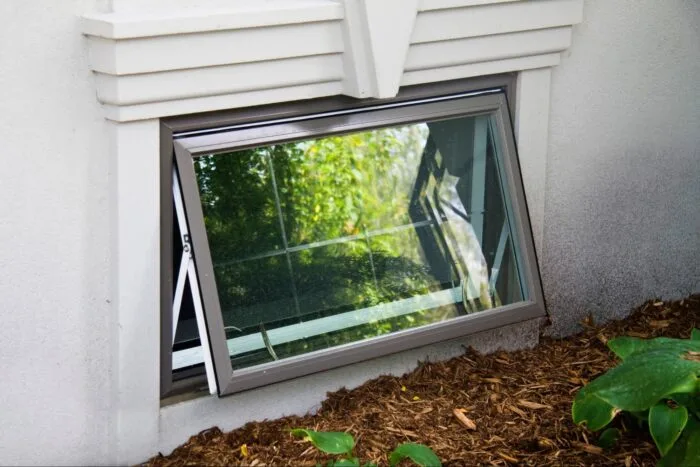
For basements, awning windows improve air circulation while keeping rain and debris out. Their compact opening makes them ideal for smaller wall spaces.
Above Picture Windows

Placed above large fixed windows, awning windows add ventilation without blocking views. This combination boosts airflow while maintaining a clean, modern look.
Overall, awning windows offer a smart balance of airflow, protection, and space efficiency—making them a versatile choice for many areas of the home.
Materials, Styles & Custom Options
When choosing awning windows, the right materials and design options make a big difference in performance, durability, and overall style. Here’s a clear breakdown to help you decide.
Common Frame Materials

Vinyl: Affordable, low maintenance, and energy efficient. Great for humid or coastal areas.
Aluminum: Strong, lightweight, and modern-looking. Ideal for large openings and contemporary homes.
Wood: Offers natural beauty and excellent insulation, but needs regular maintenance.
Fiberglass: Extremely durable, weather-resistant, and stable in temperature changes.
Popular Style Options
Modern slim-frame designs for clean, minimal aesthetics
Traditional profiles that match classic or colonial homes
Black or dark finishes for a bold, architectural look
Grilles or divided lites for decorative appeal
Customization Options
Custom sizes for unique openings
Multiple glass types (clear, frosted, Low-E, tinted)
Hardware finishes to match interior décor
Insect screens and security upgrades
With the right combination of materials and design, awning windows can be tailored to fit both your style and performance needs.
Awning Windows vs. Other Window Types
| Window Type | How It Opens | Ventilation | Rain Performance | Best Locations | Key Watch-Outs |
|---|---|---|---|---|---|
| Awning | Top-hinged, opens outward | Good, controlled airflow | Very good (can vent in light rain) | Bathrooms, kitchens, basements, above picture windows | Not ideal near walkways; limited opening; often not egress |
| Casement | Side-hinged, swings outward | Excellent (catches breezes) | Moderate (depends on wind/rain angle) | Living rooms, kitchens, hard-to-reach areas | Can interfere with exterior space; needs clearance |
| Hopper | Bottom-hinged, tilts inward | Good for small spaces | Low (rain can enter more easily) | Basements, bathrooms, laundry rooms | Interior swing needs clearance; less rain-friendly |
| Sliding | Slides horizontally on tracks | Moderate (opens about 50%) | Good when closed; average when venting | Bedrooms, living areas, wide wall openings | Tracks need cleaning; less airtight than hinged types |
| Single-Hung | Bottom sash moves up; top fixed | Moderate | Good when closed; standard venting | Whole-home use, traditional layouts | Less airflow control than double-hung |
| Double-Hung | Both sashes move up/down | Good (top/bottom venting) | Good when closed; standard venting | Bedrooms, living rooms, classic homes | More moving parts; can be less airtight than awning/casement |
| Picture (Fixed) | Does not open | None | Excellent (sealed) | View walls, living rooms, high windows | No ventilation; may need paired operable windows |
Sizing & Installation Tips

Choosing the right size and installing your awning windows correctly makes a big difference in comfort, performance, and long-term durability.
Typical Size Ranges
Awning windows usually range from 18 to 48 inches wide and 12 to 48 inches tall, depending on the application. They are often installed higher on the wall to allow airflow while maintaining privacy. In kitchens or bathrooms, smaller sizes work well, while wider units are common above picture windows or in living spaces.
Installation Considerations
Professional installation is highly recommended to ensure proper sealing and alignment. A poorly installed window can lead to air leaks, water intrusion, and reduced energy efficiency. DIY installation may work for experienced homeowners, but precise leveling and waterproof flashing are critical.
Maintenance and Longevity

Awning windows are generally low-maintenance, but regular care helps them last longer.
Cleaning: Wipe glass and frames regularly to prevent dirt buildup.
Hardware care: Lubricate hinges and crank mechanisms to keep movement smooth.
Seal checks: Inspect weatherstripping and seals yearly to prevent air or water leaks.
With proper care, a quality awning window can perform efficiently for decades while maintaining its appearance and functionality.
Recommended Awning Window Manufacturers
Below are some trusted awning window manufacturers known for quality, performance, and design flexibility. These brands are widely used in residential and commercial projects worldwide.
1. Apro Windows & Doors

Apro is a professional manufacturer specializing in high-performance aluminum window and door systems. Known for modern designs and strong engineering, Apro delivers reliable awning windows suitable for residential and commercial projects worldwide.
Founded: 2015
Headquarters: Guangzhou, China
Main Materials: Aluminum, tempered glass, thermal break systems
Best For: Modern homes, custom projects, energy-efficient designs
2. Andersen Windows & Doors

Andersen is one of the most trusted names in the window industry, offering durable awning windows with excellent thermal performance and design flexibility.
Founded: 1903
Headquarters: Bayport, Minnesota, USA
Main Materials: Wood, composite (Fibrex®), aluminum-clad wood
Best For: Long-term durability, traditional and modern homes
3. Marvin Windows and Doors

Marvin specializes in premium, custom-made windows with a strong focus on craftsmanship and performance. Their awning windows are popular for high-end residential projects.
Founded: 1912
Headquarters: Warroad, Minnesota, USA
Main Materials: Wood, fiberglass, aluminum-clad wood
Best For: Custom homes, architectural projects, luxury builds
4. Pella Windows & Doors

Pella offers a wide range of awning windows designed for energy efficiency and ease of use. Their products balance style, durability, and innovative features.
Founded: 1925
Headquarters: Pella, Iowa, USA
Main Materials: Vinyl, fiberglass, wood
Best For: Energy-efficient homes, renovation projects
5. Milgard Windows & Doors

Milgard is known for dependable performance and long-lasting window systems. Their awning windows are a popular choice for homeowners seeking quality at a practical price point.
Founded: 1958
Headquarters: Tacoma, Washington, USA
Main Materials: Vinyl, fiberglass, aluminum
Best For: Budget-conscious homeowners, long-term reliability
Ready to Upgrade Your Windows?
If you’re planning to install or replace awning windows, our team is here to help you choose the right size, style, and configuration for your home. We offer expert guidance, custom options, and professional support from start to finish.
Contact us today to get personalized recommendations, request a quote, or explore the best awning window solutions for your space.
FAQs
Who makes the best awning windows?
Top brands include Andersen, Marvin, Pella, and Apro, known for quality materials, weather resistance, and smooth operation.
Who makes the best quality awnings?
Manufacturers like Apro, Marvin, and Andersen are known for premium build quality, strong frames, and long-term durability.
Who is the best window manufacturer?
There’s no single “best,” but Andersen, Pella, and Marvin consistently rank highest for quality, performance, and customer trust.
Who is the largest window manufacturer?
Andersen Corporation is one of the largest window and door manufacturers in North America, with a global market presence.