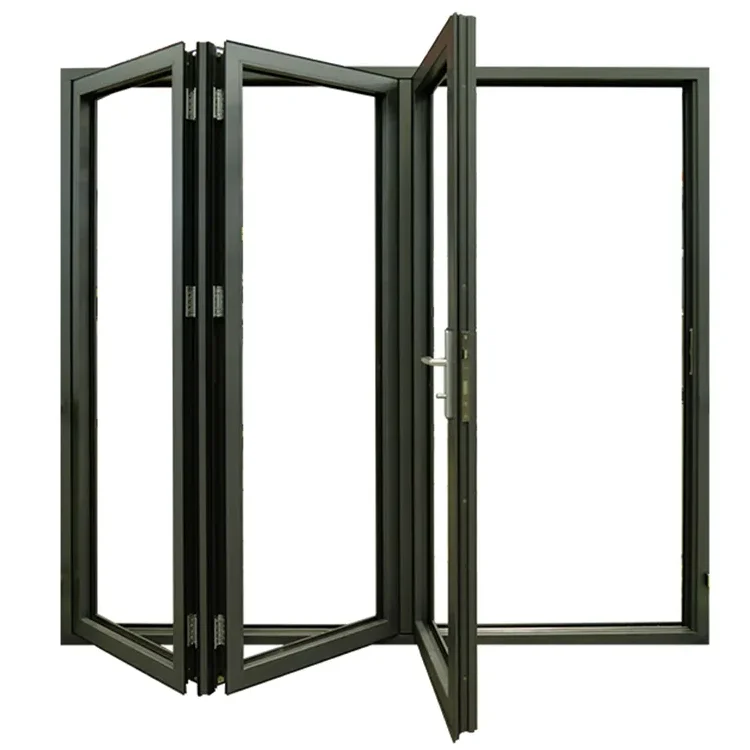



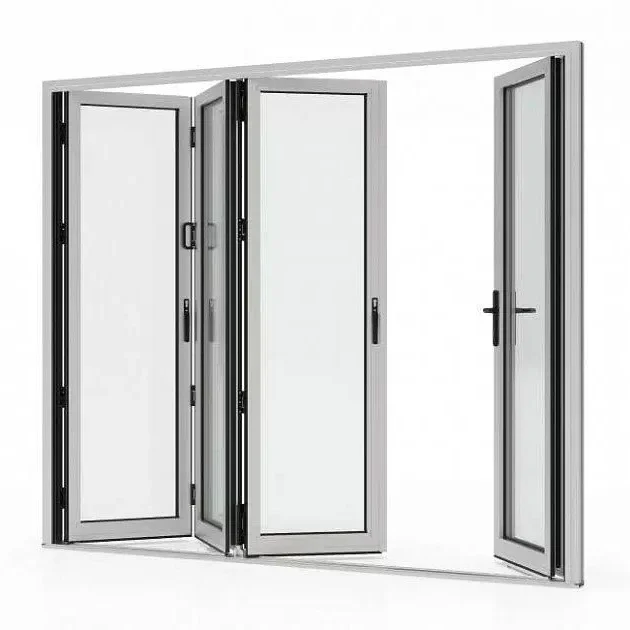









Are you considering installing bifold doors in your home?
Whether you’re looking to create a stylish room divider, add more light, or save space, bifold doors are a great option.

But before you jump into choosing the perfect design, it’s important to understand the different bifold door sizes available.
Standard Bifold Door Sizes
When choosing bifold doors, knowing the standard sizes helps ensure a perfect fit for your space.
Whether you’re installing interior or exterior bifold doors, there are common sizes to consider.
Interior Bifold Doors

Interior bifold doors are typically smaller in size and perfect for spaces like closets, laundry rooms, or as room dividers.
Here are the most common dimensions:
- Common Widths: 18″, 20″, 24″, 28″, 30″, 32″, 36″
- Common Heights: 80″ and 96″
You’ll often find interior bifold doors in configurations such as:
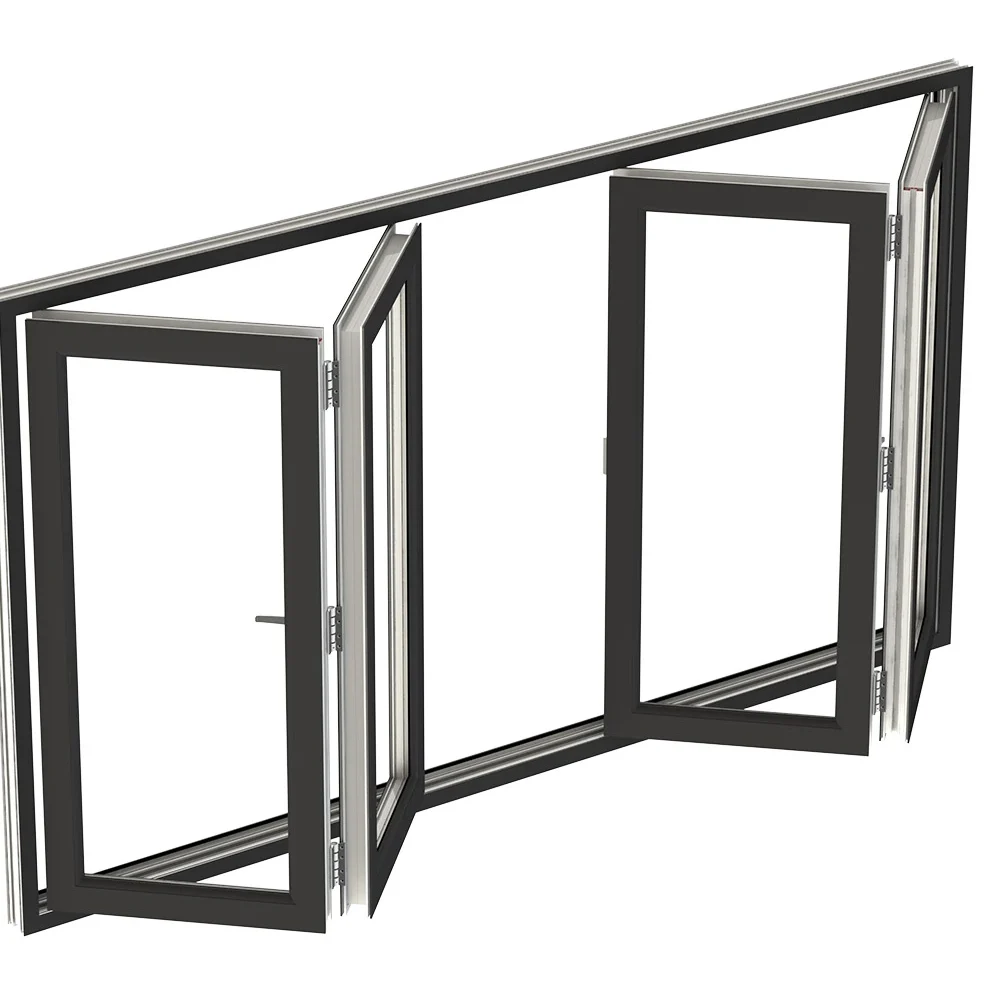
- 2-panel: Great for small to medium-sized openings.
- 3-panel: Perfect for larger closets or room dividers.
- 4-panel: Ideal for wide spaces that need more access.
Exterior Bifold Doors
Exterior bifold doors are designed for larger openings like patios, balconies, or garden entrances.
They are wider to accommodate more significant spaces and provide a grand entrance.
The typical sizes are:
- Widths: Up to 72″
- Heights: 80″ to 96″
Exterior doors often come in multiple-panel configurations, such as:
- 3-panel: Common for standard patio door or balcony doors.
- 4-panel and beyond: Used for larger openings to create a seamless transition between indoors and outdoors.
Custom Bifold Door Sizes

Sometimes, standard bifold doors just don’t fit the bill, especially if you have an unconventional space or specific design requirements.
That’s where custom bifold doors come in.
When to Consider Custom Bifold Doors
If your opening is larger, smaller, or an odd shape, you may need custom bifold doors.
Custom sizes are perfect for spaces like:
- Extra-wide openings (e.g., large patio or dining areas)
- Unusual wall sizes (e.g., corners or non-standard room dimensions)
- High ceilings (e.g., loft spaces or vaulted ceilings)
How to Measure for Custom Bifold Doors
Before ordering custom bifold doors, it’s essential to measure your space accurately.
- Measure the height: Measure from the floor to the top of the opening. Don’t forget to account for any floor coverings or baseboards.
- Measure the width: Measure across the opening at the top, middle, and bottom to ensure it’s even. Take the smallest measurement to get your final width.
- Add space for fitting tolerance: Leave about ½ inch for each side to ensure easy installation and proper door operation.
Panel Dimensions

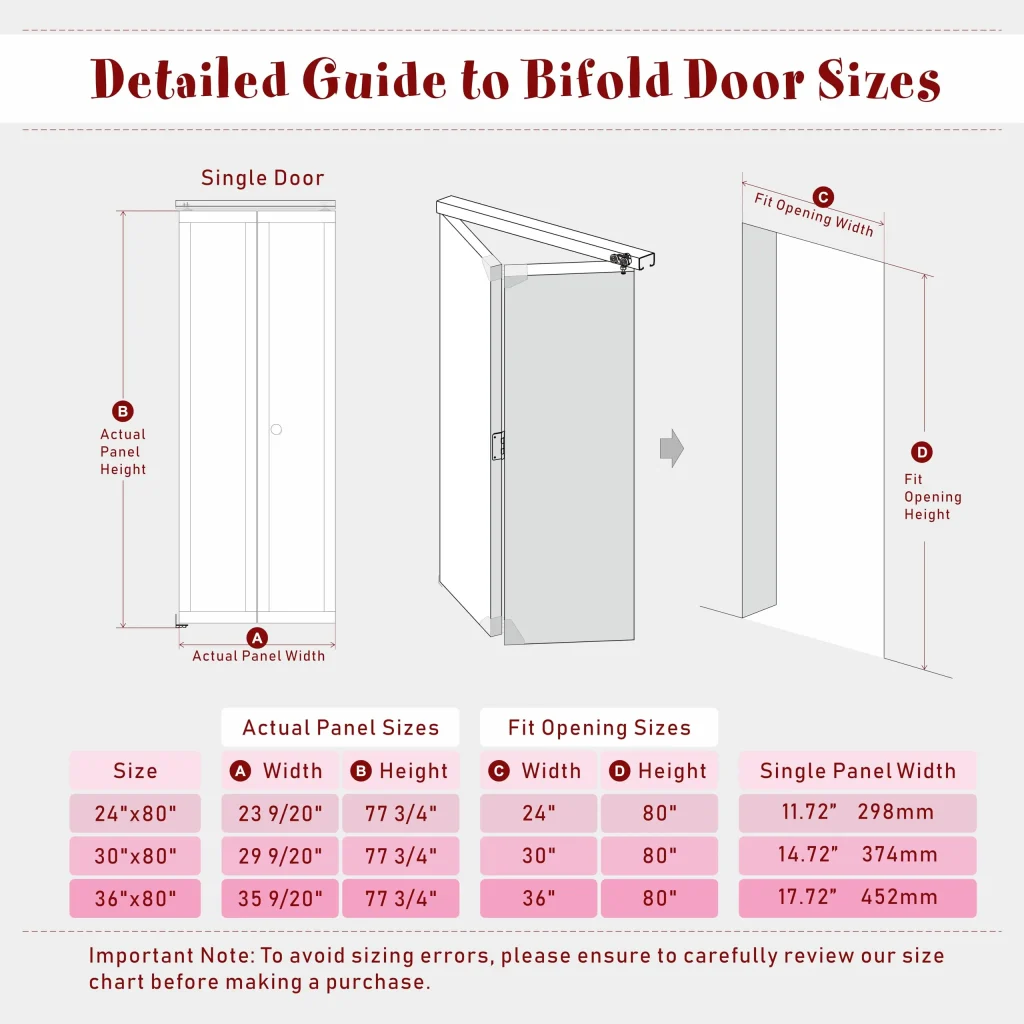
When it comes to bifold doors, the dimensions of each individual panel play a crucial role in both the look and functionality of the door.
Whether you’re choosing interior or exterior bifold doors, understanding panel dimensions is key to ensuring a smooth and functional installation.
Panel Height
- Standard Height: The typical height for bifold door panels is 79 inches. This is the most common size for both interior and exterior doors.
- Custom Heights: Some manufacturers may offer taller panels for specific applications, such as for high ceilings or more dramatic openings.
Panel Width
The width of each bifold door panel can vary depending on your door’s configuration and your needs:
- Narrow Panels: Panel widths can be as small as 16 inches. These are typically used for smaller openings or for configurations with an odd number of panels.
- Wide Panels: On the other end of the spectrum, panel widths can go up to 48 inches for wider panels, often used in larger openings or multi-panel configurations.
Importance of Matching Panel Size
It’s crucial to match the size of the panels to your door opening. Here’s why:
- Fit and Functionality: If the panels are too wide or narrow for your opening, the door won’t operate smoothly, and you might face issues like sticking or difficulty folding.
- Aesthetic Appeal: Properly sized panels also ensure that the door looks balanced and works with the flow of the room.
- Track and Hardware Compatibility: The size of the panels affects how much space you need for the track and how many panels can be used. For instance, a 4-panel door system will need wider tracks than a 2-panel system.
Bifold Door Panel Configuration Options

When choosing a bifold door, you’ll also need to decide on the panel configuration.
This refers to the number of panels in your door, which can range from 2 to 4 or even more.
The configuration you select can greatly influence both the functionality and aesthetics of your space.
- 2 Panels: A classic configuration, often used for smaller openings. It provides simplicity and a clean look.
- 3 Panels: Ideal for medium-sized spaces, offering a balance between functionality and style. It creates a wider opening than a 2-panel door.
- 4 Panels: Perfect for larger openings, such as wide closets or patio doors. It allows for more natural light and a grander look.
- More Than 4 Panels: For large or expansive openings, configurations with 5 or more panels create an open, airy feel. These are often used for custom, luxury projects.
Understanding Rough Opening Measurements
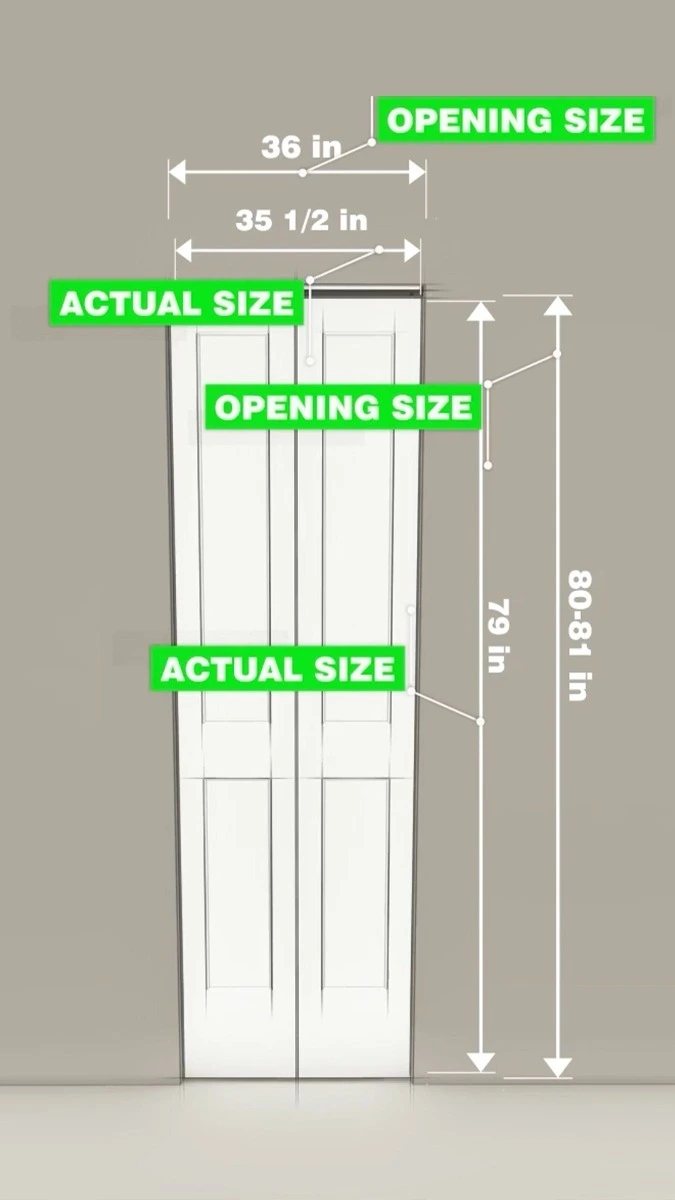
Getting the right rough opening size is crucial for the proper installation of your bifold door.
The rough opening is the space in your wall where the door will be installed.
Here’s how you can calculate the rough opening size for bifold doors:
Start with the Actual Size of the Door: First, know the actual dimensions of your bifold door, not just the nominal size. As mentioned earlier, the actual size may be slightly smaller than the nominal size.
Add ½ Inch to the Width: For the width, add about ½ inch to the actual width of the door. This extra space is necessary to allow room for the hinges and smooth operation.
Add 1 Inch to the Height: Similarly, add 1 inch to the height of the door. This will help accommodate the door’s hardware and ensure proper clearance during installation.
Check Diagonals for Square Opening: To make sure the opening is perfectly square, measure the diagonals from corner to corner. If both measurements are the same, the opening is square and ready for installation. If they’re off, you’ll need to adjust the framing to correct it.
How to Choose the Right Bifold Door Size for Your Space

Choosing the right bifold door size for your space involves a few important factors.
Consider Space Availability: The amount of available space plays a big role in selecting your bifold door size. Measure your doorway or the area where you want to install the door. Ensure there is enough room for the door to fold smoothly without hitting any obstacles.
Choose the Right Configuration: Bifold doors come in various configurations, such as single or double-panel sets. Think about how much space you need to cover and the look you want.
- Single-panel doors work well for smaller spaces, such as closets.
- Double-panel doors are ideal for larger openings, providing a more expansive entryway.
Functionality: Think about the door’s function. Is it for a closet, pantry, or living space? The door’s primary function can impact the size and configuration you choose.
Guidelines for Common Spaces
Closet Doors: Bifold doors for closets typically range from 24″ to 36″ in width. These sizes fit standard closet openings and maximize space efficiency, especially in smaller rooms.
Pantries: For pantries, you’ll often need wider bifolds, usually ranging from 48″ to 72″. A wider opening makes it easier to access larger items stored inside the pantry.
Living Room and Patio Doors: For living rooms or patio doors, larger bifold doors are often required. These can be custom-made to suit your space, with widths going beyond the typical 72″. Larger configurations with multiple panels (like 4 or 6 panels) can create a grander opening, connecting your indoor and outdoor spaces beautifully.
Conclusion
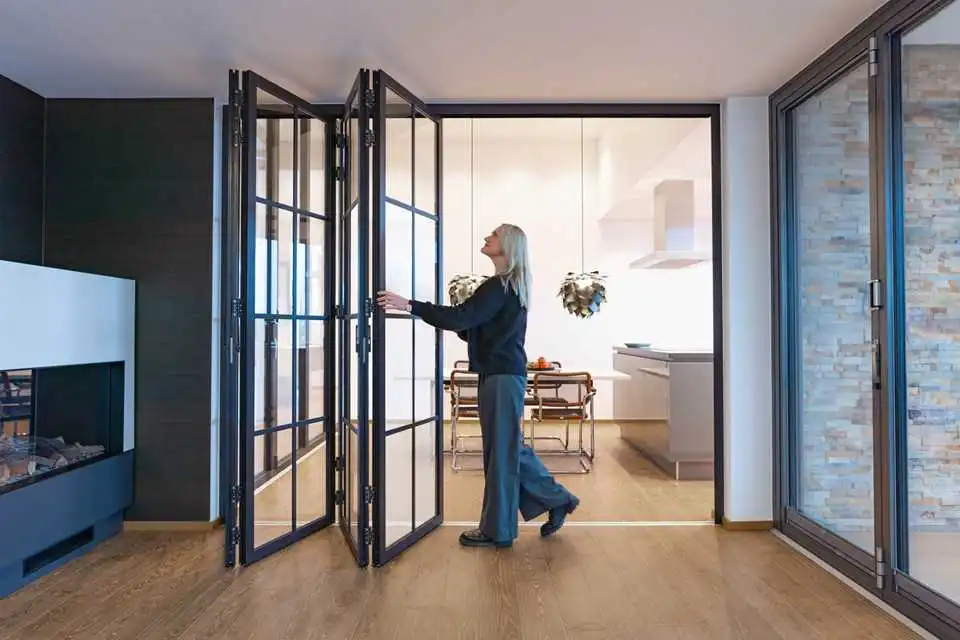
Choosing the right bifold door size is essential for a smooth installation and optimal functionality.
From understanding nominal vs. actual sizes to measuring rough openings and selecting the best panel configuration, getting the right fit makes all the difference.
Always check manufacturer guidelines to ensure accuracy, and take the time to measure properly before purchasing.
If you need help choosing the perfect bifold door size or have questions about installation, we’re here to assist!
Contact us today for expert guidance and tailored solutions to fit your space seamlessly.
Let’s make your project a success!