












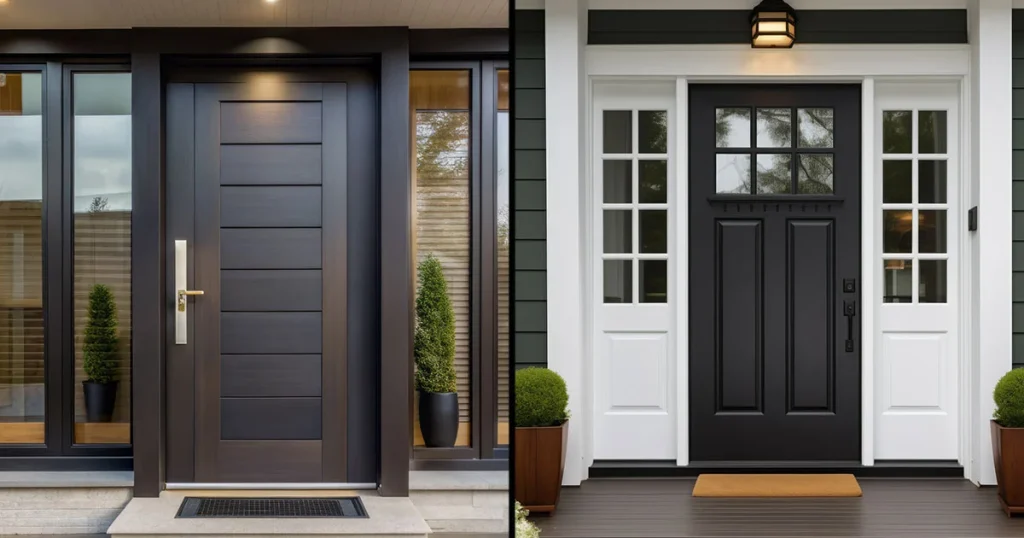
When buying or installing an exterior door, you’ll often hear the term “brickmould.” It’s a small detail, but it plays a big role in how your door looks, performs, and seals against weather.

Choosing brickmould vs. no brickmould affects cost, style, installation steps, and long-term durability—so it’s important to understand the difference before you order.
What Is Brickmould?
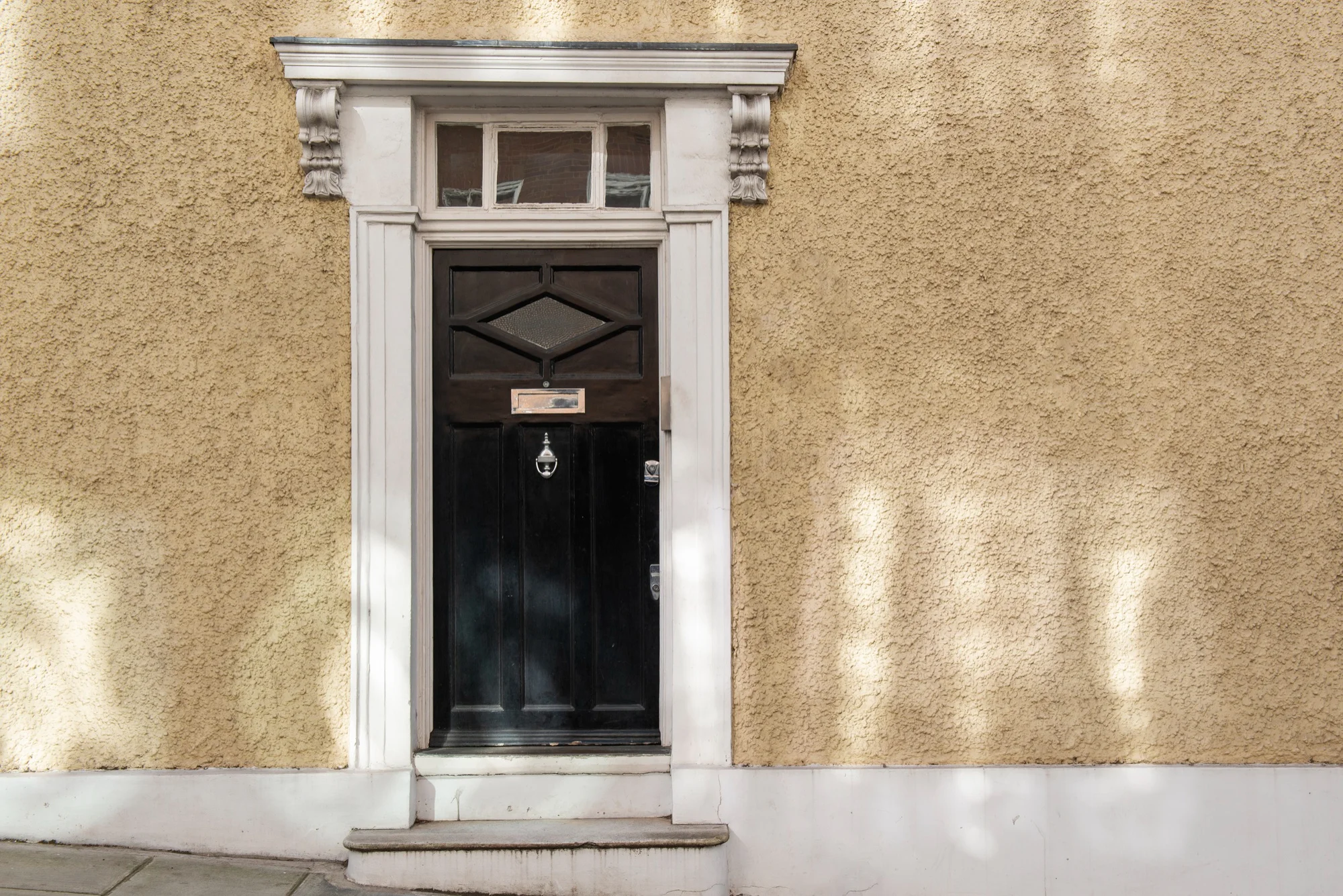
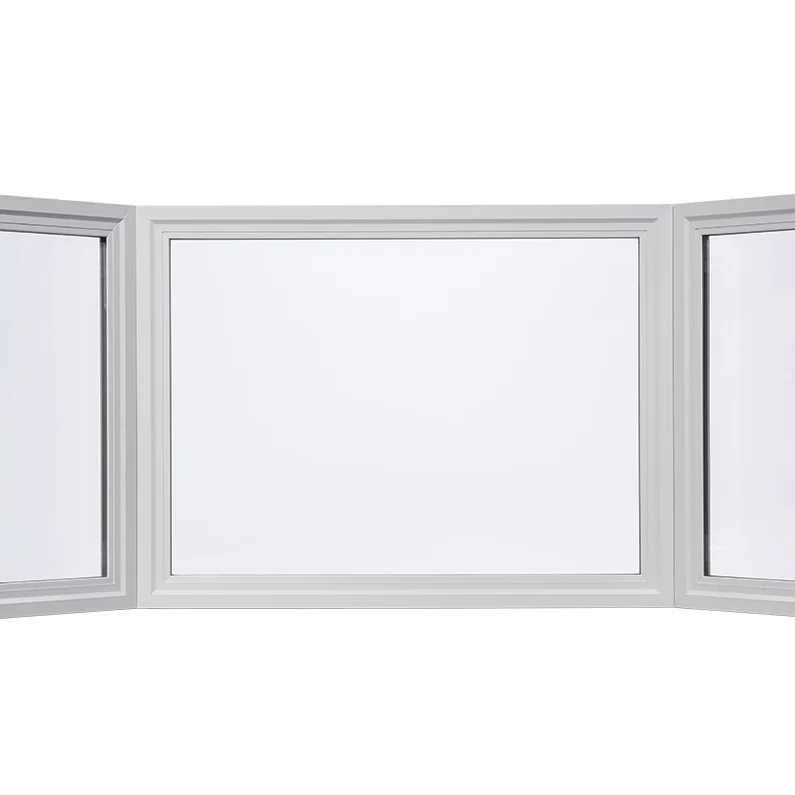
Brickmould is an exterior trim piece that surrounds the door frame. It fills the gap between the door unit and the wall and creates a clean, finished border.
Common Brickmould Materials
Wood – classic look, paintable, needs maintenance
PVC / Vinyl – low-maintenance, weather-resistant
Composite – durable, rot-resistant, premium lifespan
Aluminum – sleek, modern, strong in harsh climates
Functional Roles of Brickmould
Weather barrier: helps block drafts, wind, and moisture
Finished appearance: adds a decorative frame around the door
Curb appeal: enhances the look of the entryway
Structural transition: covers small wall gaps for a smoother fit
What Is a No-Brickmould Door?
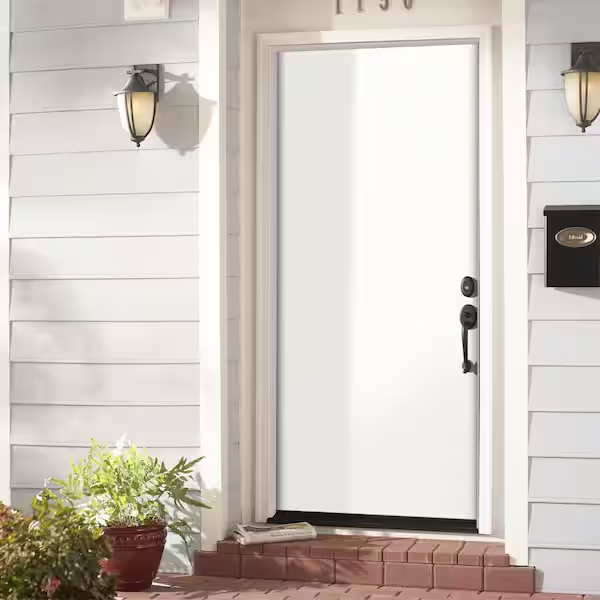
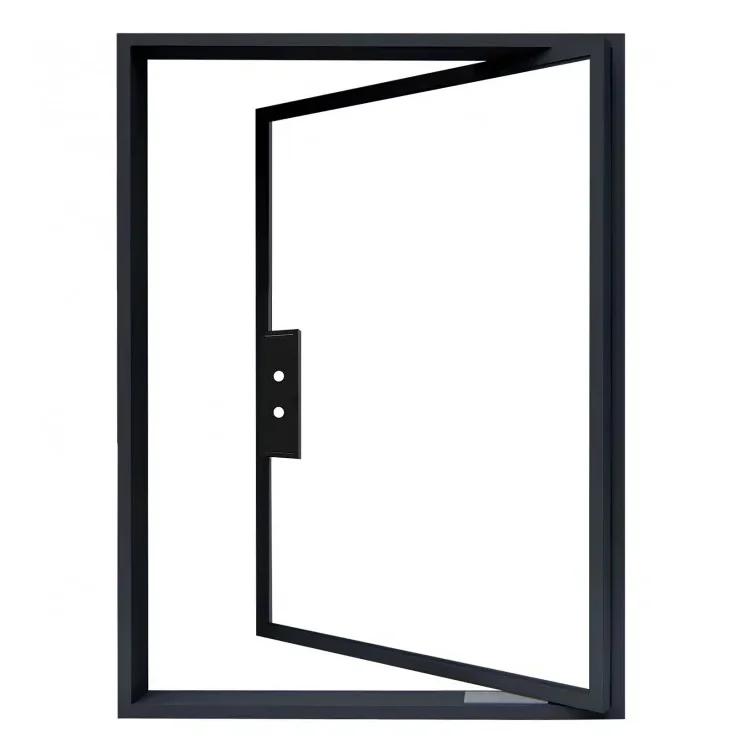
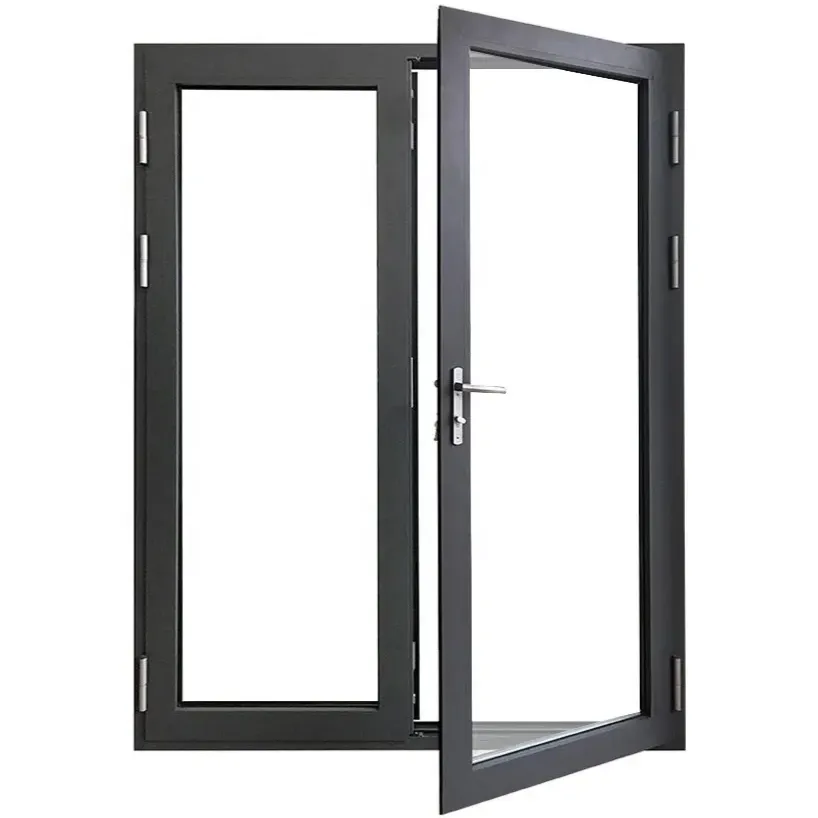
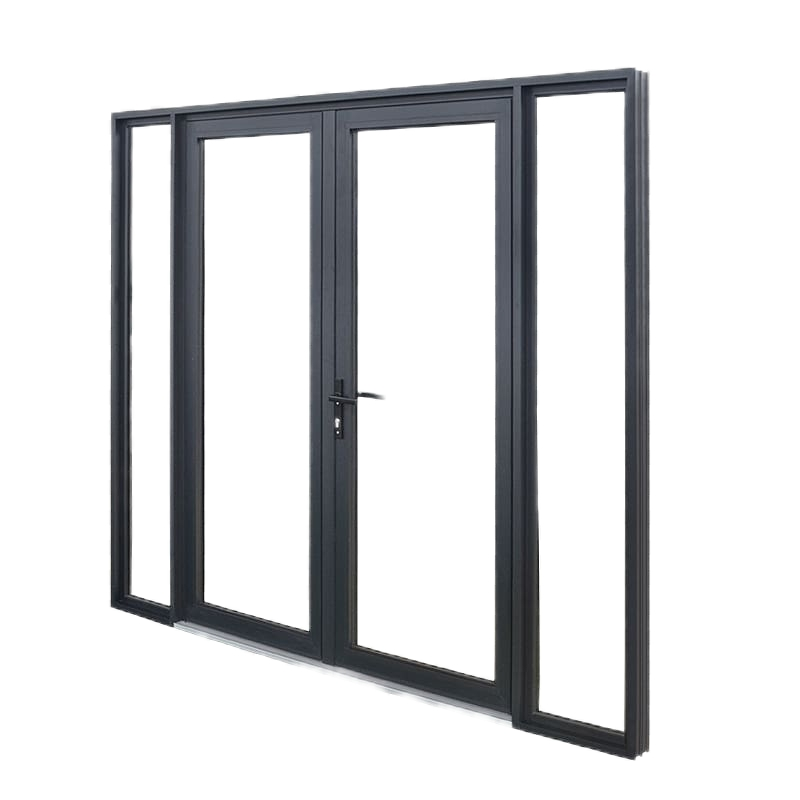
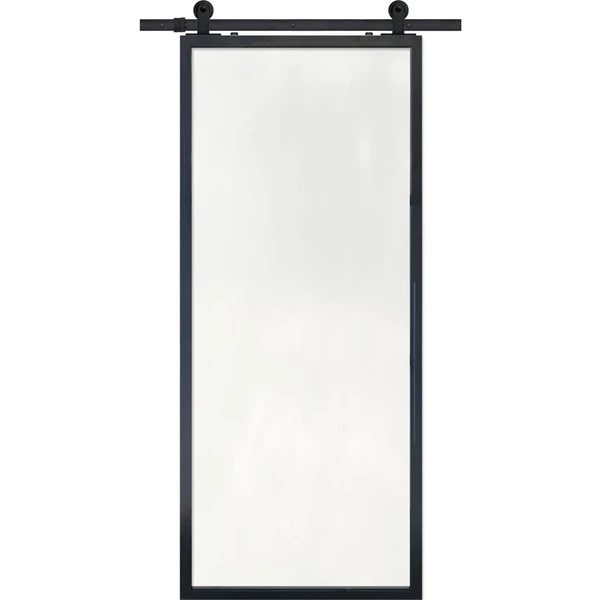
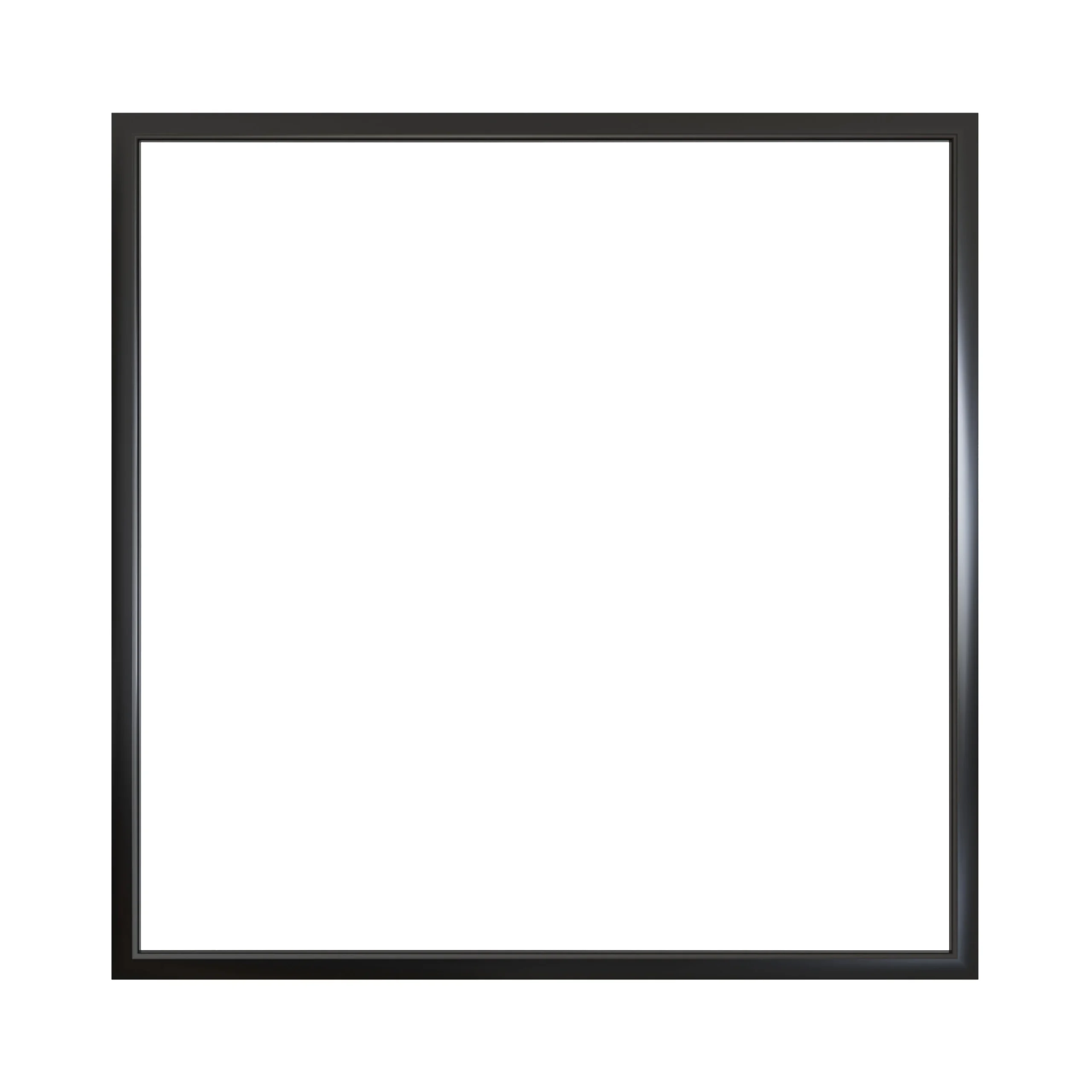
A no-brickmould door is a door unit that comes without the extra exterior trim. The frame sits cleanly against the wall opening and relies on the installer (or builder) to provide the finishing trim or flashing if needed.
Common Use Cases
Modern or minimalist home designs
New construction where trim is installed separately
Homes with custom exterior trim or unique siding
Pros of No-Brickmould
Lower cost: fewer materials and simpler production
Clean, modern look: great for contemporary façades
Flexible finishing: installers can use custom trim types
Cons of No-Brickmould
Less built-in weather protection: requires proper flashing/sealing
Additional finishing needed: may require separate trim work
Appearance depends on installer’s craftsmanship
Brickmould vs No Brickmould: Head-to-Head Comparison
| Aspect | Door with Brickmould | No-Brickmould Door |
|---|---|---|
| Definition | Door unit with exterior trim framing the opening. | Door unit without exterior brickmould trim. |
| Cost | Higher cost due to added trim and labour. | Usually lower material and installation cost. |
| Installation Time | More steps to align, fasten and seal trim. | Simpler, faster install, especially in new builds. |
| Weather Protection | Extra barrier against drafts, rain and wind. | Depends on flashing, caulk and custom trim details. |
| Durability | Good long-term performance when sealed correctly. | Can perform well but more sensitive to poor finishing. |
| Look & Style | Framed, traditional appearance with visible trim. | Clean, minimalist look with sharp lines. |
| Best Fit | Trim-heavy, classic or heritage-style façades. | Modern, contemporary or industrial-style homes. |
| Finishing Needs | Trim included as part of door package. | Often needs separate siding or custom trim detail. |
Choosing between brickmould and no brickmould comes down to cost, performance, and the look you want for your home. Here’s how they differ in the areas that matter most.
Cost & Installation Time

Brickmould doors usually cost a bit more because they include extra trim pieces and require more labour to install and seal.
A no-brickmould door is simpler: fewer materials, fewer steps, and often a faster install—especially in new construction or when custom trim is used.
Weather Protection & Durability

Brickmould adds an extra layer of protection by closing the gap between the door frame and exterior wall. It helps block drafts, rain, and wind, making it a strong choice for harsh climates.
A no-brickmould setup can still perform well, but it relies heavily on proper flashing, caulking, and finishing. Without those steps, the door may be more vulnerable to moisture or air leaks over time.
Style & Architectural Fit

Brickmould has a more traditional, framed appearance that works beautifully on classic homes, trim-heavy façades, and exterior designs with decorative details.
No-brickmould doors deliver a clean, modern look with sharper lines and minimal trim—ideal for contemporary, minimalist, or industrial-style architecture.
When to Choose Brickmould
Brickmould is the better choice when you want a polished, traditional look with added protection. It works especially well for homes with siding or brick, where the trim helps bridge the gap between the door frame and exterior wall. If you value strong weather-sealing, extra durability, and a cleaner visual transition, brickmould is worth the added cost. It also enhances curb appeal, making it a solid option for homeowners who want a more finished and classic appearance.
When to Choose No Brickmould

A no-brickmould door is ideal if you prefer a minimalist or modern façade. It keeps the lines clean and simple, making it perfect for contemporary designs. This option is also more budget-friendly and works well when the existing opening is already finished or adequately sealed. Choose no brickmould if you want flexibility to add your own trim later — or if you prefer the sleek, trimless look straight from installation.
Practical Considerations & Buyer Checklist

Choosing between brickmould and no brickmould is easier when you look at the details of your home, the installation process, and long-term performance. Here’s a clear checklist to guide your decision:
Check your siding and wall condition
Different exteriors — like brick, vinyl, or stucco — may require trim for a clean, sealed finish. Make sure the wall opening is solid and gap-free.Ask your installer about flashing, sealant, and finishing
Proper waterproofing is essential. Confirm how they’ll protect the frame from moisture and how the edge will be finished if no brickmould is used.Clarify what’s included in the door unit
Is the brickmould factory-installed? Will additional trim or sealing be needed on-site? Understand all materials and labor involved.Compare pricing and materials carefully
Brickmould doors typically cost more due to added materials and time. Evaluate both options side by side for your budget and aesthetic goals.Review warranty terms
Some manufacturers have different warranty rules depending on installation type. Check whether trim choice affects frame, water infiltration, or finish coverage.Evaluate design fit
Does brickmould complete your exterior look, or does a trimless style suit your modern entry better? Consider symmetry, curb appeal, and long-term maintenance.
This checklist helps ensure you choose the door option that performs well, looks right, and fits your home’s needs for years to come.
Get Expert Guidance for Your Project
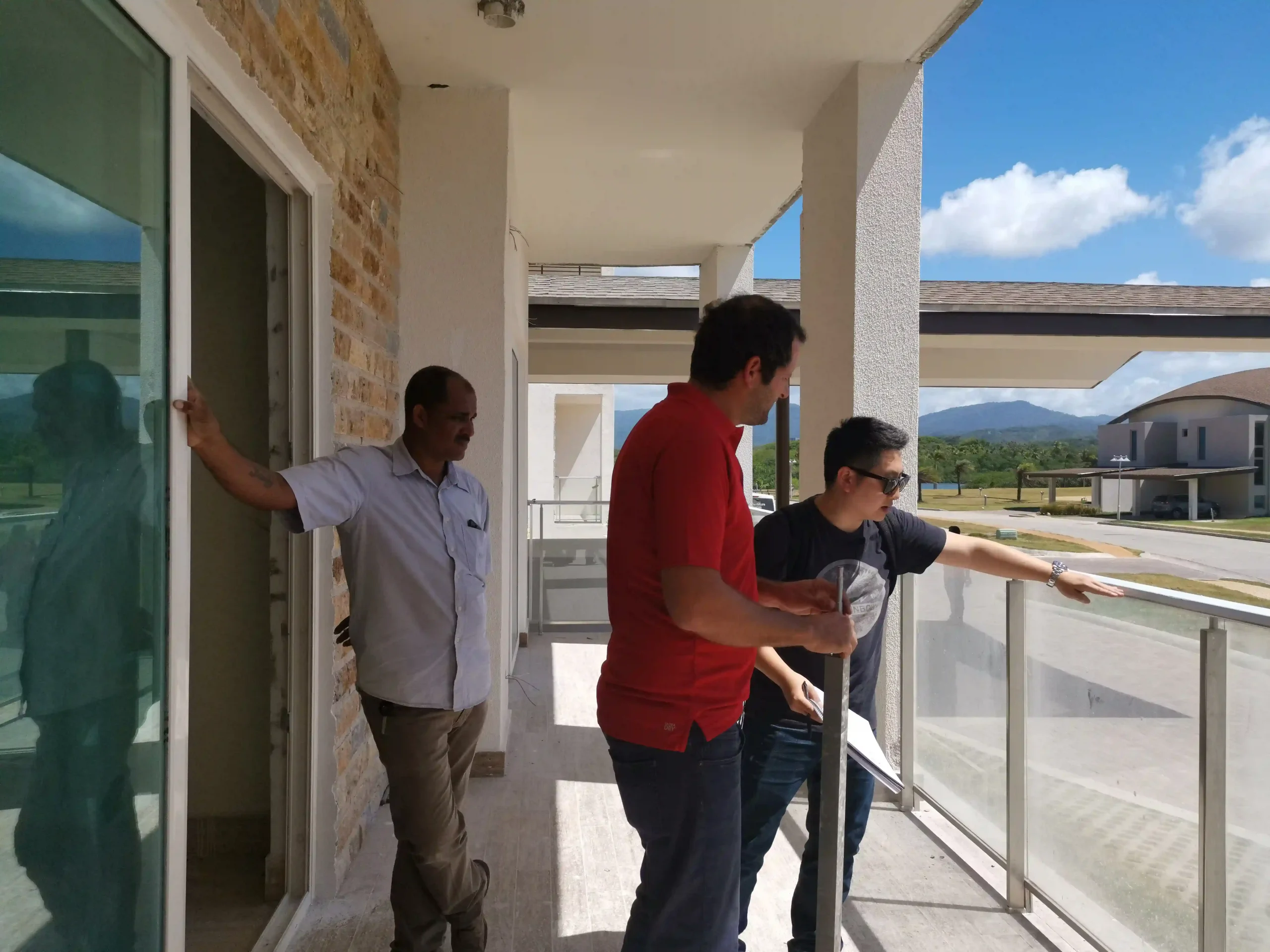
Not sure whether brickmould or no brickmould is right for your home or project? Our team can help you compare options, understand installation requirements, and choose the best door system for long-lasting performance and style.
Ready to upgrade your doors? — Contact us today!
FAQs
What is a brickmould for a door?
A brickmould (brick-mould) is exterior trim attached around the door frame that covers the gap between the door unit and the wall.
What does “door without brickmould” mean?
It means the pre-hung door unit does not include that exterior trim; the frame sits directly in the opening and additional finishing or trim may be needed.
What is the difference between brickmould and no brickmould?
Brickmould adds decorative trim and improved sealing; no brickmould reduces cost and gives a sleeker look, but may require extra finishing for weather protection.
Should I get a door with brickmould or without?
Choose with brickmould if you want full trim, high weather protection and traditional styling. Choose without if you prefer minimal trim, lower cost, or a modern look.