











Best Casement Window Design Ideas

Casement windows are loved for one simple reason: they blend style, light, and airflow better than almost any other window type. Below are some of the most popular and practical casement window design ideas homeowners use to upgrade both interiors and exteriors.
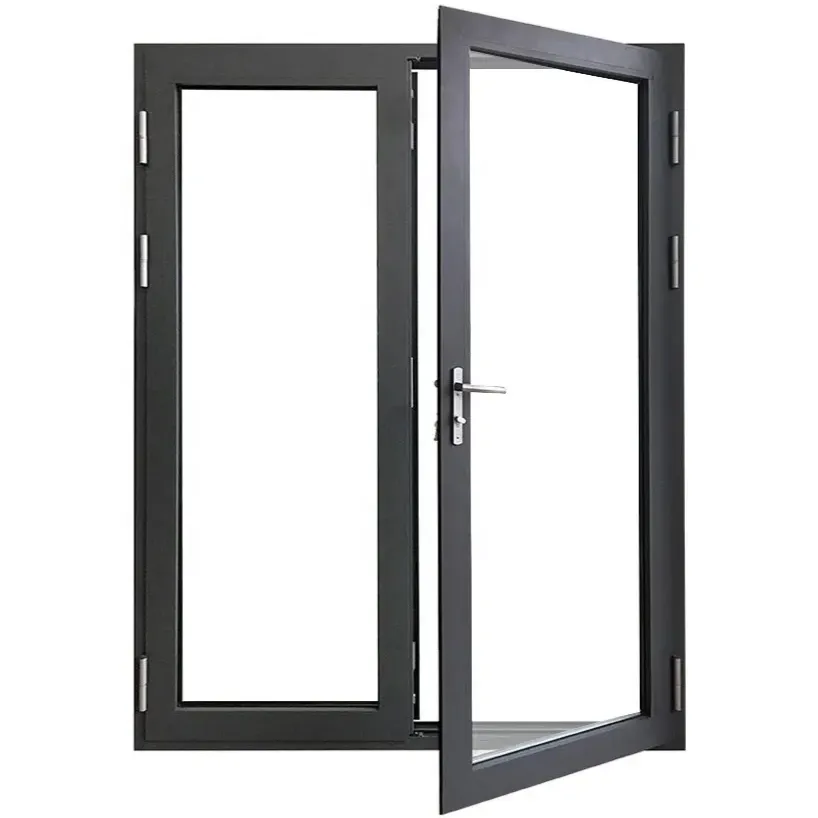
Idea 1: Classic French Casement Windows

French casement windows feature two sashes that open from the center, with no fixed center bar. This creates a wide, open view and a strong sense of symmetry.
They work beautifully in traditional, European-inspired homes, but also fit modern farmhouse styles. Because they open fully, they allow maximum airflow and make rooms feel larger and more open.
Best for: Living rooms, dining rooms, and elegant home offices.
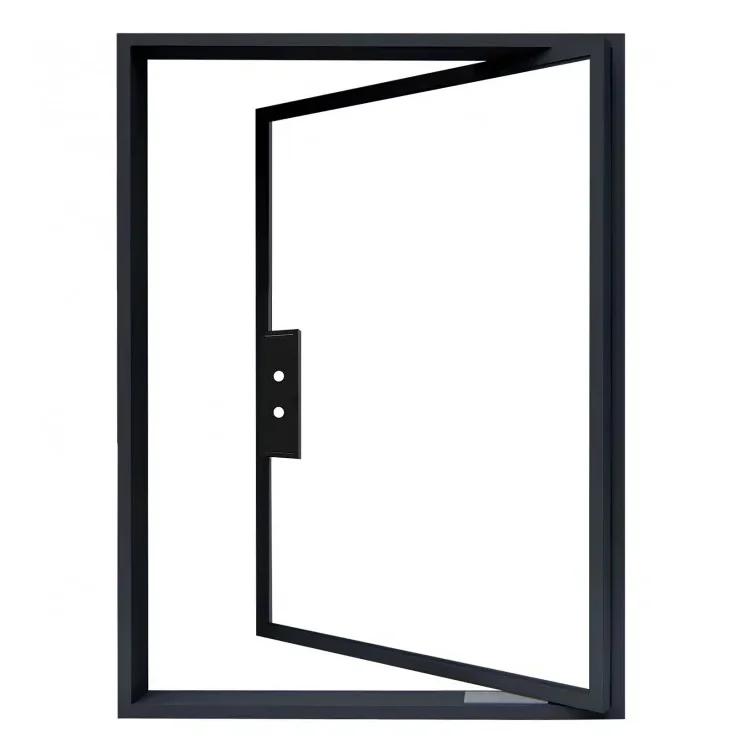
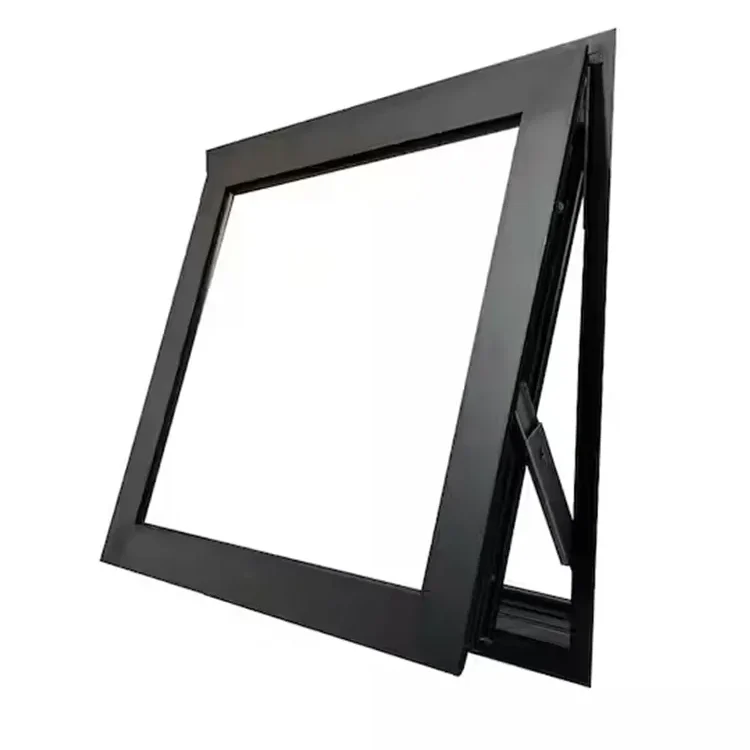
Idea 2: Black Frame Casements for Modern Style
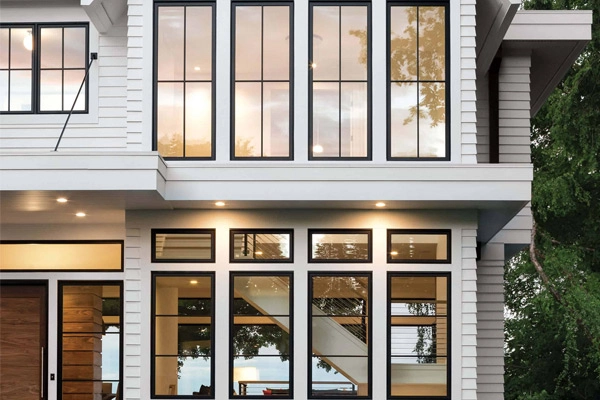
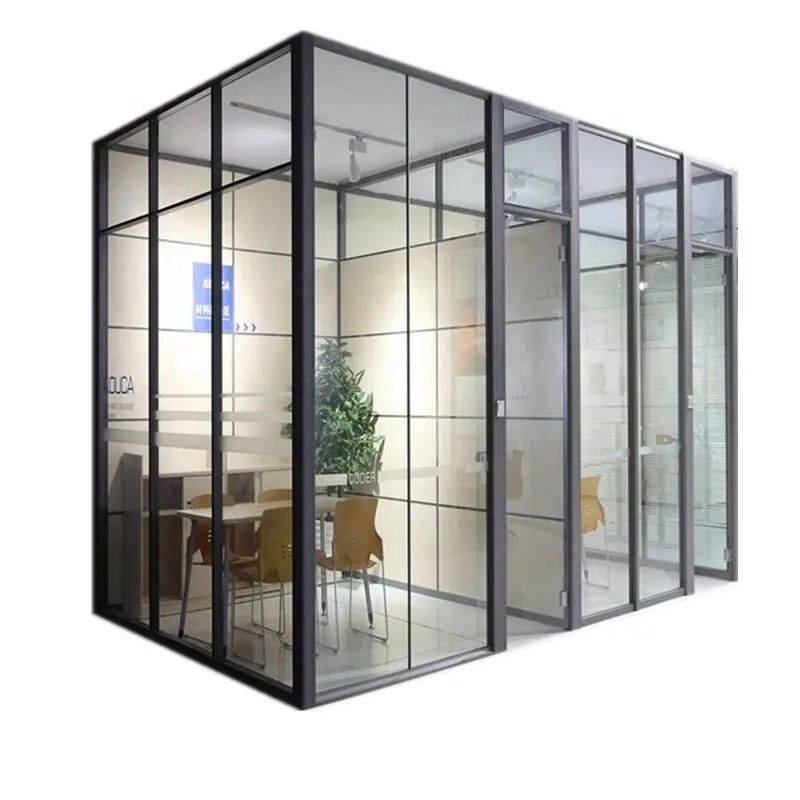
Black-framed casement windows are a top trend in modern and industrial design. The dark frame creates a bold contrast against white or light walls, drawing attention to the window shape and view outside.
They pair especially well with minimalist interiors, concrete, brick, or neutral color palettes. The slim profile of casement windows keeps the look clean and uncluttered.
Best for: Contemporary homes, lofts, and modern renovations.
Idea 3: Casement Windows with Transoms

Adding a transom window above a casement instantly increases natural light and makes ceilings feel taller. The upper transom is fixed, while the lower casement provides ventilation.
This design is ideal when wall height allows but full-height windows aren’t practical. It also adds architectural interest without overwhelming the space.
Best for: Living rooms, stairwells, and rooms with high ceilings.
Idea 4: Kitchen Over-Sink Casement Window

Casement windows are one of the best choices for kitchen sinks. Since they open outward with a simple crank, you can easily open them even when the sink or counter is directly below.
They bring in fresh air while cooking and help release steam and odors. The unobstructed glass also keeps the sink area bright and welcoming.
Best for: Kitchens, especially above sinks or prep areas.
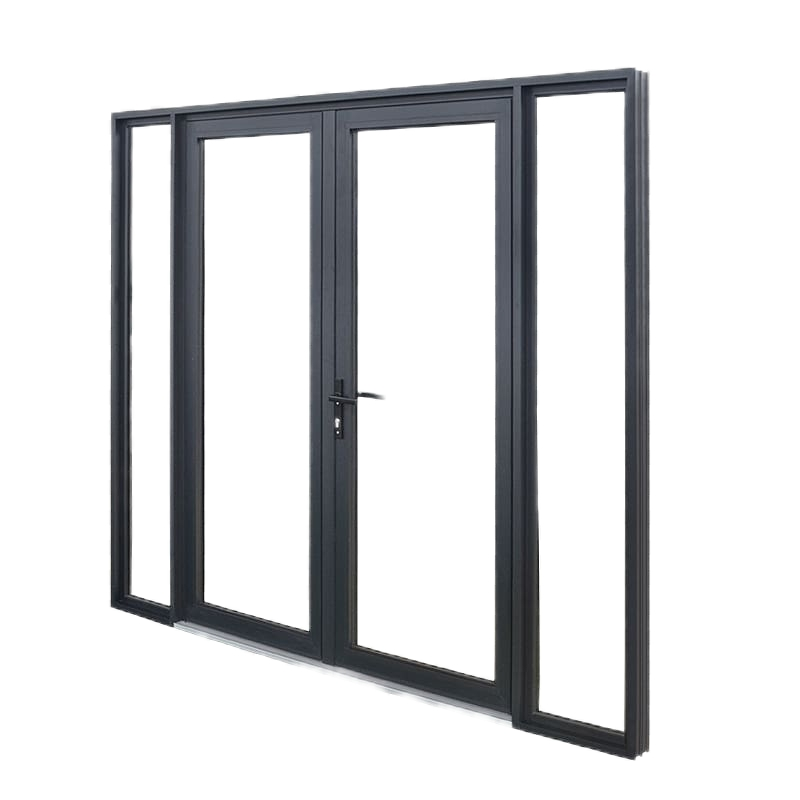
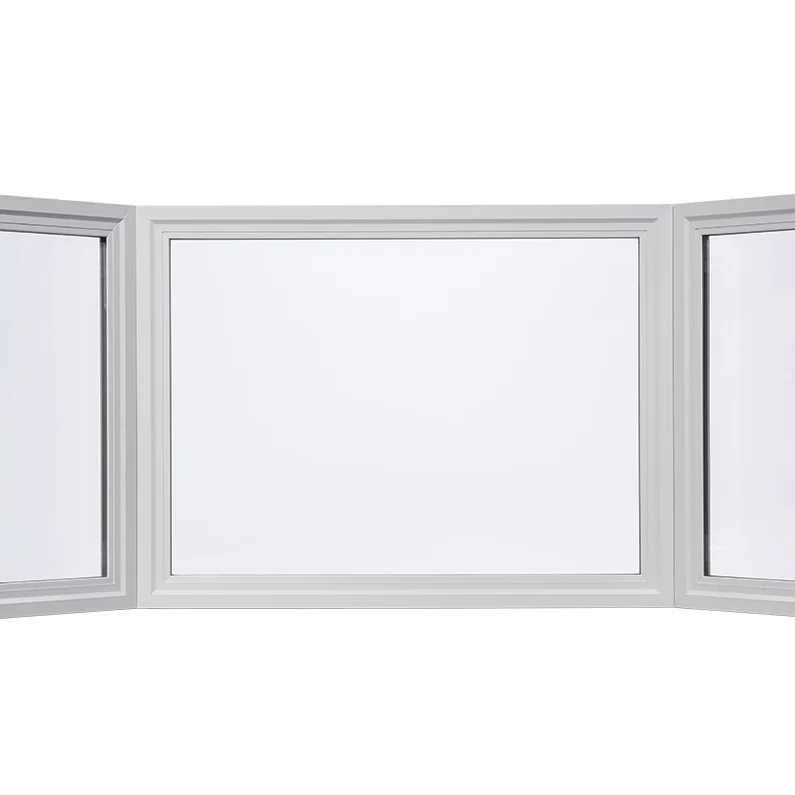
Idea 5: Picture Window with Casement Flankers
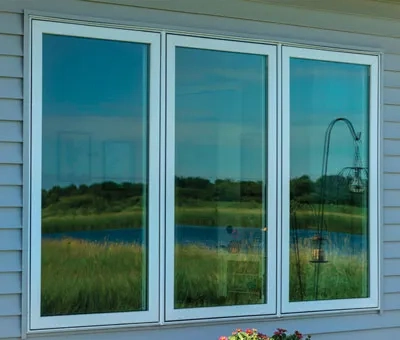
This popular layout combines a large fixed picture window in the center with casement windows on one or both sides. The picture window frames the view, while the casements provide ventilation.
It’s a smart solution when you want expansive views without sacrificing airflow. Visually, it creates balance and makes a strong design statement.
Best for: Living rooms, family rooms, and scenic views.
Idea 6: Casement Windows with Grid or Mullion Patterns

Grid or mullion details add character and timeless charm to casement windows. This design works especially well for traditional, farmhouse, or craftsman-style homes.
You can choose between full grids for a classic look or subtle mullions for a cleaner feel. The result is a window that feels decorative without sacrificing light or airflow.
Best for: Traditional homes, cottages, heritage renovations.
Idea 7: Floor-to-Ceiling Casement Walls

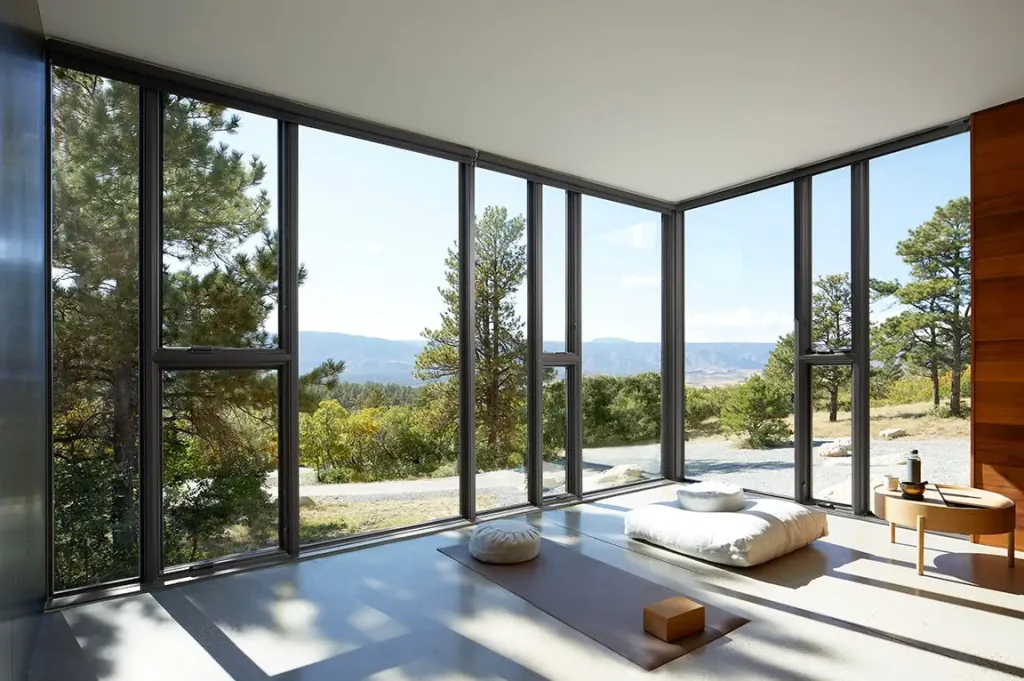
Floor-to-ceiling casement windows create a bold, modern statement. By stacking tall casement panels side by side, you can turn an entire wall into glass while still enjoying full ventilation.
This design floods rooms with natural light and helps blur the line between indoor and outdoor living — perfect for living rooms, dining areas, or homes with scenic views.
Best for: Modern homes, open-plan spaces, view-focused designs.
Idea 8: Corner Casement Windows

Corner casement windows remove visual barriers and open up panoramic views. When two casements meet at a corner, they bring in light from multiple directions and make rooms feel larger and brighter.
This design is both practical and architectural, adding interest without heavy framing. It’s a smart way to maximize daylight in living areas or bedrooms.
Best for: Contemporary homes, coastal designs, scenic locations.
Idea 9: Colored Frame Casement Windows
Colored casement window frames are a great way to add personality. Shades like black, navy, forest green, or soft grey can highlight architectural lines and complement exterior finishes.
Inside, lighter colors keep spaces bright. Outside, darker tones add contrast and curb appeal. This trend lets homeowners customize without overwhelming the design.
Best for: Modern homes, custom builds, statement exteriors.
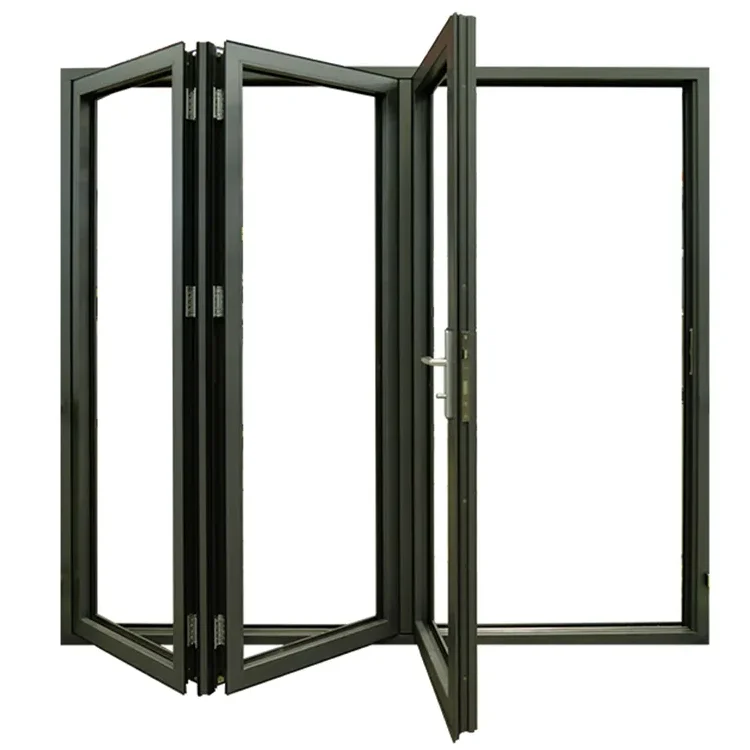
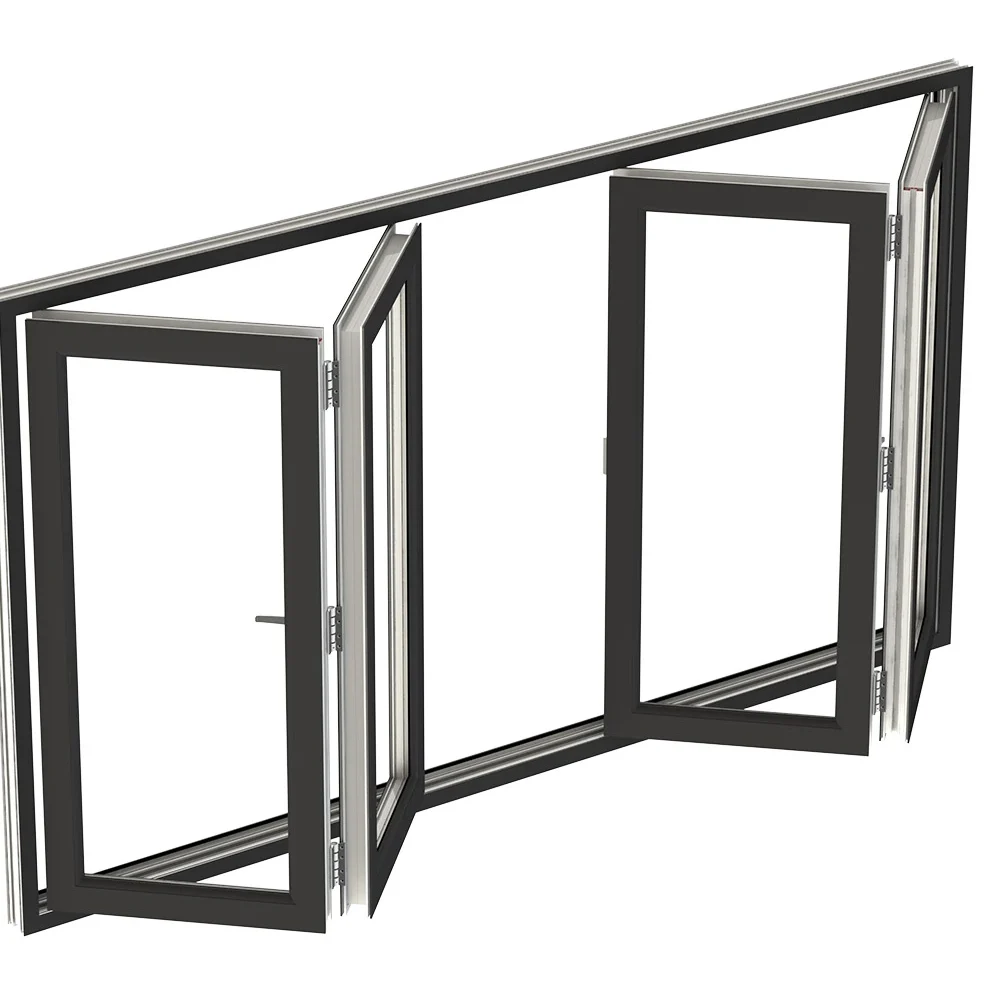
Idea 10: Grouped Casement Trio or Quad Layouts
Grouping three or four casement windows together creates balance, rhythm, and strong visual impact. These layouts improve ventilation by allowing multiple panels to open while maintaining a clean, symmetrical look.
Grouped casements work well above kitchen counters, along living room walls, or as feature windows in bedrooms.
Best for: Large wall openings, functional ventilation, clean symmetry.
Idea 11: Wood-Frame Casement Windows for Warmth

Wood-frame casement windows bring a natural, inviting feel to a space. The visible grain and warm tones add character that works beautifully in traditional, farmhouse, or cottage-style homes. At the same time, modern wood casements still deliver smooth operation and good sealing, so you don’t have to sacrifice performance for style.
Idea 12: Minimalist Frameless Look
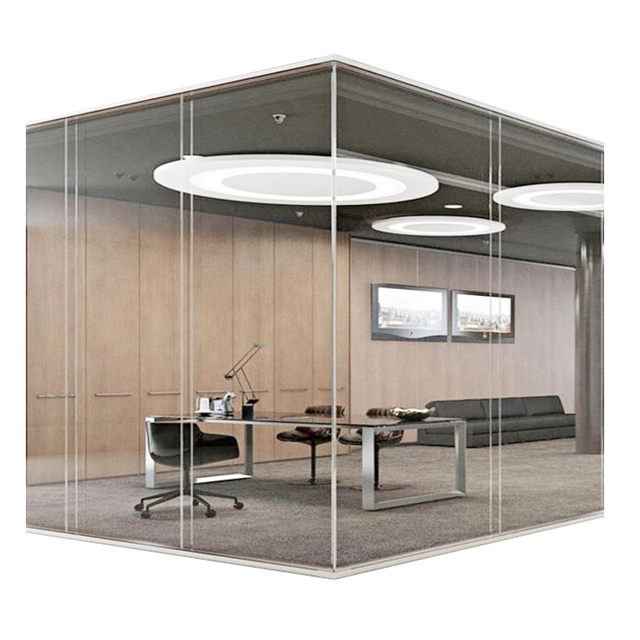
For modern interiors, less really is more. Casement windows with ultra-slim or nearly frameless profiles keep the focus on the view, not the frame. This design works especially well in contemporary homes where clean lines, open space, and natural light are top priorities.
Idea 13: Casement Windows with Built-In Screens
Built-in or retractable screens make casement windows even more practical. They allow you to enjoy fresh air without insects and can be tucked away when not in use. This is a smart choice for summer ventilation, especially in bedrooms, kitchens, or living areas.
Idea 14: Inside-Mount Window Seating with Casements
Pairing a casement window with a built-in window seat creates a cozy and functional nook. Because casements open fully, they still provide excellent airflow even with seating nearby. This idea is perfect for reading corners, bedrooms, or relaxed living spaces.
Idea 15: Arched or Curved Casement Windows

Arched or curved casement windows add a distinct architectural statement. The soft curves break up straight lines and bring elegance to both classic and modern designs. Used as a focal point, these windows instantly elevate the look of a façade or interior wall.
Bring Your Casement Window Ideas to Life
Inspired by these casement window design ideas and ready to upgrade your home? Whether you’re planning a modern refresh or a classic makeover, our team can help you choose the right style, materials, and layout for your space.
Get expert guidance, custom window solutions, and professional support from start to finish.
Contact us today to discuss your project and turn your design ideas into beautiful, functional windows.
FAQs
What is the disadvantage of a casement window?
Casement windows can be limited in opening size, may block walkways when opened outward, and sometimes cost more due to crank hardware and maintenance needs.
Which window is trending now?
Modern trends favor windows with slim black frames, floor-to-ceiling glass, and minimalist casement or picture combinations that maximize light and view.
What is a French casement window?
A French casement window has two side-hinged sashes that open outward without a central bar (mullion), creating an uninterrupted, wide opening.
How wide should a casement window be?
Standard casement windows commonly range from about 17″ up to 41″ wide, though sizes vary by design and custom needs.