


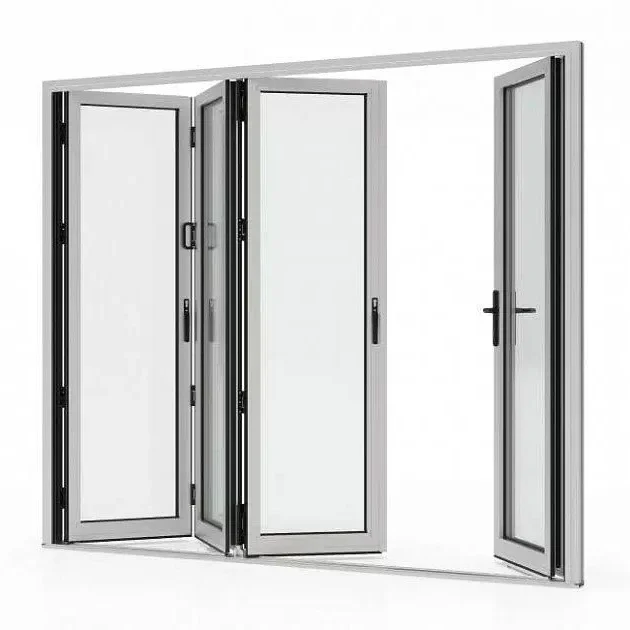









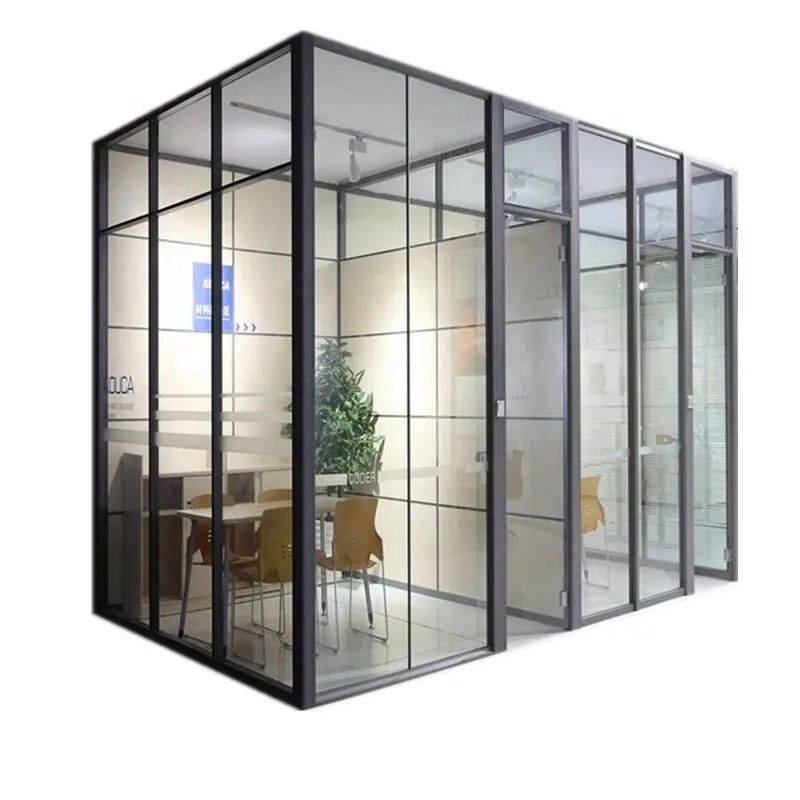


Aluminum window frames look sleek and modern, but they need regular cleaning to stay in good shape.
Over time, dust, oxidation, and even mildew can build up on the frames, making them look dull or dirty.

If you’ve ever noticed your frames losing their shine or showing white spots, don’t worry—cleaning them is easier than you might think.
How Often Should You Clean Aluminum Frames?

How often you clean your aluminum window frames depends on where you live and how much dirt builds up.
For most homes, cleaning the interior frames once a month is enough.
The outside frames usually need a good cleaning every 3 to 6 months.
But if you live near the coast, next to a busy road, or in a dusty area, you’ll need to clean them more often.
Salt air, pollution, and heavy dust can speed up oxidation and cause stains faster than you’d expect.
A good rule of thumb?
If your window frames start to look dull, dirty, or streaky—it’s time to clean them.
Regular cleaning doesn’t just keep things looking nice. It also helps prevent long-term damage and keeps your windows working smoothly.
Basic Cleaning Steps for Aluminum Window Frames
Let’s go over the basics. Cleaning aluminum window frames doesn’t have to be hard—you just need the right tools and a little time.
What You’ll Need

- Mild dish soap or household detergent
- Warm water
- A soft cloth or sponge
- A bucket (or hose for outdoor cleaning)
- A dry microfiber towel
How to Clean Indoor Frames
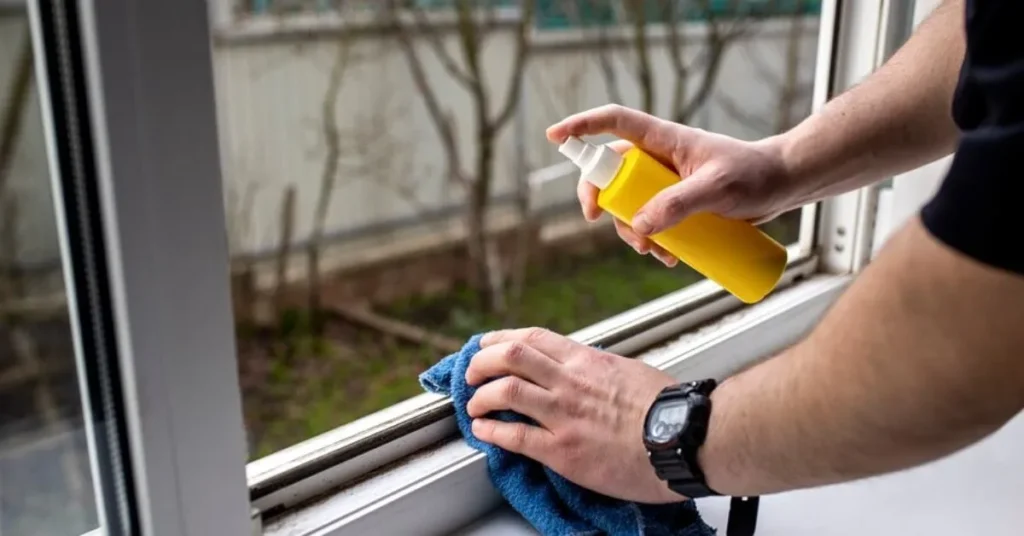
- Mix warm water with a few drops of mild detergent.
- Dip a soft cloth or sponge in the solution and gently wipe the frames.
- Focus on corners where dust tends to build up.
- Rinse with a clean damp cloth to remove soap residue.
- Dry the frames completely with a soft towel.
How to Clean Outdoor Frames

- Rinse the frames with water first (a hose works great).
- Use the same mild soap solution to clean the surface.
- Scrub gently with a sponge—no need to press too hard.
- Rinse again to wash away any leftover soap.
- Wipe dry with a towel to avoid water spots or corrosion.
Important Tips
- Don’t use bleach, strong chemicals, or abrasive pads—they can damage the finish.
- Avoid wire brushes or anything rough that might scratch the surface.
- Never use high-pressure washers—they can force water into unwanted places.
How to Remove Oxidation from Aluminum Frames
Noticing some white, chalky spots or dull patches on your aluminum window frames? That’s oxidation—totally normal over time, but definitely something we can fix.
Here’s how to get your frames shining again.
Homemade Cleaning Options
1. Lemon Juice + Baking Soda Paste

- Mix ½ cup of lemon juice with ¼ cup of baking soda to form a paste.
- Apply the paste to the oxidized areas using a soft cloth.
- Let it sit until it dries (usually 5–10 minutes).
- Rinse with clean water and wipe dry.
2. Vinegar + Warm Water Solution

- Mix equal parts white vinegar and warm water.
- Dip a sponge or cloth into the solution and scrub the affected spots.
- Rinse and dry thoroughly.
These homemade solutions are gentle and effective—and you probably already have the ingredients at home!
Commercial Cleaners

For heavy oxidation, a commercial aluminum cleaner may work better.
Follow the instructions carefully, and make sure it’s safe for window frames.
Don’t forget to rinse and dry the area completely afterward.
Optional: Steel Wool or Wire Brush (Use Carefully!)
If the oxidation is really stubborn, you can use fine-grade steel wool or a soft wire brush.
Be very gentle—too much pressure can scratch the surface.
Always test on a small hidden spot first to be safe.
Once you’ve removed the oxidation, your aluminum frames will look brighter and cleaner. You can even apply a bit of car wax after drying to help protect the surface longer.
Dealing with Mildew on Window Frames
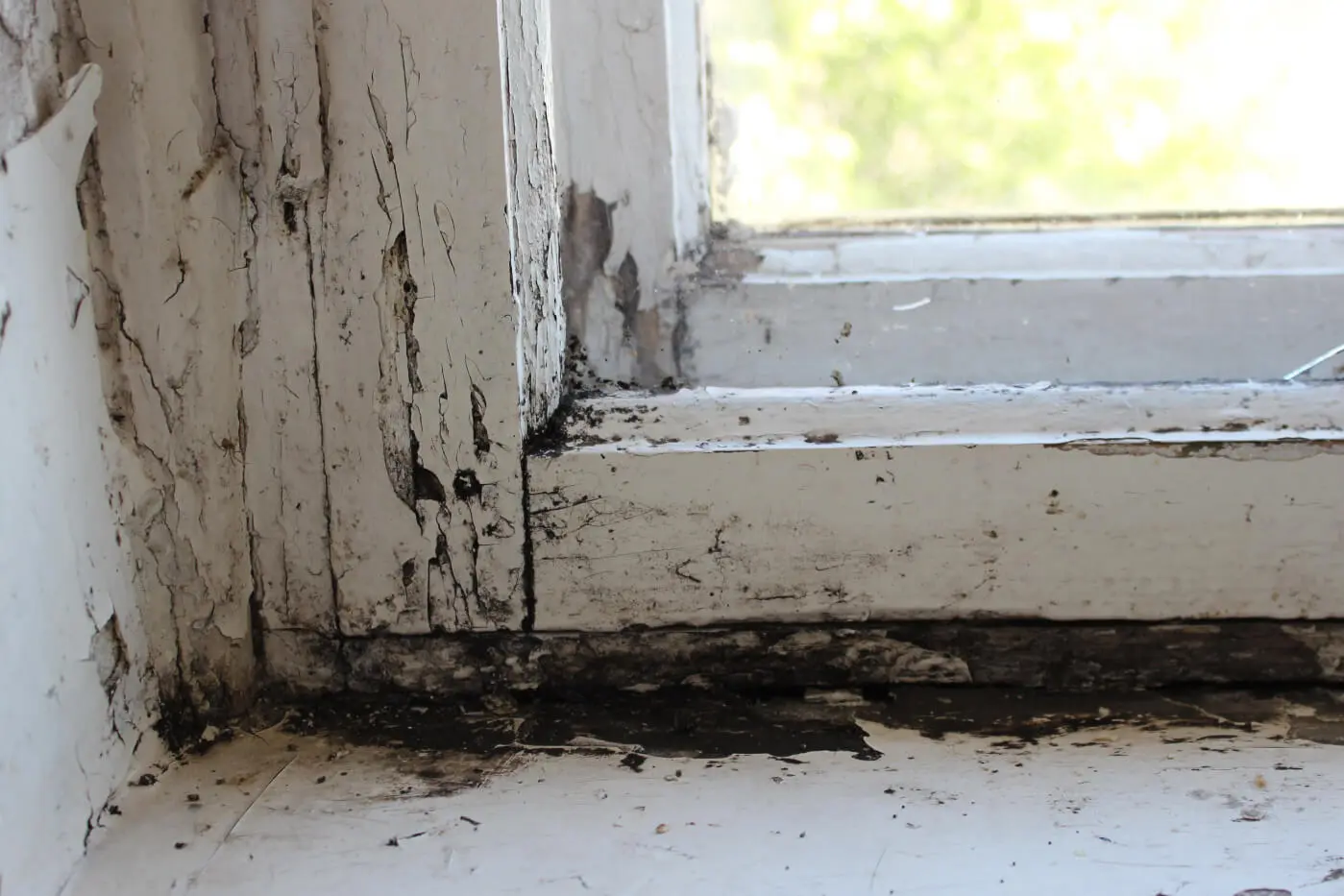
Mildew isn’t just unpleasant—it can also damage your window frames over time. Let’s talk about why it shows up and how to get rid of it.
Why Does Mildew Appear?
Mildew often forms in humid areas with poor airflow.
It’s especially common around bathroom or kitchen windows.
If warm, moist air gets trapped near the frame, mildew can grow fast.
How to Remove It

Option 1: White Vinegar Spray
- Pour plain white vinegar into a spray bottle.
- Spray directly onto the mildew-covered areas.
- Let it sit for 10–15 minutes.
- Wipe clean with a damp cloth.
Option 2: Mold/Mildew Cleaner + Warm Water
- Use a store-bought mold remover (safe for aluminum).
- Mix it with warm water if needed.
- Apply with a sponge and scrub gently.
- Rinse the area and dry completely.
Tips to Prevent Mildew
- Open windows regularly to improve ventilation.
- Use exhaust fans in bathrooms and kitchens.
- Avoid pointing heaters or humidifiers directly at your windows.
- Wipe off condensation when you see it forming.
Cleaning and Maintaining Window Tracks

Let’s not forget about the window tracks—these can get dirty fast.
Dust, sand, and even tiny leaves love to settle there, making your windows harder to open and close.
Start by vacuuming the tracks using a narrow nozzle attachment. This helps suck up loose dirt and larger debris quickly.
Next, use a stiff brush to loosen any stubborn dust stuck in the corners or grooves.
If the tracks still look grimy, mix a small amount of dish soap with warm water, then scrub the area with a sponge or cloth.
Make sure to get into all the little edges.
Once you’re done scrubbing, rinse with clean water and dry the tracks completely using a soft towel or cloth.
Leaving moisture behind can lead to rust or mold, so don’t skip this step!
Clean tracks not only look better—they help your windows slide smoothly, too.
Conclusion
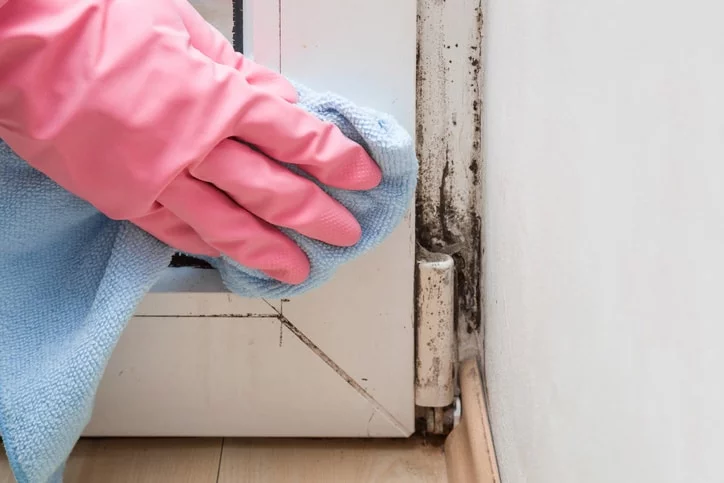
Cleaning aluminum window frames doesn’t have to be hard.
With just a bit of mild soap, warm water, and a soft cloth, you can keep them looking fresh and shiny.
If you notice oxidation or mildew, don’t worry — a few simple home remedies like lemon juice or vinegar usually do the trick.
Regular cleaning not only keeps your windows looking good but also helps them last longer.
Take care of your frames, and they’ll take care of your view.