











When you close a door, something simple happens: the door stays shut. That little piece of hardware that makes it possible? That’s your door latch.

A door latch is a small but important device that keeps doors closed and secure. It works by extending a bolt or catch into the door frame, holding the door in place until you open it again. Whether you’re locking your front door, closing a bathroom door, or securing a backyard gate, a latch does the job quietly and reliably.
You probably use door latches every day without even thinking about them. But there’s actually a wide variety of latch types — and choosing the right one isn’t always as simple as it sounds.
Why Choosing the Right Door Latch Matters

Picking the right latch is more important than most people realize. The latch you choose affects:
Safety: The right latch keeps your home, family, or business protected.
Security: Some latches offer simple closure; others provide strong protection against forced entry.
Usability: A good latch should be easy to operate and suited to the door’s function.
Durability: Different doors face different conditions. Outdoor gates need weather-resistant latches; interior doors may prioritize quiet operation or style.
Style: Let’s not forget aesthetics — the right latch can blend into your décor or add a nice design touch.
How Door Latches Work: The Basics

Before we dive into the many types of door latches, let’s take a quick look at how they actually work. Don’t worry — we’ll keep it simple.
The Core Mechanism
Most door latches, no matter the type, rely on a few basic parts:
Bolt or Latch Bolt: This is the piece that slides into the door frame to hold the door closed.
Striker Plate: A metal plate mounted on the door frame with a hole where the bolt fits when the door is closed.
Actuation Mechanism: This is how you operate the latch. It might be a doorknob, handle, lever, key, or even just a push or pull motion.
When you close the door, the latch bolt slides into the striker plate, keeping the door securely shut. To open the door, you move the handle or knob, which pulls the bolt back out of the striker plate.
Manual vs. Automatic Operation
Manual latches require you to physically move the handle, lever, or key to lock or unlock the door.
Automatic latches engage on their own when you close the door. These are great for convenience and safety — like slam latches or self-latching bolts that lock automatically when the door shuts.
Main Types of Door Latches
Now that we understand how door latches work, let’s explore the most common types you’ll find — and where each one works best.
1. Mortise Latches

Mortise latches are installed inside the edge of the door, tucked away neatly so you usually only see the handle or knob. The latch mechanism sits inside a pocket (or mortise) cut into the door.
There are several variations of mortise latches, including:
DIN standard latches: Common in commercial buildings, designed to fit standard sizes.
Tubular latches: A simpler, more compact version often found in residential interior doors.
Box latches: A bit larger, used where stronger latching is needed.
Horizontal latches: The mechanism sits horizontally inside the door, often used with decorative door knobs.
Where you’ll see them:
Interior residential doors
Office doors
Hotels and commercial buildings
Why choose them?
They offer smooth operation, a tidy appearance, and are available in different sizes and designs to suit light or heavy doors.
2. Rim Latches

Rim latches are surface-mounted on the door rather than installed inside it. You’ll see the latch body on the inside surface of the door, with a matching strike plate on the frame.
Where you’ll see them:
Cottages
Historic homes
Interior wooden doors
Why choose them?
They provide quick installation, a classic appearance, and work well for interior doors where heavy security isn’t a primary concern.
3. Deadbolt Latches

Deadbolt latches are all about security. Instead of a spring-loaded latch, a solid metal bolt slides into the door frame, making it much harder to force the door open.
There are two main types:
Single-cylinder deadbolts: Locked or unlocked from the outside with a key; opened from the inside with a thumbturn.
Double-cylinder deadbolts: Require a key to open from both sides.
Where you’ll see them:
Front entry doors
Back doors
Apartment doors
Why choose them?
They offer one of the highest levels of residential security and are available in single-cylinder (key outside, thumbturn inside) and double-cylinder (key both sides) options.
4. Deadlatches

Deadlatches combine the convenience of a spring latch with added security. They have two bolts: a main latch bolt and a smaller anti-tamper deadlatch bolt.
The small secondary bolt prevents someone from pushing the main bolt back (for example, with a credit card), improving security.
Where you’ll see them:
Apartment entry doors
Commercial building doors
Rental property entryways
Why choose them?
They prevent credit card or shim attacks, are easy to operate, and provide strong security for frequently used doors.
5. Nightlatches

Nightlatches automatically lock the door when it’s closed, providing instant security without needing to turn a key. Many models have a small button (called a snib) to hold the latch open when needed.
For extra protection, nightlatches are often combined with deadbolts.
Where you’ll see them:
Front doors on homes and flats
Secondary security for apartment doors
Rental properties
Why choose them?
They offer convenience with automatic locking, work well alongside deadbolts, and some models include a snib button for holding the latch open when needed.
6. Swinging Door Latches

Swinging door latches are designed for doors that open in both directions — either pushing or pulling. You’ll often see them in busy public spaces where doors need to swing freely without complicated locking systems.
Where you’ll see them:
Restaurants and cafés (kitchen or staff doors)
Saloon-style doors
Light commercial entryways
Why choose them?
They’re easy to operate, stand up well to frequent use, and allow quick access while still keeping the door closed when needed.
7. Thumb Latches (In-swinging)

Thumb latches offer a traditional, rustic feel and are commonly found on older doors or garden gates. The latch works by pressing a thumb lever, which lifts the latch bar on the opposite side, allowing the door to open inward.
Where you’ll see them:
Garden gates
Rustic interior or cottage-style doors
Why choose them?
Simple to operate with one hand, these latches add a charming, old-world touch while remaining highly functional.
8. Sliding Bolt Latches

Sliding bolt latches (also called barrel bolts) are some of the simplest and most widely used latches. A metal bolt slides manually into a catch to secure the door.
For extra security, many models allow a padlock to be added, making them a good option for outdoor use.
Where you’ll see them:
Backyard gates
Sheds
Barn doors
Storage units
Why choose them?
Affordable, strong, and easy to install, sliding bolts work well for both residential and light commercial security needs.
9. Pocket Door Latches

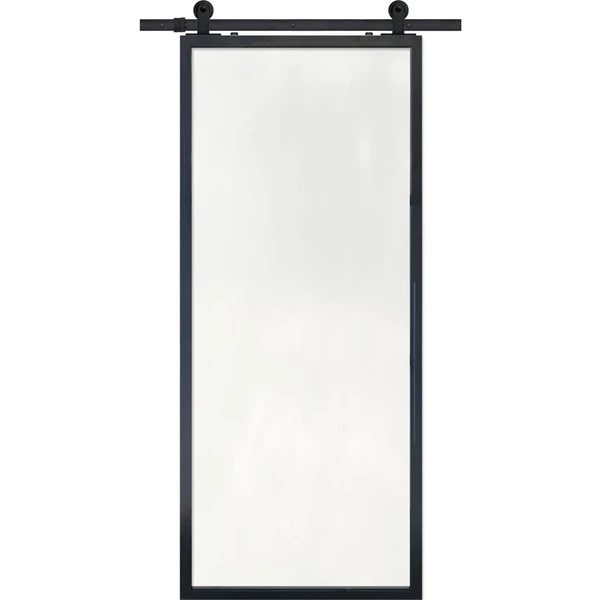
Pocket door latches are made for sliding doors that disappear into the wall. These space-saving designs allow doors to close flush with the wall, making them perfect for tight areas.
Where you’ll see them:
Bathrooms
Bedrooms
Hallways with limited space
Closets or laundry rooms
Why choose them?
They save valuable floor space, offer a clean, minimal look, and provide enough privacy for most interior rooms.
10. Self-Latching Bolts

Self-latching bolts automatically secure the door as soon as it closes. Once shut, the latch engages on its own, providing constant security without the need to manually lock it.
Where you’ll see them:
Pool gates (often required by safety codes)
Childcare and playground gates
Commercial safety doors
Why choose them?
They offer convenience, improve safety, and ensure that doors stay latched even if someone forgets to lock them.
11. Hook and Eye Latches

Hook and eye latches use a simple hook that fits into a loop (eye) to hold the door closed. This traditional design has been used for generations and works well for light-duty closure.
Where you’ll see them:
Garden gates
Sheds
Barn doors
Interior doors needing light privacy
Why choose them?
They’re simple, affordable, easy to install, and perfect for doors that don’t require heavy security.
12. Chain Latches

Chain latches allow the door to open partially while keeping it secured. One side of the chain attaches to the door frame, while the other connects to the door itself.
Where you’ll see them:
Apartment doors
Residential front doors
Hotel room doors
Why choose them?
They provide an added layer of security for safely checking who’s at the door before fully opening it.
13. Magnetic Latches

Magnetic latches use magnets to hold doors closed. They’re known for smooth, silent operation and a clean, modern look with no visible latch bolt.
Where you’ll see them:
Kitchen cabinets
Closet doors
Light-use interior doors
Why choose them?
They offer a sleek, noise-free solution that’s ideal for modern interiors and areas where easy, quiet opening and closing is preferred.
14. Swing Bar Latches

Swing bar latches feature a hinged bar that swings across the door to block it from fully opening. They are commonly used as an additional security measure on top of the main lock.
Where you’ll see them:
Hotel doors
Apartment entrances
Bedrooms or home offices
Why choose them?
They give occupants added peace of mind by preventing the door from being fully opened while still allowing limited visibility and conversation.
15. Jamb Latches

Jamb latches are installed directly into the door frame rather than the door itself. They sit flush, offering a very low-profile and minimal appearance.
Where you’ll see them:
Light interior doors
Office doors
Closet doors
Why choose them?
They provide a clean, almost invisible look, making them a great choice when aesthetics matter and heavy security isn’t required.
How to Choose the Right Door Latch

With so many latch types available, choosing the right one can feel overwhelming. But don’t worry — if you break it down into a few simple factors, you’ll find the perfect latch for your door.
1. Security Needs
Think about how much protection you need.
High security: Deadbolts, deadlatches, and nightlatches are great for entry doors where safety is a priority.
Medium security: Sliding bolts or chain latches work well for gates, sheds, or extra protection on interior doors.
Light security or privacy: Thumb latches, magnetic latches, or hook-and-eye latches are fine for interior doors or private rooms where full security isn’t required.
2. Door Type and Material

The latch you choose should match your door’s design and strength.
Heavy exterior doors: Use stronger latches like deadbolts or mortise latches.
Interior wooden doors: Tubular, mortise, or rim latches are often ideal.
Gates and outdoor doors: Look for corrosion-resistant latches like galvanized or stainless steel sliding bolts or cane bolts.
3. Aesthetic and Design Preferences
Your latch should fit the style of your home.
Modern look: Magnetic latches, jamb latches, or sleek mortise options.
Traditional or rustic: Thumb latches, hook-and-eye, or rim latches.
Hotel or apartment: Swing bar latches or nightlatches offer both security and style.
4. Frequency of Use and Durability

Some doors get opened dozens of times a day, others only occasionally.
High-traffic doors: Use strong, durable latches like mortise, deadlatch, or slam latches.
Occasional use doors: Simpler solutions like hook-and-eye or sliding bolts may be enough.
5. Installation Complexity
Consider whether you’ll install it yourself or hire a professional.
Easier to install: Rim latches, sliding bolts, magnetic catches, hook-and-eye latches.
More complex installation: Mortise latches, deadbolts, or compression latches (which may require door modifications).
Materials & Finishes for Door Latches
The material and finish of your door latch play a big role in both how it looks and how long it lasts. Choosing the right combination ensures your latch works well and stays looking good over time.
Common Materials
Stainless Steel

Highly durable and resistant to rust and corrosion.
Excellent for outdoor use or humid environments.
Long-lasting with minimal maintenance.
Brass

Classic appearance with a warm, golden tone.
Naturally resistant to corrosion.
Often used for interior doors where aesthetics matter.
Zinc

Affordable and easy to work with.
Often used for lightweight latches or interior doors.
Usually coated for extra protection.
Aluminum

Lightweight but still strong.
Naturally resists rust.
Good for both indoor and outdoor use with proper finishing.
Popular Finishes and Coatings
Powder Coating

Adds a tough, colorful, and weather-resistant layer.
Common for outdoor latches and decorative finishes.
Plating (Zinc, Chrome, Nickel, etc.)

Thin layer of metal applied to improve appearance and corrosion resistance.
Chrome and nickel give a shiny, polished look.
Polishing and Buffing

Smooths the surface to a glossy finish.
Often used on high-end interior latches for a sleek appearance.