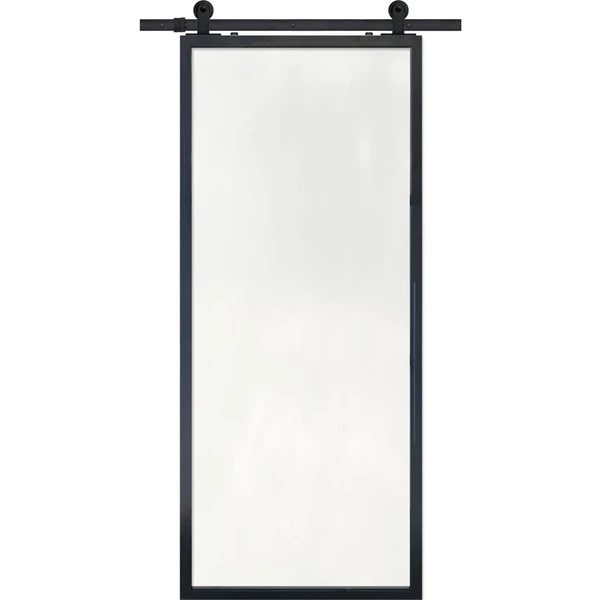



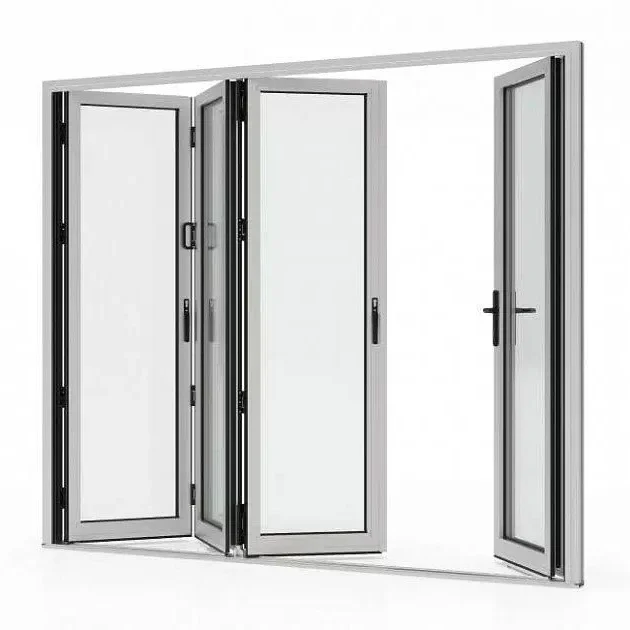









Painting a door might seem like a small change, but it can totally transform the feel of your home—inside or out. Whether it’s your front entry or a hallway closet, a fresh coat of paint adds instant charm, personality, and style.
Color isn’t just decoration—it sets a mood. A bold red door can feel welcoming and warm. A soft blue might create a calm, relaxing vibe. And the right finish—whether glossy, matte, or satin—can make a door pop or blend in beautifully.

Best of all? It’s one of the easiest and most affordable upgrades you can do in a weekend. So if you’re looking to refresh your space without a full renovation, painting a door is the perfect place to start.
Top Door Color Trends
When it comes to giving your doors a fresh look, color is where the magic happens. Whether you’re painting an interior room door or the front entrance, the right shade can make a big difference in how your space feels and flows.
Interior Door Trends

Lately, interior doors are becoming style statements, not just functional pieces. Here are some on-trend picks:
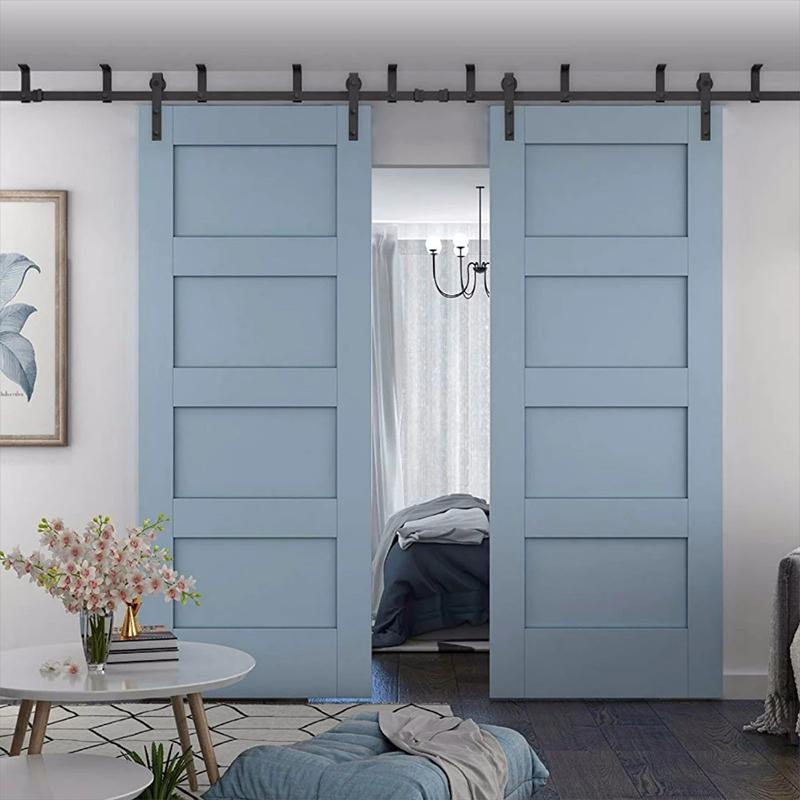
Moody Blues – Deep navy and slate blue bring calm and sophistication.
Emerald Green – Rich, luxurious, and perfect for adding drama in neutral spaces.
Soft Beiges and Greige – These warm neutrals work beautifully in minimalist or modern homes and help rooms feel airy.
Pair these with matte black hardware for a sleek finish or go gold for a touch of glam.
Exterior Door Favorites

Want to boost curb appeal? Exterior doors are the perfect place to go bold:
Sunshine Yellow – Cheerful and inviting.
Electric Blue – A vibrant, modern twist that catches the eye.
Pumpkin Chartreuse – A designer-approved blend of earthy orange and zesty green that works great with dark exteriors.
Pro Color Pairings
For a designer look, try these curated combos:
Charcoal Gray Door + Soft White Trim – Sleek and timeless.
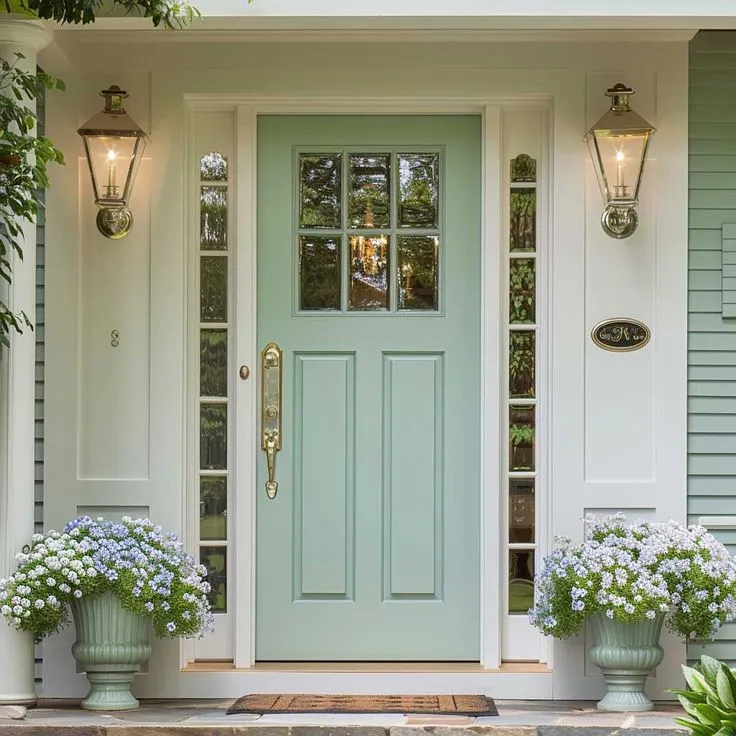
Mint Green Door + Natural Wood Frame – Light, fresh, and welcoming.
Black Door + Bold Red Planters – Urban edge with a punch of personality.
No matter your taste, there’s a trending color that will bring out the best in your space.
Finishes & Effects
Color is just half the story—the finish you choose can completely change the vibe of your painted door. The sheen level not only impacts how your door looks, but also how it performs over time.
Choose the Right Sheen

Here’s a quick breakdown of popular paint finishes and when to use them:
Gloss: High shine, bold look. Great for making a statement on front doors or accent doors. It’s easy to clean but highlights imperfections.
Satin: The sweet spot. A soft, subtle sheen that works for both interior and exterior doors. It offers durability without being too reflective.
Matte/Flat: Low-key and modern. Great for a contemporary feel, especially on interior doors—but it’s more prone to scuffs and harder to clean.
Add Visual Interest with Paint Techniques

Want something more creative than a single color? Try:
Accent Trim Painting: Use a contrasting or complementary color on the trim or panels for extra dimension.
Tone-on-Tone Layers: Pick two shades from the same color family to create a soft layered effect—elegant and subtle.
Ombre Blends: Gradually transition from dark to light from top to bottom for an artsy, unique finish.
Creative Techniques & DIY Styles

If you’re ready to go beyond basic color, it’s time to unleash your inner artist. These creative door painting techniques add personality, charm, and that wow factor your space might be missing—all without a major renovation.
Popular DIY Styles to Try
Stripes: Horizontal, vertical, or even diagonal stripes add instant energy. Use painter’s tape for crisp lines and contrast colors for a bold effect.
Scalloped Frames: This playful, rounded-edge design frames your door like a storybook. It’s perfect for kids’ rooms, cottage-style homes, or whimsical interiors.
Murals: Paint a scene or simple motif—flowers, waves, abstract shapes—that brings life to an otherwise plain door. It’s a fun weekend project for creative souls.
Artistic Touches for the Bold
Want something more high-concept? Try:
Trompe-l’oeil: A French technique that creates the illusion of 3D elements—like faux panels, arches, or shadows. It’s a classy way to add depth without construction.
Motifs & Patterns: Stencil on stars, vines, florals, or geometric shapes to suit your decor theme. Metallic or contrasting paints really make these pop.
Start-to-Finish Painting Process
Painting a door is one of the easiest ways to refresh your space—as long as you do it right. Follow this simple, step-by-step process to get smooth, lasting results.
1. Prep the Surface

Start by removing any dust, dirt, or old grease.
Clean the door thoroughly with mild soap and water.
Sand the surface lightly (use 120–220 grit) to remove sheen and help paint stick.
Wipe down with a damp cloth to remove sanding dust.
👉 Pro tip: If the door has dents or cracks, fill them with wood filler before sanding.
2. Prime for Success

Primer helps the paint stick better and makes colors more vibrant—especially if you’re painting a light color over a dark door (or vice versa).
Use bonding primer for slick or previously painted surfaces.
For wood, stain-blocking primer helps prevent discoloration.
Let the primer dry fully before moving on.
3. Choose the Right Paint & Tools

According to Reddit DIYers and pros alike:
Best paint: Water-based latex for interior doors (low odor), or oil-based enamel for high-traffic/exterior doors (more durable).
Sheen: Use semi-gloss or gloss for easier cleaning.
Tools: A high-density foam roller gives smooth coverage; use a brush for corners and panel details.
4. Paint Like a Pro

Start with the edges and details using an angled brush.
Then roll paint on the flat sections in long, smooth strokes.
Apply two light coats instead of one thick one—this avoids drips and gives better finish.
Let each coat dry fully (typically 4–6 hours or as directed) before reapplying.
Optional: Seal with a clear polyurethane coat if the door will get a lot of use or weather exposure.
Exterior Door Considerations

Painting an exterior door isn’t just about style—it’s also about protection. Outdoor doors face sun, rain, wind, and temperature swings, so choosing the right materials and approach makes a big difference in how long your paint job lasts.
1. Choose Weather-Resistant Paint
For exterior doors, always use exterior-grade paint:
Acrylic latex is popular for its durability, flexibility, and fade resistance.
Oil-based paints offer extra hardness and moisture resistance—great for wooden doors in rainy climates.
Also, look for UV protection in the paint to reduce color fading over time, especially for bold or bright hues like red, yellow, or turquoise.
2. Prep for the Outdoors

Before you begin, follow these exterior-specific tips:
Remove or tape off hardware (knobs, hinges, kick plates).
Clean off any mildew, pollen, or road grime using a mix of water and mild detergent.
Sand and prime especially if the old paint is flaking or if you’re switching from oil- to water-based paint.
3. Avoid Common Exterior Mistakes
Neon colors fade fast: Even with UV-resistant paint, fluorescent tones don’t hold up well in direct sun.
Ignoring HOA or historical rules: If you live in a neighborhood with color restrictions or a historic home, check first before painting—some areas require approval.
4. Ongoing Care
To keep your exterior door looking fresh:
Wipe it down seasonally to remove buildup.
Touch up chips quickly to prevent moisture from getting into the wood or under the paint.
Repaint every 3–5 years depending on exposure.
Matching Your Door to Your Home Style

A well-painted door does more than look good—it ties your whole space together. Whether you’re working with a cozy cottage or a sleek modern home, your color and finish choices can either blend in beautifully or create a striking contrast that feels intentional.
Rustic & Farmhouse Vibes
For homes with a rustic or farmhouse look, lean into warm, earthy tones:
Think deep reds, sage green, barnwood brown, or creamy off-whites.
Distressed or matte finishes work great here.
Add charm with visible wood grain or antique-style hardware.
These colors pair nicely with stone, brick, or shiplap siding and interiors with exposed beams, wood flooring, or vintage elements.
Modern & Minimalist Homes
For a clean, modern space:
Go for bold, crisp hues like charcoal, jet black, crisp white, or navy.
High-gloss or smooth satin finishes elevate the design.
Pair with minimal hardware and clean trim lines.
Try matching your door to metal accents, large windows, or a monochrome palette for maximum style cohesion.
Coordinating with Trim & Walls
Use complementary colors if you want the door to pop (e.g., navy door with white trim).
Try tone-on-tone if you want a sleek, seamless look (e.g., soft beige on beige).
Match the undertones—warm with warm, cool with cool—to avoid clashing.
Exterior Matching Tips
For exterior doors, factor in:
Roof and siding colors
Landscape tones (greens, stones, florals)
Architectural era—colonial, craftsman, mid-century, etc.
Real‑Life Inspiration Gallery






Conclusion

Painting your door is one of the easiest ways to refresh your space—inside or out. From moody blues to bold yellows, high-gloss finishes to matte charm, the right color and style can instantly boost your home’s mood, style, and even curb appeal.
Whether you’re matching your home’s aesthetic or making a bold statement, trust your instincts and have fun with it. After all, it’s just paint—you can always change it later! So grab that brush, pick a shade that speaks to you, and let your door set the tone for your whole space.