












Common Weatherstripping Materials
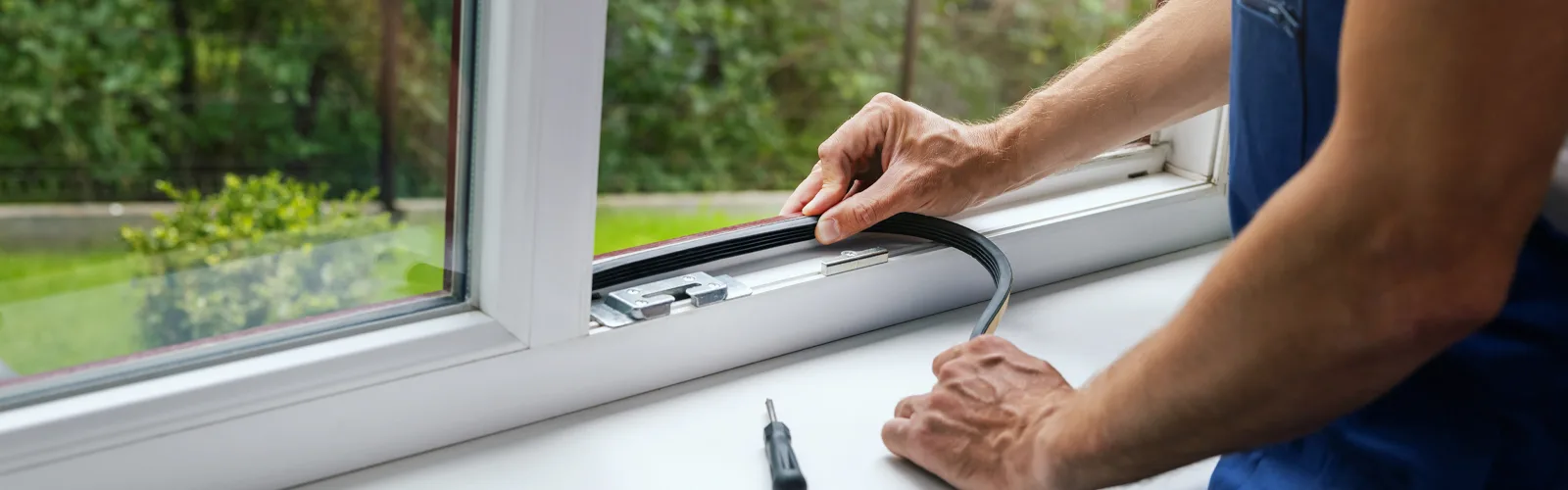
Choosing the right weatherstripping material is just as important as picking the type. Different materials offer different levels of durability, flexibility, and weather resistance. Here’s a quick breakdown to help you decide:
Foam: Soft, flexible, and easy to install. Great for DIY projects and uneven gaps. Best for light to moderate use, but may wear out faster.
Rubber / EPDM: Strong, flexible, and highly weather resistant. Handles extreme temperatures well. Ideal for exterior doors and long-term sealing.
Vinyl: Budget-friendly and moisture resistant. Works well in damp areas but can stiffen in very cold climates.
Metal: Aluminum or stainless steel options offer high durability. Often used with compression or interlocking systems for long-lasting performance.
Selecting the right material ensures better energy efficiency, comfort, and protection year-round.
Tension Seals (V-Strips)
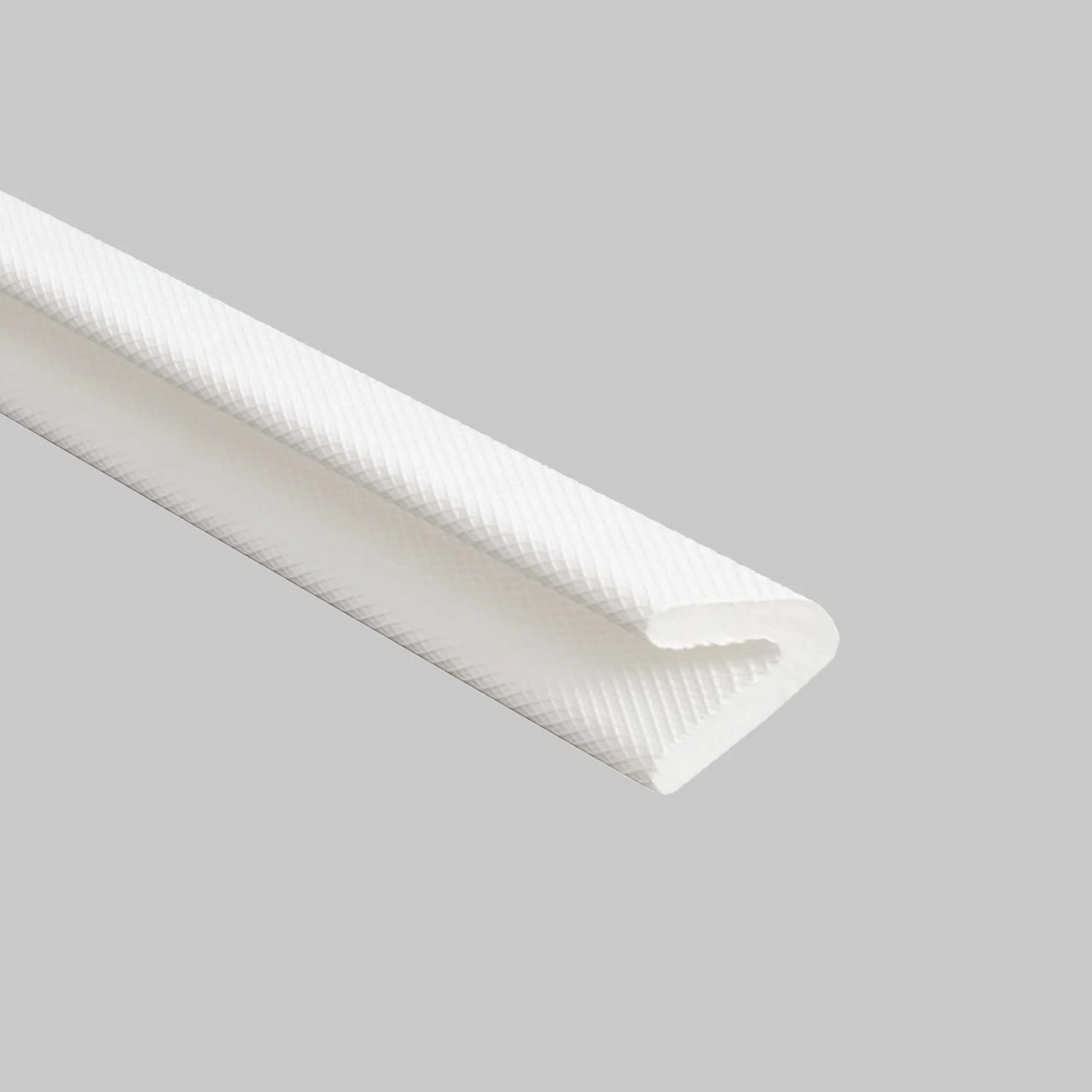
Tension seals, also called V-strips, are thin strips made of flexible metal or vinyl. They fold into a “V” shape and spring open to press tightly against the door edge.
Best for:
Door sides
Top of exterior doors
When the door closes, the strip compresses and blocks drafts.
Pros:
Durable and long-lasting
Low visibility
Strong air seal
Cons:
Installation can be tricky
Must be cut and aligned carefully
V-strips are a smart choice if you want a neat, long-term solution for side gaps.
Felt Weatherstripping
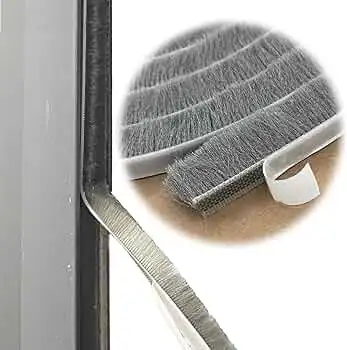
Felt weatherstripping is made from soft, fibrous material. It often comes reinforced with metal strips for added strength.
Best for:
Light-use exterior doors
Temporary fixes
It is one of the oldest and most affordable weatherstripping types.
Pros:
Very inexpensive
Easy to install
Good for quick repairs
Cons:
Wears out faster
Not ideal for heavy rain or wind
Felt works best in low-traffic areas where durability is less important.
Foam Tape & Reinforced Foam
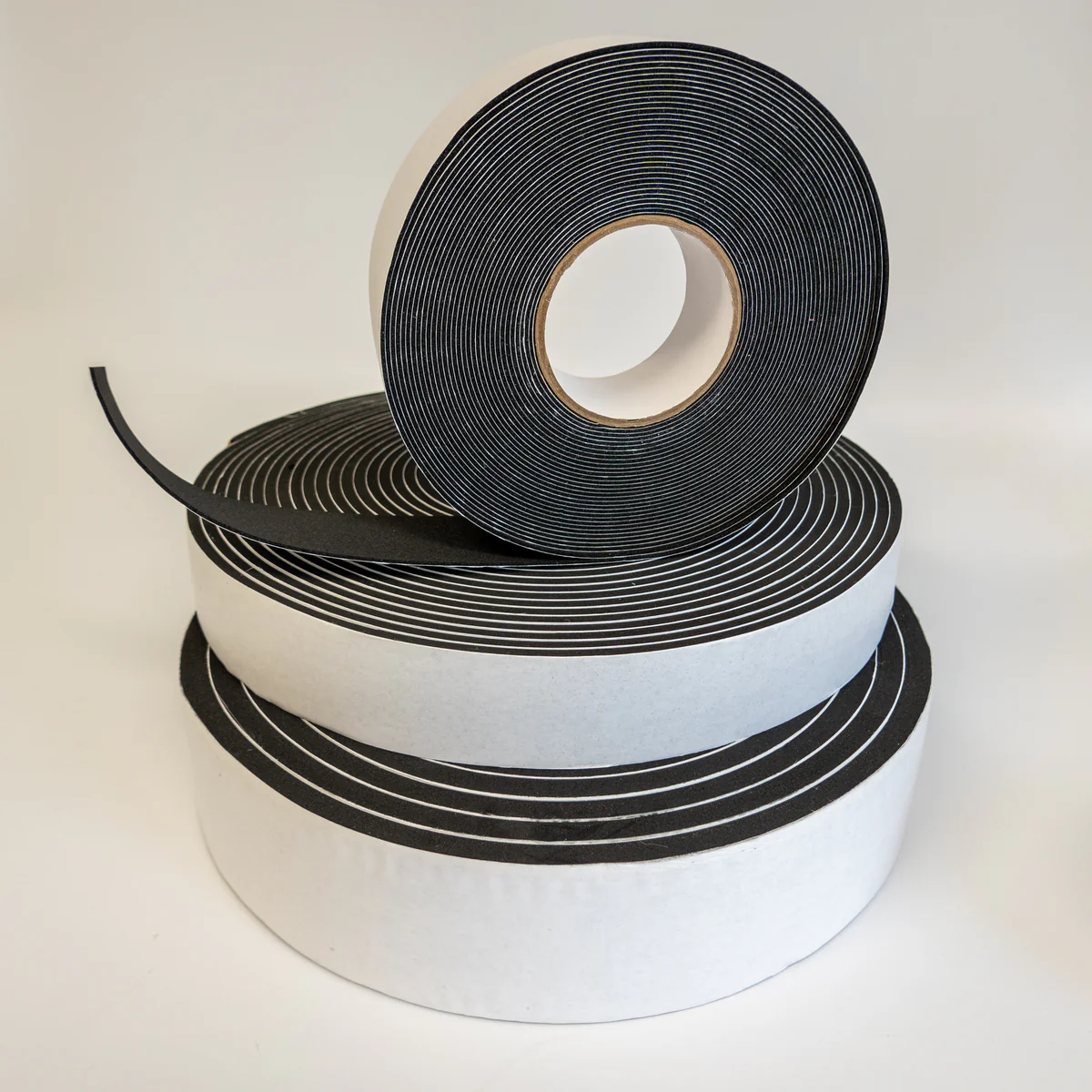
Foam tape is self-adhesive and easy to apply. It compresses to fill uneven gaps around the door frame.
Reinforced foam includes a stronger backing for doors that open and close often.
Best for:
Small to medium gaps
DIY upgrades
Uneven door frames
Pros:
Quick installation
Budget-friendly
Flexible for irregular surfaces
Cons:
Adhesive may weaken over time
Not as durable as rubber seals
Foam weatherstripping is ideal for fast improvements, but it may need replacement sooner.
Tubular & Bulb Seals
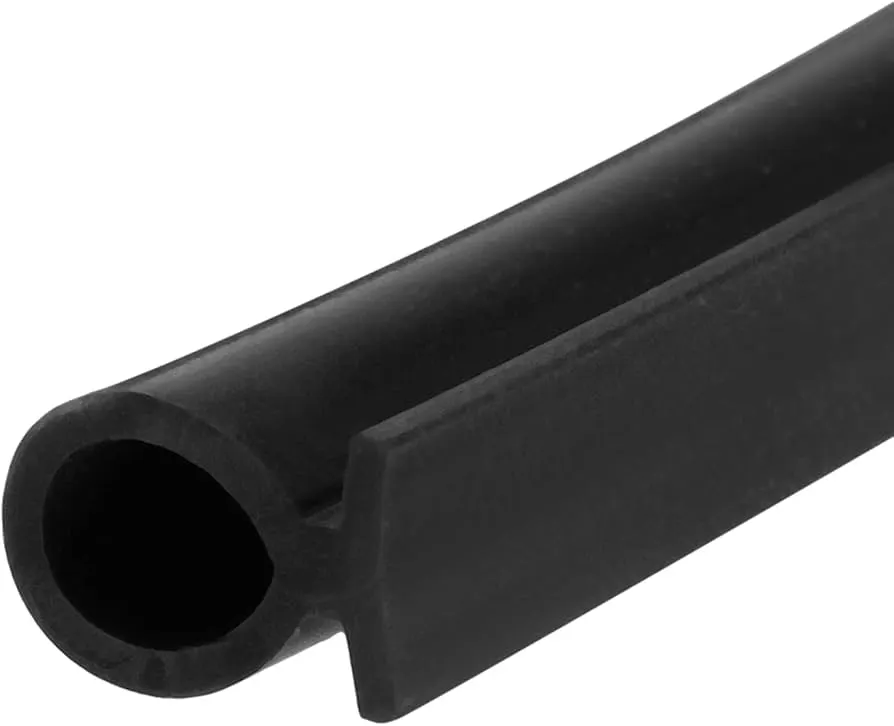
Tubular seals are hollow tubes made of rubber, silicone, or vinyl.
Bulb seals are flexible hollow shapes attached to the door frame.
Both compress when the door closes, creating a tight air and moisture barrier.
Best for:
Exterior entry doors
Areas with heavy rain or wind
Energy-efficient homes
Pros:
Strong seal against air and water
Long lifespan
Excellent energy savings
Cons:
Requires proper sizing
May need professional installation
These seals provide one of the most reliable solutions for exterior doors.
Door Sweeps & Door Shoes
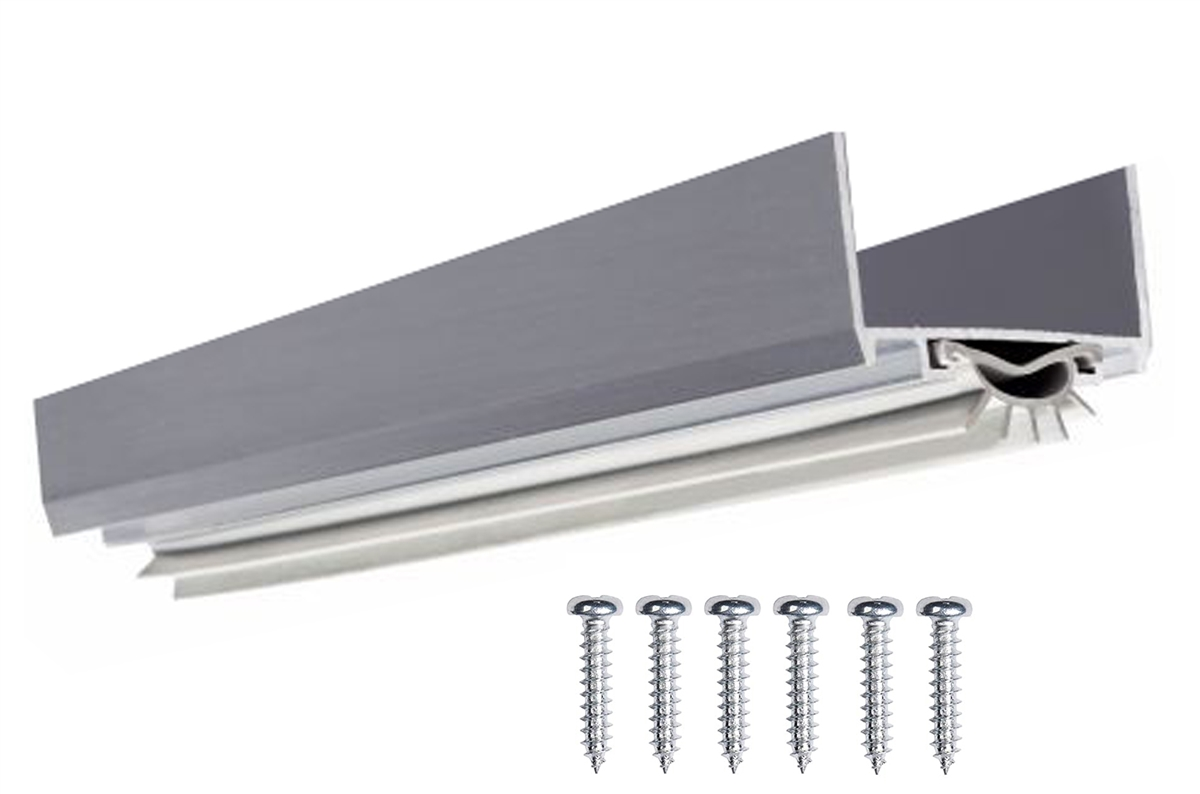
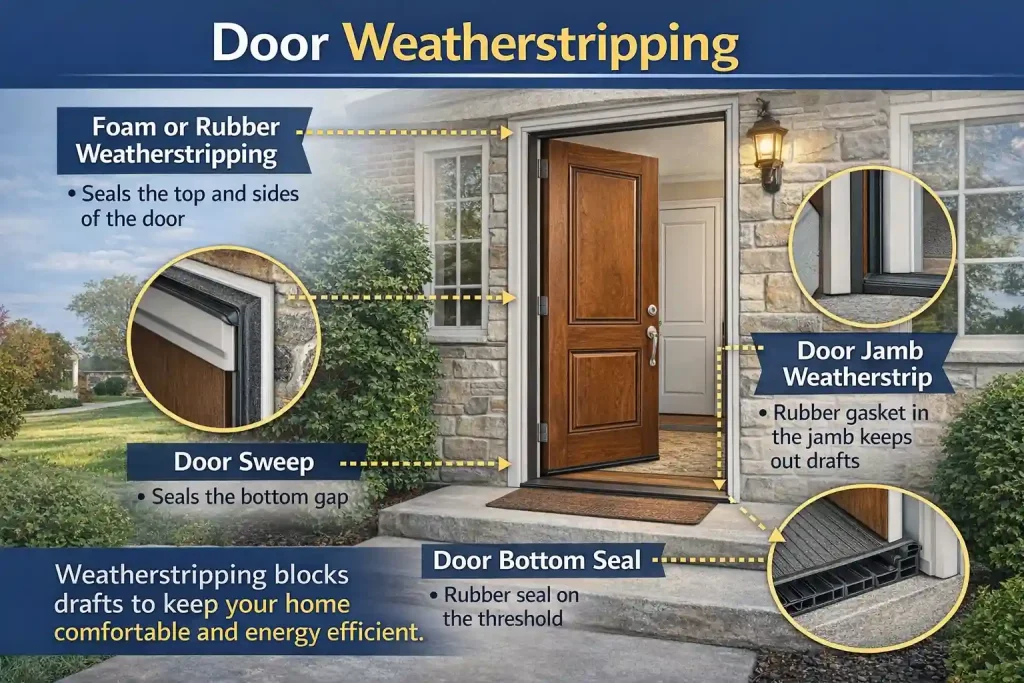
The bottom of the door is a common source of drafts.
Door sweeps attach to the inside or outside bottom edge.
Door shoes wrap around the bottom in a U-shape for extra protection.
Best use:
Gaps under doors
Threshold sealing
Blocking dust, insects, and cold air
Pros:
Easy to install
Improves comfort quickly
Works with most door types
Cons:
May drag on flooring if not adjusted
Needs correct measurement
A proper door sweep can stop cold air from entering your home.
Magnetic & Brush-Type Weatherstripping
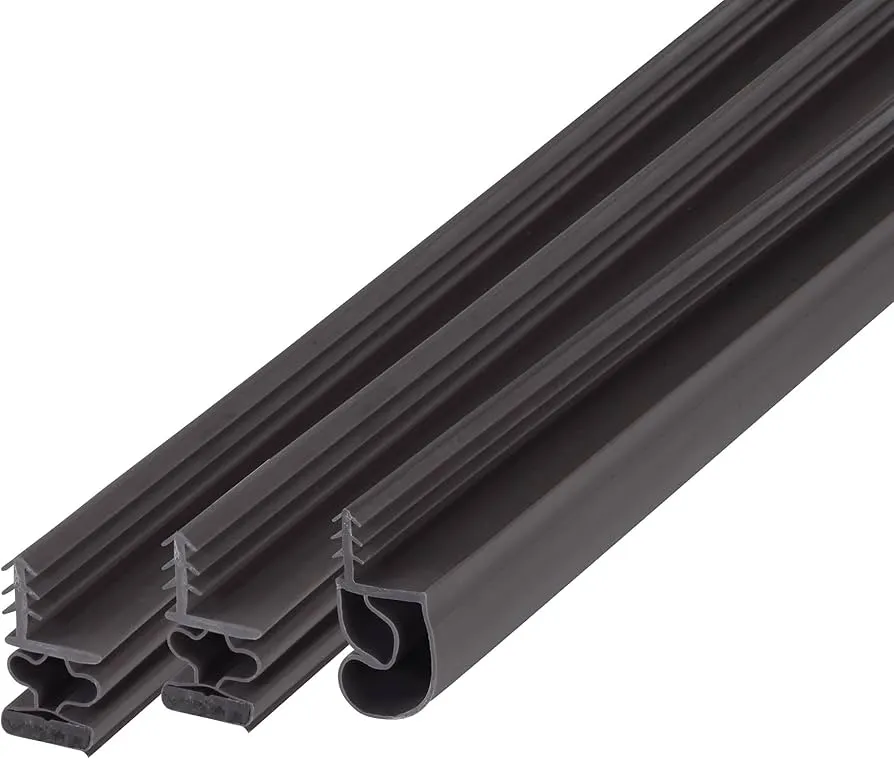
These specialty seals work well in specific situations.
Magnetic Weatherstripping
Magnetic strips create a tight seal when they meet a metal door frame.
Best for:
Steel exterior doors
High-performance sealing
Pros:
Very tight closure
Long-lasting
Cons:
Only works with metal doors
Brush Seals
Brush weatherstripping uses flexible bristles.
Best for:
Uneven surfaces
Pros:
Adapts to irregular gaps
Reduces dust and pests
Cons:
Not fully airtight
Interlocking Metal & Compression Seals
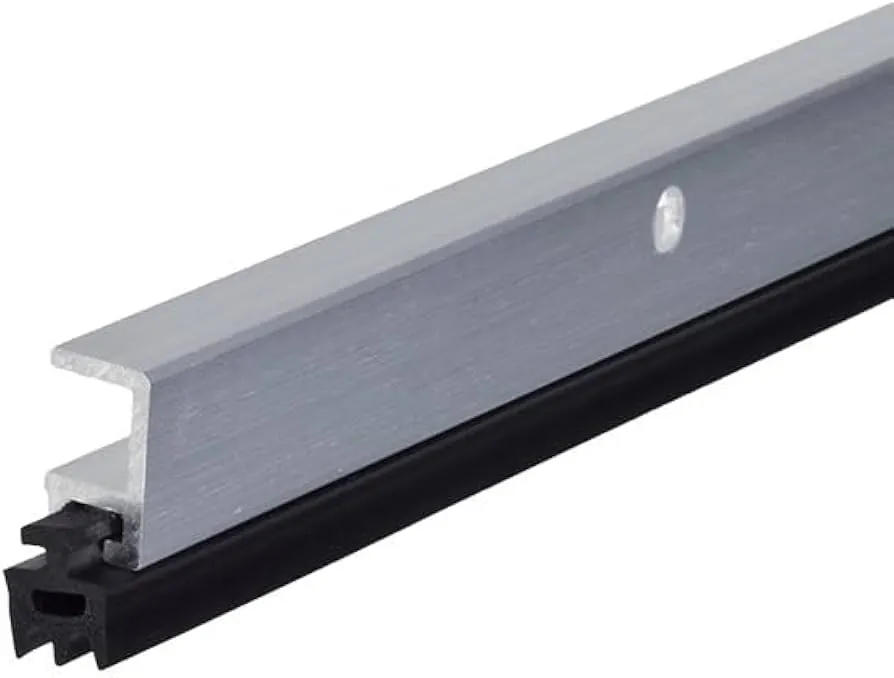
These are premium weatherstripping solutions for maximum performance.
Interlocking metal seals use two metal channels that connect when the door closes.
Compression seals flatten under pressure to create a strong air barrier.
Best for:
High-performance exterior doors
Extreme climates
Long-term energy savings
Pros:
Excellent durability
Strong air and moisture resistance
Professional-grade solution
Cons:
More expensive
Complex installation
If you want the highest level of protection, interlocking or compression seals are the top-tier option.
How to Choose the Right Weatherstripping

Choosing the right door weatherstripping can make a big difference in comfort and energy savings. The best option depends on your door type, climate, and gap size. Here’s how to decide:
Measure the gap size: Small gaps work well with foam or V-strips. Larger gaps may need tubular or compression seals.
Check door location: Exterior doors need durable, weather-resistant materials like EPDM rubber or bulb seals.
Consider climate: Cold or windy areas require stronger air seals and moisture protection.
Think about door use: High-traffic doors need long-lasting materials that won’t wear out quickly.
Match the door material: Magnetic seals work best on steel doors.
The right weatherstripping improves energy efficiency, blocks drafts, and keeps your home comfortable all year.
Need Help Choosing the Right Weatherstripping?
The right door weatherstripping solution can lower energy bills, reduce drafts, and protect your home from moisture and dust. But choosing the best material and seal type can be confusing without expert guidance.
Our team can help you:
Identify the correct weatherstripping type for your door
Recommend durable materials for your climate
Provide custom sealing solutions for new or existing doors
Ensure long-term performance and energy efficiency
Whether you’re upgrading a single entry door or sourcing seals for a full project, we’re here to support you.
Contact us today for professional advice, product recommendations, and a tailored quote for your door sealing needs. Let’s create a tighter, more energy-efficient home together.
FAQs
What are the different types of weatherstripping?
Common weatherstripping types include V-strip (tension seals), foam tape, felt strips, tubular rubber/vinyl, door sweeps, vinyl gasket rolls, and metal strips. These options help seal gaps around doors and windows to reduce drafts and save energy.
What are the different types of door strips?
Door strips include tension-seal (V-strips), felt, foam adhesive tape, tubular rubber/vinyl, door sweeps, door shoes, reinforced vinyl, and magnetic strips — each suited for specific gaps and door styles.
What is the best weatherstripping for front doors?
For most front doors, compression weatherstripping (rubber, vinyl, or silicone) is considered best because it creates a tight seal when the door closes, blocking air and moisture effectively.
What are the different types of window seals?
Window seals include bulb weatherstrips, compression strips, pile/fin seals, V-strip weatherstrips, adhesive foam tape, and brush-type seals, each tailored to different frame types and air leakage points.